Vanilla Bean Panna Cotta Cups
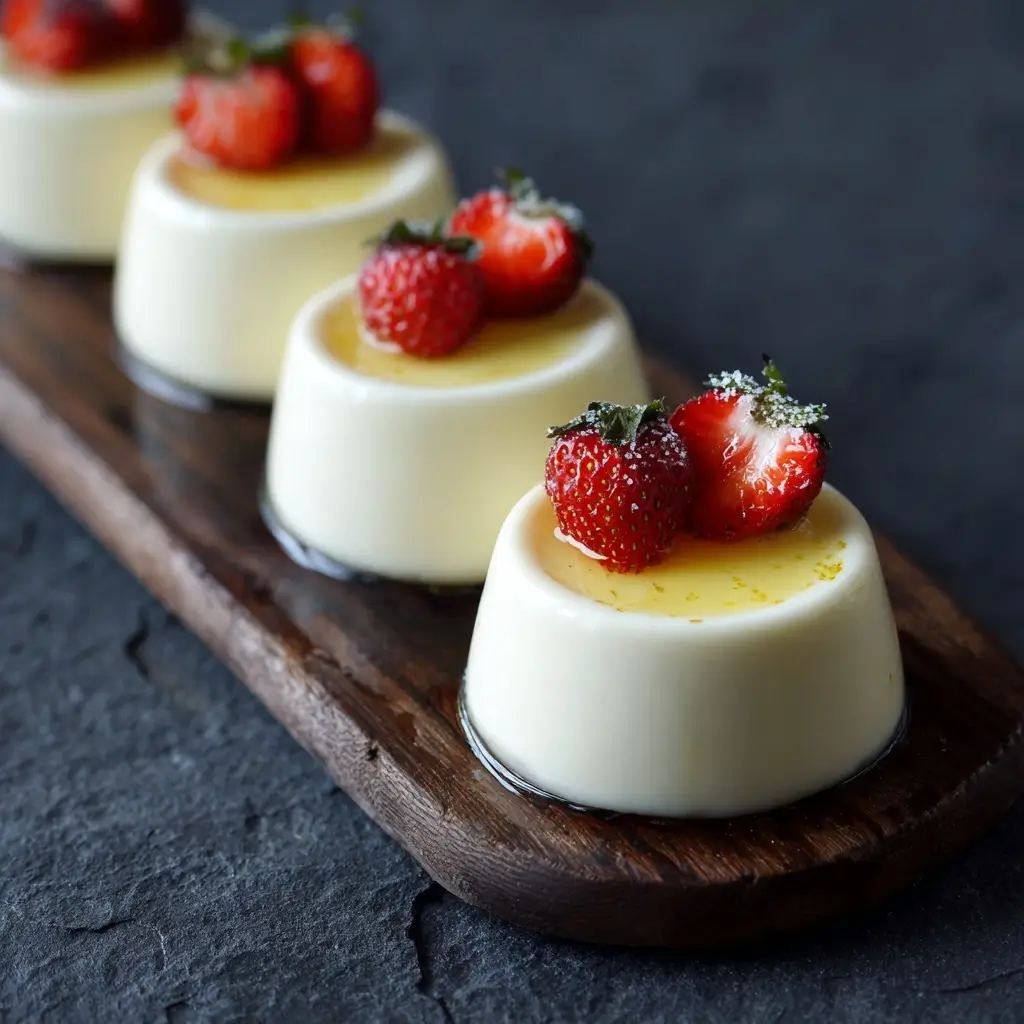
Creamy, smooth, and delicately sweet—vanilla bean panna cotta cups are the epitome of elegant simplicity in dessert. Originating from Italy’s Piedmont region, this no-bake custard has won hearts across the globe with its silky texture and rich flavor. Unlike traditional custards that rely on eggs, panna cotta sets using gelatin, making it lighter and more refreshing. Served chilled in individual cups, each spoonful delivers a luxurious experience perfect for dinner parties or quiet evenings alike.
The History of Panna Cotta
Panna cotta, which literally translates to “cooked cream” in Italian, traces its roots back to the early 20th century in the northern Italian region of Piedmont. This area, nestled against the Alps and bordering France, is known for its rich culinary traditions and high-quality dairy products. Originally a peasant dish, panna cotta was created as a way to use excess cream from cattle farming. The earliest versions were incredibly simple: just cream, sugar, and a setting agent like calf’s foot gelatin.
Over time, as refrigeration became more common and access to ingredients improved, panna cotta evolved into a refined dessert served in fine dining establishments. Its popularity surged in the mid-20th century, eventually spreading beyond Italy during the 1980s and 1990s as part of the global fascination with Italian cuisine. Today, it’s a staple in modern restaurants worldwide and a favorite among home bakers seeking an effortless yet sophisticated treat.
While vanilla remains the classic flavor, regional variations now include espresso, berry coulis, chocolate, and even savory infusions. However, the vanilla bean version stands out for its pure, aromatic essence derived from real vanilla beans, elevating the dessert to gourmet status.
Ingredients Breakdown: What Makes It So Luxurious?
The magic of vanilla bean panna cotta lies in the quality and harmony of its few ingredients. Each component plays a crucial role in achieving that velvety texture and balanced sweetness. Here’s a detailed look at what goes into these dreamy cups:
- Heavy Cream (Double Cream): The foundation of panna cotta, heavy cream provides richness and body. With a fat content of around 36–40%, it ensures a luxuriously smooth mouthfeel. Avoid substituting with lower-fat creams unless you’re prepared for a less creamy result.
- Whole Milk (Optional but Recommended): While traditional recipes use only cream, many modern versions blend in whole milk to lighten the texture slightly without sacrificing silkiness. It also helps balance the intensity of the cream.
- Granulated Sugar: Adds sweetness and aids in the dissolution of gelatin. The amount can be adjusted based on preference, but too little sugar may affect the final set and flavor depth.
- Vanilla Bean: The star ingredient. A single split vanilla bean pod imparts deep, floral, and slightly woody notes. Scraping the seeds ensures every bite sparkles with speckled elegance. For best results, use Madagascar or Tahitian beans depending on desired profile—Madagascar offers classic sweet vanilla, while Tahitian brings fruity complexity.
- Unflavored Gelatin: Acts as the setting agent. Derived from animal collagen, it dissolves into the warm liquid and solidifies when chilled. Powdered or sheet gelatin both work; consistency depends on proper blooming and even distribution.
- Water (for Blooming Gelatin): Cold water is essential for hydrating the gelatin before it’s incorporated into the warm cream mixture. Skipping this step leads to lumps or uneven setting.
- Optional Additions: A splash of vanilla extract enhances aroma, while a pinch of salt amplifies flavors. Some chefs add a small amount of corn syrup to prevent crystallization and improve gloss.
Step-by-Step Recipe: How to Make Vanilla Bean Panna Cotta Cups
Yield: 6 servings
Prep Time: 15 minutes
Chill Time: At least 4 hours (preferably overnight)
Total Time: 4+ hours (mostly inactive)
Ingredients
- 2 cups (480 ml) heavy cream
- ½ cup (120 ml) whole milk
- ⅔ cup (130g) granulated sugar
- 1 large vanilla bean (or 1 tablespoon pure vanilla extract if unavailable)
- 1 packet (7g or 2¼ tsp) unflavored powdered gelatin
- 3 tablespoons (45 ml) cold water
- Pinch of sea salt (optional)
- 1 teaspoon vanilla extract (optional, for enhanced flavor)
Directions
- Bloom the Gelatin: In a small bowl, sprinkle the gelatin over the cold water. Let it sit undisturbed for 5–10 minutes until it swells and becomes spongy. This process, called blooming, prepares the gelatin to dissolve smoothly into the warm cream.
- Split the Vanilla Bean: Using a sharp knife, slice the vanilla bean lengthwise. Scrape out the tiny black seeds with the back of the knife and reserve both the seeds and the pod for maximum flavor infusion.
- Heat the Dairy Mixture: In a medium saucepan, combine the heavy cream, whole milk, sugar, scraped vanilla seeds, and the empty vanilla pod. Add a pinch of salt if using. Place over medium heat and stir gently until the sugar dissolves completely—do not boil yet. Continue heating until the mixture is hot and steam begins to rise (around 175°F / 80°C), but avoid boiling to preserve texture.
- Infuse the Flavor: Remove from heat, cover the saucepan, and let the mixture steep for 15–20 minutes. This allows the vanilla essence to fully permeate the cream. After steeping, remove the vanilla pod (you can rinse, dry, and reuse it for sugar or extract later).
- Melt the Gelatin: Reheat the cream mixture over low heat just enough to warm it again. Then, add the bloomed gelatin and whisk continuously until completely dissolved—about 1–2 minutes. Do not bring to a boil after adding gelatin, as excessive heat can weaken its setting power.
- Final Touches: Stir in the optional vanilla extract for extra aromatic depth. Strain the mixture through a fine-mesh sieve into a large measuring cup or spouted bowl to ensure absolute smoothness and remove any undissolved particles.
- Pour Into Cups: Carefully pour the liquid into six serving glasses, ramekins, or dessert cups. Use a funnel if needed to avoid spills. The standard size is about 4–6 oz per cup.
- Chill Until Set: Transfer the cups to the refrigerator and chill uncovered for at least 4 hours, or preferably overnight. The panna cotta should be firm to the touch and cleanly release from the sides when gently shaken.
- Serve: Once set, serve as-is or unmold by dipping the bottom of the cup briefly in warm water and inverting onto a plate. Garnish with fresh berries, caramel sauce, or edible flowers for presentation.
Tips for Perfect Panna Cotta Every Time
- Use Real Vanilla Beans: While extract works in a pinch, nothing compares to the depth and fragrance of real vanilla beans. Save used pods by storing them in sugar to make vanilla sugar.
- Don’t Boil After Adding Gelatin: High temperatures break down gelatin proteins, leading to a softer or failed set. Keep the heat low once gelatin is added.
- Strain the Mixture: Even if your mixture looks smooth, straining removes any stray bits of vanilla pod or coagulated fat, ensuring a flawless finish.
- Uniform Serving Vessels: Use identical-sized cups so they chill evenly. Glass or ceramic ramekins work beautifully for serving.
- Chill Undisturbed: Avoid moving the cups during setting. Vibrations or temperature fluctuations can cause imperfections or weeping.
- Test the Set: Gently shake one cup after 3 hours—if it jiggles like Jell-O, it needs more time. A properly set panna cotta holds its shape with a slight wobble.
- Unmolding Success: To invert, dip the bottom of the cup in warm (not hot) water for 5–10 seconds, then run a thin knife around the edge before flipping. Serve immediately.
Variations and Customizations
Once you’ve mastered the classic vanilla bean version, the world of panna cotta customization opens up. Here are some inspired twists:
- Chocolate Panna Cotta: Melt 3 oz of dark chocolate into the warm cream mixture before adding gelatin for a decadent twist.
- Espresso Panna Cotta: Replace ¼ cup of cream with strong brewed espresso or add 1 tbsp instant espresso powder for a caffeinated kick.
- Lavender Honey Panna Cotta: Infuse the cream with 1 tsp culinary lavender buds and sweeten with honey instead of sugar for a floral touch.
- Fruit Swirls: Layer or swirl in raspberry coulis, mango purée, or passionfruit curd before chilling for a vibrant contrast.
- Coconut Panna Cotta: Substitute half the cream with full-fat coconut milk for a tropical flair—top with toasted coconut flakes.
- Almond or Rose Panna Cotta: Add ½ tsp almond extract or 1 tsp food-grade rose water for a Persian-inspired dessert.
- Dairy-Free Option: Use canned coconut cream and agar-agar (1 tsp agar powder per cup) as a plant-based alternative. Note: Agar sets faster and firmer than gelatin.
- Mini Shot Glasses for Parties: Serve in martini glasses or mini mason jars for elegant cocktail-hour treats.
Health Considerations and Nutritional Value
While panna cotta is undeniably indulgent, understanding its nutritional profile helps in enjoying it mindfully. Per serving (based on 1/6 of the recipe using full cream):
| Nutrient | Amount (Approximate) |
|---|---|
| Calories | 320 kcal |
| Total Fat | 28g |
| Saturated Fat | 17g |
| Cholesterol | 95mg |
| Carbohydrates | 16g |
| Sugars | 15g |
| Protein | 3g |
| Sodium | 30mg |
Key Notes:
- High in Saturated Fat: Due to heavy cream, panna cotta is rich in saturated fats. Those monitoring heart health may consider reduced-fat versions (though texture will change).
- Gelatin Benefits: Contains collagen, which supports joint and skin health. However, the amount per serving is minimal.
- Sugar Content: Can be reduced to ½ cup sugar or substituted with erythritol or monk fruit for lower glycemic impact (note: may affect texture).
- Lactose Intolerant? Not suitable due to dairy content. Coconut milk alternatives offer a workaround.
- Kosher & Halal Considerations: Standard gelatin is animal-derived. Use certified kosher/halal gelatin or agar-agar for dietary compliance.
Frequently Asked Questions (FAQ)
Q: Can I make panna cotta without gelatin?
A: Yes! Use agar-agar (a seaweed-derived gelling agent) at a ratio of 1 tsp powdered agar per cup of liquid. Bring to a full boil and simmer 2–3 minutes for activation. Texture will be firmer.
Q: Why is my panna cotta not setting?
A: Common causes include expired gelatin, overheating after adding gelatin, insufficient chilling time, or inaccurate measurements. Ensure gelatin is properly bloomed and not boiled post-addition.
Q: Can I freeze panna cotta?
A: Not recommended. Freezing disrupts the emulsion and causes separation upon thawing, resulting in a grainy texture.
Q: How long does panna cotta last in the fridge?
A: Up to 5 days when stored covered with plastic wrap. Best enjoyed within 2–3 days for optimal texture.
Q: Can I double the recipe?
A: Absolutely. Just maintain the same ratios and use a larger container or more molds. Stir thoroughly to ensure even gelatin distribution.
Q: Is panna cotta the same as pudding?
A: No. Pudding typically uses cornstarch or eggs as thickeners and is often cooked longer. Panna cotta relies on gelatin and has a cleaner, more delicate melt-in-the-mouth quality.
Q: Can I use vanilla paste instead of a bean?
A: Yes! 1–2 teaspoons of high-quality vanilla paste equals one vanilla bean and gives excellent speckling and flavor.
Q: Can I add alcohol?
A: Yes—add 1–2 tbsp of liqueur like Grand Marnier, Kahlúa, or Amaretto after removing from heat. Avoid exceeding 3 tbsp as alcohol can interfere with setting.
Summary
Vanilla bean panna cotta cups are a timeless Italian dessert that combines minimal ingredients with maximum elegance, delivering a silky, subtly sweet treat that melts on the tongue. Perfect for entertaining or personal indulgence, this no-bake classic proves that sophistication can be simple.