Introduction
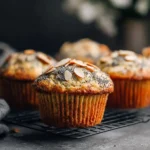
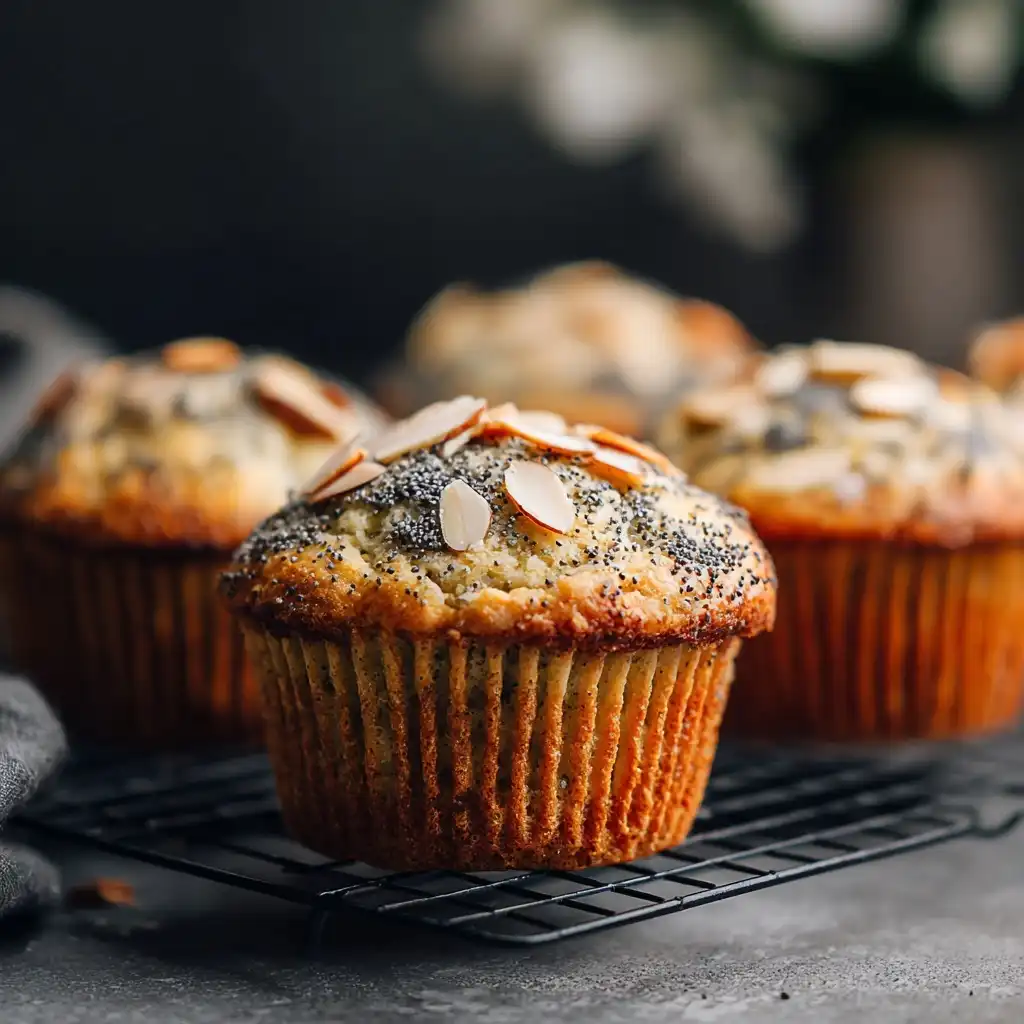
Vanilla Almond Poppy Seed Muffins are a harmonious marriage of delicate sweetness, nutty richness, and subtle crunch—elevating the humble muffin into a bakery-worthy treat that delights both the palate and the senses. With their tender crumb, fragrant vanilla-almond aroma, and the delightful textural contrast provided by tiny, oil-rich poppy seeds, these muffins strike the perfect balance between comforting familiarity and sophisticated flavor. Whether enjoyed warm with a pat of butter for breakfast, paired with afternoon tea, or packed into lunchboxes for a wholesome snack, they offer versatility without compromise. Their visually appealing golden domes speckled with inky-black poppy seeds make them as photogenic as they are delicious—ideal for home bakers seeking an approachable yet impressive recipe that consistently delivers moist, flavorful results.
The History
The origins of the muffin trace back to early 18th-century Britain, where “muffins” referred to small, yeast-leavened griddle cakes—quite different from today’s quick-bread style. The modern American muffin emerged in the mid-19th century with the advent of chemical leaveners like baking powder (first commercially produced in the 1850s), enabling faster, more reliable rising without yeast. Poppy seeds have been used for millennia—from ancient Sumerian medicinal texts to Egyptian tomb offerings—and entered European baking traditions via trade routes from the Middle East and Mediterranean. Their use in baked goods surged in Central and Eastern Europe, particularly in Hungarian and Polish strudels and rolls. Almonds, native to the Levant and cultivated since 3000 BCE, became widely popular in European confections after Arab agricultural advancements spread through Spain and Italy. Vanilla, derived from the orchid Vanilla planifolia, was first domesticated by pre-Aztec Mesoamerican peoples and introduced to Europe by Spanish conquistadors in the 1500s—but remained prohibitively expensive until the 19th century, when hand-pollination techniques enabled global cultivation. The fusion of these three ingredients—vanilla, almond, and poppy seed—gained traction in American home baking during the mid-to-late 20th century, buoyed by the rise of gourmet grocery chains, food magazines like Bon Appétit and Gourmet, and the “artisanal” baking movement of the 1990s and early 2000s. Today, Vanilla Almond Poppy Seed Muffins reflect a global culinary lineage—rooted in ancient agriculture, refined by colonial trade, democratized by industrial baking science, and celebrated anew in the era of mindful, ingredient-forward home baking.
Ingredients Breakdown
Every component in this recipe plays a precise functional and sensory role—no ingredient is arbitrary. Let’s explore each in depth:
- All-Purpose Flour (2 ½ cups / 312g): Provides gluten structure and volume. A blend of hard and soft wheat ensures tenderness without toughness. For optimal rise and texture, spoon-and-level flour rather than scooping—overmeasuring causes dense muffins. Optional: Substitute up to ½ cup with whole wheat pastry flour for added fiber and nuttiness without compromising lift.
- Granulated Sugar (¾ cup / 150g): Sweetens, aids browning (via Maillard reaction), retains moisture, and tenderizes by interfering with gluten formation. Organic cane sugar adds subtle molasses notes; superfine sugar dissolves more readily for smoother batter.
- Baking Powder (2 ¼ tsp / 10g) & Baking Soda (¼ tsp / 1g): Dual leavening system. Baking powder provides primary lift with its acid + base reaction activated by liquid and heat; baking soda neutralizes acidity from buttermilk (if used) and enhances browning and spread. Freshness is critical—test by mixing ½ tsp with ¼ cup hot water; vigorous fizzing = active.
- Fine Sea Salt (1 tsp / 6g): Enhances all other flavors, balances sweetness, and strengthens gluten slightly. Avoid iodized table salt—it can impart bitterness at this concentration.
- Poppy Seeds (¼ cup / 36g): Tiny blue-black seeds from the opium poppy (Papaver somniferum), prized for their mild, nutty, slightly sweet flavor and crunchy texture. Rich in calcium, magnesium, manganese, and heart-healthy omega-3 and -6 fatty acids. Toast lightly before use to unlock deeper, almost sesame-like aroma. Note: Culinary poppy seeds contain negligible opiate alkaloids and are legally sold worldwide.
- Almond Extract (1 ½ tsp / 7ml): Highly concentrated essence distilled from bitter almonds (or synthetically from benzaldehyde). Provides intense, authentic marzipan-like fragrance. Use sparingly—excess can taste medicinal. Pure extract preferred over imitation for depth and complexity.
- Pure Vanilla Extract (2 tsp / 10ml): Made from cured, fermented vanilla beans steeped in alcohol and water. Contains hundreds of flavor compounds (vanillin, piperonal, heliotropin) contributing warmth, creaminess, and floral depth. Bourbon or Madagascar varieties offer rich, creamy notes; Tahitian yields fruitier, floral tones. Avoid “vanilla flavor” or “imitation vanilla”—they lack nuance and can taste artificial.
- Large Eggs (2, room temperature): Bind ingredients, emulsify fat and liquid, provide structure via coagulation, and contribute to leavening (trapped air expands when heated). Room temperature ensures uniform incorporation and prevents batter from seizing.
- Unsalted Butter (½ cup / 113g), melted and cooled: Adds richness, tenderness, and flakiness. Unsalted allows precise sodium control. Melted (not browned, unless desired variation) ensures even distribution. Cooling prevents cooking eggs on contact. Clarified butter may be substituted for higher smoke point and intensified nuttiness.
- Whole Milk (1 cup / 240ml), room temperature: Hydrates dry ingredients, activates leaveners, and contributes lactose for browning and tenderness. Whole milk’s fat content yields superior moisture retention versus low-fat alternatives. Buttermilk (1 cup, well-shaken) may replace milk for tangy depth and extra tenderness—reduce baking soda to ⅛ tsp if substituting.
- Almond Slices or Slivered Almonds (½ cup / 50g), toasted: Not just garnish—they add aromatic crunch, visual appeal, and textural contrast. Toasting in a dry skillet over medium-low heat for 3–5 minutes until golden and fragrant deepens flavor and eliminates raw bitterness. Cool completely before folding in or topping.
- Optional Additions: A tablespoon of honey or maple syrup enhances moisture and complexity; a splash of almond milk intensifies nuttiness; lemon zest (1 tsp) brightens and cuts richness; a pinch of cardamom or nutmeg complements the almond-vanilla profile.
Step-by-Step Recipe
- Preheat & Prep: Position oven rack in the center. Preheat oven to 375°F (190°C). Line a standard 12-cup muffin tin with parchment paper liners (preferred for easy release and no greasing) or generously grease cups with butter or non-stick spray. Lightly toast almond slices in a dry skillet over medium-low heat, stirring constantly, until golden and fragrant (3–5 minutes). Transfer to a plate to cool completely.
- Whisk Dry Ingredients: In a large bowl, sift together flour, sugar, baking powder, baking soda, and salt. Whisk vigorously for 30 seconds to fully aerate and evenly distribute leaveners. Stir in poppy seeds, ensuring they’re evenly dispersed—not clumped—to prevent uneven texture and bitter pockets.
- Combine Wet Ingredients: In a separate medium bowl, whisk eggs until just blended (no need to froth). Whisk in melted, cooled butter, vanilla extract, and almond extract until smooth and emulsified. Gradually whisk in milk until homogenous—no streaks of fat or liquid separation.
- Mix Batter Gently: Pour wet mixture into dry ingredients. Using a flexible silicone spatula, fold gently with 12–15 slow, sweeping strokes—just until no dry flour remains. Do not overmix: overdevelopment of gluten creates tunnels, toughness, and peaked, collapsed tops. It’s perfectly acceptable—and ideal—to see a few faint streaks of flour. Overmixing is the #1 cause of dense or rubbery muffins.
- Rest the Batter (Optional but Recommended): Let batter sit at room temperature for 15–20 minutes. This allows flour to fully hydrate, poppy seeds to plump slightly, and gluten strands to relax—resulting in even more tender, uniformly risen muffins with better oven spring.
- Portion & Top: Divide batter evenly among lined muffin cups—fill each about ¾ full (≈¼ cup per cup) for high-domed muffins. Sprinkle cooled toasted almonds evenly over tops, pressing gently to adhere. For extra indulgence, dot each with a tiny piece of cold butter (¼ tsp) before baking.
- Bake with Precision: Place tin in preheated oven. Bake for 18–22 minutes, rotating the pan front-to-back halfway through for even browning. Muffins are done when tops are deeply golden, springs back lightly when touched, and a toothpick inserted into the center comes out clean or with *moist* crumbs (not wet batter). Avoid opening the oven door before the 16-minute mark—temperature fluctuations hinder rise.
- Cool Strategically: Remove tin from oven. Let muffins cool in the pan for exactly 5 minutes—this sets the structure and prevents sticking. Then carefully transfer to a wire rack. Cool for at least 15–20 minutes before serving. Patience here ensures internal steam escapes, preventing sogginess, and allows flavors to fully meld. Serve warm for maximum aroma—or at room temperature for optimal texture.
Tips
- Room Temperature Matters: Cold eggs or milk can cause melted butter to seize into grainy solids, leading to uneven texture. Take dairy and eggs out 30–60 minutes ahead.
- Measure Like a Pro: Use a kitchen scale for flour (312g) — measuring cups vary wildly. If using cups, spoon flour into the cup and level with a knife—never scoop directly from the bag.
- Poppy Seed Prep: Grind 1 tbsp poppy seeds in a spice grinder or mortar & pestle before adding to dry ingredients. This releases oils, amplifying flavor and helping them integrate smoothly without grittiness.
- Leavener Vigilance: Test baking powder every 3 months. Replace if older than 6 months—expired leaveners yield flat, dense muffins regardless of technique.
- Oven Thermometer Essential: Most ovens run hot or cold. An inexpensive oven thermometer ensures accurate 375°F baking—critical for proper set and rise.
- Don’t Skip the Rest: That 15–20 minute batter rest improves texture, rise, and crumb uniformity more than any single technique—trust the science.
- High-Dome Secret: Start baking at 425°F for 5 minutes, then reduce to 375°F for remaining time. The initial blast creates rapid steam expansion for dramatic lift—then lower temp finishes baking without burning.
- Freeze for Freshness: Cool completely, wrap individually in parchment + foil, freeze up to 3 months. Reheat from frozen at 325°F for 12–15 minutes—tastes freshly baked.
- Moisture Lock: Store cooled muffins in an airtight container with a slice of plain white bread—bread absorbs excess ambient moisture while releasing humidity to keep muffins soft for 4–5 days.
- Make-Ahead Dry Mix: Whisk dry ingredients (minus poppy seeds) and store in an airtight jar for up to 1 month. Add poppy seeds fresh each time—prevents rancidity.
Variations and Customizations
This versatile base invites endless creativity while preserving its signature elegance. Here are meticulously tested, chef-approved adaptations:
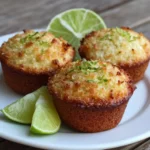
- Lemon-Vanilla Almond Poppy: Add 2 tsp finely grated lemon zest + 1 tbsp fresh lemon juice to wet ingredients. Replace 2 tbsp milk with lemon juice for brightness. Garnish with candied lemon peel.
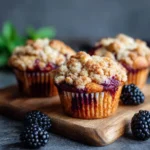
- Blueberry-Almond Burst: Gently fold in 1 cup fresh or frozen (unthawed) wild blueberries tossed in 1 tsp flour. Reduce poppy seeds to 2 tbsp to avoid overcrowding. Optional: swirl in 2 tbsp blueberry compote before baking.
- Maple-Pecan Swirl: Replace granulated sugar with ½ cup pure maple syrup + reduce milk by 2 tbsp. Fold in ¾ cup toasted, chopped pecans. Swirl batter with 2 tbsp maple butter (maple syrup + softened butter).
- Gluten-Free Adaptation: Use 2 ½ cups certified GF all-purpose blend (like King Arthur or Bob’s Red Mill 1-to-1) + ½ tsp xanthan gum. Add 2 tbsp ground flaxseed + 3 tbsp water (let sit 5 min) to replace egg binding. Increase baking time by 2–4 minutes.
- Vegan Version: Replace eggs with 2 “flax eggs” (2 tbsp ground flax + 6 tbsp water, rested 10 min); use plant-based butter and unsweetened almond milk. Ensure baking powder is aluminum-free and vegan-certified.
- Protein-Packed: Add ¼ cup unflavored whey or collagen peptides to dry ingredients. Boost with 2 tbsp chia or hemp seeds (reduce poppy seeds by 1 tbsp).
- Spiced Chai Infusion: Steep 1 chai tea bag in warm milk for 5 minutes, then cool and use as milk. Add ½ tsp ground ginger, ¼ tsp cardamom, and pinch of black pepper to dry ingredients.
- Mini Muffin Batch: Fill mini muffin tin ⅔ full. Bake at 375°F for 11–14 minutes. Yields ~36. Perfect for parties or portion control.
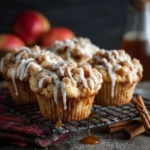
- Streusel-Topped Luxury: Make streusel: ¼ cup flour, ¼ cup brown sugar, 2 tbsp cold butter, ½ tsp cinnamon, pinch of salt. Cut in butter until pea-sized. Sprinkle generously over batter before baking.
- Earl Grey Infused: Steep 2 Earl Grey tea bags in hot milk for 8 minutes, squeeze dry, cool completely. Add 1 tsp bergamot extract to wet mix for amplified citrus-floral notes.
Health Considerations and Nutritional Value
Made with wholesome, minimally processed ingredients, these muffins offer notable nutritional benefits when enjoyed mindfully as part of a balanced diet. Each standard muffin (based on 12 servings) provides approximately:
- Calories: 245–265 kcal — moderate energy density suitable for sustained morning fuel.
- Carbohydrates: 32–34g (including 18–20g naturally occurring sugars from milk and fruit, plus 12g added sugar — well within WHO’s recommended <25g/day limit).
- Fiber: 1.8–2.2g — primarily from poppy seeds (1 tbsp = 0.6g fiber) and whole grain options. Adding 2 tbsp ground flax boosts fiber to ~3.5g per muffin.
- Protein: 4.5–5.2g — from eggs, milk, and almonds. Enhance with Greek yogurt substitution (replace ¼ cup milk) for +2g protein per muffin.
- Healthy Fats: 11–12g — predominantly monounsaturated (from almonds and butter) and omega-3 ALA (from poppy seeds: 1 tbsp provides ~110mg). No trans fats or hydrogenated oils.
- Vitamins & Minerals: Excellent source of calcium (12% DV), magnesium (10% DV), manganese (25% DV), and iron (8% DV) — largely from poppy seeds. Almonds contribute vitamin E (15% DV) and riboflavin.
Dietary Notes: Naturally cholesterol-free if made vegan; easily adapted for nut allergies (omit almonds, use sunflower seed butter + pumpkin seeds); low-FODMAP compliant when made with lactose-free milk and reduced sugar (consult Monash app). While not “low-sugar,” the glycemic load is moderated by fat, fiber, and protein—making them far gentler on blood sugar than many commercial muffins laden with refined starches and corn syrup. For those managing diabetes or insulin resistance, pairing with a source of lean protein (e.g., Greek yogurt) or healthy fat (e.g., avocado slice) further stabilizes glucose response. Always prioritize ingredient quality: organic, pasture-raised eggs; grass-fed butter; and non-GMO, pesticide-residue-free poppy seeds enhance phytonutrient density and reduce toxic load.
Ingredients
- 2 ½ cups (312g) all-purpose flour, spooned and leveled
- ¾ cup (150g) granulated sugar (organic cane preferred)
- 2 ¼ tsp (10g) aluminum-free baking powder
- ¼ tsp (1g) baking soda
- 1 tsp (6g) fine sea salt
- ¼ cup (36g) whole blue poppy seeds, lightly toasted
- 2 tsp (10ml) pure vanilla extract (Madagascar or Bourbon)
- 1 ½ tsp (7ml) pure almond extract
- 2 large eggs, room temperature
- ½ cup (113g) unsalted butter, melted and cooled to lukewarm
- 1 cup (240ml) whole milk, room temperature
- ½ cup (50g) sliced or slivered almonds, toasted and cooled
Directions
- Preheat oven to 375°F (190°C). Line a 12-cup muffin tin with parchment liners or grease thoroughly.
- In a large bowl, whisk together flour, sugar, baking powder, baking soda, and salt. Stir in toasted poppy seeds until evenly distributed.
- In a medium bowl, whisk eggs until combined. Whisk in melted butter, vanilla, and almond extract until smooth. Gradually whisk in milk until fully incorporated.
- Pour wet ingredients into dry ingredients. Using a silicone spatula, fold gently 12–15 times—just until no dry flour remains. Do not overmix.
- Let batter rest 15–20 minutes at room temperature.
- Scoop batter into prepared muffin cups, filling each ¾ full (~¼ cup per cup). Top each with 1 tsp toasted almonds, pressing gently.
- Bake for 18–22 minutes, rotating pan halfway, until golden brown and a toothpick inserted comes out clean or with moist crumbs.
- Cool in pan for 5 minutes, then transfer to a wire rack. Cool 15–20 minutes before serving.
FAQ
- Can I use almond milk instead of dairy milk?
- Absolutely—unsweetened, unflavored almond milk works seamlessly. For richer texture, opt for cashew or oat milk. Avoid sweetened or vanilla-flavored versions to control sugar and flavor balance.
- Why did my muffins sink in the middle?
- Most commonly caused by underbaking (remove too soon), excessive batter fill (over ¾ cup), opening the oven too early, or expired baking powder. Ensure toothpick test shows *moist crumbs*, not wet batter.
- Can I prepare batter the night before?
- Yes—with caveats. Mix dry and wet ingredients separately; refrigerate both overnight. In the morning, bring wet mix to room temperature, then combine and rest 15 minutes before baking. Do not combine and refrigerate overnight—leaveners lose potency.
- Are poppy seeds safe to consume regularly?
- Yes. Culinary poppy seeds contain only trace, non-psychoactive amounts of opiate alkaloids—far below pharmacological thresholds. They are GRAS (Generally Recognized As Safe) by the FDA and consumed globally for centuries. Rinsing is unnecessary and removes beneficial oils.
- How do I prevent muffins from sticking to liners?
- Use high-quality parchment liners (not wax paper). Ensure batter isn’t overly acidic (e.g., too much lemon juice without buffering). Cool in pan for full 5 minutes—removing too soon causes steam to condense and glue liner to muffin.
- Can I make these gluten-free?
- Yes—use a reputable 1:1 GF flour blend with xanthan gum. Add ½ tsp additional xanthan gum if blend doesn’t include it. Increase baking time by 3–4 minutes and check with toothpick.
- What’s the best way to store leftovers?
- At room temperature in an airtight container with a slice of bread for up to 4 days. For longer storage, freeze unfrosted muffins for up to 3 months—thaw at room temperature or reheat.
- Can I add fruit without making them soggy?
- Yes—toss berries or diced apple in 1 tsp flour before folding in. Use frozen fruit straight from freezer (no thawing) to prevent bleeding. Reduce milk by 1 tbsp if adding >¾ cup fruit.
- Why use both baking powder AND baking soda?
- Baking powder provides primary lift; baking soda reacts with natural acids (e.g., in buttermilk or brown sugar) to boost rise, enhance browning, and neutralize sour notes. Omitting either compromises height and flavor balance.
- Can I double this recipe?
- Yes—scale all ingredients precisely. Mix in two batches if your bowl is small to avoid overmixing. Bake one tin at a time on center rack for consistent results.
Summary
Vanilla Almond Poppy Seed Muffins are a masterclass in balanced baking—melding the floral warmth of premium vanilla, the rich marzipan depth of pure almond extract, and the delicate crunch and mineral-rich nutrition of toasted poppy seeds into irresistibly tender, golden-domed treats.
With meticulous attention to ingredient quality, temperature control, gentle mixing, and strategic resting, this recipe delivers professional results in any home kitchen—offering endless customization, notable nutritional merit, and timeless appeal across generations and occasions.