Introduction
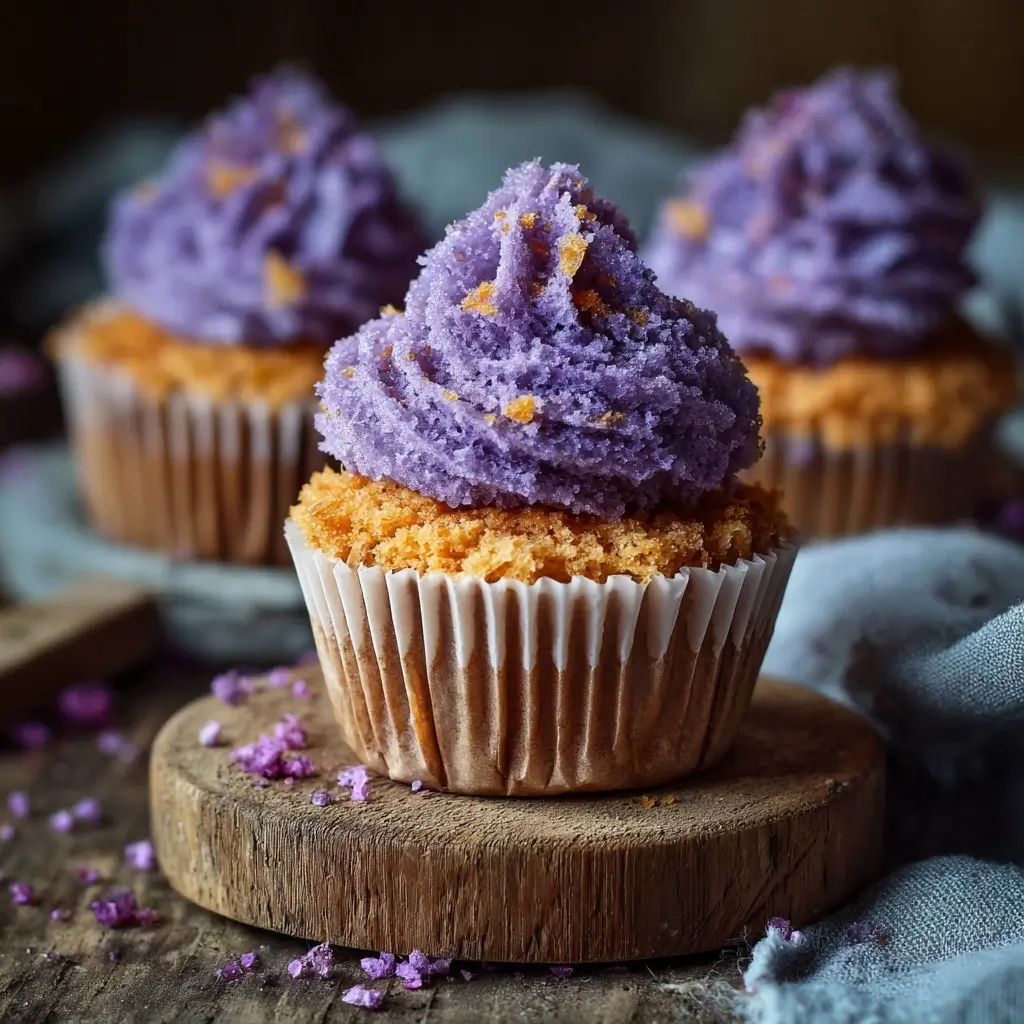
Ube purple yam cupcakes are a vibrant, nostalgic, and deeply flavorful Filipino-inspired dessert that has captured hearts—and Instagram feeds—worldwide. With their striking lavender-hued crumb, earthy-sweet aroma, and creamy, subtly nutty taste, these cupcakes offer a sophisticated yet comforting twist on classic vanilla or chocolate treats. Unlike artificial food coloring, ube (pronounced oo-beh) brings natural pigment, complex flavor, and cultural richness to every bite. Whether you’re celebrating a special occasion, introducing friends to Filipino cuisine, or simply craving something uniquely beautiful and delicious, ube cupcakes deliver visual drama, textural delight, and soul-warming authenticity—all in one perfectly portioned package.
The History
The story of ube in Filipino desserts stretches back centuries, rooted in indigenous agricultural traditions across the Philippine archipelago. Ube (Dioscorea alata), a starchy tuber native to Southeast Asia, was cultivated long before Spanish colonization and revered for its versatility, nutritional value, and vivid violet flesh. During the Spanish colonial era (1565–1898), local ingredients like ube were fused with European techniques—particularly custard-making and baking—to give rise to beloved classics such as ube halaya, a labor-intensive, slow-cooked jam made by simmering grated ube with coconut milk, sugar, and butter until thick, glossy, and deeply aromatic. This halaya became the cornerstone of countless desserts—from leche flan swirls and pan de ube to ice cream, pastries, and, eventually, modern American-style cupcakes.
The rise of ube cupcakes in the U.S. and global food scene began in earnest in the early 2010s, propelled by Filipino-American bakers sharing recipes on blogs and social media, followed by viral posts featuring their jewel-toned layers and dramatic purple frosting. Major bakeries—including Manila’s renowned Ube Express and Los Angeles’ Concha Bakery—helped legitimize ube as a premium, gourmet ingredient rather than a novelty. Today, ube cupcakes symbolize culinary pride, intergenerational connection, and the joyful fusion of tradition and innovation—honoring ancestral roots while embracing contemporary presentation and accessibility.
Ingredients Breakdown
Every exceptional ube cupcake relies on a thoughtful balance of authentic components and functional baking essentials. Below is a detailed explanation of each key ingredient—not just what it does, but why it matters:
- Fresh Ube (or High-Quality Ube Powder): The star of the show. Fresh purple yam offers unparalleled depth, moisture, and natural sweetness—but requires peeling, grating, steaming, and mashing (often with a touch of evaporated milk to prevent dryness). Most home bakers opt for premium freeze-dried ube powder (not artificial “ube flavoring” or generic purple sweet potato powder), which retains anthocyanins (the antioxidants responsible for the violet hue) and concentrated earthy-sweet notes. Look for brands sourced from the Philippines (e.g., Mabuhay, Gold Crown, or locally milled artisanal powders) for true varietal integrity.
- Butter & Eggs: Unsalted butter adds richness and tender crumb structure; room-temperature butter ensures proper emulsification. Large eggs at room temperature contribute to lift, moisture, and stability—especially critical when balancing ube’s dense starch content.
- Granulated Sugar & Brown Sugar: Granulated sugar provides sweetness and aids in aeration during creaming; light brown sugar contributes molasses-like warmth, moisture retention, and subtle caramel nuance that complements ube’s earthiness.
- Buttermilk (or Homemade Substitute): Acidic and tangy, buttermilk reacts with baking soda to create fine, even bubbles—yielding a moist, tender, slightly springy crumb. Its lactic acid also enhances ube’s natural sweetness and softens its fibrous texture. No buttermilk? Mix 1 cup whole milk + 1 tbsp white vinegar or lemon juice; let sit 5–10 minutes until curdled.
- All-Purpose Flour (with Optional Cake Flour Blend): AP flour provides reliable structure. For ultra-soft cupcakes, replace up to ¼ of the AP flour with cake flour (lower protein = more delicate crumb). Always spoon-and-level flour—never scoop—to avoid dense, dry results.
- Leavening Agents (Baking Powder + Baking Soda): A dual-system approach ensures optimal rise: baking powder provides initial lift, while baking soda activates fully with buttermilk’s acidity for sustained expansion and balanced pH—preventing metallic aftertaste and improving color vibrancy.
- Vanilla Extract & Ube Extract (Optional but Recommended): Pure Madagascar bourbon vanilla rounds out flavor without competing; a few drops of high-grade ube extract (made from real ube, not synthetic esters) intensifies aroma and stabilizes color—especially crucial when using powdered ube, which can fade during baking.
- Pinch of Salt: Not just for seasoning—salt heightens sweetness, balances richness, and strengthens gluten bonds for better crumb integrity.
- For the Frosting: Ube Halaya (Homemade or Premium Store-Bought): This is non-negotiable for authenticity. Real ube halaya—slow-cooked, silky, and fragrant—is folded into Swiss or Italian meringue buttercream for luxurious texture and layered flavor. Avoid imitation “ube spread” with hydrogenated oils or corn syrup solids—it separates, tastes waxy, and lacks depth.
Step-by-Step Recipe
Makes 24 standard cupcakes (plus 3–4 mini cupcakes for testing)
- Prepare Your Workspace: Preheat oven to 350°F (175°C). Line two standard 12-cup muffin tins with high-quality paper liners (purple or gold add festive flair). Set a wire rack nearby. Weigh or measure all ingredients precisely—baking is science, especially with moisture-sensitive ube.
- Make or Warm Ube Halaya (if homemade, prepare 1 day ahead): If using store-bought, choose a brand with minimal ingredients: ube, coconut milk, sugar, butter. Gently warm ¾ cup halaya in a small saucepan over low heat, stirring constantly until smooth and fluid (do not boil). Cool to room temperature—this prevents melting the buttercream later.
- Cream Butter & Sugars: In a large bowl of a stand mixer fitted with paddle attachment, beat 1 cup (2 sticks) unsalted butter, 1 cup granulated sugar, and ½ cup light brown sugar on medium-high for 4–5 minutes until pale, fluffy, and completely free of graininess. Scrape bowl thoroughly.
- Add Eggs One at a Time: Add 4 large room-temperature eggs individually, beating for 45 seconds after each addition until fully incorporated and glossy. Add 2 tsp pure vanilla extract and ½ tsp pure ube extract (if using); mix 20 seconds more. Batter should be homogenous and slightly thickened.
- Whisk Dry Ingredients: In a separate bowl, whisk together 3 cups (360g) spooned-and-leveled all-purpose flour, 2 tsp aluminum-free baking powder, ½ tsp baking soda, and 1 tsp fine sea salt. Sift once for uniform distribution.
- Alternate Wet & Dry Additions: With mixer on low, add ⅓ of dry mixture → mix 15 seconds. Add ½ of 1¼ cups (300ml) buttermilk → mix 15 seconds. Repeat (dry → wet → dry), ending with dry ingredients. Do NOT overmix—stop as soon as no streaks remain. Overmixing develops gluten = tough cupcakes.
- Incorporate Ube Puree: In a small bowl, combine 1 cup (240g) cooled, mashed fresh ube (or ¾ cup + 2 tbsp high-quality ube powder mixed with ¾ cup warm whole milk until smooth and lump-free). Fold gently into batter with a silicone spatula using 15–20 figure-eight strokes until evenly marbled and richly purple—no streaks, but don’t overwork.
- Portion & Bake: Use a 3-tablespoon ice cream scoop to fill liners ⅔ full (≈ ¼ cup batter each). Tap pan firmly twice on counter to release air bubbles. Bake on center rack for 18–22 minutes—rotate pans at 12 minutes. Cupcakes are done when a toothpick inserted in center comes out clean or with moist crumbs (not wet batter), and tops spring back when lightly pressed.
- Cool Completely: Let cupcakes cool in pans for 10 minutes, then transfer to wire racks. Do NOT frost until fully cool (at least 2 hours)—warm cupcakes will melt frosting and cause sliding.
- Prepare Ube Buttercream: Make Swiss meringue buttercream (SMB) base first: whip 4 large egg whites + 1 cup granulated sugar over simmering water until sugar dissolves and mixture reaches 160°F. Transfer to stand mixer; beat with whisk attachment until stiff, glossy, and cooled to room temperature (~10 min). Switch to paddle; gradually add 1½ cups (3 sticks) softened unsalted butter, 2 tbsp at a time, beating 30 seconds between additions. Once smooth and creamy, add cooled ube halaya 2 tablespoons at a time, beating 1 minute after each addition until fully emulsified and vibrant lavender. Finish with 1 tsp vanilla and pinch of salt. Chill 20 minutes if too soft; beat again before piping.
- Frost & Decorate: Fit a piping bag with a large open-star tip (Wilton #1M). Pipe generous swirls onto each cupcake. For elegance: top with toasted ube crisps, edible violet petals, crushed purple yam chips, or a delicate dusting of ube powder. Serve within 24 hours for peak freshness—or refrigerate up to 3 days (bring to room temperature 30 minutes before serving).
Tips
- Color Consistency Is Key: Natural ube color varies by harvest, soil, and processing. To ensure deep, stable purple: use ube powder *in addition to* fresh ube (if available), add a tiny drop (⅛ tsp) of purple food gel *only if needed*, and avoid alkaline ingredients (like excessive baking soda or baking powder) that shift anthocyanins toward blue or gray.
- Moisture Management: Ube is naturally drier than pumpkin or banana. Never skip the buttermilk or brown sugar—they’re essential moisture anchors. If batter seems thick after adding ube, stir in 1–2 tsp whole milk—just enough to reach ribbon consistency.
- Don’t Rush the Cooling: Steam trapped inside warm cupcakes condenses into moisture—causing soggy liners and collapsed centers. Patience ensures structural integrity and clean frosting application.
- Frosting Texture Mastery: Ube halaya contains coconut milk fat, which can “break” buttercream if added too cold or too fast. Always warm halaya slightly, cool to room temp, and incorporate slowly on low speed. If frosting looks curdled, keep beating—it will re-emulsify! If too soft, chill 10 minutes and re-whip.
- Testing is Essential: Bake 3–4 test cupcakes first. Adjust time ±2 minutes based on your oven’s hot spots and altitude. At elevations above 3,000 ft, reduce baking powder by ⅛ tsp and increase liquid by 1 tbsp.
- Storage Wisdom: Unfrosted cupcakes freeze beautifully for up to 3 months—wrap individually in plastic, then place in freezer bag. Thaw overnight in fridge, then bring to room temp before frosting. Frosted cupcakes refrigerate best in airtight container with parchment between layers.
- Flavor Layering: For next-level depth, brush cooled cupcakes with ube simple syrup (½ cup water + ½ cup sugar + 2 tbsp ube powder, simmered 5 min, cooled) before frosting. Adds subtle sheen and intensified flavor.
Variations and Customizations
The beauty of ube cupcakes lies in their adaptability—respecting tradition while inviting creativity. Here are inspired, tested variations:
- Ube-Cheese Swirl Cupcakes: Alternate spoonfuls of ube batter and kesong puti (Filipino white cheese) batter (cream cheese, sugar, egg, lemon zest). Swirl gently with a skewer for marbled effect—adds tangy contrast and creamy richness reminiscent of ube cheesecake.
- Coconut-Ube Crumb Topping: Mix ½ cup toasted shredded coconut, ¼ cup brown sugar, 2 tbsp melted butter, and 1 tbsp ube powder. Sprinkle over batter before baking for crunchy, aromatic crown.
- Vegan Ube Cupcakes: Substitute flax eggs (4 tbsp ground flax + 10 tbsp water), vegan butter (Miyoko’s or Earth Balance), oat or soy buttermilk, and aquafaba-based buttercream folded with coconut-based ube halaya. Texture remains tender; flavor impressively faithful.
- Gluten-Free Ube Cupcakes: Use certified GF 1:1 baking blend (King Arthur or Bob’s Red Mill) + ½ tsp xanthan gum. Add 2 tbsp psyllium husk powder to boost elasticity. Bake 1–2 minutes longer—GF batters often need extra set time.
- Ube Latte Cupcakes: Infuse buttermilk with 1 tbsp finely ground espresso + 1 tsp ube powder (steep 15 min, strain). Replace ¼ cup buttermilk with cold brew concentrate. Pairs beautifully with coffee-infused buttercream.
- Mini Ube Pandesal Cupcakes: Scale down recipe to mini-muffin size (bake 10–12 min) and top with toasted sesame seeds and a dusting of ube powder—evokes the beloved Filipino breakfast roll in portable form.
- Ube-Halaya Filling Surprise: Use a cupcake corer to hollow centers after cooling; pipe in chilled ube halaya (thickened with ½ tsp cornstarch cooked into it) for a decadent, gooey core.
- Halibut-Inspired “Ocean Ube” (Gourmet Savory-Sweet): Add 1 tsp nori powder + ¼ tsp smoked sea salt to dry ingredients; top with candied kelp ribbons and black sesame. A daring, umami-forward interpretation popular in Manila’s avant-garde patisseries.
Health Considerations and Nutritional Value
While undeniably indulgent, ube cupcakes offer meaningful nutritional advantages over many conventional desserts—especially when prepared mindfully. Per standard cupcake (approx. 120g, unfrosted):
- Natural Antioxidants: Ube’s deep purple hue comes from anthocyanins—potent flavonoids linked to reduced inflammation, improved cardiovascular health, enhanced cognitive function, and cellular protection against oxidative stress. Levels surpass those in blueberries and red cabbage.
- Complex Carbohydrates & Fiber: Ube is a low-glycemic-index tuber rich in resistant starch—acting like soluble fiber to support gut microbiome diversity, promote satiety, and stabilize blood sugar spikes (especially when paired with healthy fats from butter and coconut milk).
- Vitamins & Minerals: A single cup of cooked ube delivers ~25% DV of vitamin C (immune support), 40% DV of vitamin B6 (neurotransmitter synthesis), and significant potassium (electrolyte balance) and manganese (bone metabolism).
- No Artificial Dyes: Unlike many purple desserts, authentic ube uses zero synthetic FD&C dyes (e.g., Red #40 + Blue #1), eliminating concerns around hyperactivity in sensitive children or potential carcinogenic metabolites.
- Customization for Dietary Needs: Easily adapted for lower-sugar (replace half sugar with monk fruit blend), higher-protein (add 2 tbsp collagen peptides to dry ingredients), or anti-inflammatory (substitute 2 tbsp avocado oil for 2 tbsp butter, add turmeric + black pepper).
- Mindful Moderation Notes: While nutrient-dense, cupcakes remain calorie-concentrated due to butter, sugar, and halaya. Enjoy as part of a balanced diet—not daily fare. Portion control (stick to one), pairing with green tea (enhances anthocyanin absorption), and choosing whole-food toppings (toasted coconut vs. sprinkles) elevate wellness alignment.
Important Disclaimer: Individuals with yam allergies (rare but possible) or those managing diabetes should consult a registered dietitian before regular consumption. Always verify ube powder sourcing—some budget imports may contain undeclared sulfites or fillers.
Ingredients
For the Cupcakes:
- 1 cup (240g) freshly peeled, steamed, and mashed ube (or ¾ cup + 2 tbsp premium ube powder blended with ¾ cup warm whole milk)
- 1 cup (2 sticks / 227g) unsalted butter, room temperature
- 1 cup (200g) granulated sugar
- ½ cup (100g) light brown sugar, packed
- 4 large eggs, room temperature
- 2 tsp pure vanilla extract
- ½ tsp pure ube extract (optional but highly recommended)
- 1¼ cups (300ml) buttermilk, room temperature
- 3 cups (360g) all-purpose flour, spooned & leveled
- 2 tsp aluminum-free baking powder
- ½ tsp baking soda
- 1 tsp fine sea salt
For the Ube Halaya Buttercream:
- 4 large egg whites (or ½ cup pasteurized egg whites)
- 1 cup (200g) granulated sugar
- 1½ cups (340g) unsalted butter, cubed, room temperature
- ¾ cup (180g) high-quality ube halaya, warmed & cooled to room temperature
- 1 tsp pure vanilla extract
- ¼ tsp fine sea salt
For Garnish (Optional):
- Edible dried violet petals
- Toasted ube crisps or purple yam chips
- Purple sanding sugar or ube powder dusting
- Gold leaf flakes (food-grade)
Directions
- Prep & Preheat: Position oven rack in center. Preheat oven to 350°F (175°C). Line two 12-cup muffin tins with paper liners. Weigh or measure all ingredients.
- Warm & Cool Halaya: Gently heat ¾ cup ube halaya in small saucepan over low heat, stirring until fluid and smooth (2–3 min). Transfer to bowl; cool completely to room temperature (≈30 min).
- Cream Butter & Sugars: In stand mixer bowl with paddle, beat butter, granulated sugar, and brown sugar on medium-high 4–5 min until pale, voluminous, and creamy. Scrape bowl.
- Integrate Eggs & Flavorings: Add eggs one at a time, beating 45 sec after each. Add vanilla and ube extract; beat 20 sec. Batter should be glossy and cohesive.
- Whisk Dry Ingredients: In separate bowl, whisk flour, baking powder, baking soda, and salt. Sift once.
- Alternate Mixing: With mixer on low, add ⅓ dry mix → mix 15 sec. Add ½ buttermilk → mix 15 sec. Repeat (dry → wet → dry), ending with dry. Stop immediately when combined.
- Fold in Ube: Gently fold in ube puree with silicone spatula using 15–20 figure-eights until uniformly purple and no streaks remain.
- Portion & Bake: Scoop ¼ cup batter per liner (⅔ full). Tap pans firmly. Bake 18–22 min, rotating at 12 min. Test with toothpick—clean or moist crumbs only.
- Cool Thoroughly: Cool in pans 10 min → transfer to wire racks. Cool completely (2+ hrs) before frosting.
- Make Swiss Meringue Buttercream: Whisk egg whites + sugar in heatproof bowl over simmering water until sugar dissolves and temp hits 160°F (5–7 min). Whip with whisk attachment until stiff, cool peaks form (≈10 min). Switch to paddle; add butter 2 tbsp at a time, beating 30 sec between. Once smooth, add cooled halaya 2 tbsp at a time, beating 1 min between. Add vanilla and salt. Beat 2 more min. Chill 20 min if too soft; rewhip.
- Frost & Finish: Fit piping bag with Wilton #1M tip. Pipe generous swirls. Garnish as desired. Refrigerate frosted cupcakes in airtight container up to 3 days. Serve at room temperature.
FAQ
- Can I use frozen ube?
- Yes! Thaw completely, drain excess liquid (squeeze gently in cheesecloth), then mash with 1–2 tsp evaporated milk to restore creaminess. Avoid icy or watery thawing—refreeze cycles degrade texture.
- Why did my cupcakes turn gray or brown?
- This signals pH imbalance. Too much baking soda (alkaline) shifts anthocyanins from purple to blue/gray. Ensure precise measuring, use aluminum-free baking powder, and always pair with acidic buttermilk. Also, avoid metal bowls/spoons during mixing—copper or iron can oxidize pigments.
- My frosting is greasy or broken—can I fix it?
- Absolutely. If separated, continue beating on medium-low for 3–5 minutes—it will re-emulsify. If too warm, chill bowl 10 min, then rewhip. If too cold/stiff, gently warm bottom of bowl with hair dryer (5 sec bursts) while beating.
- Is there a shortcut for ube halaya?
- Store-bought is perfectly acceptable—look for brands with only ube, coconut milk, sugar, and butter (e.g., Gold Crown, Mabuhay, or locally made artisanal versions). Avoid “ube spreads” with palm oil, corn syrup, or artificial flavors—they lack flavor depth and destabilize buttercream.
- Can I make these gluten-free or dairy-free?
- Yes—with caveats. For GF: Use King Arthur GF Measure-for-Measure + ½ tsp xanthan gum. For DF: Replace butter with high-fat vegan butter, buttermilk with oat milk + vinegar, and use coconut-based halaya. Texture differs slightly but remains delicious.
- How do I prevent domed or peaked cupcakes?
- Overmixing, too-hot oven, or uneven batter distribution causes doming. Mix batter minimally, rotate pans halfway, and use an oven thermometer to verify accurate temperature. For flat tops, fill liners only ½ full and bake at 325°F for 24–26 min.
- Can I prep components ahead?
- Yes! Bake cupcakes up to 2 days ahead—store unfrosted at room temp in airtight container. Make halaya up to 1 week ahead (refrigerated) or freeze 3 months. Buttercream keeps refrigerated 1 week or frozen 3 months—rewhip before use.
- What’s the difference between ube and taro?
- Fundamental! Ube (Dioscorea alata) is a vine-grown purple yam with sweet, vanilla-nutty flavor and vibrant magenta flesh. Taro (Colocasia esculenta) is a corm with starchy, mildly sweet, almost chestnut-like taste and pale lavender-gray flesh. They’re botanically unrelated and *not* interchangeable in recipes—ube’s unique flavor and color cannot be replicated by taro.
Summary
Ube purple yam cupcakes are a celebration of heritage, hue, and harmony—transforming a humble Filipino tuber into a stunning, multi-sensory dessert experience rich in culture, nutrition, and nuanced sweetness.
With meticulous attention to authentic ingredients, precise technique, and respectful innovation, these cupcakes honor generations of culinary wisdom while delighting modern palates with every moist, fragrant, lavishly purple bite.