Introduction
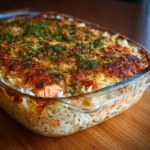
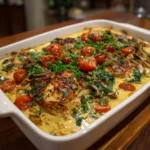
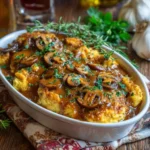
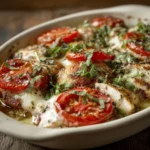
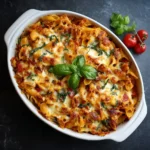
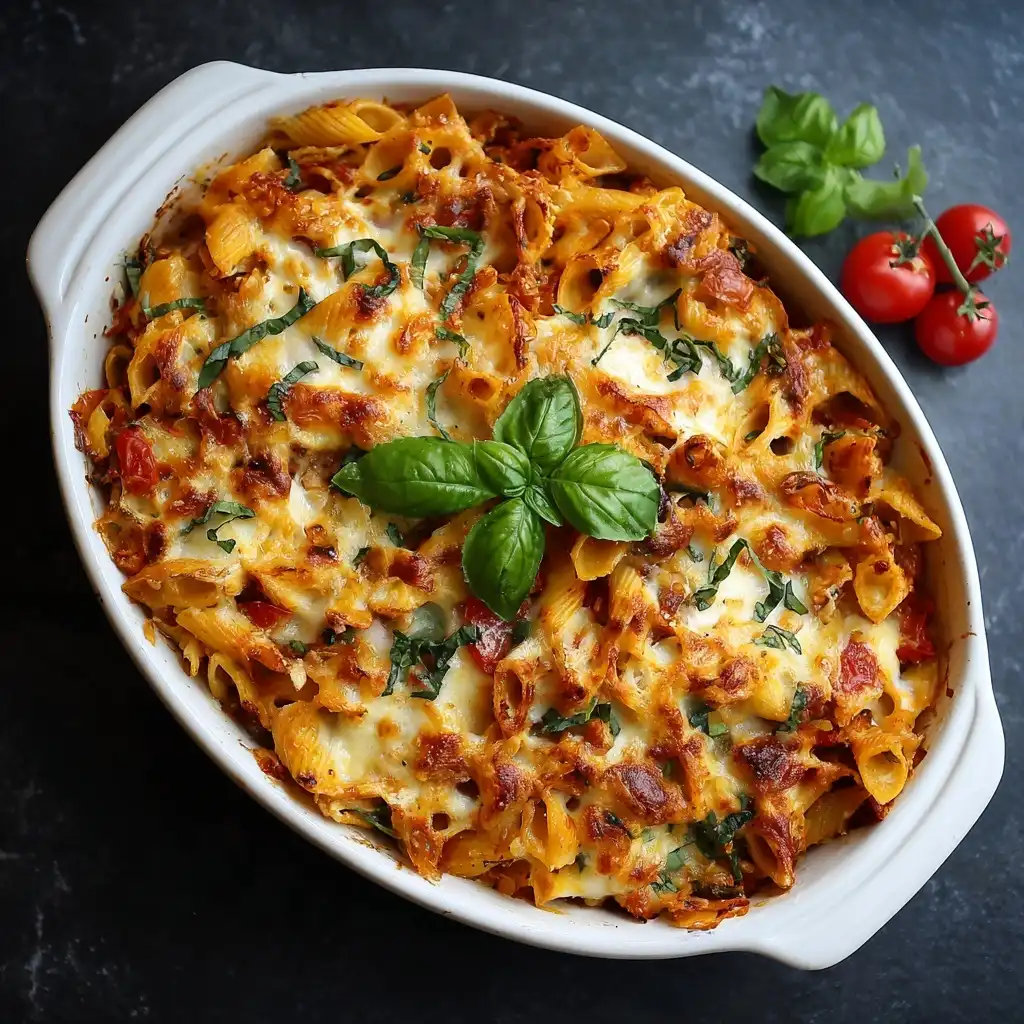
Tomato Basil Pasta Bake is a soul-warming, restaurant-worthy comfort dish that masterfully marries the bright acidity of ripe tomatoes, the fragrant earthiness of fresh basil, and the creamy richness of melted cheese—all layered over perfectly cooked pasta. Unlike traditional stovetop tomato pasta, this baked version develops deeper flavor complexity through slow oven caramelization, gentle bubbling, and golden-brown crust formation. It’s an elegant yet approachable centerpiece for weeknight dinners, potlucks, holiday side tables, or meal-prep-friendly family meals—offering versatility without sacrificing authenticity. Whether you’re seeking a vegetarian main course packed with garden-fresh appeal or a customizable canvas for pantry staples and seasonal produce, this Tomato Basil Pasta Bake delivers on aroma, texture, visual allure, and nostalgic satisfaction—all in one generously portioned, oven-to-table casserole.
The History
The origins of Tomato Basil Pasta Bake trace back to the broader evolution of Italian-American casseroles in the mid-20th century—a culinary fusion born from immigrant ingenuity, post-war ingredient accessibility, and the rise of home ovens as central kitchen appliances. While Italy boasts classic baked pastas like timballo, pasta al forno, and lasagna al forno, the simplified, herb-forward, tomato-centric version we now celebrate emerged prominently in U.S. home kitchens during the 1950s and ’60s. Cookbooks such as The Joy of Cooking (1951 revised edition) and community church cookbooks began featuring “baked spaghetti” or “tomato macaroni pie”—recipes that gradually evolved to emphasize fresh basil (a hallmark of Genovese pesto tradition) rather than dried oregano or parsley alone. The surge of California-grown heirloom tomatoes, increased availability of mozzarella di bufala and fresh basil year-round via greenhouse cultivation, and renewed interest in Mediterranean diet principles in the 1980s and ’90s further elevated this dish from humble casserole to gourmet staple. Today, it stands as a testament to cross-cultural adaptation—honoring Italian technique while embracing American practicality, seasonality, and creativity.
Ingredients Breakdown
Every exceptional Tomato Basil Pasta Bake begins with intentionality—not just quantity, but quality and synergy. Below is a meticulous breakdown of each component, including why it matters and how substitutions affect the final result:
- Pasta: Short-cut, ridged, or tubular shapes (like rigatoni, penne, fusilli, or cavatappi) are ideal—they trap sauce, resist mushiness during baking, and provide structural integrity. High-protein durum wheat semolina pasta holds up best; avoid no-boil or “oven-ready” varieties unless specified, as they often yield gummy or uneven textures in this recipe.
- Tomatoes: A dual-layer approach ensures depth: crushed San Marzano D.O.P. tomatoes (canned, low-sodium) form the rich, velvety base, while a small amount of high-quality tomato paste—slowly sautéed until brick-red and fragrant—adds umami intensity and natural thickening power. Fresh vine-ripened tomatoes (diced and seeded) can be folded in pre-bake for brightness and subtle texture variation.
- Fresh Basil: Non-negotiable for authentic flavor. Use only leaves (no stems), chiffonaded just before layering. Heat diminishes volatile oils, so half the basil goes into the sauce for infusion, and half is added raw atop the cheese before baking—or sprinkled fresh post-bake for maximum aromatic impact.
- Aromatics & Alliums: Yellow or sweet onions (finely diced), garlic (minced—not powdered), and a touch of fennel seed (optional but recommended) build foundational sweetness and complexity. Sautéed slowly in olive oil until translucent and golden—not browned—ensures no bitterness.
- Cheeses: A triple-tiered blend creates balance: ricotta (whole-milk, well-drained) for creamy body and mild tang; shredded low-moisture mozzarella (not fresh balls, which release too much water) for stretch and browning; and grated Parmigiano-Reggiano or Pecorino Romano for salty, nutty depth. Avoid pre-grated cheeses with anti-caking agents—they hinder melt and create graininess.
- Olive Oil: Extra-virgin, cold-pressed, and fruity (e.g., arbequina or koroneiki varietals) used both for sautéing and drizzling. Its polyphenols protect basil’s antioxidants and enhance tomato lycopene bioavailability.
- Herbs & Seasonings: Beyond basil, a whisper of dried oregano (toasted) and red pepper flakes adds warmth—not heat. Sea salt and freshly ground black pepper are added in stages: early for layering flavor, mid-cook for balance, and finishing for brightness.
- Liquid Component: A splash of dry white wine (e.g., Pinot Grigio) deglazes the pan and lifts fond; reserved pasta water (starchy, hot) adjusts consistency without diluting flavor. Never use plain water—it lacks binding starch and minerals.
Step-by-Step Recipe
- Preheat & Prep: Position oven rack in center position. Preheat oven to 375°F (190°C). Lightly grease a 9×13-inch (3-quart) ceramic or glass baking dish with olive oil or butter. Bring a large pot of heavily salted water (2 tbsp kosher salt per 4 quarts) to a rolling boil.
- Cook Pasta Al Dente: Add pasta and stir immediately. Cook 1–2 minutes *less* than package instructions for “al dente.” Reserve 1½ cups of starchy pasta water before draining. Rinse *only if using later same day*—otherwise, skip rinsing to retain surface starch for sauce adhesion.
- Sauté Aromatics: In a large Dutch oven or heavy-bottomed skillet, heat 3 tbsp extra-virgin olive oil over medium-low heat. Add diced onion and a pinch of salt; cook 6–8 minutes until soft and translucent. Stir in minced garlic and fennel seed (if using); cook 1 minute until fragrant—do not brown.
- Bloom Tomato Paste: Push aromatics to edges. Add 3 tbsp tomato paste to center. Cook, stirring constantly, 4–5 minutes until darkened to deep brick-red and oil begins to separate slightly—this unlocks concentrated sweetness and umami.
- Build Sauce Base: Pour in ½ cup dry white wine. Scrape bottom vigorously to lift browned bits. Simmer 2 minutes until nearly evaporated. Add crushed tomatoes, 1 tsp red pepper flakes, 1 tsp dried oregano, and 1 tsp black pepper. Bring to gentle simmer, reduce heat to low, and cook uncovered 20–25 minutes, stirring every 4–5 minutes. Sauce should thicken to coat the back of a spoon—not runny, not stiff.
- Incorporate Fresh Elements: Stir in ¾ cup finely chopped fresh basil (reserve remaining ¼ cup), 1 tsp sea salt (adjust to taste), and ½ cup reserved pasta water. Simmer 3 more minutes. Remove from heat.
- Combine Pasta & Sauce: In a very large mixing bowl, combine drained pasta, warm tomato sauce, 1 cup whole-milk ricotta, and 1 cup shredded mozzarella. Gently fold with a silicone spatula until evenly coated—avoid overmixing to prevent breaking pasta.
- Layer & Top: Transfer mixture to prepared baking dish. Smooth top. Dot with remaining ½ cup ricotta in small mounds. Sprinkle evenly with remaining 1½ cups shredded mozzarella and ½ cup grated Parmigiano-Reggiano. Scatter reserved ¼ cup fresh basil over top.
- Bake: Cover tightly with parchment-lined aluminum foil (prevents cheese from sticking). Bake 25 minutes. Remove foil and bake uncovered 15–20 minutes until top is deeply golden, edges bubble vigorously, and internal temperature reaches 165°F (74°C) when tested with an instant-read thermometer inserted into center.
- Rest & Serve: Let stand uncovered for 15 full minutes—this allows starches to set, prevents sliding layers, and lets residual heat finish cooking the center. Garnish with additional fresh basil, flaky sea salt, and a drizzle of high-quality olive oil before serving.
Tips
- Undercook pasta deliberately: Overcooked pasta turns to mush during baking. Always err on the side of firmness—even slightly chewy is preferable.
- Drain ricotta thoroughly: Line a fine-mesh strainer with cheesecloth, add ricotta, and refrigerate 30+ minutes. Excess whey causes sauce separation and watery layers.
- Use room-temperature cheeses: Cold ricotta or mozzarella cools the sauce abruptly, leading to uneven baking and greasy pools. Let cheeses sit out 20 minutes before mixing.
- Season in layers: Salt the pasta water generously (it’s your only chance to season the pasta itself), season the sauce mid-cook, then adjust at the end—this builds dimension instead of flat salinity.
- Rotate the dish halfway through uncovered baking: Home ovens have hot spots; rotating ensures even browning and prevents burnt edges or pale centers.
- Test doneness with a thermometer: Visual cues deceive—especially with deep dishes. 165°F (74°C) in the center guarantees food safety and optimal texture.
- Resting is non-negotiable: Cutting too soon releases steam and liquid, causing collapse and pooling. Fifteen minutes transforms texture from sloppy to sublime.
- For crisper topping: Switch oven to broil (high) for last 2–3 minutes—but watch *constantly*. Broiling longer than 90 seconds risks acrid, bitter cheese.
- Double the batch? Scale carefully: Use two 9×13 dishes—not one larger pan. Depth affects bake time, heat penetration, and crust development.
- Make-ahead tip: Assemble up to 24 hours ahead, cover tightly, and refrigerate unbaked. Add 10–15 minutes to covered bake time if going straight from fridge to oven.
Variations and Customizations
This Tomato Basil Pasta Bake serves as a vibrant template—infinitely adaptable to dietary needs, seasonal abundance, pantry constraints, and personal preference. Explore these thoughtfully curated variations:
- Protein-Powered: Fold in 1½ cups cooked Italian sausage (casings removed, crumbled and browned), grilled chicken breast strips, pan-seared shrimp (added in last 5 minutes of sauce simmer), or plant-based crumbles (lentil-walnut or soy-based). For vegetarians, add 1 cup roasted eggplant cubes or sautéed cremini mushrooms.
- Vegetable-Forward: Boost nutrition and texture with 1 cup roasted cherry tomatoes (halved, tossed in olive oil, salt, and roasted at 425°F for 15 min), ½ cup blanched spinach (well-squeezed), 1 cup zucchini ribbons (salted, rested 10 min, patted dry), or ½ cup caramelized red onions.
- Cheese Swaps: Replace mozzarella with smoked provolone for rustic depth; swap ricotta for creamy goat cheese or mascarpone (reduce by 2 tbsp due to higher fat); use aged Asiago instead of Parmigiano for sharper bite.
- Gluten-Free: Use certified GF pasta (brown rice + quinoa blends hold up best). Increase reserved pasta water by 2 tbsp—GF pasta absorbs more liquid—and add 1 tsp xanthan gum to sauce for viscosity.
- Vegan Version: Substitute pasta water with unsalted vegetable broth; use cashew ricotta (soaked raw cashews blended with lemon, nutritional yeast, garlic, and salt); top with vegan mozzarella shreds and hemp seed “Parmesan” (hemp hearts + nori + lemon zest + salt).
- Low-Carb/Keto: Replace pasta with spiralized zucchini (“zoodles”) or shirataki noodles—blanch and squeeze *extremely* well. Reduce tomato quantity by ⅓ and add 2 tbsp sun-dried tomato paste for concentrated flavor without excess carbs.
- Herb Garden Twist: Infuse with 2 tbsp fresh oregano or marjoram alongside basil; add 1 tsp lemon zest to ricotta mixture; garnish with edible flowers (nasturtiums, pansies) for springtime elegance.
- Spice Lover’s Edition: Stir 1 tbsp Calabrian chili paste into sauce; add ½ tsp smoked paprika to tomato paste bloom; top with pickled jalapeños before baking.
- Decadent Upgrade: Layer thin slices of fresh mozzarella di bufala between pasta layers; finish with torn burrata and a balsamic glaze drizzle post-bake.
- Weeknight Express: Use high-quality jarred marinara (look for <5 ingredients: tomatoes, basil, garlic, olive oil, salt), boost with 2 tbsp tomato paste + ¼ cup wine + extra fresh basil, and reduce bake time to 20 minutes covered + 10 uncovered.
Health Considerations and Nutritional Value
A single 1-cup (approx. 240g) serving of Tomato Basil Pasta Bake—prepared with whole-grain pasta, part-skim ricotta, low-moisture mozzarella, and minimal added oil—offers a balanced, nutrient-dense profile aligned with Mediterranean and DASH diet principles:
- Lycopene Powerhouse: Cooking tomatoes with olive oil significantly increases lycopene bioavailability—a potent antioxidant linked to reduced risk of heart disease and certain cancers. One serving provides ~12–15 mg lycopene—well above the 10 mg/day associated with health benefits.
- Calcium & Protein Synergy: Ricotta and mozzarella supply highly absorbable calcium (≈250 mg/serving) plus complete proteins (≈14g), supporting bone density and muscle maintenance—especially valuable for aging adults and active individuals.
- Fiber-Rich Base: Using whole-wheat or legume-based pasta contributes 4–6g of dietary fiber per serving—promoting satiety, gut microbiome diversity, and steady blood glucose response.
- Heart-Healthy Fats: Extra-virgin olive oil contributes monounsaturated fats and polyphenols (oleocanthal, hydroxytyrosol) shown to reduce LDL oxidation and arterial inflammation.
- Low Sodium Potential: By controlling added salt and choosing no-salt-added tomatoes, sodium stays under 400 mg/serving—ideal for hypertension management.
- Considerations: Those monitoring saturated fat may opt for part-skim cheeses and limit added oil to 2 tbsp. Gluten-sensitive individuals must verify pasta certification. For low-FODMAP needs, substitute garlic-infused oil (garlic removed) and omit onion—replace with green onion tops (green part only).
- Nutrition Snapshot (per 1-cup serving, approx.): Calories: 320 | Total Fat: 12g (Saturated: 6g) | Carbohydrates: 38g (Dietary Fiber: 4g, Sugars: 6g) | Protein: 14g | Sodium: 380mg | Calcium: 240mg | Vitamin A: 25% DV | Vitamin C: 30% DV | Iron: 10% DV | Lycopene: ~14mg
Ingredients
- 1 pound (450g) short-cut pasta (rigatoni, penne, or fusilli)
- 3 tablespoons extra-virgin olive oil, plus more for drizzling
- 1 medium yellow onion (about 1½ cups finely diced)
- 4 cloves garlic, minced
- 1 teaspoon fennel seeds, lightly crushed (optional but recommended)
- 3 tablespoons tomato paste
- ½ cup dry white wine (Pinot Grigio or Sauvignon Blanc)
- 2 (28-ounce) cans whole San Marzano tomatoes, crushed by hand (including juices)
- 1 teaspoon red pepper flakes (adjust to taste)
- 1 teaspoon dried oregano, preferably toasted
- 1 tablespoon freshly ground black pepper
- 1½ teaspoons fine sea salt (plus more for pasta water)
- 1 cup fresh basil leaves, finely chopped (divided)
- 1½ cups whole-milk ricotta cheese, well-drained
- 2½ cups low-moisture mozzarella, shredded (divided)
- ½ cup finely grated Parmigiano-Reggiano cheese
- 1½ cups reserved starchy pasta water
- Flaky sea salt and additional fresh basil, for garnish
Directions
- Preheat oven to 375°F (190°C). Grease a 9×13-inch (3-quart) baking dish with olive oil.
- Bring 4–5 quarts water to a rolling boil. Add 2 tablespoons kosher salt. Cook pasta 1–2 minutes less than package directions for al dente. Reserve 1½ cups pasta water, then drain pasta well—do not rinse unless preparing ahead.
- In a large Dutch oven over medium-low heat, warm 3 tbsp olive oil. Add onion and a pinch of salt; cook 6–8 minutes until soft and translucent. Stir in garlic and fennel seed; cook 1 minute until fragrant.
- Add tomato paste to center of pan. Cook, stirring constantly, 4–5 minutes until deep brick-red and oil begins to shimmer around edges.
- Pour in wine; scrape up browned bits. Simmer 2 minutes until mostly evaporated.
- Add crushed tomatoes, red pepper flakes, oregano, black pepper, and 1 tsp salt. Simmer uncovered 20–25 minutes, stirring every 4–5 minutes, until thickened to coating consistency.
- Stir in ¾ cup chopped basil, remaining 1 tsp salt, and ½ cup reserved pasta water. Simmer 3 more minutes. Remove from heat.
- In a large bowl, combine hot pasta, tomato sauce, 1 cup ricotta, and 1 cup mozzarella. Fold gently until fully coated.
- Transfer to prepared dish. Smooth top. Dot with remaining ½ cup ricotta. Sprinkle evenly with remaining 1½ cups mozzarella and ½ cup Parmigiano-Reggiano. Scatter remaining ¼ cup fresh basil over top.
- Cover tightly with parchment-lined foil. Bake 25 minutes.
- Remove foil. Bake uncovered 15–20 minutes until golden brown, bubbling at edges, and internal temp reaches 165°F (74°C).
- Let rest uncovered for 15 minutes. Garnish with flaky salt, fresh basil, and a final drizzle of olive oil. Serve warm.
FAQ
- Can I make this ahead of time?
- Yes! Assemble completely (unbaked), cover tightly with plastic wrap and foil, and refrigerate up to 24 hours. Add 10–15 minutes to covered bake time if starting cold. For longer storage, freeze unbaked casserole up to 3 months—thaw overnight in fridge before baking.
- Why does my pasta bake turn out watery?
- Common causes: under-drained ricotta, overcooked pasta absorbing too much water during baking, insufficient sauce reduction, or using fresh mozzarella (which releases whey). Always drain ricotta, undercook pasta, reduce sauce until thick, and use low-moisture mozzarella.
- Can I use dried basil instead of fresh?
- Fresh basil is strongly recommended—the heat-sensitive volatile oils (linalool, eugenol) give the signature aromatic lift. If substituting, use 1 tbsp dried basil *in the sauce only* (not as garnish) and add 1 tsp at the end of simmering. Flavor will be earthier and less vibrant.
- What’s the best pasta for baking?
- Ridged or tubular shapes (rigatoni, penne, ziti, fusilli) hold sauce best and resist breaking. Avoid delicate pastas like angel hair or fresh tagliatelle—they disintegrate. Whole-grain or legume-based options work well but require slightly more liquid and shorter bake times.
- Can I skip the wine?
- Yes—substitute with equal parts low-sodium vegetable broth + 1 tsp lemon juice to mimic acidity and depth. Do not omit entirely, as wine contributes essential complexity and deglazing function.
- My cheese isn’t browning—what’s wrong?
- Ensure your broiler is fully preheated (2–3 minutes), use low-moisture mozzarella (not fresh), and place dish on upper-middle rack. For deeper color without burning, brush top with olive oil before final uncovered bake.
- How do I reheat leftovers without drying them out?
- Place portions in oven-safe dish, sprinkle with 1 tsp water or broth, cover with damp parchment + foil, and bake at 325°F (160°C) for 15–20 minutes. Microwaving is acceptable—add 1 tsp water per portion and cover with vented lid.
- Is this dish freezer-friendly?
- Absolutely. Cool completely, wrap tightly in double layers of plastic + foil, label, and freeze up to 3 months. Thaw overnight in refrigerator. Bake covered 35 minutes, then uncovered 20–25 minutes until heated through and bubbly.
- Can I make it dairy-free?
- Yes—with careful substitutions: use coconut milk–based ricotta alternative (blended silken tofu + lemon + nutritional yeast), vegan mozzarella shreds, and hemp seed “Parmesan.” Sauce thickness may need adjustment with arrowroot slurry (1 tsp mixed with 1 tbsp cold water).
- What wine pairs best with this dish?
- A medium-bodied, high-acid red like Chianti Classico or Barbera complements the tomatoes’ acidity and cuts through richness. For white lovers, a crisp, unoaked Vermentino or dry Rosé offers refreshing contrast.
Summary
Tomato Basil Pasta Bake is a masterclass in layered flavor, textural harmony, and adaptable tradition—uniting slow-simmered San Marzano richness, fragrant garden basil, creamy ricotta, and golden mozzarella in a deeply satisfying, oven-browned casserole that feels both nostalgic and elevated.
Whether served as a hearty vegetarian main, customized with proteins or vegetables, adapted for dietary needs, or prepped ahead for effortless entertaining, it delivers consistent excellence, nutritional merit, and the unmistakable joy of a dish made with care—and meant to be shared.