Introduction
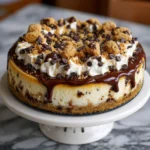
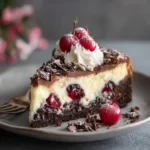
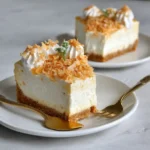
Imagine the soul-soothing elegance of classic Italian tiramisu—its delicate layers of espresso-dipped ladyfingers, velvety mascarpone cream, and a whisper of cocoa—reimagined as a luscious, no-bake (or lightly baked) cheesecake that delivers all the drama and depth in every forkful. The Tiramisu-Inspired Cheesecake is not merely a fusion dessert—it’s a masterclass in texture harmony and flavor layering. It bridges the creamy richness of New York–style cheesecake with the refined sophistication of Venetian tradition, resulting in a dessert that feels simultaneously nostalgic and refreshingly innovative. Whether served at an elegant dinner party, a cozy holiday gathering, or as a weekend indulgence for two, this creation honors both its roots and its reinvention—with every bite offering a gentle coffee lift, a luxurious creaminess, and a bittersweet cocoa finish that lingers like a fond memory.
The History
Tracing the lineage of this dessert requires stepping into two rich culinary worlds. Tiramisu—whose name literally translates to “pick me up” or “lift me up” in Italian—emerged in the Veneto region of Northern Italy in the late 20th century, though its precise origins remain deliciously contested. Some credit Le Beccherie restaurant in Treviso (circa 1969), others point to confectioners in Siena adapting traditional zuppa inglese, while folklore even ties it to 17th-century brothels where exhausted patrons sought energizing sweets fortified with coffee and eggs. Regardless of origin, tiramisu quickly became Italy’s most beloved layered dessert—a testament to simplicity elevated by quality: soaked savoiardi, raw egg yolks whipped with sugar, mascarpone, espresso, and cocoa.
Cheesecake, by contrast, boasts ancient roots—dating back to ancient Greece, where athletes consumed cheese-and-honey cakes before the Olympic Games. Its modern American incarnation evolved through European immigrants’ adaptations, particularly the dense, baked New York style and the lighter, no-bake versions popularized mid-century. The Tiramisu-Inspired Cheesecake represents a natural evolution: a postmodern dessert born from cross-cultural curiosity and ingredient innovation. It gained momentum in the 2010s among food bloggers and pastry chefs seeking to reinterpret classics without compromising integrity—swapping ricotta for mascarpone, integrating cold-brew infusion techniques, and rethinking structure via hybrid crusts and stabilized fillings. Today, it stands as a beloved staple in artisanal bakeries across North America, Australia, and Europe—and increasingly appears on Michelin-starred menus as a deconstructed or torched-cocoa variation.
Ingredients Breakdown
Every exceptional Tiramisu-Inspired Cheesecake begins with intentionality—not just in selection, but in understanding *why* each component matters:
- Espresso or Strong Brewed Coffee (cooled): Not instant—real espresso or finely ground dark roast brewed at double strength. Provides the essential “lift,” acidity, and aromatic backbone. Cooling prevents melting the cream and ensures optimal absorption into the crust or soak layer.
- Mascarpone Cheese: The irreplaceable star—Italian DOP-certified if possible. Its high butterfat (60–75%), minimal acidity, and ultra-smooth texture yield unparalleled silkiness. Avoid “mascarpone-style” blends; they often contain stabilizers or added cream that dilute flavor and destabilize structure.
- Full-Fat Cream Cheese: Used in moderation (often ⅓ to ½ the volume of mascarpone) to lend body, tang, and structural integrity without overpowering. Philadelphia-brand or organic brick-style works best—never low-fat or spreadable varieties.
- Heavy Whipping Cream (36–40% fat): Cold, unpasteurized-if-possible, and never ultra-pasteurized (which inhibits proper whipping). Provides airy lift, gloss, and mouth-coating richness when folded in.
- Raw Egg Yolks (or Pasteurized In-Shell): Traditional tiramisu relies on raw yolks for emulsification and custard-like depth. For safety-conscious bakers, pasteurized in-shell yolks (e.g., Davidson’s Safest Choice) or a quick stovetop sabayon (yolks + sugar + espresso gently cooked to 160°F/71°C) offer identical richness without risk.
- Granulated Sugar & Powdered Sugar: Granulated dissolves cleanly into warm espresso or yolk mixtures; powdered sugar (confectioners’) is reserved for final dusting or stabilized whipped cream—it contains cornstarch, which helps prevent weeping.
- Vanilla Bean Paste or Pure Extract: Enhances complexity without masking coffee notes. Real vanilla bean paste adds subtle flecks and deeper floral warmth.
- Unsweetened Cocoa Powder (Dutch-processed preferred): Offers deep, mellow chocolate notes and superior solubility vs. natural cocoa. Sifted twice to avoid grittiness in the final dusting.
- Ladyfinger Crust Base (or Alternative): Crushed, dry savoiardi form a tender, absorbent, subtly sweet foundation. Alternatives include amaretti cookies (for almond nuance), pavesini, or gluten-free oat biscuits—always toasted lightly for depth and crispness.
- Optional Enhancements: A pinch of fine sea salt (to balance sweetness), a splash of rum, marsala, or Kahlúa (for authentic depth), or microplaned orange or lemon zest (for brightness).
Step-by-Step Recipe
- Prepare the Espresso Infusion: Brew ¾ cup (180 ml) strong espresso or dark-roast coffee. Stir in 2 tbsp granulated sugar and 1 tsp vanilla paste until fully dissolved. Cool completely in the refrigerator (minimum 30 minutes)—warm liquid will melt the filling and cause separation.
- Make the Ladyfinger Crust: Pulse 1 ½ cups (150 g) dry, unsalted ladyfingers in a food processor until fine crumbs form. Melt 6 tbsp (85 g) unsalted butter and stir in 2 tbsp brown sugar and a pinch of salt. Press mixture firmly into the bottom and 1 inch up the sides of a 9-inch springform pan lined with parchment. Chill for 30 minutes (or freeze for 15) to set.
- Create the Espresso-Soaked Layer (Optional but Recommended): Lightly brush or spray the chilled crust with 2–3 tbsp of the cooled espresso mixture. Let absorb for 2 minutes—this creates a moist, flavorful barrier between crust and filling and prevents dryness.
- Whip the Mascarpone Base: In a large chilled bowl, beat 16 oz (450 g) mascarpone and 8 oz (225 g) full-fat cream cheese with a paddle attachment on medium-low until just smooth—no more than 90 seconds (overbeating introduces air pockets and causes cracking). Scrape down bowl thoroughly.
- Temper the Egg Yolks: In a heatproof bowl, whisk 4 large pasteurized egg yolks with ¼ cup (50 g) granulated sugar until pale and ribbon-stage (2–3 minutes). Gradually pour in ¼ cup (60 ml) of the cooled espresso mixture while whisking constantly. Optional: Cook over a double boiler, stirring constantly, until mixture thickens slightly and reaches 160°F (71°C)—about 4–5 minutes. Cool to room temperature, stirring occasionally.
- Combine & Fold: Gently fold the cooled yolk mixture into the cheese base until homogenous. Stir in 1 tsp vanilla paste and a pinch of salt. Refrigerate for 15 minutes to firm slightly.
- Whip the Cream: In another chilled bowl, whip 1 ¼ cups (300 ml) very cold heavy cream with 2 tbsp powdered sugar and ½ tsp vanilla until soft peaks form—do not overwhip. Immediately fold into the cheese mixture in three additions using a flexible silicone spatula, using gentle under-and-over motions until no streaks remain. Overmixing deflates air and yields denser texture.
- Assemble with Intention: Pour filling into prepared crust. Smooth top with an offset spatula. Tap pan sharply on counter 3x to release air bubbles. Optional: Drizzle 1 tbsp additional espresso across surface for marbling effect.
- Chill with Patience: Refrigerate uncovered for at least 8 hours—but ideally 14–16 hours—for full setting, flavor melding, and clean slicing. For longer storage (up to 5 days), cover *loosely* with parchment (not plastic wrap, which can stick or sweat).
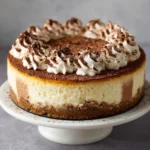
- Finish with Artistry: Just before serving, sift a generous, even layer of Dutch-processed cocoa powder over the entire surface using a fine-mesh sieve. For elegance, add a second light dusting after 2 minutes for dimensional contrast. Optional garnish: edible gold leaf, shaved dark chocolate, or candied espresso beans.
Tips
- Temperature Is Non-Negotiable: All dairy ingredients—mascarpone, cream cheese, cream, and even eggs—must be cold (but not frozen) for optimal emulsification and stability. Warm ingredients cause splitting, graininess, or weeping.
- Scrape Religiously: Use a silicone spatula to scrape bowl, beater, and spatula edges after every step. Even a teaspoon of unmixed mascarpone can create textural inconsistencies.
- Fold, Don’t Stir: Folding preserves air volume. Lift batter from bottom, draw up and over, rotate bowl ¼ turn—repeat. Takes longer but yields ethereal lightness.
- Serve Chilled, Not Cold: Remove cheesecake from fridge 15–20 minutes before slicing. Too-cold filling resists clean cuts; too-warm loses structure. Ideal serving temp: 42–46°F (6–8°C).
- Use a Hot Knife: Dip a long, thin knife in hot water, wipe dry, and slice in one confident motion. Wipe and reheat between every cut for flawless layers.
- Prevent Cracking Without a Water Bath: Since this is typically no-bake, cracking isn’t a concern—but if using a light bake (e.g., for firmer set), place springform pan inside a larger roasting pan filled with 1 inch of hot water (bain-marie) and cool gradually in oven with door ajar.
- Layering Logic: For visual drama, consider a thin espresso gelée layer (1 tsp gelatin bloomed in 2 tbsp cold espresso, then dissolved in warm espresso) poured over chilled crust and set before adding filling.
- Freezing Friendly: Un-sauced, un-dusted cheesecake freezes beautifully for up to 3 months. Wrap tightly in parchment + foil. Thaw overnight in fridge—never at room temp—to preserve texture.
Variations and Customizations
This recipe is a canvas—not a constraint. Here are inspired, tested variations that maintain structural integrity and flavor balance:
- Decadent Dark Chocolate Swirl: Melt 4 oz (115 g) 70% dark chocolate with 1 tbsp coconut oil. Cool to 85°F (29°C), then drizzle over filling before chilling. Use chopstick to marble gently.
- Almond-Amaretto Version: Replace ¼ cup espresso with amaretto liqueur; use amaretti cookie crust; fold in ¼ cup toasted, finely ground almonds into filling.
- Matcha-Tiramisu Hybrid: Substitute 1 ½ tsp ceremonial-grade matcha for cocoa powder in dusting; replace 2 tbsp espresso with matcha-infused simple syrup (1 tsp matcha + 2 tbsp hot water + 1 tbsp sugar).
- Gluten-Free Adaptation: Use certified GF ladyfingers or almond flour–based biscuits. Ensure all extracts and liquors are GF-certified (many vanilla extracts contain grain alcohol—verify).
- Vegan Transformation: Mascarpone substitute: blended cashew cream (soaked 8 hrs, blended with lemon juice, nutritional yeast, and coconut oil); espresso-soaked GF cookies; coconut whip instead of dairy cream; agar-agar instead of gelatin if needed.
- Boozy Espresso Ganache Topper: Heat ½ cup heavy cream to simmer, pour over 4 oz chopped dark chocolate, wait 2 minutes, then stir to glossy. Cool slightly, then pour over chilled cheesecake and tilt to coat. Dust with cocoa after ganache sets (~45 mins).
- Individual Parfaits: Skip the crust. Layer espresso-soaked crumbled ladyfingers, filling, and cocoa in 6 oz glasses. Chill 4 hours. Garnish with whipped cream rosettes and cocoa-dusted coffee beans.
- Summer Citrus Twist: Add 1 tbsp finely grated orange zest to filling; replace cocoa dusting with a blend of cocoa + orange zest; serve with blood orange compote.
Health Considerations and Nutritional Value
While undeniably indulgent, thoughtful modifications can align this dessert with mindful eating goals—without sacrificing soul or satisfaction:
- Calorie Context: A standard slice (1/12 of 9-inch cake) contains approximately 420–480 kcal—comparable to a slice of traditional NY cheesecake, but with higher-quality fats and lower added sugar due to mascarpone’s natural sweetness.
- Protein & Fat Profile: Rich in high-biological-value protein (from eggs and dairy) and monounsaturated fats (from mascarpone and cocoa). These promote satiety and sustained energy—ideal for dessert-as-a-finishing-experience, not a sugar crash.
- Coffee Benefits: Espresso contributes antioxidants (chlorogenic acid), modest caffeine (40–60 mg/slice), and potential cognitive and metabolic support—especially when consumed without excess sugar.
- Reduced-Sugar Options: Cut granulated sugar by 25% (replace with erythritol or allulose for bulk and browning); use unsweetened cocoa; omit sugar in espresso soak and rely on mascarpone’s lactose for subtle sweetness.
- Dairy Sensitivity Solutions: Lactose-intolerant? Use lactose-free mascarpone and cream cheese (Green Valley Creamery), or cultured coconut cream for probiotic benefits.
- Portion Mindfulness: Serve in smaller 3-inch rounds or mini jars—psychologically enhances enjoyment while reducing intake. Pair with herbal tea (peppermint or chamomile) to aid digestion and reduce perceived heaviness.
- What to Avoid: “Light” or “low-fat” substitutes—they destabilize emulsions, cause graininess, increase artificial additives, and leave palate unsatisfied. True luxury lies in quality, not reduction.
Ingredients
- ¾ cup (180 ml) freshly brewed espresso or strong dark roast coffee, cooled to room temperature
- 2 tbsp granulated sugar (for espresso)
- 1 tsp pure vanilla bean paste (or 1 ½ tsp pure extract)
- 1 ½ cups (150 g) dry, unsalted ladyfingers (savoiardi), finely crushed
- 6 tbsp (85 g) unsalted butter, melted
- 2 tbsp light brown sugar
- Pinch of fine sea salt
- 16 oz (450 g) high-quality mascarpone cheese, cold
- 8 oz (225 g) full-fat brick-style cream cheese, cold
- 4 large pasteurized egg yolks (e.g., Davidson’s)
- ¼ cup (50 g) granulated sugar (for yolks)
- 1 ¼ cups (300 ml) heavy whipping cream (36–40% fat), very cold
- 2 tbsp powdered sugar
- ¼ cup (20 g) Dutch-processed unsweetened cocoa powder, sifted (plus extra for dusting)
- Optional: 1 tbsp dark rum or Marsala wine (added to yolk mixture)
Directions
- In a small heatproof bowl, combine cooled espresso, 2 tbsp granulated sugar, and 1 tsp vanilla paste. Stir until sugar dissolves completely. Refrigerate until thoroughly chilled—minimum 30 minutes.
- Preheat oven to 350°F (175°C) if baking crust (optional for extra crispness). Pulse ladyfingers in food processor until fine, sandy crumbs form—about 15 seconds. Transfer to bowl; stir in melted butter, brown sugar, and salt until mixture resembles wet sand. Press firmly and evenly into bottom and 1 inch up sides of 9-inch springform pan lined with parchment. Bake 10 minutes (or chill 30 minutes if no-bake). Cool completely.
- Lightly brush chilled crust with 2 tbsp of the espresso mixture. Let stand 2 minutes for absorption.
- In a large chilled bowl, beat mascarpone and cream cheese with paddle attachment on medium-low for 60–90 seconds until just smooth and lump-free. Scrape bowl and beater thoroughly.
- In separate bowl, whisk egg yolks and ¼ cup granulated sugar with hand mixer on medium-high for 2–3 minutes until pale, thick, and ribbony. Gradually stream in ¼ cup espresso mixture while whisking continuously. If desired, cook over double boiler to 160°F (71°C), stirring constantly. Cool completely to room temperature—about 15 minutes.
- Fold yolk mixture into cheese base until fully incorporated. Stir in remaining ½ tsp vanilla paste and pinch of salt. Refrigerate 15 minutes.
- In another chilled bowl, whip cold heavy cream, 2 tbsp powdered sugar, and remaining ½ tsp vanilla to soft peaks—do not overwhip. Gently fold into cheese mixture in three additions until uniform and airy.
- Pour filling into prepared crust. Smooth surface. Tap pan sharply on counter 3 times. Optional: Drizzle with 1 tbsp espresso for marbling.
- Refrigerate uncovered for minimum 8 hours—or preferably 14–16 hours—for optimal texture and flavor development.
- Just before serving, sift a generous, even layer of cocoa powder over entire surface using fine-mesh sieve. For best contrast, allow to rest 2 minutes, then sift a second lighter layer. Slice with hot, dry knife. Store covered in refrigerator up to 5 days.
FAQ
- Can I make this ahead?
- Absolutely—and you should. This dessert improves dramatically with time. Flavor integration peaks at 24–36 hours. It holds beautifully for up to 5 days refrigerated (cocoa dusting added fresh each day if serving over multiple days).
- Why does my filling look grainy?
- Most commonly due to cold ingredients being overbeaten (causing fat separation) or using room-temp mascarpone/cream cheese. Always chill all dairy, and beat only until just smooth—no more than 90 seconds per stage.
- Can I use instant coffee instead of espresso?
- Yes—but dissolve 2 tsp high-quality instant espresso powder (not regular coffee crystals) in ¾ cup hot water, then cool completely. Regular instant coffee lacks the oils and depth needed for authenticity.
- Is raw egg safe here?
- Only if using pasteurized in-shell yolks. Never use conventional raw eggs. The sabayon method (cooking yolks to 160°F) is the safest, most flavorful alternative—and adds subtle custard nuance.
- My crust is soggy. What went wrong?
- Sogginess occurs when espresso soak is applied too generously or to a warm crust. Always chill crust first, use minimal espresso (2–3 tbsp max), and allow full absorption before adding filling.
- Can I freeze it?
- Yes! Freeze *undecorated*: wrap tightly in parchment, then heavy-duty foil. Thaw overnight in fridge—never at room temperature. Cocoa dusting and garnishes added fresh before serving.
- What if I don’t have a springform pan?
- You can use a 9-inch regular cake pan lined with *overhanging* parchment (create a sling). Chill thoroughly, then lift out using parchment tabs. Trim base if needed for presentation.
- Why Dutch-processed cocoa?
- Its neutral pH prevents curdling when dusted over acidic dairy, and its deeper, smoother flavor complements espresso better than sharp natural cocoa—critical for authentic tiramisu character.
Summary
A Tiramisu-Inspired Cheesecake is a transcendent dessert that honors centuries-old Italian tradition while embracing modern technique—melding espresso-kissed ladyfingers, luxuriously smooth mascarpone–cream cheese filling, and velvety cocoa into a harmonious, make-ahead marvel.
With careful attention to temperature, ingredient quality, and gentle folding, it delivers restaurant-caliber elegance at home: rich yet balanced, deeply flavorful yet refreshingly light, and endlessly adaptable for dietary needs or creative expression.