Introduction
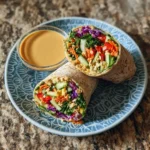
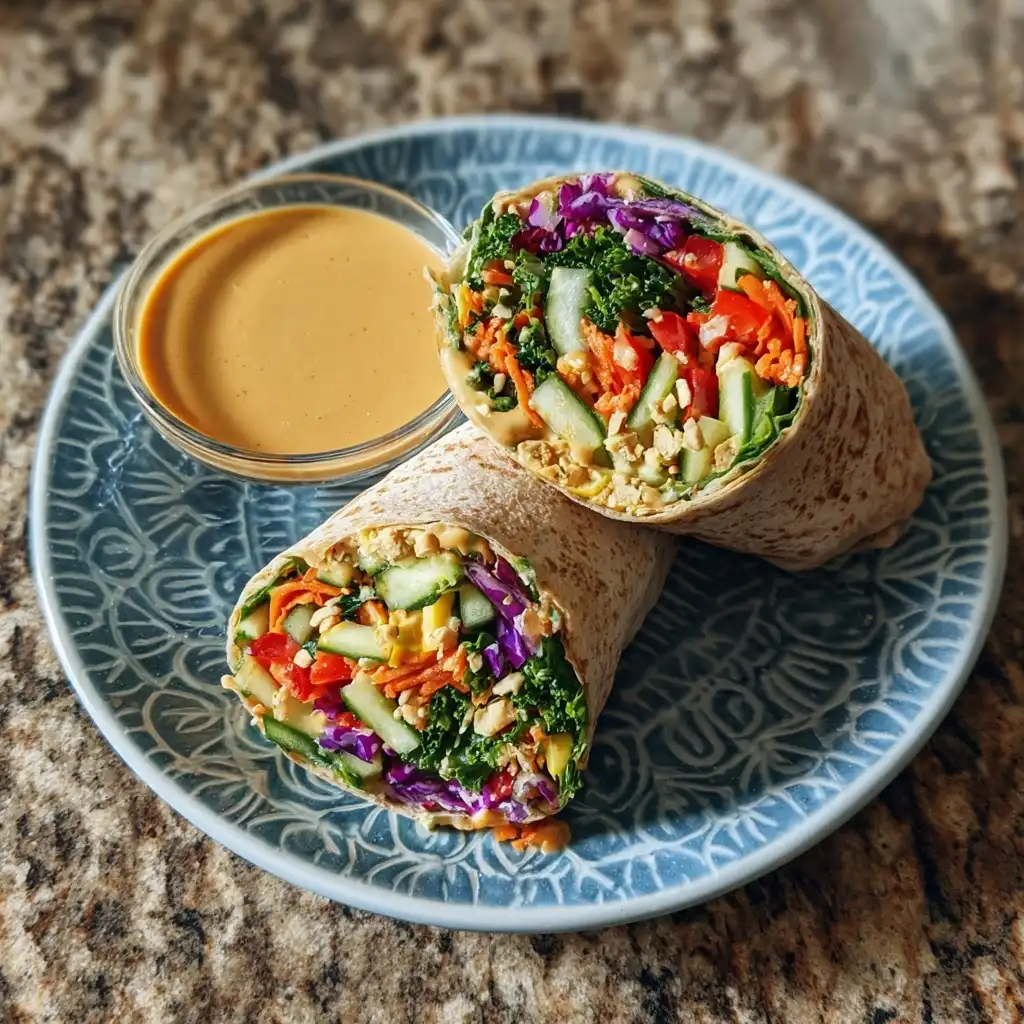
The Thai Peanut Veggie Wrap is a vibrant, nutrient-dense fusion dish that masterfully bridges the bold, aromatic traditions of Southeast Asian cuisine with the convenient, handheld appeal of modern healthy eating. Bursting with crunch, creaminess, tang, and umami, this wrap delivers an explosion of flavor in every bite—without relying on meat or heavy dairy. It’s more than just a meal; it’s a celebration of balance: sweet and spicy, creamy and crisp, earthy and bright. Whether you’re meal prepping for the week, packing a vibrant lunch, hosting a plant-forward gathering, or simply craving something deeply satisfying yet light, this wrap checks every box. Its adaptability, visual appeal, and layered textures make it as Instagram-worthy as it is nourishing—proving that wholesome food can be wildly exciting, culturally rich, and effortlessly delicious.
The History
While the Thai Peanut Veggie Wrap doesn’t trace back to ancient Siamese royal kitchens, its roots are deeply embedded in centuries-old culinary traditions—and its modern evolution tells a compelling story of global gastronomy. Peanut sauce, a cornerstone of this dish, has fascinating cross-continental origins: peanuts were introduced to Southeast Asia from South America via Portuguese and Spanish traders in the 16th century, quickly becoming integral to regional condiments due to their richness, affordability, and ability to mimic the mouthfeel of expensive coconut milk or animal fats. In Thailand, ground peanuts began appearing in rustic versions of nam phrik (chili dips) and street-side satay accompaniments—especially in central and northeastern regions where peanut cultivation thrived.
The “wrap” format, however, is a distinctly 20th- and 21st-century innovation—born from the convergence of Middle Eastern flatbread culture (think Lebanese sharwarma or Turkish dürüm), Mexican burritos, and American health-food trends of the 1980s–2000s. As vegetarianism, veganism, and gluten-free lifestyles gained momentum, chefs and home cooks began reimagining traditional sauces and fillings in portable, low-carb, or whole-grain formats. The Thai Peanut Veggie Wrap emerged organically from this movement—popularized by West Coast juice bars, vegan cafes in Portland and Los Angeles, and food bloggers seeking to replace mayo-laden wraps with something brighter, bolder, and biologically active. Today, it stands as a symbol of culinary globalization: a Thai-inspired sauce wrapped in a globally adopted vessel, filled with produce sourced from local farms, farmers’ markets, and even home gardens—honoring tradition while embracing innovation, sustainability, and inclusivity.
Ingredients Breakdown
Every component in the Thai Peanut Veggie Wrap serves both functional and sensory purpose—no ingredient is filler. Here’s an in-depth look at why each matters:
- Peanut Butter (Natural, Unsweetened): The soul of the sauce. Opt for 100% roasted peanuts with no added sugars or hydrogenated oils. Provides heart-healthy monounsaturated fats, plant-based protein, magnesium, and vitamin E. Its natural oil separation is a sign of purity—and essential for achieving the right emulsified texture when whisked with liquids.
- Lime Juice (Freshly Squeezed): Not bottled—the volatile citrus oils and bright acidity are irreplaceable. Balances sweetness and fat, enhances other flavors via pH modulation, and acts as a natural preservative for the sauce (extending fridge life up to 10 days).
- Low-Sodium Tamari or Coconut Aminos: A gluten-free, umami-rich alternative to conventional soy sauce. Tamari offers deep, fermented savoriness; coconut aminos add subtle caramel notes and are soy-free—ideal for those with soy allergies or histamine sensitivities.
- Fresh Ginger & Garlic (Grated, Not Powdered): Enzymatically active compounds like gingerol and allicin offer anti-inflammatory, digestive, and immune-supportive benefits. Their pungent heat cuts through richness and adds aromatic complexity that dried versions cannot replicate.
- Rice Vinegar: Mild, slightly sweet acidity complements lime without overpowering. Adds brightness and helps stabilize the emulsion alongside lime juice.
- Maple Syrup or Coconut Nectar: Not just for sweetness—these unrefined liquid sweeteners contain antioxidants and minerals (zinc, manganese) and help round out sharp edges in the sauce, improving mouthfeel and cohesion.
- Sriracha or Sambal Oelek: Provides capsaicin-driven metabolic activation and gut motility support. Sambal Oelek (Indonesian chili paste) offers deeper fruitiness and less vinegar tang than Sriracha—ideal for authentic depth.
- Warm Water or Unsweetened Coconut Milk (Light): Used strategically to adjust viscosity. Warm water yields a lighter, more pourable sauce; light coconut milk adds luxurious silkiness and subtle tropical nuance without heaviness.
- Whole Grain or Brown Rice Wraps: Look for certified gluten-free options if needed. High-fiber, low-glycemic alternatives to refined flour tortillas—support sustained energy, gut microbiome diversity (via resistant starch), and blood sugar stability.
- Shredded Purple Cabbage: Rich in anthocyanins (potent antioxidants), vitamin C, and sulforaphane precursors. Its peppery crunch and vivid color add visual drama and phytonutrient density.
- Matchstick Carrots: Beta-carotene powerhouse—converted to vitamin A in the body for vision, immunity, and skin health. Raw carrots retain maximum enzymatic activity and crunch contrast.
- English Cucumber (Julienned, Unpeeled): High water content aids hydration; cucurbitacins exhibit anti-inflammatory properties. Leaving the skin on adds fiber and chlorophyll.
- Red Bell Pepper (Thin Strips): One of the highest dietary sources of vitamin C—more than oranges per gram—and rich in lycopene and quercetin. Its crisp sweetness balances spice and acid.
- Fresh Herbs (Cilantro, Mint, Thai Basil): Not garnish—they’re functional superingredients. Cilantro chelates heavy metals; mint soothes digestion; Thai basil contains eugenol (anti-microbial, anti-spasmodic). Their volatile oils elevate aroma and bioavailability of fat-soluble nutrients.
- Roasted Peanuts or Cashews (Chopped): Adds textural contrast, extra protein, and healthy fats. Dry-roasting at home (350°F for 8–10 minutes) deepens nuttiness and eliminates potential rancidity from store-bought oils.
- Optional Boosters: Pickled daikon radish (for probiotics), sprouted mung beans (enzymes + complete protein), nori strips (iodine + umami), hemp hearts (omega-3s + complete protein), or microgreens (concentrated phytochemicals).
Step-by-Step Recipe
- Prepare the Thai Peanut Sauce (15 minutes, plus chilling time): In a high-speed blender or immersion blender cup, combine ½ cup natural smooth peanut butter, ¼ cup fresh lime juice (about 2 large limes), 3 tbsp low-sodium tamari or coconut aminos, 1 tbsp finely grated fresh ginger, 2 garlic cloves (minced or grated), 1 tbsp rice vinegar, 1½ tbsp pure maple syrup or coconut nectar, 1–2 tsp Sriracha or sambal oelek (adjust to heat preference), and ¼ tsp red pepper flakes (optional). Blend on medium for 30 seconds until mostly smooth. With blender running, slowly drizzle in ⅓–½ cup warm water or light unsweetened coconut milk until desired consistency is reached—a silky, pourable but coat-the-back-of-a-spoon texture. Taste and adjust: more lime for brightness, tamari for saltiness, maple for balance, or chili for fire. Transfer to an airtight jar and refrigerate for at least 1 hour (up to 10 days). Chilling allows flavors to marry and thickens the sauce naturally.
- Prep the Vegetables (12–15 minutes): While sauce chills, thoroughly wash and dry all produce. Using a mandoline or sharp knife, thinly slice 1½ cups purple cabbage into fine shreds. Julienne 1 large English cucumber (unpeeled, seeds scooped if watery) into matchsticks. Peel and julienne 2 medium carrots. Thinly slice 1 red bell pepper into ribbons. Roughly chop ¼ cup fresh cilantro, 2 tbsp fresh mint, and 1 tbsp Thai basil leaves. Place all vegetables in separate bowls or a large prep bowl—keeping herbs separate until assembly to prevent wilting.
- Toast the Nuts (5 minutes): In a dry skillet over medium-low heat, toast ⅓ cup raw peanuts or cashews, stirring constantly, until golden and fragrant (3–4 minutes). Cool completely, then roughly chop. Toasting unlocks oils and deepens flavor—never skip this step.
- Warm the Wraps (Optional but Recommended – 30 seconds per wrap): Lightly heat whole grain or brown rice wraps in a dry non-stick skillet for 10–15 seconds per side, or wrap in a damp paper towel and microwave for 10 seconds. Warming increases pliability and prevents cracking during rolling.
- Assemble with Precision (3 minutes per wrap): Lay a warmed wrap flat on a clean surface. Spread 2–3 tbsp chilled peanut sauce in a 3-inch-wide stripe across the center, leaving 1-inch margins on left/right and 1.5 inches at the bottom. Evenly layer: ⅓ cup cabbage, 2 tbsp carrots, 2 tbsp cucumber, 1 tbsp bell pepper, 1 tsp each cilantro and mint, ½ tsp Thai basil, and 1 tbsp toasted nuts. Avoid overfilling—this ensures tight, leak-proof rolling. Gently lift the bottom edge over the filling, tuck tightly, fold in the left and right sides, then roll forward firmly but gently to seal. Apply light pressure along the seam to adhere.
- Rest & Set (5–10 minutes): Place assembled wraps seam-side down on a parchment-lined tray. Refrigerate uncovered for 5–10 minutes. This firms the sauce, sets the layers, and makes slicing or transporting infinitely easier.
- Serve or Store: Serve immediately at cool room temperature—or slice diagonally for elegant presentation. For meal prep: wrap individually in parchment paper, then in beeswax wrap or reusable silicone bags. Refrigerate up to 3 days (sauce may soften veggies slightly—add delicate herbs last minute if prepping ahead).
Tips
- Sauce Consistency is King: If your sauce separates in the fridge, don’t panic—it’s natural! Simply stir vigorously or re-blend with 1 tsp warm water. Too thick? Add water ½ tsp at a time. Too thin? Stir in ½ tsp extra peanut butter or ¼ tsp chia seeds (let sit 2 minutes to thicken).
- Veggie Prep Hack: Use a food processor with a shredding disc for cabbage and carrots—cuts prep time by 70%. For ultra-crisp cucumbers, sprinkle julienned pieces with ¼ tsp sea salt, let sit 5 minutes, then squeeze dry in a clean towel to remove excess water (prevents soggy wraps).
- No-Stick Rolling Trick: Place a small spoonful of sauce on the wrap *before* spreading your main stripe—it acts as “glue” to anchor the first fold and prevents slippage.
- Make-Ahead Mastery: Sauce lasts 10 days refrigerated. Veggies (except herbs and cucumber) can be pre-shredded and stored in airtight containers with a dry paper towel for up to 4 days. Toast nuts up to 2 weeks ahead—store in a cool, dark place.
- Roll Tight, But Don’t Crush: Over-rolling compacts veggies and squeezes out sauce. Think “gentle compression”—your wrap should feel springy, not dense.
- Cut Without Squeeze-Out: Use a serrated knife (like a bread knife) and apply slow, sawing motion—not downward pressure—to slice cleanly without smearing sauce.
- Revive Leftovers: Slightly softened wraps taste amazing opened like lettuce cups—spoon extra sauce and herbs on top for a deconstructed, crunchy salad experience.
- Kid-Friendly Swap: Reduce chili to zero, add ½ tsp ground turmeric for golden color and anti-inflammatory boost, and include apple matchsticks for natural sweetness.
- Vegan “Fish” Umami Boost: Stir ½ tsp nutritional yeast or ¼ tsp white miso paste into the sauce for savory depth—undetectable to most, but beloved by chefs.
- Zero-Waste Tip: Save carrot tops and herb stems! Blend with olive oil, lemon, and garlic for a vibrant pesto—or steep in hot water for herbal tea.
Variations and Customizations
This wrap is a canvas—not a rigid formula. Embrace seasonality, dietary needs, pantry availability, and personal cravings with these inspired adaptations:
- Protein-Powered: Add marinated baked tofu (pressed, cubed, tossed in 1 tbsp sauce + 1 tsp tamari, baked 20 min @ 375°F), shredded rotisserie chicken (skip fish sauce if using), spiced chickpeas (roasted with curry powder), or tempeh “bacon” (thinly sliced, pan-fried with smoked paprika and tamari).
- Low-Carb/Keto: Skip the wrap entirely—serve sauce over a bed of butter lettuce cups or romaine spears. Boost fats with avocado slices, hemp seeds, and extra nut butter in the sauce (reduce water accordingly).
- Gluten-Free Certified: Use tamari labeled “gluten-free” or stick exclusively to coconut aminos. Verify wraps are certified GF—many brown rice wraps contain trace barley or wheat starch.
- Nut-Free: Replace peanut butter with sunflower seed butter or tahini (add ½ tsp lemon zest to brighten tahini’s bitterness). Use pumpkin seeds instead of peanuts.
- Spice-Lover’s Fire: Infuse sauce with ½ tsp gochujang (Korean chili paste) + ¼ tsp toasted sesame oil. Garnish with pickled jalapeños and crushed Sichuan peppercorns.
- Umami Bomb: Stir 1 tsp mushroom powder (dried shiitake, ground) into sauce. Top with sautéed oyster mushrooms and black garlic aioli drizzle.
- Thai Jungle Style: Swap cabbage for shredded green papaya, add long beans, Thai eggplant cubes, and kaffir lime leaf chiffonade. Use nam prik num (roasted green chili dip) base instead of peanut sauce.
- Breakfast Wrap: Spread sauce on a whole grain wrap, add scrambled turmeric eggs, sautéed spinach, and mango slices—sweet, savory, and energizing.
- Deconstructed Bowl Version: Layer quinoa or brown rice, roasted sweet potato, edamame, shredded kale, sauce, and toppings. Perfect for post-workout recovery or batch cooking.
- Holiday Twist: Add pomegranate arils, roasted delicata squash, and candied ginger for festive color, texture, and warming spice.
Health Considerations and Nutritional Value
A single Thai Peanut Veggie Wrap (using 1 whole grain 8-inch wrap, 3 tbsp sauce, and 1.5 cups mixed raw veggies) delivers approximately:
- Calories: 380–420 kcal (balanced macronutrient profile: ~22g plant-based protein, 18g healthy fats, 42g complex carbs, 12g fiber)
- Protein Power: Peanut butter and optional add-ins (tofu, chickpeas) provide all 9 essential amino acids when paired with grains—making this a complete, satiating protein source ideal for muscle repair and metabolic health.
- Heart-Healthy Fats: Monounsaturated and polyunsaturated fats from peanuts, seeds, and optional avocado support HDL cholesterol, reduce arterial inflammation, and improve insulin sensitivity.
- Fiber Feast: 12g+ dietary fiber—nearly half the daily recommended intake—feeds beneficial gut bacteria (producing butyrate), regulates blood sugar, and promotes lasting fullness. Prebiotic fibers in cabbage and onions further enhance microbiome diversity.
- Phytonutrient Density: Anthocyanins (purple cabbage), lycopene (bell pepper), beta-carotene (carrots), lignans (flax in some wraps), and apigenin (celery, if added) work synergistically to combat oxidative stress, reduce chronic inflammation, and support cellular detoxification pathways.
- Vitamin & Mineral Synergy: Vitamin C (lime, bell pepper, herbs) boosts iron absorption from plant sources (peanuts, spinach if added); magnesium (peanuts, greens) supports nerve function and glucose metabolism; vitamin K (cabbage, herbs) aids calcium utilization and blood clotting regulation.
- Dietary Accommodations: Naturally vegan, dairy-free, egg-free, and soy-free (with coconut aminos). Easily made nut-free, gluten-free, or low-FODMAP (swap garlic/ginger for infused oil, omit onion, use chives).
- Considerations: Those with peanut allergy must use strict alternatives (sunflower seed butter). High-fiber content may cause bloating initially—start with smaller portions and increase gradually. Watch sodium if using regular soy sauce; opt for low-sodium tamari. For low-histamine diets, avoid fermented ingredients (tamari, aged cheeses) and use fresh coconut aminos + minimal garlic.
This wrap exemplifies the “food-as-medicine” philosophy—not by eliminating enjoyment, but by maximizing biological nourishment without compromise.
Ingredients
For the Thai Peanut Sauce:
- ½ cup natural smooth peanut butter (unsweetened, no palm oil)
- ¼ cup freshly squeezed lime juice (2–3 large limes)
- 3 tablespoons low-sodium tamari or coconut aminos
- 1 tablespoon finely grated fresh ginger (about 1-inch knob)
- 2 garlic cloves, finely minced or grated
- 1 tablespoon unseasoned rice vinegar
- 1½ tablespoons pure maple syrup or coconut nectar
- 1–2 teaspoons Sriracha or sambal oelek (adjust to taste)
- ¼ teaspoon red pepper flakes (optional, for extra heat)
- ⅓–½ cup warm water or light unsweetened coconut milk (for consistency)
For the Veggie Fillings:
- 2 (8-inch) whole grain or brown rice wraps (gluten-free if needed)
- 1½ cups thinly shredded purple cabbage
- 1 large English cucumber, julienned (unpeeled, seeds scooped)
- 2 medium carrots, peeled and julienned
- 1 red bell pepper, thinly sliced into ribbons
- ¼ cup fresh cilantro leaves, roughly chopped
- 2 tablespoons fresh mint leaves, roughly chopped
- 1 tablespoon Thai basil leaves, roughly chopped
- ⅓ cup raw peanuts or cashews, dry-toasted and coarsely chopped
- Sea salt and freshly ground black pepper (to taste)
Directions
- In a high-speed blender or immersion blender cup, combine peanut butter, lime juice, tamari (or coconut aminos), grated ginger, minced garlic, rice vinegar, maple syrup (or coconut nectar), Sriracha (or sambal oelek), and red pepper flakes (if using). Blend on medium speed for 30 seconds until mostly smooth.
- With the blender running, slowly drizzle in warm water or coconut milk, 1 tablespoon at a time, until the sauce reaches a smooth, pourable—but still rich and coating—consistency (about ⅓–½ cup total). Scrape down sides as needed.
- Taste and adjust seasoning: add more lime for brightness, tamari for umami depth, maple for balance, or chili for heat. Transfer sauce to an airtight glass jar and refrigerate for at least 1 hour (up to 10 days).
- While sauce chills, prepare vegetables: shred cabbage, julienne cucumber and carrots, slice bell pepper, and chop fresh herbs. Keep herbs separate until assembly.
- In a dry skillet over medium-low heat, toast peanuts or cashews, stirring constantly, until golden and fragrant (3–4 minutes). Cool completely, then chop.
- Lightly warm wraps in a dry skillet for 10–15 seconds per side, or wrap in a damp paper towel and microwave for 10 seconds—just enough to soften for rolling.
- Lay a warmed wrap flat. Spread 2–3 tablespoons chilled peanut sauce horizontally across the center third. Top evenly with cabbage, cucumber, carrots, bell pepper, herbs, and toasted nuts.
- Fold the bottom edge up over the filling, tuck tightly, fold in the left and right sides, then roll forward firmly to seal. Place seam-side down on a parchment-lined tray.
- Refrigerate wraps uncovered for 5–10 minutes to set. Slice diagonally with a serrated knife before serving.
- Serve cool or at room temperature. Store leftovers in parchment paper within airtight containers for up to 3 days.
FAQ
- Can I make this wrap nut-free?
- Absolutely. Substitute natural sunflower seed butter or tahini for peanut butter. Use pumpkin seeds or roasted soy nuts instead of peanuts. Note: Tahini is sesame-based—avoid if sesame-allergic. Always verify all labels for cross-contamination warnings.
- How do I prevent soggy wraps?
- Key strategies: (1) Squeeze excess water from cucumbers after julienned, (2) Use cold, well-chilled sauce (warm sauce melts veggies), (3) Assemble no more than 30 minutes before eating, (4) Store components separately until ready to assemble, (5) Add delicate herbs only at the final moment.
- Is this recipe suitable for meal prep?
- Yes—with smart planning. Sauce lasts 10 days refrigerated. Pre-chopped sturdy veggies (carrots, cabbage, peppers) keep 4 days in airtight containers lined with paper towels. Toasted nuts last 2 weeks. Assemble wraps day-of or up to 4 hours ahead—keep refrigerated and wrapped tightly in parchment + beeswax wrap.
- Can I freeze the Thai Peanut Sauce?
- We do not recommend freezing the sauce—it tends to separate and lose emulsification upon thawing, resulting in graininess and oil pooling. Instead, make double batches and refrigerate for up to 10 days. For longer storage, freeze in ice cube trays (1 tbsp per cube), then transfer to a bag—thaw overnight in fridge and whisk vigorously before use.
- What if I don’t have a blender?
- You can absolutely whisk by hand! Place all sauce ingredients except water in a bowl. Whisk vigorously for 2–3 minutes until smooth and glossy. Gradually whisk in warm water, 1 tsp at a time, until desired texture. A mortar and pestle also works beautifully for small batches—grind ginger/garlic first, then incorporate peanut butter and liquids.
- Are there lower-calorie substitutions?
- Yes. Reduce peanut butter to ⅓ cup and increase water/coconut milk to ¾ cup for a lighter sauce. Use lettuce cups instead of wraps. Increase volume with low-calorie veggies: zucchini ribbons, bean sprouts, shredded daikon, or jicama sticks. Skip added nuts or use 1 tsp hemp hearts for crunch and omega-3s.
- Can I use store-bought peanut sauce?
- You can—but most commercial versions contain refined sugar, preservatives, excessive sodium, and unstable oils. They lack the freshness, enzyme activity, and customizable heat/balance of homemade. If using store-bought, choose brands with ≤5 ingredients, no HFCS, and refrigerated section varieties (e.g., San-J, Maranatha Organic). Always taste and adjust with fresh lime and ginger.
- Why does the recipe call for warm water instead of cold?
- Warm water (not hot) helps melt the natural oils in peanut butter, encouraging smoother emulsification and preventing graininess. Cold water can cause the fats to seize or separate, leading to a chalky or broken sauce—especially important when blending by hand or with weaker blenders.
- Can I make this spicy enough for Thai heat lovers?
- Definitely. Go beyond Sriracha: add ½ tsp freshly ground bird’s eye chilies, 1 tsp fermented shrimp paste (kapi—use sparingly), or infuse the sauce with 1 small Thai chili (seeded and minced). For authentic heat progression, serve with extra sambal oelek and pickled chilies on the side.
- Is this wrap safe for pregnancy or breastfeeding?
- Yes—with considerations. Ensure all produce is washed thoroughly. Avoid raw sprouts unless cooked (e.g., mung beans should be lightly steamed). Limit added sugars (stick to maple/coconut nectar). Ginger and lime support digestion and nausea. Consult your OB-GYN before adding supplements (e.g., hemp hearts, nutritional yeast) or unusual herbs.