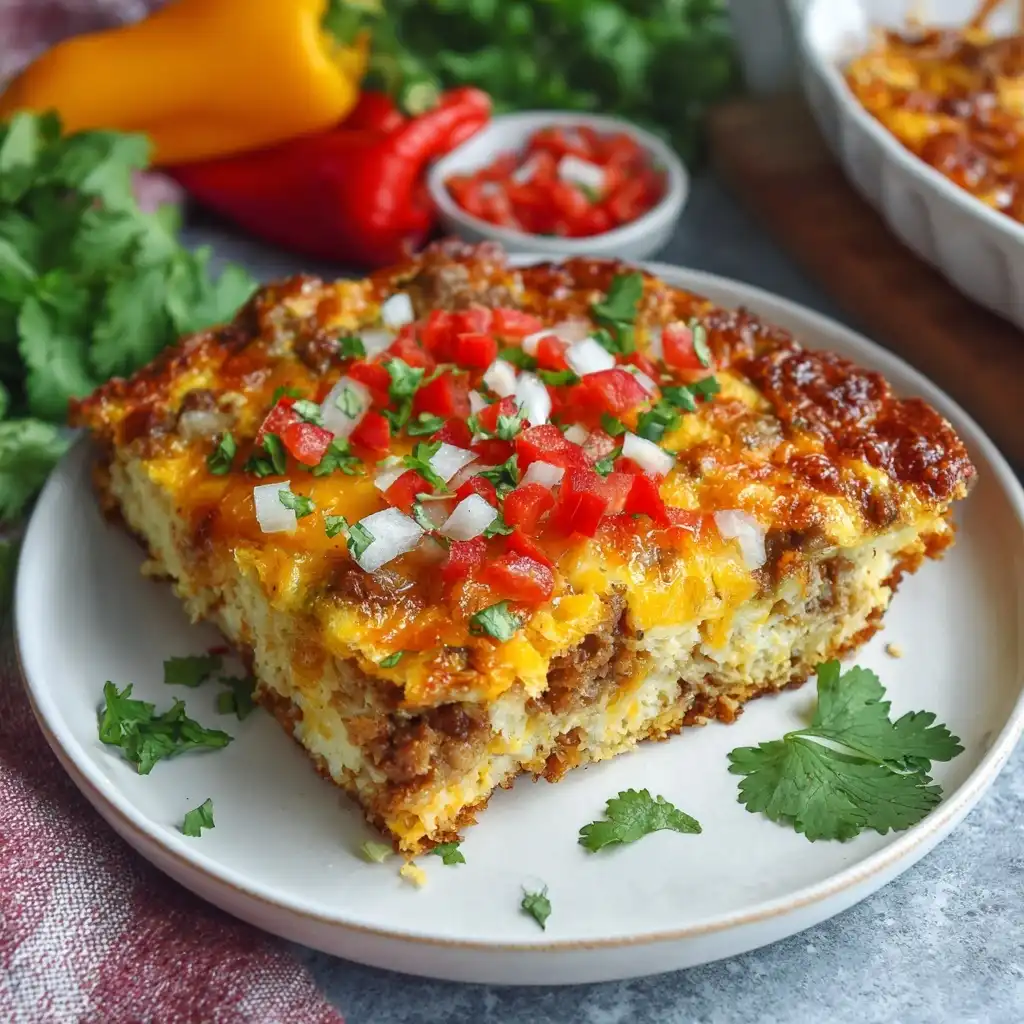
Introduction
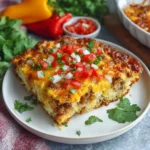
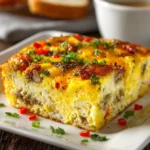
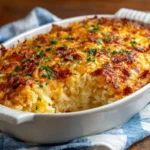
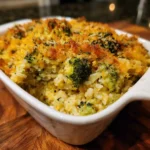
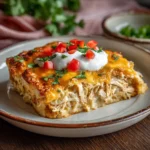
Welcome to the ultimate Tex-Mex Breakfast Casserole guide — a hearty, flavorful, and crowd-pleasing brunch staple that effortlessly bridges the bold, smoky heat of Texas barbecue traditions with the vibrant, herbaceous zest of Mexican cuisine. Whether you’re hosting a holiday morning gathering, prepping meals for a busy week, or simply craving something deeply satisfying and soul-warming, this casserole delivers on every front: rich layers of scrambled eggs, tender potatoes, melty cheese, savory meats, and aromatic spices baked into one golden, bubbling dish. Its versatility, make-ahead convenience, and customizable nature have cemented its status as a modern breakfast classic — beloved by families, food bloggers, potluck champions, and even professional chefs looking for comfort with character.
The History
The Tex-Mex Breakfast Casserole is a delicious product of cultural fusion and culinary pragmatism — born from the long-standing tradition of “breakfast casseroles” popularized across the American Midwest and South in the mid-20th century, and deeply enriched by the centuries-old heritage of Tex-Mex cooking. Tex-Mex itself emerged along the Texas–Mexico border in the 19th century, blending indigenous Mesoamerican ingredients (like corn, chiles, and beans) with Spanish colonial influences (cheese, dairy, wheat flour) and later Anglo-American adaptations (canned goods, baking powder, oven-based preparation). As refrigerators, electric ovens, and packaged convenience foods became widespread post-WWII, home cooks began transforming traditional skillet-style breakfasts — think huevos rancheros, migas, and chilaquiles — into oven-baked, layered formats ideal for feeding large groups. The first documented “breakfast casserole” recipes appeared in church cookbooks and regional women’s magazines in the 1950s and ’60s, often featuring tater tots, canned green chiles, and Velveeta. By the 1980s and ’90s, with rising interest in Southwestern flavors and the rise of cable food networks, chefs like Stephan Pyles and restaurants such as Matt’s El Rancho helped elevate Tex-Mex beyond stereotypes, inspiring home bakers to experiment with fresh jalapeños, roasted poblano peppers, homemade chorizo, and artisanal cheeses. Today’s Tex-Mex Breakfast Casserole honors that evolution — rooted in history but unafraid to innovate, balancing authenticity with accessibility, tradition with trend.
Ingredients Breakdown
Understanding each ingredient’s role isn’t just about following a recipe — it’s about mastering flavor architecture. Here’s a detailed breakdown of why each component matters:
- Eggs: The binding foundation — use large, pasture-raised eggs for richer yolks and superior structure. Whisk thoroughly (with a pinch of salt) to incorporate air and ensure tenderness.
- Potatoes: Russet or Yukon Gold are ideal — starchy enough to hold shape yet creamy when baked. Par-cooking (boiling or microwaving) is non-negotiable to avoid underdone centers or excessive moisture release.
- Onion & Bell Peppers: Yellow onion adds sweetness and depth; red or orange bell peppers contribute crunch, color, and subtle fruitiness. Sautéing until softened but not browned preserves freshness while eliminating raw bite.
- Jalapeños: Fresh jalapeños (seeds and membranes removed for milder heat) bring grassy, bright heat. For complexity, consider roasting them first — or substitute serranos for more fire, or poblano for earthy mildness.
- Garlic: Minced fresh garlic added late in sautéing prevents bitterness and maximizes aromatic impact.
- Chorizo (Mexican-style): Uncooked, coarsely ground, pork-based chorizo — seasoned with smoked paprika, vinegar, and guajillo chile — renders fat that infuses the entire casserole. Avoid Spanish cured chorizo (it’s too firm and salty for baking).
- Cheeses: A triple-layer approach works best: Monterey Jack for meltability and mild creaminess, sharp cheddar for tang and depth, and crumbled queso fresco or cotija for salty, crumbly contrast and authentic finish.
- Dairy: Half-and-half or whole milk adds richness without heaviness; sour cream contributes subtle tang and moisture retention. Avoid low-fat substitutes — they curdle easily and yield rubbery texture.
- Spices: Ground cumin (toasted if possible), smoked paprika (not sweet), dried oregano (Mexican variety preferred), and a whisper of chipotle powder build layered warmth — not just heat, but aroma and earthiness.
- Fresh Herbs & Acid: Chopped cilantro stirred in post-bake adds vibrancy; a final squeeze of lime juice balances richness and brightens every bite.
- Optional Enhancements: Black beans (rinsed well), fire-roasted diced tomatoes (well-drained), pickled red onions, avocado slices, or even a drizzle of ancho-chile adobo sauce can elevate complexity without compromising integrity.
Step-by-Step Recipe
- Prep & Preheat: Position oven rack in center position. Preheat oven to 375°F (190°C). Generously grease a 9×13-inch glass or ceramic baking dish (or two 8×8-inch dishes for portion control) with avocado oil spray or softened butter.
- Par-Cook Potatoes: Peel and dice 1.5 lbs russet potatoes into ½-inch cubes. Place in a large bowl, cover with cold water, and soak 10 minutes to remove excess starch. Drain, rinse, and pat *very* dry. Microwave on high in a covered microwave-safe bowl with 1 tbsp water for 5–6 minutes, stirring halfway, until just fork-tender but still holding shape. Alternatively, boil gently for 6–7 minutes. Drain thoroughly and spread on paper towels to air-dry for 5 minutes — crucial step to prevent sogginess.
- Sauté Aromatics & Meat: In a large nonstick skillet over medium heat, crumble and cook 12 oz Mexican chorizo, breaking into fine pieces, for 6–8 minutes until fully cooked and fat is rendered. Using a slotted spoon, transfer chorizo to a paper towel-lined plate; reserve 2 tbsp of drippings in pan. Add 1 diced yellow onion, 1 diced red bell pepper, and 2 finely minced jalapeños (seeds removed); sauté 5 minutes until softened. Stir in 3 minced garlic cloves and cook 45 seconds until fragrant. Remove from heat and let cool slightly.
- Whisk Egg Base: In a large mixing bowl, whisk together 12 large eggs, 1 cup half-and-half, ½ cup sour cream, 1 tsp kosher salt, 1½ tsp ground cumin, 1 tsp smoked paprika, 1 tsp dried Mexican oregano, ¼ tsp chipotle powder, and ¼ tsp black pepper until completely homogenous and slightly frothy — about 90 seconds.
- Layer Thoughtfully: In the prepared baking dish, evenly spread par-cooked potatoes. Top with sautéed veggie-meat mixture, then scatter cooked chorizo evenly. Sprinkle 1.5 cups shredded Monterey Jack and 1 cup shredded sharp cheddar over top. Gently pour egg mixture over everything — do *not* stir. Tilt dish gently to distribute liquid evenly. Let rest 10 minutes at room temperature — this allows potatoes to absorb some moisture and improves layer cohesion.
- Bake with Precision: Bake uncovered for 45–55 minutes. At 35 minutes, check doneness: edges should be puffed and lightly golden, center should jiggle only slightly when gently shaken (like set Jell-O). If top browns too quickly, tent loosely with foil. Casserole is done when internal temperature reaches 160°F (71°C) on an instant-read thermometer inserted 2 inches from edge and center.
- Rest & Finish: Remove from oven and let rest *undisturbed* for 20 minutes — this allows residual heat to finish cooking the center and lets the custard fully set. Just before serving, sprinkle generously with ½ cup crumbled queso fresco or cotija and ⅓ cup chopped fresh cilantro. Serve warm with lime wedges and optional garnishes.
Tips
- Make-Ahead Magic: Assemble the casserole (without baking) up to 24 hours ahead — cover tightly with plastic wrap and refrigerate. Add 5–10 minutes to bake time if going straight from fridge to oven.
- Freezer-Friendly Formula: Fully baked and cooled casserole slices freeze beautifully for up to 3 months. Wrap individual portions in parchment + foil, or freeze whole casserole in dish covered with double-layer foil. Thaw overnight in fridge, then reheat covered at 325°F (163°C) for 30–40 minutes.
- Texture Troubleshooting: If your casserole turns watery, culprit is usually wet potatoes or undrained veggies. Always pat potatoes bone-dry and sauté peppers/onions until all visible moisture evaporates.
- Cheese Wisdom: Shred your own cheese — pre-shredded contains anti-caking agents (like cellulose) that inhibit melting and create graininess.
- Egg Consistency Hack: For ultra-creamy texture, replace 2 eggs with ¼ cup heavy cream — adds luxury without compromising structure.
- Don’t Skip the Rest: Cutting into the casserole too soon releases steam and causes collapse. That 20-minute rest is where texture transformation happens.
- Oven Thermometer Essential: Many ovens run hot or cold. Use an inexpensive oven thermometer to verify accuracy — even 25°F variance affects bake time and texture dramatically.
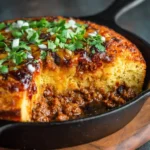
- Skillet Swap Option: For rustic charm and caramelized edges, bake in a well-seasoned 12-inch cast-iron skillet — reduces cook time by ~5 minutes and enhances flavor.
Variations and Customizations
This casserole is infinitely adaptable — here are 12 thoughtfully curated variations, each tested for balance and authenticity:
- Vegetarian Verde: Omit chorizo; add 1 cup rinsed black beans, ½ cup roasted tomatillo salsa, and ¼ cup pepitas. Boost umami with 1 tsp nutritional yeast and 1 tbsp lime zest in egg mix.
- Breakfast Enchilada Style: Layer 6 small flour tortillas (lightly toasted) beneath and between fillings. Top with 1 cup enchilada sauce before final cheese layer — bake covered first 30 min, then uncovered.
- Southwest Sweet Potato: Replace half the russets with roasted, cubed sweet potatoes. Add 1 tsp cinnamon + ½ tsp allspice to spice blend for warm nuance.
- Green Chile & Hatch Lover’s: Swap jalapeños for ½ cup chopped roasted Hatch chiles (mild or hot). Stir in ¼ cup chopped green onions and 2 tbsp chopped epazote (if available).
- Brunch-for-One Jar: Scale down into 16-oz mason jars: layer potatoes, chorizo, cheese, then egg mix. Bake at 350°F for 35–40 min — perfect for meal prep singles.
- Gluten-Free Grain Boost: Fold in ¾ cup cooked quinoa or millet after sautéing veggies — adds protein, texture, and subtle nuttiness without altering moisture.
- Seafood Sunrise: Replace chorizo with 8 oz cooked, flaked wild-caught cod or shrimp. Add 1 tbsp Old Bay seasoning and 2 tsp dill to egg base.
- Smoky Chipotle-Pumpkin: Stir ¼ cup pure pumpkin purée and 1 tsp chipotle-in-adobo paste (minced) into egg mixture — surprisingly harmonious and seasonally rich.
- Breakfast Tamale Casserole: Mix 1 cup crumbled, steamed tamales (corn masa + filling) into potato layer — adds authentic masa depth and chew.
- Keto/Ketogenic Version: Replace potatoes with 2 cups riced cauliflower (squeezed dry), add ¼ cup almond flour to egg mix, and increase cheese to 3 cups total. Bake 35–40 min.
- Breakfast Queso Fundido Fusion: After baking, broil 2 minutes with extra cheese and 2 tbsp crumbled chorizo on top. Finish with 2 tbsp warm queso fresco + 1 tsp pickled jalapeño brine.
- Tex-Mex Benedict Casserole: After baking, top each slice with hollandaise (whisk ½ cup warm hollandaise with 1 tsp chipotle purée and 1 tsp lime juice) and a poached egg.
Health Considerations and Nutritional Value
A single 1-cup serving (based on 12 servings per 9×13 dish) delivers approximately:
- Calories: 340–380 kcal
- Protein: 22–26 g (excellent source — supports muscle repair and satiety)
- Fat: 22–26 g (mostly unsaturated from cheese, eggs, and chorizo fat — includes beneficial omega-3s from pasture-raised eggs)
- Carbohydrates: 12–15 g (primarily from potatoes — low glycemic index when paired with fat/protein)
- Fiber: 2–3 g (enhance with black beans, spinach, or roasted chiles)
- Vitamins & Minerals: Rich in vitamin B12, choline (critical for brain health), selenium, vitamin D (from eggs/fortified dairy), potassium (potatoes), and antioxidants (capsaicin from chiles, lycopene from tomatoes, lutein from peppers).
Health-Conscious Swaps & Notes:
- Sodium Awareness: Traditional chorizo and cheeses are sodium-dense. Reduce salt in egg mixture by 50% and opt for low-sodium versions of cheese or chorizo alternatives (like turkey chorizo with <300mg sodium per serving).
- Cholesterol Context: One serving contains ~380 mg dietary cholesterol — within daily limits for most healthy adults (<300 mg is outdated guidance; current AHA focus is on saturated fat and overall dietary pattern). Eggs’ cholesterol has minimal impact on blood cholesterol for ~70% of people.
- Dairy Sensitivity? Substitute half-and-half with full-fat coconut milk (canned, unsweetened) and sour cream with dairy-free cultured cashew cream. Cheese remains the main challenge — look for aged vegan cheddars with tapioca starch for melt.
- Anti-Inflammatory Boost: Add 1 cup baby spinach (wilted into veggie sauté), 2 tbsp ground flaxseed to egg mix, and finish with 1 tsp extra-virgin olive oil infused with oregano.
- Diabetic-Friendly Tips: Prioritize high-fiber additions (beans, peppers, onions), reduce potatoes by 25%, and pair with a side of sliced avocado to slow glucose absorption.
- Not Just “Comfort Food”: This casserole provides sustained energy thanks to balanced macros, choline for cognitive function, capsaicin for metabolic support, and gut-friendly fermented notes (if using naturally cultured sour cream or adding a spoonful of kimchi on top).
Ingredients
- 12 large eggs
- 1 cup half-and-half (or whole milk)
- ½ cup full-fat sour cream
- 1½ lbs russet potatoes, peeled and diced ½-inch
- 12 oz fresh Mexican chorizo (uncooked, pork-based)
- 1 medium yellow onion, finely diced
- 1 large red bell pepper, finely diced
- 2–3 fresh jalapeños, seeds and membranes removed, finely minced
- 3 garlic cloves, minced
- 1½ cups shredded Monterey Jack cheese
- 1 cup shredded sharp cheddar cheese
- ½ cup crumbled queso fresco or cotija cheese
- ⅓ cup fresh cilantro leaves, chopped
- 1 tsp kosher salt (plus more to taste)
- 1½ tsp ground cumin
- 1 tsp smoked paprika (hot or sweet)
- 1 tsp dried Mexican oregano
- ¼ tsp chipotle powder (optional, for smoky heat)
- ¼ tsp freshly ground black pepper
- Lime wedges, for serving
- Avocado slices, pickled red onions, or roasted tomato salsa — optional garnishes
Directions
- Preheat oven to 375°F (190°C). Grease a 9×13-inch baking dish with oil or butter.
- Soak diced potatoes in cold water 10 minutes. Drain, rinse, and pat *extremely* dry. Microwave covered with 1 tbsp water for 5–6 minutes until just tender. Spread on paper towels to air-dry 5 minutes.
- In a large skillet over medium heat, cook chorizo, crumbling constantly, until browned and cooked through (~7 minutes). Remove with slotted spoon; drain on paper towels. Reserve 2 tbsp drippings in pan.
- In same skillet, sauté onion, bell pepper, and jalapeños in reserved fat for 5 minutes until soft. Stir in garlic; cook 45 seconds. Remove from heat; cool slightly.
- In a large bowl, whisk eggs, half-and-half, sour cream, salt, cumin, smoked paprika, oregano, chipotle powder, and black pepper until frothy and uniform (~90 seconds).
- In prepared dish, layer potatoes evenly. Top with veggie mixture, then chorizo. Sprinkle with Monterey Jack and cheddar.
- Gently pour egg mixture over all. Do not stir. Let sit 10 minutes at room temperature.
- Bake uncovered 45–55 minutes, until edges are golden and center is just set (160°F internal temp). Tent with foil if top browns too fast.
- Let rest 20 minutes before slicing. Garnish with queso fresco, cilantro, and lime wedges. Serve warm.
FAQ
- Can I use frozen hash browns?
- Yes — but only *plain, unseasoned, shredded* frozen hash browns. Thaw completely, then squeeze out *all* moisture using a clean kitchen towel. Expect slightly less structural integrity than fresh potatoes.
- What’s the difference between Mexican and Spanish chorizo?
- Mexican chorizo is fresh, soft, highly spiced, and must be cooked. Spanish chorizo is cured, dry, sliceable, and eaten raw — it will not render properly or integrate into the casserole. Using Spanish chorizo will result in greasy, salty, disjointed bites.
- Why did my casserole sink in the center?
- Most commonly caused by underbaking (center wasn’t fully set), cutting too soon (resting time skipped), or overmixing the egg base (incorporating too much air that collapses). Ensure internal temp hits 160°F and always rest 20 minutes.
- Can I make this dairy-free?
- Absolutely — substitute half-and-half with canned coconut milk (full-fat, unsweetened), sour cream with cashew-based cultured cream, and cheese with high-melt vegan shreds (look for brands with tapioca or potato starch). Note: texture and flavor will differ, but richness remains.
- How do I reheat leftovers without drying them out?
- Individual slices: microwave covered with damp paper towel on 50% power for 60–90 seconds. Whole casserole: cover tightly with foil, bake at 325°F for 25–35 minutes until heated through (165°F internal).
- Is this safe for pregnant women or immunocompromised individuals?
- Yes — when eggs reach 160°F throughout and chorizo is fully cooked (no pink), it meets FDA food safety guidelines for vulnerable populations. Always use pasteurized eggs if concerned.
- Can I add vegetables like spinach or mushrooms?
- Absolutely — add 1–1.5 cups finely chopped spinach (wilted and squeezed dry) or sautéed cremini mushrooms (drained well) to the veggie sauté step. Excess water = soggy casserole, so drainage is essential.
- What’s the best cheese substitute for someone with a dairy allergy?
- For meltability and flavor, try a blend of Violife Smoked Provolone and Follow Your Heart Cheddar shreds. Add 1 tbsp nutritional yeast to egg mixture for depth and umami.
- Can I cook this in a slow cooker?
- Yes — grease a 6-quart slow cooker insert. Layer ingredients as directed (except egg mixture). Whisk eggs separately, then pour over top. Cook on LOW for 3–4 hours, until center is set. Note: edges may be softer and top won’t brown.
- How can I make this spicier without overwhelming heat?
- Add 1 tsp ancho chile powder (earthy, mild heat) + ½ tsp cayenne (sharp, clean burn) to the spice blend. Or stir in 1 tbsp minced chipotle in adobo *after* sautéing veggies — for layered, smoky fire.
Summary
The Tex-Mex Breakfast Casserole is a masterclass in layered comfort — where the rustic heartiness of American brunch tradition meets the vibrant, chile-kissed soul of borderland cuisine, all unified by golden eggs, tender potatoes, spicy chorizo, and three cheeses in perfect melty harmony.
Whether baked for Sunday family feasts, prepped for weekday ease, or customized for dietary needs, it stands as a testament to how food evolves with love, ingenuity, and deep respect for its roots — delivering not just nourishment, but nostalgia, celebration, and pure, unapologetic flavor in every forkful.