Introduction
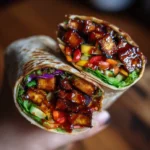
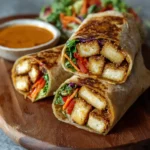
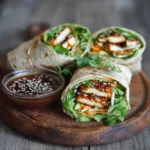
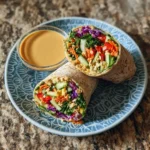
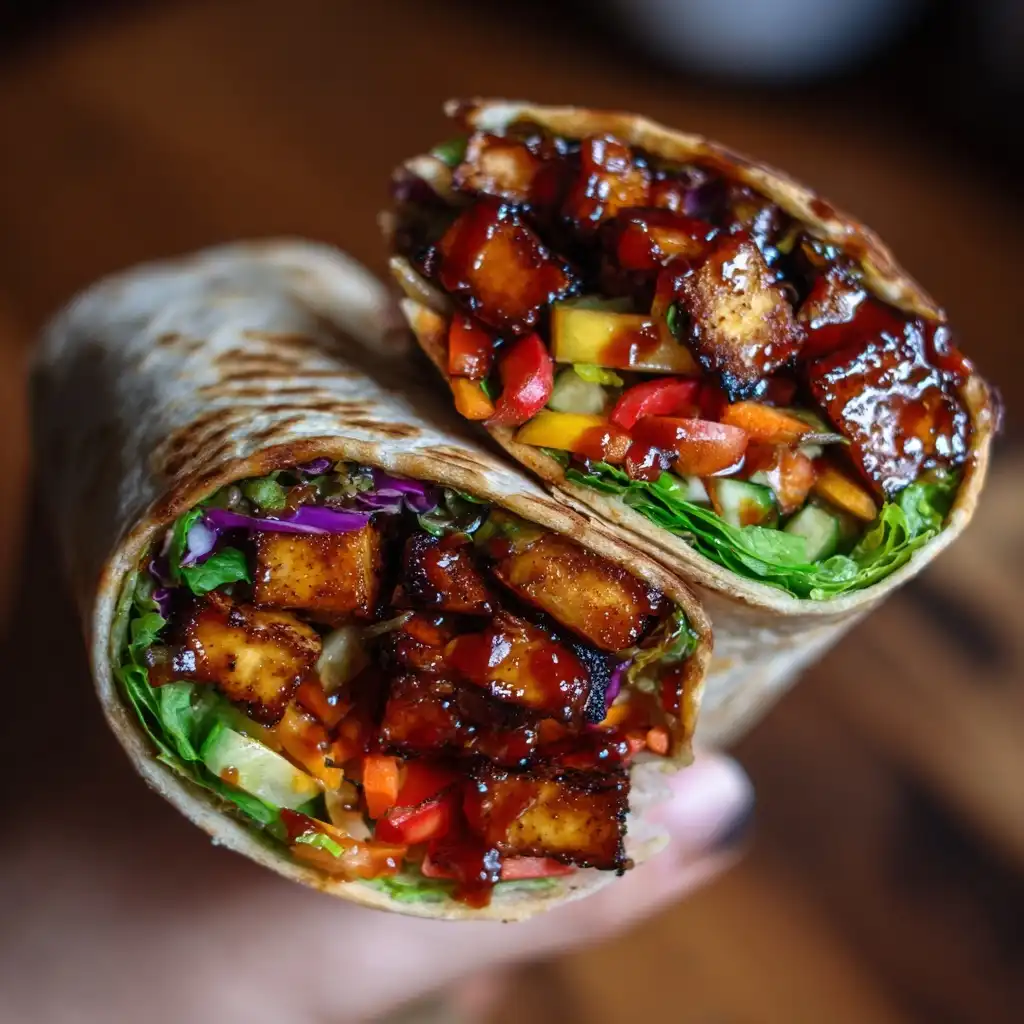
The Teriyaki Tofu Veggie Wrap is a vibrant, nutrient-dense, plant-powered meal that seamlessly bridges the bold umami richness of Japanese teriyaki with the fresh crunch and earthy satisfaction of whole-food vegetables—all wrapped in a soft, pliable whole-grain or gluten-free tortilla. Designed for busy weeknights, meal prep enthusiasts, and health-conscious eaters alike, this wrap delivers maximum flavor without compromise: tender-crisp tofu marinated to perfection, vibrant seasonal veggies, and a glossy, aromatic sauce that clings beautifully to every bite. Whether you’re vegan, vegetarian, flexitarian, or simply seeking a satisfying meatless lunch or dinner option, this recipe offers versatility, balance, and restaurant-quality appeal—made entirely from scratch with accessible ingredients and minimal equipment.
The History
While the Teriyaki Tofu Veggie Wrap is a modern culinary creation, its roots stretch across continents and centuries. Teriyaki—a Japanese cooking technique and sauce dating back to the 17th century—originally involved grilling or broiling fish (and later chicken or beef) basted in a glossy glaze of soy sauce, mirin, sake, and sugar. The word “teri” refers to the luster or shine imparted by the sauce, and “yaki” means grilled or broiled. As Japanese cuisine gained global popularity post-WWII—and especially during the 1980s and ’90s—the teriyaki flavor profile was widely adapted, simplified, and commercialized outside Japan, often substituting brown sugar for traditional mirin and omitting alcohol for broader dietary acceptability.
Tofu, meanwhile, has been a cornerstone of East Asian diets for over 2,000 years—first documented in China’s Han Dynasty (206 BCE–220 CE)—and became a staple protein source in Buddhist monastic cuisine due to its neutral taste and exceptional absorbency. Its integration into Western vegetarian and vegan cooking surged in the 1970s alongside the natural foods movement, and by the early 2000s, marinated and baked tofu had become a beloved meat alternative in cafes, food trucks, and home kitchens.
The “wrap” format itself traces its lineage to Middle Eastern flatbreads like lavash and Mexican burritos and tacos—but the modern American-style soft tortilla wrap rose to prominence in the 1990s as a portable, customizable, and “lighter” alternative to sandwiches. Combining these three traditions—Japanese umami depth, East Asian plant-based protein wisdom, and New World handheld convenience—the Teriyaki Tofu Veggie Wrap embodies culinary globalization at its most delicious and intentional: a fusion dish born not from trend-chasing, but from thoughtful adaptation, cultural respect, and everyday practicality.
Ingredients Breakdown
Every element of this wrap serves a functional and sensory purpose—no filler, no afterthoughts. Here’s why each ingredient matters:
- Firm or Extra-Firm Organic Tofu: Chosen for its dense, meaty texture that holds up to pressing, marinating, and high-heat cooking without crumbling. Organic ensures non-GMO soy and avoids pesticide-laden conventional beans.
- Low-Sodium Tamari or Coconut Aminos: Tamari provides deep, fermented umami and gluten-free soy richness; coconut aminos offer a slightly sweeter, milder, soy-free alternative rich in amino acids and lower in sodium.
- Unfiltered Apple Cider Vinegar: Adds bright acidity to balance sweetness, enhances tofu tenderness via gentle enzymatic action, and contributes subtle fruity complexity.
- Pure Maple Syrup (Grade A or B): Not just sweetener—it lends caramelized depth, viscosity for glazing, and trace minerals like zinc and manganese. Avoid corn syrup or agave for superior flavor stability and glycemic response.
- Freshly Grated Ginger & Minced Garlic: Raw aromatics deliver pungent, spicy warmth that cuts through richness and supports digestion and immunity. Pre-minced versions lack volatile oils and nuanced heat.
- Toasted Sesame Oil: Used *only* at the end (never for cooking), it imparts an unmistakable nutty aroma and rounds out the teriyaki profile—its low smoke point makes it ideal for finishing, not frying.
- Shredded Red Cabbage: Provides vivid color, peppery crunch, and sulforaphane—a potent phytonutrient linked to cellular detoxification and anti-inflammatory support.
- Matchstick Carrots: Add natural sweetness, beta-carotene (vitamin A precursor), and textural contrast—julienned for optimal mouthfeel and even distribution.
- Sliced English Cucumber: Offers cooling hydration, crispness, and enzymes like cucurbitacin that aid digestion and reduce bloating.
- Thinly Sliced Scallions: Deliver mild allium sharpness, prebiotic fiber (inulin), and vibrant green garnish—both bulb and green tops used for layered flavor.
- Optional But Highly Recommended: Pickled Daikon Radish (Takuan) or Quick-Pickled Red Onions: Adds tangy brightness, probiotic potential, and palate-cleansing acidity—cutting through the sauce’s richness and elevating overall complexity.
- Whole-Grain or Sprouted Grain Tortillas (or Gluten-Free Alternatives): Look for options with >3g fiber per serving and minimal added sugars. Sprouted grain wraps enhance nutrient bioavailability (especially B vitamins and iron) and improve digestibility.
- Optional Garnishes: Roasted Sesame Seeds, Crispy Wonton Strips (vegan), Microgreens (shiso, pea shoots), or Chili Crisp: Elevate visual appeal, add textural excitement (crunch!), and introduce additional functional benefits—from antioxidants to healthy fats.
Step-by-Step Recipe
- Press the Tofu (15–30 minutes): Remove tofu from packaging and drain liquid. Wrap block tightly in several layers of clean kitchen towels or paper towels. Place on a cutting board and top with a heavy object (cast-iron skillet, books, or tofu press). Let sit 15 minutes for medium-firm texture; 30 minutes for extra chewiness and better marinade absorption.
- Prepare the Teriyaki Marinade (5 minutes): In a small bowl, whisk together tamari (or coconut aminos), maple syrup, rice vinegar, grated ginger, minced garlic, and a pinch of black pepper. Taste and adjust—should be balanced: salty-sweet-acidic with aromatic warmth. Set aside 2 tablespoons for basting; reserve the rest for marinating.
- Cube and Marinate (10 minutes + optional 30+ minutes): Cut pressed tofu into ¾-inch cubes. Gently place in a shallow glass or ceramic dish. Pour marinade over tofu, ensuring full coverage. Gently toss. For best results, refrigerate 30–60 minutes (or up to 8 hours). Do not marinate longer than overnight—acid and salt can begin to break down texture.
- Prep the Veggie Medley (10 minutes): While tofu marinates, shred red cabbage using a box grater or mandoline; julienne carrots; thinly slice cucumber into half-moons or ribbons; finely chop scallions (whites and greens); prepare pickled elements if using. Store separately in airtight containers—keeping cucumbers chilled until assembly prevents sogginess.
- Cook the Tofu (12–15 minutes): Heat 1 tsp neutral oil (avocado or grapeseed) in a nonstick or well-seasoned cast-iron skillet over medium-high heat. Add tofu cubes in a single layer—do not crowd. Cook undisturbed 4–5 minutes until golden and crust forms. Flip gently with silicone tongs and cook another 3–4 minutes. Reduce heat to medium-low, pour reserved 2 tbsp marinade over tofu, and cook 2–3 more minutes, stirring occasionally, until glaze thickens and coats tofu. Remove from heat and drizzle with ½ tsp toasted sesame oil. Let cool slightly—warm (not hot) tofu prevents tortilla tearing and wilting.
- Warm the Tortillas (30 seconds per side): Lightly heat tortillas in a dry skillet over medium heat for ~15 seconds per side—or wrap in damp paper towel and microwave 10–15 seconds. This increases pliability and prevents cracking during rolling.
- Assemble with Precision (3 minutes): Lay tortilla flat. Spread 1 tbsp reserved teriyaki sauce (or vegan mayo–teriyaki blend) down center third. Layer ⅓ cup warm tofu evenly. Top with ¼ cup shredded cabbage, 2 tbsp carrots, 10–12 cucumber slices, 1 tbsp scallions, and 1 tsp pickled daikon or onions. Optional: sprinkle 1 tsp sesame seeds and 1 tsp chili crisp.
- Wrap Like a Pro: Fold bottom edge up over filling. Fold left and right sides inward snugly. Roll forward firmly but gently, tucking as you go. If packing ahead, wrap tightly in parchment paper, then foil or reusable beeswax wrap—keeps shape and absorbs excess moisture.
Tips
- Pressing Matters—But Don’t Over-Press: Too much pressure can make tofu rubbery. Aim for 15–20 minutes for most applications. For ultra-crisp results, freeze tofu first (then thaw and press)—creates porous texture that soaks up marinade like a sponge.
- Marinade Temperature Tip: Always marinate tofu cold—refrigeration slows enzymatic breakdown and keeps flavors bright. Never reuse raw marinade unless boiled for 3+ minutes to kill bacteria.
- Sauce Consistency Control: If your teriyaki glaze separates or becomes too thin while cooking, mix ½ tsp cornstarch with 1 tsp cold water and stir in—simmer 30 seconds until glossy and cohesive. For refined sugar–free versions, use date paste blended with warm water.
- Veggie Prep Order: Chop sturdy veggies (cabbage, carrots) first; add delicate ones (cucumber, herbs) last to preserve crunch and prevent oxidation.
- Tortilla Troubleshooting: If tortillas crack, they’re too cold or dry. Warm them properly—and consider brushing lightly with olive oil before heating for extra flexibility and flavor.
- Make-Ahead Mastery: Cook tofu and prep veggies up to 3 days ahead. Store separately in airtight containers. Assemble wraps within 2 hours of eating for optimal texture. For lunches, pack components in bento-style containers and assemble onsite.
- Leftover Magic: Extra teriyaki tofu makes incredible grain bowls (over brown rice + edamame + nori), salad toppers, or breakfast scrambles with turmeric and black salt. Leftover sauce doubles as stir-fry base, dipping sauce, or roasted vegetable glaze.
- Grill or Air-Fry Option: For smoky depth, thread marinated tofu onto skewers and grill 6–8 minutes, turning once. Or air-fry at 400°F (200°C) for 12 minutes, shaking halfway—results in ultra-crisp edges with minimal oil.
Variations and Customizations
This recipe is a canvas—not a constraint. Adapt freely based on seasonality, pantry staples, dietary needs, and cravings:
- Protein Swaps: Replace tofu with tempeh (steam 10 minutes first for tenderness), seitan strips, marinated chickpeas, or pan-seared king oyster mushrooms for a “scallops” effect.
- Gluten-Free Version: Use certified GF tamari or coconut aminos; verify tortillas are GF (many brown rice or cassava flour wraps work beautifully); skip soy-based sauces unless labeled GF.
- Oil-Free / Whole-Food Plant-Based: Skip added oil—use veggie broth or water for sautéing tofu; bake instead of pan-fry (400°F for 25–30 mins, flipping halfway); rely on sauce thickness and texture contrasts for satisfaction.
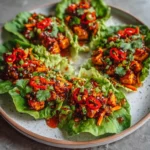
- Low-Carb/Keto Adaptation: Swap tortilla for large butter lettuce leaves (romaine hearts or iceberg cups), collard green wraps (blanched 30 seconds), or grilled portobello caps. Increase healthy fats: add avocado slices, hemp seeds, or cashew cream drizzle.
- Spice It Up: Stir ½ tsp gochujang or sriracha into marinade; add sliced jalapeños or Thai bird chilies to veggie mix; finish with yuzu kosho or chili crisp.
- Umami Bomb Upgrade: Add 1 tsp white miso paste to marinade; sprinkle dried shiitake powder or nutritional yeast over finished wrap; include fermented black beans or kimchi (check vegan status).
- Seasonal Rotations: Spring: add blanched asparagus tips and pea shoots. Summer: swap in grilled zucchini ribbons and cherry tomatoes. Fall: roasted delicata squash and caramelized red onion. Winter: steamed kale ribbons and roasted beet slivers.
- Kid-Friendly Simplicity: Omit strong aromatics (raw garlic/ginger), use mild tamari, add shredded cheddar or mozzarella (if dairy-ok), and serve with teriyaki dipping sauce on the side for dipping fun.
- Restaurant-Style Presentation: Serve deconstructed on a slate board: warm tofu stack, rainbow veggie fan, drizzled sauce, and tortilla warmed in bamboo steamer. Garnish with edible flowers (nasturtiums, pansies) and toasted nori strips.
Health Considerations and Nutritional Value
A single Teriyaki Tofu Veggie Wrap (using ½ block firm tofu, 1 whole-grain 8-inch tortilla, 1 cup mixed raw veggies, and 2 tbsp teriyaki sauce) delivers approximately:
- Calories: 380–420 kcal (moderate energy density ideal for sustained satiety)
- Protein: 22–26 g (complete plant protein from tofu + complementary amino acids in whole grains)
- Fiber: 10–14 g (40–55% DV—supports gut microbiome diversity, blood sugar regulation, and cholesterol metabolism)
- Healthy Fats: 12–16 g (primarily unsaturated—omega-3 ALA from tofu, omega-6 from sesame oil, plus phytosterols)
- Vitamins & Minerals: Rich in Vitamin K (cabbage), Vitamin A (carrots), Vitamin C (cucumber, scallions), Folate (legumes + greens), Iron (tofu + fortified tortillas), Calcium (calcium-set tofu), and Magnesium (whole grains + greens)
- Phytonutrient Powerhouse: Contains isoflavones (genistein, daidzein) with antioxidant, anti-inflammatory, and hormone-balancing properties; glucosinolates (cabbage family); anthocyanins (red cabbage); lignans (flax or sesame seeds if added)
Dietary Accommodations: Naturally vegan, vegetarian, dairy-free, egg-free, and nut-free (verify tortilla/sauce labels). Easily made soy-free (coconut aminos + chickpea tofu or lentil patty), gluten-free (GF tamari + GF tortilla), or low-sodium (reduced-salt tamari + extra ginger/garlic/vinegar for flavor compensation).
Functional Benefits: Supports healthy blood pressure (potassium-rich veggies + low sodium), promotes digestive regularity (fiber + fermented elements), aids post-exercise recovery (high-quality protein + anti-inflammatory compounds), and encourages mindful eating (vibrant colors, varied textures, aromatic complexity slow down consumption).
Considerations: Those with soy allergies should substitute thoughtfully (tempeh is still soy-based); individuals managing kidney disease should consult a dietitian regarding tofu’s phosphorus/potassium content; those on blood-thinners should monitor vitamin K–rich greens (cabbage, kale) consistency. Always choose organic tofu to minimize exposure to glyphosate residue common in conventional soy.
Ingredients
- 1 (14–16 oz) block organic extra-firm tofu, pressed*
- ¼ cup low-sodium tamari or coconut aminos
- 2 tbsp pure maple syrup
- 1 tbsp unfiltered apple cider vinegar
- 1 tbsp freshly grated ginger (about 1-inch knob)
- 2 cloves garlic, finely minced
- ½ tsp freshly ground black pepper
- 1 tsp neutral high-heat oil (avocado or grapeseed)
- ½ tsp toasted sesame oil (added off-heat)
- 1 (8–10 inch) whole-grain or sprouted grain tortilla (or gluten-free alternative)
- 1 cup finely shredded red cabbage
- ½ cup matchstick-cut carrots
- ½ cup thinly sliced English cucumber (peeled if desired)
- 2–3 scallions, thinly sliced (white and green parts)
- 2 tbsp quick-pickled red onions or takuan (Japanese pickled daikon)
- 1 tsp white or black sesame seeds (toasted)
- Optional: 1 tsp chili crisp, 2 tbsp microgreens, ¼ avocado (sliced)
*To press tofu: wrap in clean towels, place on plate, top with heavy object for 15–30 minutes.
Directions
- Press tofu thoroughly (see note above). Once dry, cut into ¾-inch cubes and place in shallow dish.
- In a small bowl, whisk together tamari, maple syrup, apple cider vinegar, grated ginger, minced garlic, and black pepper. Pour over tofu, gently tossing to coat. Refrigerate 30 minutes (or up to 1 hour).
- While tofu marinates, prepare vegetables: shred cabbage, julienne carrots, slice cucumber, chop scallions, and prepare pickled element.
- Heat neutral oil in a nonstick skillet over medium-high heat. Add marinated tofu in single layer. Cook undisturbed 4–5 minutes until golden brown. Flip and cook another 3–4 minutes.
- Reduce heat to medium-low. Pour reserved 2 tbsp marinade over tofu and cook 2–3 minutes more, stirring gently, until sauce reduces and coats tofu. Remove from heat and stir in toasted sesame oil.
- Warm tortilla in dry skillet 15 seconds per side (or microwave 10–15 sec wrapped in damp towel).
- Spread 1 tbsp teriyaki sauce (or mixture of ½ tbsp sauce + ½ tbsp vegan mayo) down center of tortilla.
- Arrange warm tofu over sauce. Top with cabbage, carrots, cucumber, scallions, pickled onions/daikon, and sesame seeds.
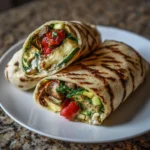
- Fold bottom edge up over filling, fold sides in, then roll tightly from bottom to top. Slice in half diagonally for presentation (optional).
- Serve immediately—or wrap tightly for on-the-go enjoyment. Best enjoyed within 2 hours of assembly for peak texture.
FAQ
- Can I use silken or soft tofu?
- No—silken and soft tofu lack structural integrity and will disintegrate during cooking and wrapping. Stick with firm or extra-firm for ideal chew and marinade absorption.
- Why is my teriyaki sauce too thin or separating?
- Traditional teriyaki lacks thickeners, so heat control is key. Simmer gently—not boil—and stir constantly. For thicker glaze, add cornstarch slurry (½ tsp cornstarch + 1 tsp cold water) and simmer 30 seconds. Separation often occurs when cold tofu hits hot sauce—let tofu cool slightly before adding glaze.
- Can I make this nut-free and soy-free?
- Absolutely. Use coconut aminos instead of tamari, and swap tofu for cooked chickpeas, lentil-walnut pâté, or quinoa-stuffed bell peppers. Ensure tortillas are soy-free (some contain soy lecithin) and nut-free (verify labels).
- How do I prevent soggy wraps?
- Three keys: (1) Press tofu extremely well, (2) Pat veggies dry—especially cucumber—before assembling, (3) Warm tortillas properly and avoid overloading with wet ingredients. Use parchment wrap for packed lunches to wick moisture.
- Is store-bought teriyaki sauce okay?
- It works in a pinch—but most contain high-fructose corn syrup, artificial preservatives, excessive sodium, and hidden gluten. Homemade takes 5 minutes and lets you control quality, sweetness, and allergens. Reserve store-bought for emergency backups only.
- Can I freeze this wrap?
- Not recommended assembled—the tortilla becomes gummy and veggies turn mushy. However, cooked teriyaki tofu freezes beautifully for up to 3 months. Thaw overnight in fridge and reheat gently before assembling fresh wraps.
- What’s the best way to reheat leftover tofu?
- For best texture, reheat in a dry skillet over medium-low heat 3–4 minutes, flipping once. Avoid microwaving—it makes tofu rubbery. Add a splash of water or sauce to revive moisture if needed.
- Are there low-glycemic alternatives to maple syrup?
- Yes—date paste (soaked + blended Medjool dates), monk fruit–erythritol blend (check for clean ingredients), or a touch of blackstrap molasses (adds mineral richness). Avoid agave—it’s extremely high in fructose and spikes insulin.
- Can I use this recipe for meal prep?
- Yes—with smart separation. Cook and cool tofu; store in sauce (up to 4 days). Prep dry veggies separately. Warm tortillas and assemble same-day. Portion tofu + sauce + veggie kits in jars for grab-and-go assembly in under 90 seconds.
- What beverages pair well with this wrap?
- Try chilled barley tea (mugicha) for earthy balance, sparkling water with yuzu or lime, jasmine green tea, or a light, unoaked vegan white wine like Albariño. Avoid sugary sodas that clash with umami.
Summary
The Teriyaki Tofu Veggie Wrap is a masterclass in intentional plant-based cooking—uniting time-honored Japanese umami tradition with vibrant, fiber-rich produce and nourishing whole grains in a portable, endlessly adaptable format.
With balanced macros, functional phytonutrients, and zero culinary compromise, it’s not just a meal—it’s a daily act of self-care, sustainability, and joyful flavor exploration.