Teriyaki Chicken Stir Fry
Introduction
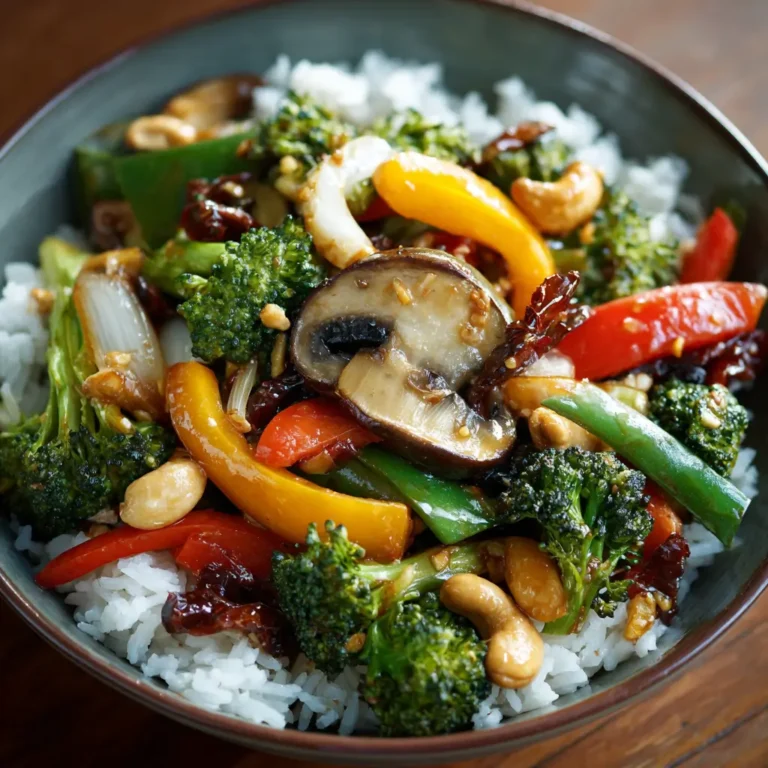
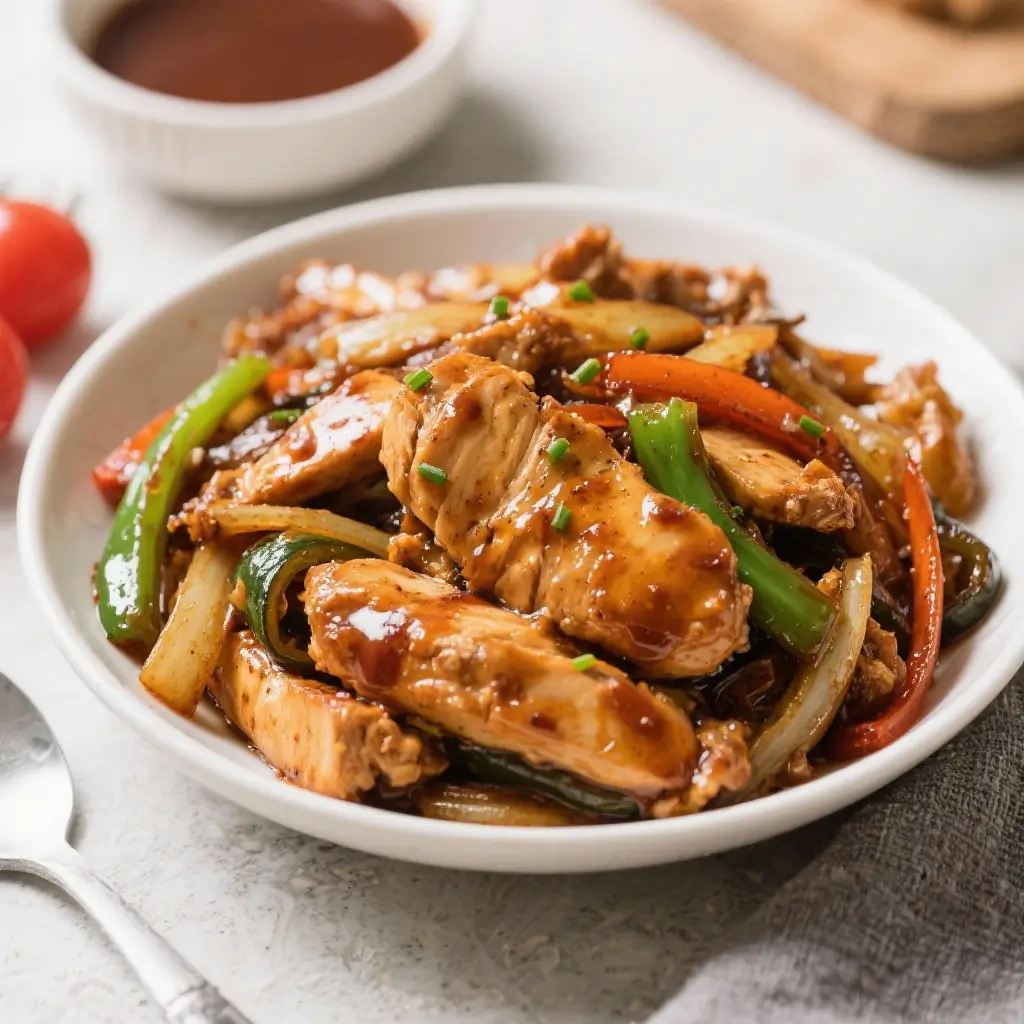
Teriyaki Chicken Stir Fry is a beloved dish that perfectly balances savory, sweet, and umami flavors in one satisfying meal. Originating from Japanese culinary traditions but widely popularized across North America and beyond, this stir fry brings together tender pieces of chicken, vibrant vegetables, and a glossy teriyaki glaze that clings to every bite. Whether served over steamed rice, noodles, or on its own, Teriyaki Chicken Stir Fry is a go-to weeknight dinner that feels both comforting and gourmet. Its quick preparation time, minimal cleanup, and adaptability make it a favorite among home cooks and busy families alike.
The History
The term “teriyaki” comes from two Japanese words: “teri,” meaning luster or shine, and “yaki,” which means grilled or broiled. Traditionally, teriyaki refers to a cooking technique where foods—most commonly fish like salmon or mackerel—are broiled or grilled with a glaze made from soy sauce, mirin (sweet rice wine), and sugar. This method dates back to the Edo period in Japan (1603–1868) when it was used to enhance the natural flavors of seafood with a glossy, caramelized finish.
Over time, as Japanese cuisine spread globally, the teriyaki style evolved. In the mid-20th century, particularly in Hawaii and later on the U.S. mainland, teriyaki began to be associated more with chicken and other meats. The stir-fry variation emerged as a fusion creation, combining the rich teriyaki sauce with the fast-paced, high-heat cooking style of Chinese wok techniques. Today, Teriyaki Chicken Stir Fry stands as a hallmark of Asian-inspired American cuisine—a delicious testament to cultural blending and culinary innovation.
Ingredients Breakdown
The magic of Teriyaki Chicken Stir Fry lies in its harmonious blend of ingredients, each contributing to flavor, texture, and nutritional balance.
- Chicken Breast or Thighs: Boneless, skinless chicken breasts are lean and tender, while thighs offer richer flavor and juiciness due to their higher fat content.
- Soy Sauce: Provides saltiness and umami depth. Use low-sodium soy sauce for better control over salt levels.
- Mirin: A sweet Japanese rice wine that adds subtle sweetness and gloss to the sauce.
- Brown Sugar or Honey: Enhances sweetness and helps create the signature sticky glaze.
- Rice Vinegar: Adds a touch of acidity to balance the richness of the sauce.
- Garlic and Ginger: Freshly minced or grated, these aromatics form the flavor base, offering warmth and pungency.
- Sesame Oil: Used sparingly for its nutty aroma; often added at the end for fragrance.
- Cornstarch: Acts as a thickening agent to give the sauce a velvety consistency.
- Vegetables: Common choices include bell peppers, broccoli, carrots, snap peas, mushrooms, onions, and zucchini—each adding color, crunch, and nutrients.
- Neutral Cooking Oil: Such as canola, vegetable, or avocado oil, ideal for high-heat stir-frying without overpowering flavors.
- Sesame Seeds and Green Onions: For garnish, providing visual appeal and a burst of flavor.
Optional additions include pineapple chunks for sweetness, red pepper flakes for heat, or a splash of pineapple juice for tropical flair.
Step-by-Step Recipe
- Prepare the Teriyaki Sauce: In a small bowl, whisk together ½ cup soy sauce, ¼ cup water, ¼ cup mirin, 2 tablespoons brown sugar, 1 tablespoon rice vinegar, 2 teaspoons cornstarch, 2 cloves minced garlic, and 1 teaspoon grated fresh ginger. Set aside.
- Marinate the Chicken: Cut 1 pound of boneless chicken into thin, bite-sized strips. Optionally, marinate in 2 tablespoons of the teriyaki sauce for 15–30 minutes to enhance flavor.
- Prep the Vegetables: Wash and chop 2 cups broccoli florets, 1 sliced bell pepper, 1 sliced carrot (julienned), 1 cup snap peas, and ½ sliced onion. Keep them ready in a bowl.
- Heat the Wok or Skillet: Place a large wok or non-stick skillet over high heat. Add 1 tablespoon of neutral oil and swirl to coat the surface evenly.
- Cook the Chicken: Add the chicken in a single layer and cook undisturbed for 2–3 minutes until golden brown. Stir-fry for another 4–5 minutes until fully cooked through. Remove and set aside.
- Stir-Fry the Vegetables: In the same pan, add another tablespoon of oil if needed. Add harder vegetables like carrots and broccoli first, stir-frying for 2–3 minutes. Then add softer veggies like bell peppers, snap peas, and onions. Cook for an additional 3–4 minutes until crisp-tender.
- Combine and Simmer: Return the chicken to the pan. Pour the prepared teriyaki sauce over the mixture. Stir well and bring to a simmer. Cook for 2–3 minutes, stirring frequently, until the sauce thickens and coats everything evenly.
- Finish with Flavor: Drizzle with ½ teaspoon of toasted sesame oil for aroma. Toss to combine.
- Serve Hot: Plate immediately over steamed white or brown rice, quinoa, or soba noodles. Garnish with sliced green onions and toasted sesame seeds.
Tips
- Uniform Cutting: Cut chicken and vegetables into even sizes to ensure consistent cooking.
- High Heat is Key: Stir-frying requires high heat to sear ingredients quickly, locking in juices and preventing sogginess.
- Don’t Overcrowd the Pan: Cook in batches if necessary. Overfilling lowers the temperature and causes steaming instead of frying.
- Prep Ahead: Mise en place (having all ingredients prepped and ready) ensures smooth, uninterrupted cooking.
- Thicker Sauce? Add an extra teaspoon of cornstarch slurry (cornstarch mixed with cold water) if you prefer a more viscous glaze.
- Avoid Burning Sugar: Keep an eye on the sauce during the final simmer—high sugar content can burn easily.
- Use Fresh Aromatics: Fresh garlic and ginger provide far superior flavor compared to powdered versions.
- Rest the Chicken: Letting marinated chicken sit briefly allows deeper flavor penetration.
Variations and Customizations
Teriyaki Chicken Stir Fry is incredibly versatile and welcomes endless adaptations based on dietary needs, preferences, or what’s available in your kitchen.
- Protein Swaps: Replace chicken with thinly sliced beef (for teriyaki steak stir fry), shrimp, tofu, tempeh, or even portobello mushrooms for a vegan version.
- Gluten-Free Option: Use tamari or a certified gluten-free soy sauce instead of regular soy sauce.
- Low-Sugar Version: Substitute brown sugar with monk fruit sweetener or reduce sugar quantity; increase mirin slightly for balance.
- Pineapple Teriyaki: Add ½ cup diced pineapple (fresh or canned) during the last few minutes of cooking for a sweet-tangy twist.
- Spicy Kick: Stir in 1–2 teaspoons of sriracha, chili garlic sauce, or red pepper flakes to the teriyaki sauce.
- Noodle Bowl Style: Serve over udon, ramen, or lo mein noodles instead of rice for a heartier meal.
- Sheet Pan Bake: For a hands-off approach, toss chicken and vegetables with teriyaki sauce and roast at 400°F (200°C) for 20–25 minutes.
- Meal Prep Friendly: Double the batch and store portions in airtight containers for up to 4 days in the fridge.
- Kid-Friendly: Skip spicy elements and add mild veggies like zucchini and yellow squash. Serve with edamame for added protein.
Health Considerations and Nutritional Value
Teriyaki Chicken Stir Fry can be a nutritious and balanced meal when prepared with mindful ingredient choices.
Nutritional Highlights (per serving, approx. 1.5 cups with ¾ cup rice):
- Calories: ~400–500 kcal
- Protein: 25–30g (supports muscle repair and satiety)
- Carbohydrates: 45–55g (mostly from rice and vegetables)
- Fat: 8–12g (mostly unsaturated from oils and chicken)
- Sodium: Varies significantly—can range from 800–1,200mg depending on soy sauce use. Opt for low-sodium soy sauce to reduce intake.
- Fiber: 4–6g (from vegetables and whole grains if using brown rice)
- Vitamins & Minerals: Rich in vitamin C (bell peppers, broccoli), vitamin A (carrots), B vitamins (chicken), and antioxidants from colorful vegetables.
Health Tips:
- Control sodium by reducing soy sauce or using reduced-sodium alternatives.
- Increase fiber and nutrient density by loading up on a rainbow of vegetables.
- Balance the meal by pairing with brown rice or cauliflower rice for lower glycemic impact.
- Limit added sugars by adjusting the amount of brown sugar or honey in the sauce.
- Use heart-healthy oils like avocado or canola oil in moderation.
- Avoid deep-frying chicken; pan-searing or stir-frying uses less oil.
Ingredients
- 1 lb (450g) boneless, skinless chicken breasts or thighs, thinly sliced
- 3 tbsp neutral oil (canola, vegetable, or avocado), divided
- 2 cups broccoli florets
- 1 red bell pepper, sliced
- 1 medium carrot, julienned or thinly sliced
- 1 cup sugar snap peas
- ½ medium onion, sliced
- 2 cloves garlic, minced
- 1 tsp fresh ginger, grated
- ½ cup soy sauce (low-sodium preferred)
- ¼ cup mirin (Japanese sweet rice wine)
- ¼ cup water
- 2 tbsp brown sugar (or honey)
- 1 tbsp rice vinegar
- 2 tsp cornstarch
- ½ tsp toasted sesame oil
- Sesame seeds and sliced green onions, for garnish
- Cooked rice, noodles, or quinoa, for serving
Directions
- In a small bowl, prepare the teriyaki sauce: Whisk together soy sauce, mirin, water, brown sugar, rice vinegar, cornstarch, minced garlic, and grated ginger. Set aside.
- Cut the chicken into uniform, bite-sized strips. Pat dry with paper towels to ensure proper browning.
- Heat 1 tablespoon of oil in a large wok or skillet over high heat. Add chicken in a single layer and cook for 2–3 minutes per side until golden and cooked through. Remove and set aside.
- Add another tablespoon of oil to the same pan. Add broccoli and carrots first; stir-fry for 2 minutes.
- Add bell pepper, snap peas, and onion. Continue stir-frying for 3–4 minutes until vegetables are bright and crisp-tender.
- Return the cooked chicken to the pan. Stir to combine with the vegetables.
- Pour the teriyaki sauce over the mixture. Stir well and bring to a gentle simmer.
- Simmer for 2–3 minutes, stirring constantly, until the sauce thickens and coats the ingredients.
- Remove from heat. Stir in sesame oil for fragrance.
- Transfer to serving plates over hot rice. Garnish with green onions and sesame seeds.
- Serve immediately and enjoy!
FAQ
Can I make teriyaki sauce ahead of time?
Yes! You can prepare the teriyaki sauce up to one week in advance and store it in an airtight container in the refrigerator. Shake or stir well before using.
Is teriyaki sauce gluten-free?
Traditional soy sauce contains wheat, so it’s not gluten-free. However, using tamari or a certified gluten-free soy sauce makes this dish safe for gluten-sensitive individuals.
Can I freeze Teriyaki Chicken Stir Fry?
Yes, though the texture of vegetables may soften upon thawing. Freeze in portioned containers for up to 3 months. Reheat gently on the stovetop with a splash of water to refresh the sauce.
What can I use instead of mirin?
Substitute with a mix of ¼ cup dry white wine or rice vinegar plus 1–2 teaspoons of sugar. Avoid using sweet sherry, as it can alter the flavor profile.
Why is my sauce too thin or too thick?
If too thin, mix ½ teaspoon cornstarch with 1 tablespoon cold water and stir into the simmering sauce. If too thick, add a splash of water or broth to loosen.
Can I use frozen vegetables?
Yes, but thaw and drain them well first to avoid excess moisture. Stir-fry a bit longer to remove residual water and achieve proper texture.
How do I prevent rubbery chicken?
Avoid overcooking. Slice chicken uniformly and cook just until no longer pink. Marinating in a bit of sauce or cornstarch slurry can also help tenderize the meat.
Summary
Teriyaki Chicken Stir Fry is a flavorful, quick, and adaptable dish that brings the best of Japanese-inspired cuisine to your dinner table. Packed with tender chicken, crisp vegetables, and a glossy homemade teriyaki sauce, it’s a healthy, satisfying meal the whole family will love.