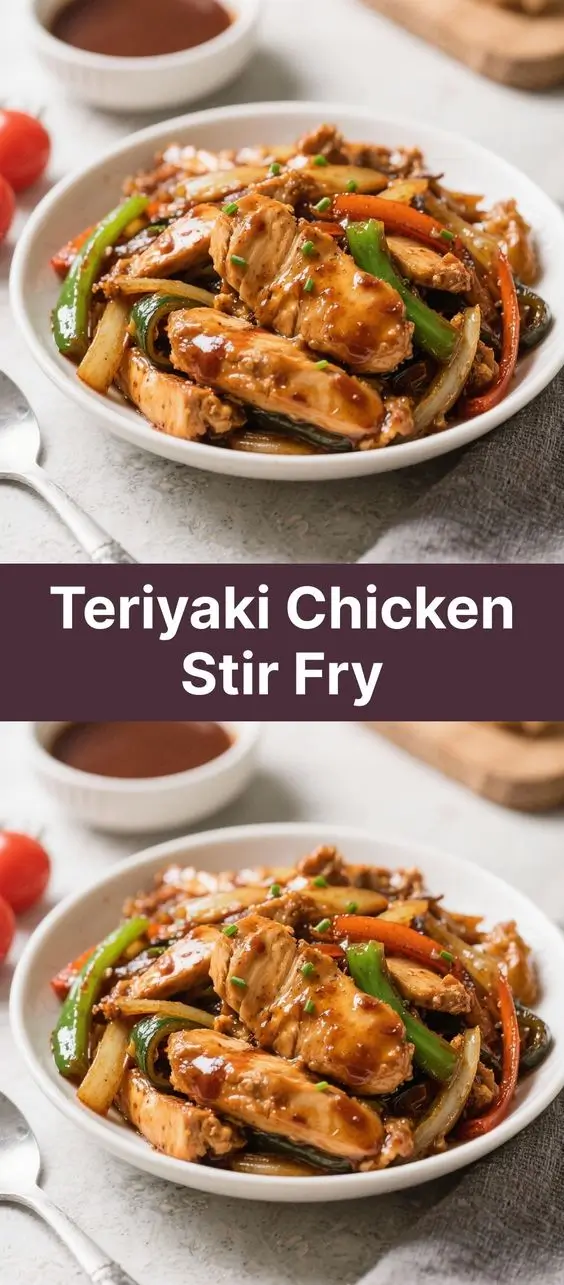
Teriyaki Chicken Stir Fry: A Flavorful Journey Through Taste and Tradition
The History of Teriyaki Chicken Stir Fry
The origins of teriyaki chicken stir fry can be traced back to Japan, where the term “teriyaki” refers to a cooking technique rather than just a sauce. The word itself is derived from two Japanese words: teri, meaning luster or shine, and yaki, meaning grilled or broiled. Traditionally, fish—especially salmon or yellowtail—was marinated in a mixture of soy sauce, mirin (sweet rice wine), and sugar, then grilled or broiled until it developed a glossy, caramelized finish.
Over time, this cooking method evolved beyond grilling and was adapted into various forms across Asia and later in Western countries. As Japanese cuisine gained popularity globally, especially in the United States during the 20th century, chefs began incorporating the rich, sweet-savory teriyaki glaze into stir-fry dishes. Chicken, being more widely available and affordable than certain types of fish, quickly became a favorite protein for this preparation.
The modern teriyaki chicken stir fry as we know it today is a fusion dish, blending traditional Japanese flavors with Chinese stir-frying techniques. Wok-based cooking allows ingredients to be cooked quickly over high heat, preserving their texture and nutrients while absorbing the bold umami flavor of the teriyaki sauce. This hybrid culinary creation has become a staple in Asian-inspired restaurants around the world and a go-to meal for home cooks seeking both convenience and depth of flavor.
Today, teriyaki chicken stir fry symbolizes the beauty of cultural exchange in food—a harmonious blend of simplicity, balance, and taste that continues to evolve with regional preferences, dietary needs, and ingredient availability.
Ingredients Breakdown: What Makes It Shine?
The magic of teriyaki chicken stir fry lies not only in its bold taste but also in the careful selection and combination of ingredients. Each component plays a crucial role in building layers of flavor, texture, and nutrition.
Protein: Chicken Breast or Thighs
Boneless, skinless chicken breasts are most commonly used due to their lean profile and mild flavor, which readily absorbs the teriyaki marinade. However, chicken thighs offer a richer, juicier alternative thanks to their higher fat content, making them ideal for those who prefer a more tender bite.
Soy Sauce: The Umami Foundation
Soy sauce is the backbone of any authentic teriyaki sauce. It provides saltiness, depth, and that signature umami punch. For best results, use naturally brewed soy sauce rather than chemically produced versions. Low-sodium soy sauce can be substituted for a healthier option without sacrificing too much flavor.
Sweeteners: Balancing the Salt
Traditional teriyaki relies on natural sweetness from sugar, brown sugar, honey, or mirin. Brown sugar adds molasses notes and enhances browning, while honey contributes floral undertones and extra gloss. Mirin, a Japanese sweet rice wine, brings subtle complexity and helps create the shiny glaze characteristic of true teriyaki.
Aromatics: Garlic and Ginger
Freshly minced garlic and grated ginger are essential for adding warmth, pungency, and aromatic depth. These ingredients activate early in the cooking process, releasing volatile oils that infuse the entire dish with fragrance.
Vegetables: Color, Crunch, and Nutrition
A vibrant medley of vegetables not only boosts nutritional value but also adds contrasting textures. Common choices include:
- Bell peppers – red, yellow, or green for sweetness and crunch
- Broccoli florets – earthy and nutrient-dense
- Carrots – julienned or thinly sliced for color and beta-carotene
- Snow peas or snap peas – crisp and slightly sweet
- Onions – white, yellow, or red for savory base notes
- Mushrooms – shiitake or cremini for meaty texture and umami boost
Feel free to customize based on seasonal availability and personal preference.
Thickening Agent: Cornstarch Slurry
To achieve the signature clingy, glossy sauce that coats each piece of chicken and vegetable, a cornstarch slurry (cornstarch mixed with cold water) is typically added toward the end of cooking. This creates a silky, restaurant-quality finish that elevates the dish visually and texturally.
Cooking Oil: High Smoke Point Required
Since stir-frying involves high heat, oils like avocado oil, peanut oil, or refined sesame oil are preferred for their high smoke points. Avoid using extra virgin olive oil, which can burn at high temperatures.
Garnishes: Final Flourishes
Finishing touches like toasted sesame seeds, sliced green onions, or a drizzle of sesame oil add visual appeal and enhance flavor. Some variations even include crushed red pepper flakes or chili oil for heat.
Step-by-Step Recipe: How to Make Perfect Teriyaki Chicken Stir Fry at Home
Follow these detailed steps to recreate a restaurant-quality teriyaki chicken stir fry right in your kitchen. With proper prep and timing, this meal comes together in under 30 minutes.
Preparation Time: 15 minutes | Cooking Time: 12–15 minutes | Total Time: ~30 minutes
Servings: 4
Ingredients
- 1.5 lbs (680g) boneless, skinless chicken breasts or thighs, cut into 1-inch cubes
- 3 tbsp soy sauce (or low-sodium soy sauce)
- 2 tbsp cornstarch
- 2 tbsp water
- 3 tbsp neutral oil (peanut, avocado, or canola), divided
- 3 cloves garlic, minced
- 1 tbsp fresh ginger, grated
- 1 red bell pepper, sliced
- 1 yellow bell pepper, sliced
- 1 cup broccoli florets
- 1 large carrot, julienned or thinly sliced
- 1/2 cup snow peas, ends trimmed
- 1 small onion, sliced
- Optional: 4 oz mushrooms (shiitake or cremini), sliced
Homemade Teriyaki Sauce (Recommended):
- 1/2 cup soy sauce
- 1/4 cup water
- 1/4 cup brown sugar (or honey)
- 2 tbsp mirin (or dry sherry if unavailable)
- 1 tbsp rice vinegar
- 1 clove garlic, minced
- 1 tsp grated fresh ginger
- 1 tbsp cornstarch + 2 tbsp cold water (slurry)
Directions
- Marinate the Chicken (Optional but Recommended):
In a bowl, toss chicken pieces with 1 tablespoon of soy sauce and 1 tablespoon of cornstarch. Let sit for 10–15 minutes while you prep other ingredients. This step helps tenderize the meat and gives it a velvety texture when cooked. - Prepare the Teriyaki Sauce:
In a small saucepan, combine soy sauce, water, brown sugar, mirin, rice vinegar, garlic, and ginger. Bring to a gentle simmer over medium heat, stirring until sugar dissolves.In a separate cup, mix 1 tablespoon cornstarch with 2 tablespoons cold water to make a slurry. Slowly whisk into the sauce. Continue cooking for 2–3 minutes, stirring constantly, until the sauce thickens and becomes glossy. Remove from heat and set aside. (Alternatively, reserve half for tossing at the end.)
- Stir-Fry the Chicken:
Heat 1.5 tablespoons of oil in a large wok or non-stick skillet over high heat. Once hot, add the marinated chicken in a single layer. Cook undisturbed for 1–2 minutes to allow searing, then stir-fry for another 4–5 minutes until golden brown and fully cooked through. Transfer chicken to a plate and set aside. - Cook the Aromatics:
Add remaining oil to the same pan. Immediately add minced garlic and grated ginger; stir for about 30 seconds until fragrant—do not let them burn. - Add Vegetables:
Toss in onions, carrots, and broccoli first—they take longer to cook. Stir-fry for 2 minutes. Then add bell peppers, snow peas, and mushrooms (if using). Continue cooking for another 3–4 minutes until vegetables are crisp-tender. Add a splash of water if needed to steam broccoli slightly. - Combine Everything:
Return the cooked chicken to the wok. Pour in the prepared teriyaki sauce. Toss everything together and cook for an additional 1–2 minutes until heated through and evenly coated. If the sauce is too thin, add a bit more cornstarch slurry. If too thick, dilute with a teaspoon of water or broth. - Taste and Adjust:
Give the dish a final taste. Add a pinch of black pepper or a squeeze of fresh lime juice for brightness if desired. - Serve Immediately:
Plate the stir fry hot, ideally over steamed jasmine rice, brown rice, quinoa, or cauliflower rice for a lower-carb option. Garnish generously with sliced green onions and toasted sesame seeds.
Expert Tips for the Best Teriyaki Chicken Stir Fry
- Prep Ahead: Chop all ingredients before starting. Stir-frying moves fast, so having everything ready ensures smooth execution.
- High Heat is Key: Use the highest heat your stove allows to achieve proper sear and prevent steaming. A well-seasoned wok works best.
- Don’t Overcrowd the Pan: Cook chicken in batches if necessary. Overfilling lowers the temperature and leads to soggy, boiled meat.
- Velveting the Chicken: Coating chicken in cornstarch and soy sauce before cooking (velveting) locks in moisture and creates a tender texture—common in Chinese cuisine.
- Fresh vs. Pre-Ground Spices: Always use freshly grated ginger and minced garlic for superior aroma and flavor compared to powdered versions.
- Sauce Consistency: Aim for a coating consistency—not too runny, not too stiff. The sauce should cling to the back of a spoon.
- Reserve Some Sauce: Set aside a portion of the teriyaki sauce before adding it to the stir fry. Drizzle over the finished dish for enhanced presentation and flavor.
- Use Fresh Vegetables: Frozen veggies release excess water and can make the stir fry soggy. Stick to fresh unless properly thawed and drained.
- Rest the Protein: Allow chicken to rest briefly after cooking before combining with sauce to retain juices.
Variations and Customizations
One of the greatest strengths of teriyaki chicken stir fry is its adaptability. Whether you’re catering to dietary restrictions, exploring global flavors, or simply cleaning out the fridge, here are some creative twists:
Protein Swaps
- Beef Teriyaki Stir Fry: Use sirloin or flank steak, sliced thinly against the grain.
- Shrimp/Prawn Teriyaki: Add peeled, deveined shrimp in the last 2–3 minutes of cooking.
- Tofu or Tempeh: Press firm or extra-firm tofu, cube it, and pan-sear until crispy for a vegan version.
- Salmon Teriyaki Stir Fry: Pan-sear salmon fillets separately and serve atop the stir fry for a luxurious twist.
Dietary Modifications
- Gluten-Free: Substitute tamari or coconut aminos for soy sauce. Ensure all other ingredients (like mirin) are certified gluten-free.
- Low-Sugar/Keto: Replace sugar with monk fruit sweetener or erythritol. Reduce or omit sweeteners altogether and increase umami with miso paste.
- Low-Sodium: Use reduced-sodium soy sauce and boost flavor with lemon zest, garlic, and herbs instead of salt.
- Vegetarian/Vegan: Omit chicken entirely and double up on mushrooms, tofu, and hearty vegetables like eggplant or zucchini.
Global Fusion Twists
- Korean-Inspired: Add gochujang (Korean chili paste) to the teriyaki sauce for spicy-sweet depth.
- Hawaiian Style: Serve over pineapple fried rice and garnish with grilled pineapple chunks.
- Thai Fusion: Stir in lime leaves, lemongrass, and a touch of coconut milk for a tropical flair.
- Mediterranean Touch: Top with chopped cilantro, olives, and feta cheese for an unexpected contrast.
Vegetable Variations
Switch up the veggie lineup based on what’s in season:
- Asparagus in spring
- Zucchini or yellow squash in summer
- Brussels sprouts or cabbage in fall/winter
- Bok choy or napa cabbage for an Asian touch
Serving Ideas
- Rice Bowls: Serve over sushi rice with pickled ginger and nori strips.
- Noodle Stir Fry: Toss with udon, soba, or rice noodles instead of serving with rice.
- Lettuce Wraps: Spoon into butter lettuce cups for a low-carb, handheld meal.
- Meal Prep Jars: Layer rice, stir fry, and sauce in mason jars—reheat and enjoy throughout the week.
Health Considerations and Nutritional Value
Teriyaki chicken stir fry can be a balanced, nutritious meal when prepared thoughtfully. Here’s a breakdown of its health aspects:
Nutritional Highlights (Per Serving, Approximate)
| Nutrient | Amount (Approx.) |
|---|---|
| Calories | 380–450 kcal |
| Protein | 30–35g |
| Total Fat | 10–14g |
| Saturated Fat | 2–3g |
| Carbohydrates | 40–50g |
| Sugars | 18–22g (mostly from sauce and vegetables) |
| Fiber | 4–6g |
| Sodium | 900–1300mg (varies widely based on soy sauce used) |
| Vitamin A | Excellent source (from carrots, peppers) |
| Vitamin C | High (bell peppers, broccoli) |
| Iron & B Vitamins | Good amounts from chicken and vegetables |
Health Benefits
- Lean Protein Source: Chicken supports muscle repair and satiety.
- Fiber-Rich Vegetables: Promote digestive health and help regulate blood sugar.
- Antioxidants: Bell peppers, broccoli, and garlic contain compounds that combat oxidative stress.
- Low in Saturated Fat: When made with healthy oils and lean meat, it fits well into heart-healthy diets.
Potential Concerns
- High Sodium: Soy sauce is naturally high in sodium. To reduce intake, use low-sodium alternatives and control portion size.
- Sugar Content: Traditional teriyaki sauce can be high in added sugars. Opt for natural sweeteners in moderation or use sugar substitutes.
- Refined Carbs: White rice increases glycemic load. Choose brown rice, quinoa, or cauliflower rice for better blood sugar control.
- Allergens: Contains soy and wheat (unless tamari is used); always check labels for gluten-free or allergen-safe products.
Mindful Eating Tips
- Practice portion control—stick to one serving of protein and fill half your plate with vegetables.
- Drink water before and after meals to avoid mistaking thirst for hunger.
- Chew slowly and savor each bite to improve digestion and satisfaction.
- Pair with a side salad or miso soup to increase fullness without excessive calories.
Frequently Asked Questions (FAQ)
Can I make teriyaki chicken stir fry ahead of time?
Yes! You can prep ingredients (chop veggies, slice chicken, make sauce) up to 24 hours in advance and store them separately in airtight containers in the refrigerator. Fully cooked stir fry can be stored for 3–4 days and reheated gently on the stove or microwave. Add a splash of water when reheating to refresh the sauce.
Can I freeze teriyaki chicken stir fry?
Yes, though texture may change slightly upon thawing. Freeze in portion-sized containers for up to 3 months. Reheat thoroughly on the stovetop for best results. Note: Rice does not freeze well long-term; consider freezing just the stir fry and serving over fresh rice.
Is store-bought teriyaki sauce okay to use?
While convenient, many bottled sauces contain preservatives, artificial flavors, and excessive sugar/sodium. Homemade sauce gives you full control over ingredients and taste. That said, a good quality organic teriyaki sauce can work in a pinch—just read the label carefully.
Why is my stir fry soggy?
This usually happens when the pan isn’t hot enough, vegetables are overcrowded, or frozen veggies weren’t thawed properly. Always preheat your wok, cook in batches, and pat ingredients dry before adding them to the pan.
How do I get a shiny glaze like in restaurants?
The key is the cornstarch slurry and proper reduction. Simmer the sauce until it thickens and coats the spoon. Finish by tossing everything quickly over heat so the sauce clings beautifully.
Can I make this in an electric skillet or oven?
An electric skillet works fine if it reaches high heat. However, oven methods won’t replicate the quick sear of stir-frying. For similar results, try roasting chicken and veggies separately, then tossing with warm teriyaki sauce.
What sides go well with teriyaki chicken stir fry?
Popular pairings include:
- Steamed jasmine or brown rice
- Garlic sautéed spinach or bok choy
- Miso soup or seaweed salad
- Asian cucumber salad with rice vinegar
- Edamame sprinkled with sea salt
Summary
Teriyaki chicken stir fry is a delicious, versatile dish that combines tender chicken, crisp vegetables, and a rich, glossy sauce in a matter of minutes. Rooted in Japanese tradition and elevated by global influences, it remains a beloved favorite for busy weeknights and special dinners alike.
Packed with flavor, easy to customize, and nutritionally balanced when made mindfully, this stir fry proves that healthy eating doesn’t have to sacrifice taste—making it a timeless addition to any home cook’s repertoire.