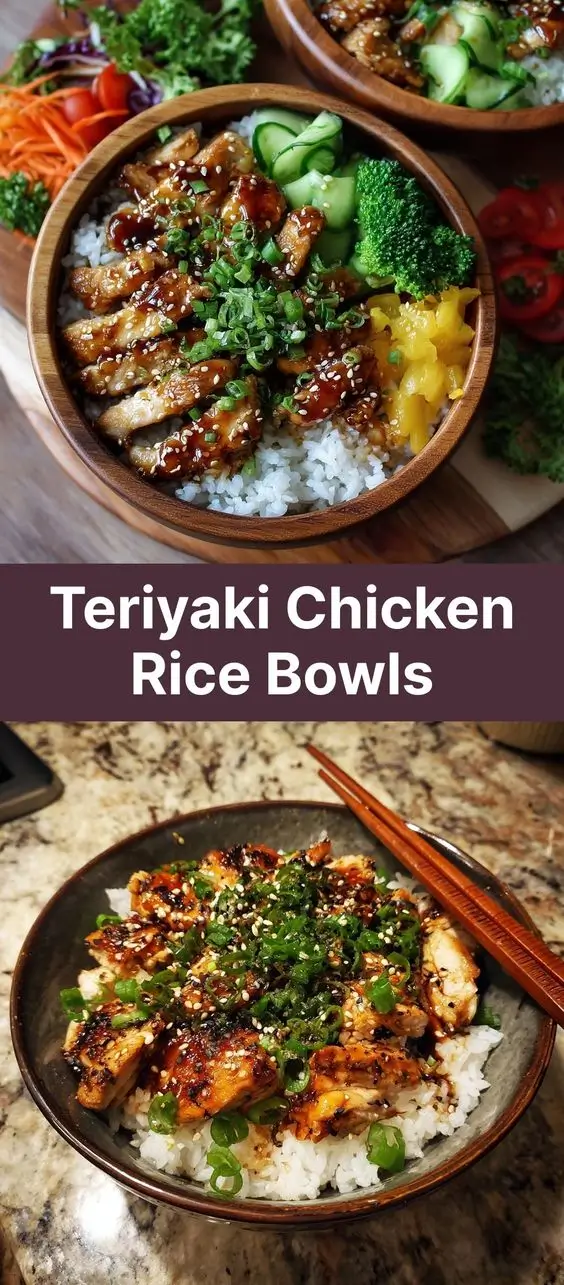
Teriyaki Chicken Rice Bowls: A Flavorful Fusion of Sweet, Savory, and Satisfying
There’s something undeniably comforting about a well-prepared Teriyaki Chicken Rice Bowl. This beloved dish combines tender, juicy chicken glazed in a glossy, aromatic teriyaki sauce, served atop a warm bed of fluffy rice, and often accompanied by crisp vegetables. Whether enjoyed at a bustling Japanese restaurant or made from scratch in your own kitchen, this meal delivers an explosion of umami-rich flavors with every bite. It’s a perfect example of how simple ingredients can come together to create something truly extraordinary. In this comprehensive guide, we’ll dive deep into the history, ingredients, preparation techniques, variations, health benefits, and everything you need to know to master the art of making authentic and delicious Teriyaki Chicken Rice Bowls right at home.
The History of Teriyaki: From Ancient Japan to Global Popularity
The word teriyaki originates from Japan and is derived from two Japanese words: teri, meaning luster or shine, and yaki, which means grilled or broiled. Together, they describe the cooking method where foods—traditionally fish like salmon or mackerel—are broiled or grilled with a glaze made from soy sauce, mirin (sweet rice wine), and sugar, creating a beautiful, shiny finish.
Teriyaki as a cooking technique dates back to the 17th century during the Edo period in Japan. Originally, it was used primarily for fish, which were basted repeatedly while grilling over open flames. The sauce not only enhanced flavor but also helped preserve the food before refrigeration was available. Over time, the method evolved, and meat—including beef and chicken—began to be prepared using the same technique.
In the mid-20th century, Japanese immigrants brought teriyaki to Hawaii, where it underwent significant transformation. Hawaiian cooks began marinating meats in the sauce rather than just basting them, and pineapple juice was added for sweetness and acidity. This adaptation became immensely popular and eventually spread to the mainland United States.
Today, teriyaki has become a global phenomenon. While traditionalists may argue that true teriyaki involves grilling without a thick sauce, the Americanized version—with its thick, sticky, sweet-savory sauce—is now one of the most recognizable Asian-inspired dishes worldwide. Teriyaki Chicken Rice Bowls, in particular, have found a permanent place in homes, cafeterias, and restaurants across North America, Europe, and beyond.
Ingredients Breakdown: What Makes Teriyaki Chicken So Irresistible?
The magic of a great Teriyaki Chicken Rice Bowl lies in the balance of its components. Each ingredient plays a vital role in building layers of flavor, texture, and nutrition. Let’s take a detailed look at what goes into this culinary masterpiece:
- Chicken Breast or Thighs: Boneless, skinless chicken breasts are most commonly used for their lean texture and mild flavor, which absorbs the teriyaki sauce beautifully. However, chicken thighs offer more juiciness and richness due to their higher fat content, making them a favorite among chefs.
- Soy Sauce: The backbone of the teriyaki sauce, soy sauce provides saltiness and umami depth. Use low-sodium soy sauce if you want better control over the salt level. For a gluten-free option, tamari is an excellent substitute.
- Mirin: A sweet Japanese rice wine that adds subtle sweetness and a delicate floral note. It also contributes to the signature glossy sheen of the sauce. If unavailable, a mix of dry white wine and sugar can work in a pinch.
- Sake or Dry White Wine: Used to deglaze the pan and add complexity. Sake enhances the authentic Japanese flavor profile, but any dry white wine will do.
- Brown Sugar or Honey: Adds sweetness to balance the saltiness of soy sauce. Brown sugar brings a molasses-like depth, while honey offers floral notes and natural thickness.
- Fresh Ginger: Grated ginger infuses the sauce with warmth and brightness, cutting through the richness of the sauce.
- Garlic: Minced garlic adds pungency and depth, enhancing the savory character of the dish.
- Cornstarch Slurry: A mixture of cornstarch and water is used to thicken the sauce into a rich, syrupy glaze that clings perfectly to the chicken.
- Rice: Typically steamed white jasmine or sushi rice forms the base. Brown rice can be used for added fiber and nuttiness.
- Veggies (Optional): Steamed broccoli, sliced carrots, snap peas, bell peppers, or sautéed mushrooms add color, crunch, and nutrients.
- Sesame Seeds and Green Onions: These garnishes provide visual appeal, a nutty aroma, and a fresh bite that balances the sweetness of the sauce.
Step-by-Step Recipe: How to Make Perfect Teriyaki Chicken Rice Bowls at Home
Follow these detailed steps to create restaurant-quality Teriyaki Chicken Rice Bowls in your own kitchen. This recipe serves 4 and takes approximately 40 minutes from start to finish.
Ingredients
- 1.5 lbs (680g) boneless, skinless chicken breasts or thighs, cut into 1-inch cubes
- ½ cup low-sodium soy sauce (or tamari for gluten-free)
- ¼ cup mirin (Japanese sweet rice wine)
- ¼ cup sake or dry white wine
- 3 tablespoons brown sugar (or honey)
- 2 tablespoons water
- 1 tablespoon cornstarch
- 2 cloves garlic, minced
- 1 tablespoon fresh ginger, grated
- 1 tablespoon vegetable oil (for cooking)
- 2 cups uncooked white rice (or brown rice)
- 4 cups water (for rice)
- Optional vegetables: broccoli florets, sliced carrots, snap peas
- Garnish: toasted sesame seeds, sliced green onions
Directions
- Prepare the Rice: Rinse the rice under cold water until the water runs clear. Combine rice and water in a rice cooker or medium saucepan. Bring to a boil, then reduce heat to low, cover, and simmer for 18–20 minutes (or according to package instructions). Remove from heat and let stand, covered, for 10 minutes. Fluff with a fork before serving.
- Blanch the Vegetables (Optional): While the rice cooks, bring a pot of salted water to a boil. Add broccoli, carrots, or snap peas and cook for 2–3 minutes until bright and tender-crisp. Immediately plunge into ice water to stop cooking, then drain and set aside.
- Make the Teriyaki Sauce: In a small bowl, whisk together soy sauce, mirin, sake, brown sugar, garlic, and ginger. Set aside.
- Thicken the Sauce Base: In another small bowl, combine cornstarch and 2 tablespoons of water to make a slurry. Stir until smooth and set aside.
- Cook the Chicken: Heat vegetable oil in a large skillet or wok over medium-high heat. Add chicken pieces in a single layer, working in batches if necessary to avoid overcrowding. Cook for 5–6 minutes per side, or until golden brown and cooked through (internal temperature should reach 165°F / 74°C). Remove chicken and set aside on a plate.
- Simmer the Sauce: Reduce heat to medium. Pour the prepared teriyaki sauce into the same skillet. Bring to a gentle simmer, scraping up any browned bits from the bottom of the pan (these add incredible flavor).
- Thicken the Sauce: Slowly pour in the cornstarch slurry while stirring constantly. Continue to simmer for 2–3 minutes, stirring frequently, until the sauce thickens to a glossy, syrupy consistency.
- Coat the Chicken: Return the cooked chicken to the skillet. Stir to coat evenly with the sauce. Allow to simmer for another 2–3 minutes so the chicken absorbs the flavors and gets a beautiful glaze.
- Assemble the Bowls: Divide the cooked rice among four bowls. Top each with generous portions of teriyaki chicken. Arrange blanched vegetables around the sides. Drizzle with extra sauce if desired.
- Garnish and Serve: Sprinkle each bowl with toasted sesame seeds and sliced green onions. Serve immediately while hot.
Tips for the Best Teriyaki Chicken Rice Bowls
- Don’t Overcook the Chicken: Chicken breast dries out quickly. Cook just until no longer pink inside. Using a meat thermometer helps ensure accuracy.
- Use Fresh Ginger and Garlic: Pre-minced versions lack the vibrant punch of freshly grated ginger and minced garlic.
- Toast Sesame Seeds: Lightly toast sesame seeds in a dry pan for 1–2 minutes until golden and fragrant. This intensifies their nutty flavor.
- Rest the Chicken After Cooking: Letting the chicken rest for a few minutes after searing locks in juices before adding it back to the sauce.
- Double the Sauce: Make extra sauce to store in the fridge (up to 2 weeks) or freeze for future use. It’s great for stir-fries, marinades, or dipping sauces.
- Marinate for More Flavor: For deeper flavor, marinate the chicken in half the teriyaki sauce (before thickening) for 30 minutes to 2 hours in the refrigerator.
- Control the Thickness: If the sauce becomes too thick, thin it with a splash of water or broth. If too thin, mix additional cornstarch with water and stir in gradually.
- Cook Rice Ahead: You can prepare the rice earlier in the day and reheat it with a sprinkle of water to restore moisture.
Variations and Customizations: Make It Your Own
One of the greatest strengths of Teriyaki Chicken Rice Bowls is their versatility. Here are several ways to customize the dish based on dietary preferences, flavor cravings, or what’s in your pantry:
- Protein Swaps: Try tofu, tempeh, shrimp, salmon, or even thinly sliced beef (like flank steak) instead of chicken for variety.
- Vegetarian/Vegan Version: Use firm tofu or seitan as the protein. Replace honey with maple syrup and ensure the soy sauce is vegan (some contain trace fish derivatives).
- Gluten-Free Option: Use tamari instead of soy sauce and confirm all other ingredients (like mirin) are certified gluten-free.
- Spicy Kick: Add red pepper flakes, sriracha, or a teaspoon of gochujang (Korean chili paste) to the sauce for heat.
- Fruit Infusion: Add pineapple chunks (fresh or canned) during the last minute of cooking for a tropical twist reminiscent of Hawaiian teriyaki.
- Different Grains: Swap white rice for quinoa, cauliflower rice (for low-carb), or forbidden black rice for visual drama and added antioxidants.
- Stir-Fry Style: Instead of serving separately, stir-cook mixed vegetables directly in the pan with the chicken and sauce for a one-pan meal.
- Kitchen Sink Bowl: Turn it into a deconstructed sushi bowl by adding avocado, cucumber, pickled ginger, nori strips, and a drizzle of spicy mayo.
- Meal Prep Friendly: Divide components into containers for easy grab-and-go lunches. Reheat gently in the microwave with a damp paper towel over the top to prevent drying.
Health Considerations and Nutritional Value
While Teriyaki Chicken Rice Bowls are undeniably delicious, it’s important to consider their nutritional profile, especially if you’re watching sodium, sugar, or calorie intake.
Nutrition Breakdown (Per Serving – Approximate)
- Calories: ~550–650 kcal
- Protein: ~35–40g (excellent source)
- Carbohydrates: ~60–70g (mostly from rice and sugar)
- Fat: ~10–15g (mostly healthy fats from oil and chicken)
- Sodium: ~900–1200mg (can be high due to soy sauce)
- Sugar: ~15–20g (from brown sugar, mirin, and optional honey)
Health Tips
- Reduce Sodium: Use low-sodium soy sauce or tamari and dilute with a bit of water or unsalted broth.
- Cut Back on Sugar: Reduce the amount of brown sugar or substitute with a natural zero-calorie sweetener like monk fruit syrup (though this may alter texture slightly).
- Increase Fiber: Use brown rice, wild rice, or quinoa instead of white rice. Add more non-starchy vegetables like bok choy, zucchini, or kale.
- Balanced Meal: Pair with a side salad or miso soup to increase nutrient diversity and promote satiety.
- Portion Control: Stick to 4–6 oz of chicken and ¾ to 1 cup of cooked rice per serving to keep calories in check.
- Heart-Healthy Fats: Use heart-healthy oils like avocado or grapeseed oil instead of vegetable oil.
Despite its sodium and sugar content, this dish offers high-quality protein, essential amino acids, B vitamins (especially B6 and niacin from chicken), and minerals like selenium and phosphorus. When prepared mindfully, it can be part of a balanced diet.
Frequently Asked Questions (FAQ)
Q: Can I make teriyaki sauce ahead of time?
A: Absolutely! Teriyaki sauce can be made in advance and stored in an airtight container in the refrigerator for up to 2 weeks. Reheat gently and adjust thickness with water if needed.
Q: Can I freeze teriyaki chicken?
A: Yes. Cooked teriyaki chicken freezes well for up to 3 months. Store in portioned containers. Thaw overnight in the fridge and reheat in a skillet or microwave. Rice may become slightly mushy when frozen, so consider freezing chicken and sauce separately from rice.
Q: Is teriyaki sauce gluten-free?
A: Not always. Traditional soy sauce contains wheat. To make it gluten-free, use tamari or a certified gluten-free soy sauce alternative.
Q: Why did my sauce not thicken?
A: Cornstarch needs heat and constant stirring to activate. Make sure you bring the sauce to a simmer after adding the slurry and cook for at least 2 minutes. Also, ensure the slurry is fully dissolved before adding.
Q: Can I bake the chicken instead of pan-frying?
A: Yes. Marinate chicken pieces, place on a lined baking sheet, and bake at 400°F (200°C) for 20–25 minutes, flipping halfway. Brush with sauce during the last 5 minutes for glaze.
Q: What can I use instead of mirin?
A: Substitute with ¼ cup dry white wine or rice vinegar plus 1 tablespoon sugar. Avoid sweetened “mirin-style” products that contain additives.
Q: Is teriyaki chicken healthy?
A: It can be! By controlling sugar and sodium levels, choosing lean protein, adding vegetables, and using whole grains, teriyaki chicken can be a nutritious and satisfying meal.
Summary
Teriyaki Chicken Rice Bowls are a harmonious blend of sweet, savory, and umami flavors, featuring tender chicken glazed in a glossy homemade sauce, served over steaming rice with vibrant vegetables. Easy to customize, nutritious when balanced, and deeply satisfying, this dish brings the taste of Japanese-inspired cuisine straight to your dinner table.