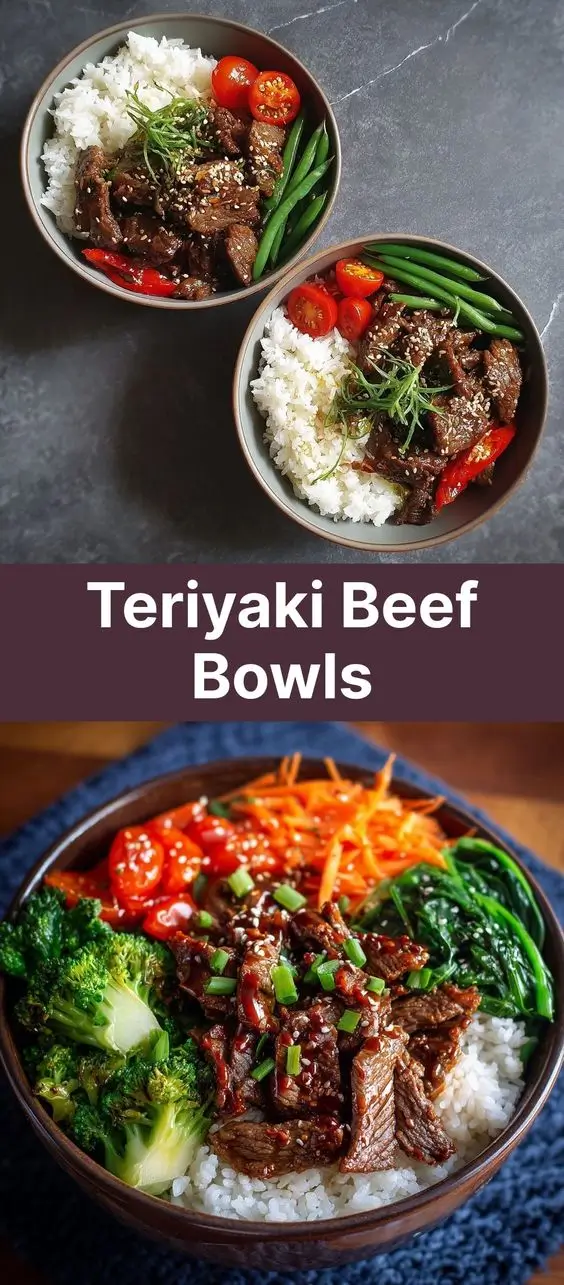
Teriyaki Beef Bowls: A Flavorful Fusion of Savory, Sweet, and Umami in Every Bite
The History of Teriyaki Beef Bowls
The roots of teriyaki trace back to Japan, where the term “teri” means luster or shine, and “yaki” refers to grilling or broiling. This cooking technique originated centuries ago when Japanese chefs began glazing fish—most commonly salmon or mackerel—with a mixture of soy sauce, mirin (sweet rice wine), and sugar, then grilling it over charcoal until the surface glistened with a glossy sheen. The natural sugars caramelized under heat, creating a rich, savory-sweet crust that enhanced both flavor and presentation.
While traditional teriyaki was primarily applied to seafood, the method evolved as Japanese immigrants brought their culinary traditions to other parts of the world. In Hawaii during the early 20th century, local cooks adapted the recipe using more accessible ingredients like beef, which had become popular due to Western influence and cattle ranching on the islands. Hawaiian-Japanese fusion cuisine gave birth to dishes such as teriyaki beef, often served with rice and vegetables—a combination that would later inspire the modern teriyaki bowl.
In mainland America, particularly during the post-war era and through the rise of fast-casual dining in the 1980s and 1990s, teriyaki beef bowls gained widespread popularity. Restaurants began offering quick, satisfying meals featuring tender strips of beef glazed in a sweet-savory sauce, served over steamed rice with crisp vegetables. Today, teriyaki beef bowls are a staple in Asian-inspired eateries, meal prep routines, and home kitchens around the globe, celebrated for their bold flavors, ease of preparation, and versatility.
Ingredients Breakdown: What Makes Teriyaki Beef Bowls So Irresistible?
The magic of teriyaki beef bowls lies in the harmony between high-quality protein, aromatic seasonings, and complementary textures. Let’s dive into each component:
- Beef: Typically flank steak, sirloin, ribeye, or strip steak is used. These cuts offer a balance of tenderness and robust flavor, especially when sliced thinly against the grain after cooking. Grass-fed or organic beef can elevate the dish further.
- Soy Sauce: The backbone of the teriyaki sauce, providing saltiness and umami depth. Use low-sodium soy sauce if you’re watching your salt intake, but avoid completely replacing it with substitutes like coconut aminos unless necessary, as it alters the authentic taste.
- Mirin: A sweet Japanese rice wine that adds subtle sweetness and shine to the glaze. It also helps tenderize the meat slightly during marination. If unavailable, a mix of dry sherry and a touch of sugar can mimic its profile.
- Sugar: Often brown sugar or granulated white sugar enhances caramelization and balances the saltiness of soy sauce. Some recipes use honey or maple syrup for added complexity and a natural twist.
- Garlic & Ginger: Freshly minced garlic and grated ginger infuse the sauce with warmth, aroma, and a slight zing. They’re essential for building layers of flavor and are non-negotiable in an authentic teriyaki experience.
- Rice Vinegar: Adds brightness and cuts through richness, helping to round out the overall flavor profile.
- Sesame Oil: Used sparingly, this fragrant oil imparts a nutty aroma and deepens the umami character. Always add at the end or off-heat to preserve its delicate essence.
- Cornstarch Slurry: A mixture of cornstarch and water thickens the sauce to a luxurious, clingy consistency perfect for coating beef and rice.
- Vegetable Oil: For searing the beef without burning the sauce components. High smoke point oils like avocado or grapeseed work best.
- Steamed Rice: Usually jasmine or sushi rice forms the base. Brown rice offers a healthier alternative with more fiber and a nuttier texture.
- Vegetables: Broccoli, bell peppers, snap peas, carrots, mushrooms, and onions are common additions. They contribute color, crunch, and nutrition while absorbing the delicious teriyaki glaze.
- Garnishes: Toasted sesame seeds, sliced green onions, nori strips, pickled ginger, or a drizzle of sriracha mayo bring freshness, contrast, and visual appeal.
Step-by-Step Recipe: How to Make Restaurant-Quality Teriyaki Beef Bowls at Home
Follow this detailed guide to create juicy, flavorful teriyaki beef bowls that rival any takeout version—without the preservatives or excessive sodium.
Ingredients:
- 1.5 lbs (680g) flank steak or top sirloin, thinly sliced against the grain
- ½ cup low-sodium soy sauce
- ¼ cup mirin (Japanese sweet rice wine)
- 3 tbsp brown sugar (or honey)
- 2 tbsp rice vinegar
- 3 cloves garlic, finely minced
- 1 tbsp fresh ginger, grated
- 1 tsp sesame oil
- 2 tbsp cornstarch + 2 tbsp cold water (for slurry)
- 2 tbsp neutral oil (like avocado or vegetable oil)
- 2 cups cooked jasmine or brown rice (for serving)
- 2 cups mixed vegetables (broccoli florets, sliced bell peppers, snap peas, etc.)
- Toasted sesame seeds and sliced green onions (for garnish)
Directions:
- Prepare the Marinade: In a medium bowl, whisk together soy sauce, mirin, brown sugar, rice vinegar, minced garlic, grated ginger, and sesame oil until the sugar dissolves completely. Set aside ¼ cup of this mixture for basting later—do not reuse it if it has touched raw meat unless boiled first.
- Marinate the Beef: Place sliced beef in a resealable plastic bag or shallow dish. Pour the remaining marinade over the meat, ensuring all pieces are coated. Seal and refrigerate for at least 30 minutes, or ideally 2–4 hours for maximum flavor infusion. Do not exceed 8 hours, as the acidity may begin to break down the meat too much.
- Cook the Rice: While the beef marinates, prepare your rice according to package instructions. Fluff with a fork once done and keep warm.
- Blanch or Sauté Vegetables: Bring a pot of salted water to boil. Add broccoli and blanch for 2 minutes, then plunge into ice water to stop cooking. Alternatively, sauté vegetables in a little oil over medium-high heat until crisp-tender. Set aside.
- Make the Teriyaki Sauce: After removing the beef from the marinade (reserve the liquid), pour the reserved marinade into a small saucepan. Heat over medium until simmering, then reduce heat and let bubble gently for 5 minutes to kill bacteria from raw meat. Stir in the cornstarch slurry (mix cornstarch and water first) and continue stirring until the sauce thickens into a glossy glaze, about 2–3 minutes. Remove from heat and set aside.
- Sear the Beef: Heat a large skillet or wok over high heat. Add neutral oil and swirl to coat. Working in batches to avoid overcrowding (which causes steaming instead of searing), add the marinated beef in a single layer. Cook for 1–2 minutes per side until nicely browned but still tender inside. Avoid overcooking to prevent toughness.
- Glaze the Beef: Once all the beef is seared, return it to the pan. Pour the prepared teriyaki sauce over the meat and stir gently to coat evenly. Cook for another 30 seconds to 1 minute, allowing the sauce to cling and caramelize slightly. Turn off heat.
- Assemble the Bowls: Divide hot rice among serving bowls. Top with generous portions of teriyaki beef, followed by arranged vegetables. Drizzle with extra sauce if desired.
- Garnish and Serve: Sprinkle with toasted sesame seeds and sliced green onions. Optional additions include thin cucumber slices, pickled radish, crushed red pepper flakes, or a soft-boiled egg for extra richness.
Tips for Perfect Teriyaki Beef Bowls Every Time
- Slice Against the Grain: Always cut beef across the muscle fibers to shorten them, resulting in more tender bites. Look for the direction of the striations and slice perpendicular to them.
- Don’t Skip the Rest: After marinating, pat the beef dry with paper towels before cooking. Excess moisture prevents proper browning.
- High Heat is Key: Use the highest heat possible when searing to achieve a flavorful Maillard reaction—those golden-brown edges make all the difference.
- Avoid Over-Marinating: More than 8 hours in a soy-based marinade can make beef mushy due to enzymatic action and salt breakdown.
- Thicken Smartly: Cornstarch must be mixed with cold water before adding to hot liquids to prevent clumping. Arrowroot powder works as a gluten-free alternative.
- Baste for Shine: During the final minute of cooking, brush the reserved (and safely boiled) teriyaki sauce onto the beef for an even shinier finish.
- Prep Ahead: Marinate beef the night before, pre-chop veggies, and cook rice in advance for quick weeknight assembly.
- Use a Non-Stick or Carbon Steel Pan: These distribute heat evenly and release food easily, preventing sticking when dealing with sugary sauces.
Variations and Customizations: Make It Your Own!
One of the greatest strengths of teriyaki beef bowls is their adaptability. Here are creative ways to personalize your dish:
- Protein Swaps: Try chicken, pork tenderloin, shrimp, tofu, tempeh, or even seitan for vegetarian/vegan versions. Adjust cooking times accordingly.
- Pineapple Twist: Add chunks of fresh pineapple to the stir-fry for a tropical flair—the natural enzymes help tenderize meat and add fruity sweetness.
- Spicy Kick: Infuse the sauce with gochujang (Korean chili paste), sriracha, chili garlic sauce, or red pepper flakes for heat lovers.
- Umami Boost: Add a splash of oyster sauce, fish sauce, or a teaspoon of miso paste to deepen the savory notes.
- Low-Sugar Option: Replace sugar with monk fruit sweetener or erythritol, and use reduced-sugar mirin or omit it altogether for keto-friendly adaptations.
- Grilled Version: Skewer marinated beef and grill over open flame for smoky charred flavor—great for summer barbecues.
- Buddha Bowl Style: Turn it into a nourishing grain bowl with quinoa, kale, edamame, avocado, shredded cabbage, and a soft-boiled egg.
- Gluten-Free: Use tamari instead of soy sauce and ensure all other ingredients (like mirin) are certified gluten-free.
- Noodle Base: Swap rice for soba noodles, udon, or rice noodles for a different texture and experience.
- Breakfast Bowl: Top with a fried egg and serve with kimchi for a hearty morning meal.
Health Considerations and Nutritional Value
When prepared thoughtfully, teriyaki beef bowls can be part of a balanced diet. However, store-bought sauces and restaurant versions often contain high levels of sodium, sugar, and unhealthy fats. Making it at home gives you full control over ingredients.
Nutritional Profile (Per Serving – Approximate, based on 4 servings):
- Calories: ~550–650 kcal
- Protein: 35–40g (excellent source from lean beef)
- Fat: 18–22g (mostly unsaturated if using healthy oils)
- Carbohydrates: 60–70g (primarily from rice and sugar in sauce)
- Sodium: 900–1200mg (can be reduced by using low-sodium soy sauce and limiting added salt)
- Fiber: 4–6g (increased significantly when using brown rice and plenty of vegetables)
- Vitamins & Minerals: Rich in iron, zinc, B12 (from beef), vitamin C (from bell peppers), vitamin K and folate (from broccoli), and antioxidants from ginger and garlic.
Health Tips:
- Watch Sugar Intake: Traditional teriyaki sauce can be high in added sugars. Reduce sugar by half or use natural alternatives like mashed banana or date syrup in moderation.
- Balance the Plate: Follow the “half-plate rule”—fill half your bowl with colorful vegetables, one-quarter with protein, and one-quarter with whole grains.
- Portion Control: Serve with smaller amounts of rice and larger portions of veggies to manage carbohydrate load, especially for diabetics or those on low-carb diets.
- Leaner Cuts: Choose eye of round or trimmed sirloin to reduce saturated fat content.
- Omega-3s: Pair with omega-3-rich sides like seaweed salad or sprinkle with chia or flax seeds.
- Hydration: Drink plenty of water to help balance sodium intake from soy sauce.
Frequently Asked Questions (FAQ)
Q: Can I make teriyaki beef bowls ahead of time?
A: Absolutely! Marinate the beef up to 24 hours in advance, cook the rice and chop veggies the night before. Reheat components separately and assemble just before eating for best texture.
Q: How long does leftover teriyaki beef last?
A: Store in an airtight container in the refrigerator for up to 4 days. Reheat gently in a skillet or microwave, adding a splash of water to revive the sauce.
Q: Can I freeze teriyaki beef?
A: Yes, though texture may soften slightly upon thawing. Freeze in portioned containers for up to 3 months. Thaw overnight in the fridge before reheating.
Q: Why is my teriyaki sauce too thin/thick?
A: If too thin, simmer longer or add more slurry (1 tsp cornstarch + 1 tbsp water). If too thick, whisk in a bit of warm water or broth until desired consistency is reached.
Q: Is teriyaki sauce gluten-free?
A: Not always. Regular soy sauce contains wheat. Use tamari or certified gluten-free soy sauce to make it safe for celiacs.
Q: Can I use frozen vegetables?
A: Yes, but drain well and sauté briefly to remove excess moisture. Fresh or flash-frozen work best.
Q: What can I do if I don’t have mirin?
A: Substitute with a mix of 3 parts dry white wine or sake + 1 part sugar, or use sweet sherry. Avoid vermouth due to strong herbal notes.
Q: Can I make this in a slow cooker?
A: Yes! Combine marinated beef and sauce ingredients (except cornstarch) in the slow cooker. Cook on low for 6–7 hours, then thicken with slurry at the end.
Q: Are teriyaki beef bowls kid-friendly?
A: Definitely! Kids love the sweet-savory flavor. Serve with fun toppings like cheese sprinkles, mild veggies, or smiley-face eggs to make it appealing.
Q: Can I air fry the beef?
A: Yes! Toss marinated, patted-dry beef strips in a light coat of oil and air fry at 400°F (200°C) for 6–8 minutes, shaking halfway. Finish with sauce.
Summary
Teriyaki beef bowls combine tender, marinated beef in a glossy sweet-savory glaze served over fluffy rice with vibrant vegetables—a harmonious blend of taste, texture, and convenience. Easy to customize, nutritious when balanced, and perfect for meal prep, this dish brings restaurant-quality satisfaction straight to your kitchen table.