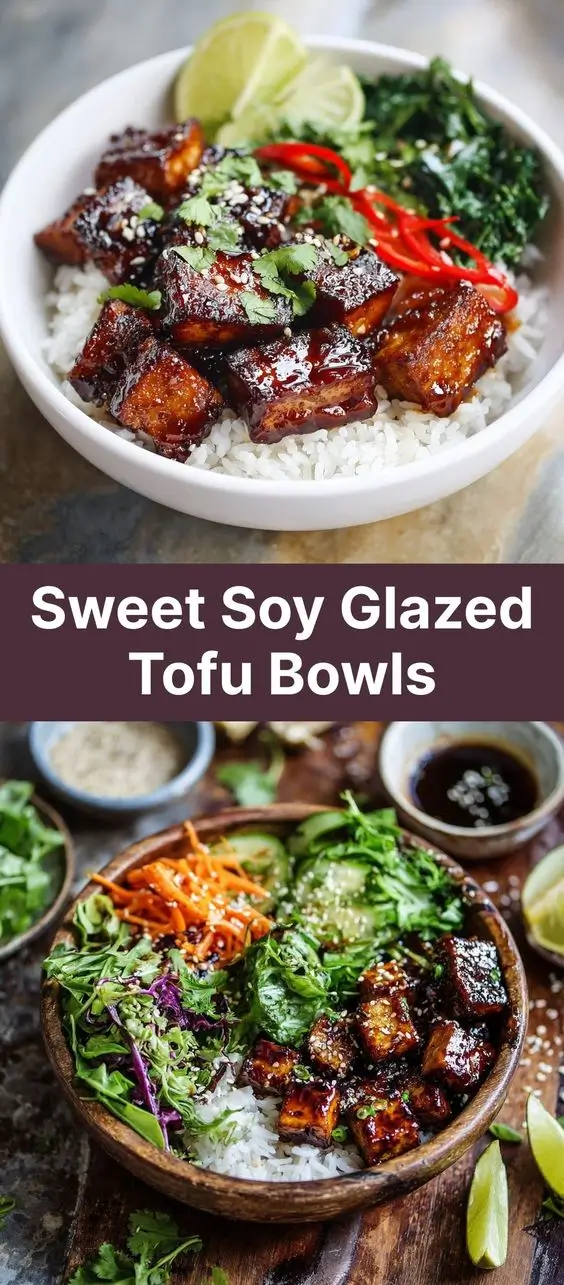
Sweet Soy Glazed Tofu Bowls: A Flavorful Plant-Based Delight
Introduction
If you’re searching for a wholesome, satisfying, and vibrant meal that’s both nutritious and bursting with flavor, look no further than Sweet Soy Glazed Tofu Bowls. This dish combines the savory umami depth of soy sauce with a touch of natural sweetness, creating a glaze that transforms humble tofu into a protein-packed centerpiece. Paired with fluffy rice, crisp vegetables, and fresh herbs, these bowls are more than just a meal—they’re a celebration of balance, texture, and global inspiration.
Perfect for weeknight dinners, meal prep, or impressing guests with minimal effort, this plant-based recipe is versatile, easy to customize, and suitable for various dietary preferences including vegan, gluten-free (with substitutions), and low-fat lifestyles. Whether you’re a seasoned tofu lover or someone still getting acquainted with plant proteins, this bowl will win you over with its rich flavors and satisfying mouthfeel.
The History
The concept of glazed tofu draws from centuries-old culinary traditions across East and Southeast Asia, where soybeans have long been a dietary staple. Tofu itself originated in China over 2,000 years ago, traditionally developed as a way to preserve and utilize soy milk. Over time, it spread to Japan, Korea, Vietnam, and beyond, evolving into countless regional variations.
Sweet soy-based glazes can be traced back to Japanese teriyaki-style preparations, where meat or fish was brushed with a glossy mixture of soy sauce, sugar, and mirin during grilling. As plant-based eating grew in popularity—especially in Western cultures—chefs and home cooks began applying similar techniques to tofu, creating what we now know as “sweet soy glazed” dishes.
In modern fusion cuisine, the Sweet Soy Glazed Tofu Bowl represents a harmonious blend of traditional Asian flavors and contemporary health-conscious eating trends. It reflects the globalization of food culture, where bold sauces meet grain bowls, fresh produce, and superfoods in an artful, nourishing format. Today, versions of this dish appear on café menus worldwide, celebrated for their simplicity, beauty, and adaptability.
Ingredients Breakdown
The magic of this dish lies not only in how the ingredients come together but also in the quality and function of each component. Here’s a detailed breakdown:
Tofu (Extra-Firm)
Extra-firm tofu is essential for holding its shape during pressing, marinating, and pan-searing. Made from coagulated soy milk, it provides a neutral base that readily absorbs flavors while offering a chewy, meat-like texture when cooked properly.
Soy Sauce (or Tamari for Gluten-Free)
This fermented soybean product delivers deep umami flavor. It contains naturally occurring glutamates that enhance savoriness. Opt for low-sodium versions if watching salt intake.
Maple Syrup or Honey (or Agave for Vegan)
Natural sweeteners balance the saltiness of soy sauce. Maple syrup adds a caramel-like richness, while honey contributes floral notes (use agave nectar to keep it fully vegan).
Rice Vinegar or Apple Cider Vinegar
Acidity brightens the glaze, cutting through richness and enhancing overall flavor complexity.
Fresh Garlic and Ginger
These aromatics add warmth and pungency. Freshly grated ginger brings zesty heat, while minced garlic lends earthy depth.
Sesame Oil
A small amount goes a long way—its nutty aroma elevates the entire dish. Use toasted sesame oil for maximum impact.
Cornstarch
Used both in the marinade and for coating tofu, cornstarch helps create a crispy exterior when seared and thickens the glaze slightly for a luscious consistency.
Vegetables
Common choices include:
- Broccoli: high in fiber and vitamin C, best blanched or roasted
- Carrots: sliced thinly or julienned for crunch and color
- Bell Peppers: red, yellow, or orange for sweetness and vibrancy
- Snap peas or sugar peas: tender-crisp texture and fresh taste
- Green onions: mild onion flavor and visual appeal
Base Grains
Choose one or mix:
- White or brown rice: classic pairing; brown rice offers more fiber
- Quinoa: high-protein, fluffy alternative
- Mixed grain blends: such as farro, barley, or wild rice for texture
Garnishes
- Toasted sesame seeds: nutty finish
- Chili flakes or sriracha drizzle: for heat lovers
- Cilantro or Thai basil: aromatic herbal lift
- Lime wedges: for squeezing over the bowl before eating
Step-by-Step Recipe
Ingredients
- 1 block (14–16 oz) extra-firm tofu
- 3 tbsp soy sauce (or tamari)
- 2 tbsp maple syrup (or agave/honey)
- 1 tbsp rice vinegar
- 1 tsp toasted sesame oil
- 2 cloves garlic, finely minced
- 1 tbsp fresh ginger, grated
- 1 tbsp cornstarch
- 2 tbsp neutral oil (like avocado or grapeseed) for frying
- 2 cups cooked rice (white, brown, or quinoa)
- 2 cups mixed vegetables (e.g., broccoli florets, sliced bell peppers, carrots, snap peas)
- Optional garnishes: sesame seeds, green onions, cilantro, chili oil, lime
Directions
- Press the Tofu: Remove tofu from packaging and drain liquid. Wrap the block in a clean kitchen towel or paper towels. Place on a plate and top with a heavy object (like a cast iron skillet or cans). Press for at least 20–30 minutes to remove excess moisture. This step ensures better texture and flavor absorption.
- Prepare the Marinade/Glaze: In a medium bowl, whisk together soy sauce, maple syrup, rice vinegar, sesame oil, minced garlic, grated ginger, and cornstarch until smooth. Set aside ¼ cup for later use as a finishing glaze.
- Cut and Coat the Tofu: Once pressed, slice tofu into ¾-inch cubes or triangles. Add to the remaining marinade and gently toss to coat. Let sit for 15–20 minutes at room temperature (or refrigerate up to 1 hour for deeper flavor).
- Prep Vegetables: While tofu marinates, prepare your vegetables. You can steam, sauté, roast, or blanch them based on preference:
- For roasted veggies: Toss broccoli and carrots with olive oil, salt, and pepper. Roast at 400°F (200°C) for 20–25 minutes.
- For sautéed veggies: Heat oil in a pan over medium-high heat. Add harder vegetables first (carrots, broccoli), then softer ones (peppers, peas). Cook 5–7 minutes until tender-crisp.
- Cook the Tofu: Heat neutral oil in a large non-stick or cast iron skillet over medium-high heat. Remove tofu pieces from marinade (reserve liquid), and place them in a shallow bowl with additional 1–2 tablespoons of cornstarch. Gently toss to coat—this creates a golden, crispy crust.
- Sear the Tofu: Carefully place coated tofu cubes in the hot pan without overcrowding. Cook 3–4 minutes per side, turning occasionally, until deeply golden brown and crisp on all sides. Work in batches if needed.
- Add the Glaze: Reduce heat to low. Pour the reserved marinade into the pan with tofu. Stir gently and cook 1–2 minutes until the sauce thickens into a sticky, glossy coating clinging to the tofu. Be careful not to burn—keep stirring.
- Assemble the Bowls: Divide cooked rice among serving bowls. Arrange glazed tofu and prepared vegetables attractively on top. Drizzle with extra sauce if desired.
- Garnish and Serve: Sprinkle with toasted sesame seeds, chopped green onions, cilantro, and a squeeze of fresh lime juice. Add a dash of sriracha or chili oil for spice.
Tips
- Freeze and Thaw Tofu: For an even chewier texture, freeze the tofu block overnight, then thaw before pressing. This changes the structure, making it more porous and better at absorbing marinades.
- Double the Glaze: Make extra sauce to store in the fridge for up to two weeks—perfect for stir-fries, noodle dishes, or dipping.
- Don’t Skip the Cornstarch: Coating tofu in cornstarch before frying dramatically improves crispiness and helps the glaze adhere.
- Use High Heat: To achieve browning instead of steaming, make sure the pan is hot before adding tofu.
- Batch Cooking Friendly: Cook everything ahead of time and store components separately in airtight containers for up to 4 days. Reheat gently in a pan or microwave.
- Balance Textures: Include a mix of crunchy (raw veggies), soft (rice), and chewy (tofu) elements for a satisfying bite every time.
- Marinate Longer: For intense flavor, marinate tofu for up to 24 hours in the refrigerator.
Variations and Customizations
This recipe is highly adaptable—here are some creative ways to switch things up:
Protein Swaps
- Tempeh: Nutty and firm, slices beautifully and holds up well to glazing.
- Seitan: Wheat-based meat substitute with a chewy texture ideal for soaking up sauces.
- Chickpeas: Roast canned chickpeas and toss in the sweet soy glaze for a legume-based twist.
Flavor Twists
- Korean-Inspired: Add gochujang (Korean chili paste) and a splash of rice wine for spicy-sweet kimchi bowl vibes.
- Thai Fusion: Stir in red curry paste and coconut milk into the glaze; serve with mango salsa.
- Pineapple Teriyaki: Blend pineapple juice into the glaze and add grilled pineapple chunks to the bowl.
- Orange Ginger: Replace maple syrup with orange marmalade and increase ginger for citrusy brightness.
Dietary Modifications
- Gluten-Free: Use tamari instead of soy sauce and ensure all other ingredients (like vinegar) are certified GF.
- Low-Sugar: Substitute monk fruit syrup or erythritol blend for maple syrup; reduce quantity by half.
- Oil-Free: Air-fry or bake tofu after marinating (at 400°F for 25–30 minutes, flipping halfway).
- Raw Veggie Option: Skip cooking—use shredded cabbage, cucumber ribbons, sprouts, and avocado for a fresh crunch.
Grain & Base Alternatives
- Cauliflower Rice: Lower-carb option that pairs wonderfully with bold flavors.
- Soba Noodles: Japanese buckwheat noodles bring an earthy note and slurpable fun.
- Massaged Kale: Swap rice for nutrient-dense kale leaves tossed with lemon juice and olive oil.
Health Considerations and Nutritional Value
Sweet Soy Glazed Tofu Bowls offer a balanced profile of macronutrients and micronutrients, especially when built thoughtfully:
Macronutrient Profile (per average serving):
- Calories: ~450–550 kcal (depending on portion size and oil usage)
- Protein: 20–25g (from tofu and grains—excellent plant-based source)
- Carbohydrates: 55–65g (mostly complex carbs from whole grains and vegetables)
- Fats: 12–18g (predominantly healthy unsaturated fats from oils and seeds)
Key Micronutrients
- Iron: Tofu and leafy greens contribute non-heme iron—pair with vitamin C-rich veggies (bell peppers, broccoli) to enhance absorption.
- Calcium: Many tofu brands are calcium-set, providing up to 20% of daily needs per serving.
- Magnesium & Potassium: Found in abundance in vegetables and whole grains, supporting muscle and nerve function.
- B Vitamins: Especially B1, B6, and folate from soy and whole grains.
- Isoflavones: Phytonutrients in soy linked to heart health and hormonal balance.
Health Benefits
- Heart Healthy: Low in saturated fat and cholesterol-free. Soy protein may help lower LDL (“bad”) cholesterol.
- Diabetes-Friendly (when adjusted): With mindful sweetener use and high-fiber bases like brown rice or quinoa, this dish has a moderate glycemic load.
- Anti-Inflammatory: Ginger and garlic contain compounds shown to reduce inflammation.
- Digestive Support: Fiber from vegetables and whole grains promotes gut health.
Considerations
- Sodium Content: Soy sauce can be high in sodium—opt for reduced-sodium versions or dilute with water/vinegar.
- Soy Sensitivity: While rare, some individuals may need to limit soy due to allergies or thyroid concerns (consult healthcare provider if needed).
- Phytic Acid: Naturally present in tofu and grains, it may slightly inhibit mineral absorption—but soaking, fermenting, and varied diets minimize any impact.
FAQ
Can I bake the tofu instead of frying?
Absolutely! After marinating and coating in cornstarch, arrange tofu on a parchment-lined baking sheet. Bake at 400°F (200°C) for 25–30 minutes, flipping halfway, until golden. Finish with glaze and broil 1–2 minutes to caramelize.
Is this recipe kid-friendly?
Yes! The sweet-salty glaze appeals to children, and you can involve them in assembling their own bowls. Try cutting tofu into fun shapes or serving with edamame “pea balls” for added fun.
How do I store leftovers?
Store components separately in airtight containers in the fridge for up to 4 days. Reheat rice and tofu in a skillet with a splash of water to revive texture.
Can I freeze glazed tofu?
Yes, though texture may become slightly spongier upon thawing. Freeze in a single layer first, then transfer to freezer bags for up to 3 months. Reheat in oven or air fryer for best results.
What can I do if my glaze is too thin?
Mix 1 tsp cornstarch with 1 tbsp cold water to make a slurry. Whisk into simmering sauce and cook 1–2 minutes until thickened.
Why did my tofu fall apart while cooking?
It may not have been pressed enough or was handled too roughly. Use gentle tools like silicone tongs and avoid overcrowding the pan to prevent sticking.
Can I use silken or soft tofu?
Not recommended—the delicate texture won’t hold up to searing or glazing. Stick to firm or extra-firm varieties.
Are these bowls suitable for weight loss?
Yes, when portion-controlled and made with less oil and natural sweeteners. Focus on loading up half the bowl with non-starchy vegetables for volume and satiety.
Summary
Sweet Soy Glazed Tofu Bowls are a delicious, nutrient-rich, and endlessly customizable meal that brings together bold flavors, satisfying textures, and wholesome ingredients in one stunning package.
From quick weeknight dinners to Instagram-worthy meal prep, this plant-powered bowl proves that healthy eating can be anything but boring.