Introduction
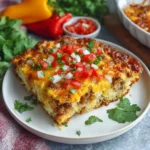
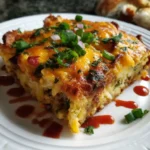
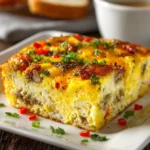
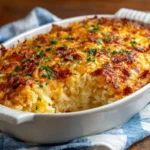
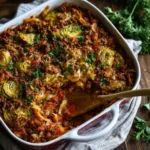
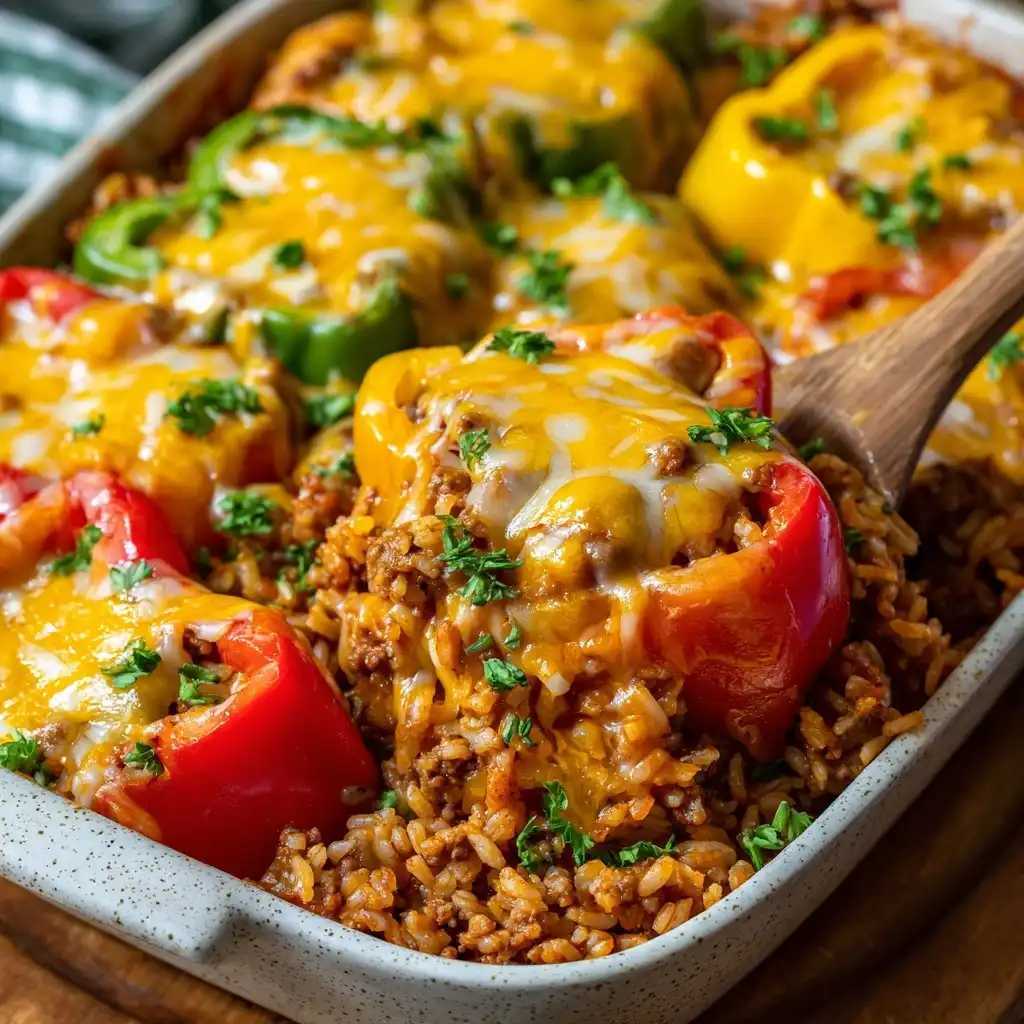
Stuffed Pepper Casserole is a beloved, family-friendly comfort food that reimagines the classic stuffed pepper—traditionally baked individually with rice, ground meat, and vegetables—into a streamlined, one-dish casserole format. This hearty, flavorful dish combines the savory depth of seasoned ground beef or turkey, the natural sweetness of bell peppers, the creamy richness of melted cheese, and the comforting texture of tender rice or grain alternatives—all layered and baked to golden perfection. It’s ideal for weeknight dinners, potlucks, holiday side dishes, or meal prepping, offering flexibility, minimal cleanup, and maximum satisfaction. Whether you’re feeding a crowd or simply craving something warm, nourishing, and deeply satisfying, this casserole delivers on every front—without the labor-intensive process of stuffing each pepper by hand.
The History
The origins of stuffed peppers trace back centuries across multiple culinary traditions—from Eastern European dolma (grape leaves and peppers stuffed with rice and herbs) to Mediterranean biber dolması, Middle Eastern mahshi, and Latin American chiles rellenos. In the United States, stuffed peppers rose to prominence in the early-to-mid 20th century as part of the “casserole culture” boom—a movement fueled by post-war convenience cooking, the proliferation of canned goods, and the rise of home economics. Cookbooks from the 1940s–60s frequently featured versions using ground beef, tomato soup, instant rice, and processed cheese—reflecting the era’s emphasis on speed and shelf-stable ingredients. Over time, home cooks began adapting the concept into layered casseroles: rather than hollowing and filling individual peppers, they’d chop the peppers, combine them with fillings, and bake the mixture in a single dish. This evolution preserved the essence—sweet peppers, protein, grain, tomatoes, and herbs—while dramatically reducing prep time and increasing scalability. Today, Stuffed Pepper Casserole stands as a modern heirloom recipe: rooted in global tradition, refined by American ingenuity, and endlessly adaptable to dietary preferences and seasonal produce.
Ingredients Breakdown
Understanding each component deepens both flavor and function in this casserole:
- Bell Peppers: Typically 3–4 large, colorful bell peppers (red, yellow, orange, or green)—chopped finely or diced into ½-inch pieces. Red peppers offer the sweetest, most robust flavor and highest vitamin C and antioxidant content; green peppers add earthiness and crunch. Roasting them first enhances depth and reduces excess moisture.
- Protein Base: Most commonly 1 lb lean ground beef (85/15 or 90/10), but ground turkey, chicken, Italian sausage (mild or hot), plant-based crumbles, lentils, or black beans serve as excellent alternatives. Browning the meat thoroughly before layering ensures rich umami and prevents greasiness.
- Aromatics & Flavor Builders: 1 medium yellow onion (diced), 3–4 garlic cloves (minced), 1–2 tsp smoked or sweet paprika, 1 tsp dried oregano, 1 tsp dried basil, ½ tsp crushed red pepper flakes (optional), salt and freshly ground black pepper. These form the foundational “soffritto” that builds complexity.
- Liquid & Acid Components: 1 (15 oz) can tomato sauce (low-sodium preferred), 1 (14.5 oz) can diced tomatoes (with juices), ¼ cup tomato paste (for concentrated richness and thickening), and optionally 2 tbsp apple cider vinegar or balsamic glaze stirred in at the end for brightness and balance.
- Grain or Binder: 1 cup cooked long-grain white rice (cooled), brown rice, quinoa, cauliflower rice (for low-carb), or even pearl couscous. The grain absorbs liquid, provides structure, and contributes chewy contrast. Uncooked rice may be used—but requires additional liquid and extended baking time.
- Cheese Layer: 1½–2 cups shredded cheese—typically a blend of sharp cheddar (for tang), Monterey Jack (for melt), and mozzarella (for stretch). Optional additions: crumbled feta for brininess, goat cheese for creaminess, or grated Parmesan for umami punch.
- Vegetable Enhancements: 1 zucchini or yellow squash (diced and lightly sautéed), ½ cup corn kernels (fresh, frozen, or roasted), ¼ cup chopped fresh spinach or kale (wilted), or ½ cup diced mushrooms (sautéed until dry). These boost nutrition, texture, and visual appeal without compromising integrity.
- Fresh Finishes: Chopped fresh parsley, cilantro, or basil added just before serving; a drizzle of high-quality olive oil or chili crisp; a squeeze of lemon or lime juice for vibrancy.
Step-by-Step Recipe
- Preheat & Prep: Preheat oven to 375°F (190°C). Lightly grease a 9×13-inch glass or ceramic baking dish (or line with parchment for easy removal). Gather all ingredients and measure seasonings precisely.
- Sauté Aromatics: Heat 1 tbsp olive oil in a large Dutch oven or deep skillet over medium heat. Add diced onion and cook 4–5 minutes until translucent. Stir in minced garlic and cook 60 seconds until fragrant—do not brown.
- Brown the Protein: Increase heat to medium-high. Add ground meat in crumbles. Break apart with a wooden spoon and cook, stirring occasionally, until no pink remains and edges begin to crisp (8–10 min). Drain excess fat if needed (especially with beef), reserving ~1 tbsp for flavor.
- Build the Flavor Base: Stir in tomato paste and cook 2 minutes, stirring constantly, to deepen color and remove raw taste. Add paprika, oregano, basil, red pepper flakes, salt, and black pepper. Toast spices 30 seconds to bloom their oils.
- Incorporate Tomatoes & Liquids: Pour in diced tomatoes (with juices), tomato sauce, and ½ cup water or low-sodium beef/vegetable broth. Bring to a gentle simmer. Reduce heat to low, cover, and let bubble gently for 12–15 minutes, stirring occasionally, until sauce thickens slightly.
- Prepare the Peppers: While sauce simmers, core, seed, and dice bell peppers. For deeper flavor and less water release, toss pepper pieces with 1 tsp oil and roast on a sheet pan at 425°F for 12–15 minutes until softened and slightly caramelized. Alternatively, sauté in a separate pan with a bit of oil for 5–6 minutes until tender-crisp.
- Combine Components: In a large mixing bowl, combine the meat-tomato mixture, roasted/sautéed peppers, cooked rice (or grain), and any optional vegetables (corn, zucchini, spinach). Fold gently but thoroughly until evenly distributed. Taste and adjust seasoning—add more salt, acid (a splash of vinegar), or sweetness (½ tsp brown sugar) as needed.
- Layer & Cheese: Transfer mixture to prepared baking dish. Spread evenly and smooth the top. Sprinkle cheese generously and uniformly across the surface—pressing down lightly helps adhesion during baking.
- Bake to Perfection: Cover dish tightly with aluminum foil (tent it slightly to prevent cheese from sticking). Bake for 25 minutes. Remove foil and bake uncovered for 15–20 minutes more, until cheese is bubbly, golden at the edges, and internal temperature reaches 165°F (74°C) when checked with an instant-read thermometer.
- Rest & Serve: Let casserole rest for 10–12 minutes before slicing. This allows residual heat to finish cooking the center, redistributes juices, and prevents cheese from sliding off. Garnish with fresh herbs and serve warm.
Tips
- Dry Your Peppers: Excess moisture is the #1 cause of a soggy casserole. Always sauté or roast peppers first—and pat them dry with paper towels if they exude liquid after cooking.
- Undercook the Rice Slightly: If using uncooked rice, opt for parboiled or quick-cook varieties and increase total liquid by ½ cup. Better yet—use fully cooked rice cooled to room temperature to avoid gumminess.
- Don’t Skip the Tomato Paste: It’s not optional—it adds body, acidity, sweetness, and a velvety mouthfeel that binds everything together. Cooking it briefly unlocks its full potential.
- Layer Smartly for Texture: For extra crunch and visual flair, reserve ¼ cup of shredded cheese + 2 tbsp panko breadcrumbs + 1 tbsp melted butter. Mix and sprinkle over the casserole in the last 5 minutes of baking.
- Acid Is Essential: A final bright note balances richness. Stir in 1 tsp lemon zest or 1 tbsp fresh lime juice just before serving—or serve with pickled red onions or jalapeños on the side.
- Make-Ahead Friendly: Assemble up to 24 hours ahead—cover tightly and refrigerate unbaked. Add 5–10 minutes to covered bake time. Or freeze assembled (unbaked) casserole for up to 3 months—thaw overnight before baking.
- Use a Heavy Pan: A heavy-bottomed Dutch oven ensures even browning and prevents scorching when building the sauce base—critical for developing complex fond and depth.
- Check Doneness Correctly: Insert thermometer into the thickest, centermost portion—not near the edge or cheese layer. Temperature must read 165°F for food safety, especially with ground meats.
- Leftovers Reheat Brilliantly: Store in airtight container for up to 4 days. Reheat covered in oven at 350°F for 20 minutes—or in microwave in 30-second bursts, stirring between, with a damp paper towel over the dish to retain moisture.
- Skillet-to-Oven Option: Use an oven-safe 12-inch cast-iron or stainless skillet. Brown meat and build sauce directly in it, fold in peppers and rice, top with cheese, and bake—no transfer required and fewer dishes!
Variations and Customizations
This casserole is a canvas—endlessly expressive and inclusive of diverse palates, cultures, and dietary frameworks:
- Mexican-Inspired: Swap ground beef for chorizo or turkey; use fire-roasted tomatoes, chipotle in adobo (1 tsp minced), cumin, and lime juice; fold in black beans and corn; top with pepper jack, cotija, and fresh cilantro.
- Mediterranean Twist: Use ground lamb or beef-lamb blend; add crumbled feta, kalamata olives, sun-dried tomatoes, oregano, mint, and lemon zest; substitute bulgur or farro for rice; garnish with tzatziki.
- Vegan/Vegetarian Version: Replace meat with 1.5 cups cooked brown lentils + ½ cup textured vegetable protein (TVP) soaked in veggie broth; use nutritional yeast instead of cheese; add walnuts for umami crunch; finish with parsley and lemon.
- Low-Carb/Keto Adaptation: Omit rice entirely; bulk up with riced cauliflower (squeezed dry), sliced mushrooms, and extra peppers; use full-fat cheese and heavy cream stirred into sauce for richness; top with crispy bacon bits.
- Gluten-Free Certified: Ensure all canned goods (tomato sauce, diced tomatoes) are labeled GF; use certified GF spices; skip soy-based TVP unless verified; thicken with arrowroot instead of flour if needed.
- Spice-Lover’s Edition: Incorporate 1–2 diced chipotles + adobo sauce, 1 tsp ancho powder, and a dash of cayenne; top with pickled habaneros and crumbled queso fresco.
- Breakfast Casserole Style: Use cooked breakfast sausage, add 4 whisked eggs + ½ cup milk to the mixture before baking, reduce cheese slightly, and top with chives and hot sauce.
- Italian-Inspired: Use Italian sausage, add ¼ cup chopped fresh basil and 2 tbsp tomato paste; stir in ½ cup ricotta before baking; top with mozzarella and Parmesan; serve with garlic-rubbed crostini.
- Asian Fusion: Substitute ground pork or tofu crumbles; use ginger-garlic paste instead of raw aromatics; add soy sauce, hoisin, and sesame oil; top with scallions, toasted sesame seeds, and chili oil.
- Kid-Friendly Mild Version: Omit all heat elements; use mild paprika and ground turkey; stir in ½ cup cream cheese for extra creaminess; top with gooey American cheese slices cut into strips before baking.
Health Considerations and Nutritional Value
A well-balanced Stuffed Pepper Casserole offers impressive macro- and micronutrient density—with smart ingredient choices turning it into a genuinely nourishing meal:
- Protein Powerhouse: Ground beef (90% lean) supplies ~22g protein per 3-oz serving—alongside iron (heme form, highly absorbable), zinc, B12, and creatine. Plant-based versions deliver fiber, folate, and polyphenols from legumes and vegetables.
- Vitamin C & Antioxidants: Bell peppers—especially red—are among the richest dietary sources of vitamin C (169% DV per cup), plus beta-carotene, lycopene, and quercetin, supporting immunity, skin health, and cellular repair.
- Fiber & Digestive Health: With whole grains (brown rice, quinoa) and added veggies, one serving easily provides 6–9g fiber—meeting 25–35% of daily needs and promoting satiety, gut motility, and microbiome diversity.
- Heart-Healthy Fats: Olive oil contributes monounsaturated fats; lean meats minimize saturated fat; cheese in moderation adds calcium without excess sodium—especially when using lower-sodium varieties.
- Low Glycemic Impact: When made with non-starchy vegetables and minimal added sugars (avoid sugary tomato sauces), this casserole maintains balanced blood glucose—ideal for prediabetics or those managing insulin resistance.
- Nutrient Synergy: Vitamin C in peppers enhances non-heme iron absorption from beans or lentils; fat-soluble vitamins (A, K, E) in peppers and cheese are better absorbed with the dish’s healthy fats.
- Portion Awareness: A standard serving (1⅓ cups) contains ~420–520 calories, depending on cheese/meat choices. To lighten further: use 95% lean turkey, reduce cheese by ⅓, add extra spinach/zucchini, and serve with a large mixed green salad.
- Allergen Notes: Naturally gluten-free (verify labels), nut-free, and dairy-optional. Easily adapted for soy-free, egg-free, and nightshade-sensitive diets (substitute zucchini or cabbage for peppers; use roasted carrots/beets for sweetness).
- Meal Prep Advantage: High-protein, high-fiber meals like this stabilize energy, reduce cravings, and support weight management goals—making it an excellent choice for fitness-focused or therapeutic eating plans.
- Anti-Inflammatory Potential: Turmeric (added with paprika), garlic, onions, tomatoes (lycopene), and colorful peppers collectively supply potent anti-inflammatory phytonutrients linked to reduced chronic disease risk.
Ingredients
- 1 tbsp extra-virgin olive oil
- 1 medium yellow onion, finely diced
- 4 garlic cloves, minced
- 1 lb 90% lean ground beef (or ground turkey, plant-based crumbles, or cooked lentils)
- 2 tbsp tomato paste
- 1 tsp smoked paprika
- 1 tsp dried oregano
- 1 tsp dried basil
- ½ tsp crushed red pepper flakes (optional)
- 1 tsp kosher salt (plus more to taste)
- ½ tsp freshly ground black pepper
- 1 (14.5 oz) can low-sodium fire-roasted diced tomatoes, with juices
- 1 (15 oz) can low-sodium tomato sauce
- ½ cup low-sodium beef or vegetable broth
- 4 large bell peppers (mixed colors), cored, seeded, and finely diced (about 4 cups)
- 1 cup cooked long-grain white rice, brown rice, or quinoa, cooled
- 1 cup frozen corn kernels, thawed and drained
- 1 small zucchini, finely diced and sautéed until tender (optional)
- 1½ cups shredded sharp cheddar cheese
- ½ cup shredded Monterey Jack cheese
- ¼ cup grated Parmesan cheese
- ¼ cup chopped fresh parsley or cilantro, for garnish
- 1 tbsp fresh lemon juice or apple cider vinegar (optional, for finishing)
Directions
- Preheat oven to 375°F (190°C). Lightly grease a 9×13-inch baking dish.
- In a large Dutch oven or heavy-bottomed skillet, heat olive oil over medium heat. Add onion and cook until soft and translucent, about 5 minutes.
- Add garlic and cook 1 minute more, stirring constantly.
- Increase heat to medium-high. Add ground meat and cook, breaking it apart with a wooden spoon, until fully browned and no pink remains—about 8–10 minutes. Drain excess fat, reserving ~1 tbsp.
- Stir in tomato paste and cook 2 minutes, stirring continuously. Add paprika, oregano, basil, red pepper flakes, salt, and black pepper; toast 30 seconds.
- Pour in diced tomatoes (with juices), tomato sauce, and broth. Stir well, bring to a gentle simmer, then reduce heat to low. Cover and simmer for 12–15 minutes, stirring occasionally, until thickened.
- Meanwhile, prepare peppers: toss diced peppers with 1 tsp oil and spread on a parchment-lined sheet pan. Roast at 425°F for 12–15 minutes until softened and slightly caramelized. Let cool slightly.
- In a large bowl, combine meat-tomato mixture, roasted peppers, cooked rice, corn, and sautéed zucchini (if using). Mix gently but thoroughly. Taste and adjust seasoning—add lemon juice or vinegar if desired.
- Transfer mixture to prepared baking dish. Smooth top with a spatula. Sprinkle cheddar, Monterey Jack, and Parmesan evenly over surface.
- Cover tightly with aluminum foil. Bake for 25 minutes.
- Remove foil and bake uncovered for 15–20 minutes, until cheese is bubbly, golden, and internal temperature reaches 165°F.
- Let rest 10–12 minutes. Garnish with fresh parsley or cilantro. Serve warm.
FAQ
- Can I make this casserole ahead of time?
- Yes! Assemble completely (unbaked), cover tightly with plastic wrap and foil, and refrigerate for up to 24 hours. When ready to bake, add 5–10 minutes to the covered bake time. For longer storage, freeze unbaked casserole for up to 3 months—thaw overnight in refrigerator before baking.
- Why is my casserole watery or soggy?
- Most often due to excess moisture from raw peppers or undrained tomatoes/meat. Always roast or sauté peppers first and drain meat well. Also avoid using “no-salt-added” diced tomatoes packed in puree—they release more liquid than those in juice. If still wet, add 1 tbsp tomato paste or 1 tsp arrowroot slurry to sauce before assembling.
- Can I use uncooked rice?
- You can—but it requires adjustments. Use ¾ cup uncooked long-grain rice, increase broth to 1¼ cups, and extend covered bake time to 45 minutes before uncovering. Better yet: use parboiled (converted) rice—it’s forgiving and cooks reliably in the casserole environment.
- What’s the best cheese blend?
- For optimal melt, flavor, and browning: 1 cup sharp cheddar + ½ cup Monterey Jack + ¼ cup Parmesan. Avoid pre-shredded cheeses—they contain anti-caking agents that hinder melting. Grate your own for superior texture and richness.
- Is this dish freezer-friendly?
- Absolutely. Cool completely, slice into portions, wrap each tightly in parchment + foil, and freeze for up to 3 months. Reheat from frozen in a 350°F oven, covered, for 50–60 minutes—or defrost overnight and bake 30 minutes covered, 15 minutes uncovered.
- Can I omit the meat entirely?
- Yes—this becomes a vibrant vegetarian casserole. Boost protein with 1.5 cups cooked lentils, 1 cup crumbled tempeh, or 12 oz firm tofu pressed and crumbled. Add 1 tbsp soy sauce or tamari and 1 tsp miso paste for umami depth.
- How do I keep the cheese from burning?
- Tent loosely with foil during the final uncovered bake if edges brown too quickly. Alternatively, rotate the dish halfway through and place on a lower oven rack. Using a light-colored metal or glass pan (not dark ceramic) also prevents over-browning.
- What sides pair best with this casserole?
- Keep it simple and complementary: a crisp green salad with lemon vinaigrette, garlic sautéed green beans, roasted sweet potatoes, crusty whole-grain bread, or a cooling cucumber-dill yogurt sauce. Avoid overly rich or heavy sides—the casserole is already deeply satisfying.
- Can I cook this in a slow cooker?
- Yes—with modifications. Brown meat and sauté aromatics first. Combine all ingredients (except cheese) in slow cooker. Cook on LOW for 4–5 hours or HIGH for 2–3 hours, until heated through and flavors meld. Stir well, top with cheese, cover, and let sit 10 minutes to melt—or broil briefly.
- How do I adapt this for a larger crowd?
- Double the recipe and bake in two 9×13-inch dishes—or use a half-sheet pan (13×18 inches) and increase bake time by 5–8 minutes. For potlucks, prepare in disposable aluminum pans for easy transport and serving.
Summary
Stuffed Pepper Casserole is a time-honored, globally inspired, one-dish wonder that transforms humble pantry staples into a deeply flavorful, nutritionally balanced, and endlessly customizable family favorite—offering the soul-soothing comfort of traditional stuffed peppers with the practical elegance of modern casserole efficiency.
From its multicultural roots to its adaptable framework—whether keto, vegan, gluten-free, spicy, mild, or kid-approved—this dish proves that convenience need never compromise quality, creativity, or care.