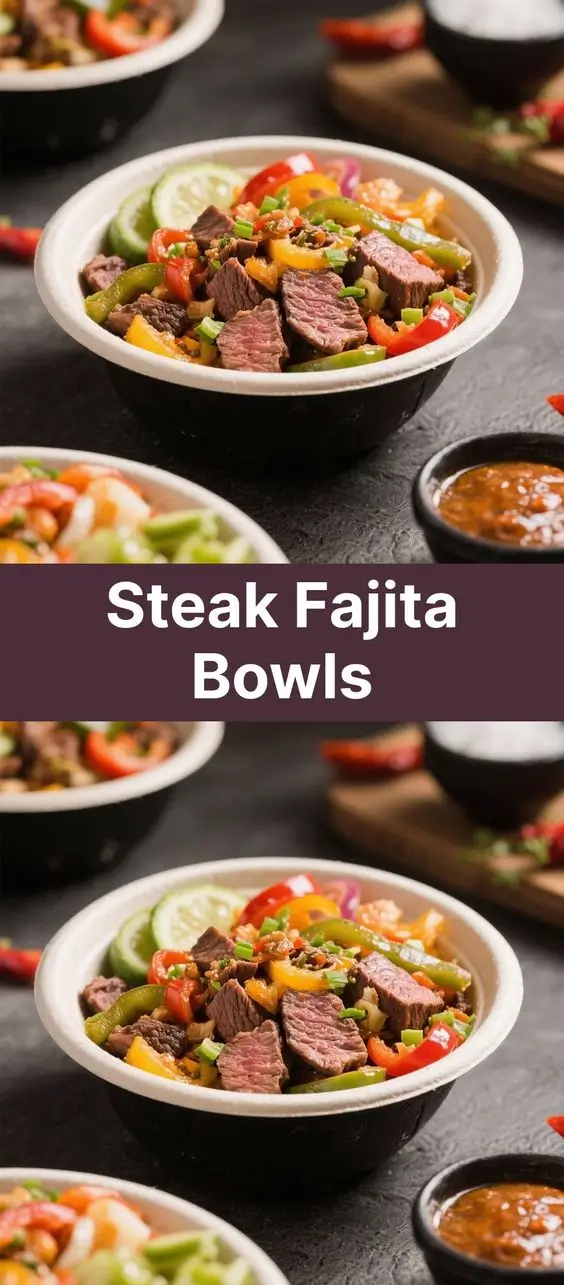
Steak Fajita Bowls: A Flavorful Fiesta in Every Bite
The sizzling allure of steak fajita bowls has captured the hearts and palates of food lovers across the globe. Originating from the vibrant culinary traditions of Tex-Mex cuisine, these bowls bring together the bold flavors of marinated grilled steak, sautéed bell peppers and onions, and a medley of zesty, colorful ingredients—all served over a warm base for a satisfying, wholesome meal. Whether you’re craving comfort food with a kick or a nutritious dinner that doesn’t skimp on flavor, steak fajita bowls deliver it all. This comprehensive guide dives deep into every aspect of crafting the perfect bowl, from its historical roots to step-by-step preparation, health benefits, customization ideas, and more. Get ready to elevate your weeknight dinners with this delicious, versatile dish.
The History of Steak Fajitas
The story of fajitas begins in the early 20th century in South Texas, where Mexican ranch workers were often given less desirable cuts of beef, such as skirt steak, as part of their pay. These resourceful cooks transformed tough cuts into tender, flavorful meals by marinating the meat and grilling it over open flames. The word “fajita” comes from the Spanish word “faja,” meaning “belt” or “strip,” which refers to the cut of meat used—skirt steak, taken from the cow’s diaphragm muscle.
Fajitas gained mainstream popularity in the 1960s and 70s when Tex-Mex restaurants began serving them as sizzling platters with warm tortillas, guacamole, sour cream, and grilled vegetables. Over time, the traditional fajita evolved beyond tacos. Health-conscious diners and modern chefs started deconstructing the dish into bowl form—removing the tortilla to create a lower-carb, higher-vegetable alternative. Today, steak fajita bowls are celebrated not only in homes but also in trendy grain bowl cafes and fast-casual dining chains, proving their enduring appeal and adaptability.
Ingredients Breakdown: What Makes a Great Steak Fajita Bowl?
A truly exceptional steak fajita bowl balances texture, temperature, and taste. Each component plays a vital role in creating a harmonious dish that’s both satisfying and nutritious. Here’s a detailed look at what goes into a classic version:
- Steak: Traditionally, skirt steak or flank steak is used due to their rich flavor and ability to absorb marinades. These cuts benefit from quick, high-heat cooking and should be sliced thinly against the grain for tenderness.
- Bell Peppers: A mix of red, yellow, orange, and green peppers adds sweetness, color, and crunch. Red peppers are the sweetest, while green ones add a slightly bitter contrast.
- Onions: Yellow or red onions caramelize beautifully when sautéed, offering depth and natural sugars that enhance the overall flavor profile.
- Marinade: The heart of the dish, the marinade typically includes lime juice, olive oil, garlic, cumin, chili powder, smoked paprika, oregano, salt, and pepper. Acidic components like lime juice help tenderize the meat while infusing it with zest.
- Base: While traditional fajitas use tortillas, bowls use bases like cilantro-lime rice, quinoa, cauliflower rice (for low-carb), or mixed greens for a salad-style twist.
- Toppings: Fresh toppings elevate the bowl. Common additions include guacamole or sliced avocado, pico de gallo, sour cream or Greek yogurt, shredded cheese (cheddar, Monterey Jack), black beans, corn, jalapeños, and fresh cilantro.
- Sauce: A drizzle of chipotle crema, salsa verde, or roasted red pepper sauce can take the bowl to the next level.
Step-by-Step Recipe: How to Make Perfect Steak Fajita Bowls at Home
Follow this detailed recipe to create restaurant-quality steak fajita bowls in the comfort of your kitchen. Serves 4.
Ingredients
- 1.5 lbs (680g) flank steak or skirt steak
- 3 bell peppers (assorted colors), thinly sliced
- 1 large yellow onion, thinly sliced
- 3 tbsp olive oil (divided)
- Juice of 2 limes (about ¼ cup)
- 4 cloves garlic, minced
- 1 tsp ground cumin
- 1 tsp chili powder
- 1 tsp smoked paprika
- ½ tsp dried oregano
- 1 tsp kosher salt
- ½ tsp black pepper
- 2 cups cooked cilantro-lime rice (or choice of base)
- 1 cup black beans, rinsed and drained
- 1 cup corn kernels (fresh, frozen, or roasted)
- 1 avocado, sliced or mashed into guacamole
- ½ cup pico de gallo
- ¼ cup chopped fresh cilantro
- ¼ cup sour cream or Greek yogurt
- ½ cup shredded Monterey Jack or cheddar cheese
- Lime wedges, for serving
- Optional: jalapeño slices, hot sauce, or chipotle crema
Directions
- Prepare the Marinade: In a large bowl or resealable plastic bag, whisk together 2 tablespoons olive oil, lime juice, minced garlic, cumin, chili powder, smoked paprika, oregano, salt, and pepper.
- Marinate the Steak: Add the steak to the marinade, ensuring it’s fully coated. Seal the bag or cover the bowl and refrigerate for at least 30 minutes, or ideally 2–4 hours for maximum flavor. Do not exceed 8 hours, especially with flank steak, as the acidity can begin to break down the meat too much.
- Prep the Vegetables: While the steak marinates, slice the bell peppers and onions into thin strips. Toss them with 1 tablespoon olive oil, salt, and pepper.
- Cook the Base: Prepare your chosen base—whether it’s rice, quinoa, or cauliflower rice. For cilantro-lime rice: cook 1 cup white or brown rice according to package instructions. Once done, fluff with a fork and stir in 2 tablespoons chopped cilantro, juice of 1 lime, and a pinch of salt.
- Cook the Steak: Heat a large cast-iron skillet or grill pan over high heat. Remove the steak from the marinade (shake off excess) and sear for 4–5 minutes per side for medium-rare (adjust based on thickness and desired doneness). Transfer to a cutting board and let rest for 5–10 minutes before slicing thinly against the grain.
- Sauté the Vegetables: In the same skillet (add a touch more oil if needed), sauté the peppers and onions over medium-high heat for 8–10 minutes, stirring occasionally, until softened and slightly charred at the edges. Season with a pinch of salt and set aside.
- Warm the Beans and Corn: In a small saucepan, gently heat the black beans and corn with a splash of water or broth until warmed through. Alternatively, microwave for 1–2 minutes.
- Assemble the Bowls: Divide the cooked base among four bowls. Top with sautéed vegetables, sliced steak, black beans, corn, avocado, pico de gallo, cheese, sour cream, and cilantro. Serve with lime wedges on the side for an extra zesty finish.
- Serve Immediately: Enjoy while hot and fresh. Encourage mixing before eating to blend all the vibrant flavors.
Pro Tips for the Best Steak Fajita Bowls
- Slice Against the Grain: This is crucial for tender steak. Look for the direction of the muscle fibers and cut perpendicular to them.
- Don’t Overcrowd the Pan: When searing the steak, ensure the skillet is hot and avoid moving the meat too much to achieve a good sear.
- Let the Steak Rest: Allowing the steak to rest after cooking ensures juices redistribute, resulting in juicier slices.
- Char the Veggies: For authentic fajita flavor, let the peppers and onions develop a slight char—it adds smokiness and depth.
- Double the Marinade: If you plan to drizzle some over the finished bowl, reserve a portion before adding raw meat.
- Meal Prep Friendly: Cook everything in advance and store components separately in airtight containers for up to 4 days. Reheat gently before assembling.
- Boost Umami: Add a dash of soy sauce or Worcestershire to the marinade for deeper savory notes.
Variations and Customizations
One of the greatest strengths of steak fajita bowls is their versatility. Here are creative ways to customize the dish to suit different tastes, dietary needs, and cultural influences:
- Protein Swaps: Replace steak with grilled chicken, shrimp, carnitas, tofu, or tempeh for vegetarian options.
- Low-Carb/Keto Version: Use cauliflower rice or a bed of romaine and butter lettuce instead of grains. Skip beans and corn, and increase healthy fats with extra avocado and cheese.
- Spicy Kick: Add diced jalapeños to the sauté, use hot chili powder, or top with habanero salsa or sriracha.
- Mediterranean Twist: Swap spices for za’atar or sumac, use tzatziki instead of sour cream, and add olives and cherry tomatoes.
- Asian Fusion: Marinate steak in soy-ginger-lime sauce, serve over jasmine rice, and top with pickled carrots, cucumber ribbons, and sesame seeds.
- Vegan Option: Use portobello mushrooms or jackfruit as the “steak,” skip dairy, and use cashew crema or avocado-based sauces.
- Breakfast Bowl: Top with a fried or poached egg, hash browns, and a sprinkle of cheese for a hearty morning meal.
- Taco Bowl Style: Add crushed tortilla chips, taco seasoning, and a generous spoon of queso for a fun, crunchy variation.
Health Considerations and Nutritional Value
Steak fajita bowls can be a balanced, nutrient-dense meal when prepared thoughtfully. Here’s a breakdown of key nutritional aspects (per serving, approximate):
- Calories: 550–700 kcal (varies based on base and toppings)
- Protein: 35–45g (from steak and beans)
- Fat: 20–30g (mostly healthy fats from avocado, olive oil, and cheese)
- Carbohydrates: 40–60g (lower if using cauliflower rice or skipping beans)
- Fiber: 8–12g (from vegetables, beans, and whole grains)
- Vitamins & Minerals: High in vitamin C (bell peppers, lime), vitamin A (peppers, cheese), iron (steak), potassium (avocado, beans), and folate (beans, leafy greens).
Health Benefits:
- Lean Protein Source: Steak provides high-quality protein essential for muscle repair and satiety.
- Antioxidant-Rich Veggies: Bell peppers and onions are packed with antioxidants and anti-inflammatory compounds.
- Healthy Fats: Avocado and olive oil contribute monounsaturated fats, beneficial for heart health.
- Digestive Health: Fiber from beans, vegetables, and whole grains supports gut health and stable blood sugar.
Dietary Adjustments:
- Lower Sodium: Use low-sodium soy sauce (if added), reduce added salt, and rinse canned beans thoroughly.
- Gluten-Free: Naturally gluten-free—just confirm all packaged ingredients (e.g., spice blends) are certified GF.
- Heart-Healthy: Opt for leaner cuts like sirloin, limit cheese, and emphasize plant-based components.
Frequently Asked Questions (FAQ)
Q: Can I make steak fajita bowls ahead of time?
A: Absolutely! Marinate the steak, chop the veggies, and cook the base in advance. Store separately in the fridge for up to 4 days. Assemble and reheat just before serving.
Q: What’s the best cut of steak for fajitas?
A: Flank steak and skirt steak are ideal due to their robust flavor and texture. Skirt steak has a richer taste, while flank is leaner and easier to find.
Q: Can I use frozen bell peppers?
A: It’s best to use fresh peppers for optimal texture and flavor. Frozen peppers can become mushy when sautéed.
Q: How do I prevent the steak from becoming tough?
A: Avoid overcooking, always slice against the grain, and don’t skip marinating—especially with acidic ingredients like lime juice.
Q: Are steak fajita bowls keto-friendly?
A: Yes! Use cauliflower rice, omit beans and corn, and load up on avocado, cheese, and sour cream to keep it low-carb and keto-compliant.
Q: Can I grill the steak and veggies?
A: Definitely. Grilling adds a delicious smoky flavor. Use a grill basket for the vegetables to prevent them from falling through the grates.
Q: What can I use instead of cilantro?
A: If you dislike cilantro or have the genetic trait that makes it taste soapy, substitute with fresh parsley or omit entirely.
Q: How spicy are steak fajita bowls?
A: They’re naturally mild unless you add spicy elements. Control the heat with chili powder levels, jalapeños, or hot sauces on the side.
Summary
Steak fajita bowls are a vibrant, customizable, and nutritious meal that brings the bold flavors of Tex-Mex cuisine to your table in a wholesome, satisfying format. Packed with marinated grilled steak, colorful sautéed vegetables, and fresh toppings over a hearty base, they’re perfect for weeknights, meal prep, or entertaining.