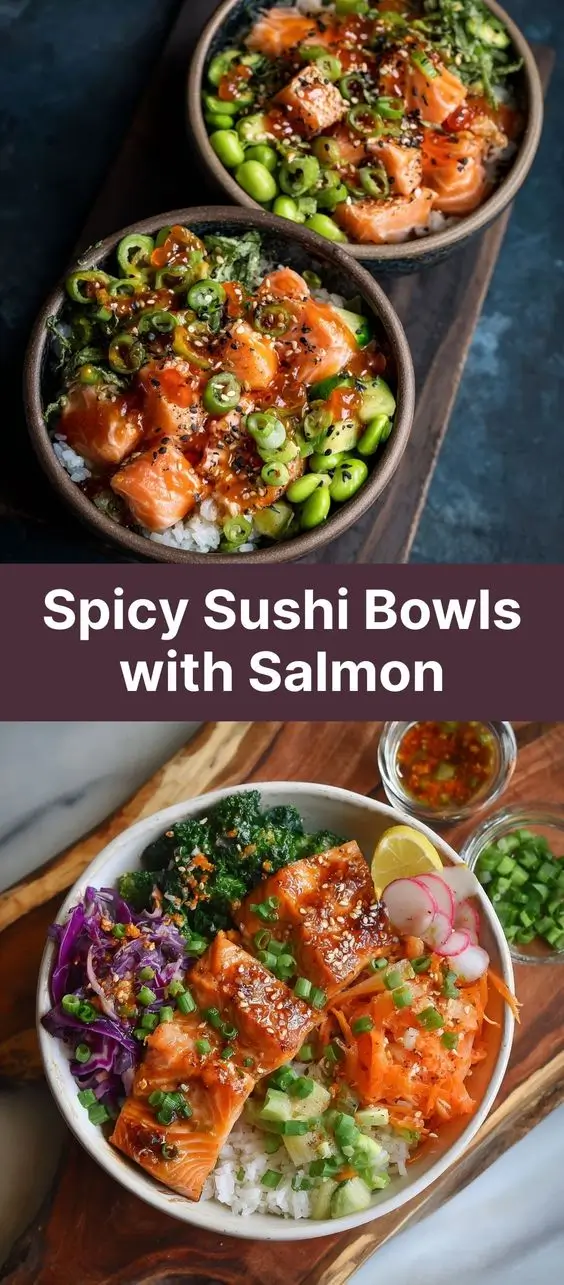
Spicy Sushi Bowls with Salmon: A Modern Twist on a Japanese Classic
The History of Sushi and the Rise of the Sushi Bowl
Sushi, a culinary art form originating in Japan over a thousand years ago, began as a method of preserving fish by fermenting it with rice and salt. The earliest form, known as narezushi, dates back to the 8th century and was quite different from the sushi we enjoy today. Over centuries, sushi evolved—particularly during the Edo period (1603–1868)—when fresh fish from Tokyo Bay was paired with vinegared rice, giving birth to what we now recognize as edomae sushi.
Fast forward to the 20th and 21st centuries, and sushi has become a global phenomenon. With increasing demand for convenient, healthy, and customizable meals, chefs and home cooks alike began deconstructing traditional sushi rolls into more accessible formats. Enter the sushi bowl—a deconstructed version of sushi that retains all the vibrant flavors and textures but eliminates the need for rolling and seaweed wrapping.
The spicy sushi bowl with salmon emerged as a favorite variation, particularly in North America, where bold flavors and fusion cuisine thrive. Inspired by the popular “spicy tuna roll,” this bowl swaps tuna for rich, fatty salmon and layers it over sushi rice with crisp vegetables, creamy avocado, and a fiery mayo-based sauce. It’s a celebration of tradition meeting innovation—a dish that honors its roots while embracing modern tastes and lifestyles.
Ingredients Breakdown: What Makes This Bowl Shine?
The magic of a spicy sushi bowl lies in its balance of textures and flavors—creamy, crunchy, sweet, savory, and spicy all in one bite. Here’s a detailed breakdown of each component:
- Fresh Salmon: High-quality, sushi-grade salmon is essential. Look for bright orange-pink flesh with a firm texture and clean ocean scent. Wild-caught Alaskan or sockeye salmon is ideal for its rich flavor and omega-3 content.
- Sushi Rice: Short-grain Japanese rice seasoned with rice vinegar, sugar, and salt. Its sticky texture holds the bowl together while adding a subtle tanginess.
- Spicy Salmon Mixture: Diced salmon tossed with spicy mayo (typically sriracha and Kewpie mayo), which gives the bowl its signature kick. Some versions include a touch of sesame oil or lime juice for added depth.
- Vegetables: Common additions include julienned cucumber, shredded carrots, pickled red radish, and thinly sliced scallions. These add freshness, crunch, and color contrast.
- Avocado: Creamy avocado slices or chunks provide richness and balance the heat from the spicy mayo.
- Toppings: Nori (seaweed) strips, toasted sesame seeds, tobiko (fish roe), microgreens, or crispy tempura flakes enhance both visual appeal and taste.
- Condiments and Sauces: In addition to spicy mayo, consider drizzling with eel sauce (unagi glaze), ponzu, or soy sauce. A squeeze of fresh lime just before serving brightens the entire dish.
Step-by-Step Recipe: How to Make Spicy Sushi Bowls with Salmon at Home
Creating restaurant-quality spicy sushi bowls at home is easier than you might think. Follow these detailed steps for a perfect result every time.
Ingredients
- 1 cup sushi rice (uncooked)
- 1 ¼ cups water
- 2 tablespoons rice vinegar
- 1 tablespoon sugar
- ½ teaspoon salt
- 8 oz sushi-grade salmon, skin removed and finely diced
- 3 tablespoons mayonnaise (preferably Kewpie)
- 1–2 tablespoons sriracha (adjust to spice preference)
- 1 small cucumber, julienned or diced
- 1 medium carrot, julienned or grated
- 1 ripe avocado, sliced or cubed
- 2 green onions, thinly sliced
- 1 sheet nori, cut into thin strips or small squares
- 1 tablespoon toasted sesame seeds (white or black)
- 1 tablespoon tobiko (optional, for color and pop)
- Lime wedges, for serving
- Soy sauce or tamari, for drizzling
- Eel sauce (optional)
Directions
- Cook the Sushi Rice: Rinse the sushi rice under cold water until the water runs clear. Combine rice and water in a saucepan, bring to a boil, then reduce heat to low, cover, and simmer for 18–20 minutes until water is absorbed. Remove from heat and let sit, covered, for 10 minutes.
- Season the Rice: In a small bowl, mix rice vinegar, sugar, and salt until dissolved. Transfer cooked rice to a large bowl (preferably wooden if available) and gently fold in the vinegar mixture using a rice paddle or spatula. Allow to cool to room temperature—this prevents the salmon from cooking when mixed later.
- Prepare the Spicy Salmon: In a medium bowl, combine diced salmon, mayonnaise, and sriracha. Mix gently to coat. Taste and adjust spice level. Cover and refrigerate for up to 30 minutes to let flavors meld (optional but recommended).
- Chop and Prep Vegetables: While the rice cools, prepare all vegetables. Keep them in separate bowls for a colorful, organized presentation.
- Assemble the Bowls: Divide the seasoned sushi rice evenly among four serving bowls. Top each with an equal portion of spicy salmon mixture.
- Add Layers of Freshness: Arrange cucumber, carrots, avocado, and green onions around the salmon. Don’t be shy—pile high for visual impact!
- Finish with Toppings: Sprinkle each bowl with nori strips, sesame seeds, and tobiko. Drizzle with soy sauce, eel sauce, or extra spicy mayo if desired.
- Serve Immediately: Serve with lime wedges on the side. Encourage guests to mix everything together before eating for a full flavor experience.
Tips for the Perfect Spicy Sushi Bowl
- Use Sushi-Grade Fish: Never substitute regular raw salmon unless it’s explicitly labeled “sushi-grade.” This ensures it has been frozen to kill parasites and is safe to consume raw.
- Don’t Overcook the Rice: Perfect sushi rice should be tender but not mushy. Letting it steam off-heat after cooking is crucial for the right texture.
- Keep Ingredients Cold: If preparing ahead, store components separately in the fridge. Assemble just before serving to maintain freshness and prevent sogginess.
- Balancing Heat: Start with less sriracha and add gradually. You can always increase the spice, but you can’t take it away. For milder versions, mix in a little plain mayo to dilute the heat.
- Texture Matters: Add a surprise crunch with tempura flakes, crushed wasabi peas, or even crispy fried shallots.
- Garnish Generously: A beautifully topped bowl invites the eyes before the mouth. Use colorful ingredients like red cabbage, pickled ginger, or edible flowers for extra flair.
- Make it a Meal Prep Friendly Dish: Prepare rice and chop veggies in advance. Store spicy salmon mixture separately for up to 24 hours. Assemble bowls the day of consumption.
Variations and Customizations
One of the greatest strengths of the spicy sushi bowl is its versatility. Here are some creative twists to keep your meals exciting:
- Protein Swaps: Replace salmon with spicy tuna, cooked shrimp, grilled teriyaki chicken, tofu, or even imitation crab (surimi). For a vegetarian option, use marinated mushrooms or hearts of palm.
- Rice Alternatives: Try brown sushi rice, cauliflower rice (for low-carb), quinoa, or forbidden black rice for a dramatic color contrast.
- Flavor Infusions: Add a splash of yuzu juice to the spicy mayo, or mix in a teaspoon of gochujang for a Korean-inspired kick.
- Global Fusion: Turn it into a “Mexican Sushi Bowl” by adding corn, black beans, jalapeños, and a cilantro-lime crema. Or go Hawaiian with mango, pineapple, and macadamia nuts.
- Allergy-Friendly: Use vegan mayo instead of Kewpie, and skip fish roe if needed. For soy-free, use coconut aminos instead of soy sauce.
- Kids’ Version: Omit the spice and create a mild salmon salad with plain mayo and dill. Let kids top their own bowls with fun ingredients like edamame or corn.
Health Considerations and Nutritional Value
When prepared mindfully, spicy sushi bowls can be a nutritious and well-balanced meal. Here’s a nutritional snapshot per serving (approximate, based on standard recipe):
| Nutrient | Amount (Per Serving) |
|---|---|
| Calories | 520–600 |
| Protein | 22–26g |
| Fat | 20–25g (mostly healthy fats from salmon and avocado) |
| Carbohydrates | 55–65g |
| Fiber | 4–6g |
| Sugar | 7–9g (mostly natural from rice seasoning and vegetables) |
| Sodium | 600–900mg (can be reduced by using low-sodium soy sauce) |
Key Health Benefits:
- Omega-3 Fatty Acids: Salmon is rich in EPA and DHA, which support heart and brain health.
- Healthy Fats: Avocado and sesame seeds contribute monounsaturated fats that promote satiety and reduce inflammation.
- Fiber-Rich Veggies: Cucumber, carrots, and greens aid digestion and boost vitamin intake.
- Low in Added Sugar: When made at home, you control the amount of sugar in the rice and sauces.
Considerations:
- Raw Fish Safety: Only consume raw fish that is properly handled and labeled “sushi-grade.” Immunocompromised individuals, pregnant women, and elderly people should consult a healthcare provider before consuming raw seafood.
- Mercury Content: Salmon is generally low in mercury compared to other fish like tuna or swordfish, making it a safer choice for frequent consumption.
- High Sodium Sauces: Store-bought eel sauce and soy sauce can be high in sodium. Opt for reduced-sodium versions or make homemade alternatives.
- Calorie Density: The addition of mayo and oils increases calorie content. For lighter versions, use Greek yogurt in place of some mayo or reduce portion sizes.
Frequently Asked Questions (FAQ)
Q: Can I cook the salmon instead of serving it raw?
A: Absolutely! Pan-sear or bake the salmon with a little soy sauce and honey, then flake it into the bowl. It won’t be “spicy tuna roll-style,” but it’s still delicious and safe for those avoiding raw fish.
Q: How long can I store leftover spicy sushi bowls?
A: Best consumed fresh. If storing, keep components separate and assemble within 24 hours. Once assembled, the rice absorbs moisture and texture deteriorates.
Q: Is there a substitute for raw salmon?
A: Yes. Smoked salmon offers a bold flavor alternative, though it’s saltier. Cooked salmon, as mentioned above, is another excellent option.
Q: Can I make this vegan?
A: Yes! Use marinated tofu or jackfruit in place of salmon, and swap mayo for vegan version. Add seaweed and avocado for umami and creaminess.
Q: Where can I find sushi-grade salmon?
A: Look for it at high-end grocery stores (like Whole Foods), specialty fish markets, or reputable online seafood suppliers. Always ask the fishmonger if it’s safe for raw consumption.
Q: Can I freeze sushi-grade salmon to make it safe?
A: According to FDA guidelines, freezing fish at -4°F (-20°C) for 7 days or -31°F (-35°C) for 15 hours kills parasites. If buying fresh salmon not labeled sushi-grade, freezing it properly can make it safer—but when in doubt, buy sushi-grade.
Q: What is Kewpie mayo, and can I skip it?
A: Kewpie is a Japanese mayonnaise made with egg yolks, rice or apple vinegar, and no added sugar. It’s richer, creamier, and tangier than regular mayo. While you can use regular mayo, Kewpie elevates the dish significantly.
Summary
Spicy Sushi Bowls with Salmon are a vibrant, satisfying fusion of Japanese tradition and modern convenience, packed with fresh flavors, healthy fats, and customizable ingredients. Easy to prepare and endlessly adaptable, they’re perfect for weeknight dinners, meal prep, or impressing guests.