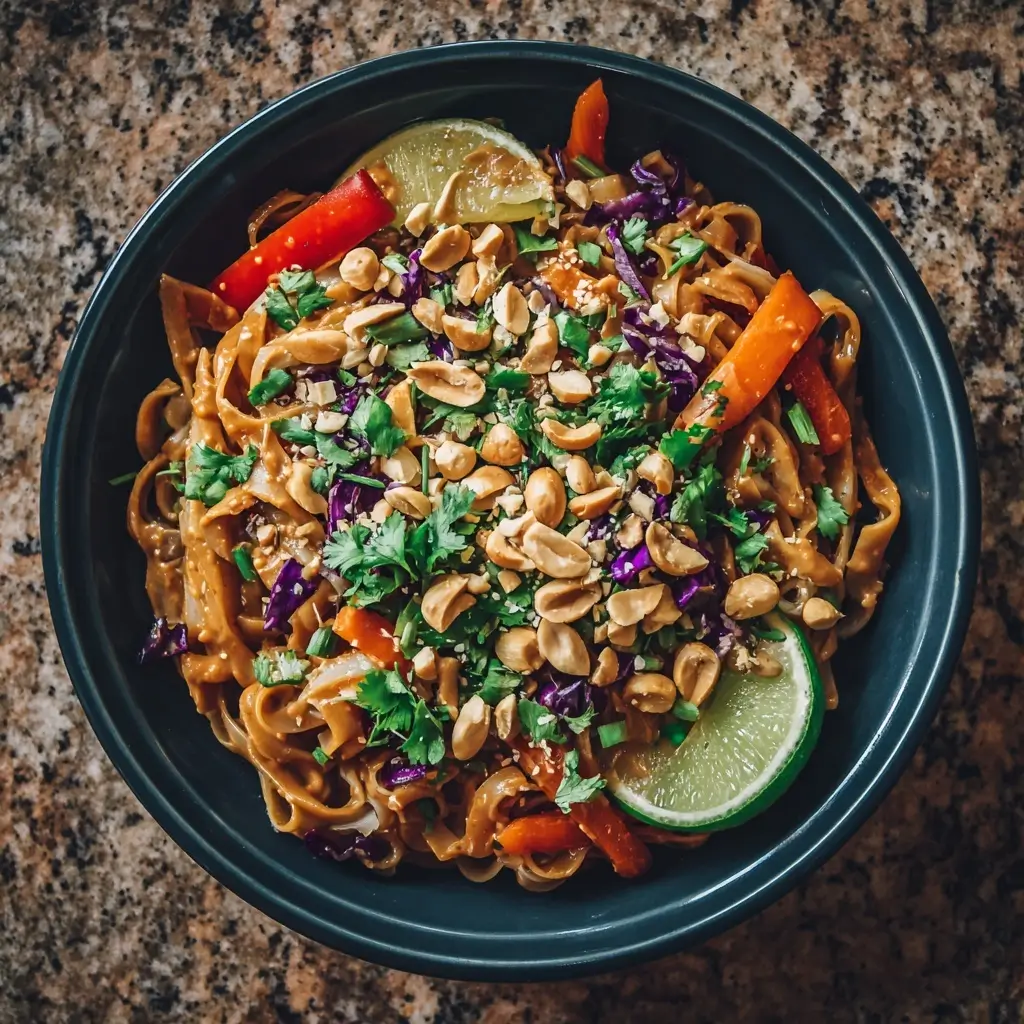
Spicy Peanut Noodle Bowls
Introduction
Spicy Peanut Noodle Bowls are a vibrant, satisfying dish that combines the rich creaminess of peanut butter with a fiery kick of heat, balanced by savory umami and tangy brightness. Whether you’re craving a quick weeknight dinner, a meal-prep favorite, or a comforting bowl after a long day, these noodles deliver bold flavor in every bite. Inspired by Southeast Asian cuisine—particularly Thai and Vietnamese influences—this dish has gained global popularity for its versatility, ease of preparation, and deep layers of taste. From busy professionals to college students, health enthusiasts to foodies, Spicy Peanut Noodle Bowls have become a modern classic, adaptable to dietary needs and personal preferences without sacrificing flavor.
The History
The origins of peanut-based noodle dishes trace back centuries across various Asian cultures, where peanuts have long been a staple ingredient. In Thailand, dishes like kuaitiao pad kapi incorporate fermented shrimp paste and ground peanuts, while Indonesian mie goreng often features peanut sauces and chili. Chinese Sichuan cuisine uses spicy, numbing flavors combined with nutty sauces, and Vietnamese cuisine blends herbs, lime, and peanuts in fresh rice paper rolls and salads. However, the modern Americanized version of Spicy Peanut Noodle Bowls emerged more recently, likely influenced by Thai-inspired street food trends in the late 20th century. As plant-based eating and fusion cuisine gained traction in the 2000s and 2010s, home cooks and restaurants alike began crafting simplified, customizable versions using accessible ingredients like smooth peanut butter, soy sauce, and rice noodles. Today, the dish is celebrated not only for its deliciousness but also for its cultural hybridity—a delicious example of how global flavors can come together in one unforgettable bowl.
Ingredients Breakdown
The magic of Spicy Peanut Noodle Bowls lies in the harmony of its components. Each ingredient plays a crucial role in building depth, texture, and balance:
- Peanut Butter: The star of the show. Use natural, unsweetened smooth peanut butter for a rich, authentic flavor without added sugars or hydrogenated oils. It provides creaminess, protein, and a nutty base for the sauce.
- Soy Sauce or Tamari: Adds saltiness and umami depth. Tamari is a gluten-free alternative with a slightly richer flavor.
- Rice Vinegar or Apple Cider Vinegar: Brings tanginess that cuts through the richness of the peanut butter, brightening the entire dish.
- Maple Syrup or Honey: A touch of sweetness balances the heat and acidity. Maple syrup keeps it vegan; honey adds floral notes.
- Sriracha or Chili Garlic Sauce: Delivers the signature heat. Adjust according to your spice tolerance—start small and build up.
- Garlic and Ginger: Freshly minced garlic and grated ginger add aromatic pungency and warmth, essential for authentic flavor.
- Sesame Oil: A few drops of toasted sesame oil enhance nuttiness and deepen the aroma.
- Lime Juice: Freshly squeezed lime juice adds citrusy zing and freshness, especially important when serving the dish cold or at room temperature.
- Noodles: Traditionally, rice noodles (like vermicelli or flat rice sticks) are used for a gluten-free option, but soba, udon, or even spaghetti work well depending on preference.
- Vegetables: Common additions include shredded carrots, sliced bell peppers, cucumber ribbons, scallions, bean sprouts, edamame, and kale. These add crunch, color, and nutrients.
- Protein (optional): Tofu, tempeh, chicken, shrimp, or boiled eggs can be added for a heartier meal.
- Garnishes: Chopped peanuts, cilantro, red pepper flakes, green onions, and sesame seeds elevate both flavor and presentation.
Step-by-Step Recipe
- Cook the Noodles: Prepare your chosen noodles according to package instructions. For rice noodles, soak them in hot water until tender (usually 6–8 minutes); for wheat-based noodles, boil in salted water. Once cooked, drain and rinse under cold water to stop cooking and prevent sticking. Toss with a tiny bit of neutral oil (like avocado or grapeseed) if not using immediately.
- Prepare the Sauce: In a medium bowl, whisk together 1/3 cup natural peanut butter, 3 tablespoons soy sauce (or tamari), 2 tablespoons rice vinegar, 1 tablespoon maple syrup, 1–2 teaspoons sriracha (adjust to taste), 1 clove minced garlic, 1 teaspoon grated fresh ginger, 1 tablespoon lime juice, and 1 teaspoon toasted sesame oil. Whisk vigorously until smooth. If the sauce is too thick, gradually add warm water (2–4 tablespoons) until it reaches a pourable consistency.
- Chop the Vegetables: While the noodles cook, slice or julienne your vegetables. Aim for thin, uniform pieces so they mix evenly into the noodles. Popular choices: carrots, red cabbage, bell peppers, cucumbers, scallions, and snap peas.
- Prepare Protein (if using): If adding tofu, press and cube extra-firm tofu, then pan-fry until golden. Marinate in a bit of the peanut sauce for extra flavor. For chicken or shrimp, cook separately with soy sauce, garlic, and ginger until done.
- Combine Everything: In a large mixing bowl, add the cooled noodles, prepared vegetables, and protein (if using). Pour the peanut sauce over the top and toss thoroughly until everything is evenly coated. Use tongs or two forks to ensure full coverage.
- Taste and Adjust: Sample the mixture. Need more heat? Add sriracha. Too thick? Add a splash of water. Not tangy enough? A squeeze of lime. Balance is key.
- Serve: Divide into bowls. Top generously with chopped roasted peanuts, fresh cilantro, sliced green onions, sesame seeds, and a wedge of lime on the side for squeezing.
Tips
- Use Fresh Ingredients: Fresh garlic, ginger, lime juice, and herbs make a noticeable difference compared to powdered or bottled substitutes.
- Don’t Overcook Noodles: Rice noodles can turn mushy quickly. Soak just until pliable and immediately rinse with cold water.
- Balance the Sauce: The ideal sauce should be creamy, spicy, sweet, salty, and tangy all at once. Taste as you go and adjust ratios accordingly.
- Make Ahead Friendly: This dish holds up beautifully in the fridge for up to 4 days, making it perfect for meal prep. Store sauce separately if possible and combine before eating.
- Add Crunch: Include raw veggies or top with crushed peanuts for textural contrast against the soft noodles.
- Dilute Smartly: If reheating leftovers, add a little water or coconut milk to loosen the sauce, which tends to thicken when chilled.
- Boost Flavor: A dash of fish sauce (even for non-vegan versions) or miso paste can deepen the umami profile significantly.
Variations and Customizations
One of the greatest strengths of Spicy Peanut Noodle Bowls is their adaptability. Here are some creative twists to keep the dish exciting:
- Vegan & Plant-Based: Stick to tofu, tempeh, edamame, or chickpeas as protein sources. Ensure peanut butter and sweetener are vegan-friendly.
- Gluten-Free: Use rice noodles, 100% buckwheat soba, or gluten-free pasta. Opt for tamari instead of soy sauce.
- Low-Carb/Keto Option: Replace noodles with spiralized zucchini (zoodles), shirataki noodles, or sautéed cabbage strips. Use a sugar-free sweetener like erythritol in the sauce.
- Thai-Inspired Version: Add lemongrass paste, coconut milk, and fresh basil to the sauce. Top with crushed cashews and mango slices.
- Korean Fusion: Swap sriracha for gochujang (Korean chili paste) and add kimchi on top. Garnish with nori strips.
- Mediterranean Twist: Use almond butter instead of peanut butter, add sun-dried tomatoes, olives, and feta cheese (if not vegan).
- Creamier Texture: Blend in a spoonful of Greek yogurt or coconut cream for extra silkiness.
- Nut-Free Alternative: Substitute peanut butter with sunflower seed butter or tahini (sesame paste), adjusting seasoning as needed.
- Breakfast Bowl: Add a fried egg on top—runny yolk mixes beautifully into the sauce.
- Curried Peanut Noodles: Stir in 1 teaspoon of curry powder or turmeric for an earthy, warm variation.
Health Considerations and Nutritional Value
Spicy Peanut Noodle Bowls can be both nutritious and indulgent, depending on ingredient choices and portion size. When made thoughtfully, this dish offers a balanced blend of macronutrients and essential micronutrients:
- Healthy Fats: Peanut butter contains monounsaturated and polyunsaturated fats, which support heart health and satiety.
- Protein: Peanuts, tofu, edamame, and other proteins help maintain muscle mass and keep you full longer.
- Fiber: Whole grain noodles, vegetables, and legumes contribute dietary fiber, aiding digestion and blood sugar control.
- Vitamins & Minerals: Carrots (vitamin A), spinach (iron, folate), bell peppers (vitamin C), and sesame seeds (calcium, magnesium) enrich the dish nutritionally.
- Low in Added Sugar: By using natural sweeteners like maple syrup in moderation, you avoid refined sugars commonly found in store-bought sauces.
Considerations:
- Allergies: Peanuts are a common allergen. Always label dishes clearly if serving others. Sunflower seed butter is a safe alternative.
- Sodium Content: Soy sauce can be high in sodium. Use low-sodium versions or reduce quantity by boosting flavor with garlic, ginger, and citrus.
- Calorie Density: Peanut butter is calorie-rich. Use measured portions—2–3 tablespoons per serving is usually sufficient.
- Balanced Meal: Pair with a side salad or steamed greens to increase volume and nutrient diversity without excess calories.
A typical serving (without added meat) ranges from 450–600 calories, with approximately 20g fat, 50g carbohydrates, 15g protein, and 6–8g fiber—making it a well-rounded option for active individuals.
Ingredients
- 8 oz (225g) rice noodles (or preferred noodle)
- 1/3 cup natural smooth peanut butter (unsweetened)
- 3 tbsp soy sauce or tamari (low-sodium optional)
- 2 tbsp rice vinegar or apple cider vinegar
- 1 tbsp pure maple syrup or honey
- 1–2 tsp sriracha (or to taste)
- 1 clove garlic, finely minced
- 1 tsp fresh ginger, grated
- 1 tbsp fresh lime juice
- 1 tsp toasted sesame oil
- 2–4 tbsp warm water (for thinning sauce)
- 1 cup shredded carrots
- 1 cup thinly sliced red cabbage or bell pepper
- 1/2 cucumber, julienned
- 1/2 cup bean sprouts
- 1/4 cup chopped scallions
- Optional protein: 1 cup cubed tofu, cooked chicken, shrimp, or edamame
- Garnishes: Chopped roasted peanuts, fresh cilantro, sesame seeds, red pepper flakes, lime wedges
Directions
- Cook the noodles according to package directions. Drain, rinse under cold water, and set aside.
- In a medium bowl, whisk together peanut butter, soy sauce, vinegar, maple syrup, sriracha, garlic, ginger, lime juice, and sesame oil until smooth.
- Gradually add warm water, one tablespoon at a time, until the sauce reaches a creamy, drizzling consistency.
- In a large bowl, combine cooled noodles, carrots, cabbage, cucumber, bean sprouts, scallions, and any chosen protein.
- Pour the sauce over the noodle mixture and toss well to coat evenly.
- Taste and adjust seasoning—add more sriracha for heat, lime for acidity, or sweetener for balance.
- Divide into serving bowls and top with chopped peanuts, cilantro, sesame seeds, and a sprinkle of red pepper flakes.
- Serve immediately with lime wedges on the side for squeezing. Enjoy warm, at room temperature, or chilled!
FAQ
Can I make this recipe ahead of time?
Yes! This dish is excellent for meal prep. Store components separately: keep sauce in a jar, noodles and veggies in containers. Combine and toss just before eating for best texture.
Why is my sauce too thick?
Peanut butter hardens when chilled. Thin the sauce with warm water, broth, or coconut milk until pourable. You can also gently warm the sauce before mixing.
Are there nut-free alternatives?
Absolutely. Try sunflower seed butter, soy nut butter, or tahini (sesame paste). Note: tahini has a stronger flavor, so you may need to adjust sweet and sour elements.
Can I use crunchy peanut butter?
Yes, but it will change the texture. Smooth peanut butter creates a silkier sauce, while crunchy adds grit. Blend it first if you want smoothness with peanut bits.
How long do leftovers last?
Stored in an airtight container in the refrigerator, the assembled dish will keep for 3–4 days. Add fresh garnishes when serving.
Is this dish spicy?
It depends on how much sriracha or chili you add. Start with 1 teaspoon and increase to taste. For mild versions, omit or use smoked paprika for flavor without heat.
Can I freeze this dish?
Not recommended. Noodles tend to become soggy upon thawing, and fresh vegetables lose their crunch. Best enjoyed fresh or refrigerated short-term.
What noodles work best?
Rice noodles are traditional and gluten-free. Soba adds an earthy flavor, udon brings chewiness, and whole wheat pasta offers more fiber. Choose based on dietary needs and texture preference.
Summary
Spicy Peanut Noodle Bowls are a flavorful, versatile dish that blends creamy peanut sauce with zesty, spicy, and savory notes over tender noodles and crisp vegetables. Easy to customize and perfect for meal prep, this bowl satisfies cravings while supporting a balanced, wholesome diet.