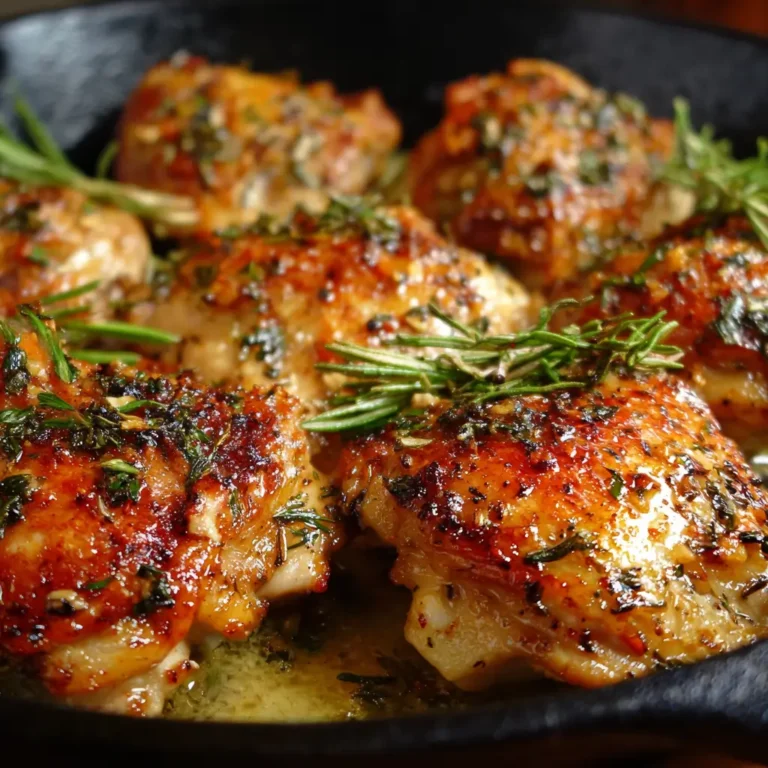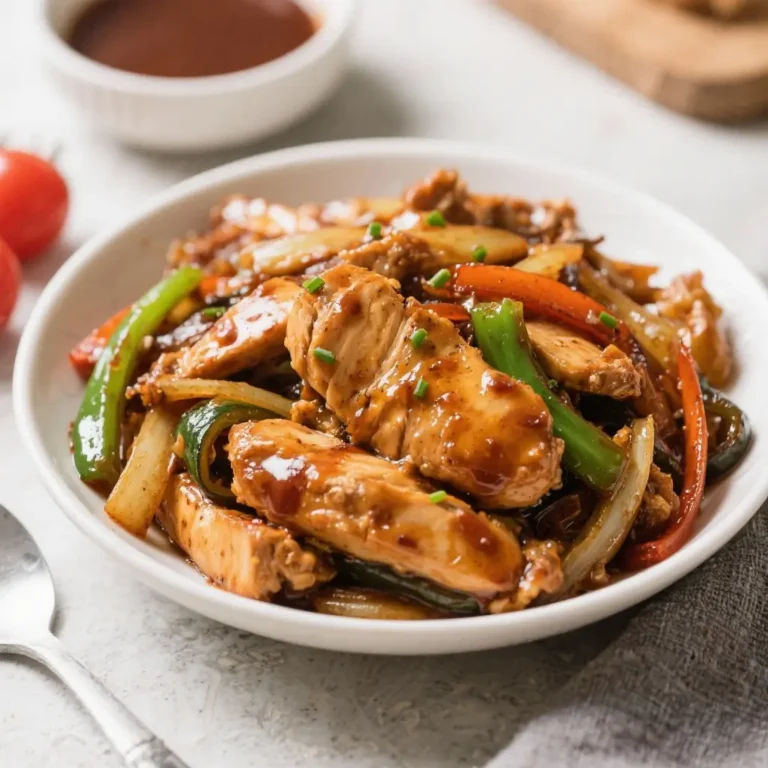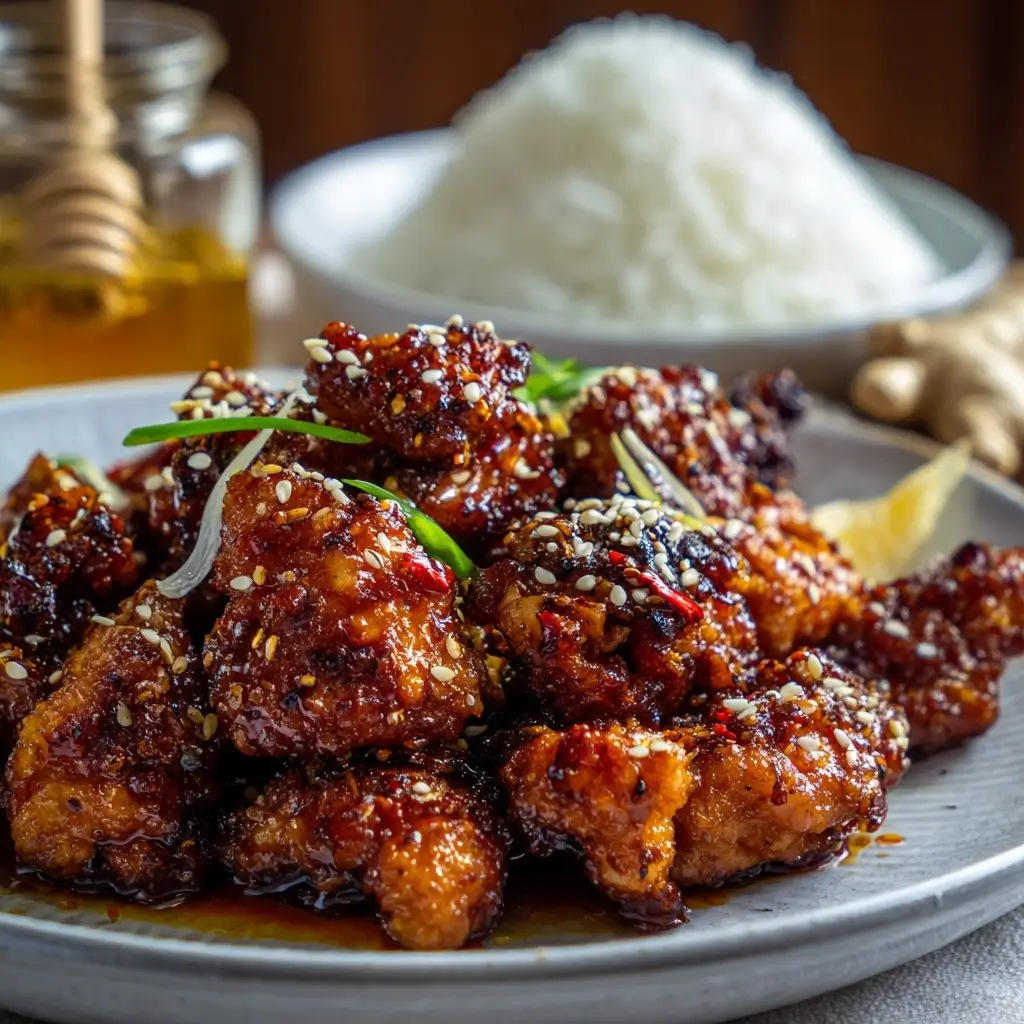
Spicy Honey Garlic Chicken
Spicy Honey Garlic Chicken: A Flavor-Packed Delight
The History of Spicy Honey Garlic Chicken
The origins of Spicy Honey Garlic Chicken can be traced back to the fusion of Asian and Western culinary traditions, particularly emerging from Chinese-American cuisine. While traditional Chinese cooking has long celebrated the balance of sweet, sour, salty, and umami flavors, the addition of heat through chili elements is a hallmark of regional dishes across Sichuan, Hunan, and other provinces known for their bold palates. The honey garlic component likely gained popularity in North America during the mid-20th century, when Chinese restaurants began adapting their recipes to suit local tastes—incorporating sweeter profiles and more accessible ingredients.
Over time, chefs and home cooks alike began experimenting by adding spicy elements such as chili flakes, sriracha, or fresh chilies to classic honey garlic chicken, transforming it into a more dynamic and fiery dish. This evolution reflects broader global food trends where heat and sweetness are combined for a complex flavor experience—seen also in dishes like Korean gochujang-glazed ribs or Thai sticky chicken wings. Today, Spicy Honey Garlic Chicken stands as a beloved comfort meal that bridges cultures, offering an irresistible combination of sticky-sweet glaze, pungent garlic, and a lingering kick of heat that keeps diners coming back for more.
Ingredients Breakdown
Understanding each ingredient’s role enhances both preparation and appreciation of this vibrant dish:
- Chicken (boneless, skinless thighs or breasts): Thighs are preferred for their juiciness and ability to hold up under high-heat cooking and saucy finishes. Breasts offer a leaner option but require careful timing to avoid drying out.
- Honey: Adds natural sweetness and helps create a glossy, caramelized glaze. It also aids in browning during searing or baking.
- Garlic (freshly minced): The star aromatic, providing depth and pungency. Fresh garlic delivers a sharper bite compared to powdered versions.
- Soy sauce: Contributes saltiness and umami, balancing the sweetness while enhancing overall savoriness.
- Rice vinegar or apple cider vinegar: Introduces acidity to cut through richness and brighten the sauce profile.
- Sriracha or chili garlic sauce: Brings heat and additional garlicky notes. Adjust quantity based on desired spice level.
- Red pepper flakes: Offer a dry heat with a subtle smokiness; perfect for layering spiciness throughout the dish.
- Ginger (freshly grated): Complements garlic with warm, citrusy undertones, common in Asian-inspired sauces.
- Cornstarch: Used to thicken the sauce into a luscious, clingy glaze rather than a runny liquid.
- Olive oil or vegetable oil: For sautéing chicken and garlic without burning, ensuring even browning.
- Sesame oil (optional): A few drops at the end add nutty aroma and authentic East Asian flair.
- Green onions and sesame seeds (for garnish): Provide freshness, color contrast, and textural interest.
Optional additions include pineapple juice for extra sweetness and tang, lime zest for brightness, or hoisin sauce for deeper complexity.
Step-by-Step Recipe
- Prep the Chicken: Cut 1.5 lbs (700g) of boneless, skinless chicken thighs or breasts into bite-sized pieces. Pat dry with paper towels to ensure proper browning. Season lightly with salt and black pepper.
- Make the Sauce: In a medium bowl, whisk together ½ cup honey, ¼ cup soy sauce, 2 tablespoons rice vinegar, 1 tablespoon sriracha (adjust to taste), 1 teaspoon red pepper flakes, 3 minced garlic cloves, 1 tablespoon freshly grated ginger, and 1 teaspoon cornstarch until smooth. Set aside.
- Sear the Chicken: Heat 2 tablespoons of oil in a large skillet or wok over medium-high heat. Add chicken in a single layer (work in batches if needed) and cook for 5–6 minutes per side until golden brown and cooked through (internal temperature should reach 165°F / 74°C). Remove and set aside.
- Sauté Aromatics: Reduce heat to medium. Add another teaspoon of oil if needed, then stir in 2 additional cloves of minced garlic. Cook for 30 seconds until fragrant—do not let it burn.
- Create the Glaze: Pour the prepared sauce into the pan. Bring to a simmer, stirring constantly. Allow it to bubble gently for 2–3 minutes until slightly thickened and glossy.
- Combine Chicken and Sauce: Return the cooked chicken to the skillet, tossing to coat evenly. Continue cooking for 2–3 minutes, allowing the chicken to absorb the flavors and the sauce to reduce further into a sticky coating.
- Finish and Serve: Drizzle with ½ teaspoon toasted sesame oil (optional), sprinkle with sliced green onions and toasted sesame seeds. Serve immediately over steamed jasmine rice, quinoa, or cauliflower rice.
Tips for Perfect Spicy Honey Garlic Chicken
- Don’t overcrowd the pan: When searing chicken, spacing ensures proper browning instead of steaming, which leads to better texture and flavor development.
- Use fresh garlic and ginger: Pre-minced or jarred versions lack the vibrancy and punch needed for balanced heat and aroma.
- Adjust spice gradually: Start with less sriracha or red pepper flakes—you can always add more later. Taste the sauce before adding chicken.
- Thicken properly: If the sauce seems too thin after combining with chicken, mix ½ teaspoon cornstarch with 1 tablespoon water and stir into the simmering sauce.
- Rest the chicken: Letting the chicken sit in the sauce off heat for 5 minutes allows deeper flavor absorption.
- Bake for crispier results: For oven-baked version, toss chicken in 1 tbsp oil, season, and bake at 400°F (200°C) for 20–25 minutes before tossing in sauce and broiling for 2–3 minutes for caramelization.
- Double the batch: This sauce freezes well and can be stored for future quick meals.
Variations and Customizations
This recipe is highly adaptable to dietary needs and flavor preferences:
- Vegetarian/Vegan Option: Substitute chicken with tofu, tempeh, or seitan. Use maple syrup or agave nectar instead of honey and ensure soy sauce is gluten-free or tamari-based.
- Low-Sugar Version: Replace half the honey with monk fruit sweetener or use sugar-free maple syrup alternative; reduce overall sweetener and boost umami with extra soy sauce or miso paste.
- Keto-Friendly Adaptation: Use erythritol-based honey substitute (like KetoFlow), increase healthy fats with avocado oil, and serve over zucchini noodles or broccoli rice.
- Pineapple Twist: Add ¼ cup pineapple juice to the sauce and include diced pineapple during final toss for tropical flair.
- Extra Crispy Style: Coat chicken pieces in cornstarch before frying for a tempura-like crunch before saucing.
- Slow Cooker Method: Combine raw chicken and sauce in a slow cooker; cook on low for 4–5 hours, then thicken sauce on stove afterward.
- Grilled Version: Marinate chicken in half the sauce, grill until charred and juicy, then brush with remaining heated sauce before serving.
- Noodle Bowl Upgrade: Toss with soba, udon, or rice noodles and stir-fried vegetables like bell peppers, snap peas, and carrots.
Health Considerations and Nutritional Value
Per serving (based on 4 servings, chicken thighs, served with ½ cup white rice):
- Calories: ~420 kcal
- Protein: 32g – Excellent source of lean protein essential for muscle repair and satiety.
- Fat: 12g – Mostly unsaturated from oils and natural fats in chicken thighs; moderate saturated fat content.
- Carbohydrates: 48g – Primarily from honey and rice; includes natural sugars and some fiber depending on sides.
- Sodium: ~900mg – Relatively high due to soy sauce; consider reduced-sodium soy sauce for lower intake.
- Vitamins & Minerals: Good source of B-vitamins (especially B6 and niacin), selenium, phosphorus, and small amounts of iron and zinc.
Considerations:
- Sugar Content: Honey contributes significant natural sugars (~25g per serving). Diabetics or those managing blood sugar should consume in moderation or modify with low-glycemic alternatives.
- Sodium Management: To reduce sodium, use low-sodium soy sauce, coconut aminos, or dilute regular soy sauce with water.
- Balanced Meal Pairing: Serve with steamed vegetables (broccoli, bok choy, snow peas) or a fresh salad to boost fiber, vitamins, and antioxidants.
- Allergens: Contains soy and potential sesame (if using sesame oil/seeds). Ensure all ingredients are safe for individuals with allergies.
- Portion Control: While delicious, the rich sauce can lead to overeating. Stick to recommended portions and use extra sauce sparingly.
Full Ingredient List
- 1.5 lbs (700g) boneless, skinless chicken thighs or breasts, cut into 1-inch cubes
- 3 tablespoons olive oil or neutral vegetable oil, divided
- 5 cloves garlic, minced (divided)
- 1 tablespoon fresh ginger, grated
- ½ cup honey (or substitute)
- ¼ cup soy sauce (low-sodium preferred)
- 2 tablespoons rice vinegar (or apple cider vinegar)
- 1 tablespoon sriracha (adjust to taste)
- 1 teaspoon red pepper flakes (optional, for extra heat)
- 1 teaspoon cornstarch + 1 tablespoon water (slurry, for thickening)
- ½ teaspoon toasted sesame oil (optional)
- Salt and freshly ground black pepper, to taste
- 2 green onions, thinly sliced (for garnish)
- 1 tablespoon sesame seeds (for garnish)
- Cooked rice or noodles, for serving
Detailed Directions
- Prepare Ingredients: Cut chicken into uniform pieces for even cooking. Mince garlic, grate ginger, slice green onions, and measure all sauce components ahead of time (mise en place).
- Season Chicken: Lightly season chicken with salt and pepper. Heat 2 tablespoons oil in a large non-stick skillet or wok over medium-high heat.
- Sear Chicken: Once oil shimmers, add chicken in a single layer. Cook undisturbed for 4–5 minutes until golden brown on one side. Flip and cook another 4–5 minutes until fully cooked. Transfer to a plate and cover loosely with foil.
- Sauté Garlic: Reduce heat to medium. Add remaining 1 teaspoon oil and 2 cloves minced garlic. Stir constantly for 20–30 seconds until fragrant but not browned.
- Mix Sauce: In a bowl, combine honey, soy sauce, vinegar, sriracha, red pepper flakes, remaining 3 cloves garlic, grated ginger, and cornstarch. Whisk thoroughly until no lumps remain.
- Cook Sauce: Pour sauce into the skillet with garlic. Simmer gently for 2–3 minutes, stirring frequently, until bubbles form and sauce begins to thicken slightly.
- Thicken Further (if needed): If sauce isn’t thick enough, mix cornstarch slurry (1 tsp cornstarch + 1 tbsp water) and stir into sauce. Simmer another 1–2 minutes until glossy and coating the back of a spoon.
- Reintroduce Chicken: Return chicken and any accumulated juices to the skillet. Stir well to coat every piece. Cook for 2–3 minutes, letting the chicken soak up the sauce and reheat completely.
- Final Touches: Remove from heat. Stir in sesame oil (if using). Taste and adjust seasoning—add more honey for sweetness, sriracha for heat, or vinegar for acidity.
- Serve: Garnish generously with green onions and sesame seeds. Serve hot over your choice of grain or noodle base. Leftovers keep refrigerated for up to 4 days.
Frequently Asked Questions (FAQ)
- Can I make this ahead of time?
- Absolutely! Prepare the sauce up to 3 days in advance and store in an airtight container in the fridge. Cook chicken fresh when ready to serve for best texture. Reheat sauce gently before combining.
- How do I store leftovers?
- Store cooled leftovers in an airtight container in the refrigerator for up to 4 days. Reheat in a skillet over medium heat to preserve texture, or microwave in short intervals stirring between.
- Can I freeze Spicy Honey Garlic Chicken?
- Yes. Freeze in portioned containers for up to 3 months. Thaw overnight in the fridge and reheat on the stove, adding a splash of water or broth to loosen the sauce if needed.
- Why is my sauce too thin/thick?
- If too thin, simmer longer or add a cornstarch slurry. If too thick, thin with 1–2 tablespoons water, broth, or rice vinegar until desired consistency.
- Is this recipe gluten-free?
- Only if you use tamari or certified gluten-free soy sauce. Regular soy sauce contains wheat. Also check labels on sriracha and honey for cross-contamination if necessary.
- What can I substitute for honey?
- Maple syrup, agave nectar, brown rice syrup, or date syrup work as substitutes. For keto diets, use a 1:1 sugar-free honey alternative.
- Can I use frozen chicken?
- It’s best to thaw chicken fully before cooking to ensure even searing and prevent excess moisture. Partially frozen chicken may steam instead of brown.
- How spicy is this dish?
- It depends on your additions. With 1 tbsp sriracha and 1 tsp red pepper flakes, it’s moderately spicy. Omit or reduce these for mild versions, or double them for extreme heat lovers.
- Can I bake this instead of stovetop?
- Yes! Toss chicken with oil and seasonings, bake at 400°F (200°C) for 20 minutes, flip, brush with sauce, and bake another 10 minutes. Broil 2–3 minutes for glaze shine.
- What sides go well with this dish?
- Steamed jasmine or basmati rice, fried rice, quinoa, mashed sweet potatoes, stir-fried vegetables, cucumber salad, kimchi, or a simple Asian slaw.
Summary
Spicy Honey Garlic Chicken combines succulent chicken with a sticky-sweet, garlicky glaze spiked with just the right amount of heat—an irresistible blend of comfort and excitement in every bite.
Easily customizable, family-friendly, and packed with bold flavors, this versatile dish transitions seamlessly from weeknight dinners to dinner parties with minimal effort and maximum impact.