Introduction
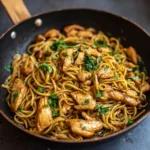
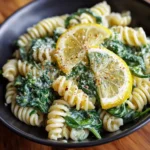
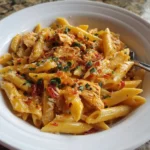
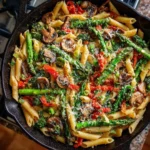
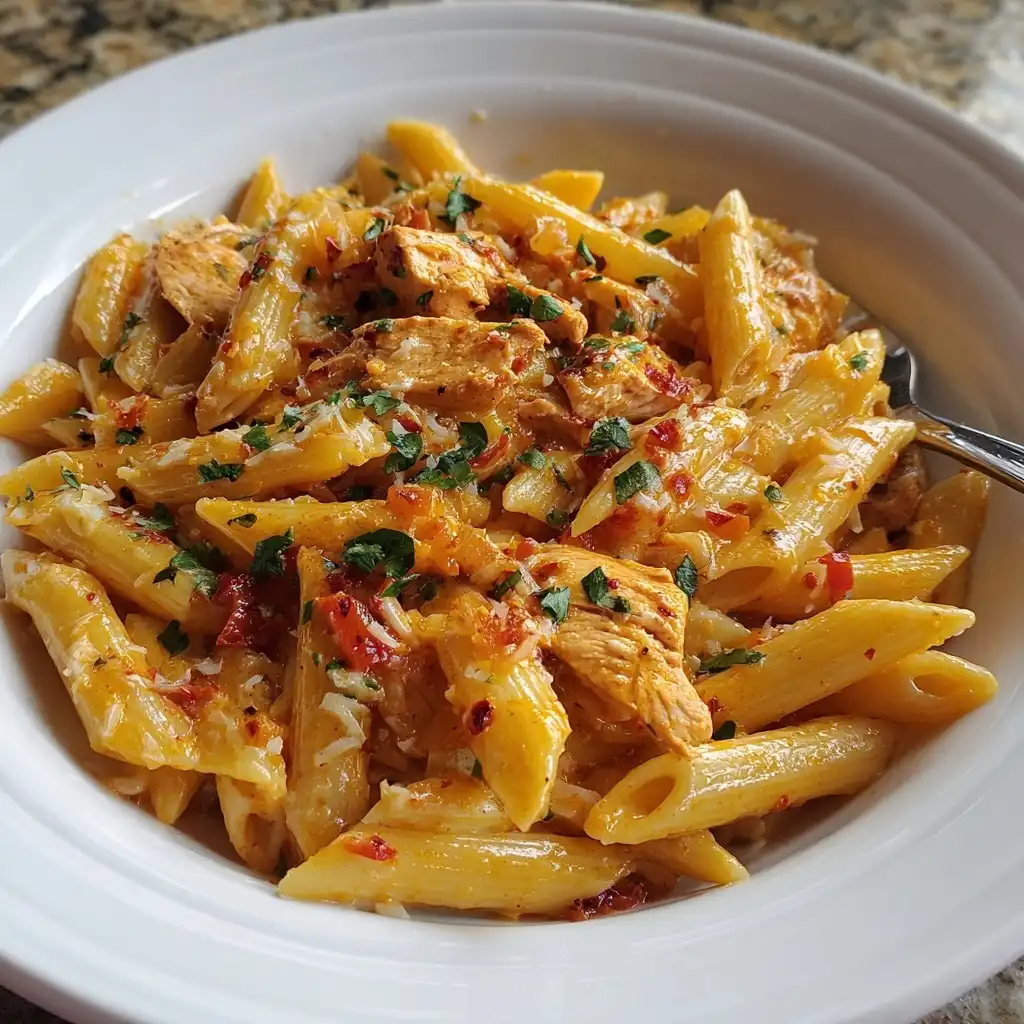
Spicy Chipotle Chicken Pasta is a bold, smoky, and deeply flavorful weeknight favorite that marries the fiery warmth of chipotle peppers with tender, perfectly seasoned chicken and creamy, al dente pasta. This dish strikes an irresistible balance—robust enough to satisfy spice lovers, yet approachable and comforting thanks to its rich, velvety sauce and aromatic herb finish. Whether you’re meal prepping for busy days, hosting a casual dinner party, or simply craving something soul-warming and restaurant-worthy at home, this recipe delivers complexity without compromise. Its vibrant color, layered heat, and satisfying textures make it as visually stunning as it is delicious—transforming humble pantry staples into a standout culinary experience.
The History
Chipotle peppers—smoked, dried jalapeños—trace their origins to pre-Hispanic Mesoamerica, where indigenous peoples developed smoke-drying techniques to preserve chiles and intensify flavor. The word “chipotle” itself derives from the Nahuatl chilpoctli, meaning “smoked chili.” While traditional Mexican preparations often featured chipotles in adobos, salsas, and stews, the fusion into American-Italian cuisine emerged gradually through late 20th-century culinary cross-pollination. As global ingredients became more accessible and chefs began experimenting beyond regional boundaries, chipotle’s distinctive smokiness found natural synergy with creamy pasta sauces—particularly in California and Texas, where Southwestern and Tex-Mex influences intersected with Italian-American comfort food traditions. By the early 2000s, chipotle-infused dishes appeared on mainstream menus nationwide, and home cooks quickly adopted the technique for its depth, ease, and versatility. Spicy Chipotle Chicken Pasta evolved not as a single “authentic” dish but as a modern, adaptable expression of global pantry integration—honoring ancestral preservation methods while celebrating contemporary creativity in the kitchen.
Ingredients Breakdown
Every element in this recipe serves a distinct purpose—from building foundational flavor to adding textural contrast and balancing heat. Let’s explore each component in detail:
- Chicken Breast or Thighs: Boneless, skinless chicken breasts offer lean protein and mild flavor, ideal for absorbing bold seasonings. For richer taste and superior moisture retention—especially important when grilling or pan-searing—chicken thighs are highly recommended. Their higher fat content prevents dryness and enhances mouthfeel in the final dish.
- Chipotle Peppers in Adobo Sauce: The heart and soul of the recipe. These smoked jalapeños are packed in a tangy, slightly sweet, and deeply savory adobo sauce made from tomatoes, vinegar, garlic, oregano, and spices. A single pepper delivers pronounced smokiness and medium-to-high heat; the sauce contributes layers of umami and acidity. Always use whole peppers—not powdered chipotle—to achieve authentic depth.
- Heavy Cream or Full-Fat Coconut Milk (for dairy-free): Provides luxurious body and mellows spice. Heavy cream yields a classic, velvety texture; coconut milk adds subtle sweetness and works beautifully for vegan or lactose-intolerant adaptations. Avoid low-fat or ultra-pasteurized versions—they can curdle or lack richness.
- Fresh Garlic & Onion: Sautéed until fragrant and translucent, they form the aromatic base. Yellow onions offer balanced sweetness and structure; red onions add sharper notes if preferred. Garlic must be freshly minced—not powdered—for optimal pungency and complexity.
- Pasta: Long cuts like linguine, spaghetti, or fettuccine cling well to creamy sauces, while short shapes like penne, fusilli, or casarecce trap smoky bits and hold up to bold flavors. Use bronze-die extruded pasta for superior sauce adhesion and al dente resilience.
- Fresh Lime Juice & Zest: Critical for brightness and balance. Lime juice cuts through richness and lifts smoky notes; zest adds essential citrus oils that amplify aroma without excess acidity.
- Fresh Cilantro: Adds a bright, herbal counterpoint. Though optional for those with the cilantro aversion gene (a genetic trait affecting ~10–15% of the population), its freshness harmonizes beautifully with chipotle’s earthiness.
- Smoked Paprika: Reinforces the smoky profile without adding heat—especially helpful when using milder chipotles or adjusting spice levels for sensitive palates.
- High-Quality Olive Oil or Avocado Oil: Used for searing chicken and sautéing aromatics. Choose extra-virgin olive oil for finishing drizzle; use refined avocado oil (high smoke point) for high-heat cooking.
- Salt, Black Pepper, and Optional Sweetener: Kosher salt enhances all flavors; freshly cracked black pepper adds gentle warmth. A pinch of brown sugar or pure maple syrup (¼ tsp) can round out acidity in the adobo sauce—especially useful if your chipotle batch is particularly tart.
Step-by-Step Recipe
- Prep & Marinate (15–30 minutes): Slice chicken into uniform ½-inch strips or bite-sized cubes. In a bowl, combine 1 tbsp adobo sauce (from the chipotle can), 1 tsp smoked paprika, 1 minced garlic clove, ½ tsp cumin, ½ tsp onion powder, ½ tsp kosher salt, and ¼ tsp black pepper. Add chicken and toss thoroughly. Refrigerate for at least 15 minutes—or up to 2 hours—for deeper flavor infusion.
- Cook Pasta Al Dente (10–12 minutes): Bring 4–6 quarts of well-salted water (2 tbsp salt per gallon) to a rolling boil. Add pasta and cook 1–2 minutes less than package instructions indicate. Reserve 1 cup of starchy pasta water before draining—this liquid is essential for emulsifying the sauce later.
- Toast & Bloom Spices (2 minutes): In a large, heavy-bottomed skillet or Dutch oven, heat 1 tbsp oil over medium heat. Add ½ tsp cumin seeds and ½ tsp coriander seeds. Toast 60–90 seconds until fragrant and lightly golden. Remove and grind coarsely—or skip toasting and add ground versions directly in Step 4.
- Sauté Aromatics (3–4 minutes): In the same pan, add another 1 tbsp oil. Sauté 1 finely diced yellow onion until soft and translucent (~4 minutes). Add 3 minced garlic cloves and 1 tsp grated fresh ginger (optional, for added zing) and cook 60 seconds until fragrant—do not brown.
- Incorporate Chipotle Base (2 minutes): Stir in 2–3 finely chopped chipotle peppers (adjust to taste) and 1–2 tbsp reserved adobo sauce. Cook, stirring constantly, for 90 seconds to deepen flavor and mellow raw heat. Add 1 tsp smoked paprika and stir 30 seconds more to bloom spices.
- Seared Chicken Integration (6–8 minutes): Push aromatics to one side. Increase heat to medium-high. Add marinated chicken in a single layer—do not overcrowd. Sear undisturbed 2–3 minutes per side until golden brown and cooked through (internal temp 165°F). Then stir everything together and cook 1 additional minute to meld flavors.
- Create the Creamy Sauce (4–5 minutes): Reduce heat to low. Pour in ¾ cup heavy cream (or full-fat coconut milk) and ¼ cup whole milk or unsweetened almond milk for silkiness. Simmer gently—do not boil vigorously—for 3 minutes, stirring occasionally. Sauce should thicken slightly and coat the back of a spoon.
- Combine Pasta & Finish (3 minutes): Add drained pasta to the skillet. Toss vigorously over low heat for 60–90 seconds. Gradually add reserved pasta water, 2 tbsp at a time, until sauce becomes glossy, cohesive, and clings luxuriously to each strand. Stir in juice of 1 lime (2 tbsp), 1 tsp lime zest, ¼ cup chopped fresh cilantro, and a final drizzle of olive oil.
- Taste & Adjust (1 minute): Season with additional salt, black pepper, or a pinch of brown sugar if needed. For extra heat, add a few drops of chipotle hot sauce. For brightness, a splash of fresh orange juice (½ tsp) works wonders.
- Rest & Serve (2 minutes): Remove from heat. Let rest 2 minutes—this allows starches to fully hydrate and sauce to settle. Garnish generously with crumbled queso fresco or cotija cheese, extra cilantro, lime wedges, and a dusting of smoked paprika.
Tips
- Selecting Chipotles: Look for cans with thick, glossy, brick-red adobo sauce—not watery or separated. If your chipotles are overly spicy, rinse them under cold water before chopping to reduce capsaicin content.
- Chicken Texture Secret: For supremely tender chicken, brine slices in 1 cup cold water + 1 tbsp salt + 1 tsp sugar for 15 minutes before marinating—then pat *extremely* dry before searing.
- Prevent Sauce Splitting: Never let cream-based sauces reach a full boil after dairy is added. Maintain gentle simmer (<185°F). If sauce separates, whisk in 1 tsp cold cream or a teaspoon of Dijon mustard to re-emulsify.
- Pasta Water Is Non-Negotiable: That starchy liquid contains amylose—a natural thickener that binds fat and water molecules. Skipping it results in greasy, broken sauce.
- Make-Ahead Friendly: Cook chicken and sauce separately up to 3 days ahead. Reheat gently on stove with splash of broth before combining with freshly cooked pasta.
- Freezing Notes: Freeze *only* the sauce (without pasta or dairy-heavy additions) for up to 3 months. Thaw overnight in fridge and reheat slowly, then stir in fresh pasta and garnishes.
- Restaurant-Level Finish: Finish with flaky sea salt (like Maldon) and micro-cilantro or radish sprouts for visual elegance and nuanced flavor bursts.
- Low-Carb Option: Swap pasta for spiralized zucchini (“zoodles”), shirataki noodles, or roasted spaghetti squash. Add zoodles in the last 60 seconds of cooking to avoid sogginess.
Variations and Customizations
This recipe is inherently flexible—designed to adapt to dietary needs, seasonal produce, pantry limitations, and personal preferences. Here are 12 creative, tested variations:
- Vegetarian Chipotle “Chick’n” Pasta: Replace chicken with 1½ cups baked or air-fried tofu cubes (pressed & marinated in soy sauce + adobo), tempeh strips, or king oyster mushroom “scallops” sliced lengthwise and seared until golden.
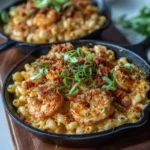
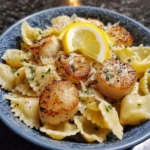
- Seafood Infusion: Substitute chicken with 12 oz wild-caught shrimp (peeled/deveined) or scallops. Sear 1–2 minutes per side—add *after* sauce is made to prevent overcooking.
- Roasted Vegetable Boost: Toss 2 cups diced sweet potato, cauliflower florets, or bell peppers with olive oil, salt, and smoked paprika. Roast at 425°F for 25 minutes, then fold in at the end.
- Mexican Street Corn Style: Stir in 1 cup grilled or roasted corn kernels, 2 tbsp crumbled cotija, 1 tbsp mayo or Greek yogurt, and ½ tsp chili-lime seasoning.
- Green Goddess Twist: Blend ½ cup fresh spinach, ¼ avocado, 1 tbsp pepitas, and 1 tbsp lime juice into the sauce for a nutrient-dense, verdant variation.
- Breakfast Pasta Remix: Add 4 soft-poached eggs on top just before serving—and a sprinkle of crumbled chorizo for brunch appeal.
- Umami Bomb Version: Stir in 1 tsp white miso paste + 1 tsp tamari + ½ tsp toasted sesame oil for deep savory complexity.
- Slow Cooker Adaptation: Combine raw chicken, chipotles, adobo, garlic, onion, ½ cup chicken broth, and spices in slow cooker. Cook on LOW 4 hours. Shred, strain liquid, reduce on stove, then mix with cooked pasta and cream.
- Instant Pot Shortcut: Sauté aromatics and chipotles using SAUTÉ function. Add chicken + ½ cup broth, seal, cook on HIGH pressure 6 minutes. Quick release, shred, stir in cream + pasta + lime, and use WARM function to combine.
- Kid-Friendly Mild Version: Omit chipotles entirely. Use 1 tbsp chipotle powder (mild variety) + 1 tsp maple syrup + extra lime zest. Serve with cool avocado crema on the side.
- Gluten-Free Mastery: Use certified GF pasta (brown rice, lentil, or chickpea-based). Ensure adobo sauce contains no wheat-derived vinegar or thickeners—check labels carefully.
- Meal Prep Power Bowl: Layer sauce + chicken + pasta in containers. Top separately with pickled red onions, jicama matchsticks, and lime-cilantro vinaigrette. Assemble day-of for maximum crunch and freshness.
Health Considerations and Nutritional Value
A 1¾-cup serving (approx. 425g) of Spicy Chipotle Chicken Pasta—prepared with whole-grain penne, skinless chicken breast, and moderate cream—offers a well-rounded nutritional profile:
- Calories: ~580–640 kcal (varies by pasta type, cream volume, and oil usage)
- Protein: 32–38g — supports muscle maintenance, satiety, and metabolic health. Chicken provides all nine essential amino acids.
- Healthy Fats: 22–26g — primarily monounsaturated (from olive oil) and saturated (from dairy). Omega-3s are minimal unless using pasture-raised chicken or adding flaxseed garnish.
- Carbohydrates: 58–64g — mostly complex carbs from pasta, with 4–6g dietary fiber (higher with whole-grain or legume pasta).
- Vitamins & Minerals: Excellent source of Vitamin B6 (chicken), Vitamin C (lime), iron (chipotle adobo + spinach variation), and calcium (if using fortified pasta or cheese garnish). Chipotles themselves provide capsaicin—a compound studied for anti-inflammatory, metabolism-boosting, and pain-relieving properties.
Dietary Notes:
- Lower-Calorie Option: Swap half the cream for low-sodium chicken broth + 2 tbsp cashew butter (soaked & blended) for creaminess without excess fat.
- Dairy-Free/Vegan: Use canned coconut milk (full-fat, BPA-free), nutritional yeast instead of cheese, and lime-cashew crema for finishing.
- Low-Sodium Adaptation: Rinse canned chipotles, use low-sodium broth, omit added salt, and rely on herbs, citrus, and smoked paprika for flavor.
- Gut Health Boost: Stir in 2 tbsp fermented vegetables (kimchi or sauerkraut) at the end for probiotics and enzymatic support.
- Allergen Alert: Naturally nut-free and soy-free (unless using tofu/tempeh variations). Always verify adobo sauce ingredients for hidden gluten, soy, or sulfites.
Mindful Enjoyment: While flavorful, moderation matters—especially regarding sodium (from adobo and cheese) and saturated fat (from cream). Pair with a large side salad dressed in lime vinaigrette to increase volume, fiber, and micronutrient density without added calories.
Ingredients
- 1½ lbs boneless, skinless chicken breasts or thighs, cut into ½-inch strips
- 2–3 chipotle peppers in adobo sauce, finely chopped (plus 1–2 tbsp adobo sauce)
- 1 tbsp smoked paprika (sweet or hot, to preference)
- 1½ tsp ground cumin
- 1 tsp garlic powder
- 1 tsp onion powder
- 1½ tsp kosher salt, divided
- ½ tsp freshly ground black pepper
- ¼ tsp cayenne pepper (optional, for extra heat)
- 3 tbsp high-quality olive oil or avocado oil, divided
- 1 large yellow onion, finely diced
- 4 garlic cloves, minced
- ¾ cup heavy whipping cream (or full-fat coconut milk)
- ¼ cup whole milk or unsweetened almond milk
- 12 oz dried pasta (linguine, penne, or fusilli recommended)
- 1 cup reserved starchy pasta water
- Juice and zest of 1 large lime (about 2 tbsp juice, 1 tsp zest)
- ⅓ cup fresh cilantro leaves, roughly chopped
- 2 tbsp fresh lime juice (additional, for finishing)
- Flaky sea salt and extra-virgin olive oil, for garnish
- Crumbled queso fresco or cotija cheese, for serving (optional)
Directions
- Prepare chicken: In a medium bowl, combine chicken strips with 1 tbsp adobo sauce, 1 tsp smoked paprika, ½ tsp cumin, ½ tsp garlic powder, ½ tsp onion powder, ½ tsp kosher salt, and ¼ tsp black pepper. Toss to coat evenly. Marinate at room temperature for 15 minutes or refrigerate up to 2 hours.
- Bring 5 quarts of water to a vigorous boil. Add 2 tbsp kosher salt. Cook pasta 1–2 minutes shy of package directions for al dente texture. Reserve 1 cup pasta water, then drain pasta thoroughly.
- Heat 1 tbsp oil in a large, heavy-bottomed skillet or Dutch oven over medium heat. Add diced onion and sauté 4–5 minutes until soft and translucent. Stir in minced garlic and cook 60 seconds until fragrant.
- Add chopped chipotle peppers and 1–2 tbsp adobo sauce. Stir constantly for 90 seconds. Add remaining 1 tsp smoked paprika and 1 tsp cumin; toast 30 seconds.
- Increase heat to medium-high. Push mixture to edges of pan. Add remaining 2 tbsp oil. Place marinated chicken in single layer. Sear 2–3 minutes per side until deeply golden and cooked through (165°F internal temp). Stir into chipotle mixture; cook 1 minute.
- Reduce heat to low. Pour in heavy cream and milk. Simmer gently 3–4 minutes, stirring occasionally, until sauce thickens slightly and coats spoon.
- Add drained pasta to skillet. Toss continuously over low heat. Gradually incorporate reserved pasta water, 2 tbsp at a time, until sauce is silky, glossy, and clings to pasta.
- Remove from heat. Stir in lime juice, lime zest, fresh cilantro, and remaining ½ tsp kosher salt. Taste and adjust: more lime for brightness, adobo for smoke, or pinch of brown sugar for balance.
- Let rest 2 minutes. Serve warm, garnished with flaky salt, extra virgin olive oil, crumbled cheese, lime wedges, and additional cilantro.
FAQ
- Can I use chipotle powder instead of canned chipotles?
- Yes—but flavor will differ significantly. Powder lacks the tangy, sweet depth of adobo sauce. Start with 1 tsp powder + 1 tsp tomato paste + 1 tsp apple cider vinegar + ½ tsp brown sugar to mimic adobo. Adjust heat carefully—it’s easier to add than subtract!
- Why does my sauce look greasy or broken?
- Most commonly caused by overheating after adding dairy, insufficient emulsification, or using ultra-pasteurized cream. Fix it by removing from heat, whisking in 1 tsp cold cream or Dijon mustard, and letting sit 1 minute before gently reheating.
- How spicy is this dish really?
- On a scale of 1–10 (10 being habanero-level), it lands at 5–7 depending on chipotle count and brand. One pepper = mild-medium; three = robust heat. Rinsing peppers reduces Scoville units by ~30%. Always taste adobo sauce first—it varies widely between batches.
- Can I make this ahead for a potluck?
- Absolutely. Prepare sauce and chicken up to 3 days ahead. Store separately in airtight containers in the fridge. Reheat sauce gently, then toss with freshly cooked, hot pasta and fresh lime/cilantro just before serving for best texture and vibrancy.
- Is there a low-carb version that doesn’t sacrifice flavor?
- Yes! Spiralized zucchini, shirataki noodles, or roasted spaghetti squash work beautifully. For best results: salt zoodles, squeeze dry, and add in the last 60 seconds. Or try “cauliflower couscous”—pulse raw cauliflower in food processor, then sauté 4 minutes before folding in sauce.
- What wine or beverage pairs well?
- Off-dry Riesling or Gewürztraminer balances heat with residual sugar and floral notes. For non-alcoholic: hibiscus-lime agua fresca, cold-brewed green tea with mint, or sparkling water with lime + smoked salt rim.
- My chipotles are too smoky—how do I tone it down?
- Add 1 tsp honey or maple syrup + 1 tsp fresh orange juice. Acid and sweetness temper smoke. Also, stir in 2 tbsp plain Greek yogurt or sour cream at the end for cooling creaminess.
- Can I freeze leftovers?
- Freeze only the sauce (without pasta or fresh herbs) for up to 3 months. Thaw overnight in fridge. Reheat slowly on stove, then combine with freshly cooked pasta and garnishes. Freezing pasta leads to mushiness.
- What’s the best pasta shape for sauce adherence?
- Short, ridged shapes win: penne rigate, fusilli, or campanelle. Their grooves and curves trap smoky bits and cling to creamy emulsions better than smooth spaghetti. For long pasta lovers, linguine’s flat surface offers superior coating ability.
- How do I keep chicken juicy every time?
- Brining (15 min in saltwater), proper sear (don’t move it!), and carryover cooking are key. Remove chicken at 160°F—it’ll rise to 165°F while resting. Overcooking is the #1 cause of dryness.
Summary
Spicy Chipotle Chicken Pasta is a masterclass in balanced heat, smoky depth, and creamy comfort—built on centuries-old preservation wisdom and elevated through modern culinary intuition. With customizable heat levels, adaptable proteins, and smart nutrition tweaks, it’s as practical for quick weeknight dinners as it is impressive for entertaining.
From its smoldering chipotle heart to its bright lime finish and tender, perfectly textured pasta, this dish proves that bold flavor and wholesome satisfaction don’t have to compete—they belong together on the same plate, every single time.