Introduction
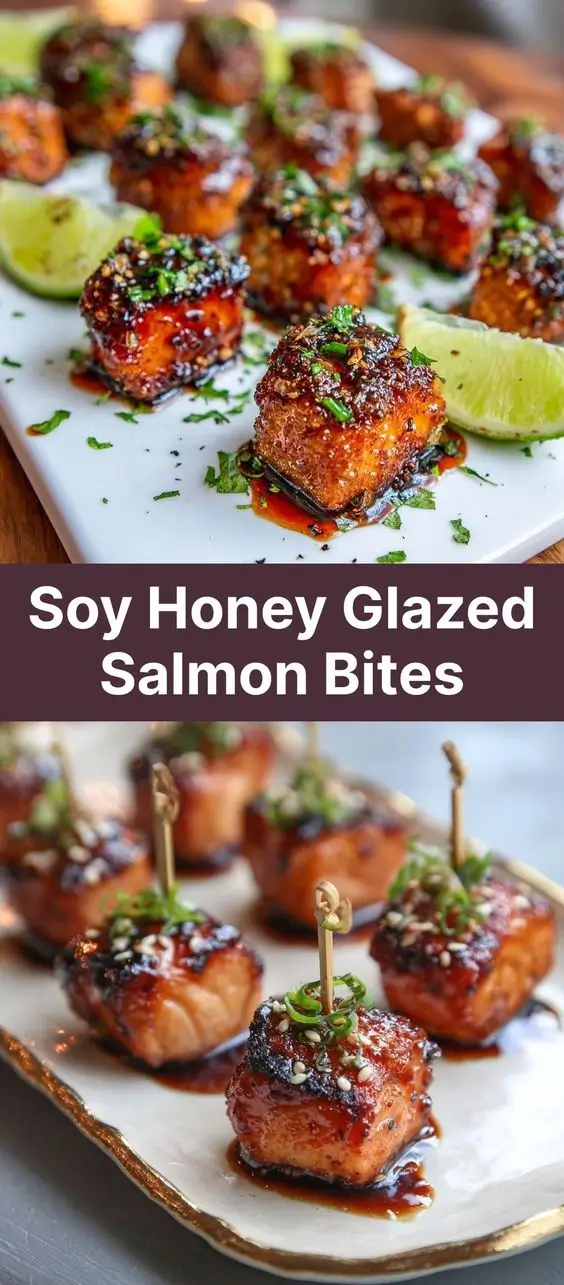
Soy Honey Glazed Salmon Bites are a delectable fusion of sweet, savory, and umami flavors that come together in a dish that’s as elegant as it is easy to prepare. Whether you’re looking for a quick weeknight dinner, an impressive appetizer for guests, or a protein-packed addition to your meal prep routine, these tender morsels of salmon coated in a glossy, caramelized glaze will satisfy every palate. The natural richness of fresh salmon pairs beautifully with the deep, salty-sweet notes of soy sauce and honey, creating a balance that’s both comforting and sophisticated.
Perfectly bite-sized and ready in under 30 minutes, this recipe is ideal for busy home cooks who don’t want to sacrifice flavor for convenience. From the first golden sear to the final drizzle of glaze, each step enhances the salmon’s buttery texture and brings out its inherent succulence. Whether served over steamed rice, nestled into a grain bowl, or enjoyed on its own, Soy Honey Glazed Salmon Bites offer a restaurant-quality experience in the comfort of your kitchen.
The History
The concept of glazed salmon draws from a rich tapestry of culinary traditions, particularly those rooted in East Asian cooking, where the art of balancing sweet, salty, sour, and umami flavors has been perfected over centuries. While there is no single origin point for soy honey glazed salmon bites, the combination of soy sauce and honey reflects a modern interpretation of classic techniques used in Japanese teriyaki and Chinese braising methods.
Teriyaki, which emerged in Japan during the Edo period, traditionally involves grilling or broiling fish (often salmon or chicken) with a glaze made from soy sauce, mirin (sweet rice wine), and sugar. Over time, Western adaptations began incorporating more accessible ingredients like honey as a natural sweetener, replacing or complementing sugar and mirin. This shift not only added depth but also introduced subtle floral notes that enhanced the overall flavor profile.
In North America, salmon became increasingly popular throughout the 20th century, especially with the rise of sustainable aquaculture and improved refrigeration allowing wider distribution. As global cuisines gained popularity, home cooks began experimenting with fusion dishes, blending Asian-inspired marinades with Western presentation styles—leading to innovations such as bite-sized glazed salmon pieces perfect for skewers, appetizers, or bowls.
Today, Soy Honey Glazed Salmon Bites represent a harmonious blend of tradition and modernity—a testament to how food evolves across cultures while maintaining its core essence. It’s a dish that honors ancestral techniques while embracing contemporary tastes and lifestyles.
Ingredients Breakdown
To create the perfect Soy Honey Glazed Salmon Bites, each ingredient plays a crucial role in building layers of flavor, texture, and aroma. Here’s a detailed look at what goes into this mouthwatering dish:
- Fresh Salmon Fillet (1.5 lbs, skinless): The star of the dish. Choose wild-caught salmon if possible for its richer flavor and firmer texture. Look for bright orange-pink flesh with a clean ocean scent. Skinless fillets are easier to cut into uniform bites and ensure even glazing.
- Soy Sauce (¼ cup): Provides saltiness and umami depth. Use low-sodium soy sauce to control salt levels, or opt for tamari for a gluten-free alternative. This ingredient forms the backbone of the glaze.
- Honey (3 tablespoons): Adds natural sweetness and helps create a sticky, glossy finish when heated. Raw, unfiltered honey contributes subtle floral notes that elevate the overall complexity.
- Rice Vinegar (1 tablespoon): Balances the sweetness with a mild tang, enhancing the brightness of the glaze without overpowering the delicate salmon.
- Garlic (2 cloves, minced): Offers aromatic warmth and depth. Freshly minced garlic ensures maximum flavor release during cooking.
- Ginger (1 tablespoon, freshly grated): Brings a zesty, slightly spicy note that complements the richness of the salmon and cuts through the sweetness of the honey.
- Sesame Oil (1 teaspoon): Imparts a nutty fragrance and enhances the Asian-inspired character of the dish. A little goes a long way—use toasted sesame oil for best results.
- Green Onions (2, sliced): Used both in the marinade and as garnish, they add freshness, color, and a mild onion bite.
- Red Pepper Flakes (½ teaspoon, optional): For those who enjoy a hint of heat, this adds a gentle kick that contrasts beautifully with the sweet glaze.
- Black Pepper (¼ teaspoon): Freshly ground pepper adds a subtle warmth and rounds out the seasoning.
- Cornstarch (1 teaspoon, optional): Helps thicken the glaze slightly for better adhesion to the salmon bites, especially useful if you plan to bake or pan-sear them.
- Avocado Oil or Olive Oil (2 tablespoons): High smoke point oils like avocado oil are ideal for searing, preventing burning while promoting a beautiful golden crust.
Step-by-Step Recipe
- Prepare the Salmon: Begin by patting the salmon fillet dry with paper towels—this is essential for achieving a good sear. Cut the salmon into 1-inch cubes, ensuring uniform size so they cook evenly. Place the pieces in a large bowl and set aside.
- Make the Glaze: In a medium mixing bowl, whisk together soy sauce, honey, rice vinegar, minced garlic, grated ginger, sesame oil, sliced green onions, red pepper flakes (if using), and black pepper. Taste and adjust sweetness or saltiness as needed. If using cornstarch, dissolve it in 1 teaspoon of warm water first, then stir into the glaze to prevent clumping.
- Marinate the Salmon: Pour about two-thirds of the glaze over the salmon cubes, gently tossing to coat each piece thoroughly. Let marinate for 15–20 minutes at room temperature. Avoid marinating longer than 30 minutes, as the acid in the vinegar can begin to “cook” the salmon, altering its texture.
- Preheat Cooking Surface: Heat a large non-stick skillet or cast-iron pan over medium-high heat. Add avocado oil and swirl to coat the pan evenly.
- Sear the Salmon Bites: Using a slotted spoon, remove the salmon pieces from the marinade (reserve the leftover marinade). Shake off excess liquid and carefully place the salmon in the hot pan in a single layer, leaving space between pieces to allow proper browning. Sear for 2–3 minutes per side, turning gently with tongs or a spatula until golden brown and just cooked through. Do not overcrowd the pan; work in batches if necessary.
- Add the Glaze: Reduce heat to low. Pour the reserved marinade into the pan. Let it simmer for 2–3 minutes, stirring gently, until the sauce thickens into a glossy glaze that coats the salmon. Be careful not to overcook, as salmon can become dry.
- Finish and Serve: Remove from heat. Drizzle additional glaze on top if desired. Garnish with sliced green onions and a sprinkle of sesame seeds. Serve immediately for the best texture and flavor.
Tips
- Uniform Cutting: Keep salmon bites consistent in size (about 1 inch) to ensure even cooking. Uneven pieces may result in some being overcooked while others remain underdone.
- Don’t Over-Marinate: Limit marination time to 20–30 minutes. Due to the acidity in rice vinegar, prolonged exposure can denature the proteins in the fish, leading to a mushy texture.
- Pat Dry Before Cooking: Excess moisture prevents proper searing. Always dry the salmon before placing it in the pan for optimal browning.
- Use Medium-High Heat: Too high, and the honey will burn; too low, and the salmon won’t develop a nice crust. Aim for a steady sizzle when the fish hits the pan.
- Baste for Extra Flavor: During the final minute of cooking, use a spoon to baste the salmon with the simmering glaze for deeper flavor infusion.
- Rest Briefly: Allow the salmon to rest for 2–3 minutes after cooking. This helps redistribute juices and prevents flaking when served.
- Double the Glaze: If you love extra sauce for drizzling or serving over rice, double the glaze recipe and reserve half for plating.
- Avoid Stirring Too Much: Once the glaze is added, minimize stirring to keep the salmon bites intact and prevent breaking.
Variations and Customizations
This versatile recipe lends itself well to creative tweaks based on dietary preferences, flavor profiles, or available ingredients. Here are several delicious variations to try:
- Spicy Version: Increase red pepper flakes to 1 teaspoon or add 1 tablespoon of sriracha or gochujang paste to the glaze for a fiery kick.
- Pineapple Twist: Replace half the honey with pineapple juice for a tropical flair. Add diced pineapple during the last minute of cooking for a fruity crunch.
- Orange-Glazed Option: Substitute honey with orange marmalade or add 2 tablespoons of fresh orange zest and juice to the glaze for citrus brightness.
- Coconut Aminos Swap: For a soy-free, lower-sodium version, replace soy sauce with coconut aminos. The result is slightly sweeter and less salty but equally delicious.
- Grilled Salmon Bites: Thread marinated salmon onto skewers and grill over medium heat for 2–3 minutes per side. Baste with glaze during the last few minutes.
- Oven-Baked Method: Preheat oven to 400°F (200°C). Arrange marinated salmon bites on a parchment-lined baking sheet. Roast for 10–12 minutes, then brush with glaze and broil for 1–2 minutes to caramelize.
- Air Fryer Adaptation: Cook salmon bites in an air fryer at 375°F (190°C) for 6–8 minutes, shaking halfway. Toss with warmed glaze afterward.
- Herb-Infused: Stir in chopped cilantro, basil, or mint after cooking for a fresh, aromatic finish.
- Nutty Crunch: Sprinkle with toasted sesame seeds, crushed peanuts, or cashews before serving for added texture.
- Low-Sugar Alternative: Replace honey with monk fruit syrup or erythritol-based honey substitute for a keto-friendly version.
Health Considerations and Nutritional Value
Soy Honey Glazed Salmon Bites aren’t just delicious—they’re also packed with nutrients that support overall health. Here’s a breakdown of their nutritional benefits and considerations:
- Omega-3 Fatty Acids: Salmon is one of the richest sources of EPA and DHA, essential omega-3s known to reduce inflammation, support brain function, and promote heart health.
- High-Quality Protein: Each serving delivers approximately 20–25 grams of complete protein, aiding muscle repair, satiety, and metabolic function.
- Vitamins and Minerals: Rich in vitamin D, vitamin B12, selenium, and potassium—all vital for immune support, energy production, and electrolyte balance.
- Healthy Fats: The natural fats in salmon contribute to hormone regulation and help absorb fat-soluble vitamins (A, D, E, K).
- Antioxidant Properties: Ginger and garlic contain compounds like gingerol and allicin, which have anti-inflammatory and antimicrobial effects.
- Glaze Considerations: While honey adds natural sugars, it also contains antioxidants and trace enzymes. To reduce sugar content, use less honey or pair the dish with fiber-rich sides like broccoli or quinoa.
- Sodium Awareness: Soy sauce can be high in sodium. Opt for reduced-sodium versions or dilute with water. Alternatively, use tamari or coconut aminos for a gentler salt profile.
- Pregnancy and Mercury: Salmon is generally safe during pregnancy due to its low mercury levels compared to other fish like tuna or swordfish. However, always consult a healthcare provider for personalized advice.
- Allergies: Contains fish and soy. Ensure all substitutes (e.g., coconut aminos, sunflower seed oil) are safe for individuals with allergies.
- Portion Control: A typical serving is about 4–6 ounces of salmon. Pair with vegetables and whole grains to create a balanced plate.
Ingredients
- 1.5 lbs fresh skinless salmon fillet, cut into 1-inch cubes
- ¼ cup soy sauce (low-sodium preferred)
- 3 tablespoons honey (raw, if possible)
- 1 tablespoon rice vinegar
- 2 cloves garlic, minced
- 1 tablespoon fresh ginger, grated
- 1 teaspoon toasted sesame oil
- 2 green onions, thinly sliced (white and green parts separated)
- ½ teaspoon red pepper flakes (optional)
- ¼ teaspoon freshly ground black pepper
- 1 teaspoon cornstarch + 1 tsp water (optional, for thickening)
- 2 tablespoons avocado oil (or olive oil)
- Sesame seeds and extra green onions for garnish
Directions
- Pat salmon cubes dry with paper towels and place in a large bowl.
- In a separate bowl, whisk together soy sauce, honey, rice vinegar, garlic, ginger, sesame oil, half the green onions (white parts), red pepper flakes, and black pepper. If using cornstarch, mix it with water first, then stir into the glaze.
- Pour two-thirds of the glaze over the salmon and gently toss to coat. Let sit for 15–20 minutes at room temperature.
- Heat avocado oil in a large skillet over medium-high heat.
- Remove salmon from marinade with a slotted spoon, letting excess drip off. Reserve the remaining marinade.
- Sear salmon in a single layer for 2–3 minutes per side until golden and just cooked through. Work in batches if needed.
- Reduce heat to low. Pour reserved marinade into the pan and simmer for 2–3 minutes, gently stirring, until the sauce reduces and coats the salmon.
- Remove from heat. Garnish with green onion tops and sesame seeds.
- Serve immediately over rice, noodles, or a bed of greens.
FAQ
Can I use frozen salmon?
Yes, but thaw it completely in the refrigerator overnight before cutting and marinating. Pat very dry before cooking to avoid excess moisture.
How do I store leftovers?
Store in an airtight container in the refrigerator for up to 2 days. Reheat gently in a skillet over low heat to preserve texture. Avoid microwaving, which can make salmon rubbery.
Can I freeze Soy Honey Glazed Salmon Bites?
It’s not recommended, as freezing can alter the delicate texture of cooked salmon, making it watery or grainy upon thawing. Best enjoyed fresh.
Is this recipe gluten-free?
Only if you use tamari or a certified gluten-free soy sauce. Regular soy sauce contains wheat.
Why did my glaze burn?
Honey has a low smoke point. Make sure to reduce the heat when adding the glaze and stir frequently to prevent scorching.
Can I make this ahead of time?
You can prep the glaze and cut the salmon in advance. Marinate up to 20 minutes before cooking, but avoid longer to maintain texture.
What sides pair well with this dish?
Steamed jasmine rice, quinoa, roasted vegetables, stir-fried bok choy, cucumber salad, or cauliflower rice are excellent choices.
Can I use honey substitutes?
Yes—maple syrup, agave nectar, or date syrup can replace honey in a 1:1 ratio, though flavor will vary slightly.
How do I know when salmon is cooked?
It should be opaque and flake easily with a fork but still remain moist. Internal temperature should reach 125–130°F (52–54°C) for medium.
Can I add vegetables to the pan?
Absolutely! Sauté bell peppers, snap peas, or broccoli florets in the same pan before or after the salmon for a complete one-pan meal.
Summary
Soy Honey Glazed Salmon Bites combine the luxurious texture of fresh salmon with a perfectly balanced sweet-savory glaze for a dish that’s both nutritious and irresistibly flavorful.
Quick to prepare, endlessly customizable, and suitable for various diets, this recipe brings gourmet taste to everyday meals with minimal effort.