Introduction
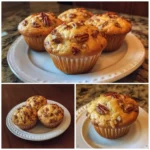
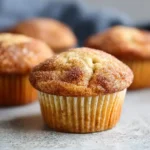
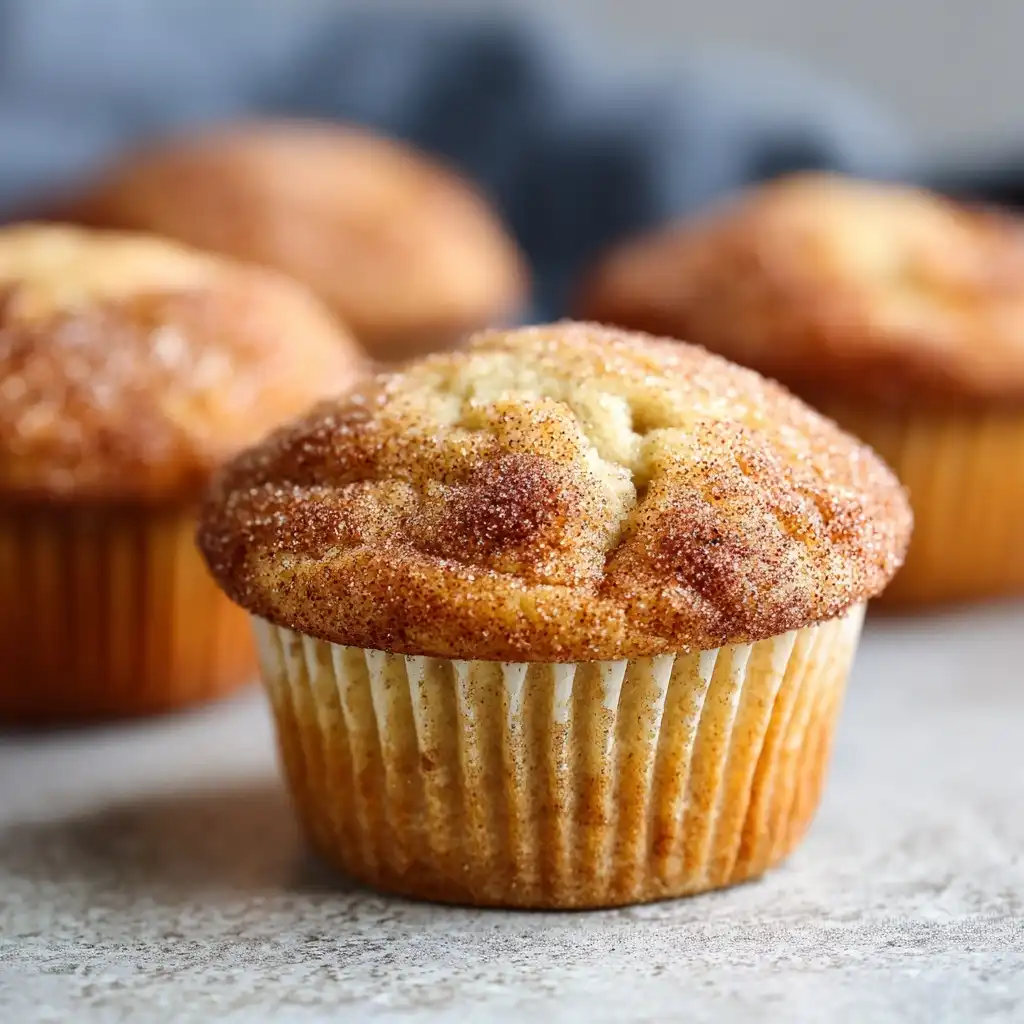
Snickerdoodle Muffins are the perfect marriage of two beloved American classics: the soft, tender crumb of a classic muffin and the warmly spiced, cinnamon-sugar allure of the iconic snickerdoodle cookie. Unlike traditional muffins that lean toward fruity or nutty profiles, Snickerdoodle Muffins deliver nostalgic comfort with every bite—rich in buttery notes, fragrant with cream of tartar–enhanced tang, and crowned with a generous, crackling swirl of cinnamon-sugar streusel. Whether enjoyed warm from the oven with a pat of melting butter, packed into lunchboxes, served at weekend brunches, or gifted in festive paper liners, these muffins evoke childhood memories while satisfying modern cravings for texture, spice, and sweetness—all without requiring cookie dough chilling or rolling. They’re approachable for bakers of all skill levels yet sophisticated enough to impress guests, making them a versatile staple for holidays, bake sales, morning coffee rituals, or cozy afternoon treats.
The History
The origins of the Snickerdoodle Muffin are delightfully rooted in culinary evolution rather than a single documented invention. To understand its heritage, we must first trace its foundational elements. The snickerdoodle cookie itself dates back to late 19th-century New England, with early references appearing in Fannie Farmer’s Boston Cooking-School Cook Book (1896), though its name likely stems from the German word “schneckennudel” (a type of cinnamon roll) or possibly Dutch “snicker” (to giggle) and “doodle” (a simple person)—a playful nod to its humble charm. What distinguishes it is the signature use of cream of tartar combined with baking soda, creating a uniquely soft-yet-chewy texture and subtle tang absent in standard sugar cookies. As home baking evolved through the mid-20th century—with the rise of convenient muffin tins, standardized leaveners, and the popularity of “cake-like” muffins—the idea of translating snickerdoodle flavor into muffin form became inevitable. Early versions appeared in regional church cookbooks and Betty Crocker pamphlets of the 1950s and ’60s, often labeled “Cinnamon-Sugar Muffins” or “Snickerdoodle-Style Muffins.” By the 1980s, food magazines like Bon Appétit and Martha Stewart Living began refining the formula—emphasizing proper cream-of-tartar ratios, brown sugar inclusion for moisture, and the now-essential cinnamon-sugar “swirl” technique baked directly into the batter. Today’s Snickerdoodle Muffins reflect decades of collective kitchen wisdom: they honor tradition while embracing innovations like sour cream for tenderness, brown butter infusions, and gluten-free adaptations—proving that even the coziest classics can evolve with intention and care.
Ingredients Breakdown
Every exceptional Snickerdoodle Muffin relies on a thoughtfully balanced ensemble of ingredients—each playing a precise functional and flavor role:
- All-Purpose Flour: Provides essential gluten structure. Too little yields fragile, crumbly muffins; too much creates toughness. We recommend spoon-and-level measuring (not scooping) for consistent results. For enhanced flavor and tenderness, some bakers substitute up to 25% with cake flour or pastry flour.
- Granulated Sugar: Sweetens and contributes to crispness in the crust and crumb tenderness via sugar’s interference with gluten formation. A portion is reserved for the cinnamon-sugar topping—crucial for that signature crackle and textural contrast.
- Brown Sugar (light or dark): Adds molasses-derived moisture, depth, and caramel notes. Dark brown sugar intensifies richness; light offers subtler warmth. Its hygroscopic nature helps retain moisture for days.
- Baking Soda & Cream of Tartar: This dynamic duo replicates the classic snickerdoodle leavener system. Baking soda provides immediate lift and neutralizes acidity, while cream of tartar (an acid salt) activates the soda, stabilizes egg whites if used, and imparts the gentle tang synonymous with authentic snickerdoodles. Omitting cream of tartar yields a generic cinnamon muffin—not a true snickerdoodle.
- Ground Cinnamon: Use freshly ground Ceylon or Saigon cinnamon for maximum aromatic potency. Pre-ground cinnamon loses volatile oils rapidly—opt for small batches from spice specialists or grind your own quills. The quantity should be assertive but not overwhelming (typically 1½–2 tsp per batch).
- Unsalted Butter: Browned butter is a game-changer—its nutty, toasty complexity elevates the entire profile. If using standard melted butter, ensure it’s cooled to lukewarm (about 90°F) to avoid cooking eggs. Salted butter may be substituted, but reduce added salt by half.
- Eggs: Large, room-temperature eggs emulsify the batter and provide structure and lift. Cold eggs can cause butter to seize; overly warm eggs may scramble when mixed in.
- Sour Cream or Full-Fat Greek Yogurt: Adds acidity (enhancing leavening), fat for moistness, and protein for fine crumb. Low-fat or non-dairy alternatives compromise texture—stick with full-fat dairy unless adapting for dietary needs (see Variations).
- Whole Milk or Buttermilk: Liquid medium that hydrates dry ingredients. Buttermilk boosts tang and tenderness further; if using regular milk, add ½ tsp lemon juice or vinegar per ½ cup and let sit 5 minutes to acidify.
- Vanilla Extract: Pure, double-fold Madagascar bourbon vanilla adds floral sweetness and rounds out spice notes. Imitation extract lacks nuance and can taste artificial when baked.
- Sea Salt or Kosher Salt: Not just for seasoning—it heightens all other flavors and balances sweetness. Fine sea salt dissolves more evenly than coarse varieties.
- Cinnamon-Sugar Topping: A 3:1 ratio of granulated sugar to ground cinnamon ensures sparkle without bitterness. A pinch of cardamom or clove can be added for intrigue, but keep it subtle. Apply generously—this isn’t garnish; it’s structural identity.
Step-by-Step Recipe
- Preheat & Prep: Position oven rack in the center and preheat to 425°F (220°C). Line a standard 12-cup muffin tin with high-quality parchment liners (or grease thoroughly with butter and dust with flour). High initial heat ensures dramatic oven spring and domed tops—critical for professional appearance.
- Make the Cinnamon-Sugar Swirl: In a small bowl, combine ⅓ cup granulated sugar and 1 tbsp ground cinnamon. Set aside. This will be used both as a topping *and* swirled into the batter—don’t skip this dual-purpose step.
- Whisk Dry Ingredients: In a large bowl, whisk together 2 cups (250g) all-purpose flour, 1 tsp baking soda, 2 tsp cream of tartar, 1 tsp ground cinnamon, and ¾ tsp fine sea salt until fully homogenized and aerated. Sifting is optional but recommended if flour has compacted.
- Cream Wet Base: In a separate medium bowl, melt ½ cup (113g) unsalted butter—ideally browned for depth (see Tips). Let cool slightly (to ~100°F), then whisk in ¾ cup (150g) granulated sugar, ½ cup (100g) packed light brown sugar, 2 large room-temperature eggs, 1 tsp pure vanilla extract, ½ cup (120g) full-fat sour cream, and ¼ cup (60ml) whole milk. Whisk vigorously for 60–90 seconds until thickened and pale—this incorporates air for lift.
- Combine Batter: Pour wet mixture into dry ingredients. Using a flexible silicone spatula, fold gently—just until no dry streaks remain. Overmixing develops gluten, leading to tunneling and toughness. Batter will be thick, glossy, and slightly lumpy—that’s ideal.
- Add Swirl: Scoop batter into prepared tin, filling each cup ¾ full (~¼ cup per muffin). Sprinkle 1 tsp cinnamon-sugar evenly over each mound. Then, using a chopstick or thin knife, gently swirl the sugar into the top third of each muffin—3–4 figure-eights per muffin. Do not over-swirl; you want visible ribbons, not uniform distribution.
- Top Generously: Sprinkle remaining cinnamon-sugar (about ½ tsp per muffin) over the swirled surface. Press lightly so it adheres—this forms the crisp, sugary crown.
- Bake Strategically: Place muffins in preheated 425°F oven for exactly 5 minutes. Then, without opening the door, reduce heat to 375°F (190°C) and continue baking for 15–18 minutes—until a toothpick inserted into the center comes out clean or with moist crumbs (not wet batter), and tops are deeply golden with cracked, sparkly sugar caps.
- Cool with Intention: Remove tin from oven and let muffins rest inside for 5 minutes—this sets the crumb. Then transfer to a wire rack. Cool at least 15 minutes before serving warm. For best texture, serve within 4 hours—or store properly (see Tips).
Tips
- Brown Butter Mastery: To brown butter: Melt ½ cup butter in a light-colored saucepan over medium-low heat. Swirl constantly. Once foaming subsides, watch for golden-brown specks forming at the bottom and a rich, nutty aroma (3–5 minutes). Immediately pour into a heatproof bowl, scraping all browned bits. Let cool 10 minutes before using. Straining is unnecessary—and undesirable—as those flecks add flavor and visual charm.
- Room-Temperature Discipline: Eggs, sour cream, and milk must be truly room temperature (68–72°F). Cold ingredients cause melted butter to re-solidify into tiny beads, resulting in uneven texture and dense spots. Place eggs in warm water for 5 minutes; microwave sour cream/milk at 50% power for 10 seconds, stir, repeat if needed.
- Measure Like a Pro: Use a kitchen scale for flour—1 cup = 125g. If measuring by volume, fluff flour in bag, spoon into measuring cup, and level with a straight edge. Scooping packs flour, adding up to 25% extra and guaranteeing dryness.
- No Overmixing—Ever: Stir only until combined. Lumps are acceptable and expected. If batter appears smooth and shiny, you’ve overmixed. Stop at the first sign of uniformity.
- Oven Thermometer Essential: Oven dials lie. An inexpensive oven thermometer ensures your 425°F start is accurate—critical for proper dome formation. Even a 25-degree variance affects rise and browning.
- Don’t Skip the 5-Minute Blast: That initial high-heat burst creates rapid steam expansion, lifting the batter before the structure sets. It’s what gives snickerdoodle muffins their lofty, bakery-style crowns. Reducing heat mid-bake mimics commercial deck ovens.
- Cooling Is Baking: Leaving muffins in the tin too long traps steam, leading to soggy bottoms. Conversely, removing them too soon causes collapse. The 5-minute rest strikes the perfect balance between structural setting and moisture retention.
- Freeze for Freshness: Cool completely, then freeze unfrosted muffins in a single layer on a tray. Once solid, transfer to airtight freezer bags (remove air). Reheat from frozen at 350°F for 12–15 minutes—crisp exterior, steamy interior, just-baked magic.
- Revive Stale Muffins: Wrap in damp paper towel and microwave for 15 seconds. Or slice in half, toast in a skillet with butter until golden—then top with honey or apple butter.
- Batch Scaling: This recipe doubles seamlessly. For triple batches, chill batter for 20 minutes before portioning to prevent spreading. Never quadruple—ingredient ratios and oven airflow become unreliable.
Variations and Customizations
Snickerdoodle Muffins are a canvas for creativity—respecting core identity while welcoming thoughtful enhancements:
- Apple-Cinnamon Swirl: Fold 1 cup finely diced, peeled Granny Smith apples (tossed with 1 tsp lemon juice) into batter. Add ¼ tsp freshly grated nutmeg to dry ingredients. Top with chopped toasted walnuts + cinnamon-sugar.
- Maple-Brown Butter: Replace granulated sugar with ⅓ cup pure maple syrup (reduce milk to 2 tbsp). Use browned butter exclusively. Add ¼ tsp maple extract with vanilla. Finish with flaky sea salt flakes.
- Gluten-Free: Substitute 1:1 gluten-free all-purpose blend (with xanthan gum included, e.g., King Arthur or Bob’s Red Mill). Add ½ tsp psyllium husk powder to improve elasticity. Increase sour cream to ⅔ cup for moisture retention.
- Vegan: Use flax eggs (2 tbsp ground flax + 6 tbsp water, rested 10 min), vegan butter (Miyoko’s or Earth Balance), unsweetened almond milk + 1 tsp apple cider vinegar, and coconut yogurt instead of sour cream. Ensure cream of tartar is certified vegan (most are).
- Protein-Powered: Add 2 scoops unflavored whey or plant-based protein powder to dry ingredients. Increase milk by 2 tbsp and sour cream by 1 tbsp to compensate for absorption. Reduce baking time by 1–2 minutes.
- Spiced Chai Infusion: Steep 2 chai tea bags in warm milk for 5 minutes, then cool and use as liquid. Add ¼ tsp ground ginger, ⅛ tsp ground cloves, and a pinch of black pepper to dry mix. Garnish with candied ginger pieces.
- Double-Cinnamon Streusel: Prepare a crumb topping: ¼ cup cold butter, ⅓ cup flour, ⅓ cup brown sugar, 1 tbsp cinnamon, pinch salt. Cut in butter until pea-sized. Sprinkle 1 tbsp over each muffin before baking.
- Lemon-Zest Brightness: Add 1 tbsp finely grated lemon zest to wet ingredients. Replace 1 tsp cinnamon with ½ tsp ground allspice. Top with lemon sugar (zest + sugar) alongside cinnamon-sugar.
- Mini Muffin Version: Fill mini muffin tin ⅔ full. Bake at 425°F for 3 minutes, then 375°F for 8–10 minutes. Yields 36–40. Perfect for parties or portion control.
- Overnight Refrigerator Dough: Prepare batter through Step 5, cover tightly, and refrigerate 8–16 hours. Cold batter bakes more evenly, deepens flavor, and yields exceptionally tall muffins. Bring to cool room temp (15 min) before swirling and topping.
Health Considerations and Nutritional Value
While Snickerdoodle Muffins are undeniably indulgent, mindful preparation allows for thoughtful enjoyment within balanced eating patterns. A standard muffin (based on this recipe, ~4 oz / 113g) contains approximately:
- Calories: 320–360 kcal
- Total Fat: 14–16g (8–9g saturated)
- Carbohydrates: 48–52g (32–36g sugars, including natural lactose and added sucrose)
- Protein: 4–5g
- Fiber: 0.8–1.2g (naturally low; boosted significantly in GF or whole-grain variations)
- Sodium: 240–280mg
Nutritional Highlights & Considerations:
- Cream of Tartar Benefit: Contains potassium bitartrate—a natural source of potassium, supporting electrolyte balance and blood pressure regulation. While not a “high-potassium food,” it contributes meaningfully per serving.
- Butter vs. Oil: Butter provides fat-soluble vitamins (A, D, E, K2) and conjugated linoleic acid (CLA), whereas neutral oils lack these micronutrients. Browned butter increases antioxidant compounds like tocopherols.
- Sugar Awareness: Total added sugar falls within FDA’s recommended limit (<50g/day) for one serving—but moderation remains key. Reducing granulated sugar by 2 tbsp (without altering brown sugar) maintains structure and flavor integrity.
- Dairy Notes: Sour cream contributes probiotics (if live-culture) and calcium. Those with lactose sensitivity often tolerate baked sour cream well due to reduced lactose content post-fermentation and heating.
- Gluten Considerations: Traditional versions contain gluten. Certified gluten-free adaptations are safe for celiac disease when prepared with dedicated equipment and verified flours.
- Portion Mindfulness: These muffins are calorie-dense due to butter, sugar, and eggs. Pairing with Greek yogurt, berries, or a hard-boiled egg transforms them into a satiating, balanced breakfast.
- Notable Absences: No artificial preservatives, hydrogenated oils, or high-fructose corn syrup—unlike many commercial muffins. Homemade control means cleaner ingredient sourcing.
- Functional Additions: Stirring in chia seeds (1 tbsp), ground flax (1 tbsp), or wheat germ (2 tbsp) boosts omega-3s, fiber, and B-vitamins without compromising snickerdoodle essence.
As with any baked good, frequency and context matter most. Enjoying one Snickerdoodle Muffin mindfully—with attention to hunger cues and alongside nutrient-rich foods—is nutritionally compatible with holistic wellness goals. They’re not “health food,” but they’re joyful, real-food treats made with integrity—far superior to ultra-processed alternatives.
Ingredients
- 2 cups (250g) all-purpose flour, spooned and leveled
- 1 teaspoon baking soda
- 2 teaspoons cream of tartar
- 1 teaspoon ground cinnamon, plus extra for topping
- ¾ teaspoon fine sea salt
- ½ cup (113g) unsalted butter, browned and cooled to 100°F
- ¾ cup (150g) granulated sugar
- ½ cup (100g) packed light brown sugar
- 2 large eggs, room temperature
- 1 teaspoon pure vanilla extract
- ½ cup (120g) full-fat sour cream
- ¼ cup (60ml) whole milk, room temperature
- ⅓ cup (67g) granulated sugar (for cinnamon-sugar swirl and topping)
- 1 tablespoon ground cinnamon (for cinnamon-sugar swirl and topping)
Directions
- Preheat oven to 425°F (220°C). Line a 12-cup muffin tin with parchment liners or grease thoroughly.
- In a small bowl, combine ⅓ cup granulated sugar and 1 tbsp ground cinnamon. Set aside.
- In a large bowl, whisk together flour, baking soda, cream of tartar, 1 tsp cinnamon, and salt until uniform.
- In a medium bowl, whisk browned, cooled butter, granulated sugar, brown sugar, eggs, and vanilla until thick and pale (~90 seconds). Whisk in sour cream and milk until smooth.
- Pour wet ingredients into dry ingredients. Gently fold with a spatula until *just* combined—batter will be thick and lumpy.
- Divide batter evenly among muffin cups (about ¼ cup each), filling to ¾ full.
- Sprinkle 1 tsp cinnamon-sugar over each muffin. Using a chopstick, gently swirl into top third of batter (3–4 strokes per muffin).
- Top each with remaining cinnamon-sugar (½ tsp), pressing lightly to adhere.
- Bake at 425°F for 5 minutes. Without opening oven, reduce temperature to 375°F and bake 15–18 more minutes, until tops are golden, cracked, and a toothpick inserted comes out clean.
- Cool in pan 5 minutes, then transfer to wire rack. Serve warm or at room temperature.
FAQ
- Can I make these muffins ahead?
- Absolutely. Bake and cool completely, then store in an airtight container at room temperature for up to 3 days, or freeze for up to 3 months. Reheat frozen muffins at 350°F for 12–15 minutes for fresh-from-the-oven quality.
- Why do my muffins have tunnels or holes?
- This is almost always caused by overmixing the batter, which develops excess gluten and traps air unevenly. Mix *only* until no dry flour remains—even if lumps persist. Also ensure eggs and dairy are truly room temperature to prevent fat separation.
- Can I use baking powder instead of cream of tartar + baking soda?
- Technically yes—but you’ll lose the defining snickerdoodle tang and nuanced texture. Baking powder is a complete leavener (acid + base), while cream of tartar adds specific flavor chemistry. For authenticity, stick with the traditional duo.
- My muffins sank in the middle. What went wrong?
- Common culprits: underbaking (check with a toothpick!), opening oven too early (especially during the first 12 minutes), expired leaveners (test baking soda in vinegar—if it doesn’t fizz vigorously, replace it), or excessive batter fill (never exceed ¾ cup per liner).
- Can I omit the sour cream?
- You can substitute plain full-fat Greek yogurt measure-for-measure. Avoid low-fat, non-dairy, or flavored yogurts—they alter pH, fat content, and moisture balance. Buttermilk (½ cup) is another viable option, though it yields a slightly more open crumb.
- How do I get the perfect cracked, sparkly top?
- Three keys: (1) Generous cinnamon-sugar topping pressed firmly onto batter, (2) the 425°F → 375°F two-stage bake, and (3) cooling in the pan for exactly 5 minutes to set structure before releasing steam.
- Are these muffins suitable for kids’ lunches?
- Yes—with considerations. They travel well in insulated lunchboxes. For school safety, check nut policies if adding walnuts or pecans. To lower sugar, reduce granulated sugar by 2 tbsp and increase cinnamon to 1¼ tsp for perceptible spice without added sweetness.
- Can I add blueberries or chocolate chips?
- You can—but it changes the identity. Blueberries add moisture and acidity (toss in 1 tsp flour first to prevent sinking). Chocolate chips mute cinnamon notes; use white chocolate or cinnamon chips instead for harmony. Add no more than ¾ cup total inclusions.
- Why does the recipe call for browned butter?
- Browning transforms butter’s flavor profile—developing deep, roasted, caramelized notes that echo the molasses in brown sugar and elevate the entire spice bouquet. It’s not mandatory, but it’s the secret weapon behind exceptional depth.
- How do I adjust for high altitude?
- For elevations above 3,000 ft: increase oven temperature by 15–25°F, reduce baking powder/soda by ⅛ tsp (we use cream of tartar, so no change needed), reduce sugar by 1–2 tbsp, and increase liquid by 1–2 tbsp. Start checking doneness 2 minutes earlier.
Summary
Snickerdoodle Muffins honor the beloved tangy-sweet soul of the classic cookie while delivering the comforting, portable joy of a perfectly domed, tender-crumbed muffin—achieved through browned butter, cream of tartar–activated lift, and a signature cinnamon-sugar swirl baked right in.
With customizable variations, smart health-conscious tweaks, and foolproof techniques—from the critical two-stage bake to the art of gentle folding—these muffins are equally at home on holiday tables, weekday breakfasts, or as heartfelt gifts wrapped in parchment and twine.