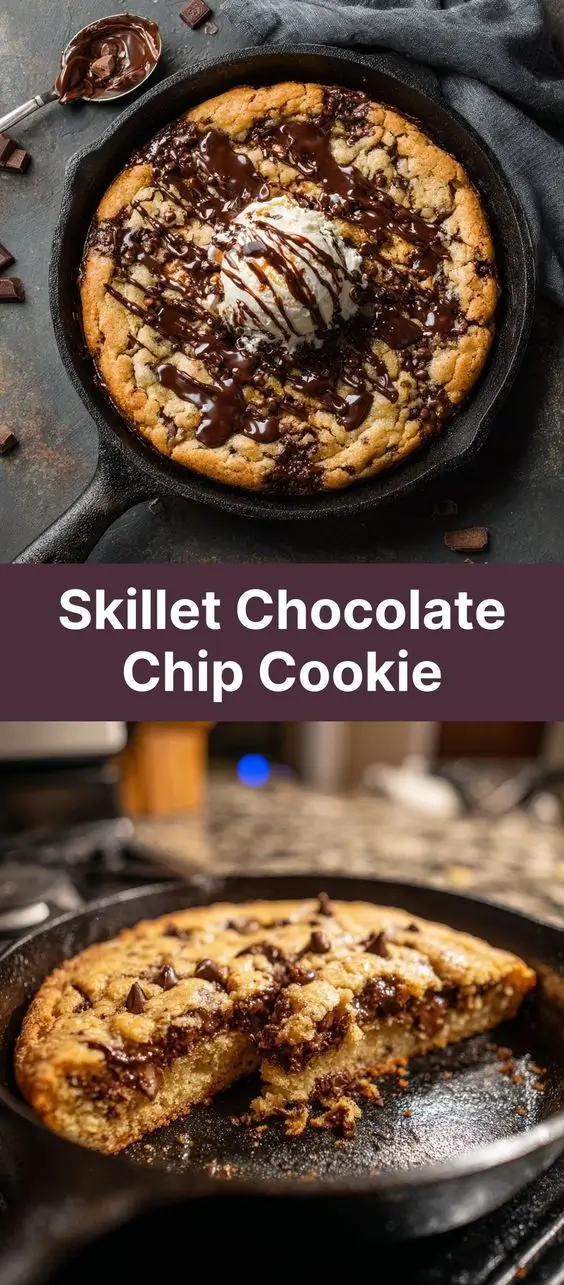
Skillet Chocolate Chip Cookie: The Ultimate One-Pan Dessert
The History of the Skillet Chocolate Chip Cookie
The skillet chocolate chip cookie, a decadent twist on the classic American dessert, emerged as a beloved phenomenon in the early 2000s, although its roots trace back much further. The original chocolate chip cookie was invented in the 1930s by Ruth Wakefield at the Toll House Inn in Massachusetts. Legend has it that she ran out of baker’s chocolate and substituted a chopped Nestlé semi-sweet chocolate bar, expecting it to melt into the dough. Instead, the chunks held their shape, creating the first chocolate chip cookies—a happy accident that revolutionized home baking.
The concept of baking this iconic treat in a cast-iron skillet, however, is a more modern innovation rooted in Southern and rustic American cooking traditions. Cast-iron skillets have long been cherished for their even heat distribution and ability to go seamlessly from stovetop to oven. Bakers began experimenting with using these versatile pans for desserts, leading to the rise of skillet cakes, cobblers, and eventually, the oversized chocolate chip cookie. By the late 2000s and early 2010s, food blogs and social media platforms like Pinterest and Instagram popularized the skillet cookie as a shareable, photogenic dessert—often served warm with melting scoops of vanilla ice cream right in the pan. Today, it’s a staple at dinner parties, family gatherings, and cozy nights in, celebrated for its crispy edges, gooey center, and nostalgic charm.
Ingredients Breakdown: What Makes This Cookie Irresistible
The magic of a perfect skillet chocolate chip cookie lies in the careful balance of simple, high-quality ingredients. Each component plays a crucial role in texture, flavor, and structure:
- All-Purpose Flour: Provides the structural foundation. Too little, and the cookie spreads too much; too much, and it becomes dense. Measuring accurately (spoon and level method) ensures consistency.
- Baking Soda: The leavening agent responsible for lift and spread. It reacts with acidic components (like brown sugar) to create air bubbles, giving the cookie its signature rise and crackled surface.
- Salt: Enhances all flavors and balances sweetness. A pinch can make the chocolate taste richer and prevent the dessert from tasting flat.
- Unsalted Butter: Adds richness, moisture, and flavor. Browned butter is often used in gourmet versions for a nutty, caramelized depth. It must be softened to room temperature for proper creaming.
- Granulated Sugar: Contributes to crispness and spread. It dissolves during baking, helping form a delicate crust.
- Brown Sugar (light or dark): Adds moisture and chewiness thanks to its molasses content. Dark brown sugar intensifies the caramel notes, while light brown offers a milder profile.
- Vanilla Extract: Deepens the flavor complexity. Pure extract is preferred over imitation for its authentic aroma.
- Egg: Binds the ingredients together and adds structure. Room temperature eggs incorporate more evenly into the dough.
- Chocolate Chips or Chunks: The star of the show. While semi-sweet is traditional, bakers experiment with milk, dark, white chocolate, or even chopped artisan bars. High cocoa butter content ensures melty pockets.
- Optional Add-ins: Nuts (walnuts, pecans), sea salt flakes, espresso powder, or shredded coconut can elevate the sensory experience.
Step-by-Step Recipe: How to Make the Perfect Skillet Chocolate Chip Cookie
Follow these detailed instructions to create a warm, restaurant-worthy skillet cookie at home:
- Preheat the Oven: Set your oven to 350°F (175°C). This ensures even baking and prevents undercooking.
- Prepare the Skillet: Use a 10-inch cast-iron skillet. Lightly grease it with butter or non-stick spray, though well-seasoned cast iron often doesn’t require this step.
- Mix Dry Ingredients: In a medium bowl, whisk together 2 cups (250g) all-purpose flour, 1/2 teaspoon baking soda, and 1/2 teaspoon salt. Set aside.
- Cream the Butter and Sugars: In a large mixing bowl, beat 3/4 cup (1.5 sticks or 170g) softened unsalted butter with 3/4 cup (150g) granulated sugar and 3/4 cup (165g) packed light brown sugar until light, fluffy, and pale—about 3–5 minutes with a hand mixer or stand mixer.
- Add Wet Ingredients: Beat in 1 large room-temperature egg and 2 teaspoons pure vanilla extract until fully incorporated and smooth.
- Combine Wet and Dry: Gradually add the dry ingredients to the wet mixture, mixing on low speed just until combined. Do not overmix.
- Fold in Chocolate: Stir in 2 cups (340g) chocolate chips or chopped chocolate by hand using a spatula. For extra decadence, reserve a handful to press on top before baking.
- Transfer to Skillet: Scoop the dough into the prepared skillet, pressing it evenly to the edges. Sprinkle reserved chocolate on top and, optionally, a pinch of flaky sea salt.
- Bake: Place the skillet in the preheated oven and bake for 25–30 minutes. The cookie is done when the edges are golden brown and set, but the center still appears slightly soft and puffy. It will continue to cook from residual heat.
- Cool Slightly: Let the cookie rest in the skillet for 10–15 minutes before serving. This allows it to firm up slightly while maintaining a gooey interior.
- Serve Warm: Slice directly in the skillet or serve as a whole dessert with scoops of vanilla ice cream, a drizzle of caramel, or fresh berries.
Tips for Baking Success
- Use Room Temperature Ingredients: Cold butter or eggs won’t cream properly, leading to a dense texture.
- Don’t Overbake: Remove the cookie when the center still looks underdone—it sets as it cools. Overbaking results in dryness.
- Chill the Dough (Optional): For thicker cookies with less spread, chill the dough in the skillet for 30 minutes before baking.
- Cast Iron Matters: A well-seasoned skillet distributes heat evenly. Avoid non-stick coated skillets if possible—they don’t provide the same browning effect.
- Double the Batch: These cookies reheat beautifully. Store leftovers covered at room temperature and rewarm in the oven at 300°F for 10 minutes.
- Watch the Edges: Because cast iron retains heat, the outer ring may brown faster. Tent with foil if needed during baking.
- Invest in Quality Chocolate: Since it’s the dominant flavor, use real chocolate you’d enjoy eating on its own.
Variations and Customizations
One of the joys of the skillet cookie is its versatility. Here are some creative twists to try:
- Browned Butter Version: Melt and brown 3/4 cup butter before cooling slightly and creaming with sugars. Adds a rich, nutty complexity.
- Double Chocolate: Replace 1/4 cup of flour with 1/4 cup unsweetened cocoa powder for a fudgy chocolate base.
- Peanut Butter Swirl: Swirl 1/2 cup peanut butter into the dough before baking, or add 1 cup peanut butter chips.
- S’mores Style: Mix in graham cracker pieces, mini marshmallows, and milk chocolate chips. Broil for 1–2 minutes after baking to toast the top.
- Oatmeal Chocolate Chip: Add 1 cup old-fashioned oats for a heartier texture.
- Gluten-Free Option: Substitute with a 1:1 gluten-free flour blend and ensure chocolate chips are certified GF.
- Vegan Skillet Cookie: Use plant-based butter, flax egg (1 tbsp ground flax + 3 tbsp water), and dairy-free chocolate.
- Espresso Infused: Add 1–2 teaspoons instant espresso powder to enhance chocolate flavor without making it taste like coffee.
- Sea Salt & Caramel: Drizzle with homemade or store-bought caramel sauce and sprinkle coarse sea salt before serving.
- Fruity Twist: Fold in dried cherries or cranberries with dark chocolate for a tart contrast.
Health Considerations and Nutritional Value
While undeniably indulgent, understanding the nutritional profile helps in mindful enjoyment. A typical slice (1/8 of a 10-inch skillet cookie) contains approximately:
- Calories: 380–420
- Total Fat: 20–25g (mostly from butter and chocolate)
- Saturated Fat: 12–15g
- Carbohydrates: 45–50g
- Sugars: 28–32g (naturally occurring and added)
- Protein: 4–5g
- Sodium: 200–250mg
Dietary Notes:
- This recipe is naturally free of nuts unless added, but always check ingredient labels for cross-contamination if allergies are a concern.
- High in refined sugars and saturated fats, so best enjoyed occasionally as part of a balanced diet.
- To reduce sugar, consider using coconut sugar or a monk fruit blend, though texture and browning may vary.
- For lower fat, applesauce or mashed banana can replace up to half the butter, but the result will be cakier and less rich.
- Portion control is key—serve smaller slices with a side of fruit or Greek yogurt to balance the meal.
Ingredients
- 2 cups (250g) all-purpose flour
- 1/2 teaspoon baking soda
- 1/2 teaspoon salt
- 3/4 cup (170g) unsalted butter, softened (or browned and cooled)
- 3/4 cup (150g) granulated sugar
- 3/4 cup (165g) packed light brown sugar
- 1 large egg, room temperature
- 2 teaspoons pure vanilla extract
- 2 cups (340g) semi-sweet chocolate chips or chopped chocolate
- Flaky sea salt (optional, for topping)
Directions
- Preheat oven to 350°F (175°C).
- Lightly grease a 10-inch cast-iron skillet.
- In a medium bowl, whisk together flour, baking soda, and salt.
- In a large bowl, beat butter, granulated sugar, and brown sugar until light and fluffy (3–5 minutes).
- Beat in egg and vanilla extract until smooth.
- Gradually mix in dry ingredients on low speed until just combined.
- Fold in chocolate chips with a spatula.
- Transfer dough to skillet, spreading evenly. Press additional chocolate chips on top if desired.
- Sprinkle with a pinch of flaky sea salt.
- Bake for 25–30 minutes, until edges are golden and center is slightly soft.
- Let cool in skillet for 10–15 minutes before serving.
- Enjoy warm with ice cream or on its own!
FAQ
Can I make the dough ahead of time?
Yes! Prepare the dough and refrigerate in the skillet for up to 24 hours before baking. You may need to add 2–3 minutes to the baking time if going straight from fridge to oven.
Can I freeze the skillet cookie?
Absolutely. Once completely cooled, wrap the entire skillet tightly in plastic and foil, or slice and freeze individual portions. Reheat in a 300°F oven for 10–15 minutes.
Why did my cookie spread too much?
Possible causes include butter that was too soft, insufficient flour, or skipping the cooling step. Chilling the dough before baking helps prevent excessive spread.
Can I use a different size skillet?
Yes, but adjust baking time. A smaller skillet (8-inch) will yield a thicker cookie needing 30–35 minutes. A larger one (12-inch) will be thinner and cook faster—check at 20 minutes.
Is it safe to put a cast-iron skillet in the oven?
Yes! Cast iron is oven-safe and ideal for this recipe. Just ensure any handles are also metal—avoid skillets with plastic or silicone grips unless manufacturer-approved.
Can I make mini skillet cookies?
Definitely. Divide the dough among four 4-inch cast-iron skillets or oven-safe ramekins. Bake for 15–18 minutes for individual servings.
What can I use instead of chocolate chips?
Chopped chocolate bars, baking chocolate, white chocolate, butterscotch chips, or even candy pieces like M&Ms work well.
Summary
The skillet chocolate chip cookie is a showstopping dessert that combines nostalgia with modern flair—baked to golden perfection in a single cast-iron pan with crisp edges, a molten center, and endless customization options.
Serve it warm with ice cream for an unforgettable treat that brings people together, one gooey, chocolate-filled bite at a time.