Introduction
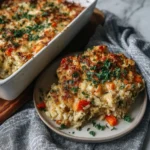
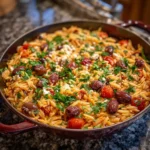
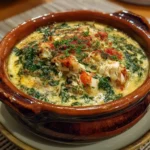
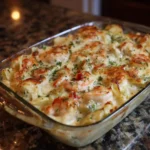
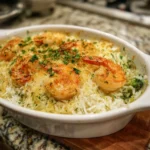
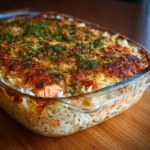
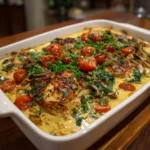
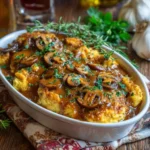
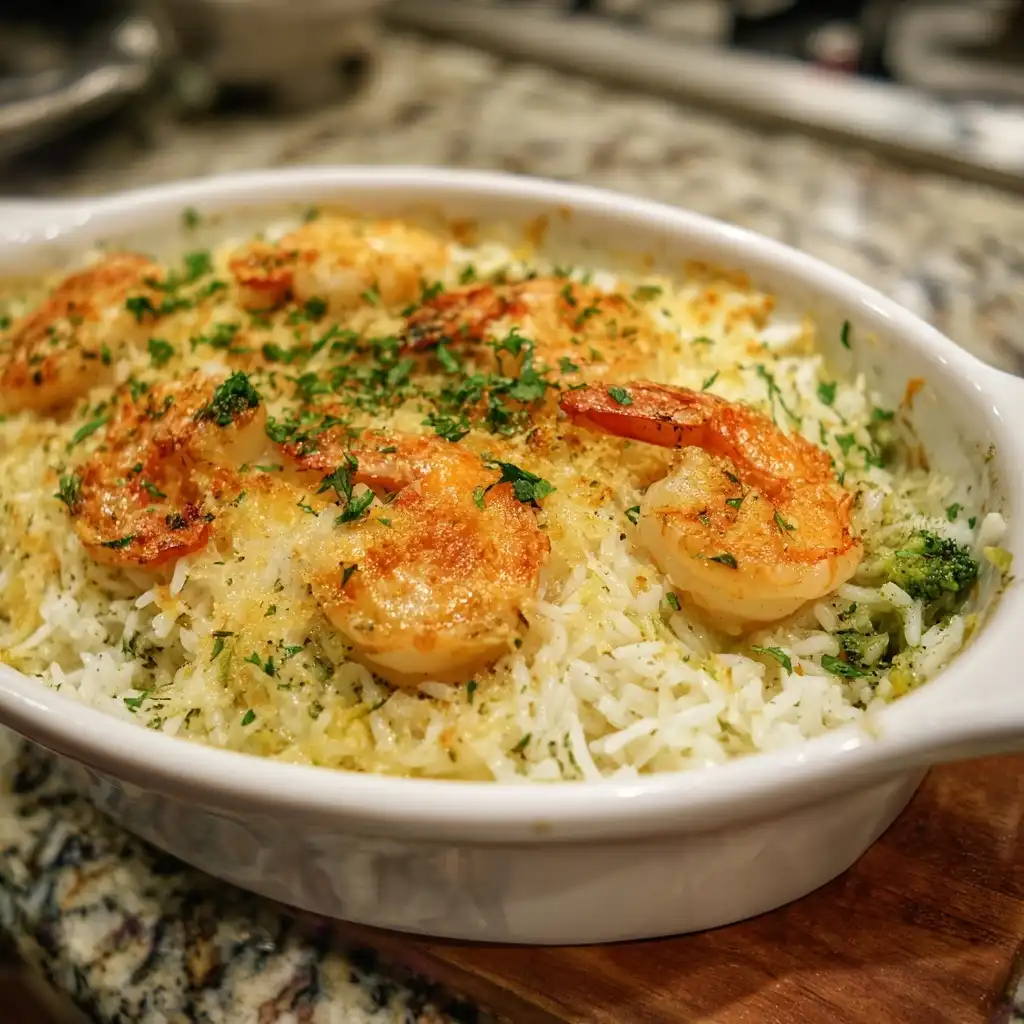
Shrimp and Rice Casserole is a comforting, one-dish wonder that effortlessly bridges coastal freshness with homestyle warmth. This creamy, savory, and subtly sweet baked casserole brings together plump, tender shrimp, fluffy rice, rich dairy elements, aromatic vegetables, and a harmonious blend of herbs and seasonings—all layered and baked to golden perfection. Whether served as a weeknight family dinner, a potluck centerpiece, or a cozy Sunday supper, it delivers restaurant-quality flavor with the ease of pantry staples and minimal hands-on time. Its versatility, crowd-pleasing profile, and make-ahead potential make it a beloved staple across Southern kitchens, Midwestern home cooks’ repertoires, and modern meal-prep enthusiasts alike.
The History
The origins of Shrimp and Rice Casserole are deeply rooted in American culinary adaptation—particularly in the Gulf Coast and Southeastern United States—where abundant local seafood met resourceful, economical cooking traditions. In the early-to-mid 20th century, as canned soups (especially cream of mushroom and cream of celery) gained popularity following World War II, home bakers and homemakers began incorporating them into casseroles as convenient, creamy binders and flavor enhancers. Simultaneously, rice—once considered a luxury—became more widely available and affordable, especially after innovations in milling and distribution expanded access to long-grain varieties like Carolina Gold and later, converted and parboiled rices. Shrimp, historically harvested along the coasts of Louisiana, Texas, Florida, and the Carolinas, was naturally integrated into regional rice dishes such as jambalaya and shrimp pilau. Over time, these influences converged: the French-inspired “étouffée” technique of slow-simmering shellfish in roux-thickened sauces merged with Anglo-American casserole culture, giving rise to baked versions that emphasized texture contrast, oven-browned tops, and cohesive layering. By the 1950s and ’60s, Shrimp and Rice Casserole appeared regularly in church cookbooks, Betty Crocker publications, and Southern Living magazines—often featuring condensed soup, frozen peas, and crushed potato chips for crunch. Today’s iterations honor those foundations while embracing fresh ingredients, global spices, whole grains, and dietary inclusivity—making it both a nostalgic heirloom and a dynamically evolving dish.
Ingredients Breakdown
Every exceptional Shrimp and Rice Casserole begins with thoughtful ingredient selection—not just for flavor, but for texture, moisture balance, structural integrity, and depth of umami. Below is a comprehensive breakdown of each component and its functional role:
- Shrimp: Medium to large (31/40 or 21/25 count per pound), peeled and deveined—preferably wild-caught Gulf or Pacific shrimp for superior sweetness and firmness. Avoid pre-cooked or “enhanced” shrimp (treated with sodium tripolyphosphate), which can release excess water and turn rubbery when baked. Raw shrimp contributes essential protein and a clean, briny backbone; sautéing briefly before baking ensures optimal texture and prevents overcooking.
- Rice: Long-grain white rice (e.g., Jasmine, Basmati, or standard enriched long-grain) is traditional for its non-sticky, separate grains and ability to absorb liquid without turning mushy. For heartier nutrition, brown rice (pre-cooked), wild rice blends, or quick-cook parboiled rice (like Uncle Ben’s Ready Rice) offer excellent alternatives—but require adjustments to liquid ratios and bake times. Minute® rice works well for speed, though it yields a softer bite. Rinsing rice before use removes excess surface starch and prevents clumping.
- Aromatics & Vegetables: Onion (yellow or sweet), celery, and bell pepper—the “holy trinity” of Creole/Cajun cooking—form the foundational flavor base. Garlic adds pungent depth, while optional additions like leeks, fennel, or grated carrot introduce subtle sweetness and complexity. Frozen peas and corn add color, sweetness, and textural pop; fresh versions are ideal when in season, but frozen retain nutrients and consistency better during baking.
- Dairy & Creaminess Agents: A trifecta of richness typically includes whole milk or half-and-half (for silkiness), sour cream or Greek yogurt (for tang and body), and shredded sharp cheddar or Gruyère (for melty, savory depth). Evaporated milk is a classic Southern secret—it adds concentrated creaminess without curdling and enhances browning. Some recipes call for cream cheese for extra lushness, while others use béchamel (a roux-based white sauce) for refined elegance and stability.
- Thickeners & Binders: While condensed soups remain popular for convenience, scratch-made thickeners provide superior control. A light roux (butter + flour cooked 2–3 minutes) builds nutty depth and prevents separation. Cornstarch slurry offers gluten-free thickening, while egg yolks (tempered) lend custard-like richness in premium versions. Arrowroot or tapioca starch work well for paleo or grain-free adaptations.
- Herbs, Spices & Seasonings: Old Bay seasoning is iconic for its balanced blend of celery salt, paprika, black pepper, and bay leaf—but homemade versions allow customization (e.g., adding smoked paprika, cayenne, or dried tarragon). Fresh dill, parsley, chives, or thyme elevate brightness; lemon zest and juice cut through richness. Worcestershire sauce, fish sauce (in tiny amounts), or tomato paste deepen savoriness via umami layers.
- Toppings: The finishing touch defines texture contrast. Buttered panko or Ritz cracker crumbs deliver golden crispness; crushed butter crackers (like Saltines or Club Crackers) add salty-savory notes; grated Parmesan or Romano lends nutty saltiness; and a sprinkle of paprika or smoked paprika enhances visual appeal and aroma. Some bakers finish under the broiler for 1–2 minutes for extra caramelization.
Step-by-Step Recipe
- Preheat & Prep: Position oven rack in the center and preheat to 350°F (175°C). Lightly grease a 9×13-inch (3-quart) baking dish with butter or nonstick spray. Gather all ingredients and measure precisely—casseroles rely on balanced ratios.
- Par-Cook the Rice: Cook rice according to package instructions using slightly less liquid than recommended (e.g., 1¾ cups water per 1 cup rice) to avoid excess moisture. Drain any residual water and fluff with a fork. Let cool 5–10 minutes to prevent steaming the other components.
- Sauté the Aromatics: In a large skillet over medium heat, melt 2 tbsp unsalted butter. Add diced onion, celery, and bell pepper. Sauté 5–6 minutes until softened but not browned. Stir in minced garlic and cook 30 seconds until fragrant. Optional: add 1 tsp tomato paste and cook 1 minute to deepen flavor.
- Season & Thicken: Sprinkle in 3 tbsp all-purpose flour and stir constantly for 1½–2 minutes to cook out raw taste. Gradually whisk in 2 cups warm milk (or evaporated milk), ensuring no lumps form. Bring to a gentle simmer, stirring continuously, until thickened to a light gravy consistency (~4–5 minutes). Remove from heat.
- Build the Base Sauce: Whisk in 1 cup sour cream (or Greek yogurt), ½ cup shredded sharp cheddar, 1 tsp Dijon mustard, 1 tsp lemon juice, 1 tsp Worcestershire sauce, 1½ tsp Old Bay (or custom blend), ½ tsp smoked paprika, ¼ tsp cayenne (optional), and freshly ground black pepper. Taste and adjust salt—remember that cheese, Old Bay, and butter contribute sodium.
- Combine Components: In a large mixing bowl, gently fold together the cooled rice, sautéed vegetable mixture, sauce, 1½ cups thawed frozen peas and corn (or fresh), and 1 lb raw, peeled/deveined shrimp. Use a silicone spatula to lift and fold—not stir aggressively—to preserve shrimp integrity and rice grain separation.
- Transfer & Smooth: Pour mixture evenly into the prepared baking dish. Spread top smoothly with an offset spatula. If desired, gently press down with the back of a spoon to eliminate air pockets and ensure even baking.
- Prepare Topping: In a small bowl, combine 1 cup panko breadcrumbs, 3 tbsp melted butter, 2 tbsp grated Parmesan, ½ tsp garlic powder, and a pinch of smoked paprika. Mix until evenly moistened and crumbly.
- Bake Covered: Cover dish tightly with aluminum foil (tent slightly to prevent sticking to topping). Bake for 30 minutes to steam and set the casserole.
- Bake Uncovered: Remove foil, sprinkle topping evenly over surface. Return to oven and bake uncovered for 20–25 minutes, or until topping is golden brown, internal temperature reaches 165°F (74°C) at the center, and edges bubble gently.
- Rest Before Serving: Remove from oven and let stand 10–15 minutes. This allows residual heat to finish cooking the shrimp, lets liquids reabsorb, and makes slicing cleaner. Garnish with fresh chopped parsley, lemon wedges, and extra Old Bay or hot sauce on the side.
Tips
- Shrimp Timing Is Critical: Never add raw shrimp to a cold mixture and refrigerate overnight—enzymes in shrimp break down proteins, causing mushiness. Assemble and bake immediately, or prep components separately and combine just before baking.
- Prevent Sogginess: Always drain rice thoroughly and cool slightly. Excess water = watery casserole. If using frozen vegetables, do not thaw—add directly from freezer to avoid releasing liquid prematurely.
- Layering Matters: For gourmet presentation, try layering: bottom third rice mixture → middle layer shrimp → top third sauce + veggies → final breadcrumb topping. This creates beautiful strata when sliced.
- Boost Umami Naturally: Add 1 tsp soy sauce or ½ tsp fish sauce to the sauce base—it won’t taste “fishy,” but will intensify savory depth. Anchovy paste (¼ tsp) works similarly and melts away completely.
- Acidity Balances Richness: Don’t skip the lemon juice—it brightens every bite. Add zest too for aromatic lift. A splash of apple cider vinegar stirred in at the end (off-heat) adds subtle tang.
- Texture Tweaks: For extra chew, stir in ¼ cup cooked, chopped andouille sausage or pancetta with the aromatics. For crunch within, fold in ½ cup roasted cashews or slivered almonds with the shrimp.
- Oven Variance Awareness: Convection ovens reduce bake time by ~15%. If your casserole browns too quickly, tent with foil earlier. If bubbling is weak after 50 minutes, increase oven temp to 375°F for last 5–8 minutes.
- Make-Ahead Mastery: Assemble up to 24 hours ahead—cover tightly and refrigerate unbaked. Add 10–15 minutes to covered bake time. For freezer storage, assemble in a foil pan, wrap double-layered in freezer-safe wrap + foil, freeze up to 3 months. Thaw overnight in fridge before baking.
- Crisp Topping Every Time: Toast panko in butter *before* mixing with other topping ingredients—it guarantees golden, shatteringly crisp results. Store extra toasted crumbs in an airtight container for up to 2 weeks.
- Leftover Magic: Refrigerated leftovers (up to 4 days) reheat beautifully in the oven at 325°F covered with foil. For crispy revival, portion into ramekins, top with extra cheese + crumbs, and bake 12–15 minutes. Cold leftovers also make stellar shrimp fried rice—just stir-fry with sesame oil, scallions, and a fried egg.
Variations and Customizations
Shrimp and Rice Casserole is inherently adaptable—its structure welcomes global flavors, dietary needs, seasonal produce, and pantry creativity. Explore these thoughtfully curated variations:
- Creamy Cajun Style: Replace Old Bay with 1 tbsp homemade Cajun seasoning (paprika, garlic powder, onion powder, oregano, thyme, cayenne, black pepper). Add ½ cup diced andouille sausage (cooked) and 2 tbsp chopped green onions. Finish with pickled okra and hot sauce drizzle.
- Mediterranean Lemon-Herb: Swap cheddar for crumbled feta and ricotta salata. Use dill, mint, and lemon zest in place of Old Bay. Fold in kalamata olives, sun-dried tomatoes (oil-packed, chopped), and artichoke hearts. Top with herbed panko and lemon slices.
- Asian-Inspired Ginger-Sesame: Replace dairy base with coconut milk + ginger-garlic paste + tamari + lime juice + toasted sesame oil. Use jasmine rice and add shiitake mushrooms, snow peas, and shredded carrots. Top with sesame seeds, scallions, and crispy wonton strips.
- Gluten-Free Version: Use certified GF rice, cornstarch (3 tbsp) instead of flour for thickening, GF panko or crushed gluten-free crackers, and tamari instead of Worcestershire (check label). Ensure Old Bay is GF-certified or make your own.
- Low-Carb / Keto Adaptation: Substitute cauliflower rice (thoroughly squeezed dry) for traditional rice. Boost fat with heavy cream, mascarpone, and extra cheese. Add bacon bits and serve with a side of lemon-dill asparagus.
- Vegan “Shrimp” Casserole: Use hearts of palm or king oyster mushrooms (cut into shrimp-like pieces, marinated in nori, lemon, and seaweed flakes for oceanic flavor). Replace dairy with cashew cream, nutritional yeast, and coconut milk. Top with almond “parmesan” (blended almonds + nutritional yeast + garlic powder).
- Spicy Chipotle-Lime: Infuse sauce with 1–2 tsp adobo sauce from canned chipotles + 1 minced chipotle pepper. Add lime zest/juice, cilantro, and black beans. Top with crushed tortilla chips and cotija cheese.
- Seafood Medley: Combine shrimp with lump crabmeat (gently folded in last), scallops (diced), and calamari rings. Use a seafood stock reduction instead of milk for ultra-deep flavor.
- Breakfast Casserole Twist: Add 4 beaten eggs and ½ cup cottage cheese to the base. Fold in cooked breakfast sausage, spinach, and cheddar. Top with everything bagel seasoning and bake as directed—perfect for brunch or meal-prep breakfasts.
- Smoky Gouda & Apple: Use smoked Gouda and Granny Smith apple (diced small, tossed in lemon juice). Add caramelized onions and thyme. Top with crushed pecans and maple-glazed breadcrumbs.
Health Considerations and Nutritional Value
A standard serving (1⅓ cups) of classic Shrimp and Rice Casserole (made with white rice, whole milk, sour cream, cheddar, and buttered panko) provides approximately 420–480 calories, 22–26g protein, 18–22g carbohydrates (of which 1–2g fiber), and 24–28g total fat (13–15g saturated). While indulgent, its nutritional profile holds notable strengths and opportunities for optimization:
- Protein Powerhouse: Shrimp contributes high-quality, low-calorie protein (about 20g per 3-oz serving) plus selenium, vitamin B12, iodine, and astaxanthin—a potent antioxidant linked to reduced inflammation and improved cardiovascular health.
- Smart Carbohydrates: Brown rice versions increase fiber to 4–5g/serving, supporting satiety, blood sugar regulation, and gut microbiome diversity. Wild rice adds magnesium and zinc. Resistant starch forms when cooled rice is reheated—boosting prebiotic benefits.
- Healthy Fats: Swapping full-fat dairy for 2% milk, low-fat Greek yogurt, and part-skim mozzarella reduces saturated fat by ~30% without sacrificing creaminess. Adding avocado oil or olive oil in place of butter introduces monounsaturated fats.
- Sodium Savvy: Condensed soups and seasoned salts contribute significant sodium (often 700–900mg/serving). Reduce by using low-sodium broth, unsalted butter, homemade seasoning blends, and rinsing canned ingredients. Lemon, herbs, and vinegars enhance flavor perception without salt.
- Allergen & Sensitivity Notes: Contains dairy, shellfish, and gluten (if using wheat-based thickeners/crackers). Dairy-free options thrive with coconut milk, nutritional yeast, and cashew cream. Shellfish allergy alternatives include white fish (cod, haddock) or plant-based “shrimp.” Gluten-free adaptations are seamless with rice flour or cornstarch.
- Nutrient Density Upgrades: Stir in 1 cup chopped spinach or kale (rich in lutein, folate, vitamin K); add ¼ cup sunflower seeds (vitamin E, magnesium); or top with fermented foods like kimchi or sauerkraut for probiotics.
- Glycemic Considerations: Pair with non-starchy sides (roasted broccoli, zucchini ribbons) to lower overall meal glycemic load. Those managing diabetes may benefit from quinoa or barley substitutions and monitoring portion size (½ cup casserole + 1 cup greens).
- Pregnancy & Food Safety: Ensure shrimp reaches 165°F internally. Avoid raw sprouts or unpasteurized cheeses if included in variations. Omega-3-rich shrimp supports fetal neurodevelopment—ideal when consumed 2–3x weekly as part of balanced diet.
Ultimately, Shrimp and Rice Casserole need not be “diet food” to be nourishing—it’s a canvas for intentional, joyful eating that honors both tradition and wellness-forward innovation.
Ingredients
- 1 tablespoon unsalted butter
- 1 cup finely diced yellow onion
- 1 cup finely diced celery
- 1 cup finely diced red bell pepper
- 4 cloves garlic, minced
- 3 tablespoons all-purpose flour (or gluten-free 1:1 blend)
- 2 cups whole milk or evaporated milk, warmed
- 1 cup full-fat sour cream or plain Greek yogurt
- ½ cup shredded sharp cheddar cheese
- 1 teaspoon Dijon mustard
- 1 teaspoon fresh lemon juice (plus zest of ½ lemon)
- 1 teaspoon Worcestershire sauce (gluten-free if needed)
- 1½ teaspoons Old Bay seasoning (or homemade blend)
- ½ teaspoon smoked paprika
- ¼ teaspoon cayenne pepper (optional)
- Freshly ground black pepper, to taste
- 1½ cups cooked long-grain white rice, cooled (approx. ¾ cup uncooked)
- 1½ cups frozen peas and carrots or mixed vegetables, thawed and drained
- 1 pound raw large shrimp (31/40 count), peeled, deveined, tails removed
- For the Topping:
– 1 cup panko breadcrumbs
– 3 tablespoons unsalted butter, melted
– 2 tablespoons grated Parmesan cheese
– ½ teaspoon garlic powder
– Pinch of smoked paprika - Fresh chopped parsley, lemon wedges, and extra Old Bay for garnish
Directions
- Preheat oven to 350°F (175°C). Lightly grease a 9×13-inch baking dish.
- In a large skillet over medium heat, melt 1 tbsp butter. Add onion, celery, and bell pepper; sauté 5–6 minutes until soft and translucent. Stir in garlic and cook 30 seconds until fragrant.
- Sprinkle flour over vegetables and stir constantly for 1½–2 minutes to create a light roux.
- Gradually whisk in warm milk, ensuring smooth incorporation. Bring to a gentle simmer, stirring frequently, until thickened to a light gravy (about 4–5 minutes). Remove from heat.
- Whisk in sour cream, cheddar, Dijon, lemon juice and zest, Worcestershire, Old Bay, smoked paprika, cayenne (if using), and several grinds of black pepper. Taste and adjust seasoning—avoid adding salt until after tasting, as cheese and seasoning contain sodium.
- In a large bowl, combine cooled rice, sautéed vegetable mixture, sauce, thawed peas/carrots, and raw shrimp. Gently fold until evenly distributed—do not overmix.
- Transfer mixture to prepared baking dish. Smooth top with a spatula.
- In a small bowl, mix panko, melted butter, Parmesan, garlic powder, and smoked paprika until crumbly. Sprinkle evenly over casserole.
- Cover tightly with aluminum foil and bake for 30 minutes.
- Remove foil and bake uncovered for 20–25 minutes, until topping is golden brown, casserole is bubbling at edges, and internal temperature reaches 165°F (74°C) when checked with an instant-read thermometer in the center.
- Let rest 10–15 minutes before serving. Garnish generously with fresh parsley, lemon wedges, and a light dusting of Old Bay.
FAQ
- Can I use frozen shrimp?
- Yes—but thaw completely in the refrigerator overnight or under cold running water. Pat *very* dry with paper towels before adding to mixture. Never use previously frozen-and-thawed shrimp that has been refrozen.
- Why did my casserole turn out watery?
- Most often due to excess moisture: under-drained rice, unthawed/frozen veggies added without draining, or shrimp releasing liquid. Always cool rice fully, drain all components well, and avoid over-stirring before baking.
- Can I make this dairy-free?
- Absolutely. Substitute milk with unsweetened oat or cashew milk, sour cream with dairy-free cultured coconut or almond yogurt, and cheese with meltable vegan cheddar. Thicken with cornstarch slurry (2 tbsp cornstarch + ¼ cup cold water) instead of flour/butter roux.
- How do I prevent shrimp from getting rubbery?
- Use raw (not pre-cooked) shrimp, and never overbake. The residual heat during resting finishes cooking. If baking from chilled, add 5 minutes to covered time—but never exceed 165°F internal temp.
- Can I substitute brown rice?
- Yes—but it must be fully cooked and cooled first. Brown rice absorbs more liquid and takes longer to soften, so increase initial cook time and reduce added liquid in sauce by ¼ cup to compensate.
- Is this casserole freezer-friendly?
- Yes! Assemble unbaked, cover tightly with plastic wrap + heavy-duty foil, and freeze up to 3 months. Thaw overnight in fridge before baking. Add 10–15 minutes to covered bake time.
- What sides pair well with this casserole?
- Light, acidic, or crunchy contrasts shine: lemon-dill cucumber salad, garlicky sautéed green beans, roasted asparagus with lemon zest, simple arugula salad with citrus vinaigrette, or crusty whole-grain bread for soaking up sauce.
- Can I add wine to the sauce?
- Yes—deglaze the skillet with ¼ cup dry white wine (Sauvignon Blanc or Pinot Grigio) after sautéing vegetables and before adding flour. Simmer 2 minutes to cook off alcohol before proceeding.
- How do I reheat leftovers without drying them out?
- Place portions in an oven-safe dish, sprinkle with 1 tsp water or broth, cover with foil, and warm at 325°F for 15–20 minutes. For stovetop, use a covered skillet over low heat with a splash of milk, stirring gently.
- Can kids help make this?
- Definitely! Assign age-appropriate tasks: measuring dry ingredients, shredding cheese, folding ingredients, sprinkling toppings, or garnishing with parsley. It’s a fun, educational way to build kitchen confidence and appreciation for seafood.
Summary
Shrimp and Rice Casserole is a timeless, adaptable, and deeply satisfying baked dish that transforms humble pantry staples into a luxurious, family-pleasing meal—balancing sweet, briny shrimp, creamy herb-infused sauce, fluffy rice, and a golden, crunchy topping with remarkable harmony.
Rooted in Southern and Gulf Coast traditions yet endlessly customizable for dietary needs, global flavors, and seasonal ingredients, it’s equally at home on weeknight tables, holiday buffets, and freezer meal plans—proving that comfort food can be both nostalgic and nutritionally intentional.