Introduction
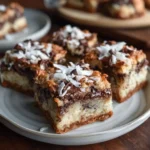
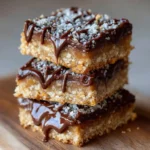
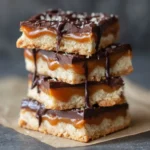
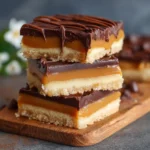
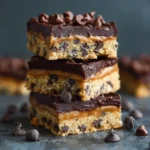
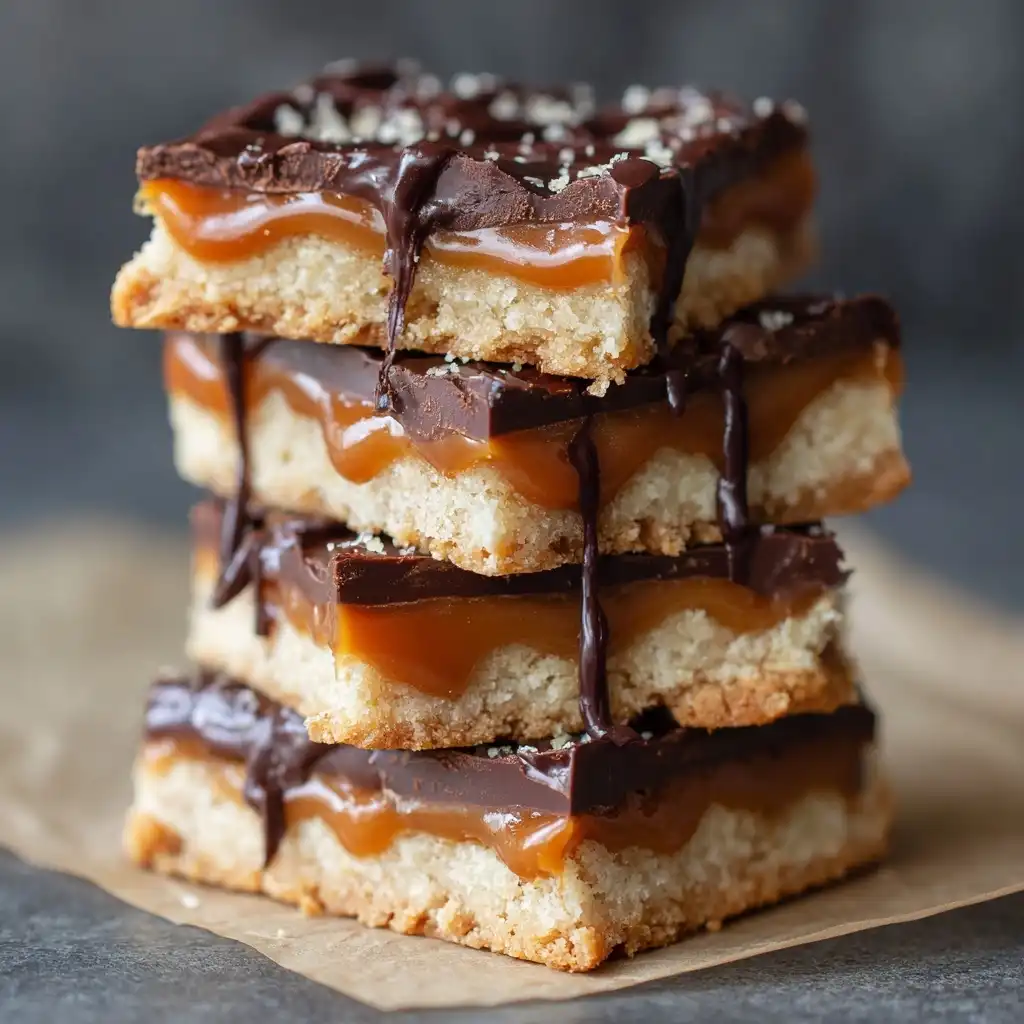
Shortbread Caramel Chocolate Bars are the ultimate indulgent confection—a luscious, layered dessert that marries the buttery crumbliness of classic Scottish shortbread with the rich, gooey depth of homemade caramel and the deep, velvety finish of premium chocolate. These bars strike a perfect balance between texture and taste: crisp yet tender shortbread base, luxuriously thick and slow-cooked caramel that pulls into golden ribbons, and a glossy, tempered chocolate topping that offers just the right amount of bitterness to offset the sweetness. Whether served at holiday gatherings, packed into lunchboxes, gifted in festive tins, or enjoyed as a quiet evening treat with a cup of Earl Grey, these bars deliver nostalgia, sophistication, and comfort all at once. Their deceptively simple structure belies the careful craftsmanship behind each layer—making them both approachable for home bakers and impressive enough for special occasions.
The History
The lineage of Shortbread Caramel Chocolate Bars is a delicious tapestry woven from three distinct culinary traditions. Shortbread itself traces its roots to medieval Scotland, where it evolved from “biscuit bread”—a twice-baked rusk made from leftover bread dough—into a refined, butter-forward delicacy by the 16th century. Mary, Queen of Scots, is famously credited with popularizing shortbread enriched with caraway seeds and fine butter, and by the Victorian era, it had become synonymous with Scottish hospitality, often shaped into petticoat tails, fingers, or rounds for Hogmanay celebrations. Caramel, meanwhile, emerged from early sugar refinement techniques in the Middle East and India, gaining widespread popularity across Europe after the 17th-century expansion of sugarcane plantations in the Caribbean; American cooks later elevated it into a cornerstone of confectionery with recipes like “milk caramel” (precursor to dulce de leche) and chewy caramel candies by the late 1800s. Chocolate’s journey—from sacred Mesoamerican beverage to European luxury to mass-produced confection—culminated in the 19th century with the invention of solid eating chocolate by Joseph Fry (1847) and milk chocolate by Daniel Peter (1875). The fusion of these three elements into layered bar form likely began in mid-20th-century American home economics publications and community cookbooks, where bakers sought elegant yet scalable desserts for church suppers and PTA bake sales. Over time, food magazines like Bon Appétit and blogs such as Smitten Kitchen and King Arthur Baking helped standardize and elevate the recipe—emphasizing scratch-made caramel, European-style butter, and single-origin chocolate—transforming it from humble potluck fare into a modern baking benchmark.
Ingredients Breakdown
Every exceptional Shortbread Caramel Chocolate Bar begins with thoughtful, high-quality ingredients—each playing a precise functional and flavor role:
- Unsalted Butter (1 cup / 2 sticks / 227g): The soul of the shortbread. European-style butter (82–86% fat) yields superior tenderness and richness; its lower water content minimizes gluten development and promotes flakiness. Salt content must be controlled separately to avoid over-salting the delicate base.
- Powdered Sugar (½ cup / 60g): Finely milled for seamless incorporation and a melt-in-the-mouth texture. Unlike granulated sugar, it dissolves instantly, contributing to shortbread’s signature crumbly-yet-cohesive structure without graininess or excessive spread.
- All-Purpose Flour (1¾ cups / 210g): Provides gluten framework—but used sparingly to preserve tenderness. For enhanced flavor and complexity, up to ¼ cup can be substituted with toasted almond flour or finely ground oat flour.
- Cornstarch (2 tbsp / 16g): A secret weapon for ultra-tender shortbread. It interferes with gluten formation, yielding a more delicate, sandy crumb and preventing toughness—even when pressed firmly into the pan.
- Fleur de Sel or Flaky Sea Salt (½ tsp for base + extra for finishing): Enhances butter’s natural savoriness and balances sweetness. Fleur de sel’s delicate crystals dissolve slowly on the tongue, adding bursts of salinity that elevate every bite.
- Granulated Sugar (1 cup / 200g): The foundation of the caramel layer. Pure cane sugar ensures clean, predictable caramelization. Avoid raw or turbinado sugars, which contain molasses and may burn prematurely or impart off-notes.
- Heavy Cream (½ cup / 120ml, warmed to 100°F/38°C): Adds body, silkiness, and dairy richness to the caramel. Ultra-pasteurized cream works best—it’s more stable during heating and less prone to curdling. Never substitute with half-and-half or milk, which lack sufficient fat and will result in thin, runny caramel.
- Unsalted Butter (3 tbsp / 42g, cubed): Swirled in at the end of caramel cooking to enrich mouthfeel, add sheen, and prevent crystallization. Cold butter emulsifies smoothly into hot caramel for a luxuriously smooth, non-grainy texture.
- Vanilla Extract (1 tsp pure, plus seeds from ½ vanilla bean for gourmet version): Deepens caramel’s flavor profile with warm, floral, and slightly woody notes. Madagascar Bourbon vanilla is preferred for its balanced sweetness and creamy undertones.
- High-Quality Semi-Sweet or Bittersweet Chocolate (12 oz / 340g, 60–70% cacao): Must be couverture-grade (minimum 31% cocoa butter) for optimal snap, shine, and melt. Single-origin dark chocolate (e.g., Peruvian, Ecuadorian, or Tanzanian) adds nuanced fruit, spice, or earth notes that contrast beautifully with butter and caramel. Avoid chocolate chips—they contain stabilizers that inhibit proper tempering and yield a dull, waxy finish.
- Optional Additions: Toasted pecans or walnuts (½ cup), flaky sea salt flakes for garnish, espresso powder (¼ tsp blended into chocolate), orange zest (1 tsp in caramel), or a pinch of cayenne for heat contrast.
Step-by-Step Recipe
- Prepare the Shortbread Base: Preheat oven to 325°F (165°C). Line a 9×13-inch metal baking pan with parchment paper, leaving 2-inch overhangs on two opposite sides for easy removal. In a large bowl, whisk together flour, cornstarch, and ½ tsp flaky salt. In a stand mixer fitted with the paddle attachment, beat softened unsalted butter and powdered sugar on medium speed until pale, fluffy, and completely homogenous—about 3–4 minutes. Scrape down bowl thoroughly. Gradually add dry ingredients on low speed, mixing just until no streaks remain and dough begins to clump. Do not overmix. Transfer dough to prepared pan and press evenly using fingertips or an offset spatula, starting from center and working outward. Chill for 30 minutes to relax gluten and prevent shrinkage.
- Bake the Shortbread: Bake chilled shortbread for 22–26 minutes, rotating pan halfway through, until edges are lightly golden and surface appears dry and matte—not shiny or wet. A toothpick inserted 1 inch from edge should come out clean; center may still look soft but will firm upon cooling. Cool completely in pan on a wire rack—minimum 1 hour. Do not cut or disturb while warm.
- Make the Caramel Layer: While shortbread cools, prepare caramel. In a heavy-bottomed, light-colored saucepan (2- to 3-quart capacity), combine granulated sugar and ¼ cup water. Stir gently just to moisten sugar—do not splash sides. Place over medium-low heat and cook undisturbed until sugar dissolves and liquid turns a clear amber (approx. 8–10 min). Swirl pan occasionally—not stir—to ensure even coloring. Once amber (350°F/177°C on candy thermometer), immediately remove from heat and carefully whisk in warm cream (mixture will bubble vigorously). Return to low heat and simmer 2–3 minutes, stirring constantly, until thickened slightly and reduced by ~10%. Remove from heat; whisk in cold butter, vanilla, and remaining ¼ tsp salt until fully emulsified and glossy. Strain through a fine-mesh sieve into a heatproof bowl to remove any undissolved crystals. Cool to 110°F (43°C)—about 15–20 minutes—stirring occasionally. Pour evenly over cooled shortbread and tilt pan gently to level. Refrigerate uncovered for 45 minutes until set but still slightly yielding to fingertip pressure.
- Temper and Apply the Chocolate Topping: Chop chocolate into uniform ¼-inch pieces. Place ⅔ in a heatproof bowl. Microwave in 20-second bursts at 50% power, stirring between each, until melted and smooth (~100–115°F/38–46°C). Remove from microwave; stir in remaining ⅓ chopped chocolate (seeding method) until fully melted and temperature drops to 88–90°F (31–32°C) for dark chocolate. Test temper by spreading a small smear on parchment—if it sets within 3–5 minutes with a glossy, snappy finish, it’s ready. Pour tempered chocolate over chilled caramel layer. Use an offset spatula to spread evenly, tapping pan gently on counter to release air bubbles. Immediately sprinkle with flaky sea salt and/or toasted nuts if using.
- Chill, Slice, and Serve: Refrigerate bars, uncovered, for minimum 2 hours—or preferably overnight—for clean, sharp cuts and ideal texture contrast. To slice: lift bars from pan using parchment overhangs; place on cutting board. Use a sharp chef’s knife dipped in hot water and wiped dry between each cut. Wipe blade frequently to maintain clean edges. Store in airtight container at cool room temperature (65–70°F) for up to 5 days, refrigerated for up to 2 weeks, or frozen for up to 3 months (thaw overnight in fridge before serving).
Tips
- Butter Temperature Matters: For shortbread, butter should be cool but pliable—around 65°F (18°C). Too warm = greasy, spread-out base; too cold = crumbly, uneven press. Cut cold butter into small cubes and let sit 10 minutes before beating.
- Chill Before & After Baking: Chilling the pressed shortbread prevents puffing and bubbling during baking. Cooling fully before adding caramel avoids melting or oil separation. Skipping either step compromises structural integrity.
- Candy Thermometer Is Non-Negotiable: Visual cues alone are unreliable for caramel. Undercooked caramel stays sticky and oozes; overcooked caramel becomes hard and brittle. Aim for 245–248°F (118–120°C) for soft-set, chewy caramel—firm enough to hold shape but yielding when bitten.
- Avoid Crystallization: Wash down sugar pan sides with a wet pastry brush before boiling begins. Never stir caramel once boiling starts—swirling only. Adding a pinch of cream of tartar (⅛ tsp) to sugar-water mixture inhibits crystal formation.
- Chocolate Tempering Shortcut: If tempering feels daunting, use the “refrigerator set method”: melt chocolate to 115°F (46°C), cool to 90°F (32°C), then pour and chill immediately. Though not technically tempered, it yields excellent gloss and snap for bars meant to be refrigerated.
- Cutting Precision: For picture-perfect bars, score shortbread lightly with a knife *before* baking—then cut fully after chilling. This guides clean breaks and prevents crumbling.
- Altitude Adjustments: Above 3,000 ft: reduce sugar in shortbread by 1 tbsp, increase flour by 1 tsp, and bake at 335°F (170°C) for 20–22 minutes. For caramel, reduce target temp by 2°F per 1,000 ft.
- Room Temperature is Key for Serving: Let bars sit at room temperature for 10–15 minutes before slicing or serving—this allows caramel to soften slightly and chocolate to lose refrigerator chill, delivering optimal mouthfeel and flavor release.
Variations and Customizations
The Shortbread Caramel Chocolate Bar is a remarkably versatile canvas—adaptable to dietary needs, seasonal ingredients, global flavors, and creative expression:
- Gluten-Free Version: Replace all-purpose flour with 1¼ cups (150g) certified GF oat flour + ¼ cup (30g) tapioca starch + 1 tsp xanthan gum. Add 1 tbsp cold water to dough if too crumbly. Ensure cornstarch is GF-certified.
- Vegan Adaptation: Use vegan shortbread (coconut oil + almond milk + GF flour blend), date-sweetened coconut milk caramel (simmer 1 cup soaked dates + ½ cup coconut milk + 2 tbsp coconut oil + pinch salt until thick), and dairy-free 70% chocolate. Chill layers longer—vegan caramel sets firmer.
- Sea Salt & Dark Chocolate: Elevate with Maldon sea salt sprinkled pre-chill and 85% single-origin dark chocolate. Add 1 tsp orange zest to caramel for bright contrast.
- Maple-Bourbon Caramel: Replace ¼ cup cream with pure maple syrup; add 1 tbsp aged bourbon and ¼ tsp maple extract to finished caramel. Pair with smoked sea salt and 64% dark chocolate.
- Nutty Crunch: Press ½ cup toasted, roughly chopped hazelnuts or macadamias into shortbread before baking. Sprinkle same nuts over warm chocolate layer before chilling.
- Seasonal Twists: Fall: Add 1 tsp pumpkin pie spice to shortbread + cinnamon-infused caramel. Winter: Stir 2 tbsp crushed peppermint candies into melted chocolate. Spring: Infuse cream with lemon verbena; swirl white chocolate ganache over caramel. Summer: Top with freeze-dried raspberries and dark chocolate studded with pistachios.
- Miniature Format: Press shortbread into a lined muffin tin (24 cavities); bake 12–14 min. Layer with 1 tsp caramel + 1 tsp chocolate per cup. Garnish individually—ideal for parties or gifts.
- Decadent Upgrade: Brush baked shortbread with a thin layer of espresso glaze (1 tbsp strong espresso + ¼ cup powdered sugar) before caramel. Or drizzle finished bars with contrasting white chocolate and black sesame paste.
Health Considerations and Nutritional Value
While Shortbread Caramel Chocolate Bars are inherently indulgent, mindful ingredient choices and portion awareness allow for thoughtful enjoyment within a balanced lifestyle. A standard 2×2-inch bar (approx. 1/24 of full recipe) contains roughly 240–280 calories, with variations depending on chocolate cacao % and added nuts. Macronutrient breakdown typically includes 14–17g total fat (mostly unsaturated from cocoa butter and nuts, with saturated fat from butter and chocolate), 28–32g carbohydrates (of which 18–22g are sugars), and 2–3g protein. Notably, dark chocolate (70%+) contributes flavonoids, magnesium, iron, and antioxidants linked to cardiovascular support and improved endothelial function. The shortbread base provides minimal fiber unless whole grain or nut flours are incorporated—but adding 2 tbsp ground flaxseed or chia to the dry mix boosts omega-3s and soluble fiber. Caramel contributes calcium and vitamin A from dairy cream, while sea salt offers trace minerals like potassium and magnesium. From a functional nutrition perspective, the combination of complex carbs (shortbread), healthy fats (cocoa butter, nuts), and moderate sugar creates a slower glucose response than highly refined sweets—especially when paired with protein-rich foods like Greek yogurt or a handful of almonds. That said, individuals managing diabetes should monitor portion size closely and consider substituting part of the caramel sugar with allulose (a low-glycemic keto-friendly sweetener) or erythritol-based blends. Those with dairy sensitivities can explore oat-milk-based caramel or clarified butter (ghee) in shortbread—with attention to cross-contamination in shared facilities. Ultimately, these bars align best with principles of intuitive eating: savoring mindfully, honoring satiety cues, and appreciating quality over quantity—making them not just a dessert, but a ritual of nourishment and joy.
Ingredients
- For the Shortbread Base:
– 1 cup (227g) unsalted butter, cool and cubed
– ½ cup (60g) powdered sugar
– 1¾ cups (210g) all-purpose flour
– 2 tablespoons (16g) cornstarch
– ½ teaspoon flaky sea salt (such as Maldon) - For the Caramel Layer:
– 1 cup (200g) granulated sugar
– ¼ cup (60ml) water
– ½ cup (120ml) heavy cream, warmed to 100°F (38°C)
– 3 tablespoons (42g) unsalted butter, cold and cubed
– 1 teaspoon pure vanilla extract
– ¼ teaspoon flaky sea salt - For the Chocolate Topping:
– 12 ounces (340g) high-quality semi-sweet or bittersweet chocolate (60–70% cacao), finely chopped
– Flaky sea salt and/or toasted nuts for garnish (optional)
Directions
- Preheat oven to 325°F (165°C). Line a 9×13-inch metal baking pan with parchment paper, ensuring 2-inch overhangs on two opposite sides.
- In a medium bowl, whisk together flour, cornstarch, and ½ tsp flaky salt.
- In the bowl of a stand mixer fitted with the paddle attachment, beat butter and powdered sugar on medium speed for 3–4 minutes until pale, fluffy, and completely smooth. Scrape down bowl.
- Gradually add dry ingredients on low speed, mixing just until dough comes together and no dry streaks remain—about 1 minute. Do not overmix.
- Press dough evenly into prepared pan. Chill 30 minutes.
- Bake 22–26 minutes, rotating pan halfway, until edges are golden and surface is dry. Cool completely in pan on wire rack—minimum 1 hour.
- Meanwhile, make caramel: In a heavy-bottomed saucepan, combine sugar and water. Stir gently to moisten sugar. Cook over medium-low heat, undisturbed, until amber (8–10 min). Swirl pan occasionally.
- Remove from heat; carefully whisk in warm cream (mixture will bubble violently). Return to low heat; simmer 2–3 minutes, stirring constantly, until slightly thickened.
- Remove from heat; whisk in cold butter, vanilla, and ¼ tsp salt until glossy and smooth. Strain into heatproof bowl. Cool to 110°F (43°C)—~15–20 min.
- Pour caramel over cooled shortbread. Refrigerate uncovered 45 minutes until set but still slightly soft.
- Temper chocolate: Melt ⅔ chocolate in microwave (20-sec bursts at 50% power), stirring between. Stir in remaining ⅓ until melted and cooled to 88–90°F (31–32°C).
- Pour chocolate over caramel. Spread evenly. Sprinkle with flaky salt and/or nuts.
- Refrigerate uncovered 2+ hours—or overnight—for clean slicing.
- Lift bars using parchment. Slice with hot, dry knife. Store airtight at cool room temperature up to 5 days.
FAQ
- Can I make these bars ahead of time?
- Absolutely—and they improve with time! Fully assembled bars mature beautifully in the refrigerator for up to 10 days, as flavors meld and caramel softens slightly. For best texture, bring to room temperature 10–15 minutes before serving. Freeze uncut bars (wrapped tightly in parchment + foil) up to 3 months; thaw overnight in fridge before slicing.
- Why did my caramel seize or crystallize?
- Caramel crystallization usually occurs due to premature stirring, undissolved sugar crystals on pan sides, or sudden temperature shock. Always wash down pan sides with a wet pastry brush before boiling begins. Never stir once boiling starts—only swirl. If caramel seizes, gently reheat with 1 tsp water and stir until dissolved. Prevent future issues by adding ⅛ tsp cream of tartar to sugar-water mixture.
- Can I use store-bought caramel sauce?
- You can—but it’s not recommended for structural integrity. Most commercial sauces contain stabilizers, excess water, and invert sugar that prevent proper setting. They’ll remain overly soft or even leak out during slicing. Homemade caramel is quick, controllable, and delivers superior flavor and texture. Reserve store-bought for drizzling *over* finished bars instead.
- My shortbread cracked or shrank while baking. What went wrong?
- Cracking suggests overmixing (developing too much gluten) or insufficient chilling before baking. Shrinkage points to warm butter or pressing dough too aggressively into corners. Always chill pressed dough for full 30 minutes, and press gently from center outward—never stretch or drag dough.
- Is tempering chocolate really necessary?
- For professional appearance and shelf stability—yes. Untempered chocolate will bloom (white streaks), soften at room temperature, and lack snap. However, if bars will be refrigerated and consumed within 1 week, a simplified “refrigerator set” method (melting, cooling to 90°F, pouring, chilling) yields acceptable results with less effort.
- Can I double the recipe?
- Yes—but bake in two separate pans. Doubling in one pan causes uneven baking: shortbread won’t crisp properly, caramel won’t set evenly, and chocolate may pool. Use two 9×13-inch pans and adjust baking time by reducing 1–2 minutes (check at 20 min).
- What’s the best way to store leftovers?
- Store cut bars in a single layer in an airtight container with parchment between layers. At cool room temperature (65–70°F), they last 3–5 days. Refrigerated, up to 2 weeks. Frozen (well-wrapped), up to 3 months. Never store in humid environments or near strong-smelling foods—chocolate absorbs odors readily.
- Can I substitute brown sugar for caramel?
- Not recommended. Brown sugar contains molasses, which lowers the caramel’s smoke point and increases risk of burning before proper thickening occurs. It also imparts a strong, competing flavor and causes inconsistent setting. Stick with granulated cane sugar for reliability and clean sweetness.
- How do I prevent chocolate from cracking when cutting?
- Ensure chocolate is fully set (2+ hours chilled), use a sharp knife, dip in hot water and wipe dry before *each* cut, and apply gentle, downward pressure—not sawing motion. Let bars sit at room temperature 5 minutes before slicing if chocolate feels too brittle.
- Are these bars suitable for gifting?
- They’re exceptional for gifting! Package in a decorative box lined with parchment or wax paper. Include a ribbon and handwritten note with serving instructions (“Let sit 10 minutes at room temperature before enjoying”). For holidays, tie with cinnamon sticks or dried orange slices. Shelf-stable for 5 days at room temp makes them travel-friendly.
Summary
Shortbread Caramel Chocolate Bars are a masterclass in layered luxury—featuring a tender, buttery shortbread base, a deeply flavorful slow-simmered caramel that balances sweet and saline, and a glossy, expertly tempered chocolate topping that delivers satisfying snap and nuanced cacao depth.
With meticulous attention to ingredient quality, precise temperature control, and strategic resting periods, this recipe transforms pantry staples into an heirloom-worthy dessert that delights the senses, sparks conversation, and earns its place as a timeless centerpiece on any table.