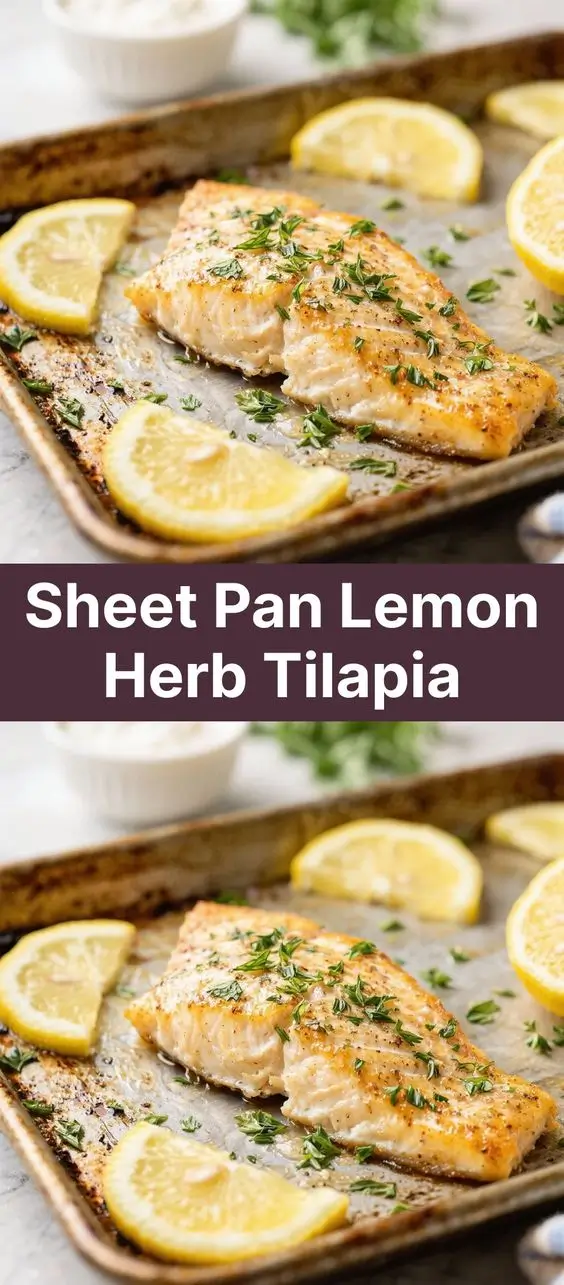
Sheet Pan Lemon Herb Tilapia: A Simple, Healthy, and Flavorful Weeknight Dinner
The History of Sheet Pan Meals and the Rise of Lemon Herb Tilapia
Sheet pan meals have surged in popularity over the past decade, becoming a staple in modern home kitchens across North America and Europe. Rooted in practicality and efficiency, the concept draws inspiration from traditional European roasting techniques—particularly French and Mediterranean cuisines—where meats and vegetables were roasted together on large trays in wood-fired ovens to maximize flavor and minimize effort. The rise of meal prepping, clean eating trends, and the desire for quick, family-friendly dinners further propelled sheet pan cooking into the culinary spotlight.
Tilapia, though not historically prominent in European gastronomy, emerged as a favorite protein in American households due to its mild taste, affordability, and sustainability when farmed responsibly. When combined with bright lemon, fragrant herbs like thyme and rosemary, and colorful seasonal vegetables, tilapia transforms into a dish that’s both elegant and accessible. The Sheet Pan Lemon Herb Tilapia recipe is a contemporary fusion of health-conscious cooking and bold Mediterranean flavors—a perfect representation of how global food trends merge to create satisfying, nutritious meals with minimal cleanup.
Ingredients Breakdown: What Makes This Dish Shine?
The brilliance of this recipe lies in its simplicity and the harmony between fresh, high-quality ingredients. Each component plays a vital role in creating layers of flavor, texture, and nutrition.
- Fresh Tilapia Fillets: Mild, flaky, and rich in lean protein, tilapia absorbs the citrus and herb marinade beautifully without overpowering other flavors. Look for sustainably sourced fillets—preferably wild-caught or certified by organizations like the Aquaculture Stewardship Council (ASC).
- Lemons: Both the juice and zest are used to add brightness and acidity. Lemon helps tenderize the fish slightly while enhancing the overall freshness of the dish.
- Extra Virgin Olive Oil: Acts as the base of the marinade, helping distribute flavors evenly and promoting gentle browning during roasting. It also supports the absorption of fat-soluble vitamins from vegetables.
- Fresh Herbs: A combination of parsley, thyme, and dill provides aromatic complexity. Parsley adds a grassy note, thyme brings earthiness, and dill lends a subtle anise-like sweetness that pairs perfectly with fish.
- Garlic: Minced fresh garlic infuses the oil with pungency and depth, mellowing as it roasts and blending seamlessly into the sauce.
- Vegetables: Bell peppers (red, yellow, or orange), zucchini, cherry tomatoes, red onion, and asparagus are ideal companions. They roast at similar rates, release natural sugars, and absorb the lemon-herb essence.
- Seasonings: Sea salt, freshly ground black pepper, and optional red pepper flakes for heat. These simple seasonings enhance rather than mask the natural tastes of the ingredients.
Step-by-Step Recipe: How to Make Sheet Pan Lemon Herb Tilapia
- Preheat Your Oven: Set your oven to 400°F (200°C). Line a large rimmed baking sheet with parchment paper or lightly grease it with olive oil to prevent sticking.
- Prepare the Vegetables: Wash and chop 1 medium zucchini and 1 yellow squash into half-moons. Slice 1 red bell pepper and 1 small red onion into thin strips. Halve 1 cup of cherry tomatoes. If using asparagus, trim the woody ends and cut spears into 2-inch pieces. Place all vegetables in a large mixing bowl.
- Season the Vegetables: Drizzle the veggies with 2 tablespoons of extra virgin olive oil, 1 teaspoon dried oregano (or 1 tablespoon fresh), ½ teaspoon sea salt, and ¼ teaspoon black pepper. Toss well to coat evenly. Spread them out in a single layer on one side of the prepared baking sheet.
- Make the Lemon Herb Marinade: In a small bowl, whisk together the juice of 1 lemon (about 3 tablespoons), 1 tablespoon lemon zest, 3 tablespoons olive oil, 2 minced garlic cloves, 1 tablespoon chopped fresh thyme, 1 tablespoon chopped fresh dill, 2 tablespoons chopped fresh parsley, ½ teaspoon salt, and a pinch of red pepper flakes (optional).
- Marinate the Fish: Pat 4 tilapia fillets dry with paper towels. Place them on the other side of the baking sheet, leaving space between each. Spoon about half of the lemon herb mixture over the fillets, gently rubbing it into both sides. Let sit for 10–15 minutes at room temperature while the oven finishes heating.
- Arrange Everything on the Pan: After marinating, pour the remaining marinade over the vegetables and give them a quick stir. Arrange the fish on top of or beside the vegetables—depending on pan size—ensuring even exposure to heat.
- Roast in the Oven: Place the sheet pan in the center rack of the preheated oven. Roast for 15–18 minutes, or until the tilapia flakes easily with a fork and reaches an internal temperature of 145°F (63°C). The vegetables should be tender-crisp, slightly caramelized, and vibrant in color.
- Optional Broil Finish: For a golden-brown top on the fish, switch the oven to broil for the last 1–2 minutes. Watch closely to avoid burning.
- Serve Immediately: Remove from the oven and let rest for 2 minutes. Garnish with additional fresh herbs and lemon slices. Serve hot with quinoa, brown rice, or crusty bread for soaking up the juices.
Pro Tips for Perfect Sheet Pan Lemon Herb Tilapia Every Time
- Uniform Cutting: Cut vegetables into similar sizes to ensure even cooking. Larger chunks may stay crunchy, while smaller ones could overcook.
- Dry the Fish: Moisture is the enemy of flavor absorption. Always pat tilapia dry before seasoning—it helps the marinade adhere better and prevents steaming.
- Don’t Overcrowd the Pan: Use a large enough sheet pan (at least 18×13 inches) so ingredients roast instead of steam. If necessary, use two pans for larger batches.
- Use Fresh Garlic: Avoid garlic powder if possible; fresh garlic offers superior aroma and flavor, especially when roasted.
- Add Tomatoes Later: Cherry tomatoes can burst and become mushy if roasted too long. Consider adding them halfway through cooking for optimal texture.
- Check Early: Ovens vary. Start checking the fish at 12 minutes to avoid overcooking, which can make tilapia dry and rubbery.
- Let It Rest: Allow the fish to rest briefly after roasting. This helps redistribute moisture and improves flakiness.
- Save the Juices: The flavorful liquid left on the pan is gold! Spoon it over the fish and veggies before serving.
Variations and Customizations: Make It Your Own
This recipe is highly adaptable based on dietary needs, seasonal availability, and personal taste preferences. Here are some creative twists:
- Vegetable Swaps: Try broccoli florets, green beans, baby potatoes, mushrooms, fennel, or carrots. Adjust roasting times accordingly—denser vegetables may need a 5-minute head start.
- Herb Variations: Substitute tarragon for dill for a more sophisticated profile, or add marjoram and basil for Italian flair. Cilantro works well for a Latin-inspired version.
- Citrus Alternatives: Swap lemon for lime or orange for different notes. Blood orange zest adds a floral sweetness that complements seafood beautifully.
- Spice It Up: Add harissa paste, smoked paprika, or a dash of cayenne to the marinade for a smoky or spicy kick.
- Gluten-Free & Paleo-Friendly: Naturally gluten-free and grain-free, this dish fits paleo, keto (if lower-carb veggies are used), and Whole30 diets with minor adjustments.
- Protein Substitutions: Replace tilapia with cod, halibut, salmon, chicken breasts, or even tofu for plant-based versions. Adjust cooking time accordingly.
- Cheesy Finish (Optional): Sprinkle grated Parmesan or crumbled feta over the fish during the last 3 minutes of roasting for a savory twist.
- Make It Creamy: Stir a spoonful of Greek yogurt or sour cream into the leftover pan juices for a quick sauce.
Health Considerations and Nutritional Value
Sheet Pan Lemon Herb Tilapia isn’t just delicious—it’s a powerhouse of nutrition designed to support heart health, muscle maintenance, and overall wellness.
- Low in Calories, High in Protein: A 4-ounce tilapia fillet contains approximately 110–120 calories and 23 grams of high-quality protein—ideal for satiety, weight management, and muscle repair.
- Heart-Healthy Fats: While tilapia has less omega-3 fatty acids than fatty fish like salmon, it still contributes beneficial fats. Paired with olive oil—rich in monounsaturated fats—this dish supports cardiovascular health.
- Packed with Vitamins and Antioxidants: Bell peppers and tomatoes provide vitamin C and lycopene; zucchini offers vitamin A and fiber; garlic contains allicin, known for immune-boosting properties.
- Low Mercury Content: Tilapia is considered a low-mercury fish, making it safe for regular consumption, including for pregnant women and children (in moderation).
- Balanced Macronutrients: With complex carbs from vegetables, lean protein, and healthy fats, this meal promotes stable blood sugar and sustained energy.
- Anti-Inflammatory Benefits: Lemon, garlic, and herbs like thyme and dill have natural anti-inflammatory and antioxidant effects, contributing to long-term disease prevention.
- Sodium Control: You control the salt content—unlike processed meals—making it suitable for those managing hypertension or heart conditions.
Note: While tilapia is nutritious, some studies suggest farmed tilapia may have a higher ratio of omega-6 to omega-3 fatty acids compared to wild fish. Choosing responsibly farmed or organic options can mitigate this concern.
Full Ingredients List
- 4 (6 oz) tilapia fillets, skinless
- 1 large lemon – juiced and zested
- 5 tablespoons extra virgin olive oil, divided
- 2 cloves garlic, finely minced
- 1 tablespoon fresh thyme leaves (or 1 tsp dried)
- 1 tablespoon fresh dill, chopped (or 1 tsp dried)
- 2 tablespoons fresh parsley, chopped
- 1 medium zucchini, sliced into half-moons
- 1 medium yellow squash, sliced
- 1 red bell pepper, sliced
- 1 small red onion, thinly sliced
- 1 cup cherry tomatoes, halved
- 1 teaspoon dried oregano
- 1 teaspoon sea salt, divided
- ½ teaspoon black pepper, divided
- Pinch of red pepper flakes (optional)
- Additional lemon slices and fresh herbs for garnish
Detailed Directions
- Preheat oven to 400°F (200°C). Line a large sheet pan with parchment paper or lightly coat with olive oil.
- In a large bowl, combine zucchini, yellow squash, red bell pepper, red onion, and cherry tomatoes. Drizzle with 2 tablespoons olive oil, dried oregano, ½ teaspoon salt, and ¼ teaspoon black pepper. Toss until evenly coated.
- Spread vegetables in a single layer on one side of the sheet pan.
- In a small mixing bowl, whisk together lemon juice, lemon zest, remaining 3 tablespoons olive oil, minced garlic, thyme, dill, parsley, ½ teaspoon salt, ¼ teaspoon black pepper, and red pepper flakes (if using).
- Pat tilapia fillets dry with paper towels. Place them on the opposite side of the sheet pan. Spoon half of the lemon herb mixture over the fish, gently coating both sides. Let marinate for 10–15 minutes.
- Pour the remaining marinade over the vegetables and toss lightly on the pan.
- Rearrange ingredients if needed to ensure even spacing. Do not overlap.
- Roast in the preheated oven for 15–18 minutes, until fish flakes easily with a fork and vegetables are tender.
- For a golden finish, broil on high for 1–2 minutes—watch carefully.
- Remove from oven, garnish with fresh herbs and lemon slices. Serve immediately with preferred side dishes.
Frequently Asked Questions (FAQ)
Can I prepare this dish ahead of time?
Yes! Chop the vegetables and make the marinade up to 24 hours in advance. Store separately in airtight containers in the fridge. Marinate the fish no more than 30 minutes before cooking to prevent it from becoming mushy due to the acid in the lemon juice.
Can I freeze Sheet Pan Lemon Herb Tilapia?
While cooked fish tends to lose texture when frozen and reheated, you can freeze the raw marinated fillets and prepped vegetables separately for up to 3 months. Thaw overnight in the refrigerator before roasting.
What sides go well with this dish?
Excellent pairings include lemon-infused quinoa, wild rice pilaf, couscous, mashed cauliflower, or a simple arugula salad with shaved Parmesan and balsamic glaze.
Is tilapia healthy?
Yes, tilapia is a good source of lean protein, low in saturated fat, and contains essential nutrients like selenium, phosphorus, and vitamin B12. Just ensure it’s responsibly sourced to reduce environmental impact.
Why did my fish stick to the pan?
This usually happens if the pan wasn’t properly greased or if you tried to flip/remove the fish too early. Using parchment paper or a silicone mat virtually eliminates this issue.
Can I cook this on a grill?
Absolutely! Use a grill-safe tray or foil packet. Grill over medium heat (375°F) for 12–15 minutes, depending on thickness. Keep the lid closed to maintain consistent heat.
Can I use frozen tilapia?
Yes, but thaw completely in the refrigerator first and pat very dry before marinating. Cooking frozen fish directly may result in excess moisture and uneven cooking.
How do I know when tilapia is done?
The flesh should turn opaque white and flake easily with a fork. An instant-read thermometer inserted into the thickest part should read 145°F (63°C).
Summary
Sheet Pan Lemon Herb Tilapia is a vibrant, nutritious, and effortlessly delicious meal that combines tender fish with roasted vegetables in a zesty citrus-herb marinade—all cooked on one pan for easy cleanup. Perfect for busy weeknights, meal prep, or impressing guests, this dish delivers bold Mediterranean flavors with minimal effort and maximum satisfaction.