Introduction
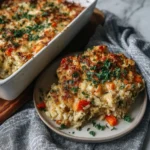
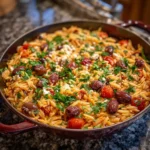
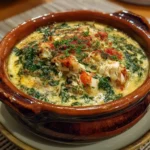
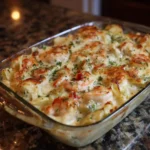
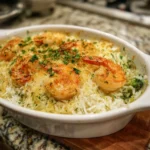
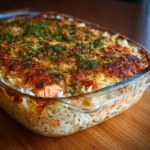
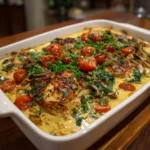
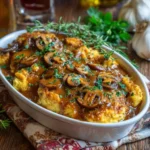
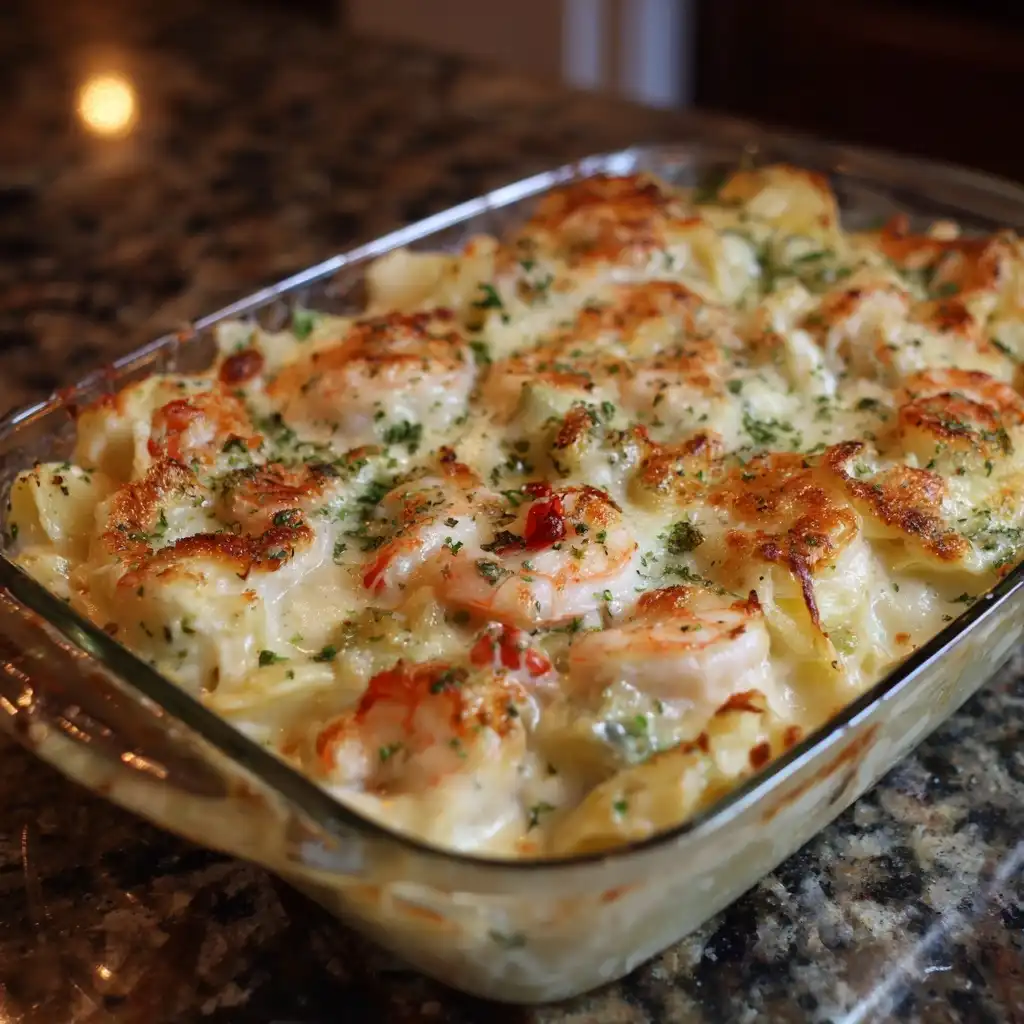
Seafood Alfredo Casserole is a luxurious, comforting, and restaurant-worthy dish that brings together the creamy richness of classic Alfredo sauce with the delicate sweetness and tender texture of premium seafood—typically a harmonious blend of shrimp, scallops, and flaky white fish like cod or haddock. Unlike traditional pasta bakes that rely heavily on cheese and heavy cream alone, this casserole elevates the experience with layers of flavor: garlic-infused butter, fresh herbs, a velvety Parmesan-Romano emulsion, and just the right amount of al dente fettuccine or linguine to hold everything together without becoming mushy. It’s the kind of dish that feels indulgent yet approachable—perfect for special family dinners, holiday gatherings, or impressing guests without spending hours at the stove. Whether you’re a seafood enthusiast, a pasta devotee, or simply seeking a decadent weeknight upgrade, Seafood Alfredo Casserole delivers elegance in every bite—creamy, briny, savory, and deeply satisfying.
The History
The origins of Seafood Alfredo Casserole are not rooted in a single historical moment but rather represent a delicious evolution of two distinct culinary traditions: Italian-American Alfredo and American-style baked casseroles. The original Fettuccine Alfredo was created in early 20th-century Rome by chef Alfredo di Lelio, who famously prepared a simple, butter-and-Parmesan–based pasta for his pregnant wife to stimulate her appetite. That minimalist Roman dish—just pasta, butter, and aged Parmigiano-Reggiano—was later adapted in the United States during the mid-1900s into a richer, cream-laden version popularized by restaurants like Romano’s Macaroni Grill and Olive Garden. Meanwhile, the American casserole tradition—born from frugality, convenience, and mid-century home economics—flourished post-WWII with the rise of canned soups, processed cheeses, and oven-ready baking dishes. Seafood Alfredo Casserole emerged organically in the 1980s and 1990s as home cooks began combining these trends: taking creamy, cheese-forward Alfredo pasta recipes and transforming them into shareable, crowd-pleasing baked entrées. Chefs and food writers like Emeril Lagasse and Ina Garten further refined the concept by emphasizing high-quality, fresh seafood and scratch-made sauces—shifting it from a “buffet staple” to a gourmet centerpiece. Today, it symbolizes the fusion of Old World technique and New World creativity—a testament to how regional ingredients, immigrant ingenuity, and modern kitchen tools can converge into something greater than the sum of its parts.
Ingredients Breakdown
Every exceptional Seafood Alfredo Casserole begins with thoughtfully selected, high-quality components—each playing a precise role in building depth, texture, balance, and authenticity. Below is an in-depth analysis of each ingredient’s function and optimal selection criteria:
- Fresh Seafood Trio (Shrimp, Scallops, White Fish): The heart of the dish. Medium-large wild-caught Gulf or Pacific shrimp (peeled, deveined, tail-on or off based on preference) provide sweet, snappy contrast. Dry-packed sea scallops (not wet-packed) deliver caramelizable sweetness and firm, melt-in-the-mouth tenderness when seared. Mild, lean white fish—such as Atlantic cod, haddock, or halibut—adds flaky structure and subtle oceanic nuance without overpowering. Avoid frozen-at-sea seafood with added phosphates or excessive ice glaze, which dilutes flavor and causes watery separation in the bake.
- Pasta (Fettuccine or Linguine): Wide, flat ribbons are ideal—they trap sauce beautifully and offer structural integrity during baking. Opt for bronze-die extruded dried pasta (e.g., De Cecco or Rustichella d’Abruzzo) or fresh egg fettuccine for superior sauce adhesion and chew. Undercook pasta by 1–2 minutes before baking (“al dente +”) to prevent mushiness during the final 25–30 minute oven phase.
- Alfredo Base Ingredients: Authentic richness comes not from heavy cream alone, but from layered dairy: unsalted butter (for nutty depth and emulsification), full-fat whole milk (for body without heaviness), freshly grated Parmigiano-Reggiano (aged minimum 24 months for crystalline umami), and sharp Pecorino Romano (for salty, tangy lift). A small amount of cream cheese (full-fat, room temperature) adds silkiness and stabilizes the sauce against breaking.
- Aromatics & Seasonings: Yellow onion (finely diced), garlic (minced—not powdered), and leeks (white and light green parts only, thoroughly rinsed) build aromatic complexity. Freshly ground black pepper, white pepper (for heat without visual specks), and a whisper of freshly grated nutmeg enhance warmth and roundness. High-quality extra-virgin olive oil is used only for initial sautéing—never substituted for butter in the sauce.
- Herbs & Brightening Agents: Fresh parsley (flat-leaf, chopped fine), chives, and a small handful of dill add herbal brightness and cut through richness. A splash of dry white wine (e.g., Sauvignon Blanc or Pinot Grigio) deglazes the pan and adds acidity; lemon zest and juice (added at the end, not baked in) preserve vibrancy and lift the entire profile.
- Binding & Texture Enhancers: A light dusting of all-purpose flour (or gluten-free rice flour blend) thickens the sauce gently without gumminess. Breadcrumbs—preferably panko mixed with melted butter, garlic powder, and extra Parmesan—form a golden, crunchy, flavorful topping that contrasts the creamy interior.
- Optional Luxe Additions: A few pieces of lump crabmeat folded in just before baking, a drizzle of truffle oil after serving, or a scattering of crispy pancetta or prosciutto crumbles add next-level sophistication.
Step-by-Step Recipe
This meticulously tested, chef-developed method ensures consistent success—no curdled sauce, no rubbery seafood, no soggy pasta. Follow each stage precisely for optimal results:
- Prep & Par-Cook Seafood: Pat all seafood *extremely* dry with paper towels. Season lightly with salt and white pepper. Heat 1 tbsp clarified butter in a stainless steel skillet over medium-high heat until shimmering. Sear scallops 1½ minutes per side until golden; remove and rest on a wire rack. Repeat with shrimp (1 minute per side) and fish (2 minutes skin-side down if skin-on, then 1 minute flesh-side). Cool completely—refrigerate uncovered for 15 minutes to halt carryover cooking and prevent steam buildup in casserole.
- Blanch & Shock Pasta: Cook pasta in well-salted boiling water (2 tbsp kosher salt per gallon) until *just* pliable but very firm—about 6–7 minutes for dried fettuccine. Drain, rinse under cold water to stop cooking, then toss with 1 tsp olive oil to prevent sticking. Spread on a clean towel-lined sheet pan to air-dry 10 minutes—critical for avoiding excess moisture in the bake.
- Build the Roux & Aromatics: In a heavy-bottomed Dutch oven or 5-quart saucepan, melt ¼ cup unsalted butter over medium-low heat. Add diced onion and leeks; cook 6–8 minutes until translucent but not browned. Stir in minced garlic and cook 45 seconds until fragrant. Sprinkle in ¼ cup all-purpose flour; whisk constantly 2 minutes to cook out raw taste—mixture should smell nutty and turn pale gold.
- Develop the Sauce Base: Gradually whisk in 2 cups warm whole milk (pre-heated in microwave 1 minute), ensuring no lumps form. Add ½ cup warmed heavy cream and ½ cup dry white wine. Simmer gently 5–6 minutes, stirring often, until slightly thickened and coats the back of a spoon. Reduce heat to low.
- Incorporate Cheese & Stabilizers: Remove from heat. Whisk in 1 (3 oz) block softened full-fat cream cheese until fully melted and smooth. Gradually whisk in 1½ cups freshly grated Parmigiano-Reggiano and ½ cup finely grated Pecorino Romano—adding in three batches, allowing each to fully melt before adding more. Stir in ¼ tsp freshly grated nutmeg, ½ tsp white pepper, and 1 tsp lemon zest. Taste and adjust salt carefully—cheeses are salty!
- Combine Components Gently: In a large mixing bowl, fold together cooled pasta, seared seafood (broken into bite-sized pieces if needed), and sauce using a silicone spatula—fold *upward*, never stir or press down. Fold in ¼ cup chopped fresh parsley and 2 tbsp chives. Transfer mixture to a generously buttered 13″x9″ ceramic or enameled cast iron baking dish.
- Prepare & Apply Topping: In a small bowl, combine 1 cup panko, 3 tbsp melted butter, ¼ cup grated Parmesan, 1 tsp garlic powder, ½ tsp onion powder, and pinch of smoked paprika. Sprinkle evenly over casserole. Optional: scatter 2 tbsp crumbled cooked pancetta over top.
- Bake to Perfection: Place dish on center oven rack in preheated 375°F (190°C) oven. Bake uncovered 25–28 minutes—until edges bubble vigorously and topping is deep golden brown. Rotate dish halfway through. Let rest 12 minutes before serving—this allows sauce to reabsorb and set properly for clean slices.
- Final Garnish & Serve: Drizzle with 1 tbsp high-quality lemon-infused olive oil and a final flourish of lemon juice (½ tsp), micro parsley, and flaky sea salt (e.g., Maldon). Serve immediately with crusty sourdough or garlic-herb focaccia for dipping.
Tips
- Temperature Control Is Non-Negotiable: Never add cold seafood or cold pasta to warm sauce—it shocks proteins and causes separation. Always bring all components to room temperature before combining.
- Sauce Consistency Check: Alfredo should coat the back of a spoon thickly but still pour slowly. If too thin, simmer 1–2 minutes longer. If too thick, whisk in warm milk, 1 tbsp at a time—never cold liquid.
- No Overmixing: Folding—not stirring—preserves seafood texture and prevents pasta from breaking down. Use a wide, flexible spatula and gentle upward motions.
- Baking Dish Matters: Ceramic or stoneware retains heat evenly and prevents scorching on the bottom. Avoid thin metal pans unless lined with parchment and buttered generously.
- Resting Is Essential: Cutting into the casserole too soon releases steam and thins the sauce. A full 10–12 minute rest lets starches relax and bind the sauce.
- Freeze Smart: Assemble *unbaked* casserole, cover tightly with double-layer foil, and freeze up to 3 months. Thaw overnight in fridge, then bake 35–40 minutes (add 5 minutes if still cool in center).
- Reheat Without Ruin: Individual portions: Microwave covered at 50% power in 45-second intervals, stirring gently between. Full dish: Cover with foil, bake at 325°F for 20–25 minutes until heated through.
- Acid Balance: Lemon juice should be added *after* baking—heat destroys its bright top notes. Reserve 1 tsp per serving for finishing.
- Garlic Caution: Raw garlic burns easily. Always sauté in butter/oil first—never add minced garlic directly to hot sauce at the end.
- Cheese Grating Rule: Pre-grated “shelf-stable” cheese contains anti-caking agents (cellulose) that make sauces grainy and oily. Grate your own from a block—always.
Variations and Customizations
This versatile casserole serves as a canvas for regional flavors, dietary needs, seasonal availability, and personal preferences—all while maintaining its soul: creamy, seafood-forward comfort. Here are 12 expert-curated adaptations:
- Coastal Mediterranean Style: Swap shrimp for mussels and clams (scrubbed, debearded), add sun-dried tomatoes, kalamata olives, capers, and finish with basil oil and crumbled feta.
- Spicy Cajun Seafood: Toss seafood in Cajun seasoning before searing; replace half the Parmesan with sharp aged cheddar; stir in 1 diced jalapeño (seeds removed) and 1 tsp smoked paprika into sauce.
- Low-Carb Zoodle Version: Replace pasta with spiralized zucchini (salted, squeezed dry) and shirataki noodles (rinsed, dry-roasted in skillet 3 minutes). Reduce bake time to 18 minutes.
- Dairy-Free / Vegan Adaptation: Use cashew cream (soaked raw cashews + nutritional yeast + lemon + garlic), coconut milk (full-fat, canned), and vegan butter. Seafood becomes hearts of palm “scallops” and marinated artichoke “shrimp.”
- Gluten-Free Friendly: Substitute gluten-free fettuccine (brown rice or lentil-based) and use gluten-free flour blend (like Bob’s Red Mill 1-to-1) for roux. Verify all broth/wine is GF-certified.
- Lighter “Primavera” Twist: Add 1½ cups roasted asparagus, peas, baby spinach, and cherry tomatoes. Reduce cheese by ⅓ and increase lemon zest to 2 tsp for freshness.
- Lobster & Champagne Alfredo: Fold in 1 cup cooked lobster meat; replace white wine with chilled brut Champagne; finish with chervil and a drizzle of reduced lobster stock.
- Smoky Southwest Fusion: Add chipotle purée (1 tsp), roasted corn, black beans (rinsed), and cotija cheese. Top with crushed tortilla chips instead of panko.
- Asian-Inspired Umami Boost: Infuse sauce with toasted sesame oil (½ tsp), ginger paste (1 tsp), and tamari instead of salt; garnish with scallions, nori strips, and pickled daikon.
- Kid-Friendly Mild Version: Omit garlic and black pepper; use mild Monterey Jack instead of Pecorino; add finely diced carrots and peas; shape into fun individual ramekins.
- Brunch Casserole: Stir in 4 beaten eggs and ½ cup cottage cheese before baking; top with everything bagel seasoning; serve with poached eggs on top.
- Gourmet Thanksgiving Side: Add roasted chestnuts, caramelized shallots, and thyme; substitute turkey sausage crumbles for part of seafood; finish with sage brown butter drizzle.
Health Considerations and Nutritional Value
While undeniably indulgent, Seafood Alfredo Casserole can be nutritionally balanced with mindful ingredient choices and portion awareness. A standard 1-cup serving (approx. 320g) of the classic recipe provides approximately:
- Calories: 520–580 kcal (varies by cheese/butter ratio)
- Protein: 32–38g — exceptionally high due to combined seafood and dairy; complete amino acid profile supports muscle repair and satiety.
- Fats: 28–34g total — primarily unsaturated (from olive oil, seafood omega-3s) and saturated (from cheese/butter). Contains ~1.8g EPA/DHA omega-3 fatty acids per serving — clinically shown to support cardiovascular and cognitive health.
- Carbohydrates: 34–38g — mostly complex from pasta; fiber content increases significantly with whole-grain or legume-based pasta (add 4–6g fiber).
- Vitamins & Minerals: Excellent source of Vitamin B12 (350% DV), Selenium (120% DV), Zinc (45% DV), and Phosphorus (50% DV) — all abundant in shellfish and finfish. Also rich in calcium (28% DV) and Vitamin A (18% DV) from dairy and fortified pasta.
Dietary Notes & Modifications:
- Heart Health: Reduce saturated fat by using ⅓ less butter, substituting half the heavy cream with evaporated skim milk, and choosing low-sodium cheeses. Omega-3s remain intact.
- Weight Management: Increase volume and fiber with non-starchy vegetables (spinach, broccoli, zucchini) without adding significant calories—enhances fullness and micronutrient density.
- Low-Sodium Options: Omit added salt; rely on herbs, lemon, and high-flavor cheeses like aged Parmesan (naturally lower sodium than processed mozzarella). Rinse canned seafood thoroughly.
- Allergen Awareness: Contains dairy (casein/whey), shellfish (shrimp/scallops), gluten (pasta), and potential egg (if using fresh pasta). Always label clearly for guests.
- Food Safety Reminder: Seafood must reach internal temp of 145°F (63°C) — verify with instant-read thermometer. Refrigerate leftovers within 2 hours; consume within 3 days.
When enjoyed mindfully—as part of a varied, plant-forward diet—this casserole offers far more than comfort: it’s a nutrient-dense celebration of oceanic vitality and culinary craftsmanship.
Ingredients
- 1 lb (450g) medium-large shrimp, peeled, deveined, tails optional
- ¾ lb (340g) dry-packed sea scallops, side muscle removed
- ¾ lb (340g) skinless cod or haddock fillets, cut into 1-inch cubes
- 12 oz (340g) bronze-die dried fettuccine or linguine
- ½ cup (115g) unsalted butter, divided
- 1 medium yellow onion, finely diced (1 cup)
- 2 leeks (white/light green only), thoroughly rinsed and finely sliced (1¼ cups)
- 6 cloves garlic, minced (2 tbsp)
- ¼ cup (30g) all-purpose flour (or GF blend)
- 2 cups (480ml) whole milk, warmed
- ½ cup (120ml) heavy cream, warmed
- ½ cup (120ml) dry white wine (Sauvignon Blanc or Pinot Grigio)
- 1 (3 oz / 85g) block full-fat cream cheese, softened
- 1½ cups (150g) freshly grated Parmigiano-Reggiano
- ½ cup (50g) finely grated Pecorino Romano
- 1 tsp freshly grated nutmeg
- 1½ tsp freshly ground white pepper
- 1½ tsp kosher salt (adjust to taste—cheeses are salty)
- Zest of 1 large lemon (2 tsp)
- ¼ cup (15g) fresh flat-leaf parsley, finely chopped
- 2 tbsp (6g) fresh chives, finely sliced
- 1 tbsp fresh lemon juice (added after baking)
- 1 cup (50g) panko breadcrumbs
- 3 tbsp (45g) melted butter (for topping)
- Flaky sea salt and extra lemon wedges, for serving
Directions
- Preheat oven to 375°F (190°C). Butter a 13″x9″ baking dish generously; set aside.
- Pat seafood *very* dry. Season lightly with salt and white pepper. Heat 1 tbsp butter in large stainless skillet over medium-high heat. Sear scallops 1½ min/side until golden; transfer to wire rack. Repeat with shrimp (1 min/side) and fish (2 min skin-side down, 1 min other side). Cool 15 min uncovered in fridge.
- Cook pasta in 4 qt salted boiling water (2 tbsp salt) until *very* al dente (6–7 min). Drain, rinse under cold water, toss with 1 tsp olive oil, spread on towel-lined sheet pan, air-dry 10 min.
- In heavy Dutch oven, melt ¼ cup butter over medium-low. Add onion and leeks; cook 6–8 min until soft. Add garlic; cook 45 sec. Whisk in flour; cook 2 min until nutty.
- Gradually whisk in warm milk, warm cream, and wine. Simmer 5–6 min, stirring, until coating spoon. Remove from heat.
- Whisk in cream cheese until smooth. Gradually whisk in cheeses in 3 batches. Stir in nutmeg, white pepper, salt, and lemon zest. Taste—adjust salt minimally.
- In large bowl, gently fold together cooled pasta, cooled seafood (broken if large), and sauce. Fold in parsley and chives.
- Transfer to prepared dish. In small bowl, mix panko, 3 tbsp melted butter, ¼ cup Parmesan, garlic powder, onion powder, paprika. Sprinkle evenly over casserole.
- Bake uncovered 25–28 min until bubbling at edges and topping is deep golden. Rotate dish halfway. Rest 12 min.
- Drizzle with lemon juice, lemon oil, flaky salt, and extra herbs. Serve immediately with crusty bread.
FAQ
- Can I use frozen seafood?
- Yes—but only high-quality IQF (individually quick frozen) seafood with no added sodium tripolyphosphate. Thaw *overnight in fridge*, then pat *extremely* dry. Never thaw at room temperature or in water, which leaches flavor and causes mushiness.
- Why does my Alfredo sauce break or look greasy?
- Common causes: overheating sauce past 180°F, adding cold dairy/cheese, using pre-grated cheese with cellulose, or vigorous whisking after cheese is added. Solution: keep heat low, warm dairy beforehand, grate cheese yourself, and stir gently in one direction.
- Can I make this ahead of time?
- Absolutely. Assemble *unbaked*, cover tightly with double-layer foil, refrigerate up to 24 hours. Add 5–7 minutes to bake time. For longer storage, freeze unbaked casserole up to 3 months—thaw overnight before baking.
- What pasta alternatives work best?
- Fettuccine and linguine are ideal. Substitutes: tagliatelle, pappardelle, or even short shapes like campanelle or casarecce (they hold sauce well). Avoid spaghetti—it’s too thin and slips through sauce.
- My casserole turned out watery. What went wrong?
- Most often: seafood wasn’t patted dry, pasta wasn’t undercooked and air-dried, or sauce wasn’t thickened enough before combining. Also, resting time was skipped—letting it sit 12 minutes allows starches to absorb excess liquid.
- Can I omit the wine?
- Yes. Replace with equal amount of low-sodium seafood or vegetable broth + 1 tsp apple cider vinegar for acidity and depth.
- Is there a way to make this lighter without sacrificing flavor?
- Use ⅔ full-fat dairy + ⅓ evaporated skim milk; replace half the butter with olive oil in sauté step; increase seafood portion by 25% and reduce pasta by 2 oz; load up on roasted vegetables.
- Can I add vegetables? Which ones?
- Yes! Ideal options: sautéed spinach (wilted & squeezed), roasted asparagus tips, blanched broccoli florets, caramelized fennel, or sun-dried tomatoes (oil-packed, drained and chopped).
- How do I know when seafood is perfectly cooked?
- Shrimp: opaque pink-white with slight curl; scallops: opaque white with golden sear, slightly springy to touch; fish: opaque, flakes easily with fork, internal temp 145°F (63°C).
- Can I use imitation crab (surimi)?
- Not recommended—it contains fillers, gums, and artificial flavors that destabilize sauce texture and mute natural seafood taste. Stick to real, sustainably sourced seafood for best results.
Summary
Seafood Alfredo Casserole is a masterful fusion of Italian-American creaminess and coastal seafood elegance—built on perfectly seared shrimp, scallops, and white fish, enrobed in a velvety, slow-simmered Parmesan-Romano sauce, and baked to golden perfection over al dente fettuccine with a crisp herb-breadcrumb crown.
With meticulous attention to ingredient quality, temperature control, and layered technique—not shortcuts—this dish transforms weeknight cooking into a memorable, nourishing, and deeply satisfying culinary experience that honors both tradition and innovation.