Introduction
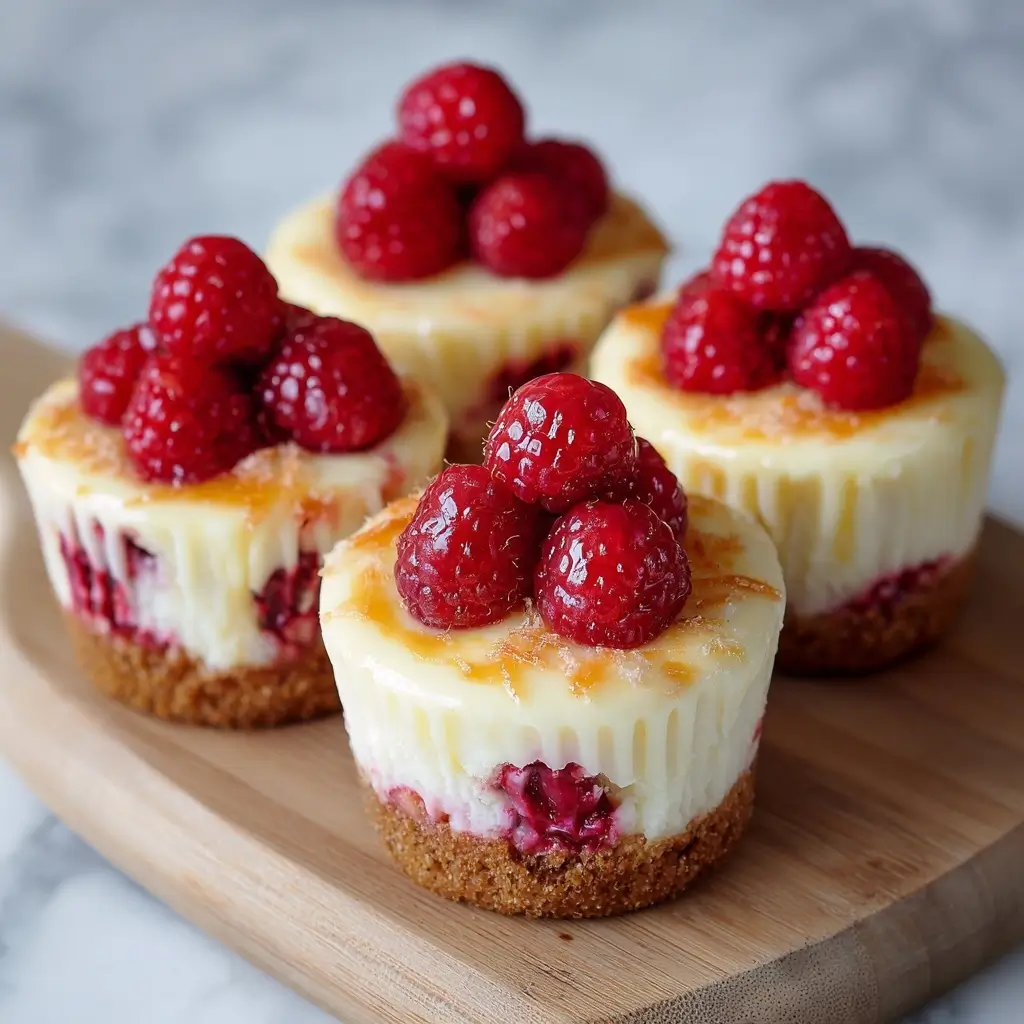
Imagine the luscious tang of sun-ripened raspberries meeting the velvety richness of classic New York-style cheesecake—now perfectly portioned, elegantly presented, and irresistibly handheld. Raspberry Cheesecake Cupcakes are more than just a dessert; they’re a celebration in miniature form. Each cupcake delivers a harmonious balance of sweet, tart, creamy, and crumbly textures—featuring a buttery graham cracker base, a luxuriously smooth and lightly tangy cream cheese filling, and a vibrant, jewel-toned raspberry swirl that marbles through every bite like edible stained glass. Whether you’re hosting an intimate gathering, planning a themed birthday party, or simply treating yourself to something special after a long week, these cupcakes offer sophistication without fuss, elegance without excess effort, and flavor depth that rivals any full-sized cheesecake—but with the convenience and visual charm of individual servings.
The History
The evolution of Raspberry Cheesecake Cupcakes is a delicious convergence of two beloved dessert traditions: the ancient lineage of cheesecake and the modern American cupcake renaissance. Cheesecake itself traces its origins back over 4,000 years to ancient Greece, where early versions made with honey-sweetened cheese and flour were served to athletes at the first Olympic Games in 776 BCE. The Romans later adopted and adapted the recipe, spreading it across their empire. In the United States, the iconic New York–style cheesecake—dense, rich, and baked with cream cheese (a product invented by William Lawrence in 1872)—emerged in the early 20th century, popularized by delis and bakeries like Lindy’s and later Junior’s in Brooklyn.
Cupcakes, originally called “cup cakes” because ingredients were measured by the cup rather than weight (as noted in Amelia Simmons’ 1796 cookbook American Cookery), gained renewed cultural prominence in the late 20th and early 21st centuries—fueled by television shows like Sex and the City and the rise of boutique bakeries such as Magnolia Bakery. The fusion of cheesecake and cupcake formats began gaining traction in the mid-2000s, with food bloggers and pastry chefs experimenting with miniaturized, no-bake, and baked versions alike. Raspberry entered the fold not only for its natural affinity with cream cheese’s tang but also due to its growing popularity in artisanal baking, thanks to advancements in freeze-dried fruit powders, high-quality seedless preserves, and improved techniques for stabilizing fruit swirls without weeping or curdling. Today, Raspberry Cheesecake Cupcakes stand as a testament to culinary innovation—honoring tradition while embracing accessibility, creativity, and visual storytelling on a single-serving scale.
Ingredients Breakdown
Every exceptional Raspberry Cheesecake Cupcake begins with intentionality—not just in measurement, but in ingredient selection and function. Below is a meticulous breakdown of each component, explaining *why* it’s included and how it contributes to structure, flavor, texture, and stability:
- Graham Cracker Crumbs (for crust): Provides a sturdy, slightly sweet, and cinnamon-kissed foundation. The fine texture ensures cohesion when pressed into liners, while the honey and whole wheat content adds subtle complexity and moisture retention.
- Unsalted Butter (melted): Acts as the binding agent for the crust—melting the sugars and starches in the crumbs to create a firm, crisp-yet-tender base upon baking. Using unsalted butter allows precise control over sodium levels.
- Cream Cheese (full-fat, brick-style, room temperature): The heart of the filling. Full-fat ensures richness and prevents graininess; room temperature guarantees seamless blending and eliminates lumps. Avoid whipped or low-fat varieties—they introduce air pockets or excess water, leading to cracking or weeping.
- Granulated Sugar: Sweetens and stabilizes the protein matrix in the cream cheese. It also aids in aeration during mixing and contributes to the signature slight “bite” in texture.
- Sour Cream (full-fat): Adds moisture, acidity, and a gentle tang that balances sweetness. Its high fat content improves mouthfeel and helps prevent over-baking and dryness.
- Heavy Whipping Cream (36–40% fat): Enhances creaminess and contributes to a smoother, silkier batter consistency—critical for achieving that dense-but-not-heavy texture. Also helps regulate oven spring and minimizes surface cracking.
- Large Eggs (room temperature): Provide structure via protein coagulation and lecithin emulsification. Room temperature eggs incorporate more evenly and reduce the risk of curdling when added to warm cream cheese mixtures.
- Vanilla Extract (pure, not imitation): Deepens flavor complexity and rounds out dairy notes. Alcohol-based vanilla also helps distribute fat-soluble compounds evenly throughout the batter.
- Fine Sea Salt: A crucial counterpoint—it doesn’t make the cupcakes taste salty, but rather heightens all other flavors, reduces perceived sweetness, and sharpens the raspberry’s acidity.
- Freeze-Dried Raspberries (powdered or finely ground): Delivers intense, concentrated raspberry flavor without added moisture—ideal for swirling or dusting. Unlike fresh or jam-based swirls, freeze-dried powder won’t bleed or separate during baking.
- Seedless Raspberry Preserves or Jam (high-quality, low-sugar preferred): Offers glossy sheen, fruity brightness, and viscosity for controlled marbling. Low-sugar versions prevent excessive caramelization or bubbling during baking.
- Fresh Raspberries (optional garnish): For visual appeal and a burst of freshness. Best added just before serving to preserve integrity and avoid staining the frosting.
- Optional Additions: Lemon zest (brightens raspberry notes), almond extract (adds subtle nuttiness), white chocolate chips (for textural contrast), or a splash of Chambord (raspberry liqueur) for adult variations.
Step-by-Step Recipe
This method prioritizes precision, patience, and process-driven success—designed to yield crack-free, luxuriously creamy, visually stunning cupcakes every time. Follow each step carefully, especially temperature management and mixing technique.
- Prep & Preheat: Line a standard 12-cup muffin tin with high-quality parchment cupcake liners (or foil-lined for extra structural support). Preheat oven to 325°F (163°C)—a lower temperature prevents rapid expansion and cracking. Position rack in center of oven.
- Prepare Crust: In a food processor or zip-top bag with rolling pin, pulse 1½ cups graham cracker crumbs (about 10 full sheets) until fine. Mix with 6 tbsp melted unsalted butter and 2 tbsp granulated sugar. Press 1 heaping tablespoon firmly into the bottom of each liner using the back of a spoon or a small measuring cup. Chill crusts for at least 15 minutes (or freeze for 10) to set fats and prevent crumbling during filling.
- Make Filling Base: In a large bowl using a stand mixer fitted with paddle attachment (or hand mixer on medium-low), beat 16 oz (2 standard blocks) full-fat cream cheese until completely smooth and fluffy—about 2 minutes. Scrape bowl thoroughly. Add ¾ cup granulated sugar and beat 2 more minutes until lightened and homogeneous. Add ⅔ cup full-fat sour cream and ¼ cup heavy cream; mix until fully incorporated—about 1 minute. Scrape bowl again.
- Incorporate Eggs Gently: Add eggs one at a time, beating on low speed for just 20–30 seconds after each addition until yolk disappears. Overmixing introduces air, which expands and collapses during baking—causing cracks. Add 1 tsp pure vanilla extract and ¼ tsp fine sea salt; mix on lowest speed for 15 seconds.
- Divide & Swirl Strategically: Transfer two-thirds of batter into a separate bowl. To remaining batter in main bowl, whisk in 2 tbsp freeze-dried raspberry powder (or 3 tbsp seedless raspberry jam thinned with 1 tsp lemon juice) until uniform pink. Reserve plain batter.
- Layer & Marble: Spoon 2 level tablespoons of plain batter into each crust-lined cup—smooth gently. Top with 1 heaping teaspoon of raspberry batter. Using a toothpick or skewer, drag gently in figure-eight or zigzag motions—just 3–4 passes per cupcake—to create delicate marbling. Do not over-swirl; clarity of contrast is key.
- Bake with Steam Control: Place muffin tin on a rimmed baking sheet (for easy handling and spill protection). Pour 1 inch of hot tap water onto sheet beneath tin—creating a gentle steam bath that regulates temperature and prevents surface fissures. Bake for 22–26 minutes: edges should be set and lightly golden, centers slightly jiggly (like Jell-O) but not soupy. A thermometer inserted 1 inch from edge should read 150–155°F (65–68°C).
- Cool Gradually (Non-Negotiable): Turn off oven. Crack door open 1 inch with a wooden spoon handle. Let cupcakes rest inside for 30 minutes—this slow cooldown prevents thermal shock and collapse. Remove from oven, place tin on wire rack, and cool completely (at least 2 hours) at room temperature. Then refrigerate uncovered for minimum 6 hours—or ideally overnight—to fully set and develop flavor.
- Final Touches: Once chilled, carefully peel away liners if needed (they’ll release easily when cold). Optional: Dust with additional freeze-dried raspberry powder, drizzle with warmed raspberry coulis, or top with a single fresh raspberry and mint leaf.
Tips
- Room Temperature Is Non-Negotiable: All dairy and eggs must be truly room temp (68–72°F/20–22°C), not just “out of the fridge for 30 minutes.” Cold ingredients cause uneven emulsification and lead to lumpy, dense, or cracked cupcakes.
- Scrape, Scrape, Scrape: Use a flexible silicone spatula to scrape the bowl, beater, and sides of the paddle after every mixing stage. Even a small unmixed pocket of cream cheese can result in a gritty or uneven bite.
- Low Speed Saves Lives: Always mix fillings on low to medium-low. High speeds trap air—air expands in heat, then collapses upon cooling = sinkholes and cracks.
- Water Bath Hack for Cupcakes: Don’t skip the hot water on the baking sheet. It creates ambient humidity and evens out oven hotspots—especially vital in convection ovens, which tend to dry out delicate batters.
- Chill Before Serving: These cupcakes taste best cold—between 38–42°F (3–6°C). Take them from fridge 10 minutes before serving for ideal creaminess without iciness.
- Linings Matter: Use greaseproof parchment liners—not wax paper or cheap paper. Foil liners add rigidity and prevent sogginess at the base. For photography or gifting, choose rose gold, matte black, or scalloped-edge liners.
- Swirl Like an Artist, Not a Scientist: Less is more. One confident swoop is better than ten timid lines. If swirls disappear, your raspberry mixture is too thin—add ½ tsp cornstarch to jam before swirling.
- No Overbaking: The center should wobble like custard—not jiggle like liquid. Carryover cooking will finish the job during cooling.
- Freezing Friendly: Fully cooled, unfrosted cupcakes freeze beautifully for up to 3 months. Thaw overnight in fridge—never at room temperature—to preserve texture.
- Storage Wisdom: Keep refrigerated in an airtight container for up to 5 days. Separate layers with parchment to prevent sticking. Do not store with fresh fruit on top until ready to serve.
Variations and Customizations
Raspberry Cheesecake Cupcakes are a versatile canvas—ideal for seasonal shifts, dietary accommodations, holiday themes, and personal flair. Here’s how to adapt them thoughtfully:
Dietary Adaptations
- Gluten-Free: Substitute gluten-free graham crackers (like Schär or Pamela’s) and verify all extracts/preserves are GF-certified. Add ½ tsp xanthan gum to crust mixture for binding.
- Lower-Sugar / Diabetic-Friendly: Replace granulated sugar with erythritol + monk fruit blend (1:1 ratio); use no-sugar-added preserves; opt for reduced-fat cream cheese (with added caution—may require extra sour cream for moisture).
- Vegan: Use vegan cream cheese (Kite Hill or Miyoko’s), coconut oil–based “butter,” flax eggs (1 tbsp ground flax + 2.5 tbsp water per egg), and coconut cream instead of sour cream/heavy cream. Crust: vegan graham-style cookies (e.g., Nabisco Original Teddy Grahams—check label).
- Keto: Crust: almond flour + crushed pecans + melted butter + erythritol. Filling: full-fat cream cheese, sour cream, heavy cream, keto-friendly sweetener, vanilla, salt. Swirl: raspberry extract + beet powder for color (avoid fruit-based swirls due to carbs).
Flavor Twists
- Lemon-Raspberry: Add 1 tbsp finely grated lemon zest + 1 tsp lemon juice to filling; top with candied lemon peel.
- White Chocolate Raspberry: Fold ½ cup finely chopped white chocolate into plain batter before swirling; garnish with white chocolate curls.
- Chocolate Raspberry: Add 3 tbsp unsweetened cocoa powder to crust; swirl with dark chocolate ganache alongside raspberry.
- Earl Grey Infused: Steep 2 tsp loose-leaf Earl Grey in warm cream for 10 minutes, strain, and use infused cream in filling.
- Boozy Raspberry: Add 1 tbsp Chambord or creme de framboise to raspberry swirl mixture—or brush cooled cupcakes with simple syrup infused with raspberry liqueur.
Occasion-Based Styling
- Wedding or Brunch: Pipe rosettes of stabilized raspberry mascarpone frosting; garnish with edible flowers and gold leaf flakes.
- Holiday Editions: For Valentine’s Day—heart-shaped liners, red velvet swirl; for Christmas—cinnamon-infused crust, peppermint-raspberry swirl, crushed candy cane garnish.
- Kids’ Party: Use fun-shaped liners (stars, animals); top with rainbow sprinkles and mini marshmallows; swirl with strawberry-raspberry blend for milder tartness.
- Mini Version: Bake in 24 mini muffin cups (reducing bake time to 14–17 minutes); perfect for tasting menus or bridal showers.
Health Considerations and Nutritional Value
While Raspberry Cheesecake Cupcakes are undeniably indulgent, mindful preparation and informed substitutions allow them to fit meaningfully—even beneficially—into balanced eating patterns. Below is a nutritional snapshot per standard cupcake (based on full-fat, traditional preparation), followed by science-informed considerations:
Approximate Nutrition Per Cupcake (1 of 12):
- Calories: ~320–360 kcal
- Total Fat: 22–25g (including 13–15g saturated fat)
- Carbohydrates: 28–32g (including 18–22g sugars, 1g fiber)
- Protein: 5–6g
- Calcium: ~55mg (6% DV)
- Vitamin C: ~4mg (from raspberries, ~7% DV)
- Antioxidants: Rich in anthocyanins (from raspberries), which support cellular health and exhibit anti-inflammatory properties.
Health Highlights & Considerations:
- Raspberries: Nature’s Tiny Powerhouses: One cup of fresh raspberries contains 8g of fiber (32% DV), 54% DV of Vitamin C, and over 25 different antioxidant compounds—including ellagic acid, studied for potential protective effects against oxidative stress and DNA damage.
- Cream Cheese: More Than Just Fat: While high in saturated fat, full-fat dairy has been increasingly associated in recent meta-analyses with neutral or even beneficial cardiovascular outcomes when consumed as part of a whole-foods diet—likely due to synergistic nutrients like vitamin K2 (menaquinone), conjugated linoleic acid (CLA), and bioactive peptides.
- Portion Control Advantage: Cupcakes inherently encourage mindful serving sizes—eliminating the temptation to cut oversized slices of traditional cheesecake, which often exceed 500+ calories per portion.
- Added Sugar Awareness: Traditional versions contain ~20g added sugar per cupcake. Opting for reduced-sugar preserves, omitting crust sugar, or using date paste in crust can lower this by 30–50% without sacrificing satisfaction—thanks to raspberries’ natural tartness enhancing perceived sweetness.
- Digestive Notes: The combination of probiotic potential (from cultured sour cream and cream cheese), prebiotic fiber (from graham cracker crumbs and raspberries), and healthy fats supports gut-brain axis communication and satiety signaling.
- Allergen Alert: Contains dairy, eggs, and wheat (unless substituted). Always disclose allergens when serving others—especially important for school events or shared office kitchens.
- Mindful Indulgence Principle: Enjoyed occasionally as part of a varied, plant-forward, predominantly whole-food diet, these cupcakes contribute joy, social connection, and sensory pleasure—key dimensions of holistic health recognized by the World Health Organization and modern nutritional psychology.
Ingredients
For the Graham Cracker Crust:
- 1½ cups (150g) graham cracker crumbs (about 10 full sheets)
- 6 tablespoons (85g) unsalted butter, melted
- 2 tablespoons (25g) granulated sugar
- ¼ teaspoon fine sea salt
For the Cheesecake Filling:
- 16 ounces (454g) full-fat brick-style cream cheese, room temperature
- ¾ cup (150g) granulated sugar
- ⅔ cup (160g) full-fat sour cream, room temperature
- ¼ cup (60ml) heavy whipping cream (36–40% fat), room temperature
- 3 large eggs, room temperature
- 1 teaspoon pure vanilla extract
- ¼ teaspoon fine sea salt
For the Raspberry Swirl:
- 3 tablespoons (60g) high-quality seedless raspberry preserves or jam
- 1 teaspoon fresh lemon juice (to brighten and stabilize)
- Optional: 1 tablespoon freeze-dried raspberry powder (for intensified flavor and color)
For Garnish (Optional):
- Fresh raspberries
- Freeze-dried raspberry powder
- Mint leaves
- White chocolate shavings
- Edible gold dust or luster spray
Directions
- Preheat & Prep: Adjust oven rack to center position. Preheat oven to 325°F (163°C). Line a standard 12-cup muffin tin with parchment cupcake liners (or foil-lined). Set aside.
- Make Crust: In a medium bowl, combine graham cracker crumbs, melted butter, 2 tbsp sugar, and ¼ tsp salt. Stir until evenly moistened and clumping together. Divide evenly among liners (about 1 heaping tbsp each). Press firmly into bottom using back of a small spoon or 1-inch cookie scoop. Chill for 15 minutes (or freeze 10 minutes).
- Prepare Filling: In bowl of stand mixer fitted with paddle attachment, beat cream cheese on medium speed until completely smooth and creamy—about 2 minutes. Scrape bowl thoroughly. Add sugar and beat 2 minutes more until pale and fluffy. Scrape again.
- Add Dairy: Add sour cream and heavy cream. Beat on medium-low 1 minute until fully combined and silky. Scrape bowl.
- Incorporate Eggs: Add eggs one at a time, beating on low 20–30 seconds after each addition until fully absorbed. Add vanilla and salt; mix 15 seconds on lowest speed.
- Divide Batter: Transfer ⅔ of batter (approx. 2¼ cups) to a separate bowl. To remaining batter in mixer bowl, whisk in raspberry preserves, lemon juice, and optional raspberry powder until uniformly pink and smooth.
- Fill & Swirl: Spoon 2 level tbsp plain batter into each chilled crust. Smooth gently with offset spatula. Top with 1 heaping tsp raspberry batter. Drag toothpick through center in gentle figure-eight motion—3 passes only. Wipe toothpick between cupcakes for clean definition.
- Bake with Water Bath: Place muffin tin on rimmed baking sheet. Carefully pour 1 inch of hot tap water onto sheet (not into cups). Bake 22–26 minutes—edges set, centers slightly trembling. Rotate pan halfway through.
- Cool Slowly: Turn off oven. Prop door open 1 inch with wooden spoon. Let cupcakes rest in oven 30 minutes. Remove and cool on wire rack 2 hours at room temp. Refrigerate uncovered minimum 6 hours—or overnight—for optimal texture and flavor development.
- Finish & Serve: Gently peel liners if needed. Dust with freeze-dried raspberry powder or garnish as desired. Serve chilled. Store refrigerated in airtight container up to 5 days.
FAQ
Can I make these ahead of time?
Absolutely—and highly recommended! These cupcakes improve significantly after 12–24 hours of refrigeration. The flavors meld, the texture firms to perfect creaminess, and the raspberry notes deepen. You can bake and chill up to 3 days in advance. For longer storage, freeze unfrosted cupcakes for up to 3 months—thaw overnight in fridge before serving.
Why did my cupcakes crack?
Cracking most commonly results from rapid temperature change (opening oven too soon, cooling too fast), overmixing (trapping air), or overbaking. Ensure you use the water bath, avoid opening the oven during baking, cool gradually in the turned-off oven, and rely on visual cues—not just timer—when checking doneness.
Can I use frozen raspberries instead of preserves?
Not directly—frozen raspberries release too much water and can cause separation, weeping, or soggy layers. However, you can simmer ½ cup frozen raspberries with 1 tbsp sugar and ½ tsp lemon juice until thickened and jammy (10–12 min), then strain seeds and cool completely before swirling.
Do I need a water bath?
While not strictly mandatory, the shallow water bath is the #1 professional trick for flawless, crack-free, creamy cupcakes. It buffers oven heat, adds ambient humidity, and prevents the outer edges from setting too quickly—allowing even, gentle rise and consolidation.
Can I make these without a mixer?
Yes—with patience and elbow grease. Use a whisk and large heatproof bowl. Beat cream cheese with a fork until softened, then gradually work in sugar, sour cream, and cream by hand. Whisk eggs in separately, then fold in gently. It takes longer but yields excellent results.
Why does my raspberry swirl disappear or turn gray?
Gray swirls indicate curdling—usually caused by adding cold raspberry mixture to warm batter, or using preserves with high pectin or citric acid. Always bring swirl mixture to room temperature. Opt for low-acid, high-fruit-content preserves—or use freeze-dried powder for vibrant, stable color.
Can I double the recipe?
Yes—but bake in batches. Doubling the batter increases mixing time and risk of overworking, and overcrowding the oven compromises air circulation and steam distribution. Use two tins, rotate positions, and maintain consistent oven temp.
What’s the best way to pipe a decorative finish?
For elegant presentation, whip 1 cup cold heavy cream with 2 tbsp powdered sugar and 1 tsp vanilla to stiff peaks. Fold in 2 tbsp seedless raspberry jam. Pipe using a star tip (#1M) in a tall, swirled rosette. Chill 15 minutes before serving to set.
Are these safe for pregnant people or immunocompromised individuals?
Yes—as long as all ingredients are pasteurized (check cream cheese, sour cream, and eggs) and cupcakes are baked to a minimum internal temperature of 150°F (65°C) and properly refrigerated. Avoid raw egg-based frostings or uncooked fillings.
How do I transport these safely?
Use a rigid, lidded cupcake carrier with individual slots—or nest cupcakes upright in a deep box lined with non-slip shelf liner. Chill fully before transport and keep in insulated cooler with ice packs if traveling over 30 minutes. Never stack.