Introduction
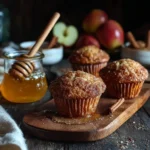
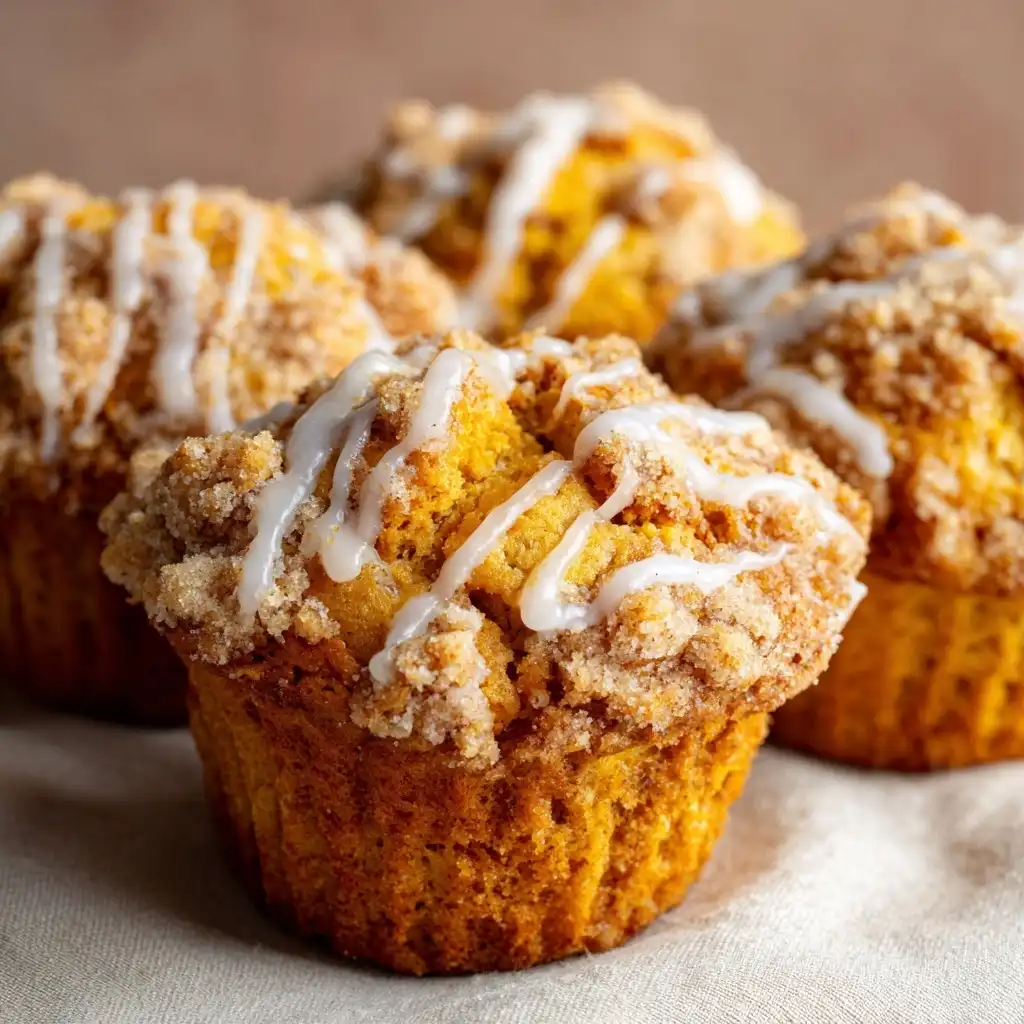
Welcome to the ultimate guide to Pumpkin Streusel Muffins — a beloved fall classic that marries the warm, earthy sweetness of pumpkin puree with the buttery, crumbly indulgence of cinnamon-sugar streusel. These muffins are more than just a seasonal treat; they’re a sensory experience — fragrant with spices, tender-crumbed, moist without being dense, and crowned with a golden, shatteringly crisp topping that delivers irresistible texture in every bite. Whether you’re baking for a cozy Sunday morning, prepping for a holiday brunch, sending treats to school or work, or simply seeking comfort in a cup of coffee and homemade goodness, Pumpkin Streusel Muffins deliver nostalgia, versatility, and crowd-pleasing appeal in equal measure. In this comprehensive, deeply researched guide, we’ll explore not only *how* to bake perfect muffins — every time — but also *why* certain techniques matter, how ingredients interact, what science makes them rise just right, and how to adapt them thoughtfully for dietary needs, flavor preferences, and pantry constraints.
The History
Pumpkin Streusel Muffins trace their roots to the broader American muffin tradition — a culinary evolution born from British “muffins” (griddle cakes) transforming into quick-bread-style oven-baked muffins in 19th-century America. The addition of pumpkin, however, is deeply tied to early colonial resourcefulness: Native Americans cultivated squash and pumpkins long before European contact, and colonists quickly adopted them as staples due to their storability, nutritional density, and adaptability. By the mid-1800s, pumpkin appeared regularly in pies, breads, and cakes — often sweetened with molasses or maple syrup and spiced with ginger, nutmeg, and cloves. The “streusel” component entered American baking via German and Austrian immigrants in the late 19th and early 20th centuries; the word *Streusel* (from the German *streuen*, meaning “to scatter”) originally described a simple crumbly topping of butter, flour, and sugar used on coffee cakes and fruit desserts. It wasn’t until the mid-20th century — buoyed by the rise of home economics, standardized measuring cups, and accessible grocery-store pumpkin puree (Libby’s launched its iconic canned pumpkin in 1929) — that the fusion of pumpkin batter and streusel topping became codified in community cookbooks, church pamphlets, and women’s magazines. Today, Pumpkin Streusel Muffins symbolize autumnal abundance and domestic warmth — appearing at farmers’ markets, bakery windows, Thanksgiving tables, and viral baking reels alike — a testament to how regional ingredients, immigrant traditions, and modern convenience can converge into something timeless.
Ingredients Breakdown
Understanding *why* each ingredient is included — and how it functions — is the key to mastery, troubleshooting, and confident customization. Let’s examine every component in detail:
- Pumpkin Puree (not pumpkin pie filling): The heart of the muffin — provides moisture, natural sugars, fiber, and rich beta-carotene. Its thick, viscous texture helps bind the batter while contributing subtle earthiness. Canned 100% pure pumpkin is ideal for consistency; homemade must be thoroughly drained (excess water causes gummy texture). Note: Never substitute with pumpkin pie filling — it contains added sugar, spices, and thickeners that throw off ratios and flavor balance.
- All-Purpose Flour: Provides gluten-forming proteins (glutenin and gliadin) essential for structure. Too much leads to toughness; too little yields collapse. Bleached flour yields slightly more tender crumbs due to lower protein and altered starch; unbleached works beautifully but may produce marginally denser results. For gluten-free versions, a 1:1 certified GF blend with xanthan gum is strongly recommended — never plain almond or coconut flour alone.
- Baking Powder & Baking Soda: A dual-leavening system. Baking powder (double-acting) provides most lift during oven spring, while baking soda neutralizes the acidity in pumpkin and brown sugar — enhancing browning, tenderness, and flavor development. Omitting either risks flat, pale, or bitter-tasting muffins.
- Granulated Sugar: Sweetens, tenderizes (by inhibiting gluten formation), and aids in browning and moisture retention. Fine granulation ensures even dissolution.
- Brown Sugar (light or dark): Adds molasses-derived complexity, moisture, and acidity. Dark brown sugar intensifies caramel notes; light offers milder depth. Its hygroscopic nature helps keep muffins soft for days.
- Eggs: Act as emulsifiers (binding fat and water), provide structure via coagulation, contribute richness, and aid leavening through trapped air. Room-temperature eggs incorporate more evenly and yield better volume.
- Neutral Oil (e.g., vegetable, canola, grapeseed): Ensures unparalleled moisture and tenderness. Unlike butter, oil remains liquid at room temperature, yielding a softer, more cake-like crumb that stays fresh longer. Melted butter *can* be substituted, but expect slightly drier, more crumbly texture and faster staling.
- Buttermilk (or DIY substitute): Adds acidity for leavening synergy, tenderness (acid weakens gluten), and subtle tang that balances sweetness. If unavailable, combine ½ cup milk + 1½ tsp white vinegar or lemon juice; let sit 5 minutes until curdled.
- Spice Blend (cinnamon, ginger, nutmeg, cloves, allspice): Not mere flavoring — these warming spices contain volatile oils that interact with heat and sugar to create new aromatic compounds (e.g., eugenol in cloves enhances perception of sweetness). Freshly ground spices yield exponentially more fragrance and potency than pre-ground.
- Salt: A crucial flavor enhancer that suppresses bitterness and sharpens sweetness and spice perception. Kosher salt is preferred for even distribution and clean taste; table salt is fine but use ¾ the amount.
- Streusel Topping Ingredients (butter, flour, brown sugar, cinnamon, optional oats/nuts): Butter must be cold and cubed — melting it prematurely creates paste instead of crumbs. The ratio of fat-to-flour determines texture: too much butter = greasy clumps; too little = sandy, non-adhesive crumbs. Brown sugar adds chew and moisture retention; cinnamon deepens aroma. Rolled oats add hearty crunch; chopped pecans or walnuts contribute buttery richness and visual appeal.
Step-by-Step Recipe
This meticulously tested method prioritizes technique over speed — because muffin excellence lives in the details:
- Prep Work (15 minutes): Preheat oven to 375°F (190°C). Line a standard 12-cup muffin tin with parchment liners (or grease and flour — but liners prevent sticking and ease removal). Position rack in center third of oven. Weigh or carefully measure all ingredients — accuracy matters, especially with leaveners and liquids.
- Make the Streusel (5 minutes, do first): In a medium bowl, whisk together ½ cup (60g) all-purpose flour, ⅓ cup (70g) packed light brown sugar, 1 tsp ground cinnamon, and ¼ tsp salt. Add 6 tbsp (85g) cold unsalted butter, cut into ¼-inch cubes. Using a pastry cutter, fork, or fingertips, work butter into dry ingredients until mixture resembles coarse meal with some pea-sized crumbs. Stir in ⅓ cup (30g) old-fashioned rolled oats and/or ¼ cup (30g) chopped toasted pecans (optional but highly recommended). Refrigerate while preparing batter — chilling prevents premature melting and ensures crispness.
- Mix Dry Ingredients (2 minutes): In a large bowl, sift or whisk together 2 cups (250g) all-purpose flour, 2 tsp baking powder, ½ tsp baking soda, 1½ tsp ground cinnamon, 1 tsp ground ginger, ½ tsp freshly grated nutmeg, ¼ tsp ground cloves, ¼ tsp ground allspice, and 1 tsp fine sea salt. Sifting aerates flour and ensures even spice distribution — critical for avoiding bitter pockets.
- Mix Wet Ingredients (3 minutes): In a separate large bowl, whisk 1 cup (240g) 100% pure pumpkin puree, ¾ cup (150g) granulated sugar, ½ cup (100g) packed light brown sugar, 2 large eggs (room temperature), ⅓ cup (80ml) neutral oil, and ½ cup (120ml) buttermilk until completely smooth and uniform — about 60 seconds. No streaks of egg or oil should remain. Overmixing here is impossible; this step builds the emulsion base.
- Combine Wet & Dry (1 minute — critical!): Pour wet mixture over dry ingredients. Using a flexible silicone spatula, gently fold *just until no dry flour remains*. Do not stir, beat, or overmix — 10–12 strokes maximum. Batter will be thick, lumpy, and slightly shaggy. Overmixing develops excess gluten → tough, tunnel-ridden muffins. It’s perfectly okay — even desirable — to see small flour streaks; residual heat and oven spring will finish hydration.
- Portion & Top (3 minutes): Divide batter evenly among lined muffin cups — each should be filled *level full* (about ¼ cup per cup, or 60g). Use a cookie scoop for uniformity. Immediately top each mound with a generous 1½ tbsp (20g) of chilled streusel, pressing down *very lightly* with fingertips to adhere — don’t pack it down. This ensures the streusel stays put during baking and forms a cohesive, crackly crown.
- Bake (18–22 minutes): Place tin in preheated oven. Bake 18 minutes, then rotate tin front-to-back. Continue baking 2–4 more minutes, until a toothpick inserted into the *center of a muffin (not the streusel)* comes out with moist crumbs — not wet batter, not completely clean. The tops should be deeply golden, streusel crisp and fragrant, and edges pulling slightly from cups. Avoid opening the oven before 16 minutes — sudden temperature drops cause sinking.
- Cool (Essential! 15–20 minutes): Remove tin from oven. Let muffins cool in pan on a wire rack for 15 minutes — this allows structure to set and prevents collapsed centers. After 15 minutes, gently lift each muffin by its liner and transfer to the rack to cool completely (another 20–30 minutes). Serving warm is delightful, but flavors fully harmonize at room temperature — and streusel achieves optimal crispness only when cooled.
Tips
- Room-Temperature Ingredients Matter: Cold eggs or buttermilk cause oil to seize and create uneven emulsion → grainy batter and poor rise. Take them out 30–60 minutes ahead.
- Don’t Skip the Sift/Whisk of Dry Ingredients: Clumped spices or leaveners create bitter or metallic spots. Aerate flour to avoid dense muffins.
- Measure Flour Correctly: Spoon flour into measuring cup and level with a knife — never scoop directly from bag (compacts flour → up to 25% extra!). Better yet, weigh it: 250g = 2 cups.
- Chill That Streusel: Warm streusel melts into batter instead of staying distinct. Refrigerate for at least 15 minutes — or freeze for 5 if short on time.
- Fill Cups Generously: Underfilled cups yield stubby, dry-edged muffins. Fill to the brim for tall, bakery-style domes with maximum streusel coverage.
- Rotate Midway: Most home ovens have hot spots. Rotating ensures even browning and rise.
- Test Doneness in the Center — Not the Edge: Edges bake faster. Insert toothpick between two muffins or into the very middle of one.
- Cool Completely Before Storing: Trapped steam turns streusel soggy and muffins rubbery. Patience rewards texture.
- Freeze for Longevity: Once fully cooled, freeze muffins (unwrapped) on a tray for 2 hours, then transfer to an airtight freezer bag for up to 3 months. Thaw at room temp or warm in a 300°F oven for 8–10 minutes.
- Revive Stale Muffins: Wrap individually in foil and heat at 325°F for 12–15 minutes — moisture redistributes, streusel regains crispness.
Variations and Customizations
These muffins are a brilliant canvas for creativity — here’s how to adapt them thoughtfully:
- Gluten-Free: Substitute 250g (2 cups) certified gluten-free all-purpose blend (like King Arthur or Bob’s Red Mill 1:1) + ½ tsp xanthan gum (if not included). Increase buttermilk by 1 tbsp. Expect slightly denser crumb — add 1 extra egg white for lift. Verify all spices are GF-certified.
- Vegan: Replace eggs with 2 flax eggs (2 tbsp ground flax + 6 tbsp water, rested 10 min); use plant-based milk + 1½ tsp vinegar for buttermilk; swap oil for refined coconut oil (neutral flavor) or avocado oil; ensure sugar is vegan (some cane sugar is filtered with bone char). Streusel: use cold vegan butter (Miyoko’s or Earth Balance).
- Lower-Sugar: Reduce granulated sugar to ½ cup and brown sugar to ⅓ cup. Add 2 tbsp unsweetened applesauce for moisture. Boost spices and vanilla (1 tsp) to enhance perceived sweetness. Do not omit all sugar — it’s vital for texture and browning.
- Protein-Packed: Add ¼ cup (25g) unflavored whey or plant-based protein powder to dry ingredients. Increase buttermilk by 2 tbsp. Reduce flour by 1 tbsp to compensate. Texture remains excellent; flavor is neutral.
- Spiced-Up: Add ¼ tsp cardamom, ⅛ tsp black pepper (enhances warmth), or 1 tbsp finely grated orange zest to wet ingredients. Toast whole spices (cinnamon sticks, ginger) and grind fresh for extraordinary aroma.
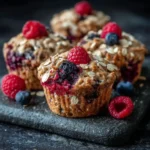
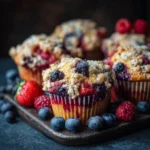
- Fruit & Nut Swirls: Gently fold in ¾ cup (100g) fresh or frozen (unthawed) blueberries, diced apple (tossed in 1 tsp flour), or dried cranberries (soaked 10 min in warm orange juice). Add ¼ cup toasted walnuts or pepitas to batter *and* streusel.
- Maple-Glazed Finish: Whisk ½ cup (60g) powdered sugar, 1½ tbsp pure maple syrup, and 1 tsp milk. Drizzle over *cooled* muffins. Sprinkle with flaky sea salt.
- Jumbo Muffins: Use jumbo muffin tin (6 cups). Fill ¾ full. Bake at 375°F for 25–28 minutes. Yield: 6 large, impressive muffins.
- Mini Muffins: Fill mini tin ⅔ full. Bake at 375°F for 11–13 minutes. Perfect for parties, lunchboxes, or portion control.
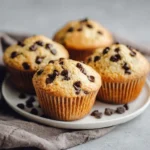
- Chocolate Chip Pumpkin: Fold in ¾ cup (130g) semi-sweet chocolate chips (mini preferred) — they melt into pockets of gooey luxury. Add 1 tsp espresso powder to dry ingredients to deepen chocolate flavor.
Health Considerations and Nutritional Value
A single standard Pumpkin Streusel Muffin (based on this recipe, ~120g) contains approximately:
- Calories: 320–340 kcal
- Total Fat: 14–16g (mostly unsaturated from oil and nuts)
- Saturated Fat: 4–5g (primarily from butter in streusel)
- Carbohydrates: 46–49g
- Dietary Fiber: 2.5–3g (from pumpkin, whole wheat option, oats, or added flax)
- Sugars: 24–27g (naturally occurring from pumpkin + added sugars)
- Protein: 4–5g
- Vitamin A: ~220% DV (from beta-carotene in pumpkin — a potent antioxidant supporting vision and immunity)
- Vitamin C, Potassium, Iron, Zinc: Moderate amounts; enhanced by using whole wheat flour or adding seeds.
Key Health Notes:
- Pumpkin is a Superfood Staple: Low-calorie, high-fiber, rich in potassium (supports blood pressure), and packed with carotenoids linked to reduced inflammation and oxidative stress.
- Sugar Awareness: While delicious, the streusel and brown sugar contribute significantly to added sugar. For daily consumption, consider the lower-sugar variation or enjoy mindfully as part of a balanced diet.
- Fat Quality Matters: Using heart-healthy oils (avocado, grapeseed) and nuts boosts monounsaturated fats — beneficial for cholesterol and satiety.
- Gluten & Allergen Notes: Naturally nut-free (unless added); easily adapted for dairy-free, egg-free, and gluten-free diets — making them inclusive for many common restrictions.
- Not “Health Food,” But Wholesome Indulgence: These muffins offer real nutrients alongside enjoyment — a far superior choice to ultra-processed store-bought versions loaded with preservatives, artificial flavors, and hydrogenated oils.
Ingredients
Makes 12 standard muffins
For the Muffins:
- 2 cups (250g) all-purpose flour, spooned & leveled
- 2 tsp aluminum-free baking powder
- ½ tsp baking soda
- 1½ tsp ground cinnamon
- 1 tsp ground ginger
- ½ tsp freshly grated nutmeg
- ¼ tsp ground cloves
- ¼ tsp ground allspice
- 1 tsp fine sea salt
- 1 cup (240g) 100% pure pumpkin puree (not pie filling)
- ¾ cup (150g) granulated sugar
- ½ cup (100g) packed light brown sugar
- 2 large eggs, room temperature
- ⅓ cup (80ml) neutral oil (vegetable, canola, or grapeseed)
- ½ cup (120ml) buttermilk, room temperature
For the Streusel Topping:
- ½ cup (60g) all-purpose flour
- ⅓ cup (70g) packed light brown sugar
- 1 tsp ground cinnamon
- ¼ tsp fine sea salt
- 6 tbsp (85g) cold unsalted butter, cubed
- ⅓ cup (30g) old-fashioned rolled oats (certified gluten-free if needed)
- ¼ cup (30g) chopped toasted pecans or walnuts (optional but recommended)
Directions
- Preheat oven to 375°F (190°C). Line a 12-cup standard muffin tin with parchment paper liners or grease and flour thoroughly.
- In a medium bowl, prepare streusel: whisk flour, brown sugar, cinnamon, and salt. Add cold cubed butter. Using a pastry cutter or fingers, cut/break butter into mixture until it resembles coarse crumbs with some pea-sized pieces. Stir in oats and nuts (if using). Refrigerate for at least 15 minutes.
- In a large bowl, sift or whisk together flour, baking powder, baking soda, cinnamon, ginger, nutmeg, cloves, allspice, and salt until fully combined and aerated.
- Pour wet ingredients over dry ingredients. Using a flexible silicone spatula, gently fold together with 10–12 strokes — stop as soon as no dry flour is visible. Batter will be thick and lumpy. Do not overmix.
- Divide batter evenly among prepared muffin cups, filling each to the very top (≈¼ cup / 60g each).
- Remove streusel from fridge. Spoon 1½ tablespoons onto each muffin. Gently press down with fingertips to adhere — do not compact.
- Bake for 18 minutes, then rotate tin. Continue baking 2–4 minutes, until a toothpick inserted into the center of a muffin (avoiding streusel) comes out with moist crumbs — not wet batter, not clean.
- Let muffins cool in pan on a wire rack for 15 minutes. Then, carefully lift each muffin by its liner and transfer to rack to cool completely (20–30 minutes) before serving or storing.
FAQ
- Can I make these muffins ahead?
- Absolutely! They keep exceptionally well. Store cooled muffins in an airtight container at room temperature for up to 3 days, refrigerated for up to 1 week, or frozen for up to 3 months. Reheat from frozen in a 325°F oven for 12–15 minutes for best texture.
- Why did my streusel sink?
- Most commonly due to warm streusel (melts into batter), underfilled muffin cups (no structural support), or overmixing batter (too fluid). Ensure streusel is chilled, cups are filled to the brim, and batter is mixed minimally.
- Can I use fresh pumpkin?
- Yes — but it must be roasted, pureed, and *thoroughly drained*. Place puree in a fine-mesh strainer lined with cheesecloth over a bowl; refrigerate 4–6 hours or overnight. You need exactly 1 cup of thick, paste-like puree — watery pumpkin causes gummy texture.
- My muffins are dry/tough. What went wrong?
- Overmixing is the #1 culprit — develops gluten. Also check: expired leaveners (causes dense texture), overbaking (check 2 minutes early), or too much flour (scooping instead of spooning).
- Can I omit the oil?
- Oil is critical for moisture and tenderness. Substituting applesauce or yogurt alone yields dense, gummy muffins. For partial reduction, replace 2 tbsp oil with 2 tbsp unsweetened applesauce — but keep at least ¼ cup oil for integrity.
- Is there a way to make them less sweet?
- Yes — reduce granulated sugar to ½ cup and brown sugar to ⅓ cup. Add 1 tsp vanilla extract and 2 tbsp unsweetened applesauce to maintain moisture and perceived sweetness. Boost spices to compensate.
- Can I add protein powder?
- Yes — add ¼ cup (30g) unflavored whey or plant-based protein powder to dry ingredients. Increase buttermilk by 2 tbsp and reduce flour by 1 tbsp to maintain balance. Texture remains excellent.
- Why do my muffins have tunnels or holes?
- Overmixing creates elastic gluten networks that trap large air bubbles → tunnels. Mix until *just combined*. Also, ensure baking powder is fresh — old leavener creates uneven gas release.
- Can I bake these in a loaf pan?
- Yes! Grease and flour a 9×5-inch loaf pan. Pour batter in, smooth top, add streusel. Bake at 350°F for 55–65 minutes, until a skewer comes out clean. Cool in pan 15 minutes, then turn out.
- What’s the best way to reheat?
- Wrap individually in foil and bake at 325°F for 12–15 minutes. Or microwave 15–20 seconds — but this softens streusel. Oven reheating preserves crispness.
Summary
Pumpkin Streusel Muffins are the quintessential autumnal baked good — a masterclass in balance where velvety-spiced pumpkin batter meets an irresistibly crunchy, cinnamon-kissed streusel crown, all built on foundational techniques that guarantee consistent, professional-quality results.
From their colonial-pumpkin and German-streusel heritage to modern adaptations for dietary needs and flavor exploration, these muffins embody joyful, mindful baking — nourishing the body with real food and the soul with warmth, memory, and the simple, profound pleasure of something made with care.