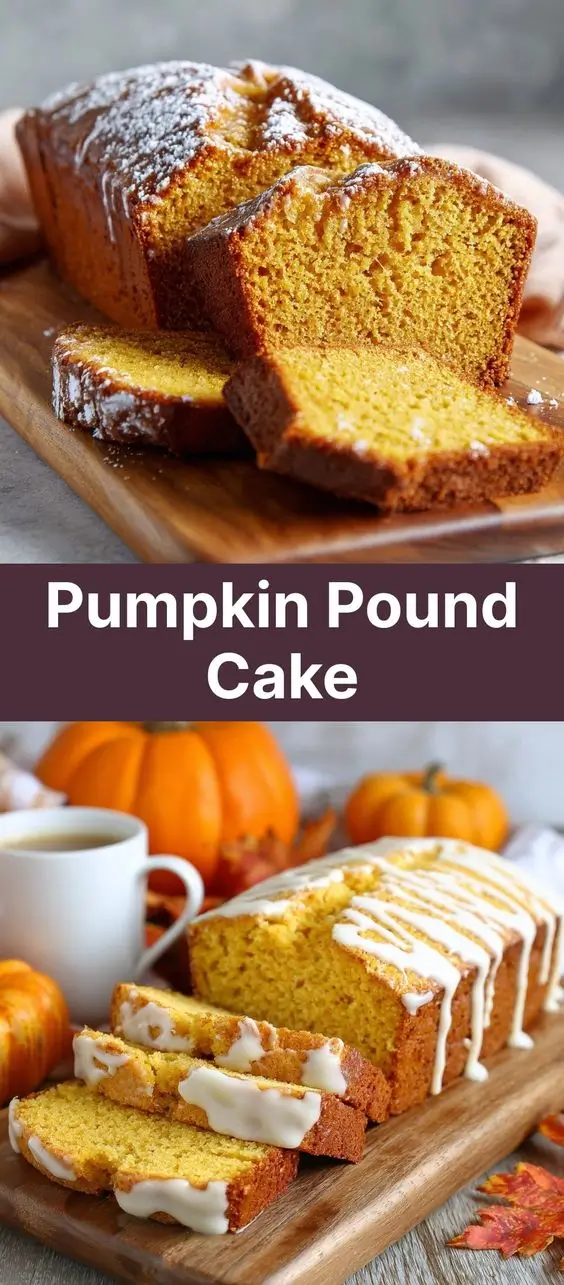
Pumpkin Pound Cake: A Moist, Spiced Delight for Every Season
The History of Pumpkin Pound Cake
The origins of the pumpkin pound cake trace back to traditional European pound cakes, which were originally made with a pound each of flour, sugar, butter, and eggs—hence the name. This rich, dense cake became a staple in American baking during the 18th century, particularly in New England where pumpkins were abundant. As colonists began incorporating local ingredients into their recipes, pumpkin emerged as a natural addition due to its seasonal availability and sweet, earthy flavor.
By the 19th century, bakers started experimenting with variations of the classic pound cake, integrating spices like cinnamon, nutmeg, and cloves—ingredients that not only complemented the taste of pumpkin but also reflected the warming flavors associated with autumn harvests. The evolution of leavening agents such as baking powder and baking soda allowed for lighter textures while maintaining the moist crumb that defines a perfect pound cake.
Today, pumpkin pound cake has become a beloved dessert across the United States, especially popular during fall holidays like Thanksgiving and Halloween. It symbolizes comfort, nostalgia, and home-baked warmth. Modern adaptations include additions like cream cheese swirls, streusel toppings, and glazes, transforming this humble cake into a show-stopping centerpiece at brunches, tea parties, and family gatherings.
Ingredients Breakdown: What Makes This Cake Irresistible?
The magic of a great pumpkin pound cake lies in its carefully balanced ingredients. Each component plays a crucial role in creating the perfect texture, moisture level, and flavor profile.
- Granulated Sugar: Provides sweetness and helps create a tender crumb by interfering with gluten development. It also contributes to browning during baking.
- Butter (Unsalted): Adds richness and flavor. Creaming it properly with sugar incorporates air, giving the cake lift and a velvety mouthfeel.
- Eggs: Act as both a binder and leavening agent. They add structure and help emulsify the fat and liquid components.
- Pumpkin Puree (Not Pumpkin Pie Filling): The star ingredient! It adds natural moisture, a soft crumb, and a subtle earthy sweetness. Always use pure canned or homemade pumpkin puree—never pie filling, which contains added sugars and spices.
- All-Purpose Flour: Provides the necessary structure through gluten formation. Sifted before use to prevent lumps and ensure even mixing.
- Baking Powder & Baking Soda: These chemical leaveners work together to help the cake rise. Baking soda reacts with the acidity in the pumpkin and buttermilk (if used), while baking powder provides additional lift.
- Spices – Cinnamon, Nutmeg, Ginger, Cloves: Together, these form what is commonly known as “pumpkin pie spice.” They enhance the warm, cozy notes that make this cake quintessentially autumnal.
- Salt: Enhances all other flavors and balances the sweetness.
- Vanilla Extract: Deepens the overall flavor complexity and adds a floral note that complements the spices beautifully.
- Optional Add-Ins: Chopped pecans, walnuts, chocolate chips, or raisins can be folded in for extra texture and flavor contrast.
Step-by-Step Recipe for Classic Pumpkin Pound Cake
Ingredients
- 1 cup (2 sticks / 226g) unsalted butter, softened to room temperature
- 1 ½ cups (300g) granulated sugar
- 4 large eggs, room temperature
- 1 cup (240g) pure pumpkin puree (canned or homemade)
- 3 cups (360g) all-purpose flour (spooned and leveled)
- 2 teaspoons baking powder
- ½ teaspoon baking soda
- 1 ½ teaspoons ground cinnamon
- ½ teaspoon ground nutmeg
- ¼ teaspoon ground ginger
- ¼ teaspoon ground cloves
- ½ teaspoon salt
- 2 teaspoons pure vanilla extract
- ½ cup (120ml) whole milk or buttermilk (room temperature)
Directions
- Preheat Oven: Preheat your oven to 350°F (177°C). Grease a 9×5-inch loaf pan thoroughly with butter or non-stick spray, then line the bottom with parchment paper for easy removal.
- Cream Butter and Sugar: In a large mixing bowl, beat the softened butter and sugar together using a hand mixer or stand mixer fitted with a paddle attachment. Beat on medium-high speed for 3–4 minutes until the mixture is light, fluffy, and pale yellow in color.
- Add Eggs One at a Time: Add the eggs one at a time, beating well after each addition. Scrape down the sides of the bowl as needed to ensure even mixing. After adding the last egg, mix in the vanilla extract.
- Mix in Pumpkin Puree: On low speed, gradually add the pumpkin puree and mix just until combined. Do not overmix at this stage.
- Combine Dry Ingredients: In a separate bowl, whisk together the flour, baking powder, baking soda, salt, cinnamon, nutmeg, ginger, and cloves until evenly distributed.
- Incorporate Dry Mix Gradually: With the mixer on low speed, add the dry ingredients in three parts, alternating with the milk (start and end with dry ingredients). Mix only until each addition is incorporated. Overmixing can lead to a tough cake, so stop as soon as no flour streaks remain.
- Pour Into Pan: Pour the thick batter into the prepared loaf pan and smooth the top with a spatula. For an even bake, gently tap the pan on the counter to release any large air bubbles.
- Bake: Bake for 60–75 minutes, or until a wooden skewer or toothpick inserted into the center comes out clean or with just a few moist crumbs. If the top begins to brown too quickly, tent loosely with aluminum foil after about 50 minutes.
- Cool Completely: Allow the cake to cool in the pan for 15 minutes, then use the parchment paper to lift it out and transfer to a wire rack to cool completely before slicing. This prevents crumbling and ensures a clean cut.
Tips for the Perfect Pumpkin Pound Cake
- Room Temperature Ingredients: Ensure your butter, eggs, milk, and pumpkin are all at room temperature. Cold ingredients don’t emulsify well, leading to a curdled batter and uneven texture.
- Don’t Overbake: Pumpkin adds moisture, so the cake may appear done on the outside but still need more time inside. Use the toothpick test wisely—moist crumbs are okay; wet batter is not.
- Avoid Overmixing: Once you add the flour, mix only until combined. Overmixing develops gluten, resulting in a dense, chewy cake instead of a tender one.
- Use Quality Spices: Freshly ground spices offer superior flavor. If your spices are older than a year, consider replacing them for maximum aroma and potency.
- Proper Measuring: Spoon flour into the measuring cup and level off with a knife. Scooping directly compacts the flour, leading to dry results.
- Let It Rest: Letting the cake cool fully allows the crumb to set. Cutting too soon can cause it to collapse or tear.
- Enhance Flavor with Buttermilk: Substitute regular milk with buttermilk for a slight tang and improved tenderness due to its acidity reacting with baking soda.
Variations and Customizations
While the classic version is delicious on its own, there are countless ways to personalize your pumpkin pound cake:
- Cream Cheese Swirl: Beat together 8 oz softened cream cheese, ¼ cup sugar, and 1 egg yolk. Drop spoonfuls onto the batter in the pan and swirl with a knife for a marbled effect.
- Nutty Crunch: Fold in ¾ cup chopped toasted pecans or walnuts for added texture and richness.
- Chocolate Chip Pumpkin Pound Cake: Stir in 1 cup semi-sweet or white chocolate chips before pouring into the pan.
- Streusel Topping: Before baking, sprinkle the top with a crumb topping made from ¼ cup flour, ¼ cup brown sugar, ½ tsp cinnamon, and 2 tbsp cold butter, cut in until crumbly.
- Lemon Zest Twist: Add 1 tablespoon of fresh lemon zest to brighten the flavor and balance the richness.
- Glazed Finish: Drizzle cooled cake with a simple powdered sugar glaze (1 cup confectioners’ sugar + 2–3 tbsp milk + ½ tsp vanilla) or maple glaze for extra indulgence.
- Mini Loaves or Muffins: Divide the batter into greased mini loaf pans or muffin tins and adjust baking time to 30–40 minutes.
- Whole Wheat Option: Substitute up to half the all-purpose flour with whole wheat flour for a heartier, fiber-rich version.
- Dairy-Free Version: Use plant-based butter and almond or oat milk to make this cake dairy-free without sacrificing texture.
- Lower Sugar Alternative: Reduce sugar to 1 cup and use monk fruit sweetener or erythritol blend for a lower glycemic option.
Health Considerations and Nutritional Value
Pumpkin pound cake, while undeniably decadent, does offer some nutritional benefits thanks to its namesake ingredient:
- Pumpkin Benefits: Rich in vitamin A (from beta-carotene), fiber, potassium, and antioxidants. One cup of pumpkin puree contains about 80 calories and supports eye health and immune function.
- Caloric Content: A typical slice (1/12 of a loaf) contains approximately 350–400 calories, depending on size and recipe adjustments. The high butter and sugar content means it should be enjoyed in moderation.
- Fat Profile: Contains saturated fat primarily from butter. Consider using half butter, half unsweetened applesauce to reduce fat content slightly while retaining moisture.
- Gluten-Free Possibility: Can be adapted using a quality gluten-free all-purpose flour blend. Be sure to include xanthan gum if not already in the mix.
- Sodium Note: This recipe uses minimal salt, making it suitable for those monitoring sodium intake—especially when compared to store-bought versions.
- Portion Control: Serve smaller slices with whipped cream, yogurt, or fresh fruit to stretch servings and add freshness.
Frequently Asked Questions (FAQ)
Can I use pumpkin pie filling instead of pumpkin puree?
No—pumpkin pie filling contains added sugar, spices, and thickeners that will alter the texture and flavor. Always use pure pumpkin puree (often labeled as “solid pack” pumpkin).
Why did my cake sink in the middle?
This could be due to underbaking, too much leavening, opening the oven door too early, or overmixing the batter. Make sure your oven temperature is accurate using an oven thermometer.
How do I store pumpkin pound cake?
Store cooled cake in an airtight container at room temperature for up to 3 days, or refrigerate for up to 1 week. Wrap tightly in plastic wrap to retain moisture.
Can I freeze pumpkin pound cake?
Yes! Wrap the cooled cake (whole or sliced) tightly in plastic wrap and then aluminum foil. Freeze for up to 3 months. Thaw overnight in the refrigerator or at room temperature for a few hours.
Why is my cake dry?
Dryness usually results from overbaking, too much flour, or not enough fat. Double-check your measurements and avoid exceeding recommended bake times.
Can I make this cake ahead of time?
Absolutely. This cake actually tastes better the next day as flavors meld. Prepare it one or two days in advance and store covered at room temperature.
Is this recipe safe for nut allergies?
Yes, unless you choose to add nuts. Simply omit any optional nut additions and check labels on ingredients like baking powder to confirm they’re processed in nut-free facilities if needed.
Can I bake this in a bundt pan?
Yes! Use a greased and floured 10-cup bundt pan. Bake for 55–70 minutes, checking with a toothpick. The shape may require slightly less time due to increased surface area.
Summary
The pumpkin pound cake is a moist, spiced masterpiece that blends tradition with seasonal flair, offering a rich, comforting dessert perfect for any occasion. With its tender crumb, warm spices, and wholesome pumpkin base, it’s a timeless treat that delights year after year.