Pumpkin Pie: A Timeless Classic for Every Season
Introduction
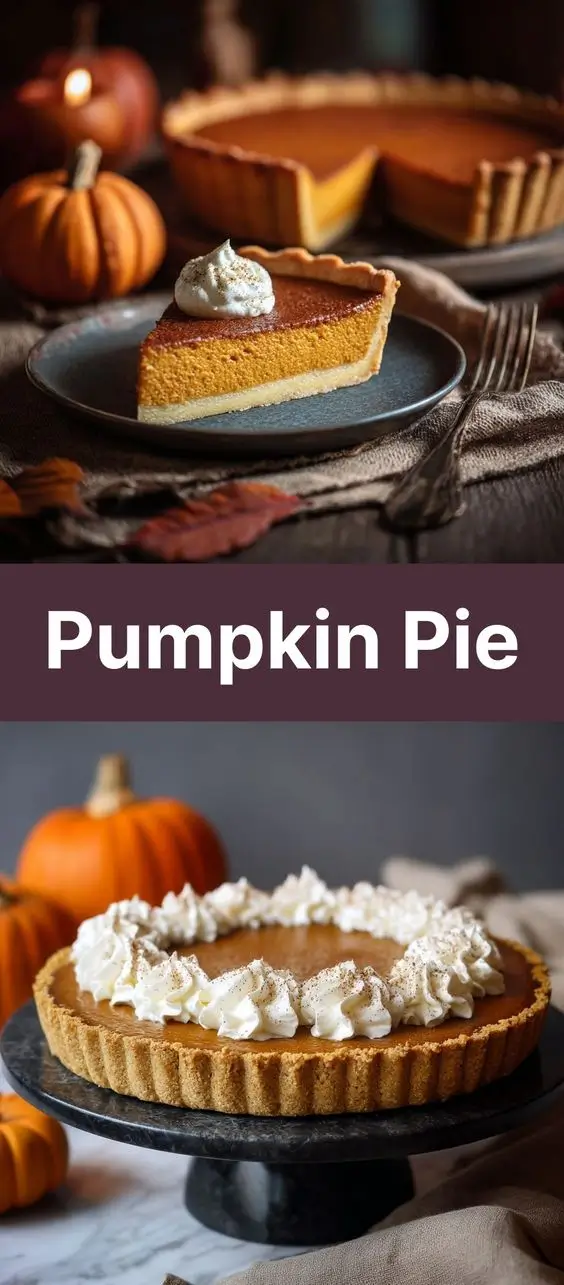
Pumpkin pie is more than just a dessert—it’s an emblem of tradition, warmth, and comfort. Revered across households during the fall and winter holidays, particularly Thanksgiving and Christmas, this velvety, spiced custard encased in a flaky pastry crust has become synonymous with celebration and togetherness. Whether enjoyed warm with a dollop of whipped cream or chilled with a sprinkle of cinnamon, pumpkin pie offers a rich sensory experience that brings back cherished memories and inspires new ones. While often associated with North American cuisine, its roots trace back through centuries of culinary evolution, adapting and thriving across cultures and kitchens.
The History
The story of pumpkin pie begins long before it graced modern ovens and holiday tables. Native Americans were the first to cultivate pumpkins and use them in various culinary applications, including drying strips of pumpkin and weaving them into mats or stewing them in pots. When European settlers arrived in North America in the 17th century, they encountered these native gourds and quickly incorporated them into their diets. Early versions of pumpkin-based desserts weren’t pies as we know them today; instead, colonists would slice pumpkins open, fill the cavity with milk, honey, and spices, and then bake them whole in hot ashes—a method reminiscent of early custard preparations.
By the 18th century, cookbooks began to feature recipes resembling modern pumpkin pie. Amelia Simmons’ American Cookery, published in 1796, contains one of the earliest known printed recipes for “pompkin pudding,” baked in a pastry shell. The dish evolved further as access to ingredients like refined sugar, eggs, and dairy improved. By the mid-1800s, pumpkin pie had become a staple at Thanksgiving feasts, thanks in part to Sarah Josepha Hale, a prominent writer and editor who campaigned for Thanksgiving to be recognized as a national holiday. Her advocacy helped solidify both the holiday and its signature dessert in American culture.
Today, pumpkin pie remains a cultural icon, celebrated not only in homes but also in bakeries, restaurants, and even on supermarket shelves in pre-made forms. Its enduring popularity speaks to its adaptability, flavor, and deep connection to seasonal traditions around harvest, gratitude, and family.
Ingredients Breakdown
Creating the perfect pumpkin pie hinges on selecting high-quality ingredients and understanding their roles in building flavor, texture, and structure. Let’s take a detailed look at each component:
- Canned or Fresh Pumpkin Puree: While many recipes call for canned pumpkin (such as Libby’s), you can make your own puree from sugar pumpkins (also called pie pumpkins). These are smaller, sweeter, and less fibrous than carving pumpkins. Avoid using jack-o’-lantern pumpkins, which are watery and bland. Canned pumpkin is concentrated and consistent, making it a reliable choice.
- Eggs: Eggs act as the primary binder in the custard filling, providing structure and helping the pie set during baking. They also contribute richness and a smooth mouthfeel.
- Evaporated Milk or Heavy Cream: This provides the liquid base for the custard. Evaporated milk is commonly used because it’s shelf-stable and lends a creamy texture without being overly rich. For a silkier, more luxurious pie, heavy cream or a blend of half-and-half and cream can be substituted.
- Granulated Sugar: Sweetens the pie and balances the earthy notes of pumpkin and spices. Brown sugar can be used partially or entirely for a deeper molasses flavor and added moisture.
- Pumpkin Pie Spice: A blend typically containing cinnamon, ginger, nutmeg, allspice, and cloves. You can buy it pre-mixed or make your own for fresher, more vibrant flavors.
- Salt: Enhances all other flavors and prevents the pie from tasting flat.
- Unbaked Pie Crust: A standard 9-inch single pie crust made from flour, butter (or shortening), salt, and ice water. Homemade crusts offer superior flavor and flakiness, though store-bought options work well for convenience.
Step-by-Step Recipe
Ingredients
- 1 (15 oz) can pure pumpkin puree (not pumpkin pie filling)
- 3 large eggs
- 1 (12 oz) can evaporated milk (or 1 ½ cups heavy cream)
- ¾ cup granulated sugar (or ½ cup brown sugar + ¼ cup white sugar)
- 2 teaspoons pumpkin pie spice (or 1 tsp cinnamon, ½ tsp ginger, ¼ tsp nutmeg, ⅛ tsp allspice, ⅛ tsp cloves)
- ½ teaspoon salt
- 1 unbaked 9-inch pie crust (homemade or store-bought)
- Whipped cream (optional, for serving)
Directions
- Preheat Oven: Begin by preheating your oven to 425°F (220°C). Position a rack in the center of the oven to ensure even baking.
- Prepare the Crust: Place your unbaked pie crust into a 9-inch pie dish. Crimp the edges decoratively if desired. Lightly prick the bottom and sides with a fork to prevent air bubbles (this is called docking).
- Mix the Filling: In a large mixing bowl, whisk the eggs until light and slightly frothy. Gradually add the sugar, pumpkin pie spice, and salt, whisking until well combined. Stir in the pumpkin puree until smooth. Slowly pour in the evaporated milk while continuing to whisk. Mix until the filling is uniform and free of lumps—about 2–3 minutes.
- Pour Into Crust: Carefully pour the filling into the unbaked pie crust, ensuring it’s distributed evenly. Leave about ¼ inch of space at the top to prevent overflow.
- Bake: Place the pie on the center oven rack and bake at 425°F for 15 minutes. Then, reduce the oven temperature to 350°F (175°C) and continue baking for 40–50 minutes, or until the filling is set around the edges but still slightly jiggly in the center (like gelatin). A knife inserted near the center should come out clean.
- Cool Completely: Remove the pie from the oven and let it cool on a wire rack for at least 2 hours. This cooling period is crucial—it allows the custard to fully set and prevents cracking.
- Serve: Once cooled, serve as is or chill in the refrigerator for 2–4 hours for a firmer texture. Top with freshly whipped cream, a sprinkle of cinnamon, or a drizzle of caramel sauce before serving.
Tips
- Blind Bake for Extra Crispness: If you prefer a crisper bottom crust, consider blind baking the crust for 10–12 minutes before adding the filling. Use pie weights or dried beans to keep the crust from puffing up.
- Prevent Overbaking: Custards continue to cook after removal from the oven. Remove the pie when the center still has a slight wobble—it will firm up as it cools.
- Prevent Cracks: To avoid surface cracks, don’t overmix the batter (which incorporates too much air) and avoid rapid temperature changes. Cooling the pie slowly helps maintain integrity.
- Use Room Temperature Ingredients: Cold eggs or milk straight from the fridge can cause uneven mixing and affect texture. Let them sit out for 30 minutes before use.
- Chill the Pie Before Slicing: For cleaner slices, refrigerate the pie for at least 2 hours. Dip your knife in hot water and wipe it dry between cuts for neat wedges.
- Make Ahead: Pumpkin pie can be made 1–2 days in advance and stored covered in the refrigerator. It often tastes better after the flavors have melded overnight.
Variations and Customizations
Pumpkin pie is wonderfully versatile and welcomes creative twists. Here are some popular variations to suit different tastes and dietary needs:
- Gingersnap Crust: Replace the traditional pastry crust with one made from crushed gingersnap cookies and melted butter for a spicy, chewy base that complements the filling.
- Maple Syrup Sweetened: Substitute all or part of the sugar with pure maple syrup for a deeper, autumnal sweetness. Reduce the amount of liquid slightly if using a lot of syrup.
- Vegan Pumpkin Pie: Use a flax egg (1 tbsp ground flaxseed + 3 tbsp water per egg), coconut milk or almond milk creamer, and a vegan pie crust. Agar-agar or cornstarch can help with setting.
- Gluten-Free: Use a gluten-free pie crust made from almond flour, oat flour, or a commercial GF blend. Ensure all other ingredients are certified gluten-free.
- Dairy-Free: Replace evaporated milk with full-fat coconut milk or a plant-based creamer. The coconut flavor pairs surprisingly well with pumpkin spices.
- Mini Pies: Make individual servings using muffin tins or small tart pans. Adjust baking time to 25–35 minutes depending on size.
- Spiked Pumpkin Pie: Add 1–2 tablespoons of bourbon, rum, or dark spiced liqueur to the filling for an adult twist. Serve with a bourbon whipped cream.
- Chocolate Swirl: Melt ¼ cup chocolate chips and swirl them into the filling before baking for a decadent marbled effect.
- Nut Topping: Add a crunchy streusel topping with pecans, brown sugar, butter, and a pinch of salt before baking for a crumble-pie hybrid.
Health Considerations and Nutritional Value
Pumpkin pie does contain sugar and fat, but it also offers several nutritional benefits, especially when made with wholesome ingredients:
- Pumpkin Benefits: Rich in vitamin A (from beta-carotene), fiber, potassium, and antioxidants. One cup of pumpkin puree has about 80 calories and provides over 200% of the daily recommended intake of vitamin A.
- Protein and Fat: Eggs and dairy provide protein and essential fatty acids, contributing to satiety.
- Sugar Content: Traditional recipes can contain 20–30 grams of sugar per slice. To reduce sugar, use natural sweeteners like monk fruit, erythritol, or stevia blends designed for baking.
- Calorie Count: A typical slice (1/8 of a 9-inch pie) ranges from 300–400 calories, depending on the recipe. Using low-fat milk, reducing sugar, or opting for a crustless version (“pumpkin custard”) can lower this significantly.
- Portion Control: Enjoying a modest slice alongside other dishes helps balance indulgence during holiday meals.
- Allergens: Contains common allergens such as eggs, dairy, and wheat. Always label accordingly when serving guests with dietary restrictions.
FAQ
Can I use fresh pumpkin instead of canned?
Yes! Roast a peeled, seeded sugar pumpkin until tender, then blend into a smooth puree. Strain excess liquid through cheesecloth to avoid a watery pie.
Why did my pumpkin pie crack?
Cracking usually results from overbaking or rapid cooling. Bake until the center is just set and allow the pie to cool gradually at room temperature.
Can I freeze pumpkin pie?
Yes, pumpkin pie freezes well for up to 2 months. Wrap tightly in plastic and foil. Thaw in the refrigerator before serving. Note: The crust may soften slightly.
What’s the difference between pumpkin puree and pumpkin pie filling?
Pumpkin puree is 100% pumpkin. Pumpkin pie filling is pre-sweetened and spiced—using it will alter the taste and texture of your pie.
Can I make pumpkin pie ahead of time?
Absolutely. Bake it 1–2 days in advance and refrigerate. It often tastes better after resting, as flavors deepen.
How do I store leftover pumpkin pie?
Cover loosely with plastic wrap or aluminum foil and refrigerate for up to 4 days. Do not leave at room temperature for more than 2 hours due to the dairy and egg content.
Is pumpkin pie safe for pregnant women?
Yes, as long as it’s made with pasteurized ingredients and fully baked, which kills any potential bacteria from raw eggs.
Summary
Pumpkin pie is a beloved dessert steeped in history, flavor, and tradition, offering a harmonious blend of creamy pumpkin custard and warm spices in a buttery crust. With endless possibilities for customization and a balance of indulgence and nutrition, it remains a timeless favorite for every season, especially the holidays.