Introduction
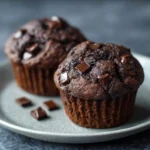
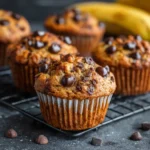
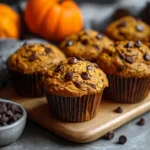
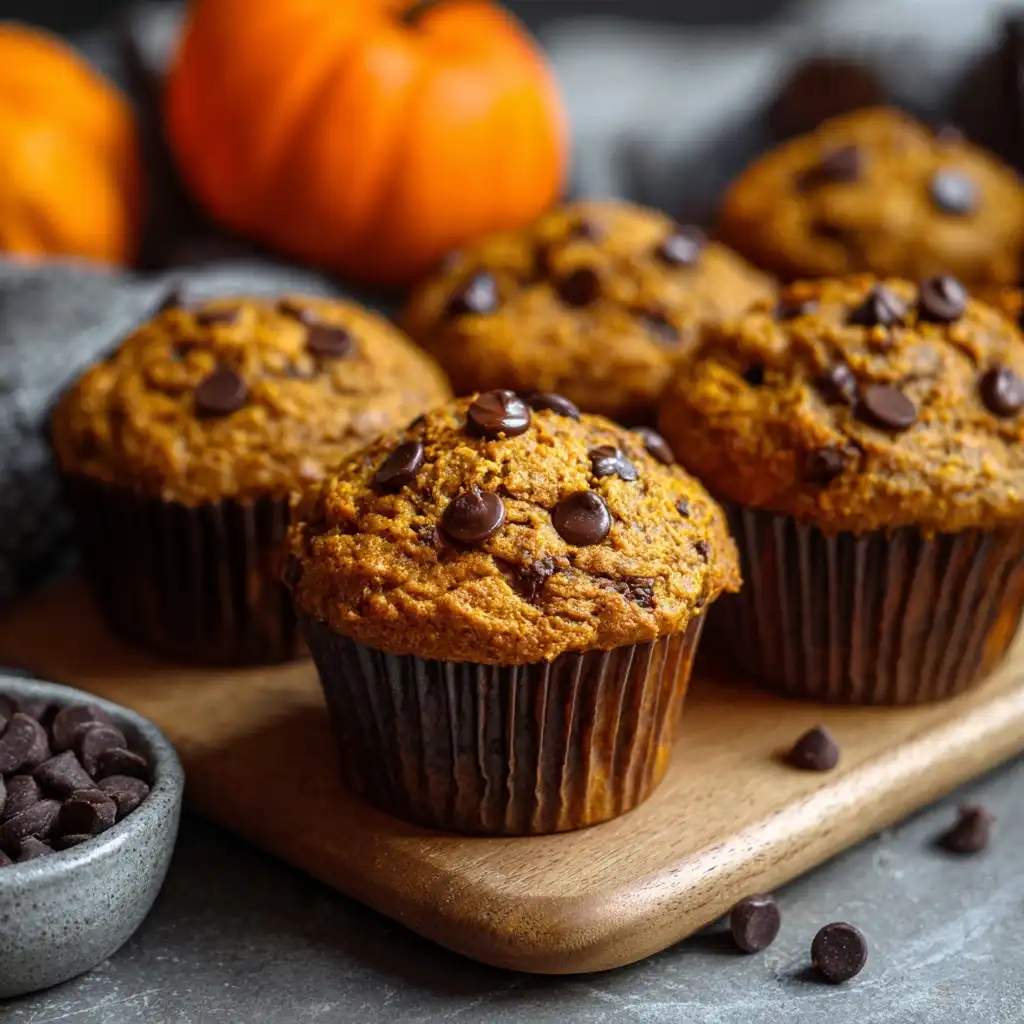
Welcome to the ultimate, soul-warming guide to Pumpkin Chocolate Chip Muffins — a beloved fall favorite that bridges seasonal nostalgia with everyday indulgence. These moist, spiced, tender muffins strike the perfect balance between wholesome comfort and decadent delight: rich pumpkin purée lends natural sweetness and velvety texture, warm autumnal spices add depth and aroma, and generous pockets of melty chocolate chips deliver irresistible bursts of cocoa-rich joy. Whether you’re baking for weekend breakfasts, school lunches, holiday brunches, or cozy afternoon tea, these muffins offer unmatched versatility, crowd-pleasing appeal, and make-ahead convenience. This comprehensive guide goes far beyond a simple recipe — it’s a deep-dive exploration of history, science, technique, nutrition, and creative adaptation — designed to empower bakers of all levels to achieve consistent, bakery-quality results every single time.
The History
Pumpkin-based baked goods trace their roots to early colonial America, where Native American tribes cultivated and roasted pumpkins long before European settlers arrived. Indigenous peoples introduced colonists to pumpkin as a versatile, nutrient-dense food — often roasted, boiled, or dried — and eventually incorporated into stews, porridges, and flatbreads. The first documented pumpkin dessert resembling modern muffins appeared in Amelia Simmons’ 1796 cookbook American Cookery, which featured “Pompkin Pudding” baked in a crustless, spoon-batter format — a direct precursor to today’s quick breads and muffins. As leavening agents evolved (from pearlash to baking soda and later double-acting baking powder in the 1850s), pumpkin batter transformed from dense pudding into light, risen muffins. The chocolate chip addition is a more recent innovation — dating to Ruth Wakefield’s famous 1938 Toll House Chocolate Chip Cookie debut — but its marriage with pumpkin didn’t gain widespread popularity until the 1980s and ’90s, when artisanal bakeries and food magazines began celebrating “fusion” seasonal treats. Today, Pumpkin Chocolate Chip Muffins symbolize the harmonious blending of heritage ingredients and modern flavor preferences — a testament to American culinary evolution rooted in resourcefulness, regional abundance, and joyful experimentation.
Ingredients Breakdown
Understanding *why* each ingredient matters — and how they interact — is key to mastering this recipe. Below is an exhaustive, function-driven analysis:
- Pumpkin Puree (1 cup, canned or homemade): Not pumpkin pie filling! Use 100% pure pumpkin purée — unsweetened and unspiced. Its high moisture content (≈85–90% water) hydrates the flour, activates gluten development just enough for tenderness (not chewiness), and contributes natural sugars (fructose, glucose) that caramelize during baking for golden edges and subtle sweetness. The pectin and fiber also help retain moisture and stabilize the crumb structure over several days.
- All-Purpose Flour (2 cups, spooned & leveled): Provides the structural backbone via gluten formation. We use AP flour (not whole wheat or cake flour) for optimal balance: enough protein (~10–12%) to hold air bubbles from leaveners without yielding toughness. Spoon-and-level method prevents overpacking — critical, as excess flour is the #1 cause of dry, dense muffins.
- Granulated Sugar (¾ cup): Sweetens, tenderizes (by inhibiting gluten formation), aids browning (via Maillard reaction and caramelization), and helps retain moisture. A portion dissolves into the wet mixture, while undissolved crystals create delicate crispness on the crown.
- Brown Sugar (½ cup, light or dark, packed): Adds molasses-derived complexity (caramel, toffee, faint acidity), extra moisture (thanks to hygroscopic molasses), and enhanced tenderness. Dark brown sugar yields deeper flavor and slightly more moisture; light offers milder notes. Always pack firmly for accurate volume.
- Eggs (2 large, room temperature): Act as emulsifiers (binding fat and water), provide structure (coagulating proteins), add richness (yolks), and contribute lift (trapped air expands when heated). Room temperature ensures uniform mixing and better volume retention.
- Neutral Oil (⅓ cup, e.g., canola, grapeseed, or avocado): Produces superior moisture and tenderness compared to butter alone — oil remains liquid at room temp, coating flour proteins more thoroughly and minimizing gluten development. It also extends shelf life. Avoid olive oil unless ultra-light; strong flavors clash with pumpkin spice.
- Buttermilk (½ cup, full-fat preferred): Adds tang, tenderness (acid weakens gluten), and activates baking soda. Its lactic acid reacts with soda to produce carbon dioxide *immediately*, while baking powder provides secondary lift during oven heat. If unavailable, make a substitute: ½ cup milk + ½ tsp white vinegar or lemon juice, rested 5 minutes until slightly curdled.
- Spice Blend (2 tsp ground cinnamon, 1 tsp ground ginger, ½ tsp ground nutmeg, ¼ tsp ground cloves, ¼ tsp ground allspice): A carefully calibrated blend where cinnamon anchors warmth, ginger adds bright zing, nutmeg contributes floral earthiness, cloves lend pungent depth, and allspice rounds with clove-cinnamon-pear notes. Freshly ground spices (within 6 months) yield exponentially more aromatic intensity than stale, pre-ground jars.
- Baking Powder (2 tsp, aluminum-free, double-acting): Primary leavener. Aluminum-free avoids potential metallic aftertaste. Double-acting means it releases ~⅓ gas at room temp (when mixed with wet ingredients) and ~⅔ in the oven — crucial for reliable rise and open crumb.
- Baking Soda (½ tsp): Works synergistically with buttermilk’s acidity for rapid initial lift and enhanced browning. Too much soda creates soapy bitterness; too little yields pale, dense muffins.
- Salt (1 tsp fine sea salt or kosher salt): Enhances *all* other flavors, balances sweetness, and strengthens gluten just enough for structure without toughness. Do not omit — it’s foundational, not optional.
- Vanilla Extract (2 tsp, pure, not imitation): Adds warm, floral complexity that complements both pumpkin and chocolate. Alcohol content helps carry volatile flavor compounds throughout the batter.
- Chocolate Chips (1½ cups, semi-sweet or dark, 60–70% cacao): Provide textural contrast, rich cocoa notes, and visual appeal. Mini chips distribute more evenly; standard chips create dramatic melty pools. For best melt, choose chips with cocoa butter (not vegetable oils) and avoid “baking chips” with stabilizers that resist melting. Chopping a good quality chocolate bar yields superior flavor and mouthfeel.
- Optional Add-Ins: Toasted pecans or walnuts (½ cup, chopped), crystallized ginger (¼ cup, finely minced), orange zest (1 tbsp), or a streusel topping (brown sugar, oats, cold butter, cinnamon).
Step-by-Step Recipe
Follow this meticulous, chef-tested method for flawless, uniformly risen, perfectly textured muffins:
- Preheat & Prep (15 minutes ahead): Position oven rack in the center. Preheat oven to 425°F (220°C) — this high initial temperature triggers rapid oven spring, ensuring tall, domed tops. Line a standard 12-cup muffin tin with parchment paper liners (or grease *and* flour the cups if using silicone or nonstick tins). Do NOT skip lining — pumpkin batter is sticky and clings fiercely.
- Dry Ingredients (Whisking is Non-Negotiable): In a large bowl, whisk together flour, granulated sugar, brown sugar, baking powder, baking soda, salt, and *all* spices until fully homogenized and no streaks remain — at least 60 seconds. Whisking aerates, distributes leaveners evenly (preventing bitter pockets), and breaks up spice clumps. Set aside.
- Wet Ingredients (Temperature & Order Matter): In a separate medium bowl, whisk eggs vigorously for 30 seconds until frothy and pale. Whisk in granulated sugar and brown sugar until fully dissolved and slightly thickened (~1 minute). Whisk in pumpkin purée until smooth and uniform. Gradually stream in oil while whisking constantly to emulsify — this prevents separation and ensures even fat distribution. Whisk in buttermilk and vanilla until fully combined. Batter will be thick and glossy.
- Combining (Fold, Don’t Stir): Pour wet mixture over dry ingredients. Using a flexible silicone spatula, gently fold *just until no dry flour remains*. Expect streaks — overmixing develops gluten, causing tunnels and toughness. Fold for ~15–20 strokes maximum. Batter will be thick, slightly lumpy, and visibly shaggy — this is ideal.
- Chocolate Chip Integration (Chill First for Best Results): Gently fold in chocolate chips *until just distributed*. For professional results, chill the folded batter for 20–30 minutes in the refrigerator. This firms the butter/oil, slows spread, enhances flavor melding, and allows gluten to relax — resulting in taller, more structured muffins with defined peaks.
- Filling the Cups (Precision Ensures Even Baking): Use a large ice cream scoop (3-tablespoon capacity) or ¼-cup measuring cup to portion batter evenly. Fill each liner **¾ full** — never to the brim. Overfilling causes uneven doming and spillage. For signature bakery-style high crowns, fill *slightly over* the rim (to ~⅞ full) — the high oven temp will lift them beautifully without overflow.
- Baking (The Two-Temperature Secret): Place muffin tin in preheated 425°F oven. Bake for 5 minutes — this initial blast sets the exterior and maximizes rise. WITHOUT opening the oven door, reduce temperature to 350°F (175°C). Continue baking for 15–18 minutes, rotating the pan front-to-back halfway through. Total bake time: 20–23 minutes. Muffins are done when a toothpick inserted into the center comes out with *moist crumbs* (not wet batter, not completely clean) — clean = overbaked and dry.
- Cooling (Patience Prevents Sogginess): Remove tin from oven. Let muffins cool in the pan on a wire rack for 5 minutes exactly. This allows steam to escape and structure to set. Then, carefully lift each muffin by the paper liner and transfer directly onto the wire rack to cool completely (≈45 minutes). Cooling in the pan traps steam, leading to soggy bottoms and collapsed centers.
Tips
- Measure Like a Pro: Use the spoon-and-level method for flour: fluff bag, spoon into measuring cup, level with straight edge. Never scoop directly — it compacts flour and adds up to 25% extra.
- Room Temperature Rules: Eggs, buttermilk, and pumpkin should all be at room temp (65–70°F). Cold ingredients cause premature fat solidification and uneven emulsification.
- Don’t Skip the Chill: That 20–30 minute refrigeration step is transformative — improves height, crumb definition, and flavor cohesion.
- High-Heat Start is Essential: Skipping the 425°F → 350°F transition leads to flat, squat muffins lacking that iconic dome.
- Test Early, Test Often: Begin checking at 15 minutes in the second stage. Ovens vary wildly — your timer is a suggestion, not gospel.
- Line, Don’t Grease (Usually): Parchment liners prevent sticking far more reliably than greasing alone, especially with sticky pumpkin batter. If greasing, use softened butter + flour — not spray oils, which can pool and burn.
- Rotate for Evenness: Halfway through the 350°F stage, rotate the pan 180° to counteract hot spots.
- Cool Completely Before Storing: Trapped heat creates condensation, turning muffins gummy or mold-prone.
- Freeze for Longevity: Once cooled, freeze muffins individually wrapped in plastic wrap + placed in a freezer bag for up to 3 months. Thaw at room temp or gently reheat in a 325°F oven for 5 minutes.
- Make-Ahead Dry Mix: Whisk all dry ingredients (except chocolate chips) and store in an airtight container for up to 3 months. Just add wet ingredients when ready — perfect for last-minute baking!
Variations and Customizations
These muffins are a canvas for creativity — here’s how to adapt them thoughtfully:
- Gluten-Free: Substitute 1:1 gluten-free all-purpose flour blend (with xanthan gum included, like Bob’s Red Mill or King Arthur). Add ½ tsp xanthan gum if your blend lacks it. Increase buttermilk by 1 tbsp for moisture compensation.
- Vegan: Replace eggs with 2 flax eggs (2 tbsp ground flaxseed + 6 tbsp warm water, rested 10 min); use plant-based milk + ½ tsp vinegar for buttermilk; swap oil for melted coconut oil (refined for neutral taste); ensure chocolate chips are dairy-free.
- Lower-Sugar: Reduce granulated sugar to ½ cup and brown sugar to ¼ cup. Boost flavor with 1 tsp maple extract and 1 tbsp molasses. Add 1 tbsp ground flax or chia seeds to offset texture loss.
- Protein-Packed: Add ¼ cup unflavored whey or plant-based protein powder + 2 tbsp extra buttermilk. Or stir in ⅓ cup cooked quinoa or mashed white beans (adds fiber and creaminess without altering flavor).
- Spice-Forward: Add ¼ tsp ground cardamom, ⅛ tsp ground black pepper (enhances warmth), or 1 tsp freshly grated fresh ginger (add with wet ingredients).
- Texture Twists: Fold in ½ cup toasted pepitas, chopped dried cranberries, or shredded coconut. Top with coarse turbinado sugar before baking for crunch.
- Streusel-Topped: Make streusel: ¼ cup flour, ¼ cup brown sugar, 2 tbsp cold butter, ½ tsp cinnamon, pinch salt. Cut butter in with pastry cutter until pea-sized. Sprinkle generously over filled cups before baking.
- Jumbo Muffins: Use jumbo muffin tin (6 cups). Fill ¾ full. Bake at 425°F for 6 min, then 350°F for 22–26 min. Yield: 6 large bakery-style muffins.
- Muffin Tops Only: Fill liners only ½ full. Bake at 425°F for 4 min, then 350°F for 10–12 min. You’ll get thick, crisp-edged, cakey “tops” — perfect for snacking.
- Mini Muffins: Fill mini muffin tin ⅔ full. Bake at 425°F for 3 min, then 350°F for 8–10 min. Yield: ~36 delicate bites — ideal for kids’ lunches or parties.
Health Considerations and Nutritional Value
While undeniably indulgent, Pumpkin Chocolate Chip Muffins offer surprising nutritional merit when viewed holistically — especially compared to many commercial alternatives. A standard-size muffin (1/12th of this recipe) contains approximately:
- Calories: ~280–310 kcal (varies with chocolate type and add-ins)
- Carbohydrates: ~40–44g (including 22–26g naturally occurring sugars from pumpkin, brown sugar, and chocolate)
- Fiber: ~2.5–3.5g (from pumpkin, whole grain options if substituted, and chocolate)
- Protein: ~4–5g (from eggs, flour, and dairy in chocolate)
- Fat: ~10–12g (mostly unsaturated from oil; 5–6g saturated, primarily from chocolate)
- Vitamins & Minerals: Excellent source of Vitamin A (from beta-carotene in pumpkin — up to 200% DV per muffin), good source of Iron, Potassium, and Vitamin E. Dark chocolate contributes flavonoids (antioxidants linked to cardiovascular and cognitive benefits).
Key Health Notes:
- Pumpkin Power: One cup of pumpkin purée delivers >200% of the Daily Value for Vitamin A — essential for vision, immune function, and skin health. It’s also low-calorie (≈80 kcal), high in fiber, and rich in potassium (supports healthy blood pressure).
- Chocolate Benefits: Semi-sweet or dark chocolate (60–70% cacao) contains cocoa flavanols shown in clinical studies to improve endothelial function, reduce inflammation, and modestly lower blood pressure. Choose minimally processed chocolate with cocoa butter as the primary fat.
- Smart Swaps Pay Off: Using applesauce or Greek yogurt to replace ¼ cup oil reduces fat by ~40g per batch. Adding ground flax or chia boosts omega-3s and soluble fiber. Choosing whole wheat pastry flour adds B vitamins and magnesium without heaviness.
- Portion Awareness: These are nutrient-dense *treats*, not meal replacements. Pair one muffin with Greek yogurt, a hard-boiled egg, or a handful of almonds for balanced, sustained energy.
- Watch the Salt & Sugar: While 1 tsp salt is necessary for flavor balance, those on sodium-restricted diets can reduce to ¾ tsp without major impact. For sugar reduction, prioritize cutting granulated sugar first — brown sugar contributes vital moisture and flavor complexity.
- Not “Diet Food” — But Thoughtful Food: This recipe avoids hydrogenated oils, artificial preservatives, and excessive refined sugar common in store-bought versions. Its whole-food foundation makes it a significantly healthier choice for occasional enjoyment.
Ingredients
- 1 cup (240g) 100% pure pumpkin purée (unsweetened, not pie filling)
- 2 cups (250g) all-purpose flour, spooned & leveled
- ¾ cup (150g) granulated sugar
- ½ cup (100g) light or dark brown sugar, firmly packed
- 2 large eggs, room temperature
- ⅓ cup (80ml) neutral oil (canola, grapeseed, or avocado)
- ½ cup (120ml) full-fat buttermilk, room temperature
- 2 tsp pure vanilla extract
- 2 tsp ground cinnamon
- 1 tsp ground ginger
- ½ tsp ground nutmeg
- ¼ tsp ground cloves
- ¼ tsp ground allspice
- 2 tsp aluminum-free double-acting baking powder
- ½ tsp baking soda
- 1 tsp fine sea salt or kosher salt
- 1½ cups (270g) semi-sweet or dark chocolate chips (60–70% cacao)
- Optional: ½ cup toasted pecans or walnuts, chopped
Directions
- Preheat oven to 425°F (220°C). Line a 12-cup standard muffin tin with parchment paper liners. Set aside.
- In a large bowl, whisk together flour, granulated sugar, brown sugar, baking powder, baking soda, salt, cinnamon, ginger, nutmeg, cloves, and allspice until fully combined and no spice clumps remain (~1 minute). Set aside.
- In a medium bowl, whisk eggs for 30 seconds until frothy. Whisk in granulated and brown sugars until dissolved and slightly thickened (~1 minute). Whisk in pumpkin purée until smooth. Gradually whisk in oil until fully emulsified. Whisk in buttermilk and vanilla until uniform.
- Pour wet ingredients over dry ingredients. Using a flexible silicone spatula, gently fold until *just* combined and no dry flour is visible — about 15–20 folds. Batter will be thick and shaggy.
- Gently fold in chocolate chips (and nuts, if using) until evenly distributed. Cover bowl and refrigerate for 20–30 minutes.
- Remove batter from fridge. Portion evenly into prepared muffin cups using a 3-tablespoon scoop or ¼-cup measure, filling each ~¾ to ⅞ full.
- Place tin in preheated oven. Bake at 425°F for 5 minutes. Without opening the door, reduce oven temperature to 350°F (175°C) and continue baking for 15–18 minutes, rotating pan halfway through, until a toothpick inserted into the center comes out with moist crumbs.
- Remove tin from oven. Let muffins cool in the pan on a wire rack for exactly 5 minutes. Carefully lift each muffin by its liner and transfer to the wire rack to cool completely (45 minutes minimum) before serving or storing.
FAQ
- Can I use fresh pumpkin instead of canned?
- Yes! Roast a sugar pumpkin (not jack-o’-lantern), scoop flesh, puree until smooth in a food processor, and drain excess water in a fine-mesh strainer lined with cheesecloth for 30 minutes. Measure after draining — fresh purée has more water, so draining is essential to prevent soggy muffins.
- Why did my muffins sink in the middle?
- Most commonly caused by underbaking (remove too soon), opening the oven door too early, overmixing the batter (developing too much gluten), or inaccurate leavener measurements (expired baking powder or excess soda). Ensure your baking powder is fresh — test by stirring 1 tsp into ¼ cup hot water; it should bubble vigorously within seconds.
- Can I make these ahead and freeze?
- Absolutely. Cool completely, wrap individually in plastic wrap, then place in a freezer-safe bag. Freeze up to 3 months. Thaw overnight in the fridge or at room temperature for 2 hours. For best texture, refresh in a 325°F oven for 4–5 minutes.
- My batter seems too thick/thin — what went wrong?
- Thickness depends heavily on accurate flour measurement and pumpkin moisture. If too thick, add 1 tsp buttermilk at a time. If too thin, add 1 tsp flour. Never add liquid or flour without adjusting other ingredients proportionally — instead, focus on precise measuring next time.
- Can I substitute butter for the oil?
- You can, but it changes texture significantly. Melt ⅓ cup unsalted butter and cool to room temperature before adding. Expect slightly drier, less tender muffins with a more pronounced butter flavor — oil is preferred for superior moisture retention.
- How do I keep muffins moist for days?
- Store cooled muffins in an airtight container at room temperature for up to 3 days. Place a slice of bread in the container — it will absorb excess ambient moisture and keep muffins soft. Replace bread slice daily. For longer storage, freeze.
- Are these safe for nut allergies?
- As written, yes — they contain no nuts. However, always verify chocolate chip labels, as some brands process on shared equipment with tree nuts or peanuts. Look for certified nut-free chocolate if severe allergy is a concern.
- Can I bake these in a loaf pan?
- Yes! Pour batter into a greased and parchment-lined 9×5-inch loaf pan. Bake at 425°F for 6 minutes, then reduce to 350°F and bake 50–60 minutes, until a skewer comes out clean. Cool in pan 10 minutes, then transfer to rack. Yield: 1 moist pumpkin chocolate chip loaf.
- What’s the best way to reheat a muffin?
- For optimal texture, warm in a 325°F oven for 5–6 minutes — this revives the crumb without drying. Microwave reheating (10–15 sec) works in a pinch but can make them rubbery or overly soft.
- Can I add protein powder?
- Yes —