Introduction
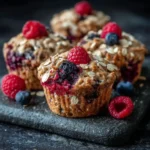
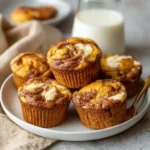
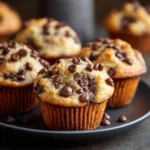
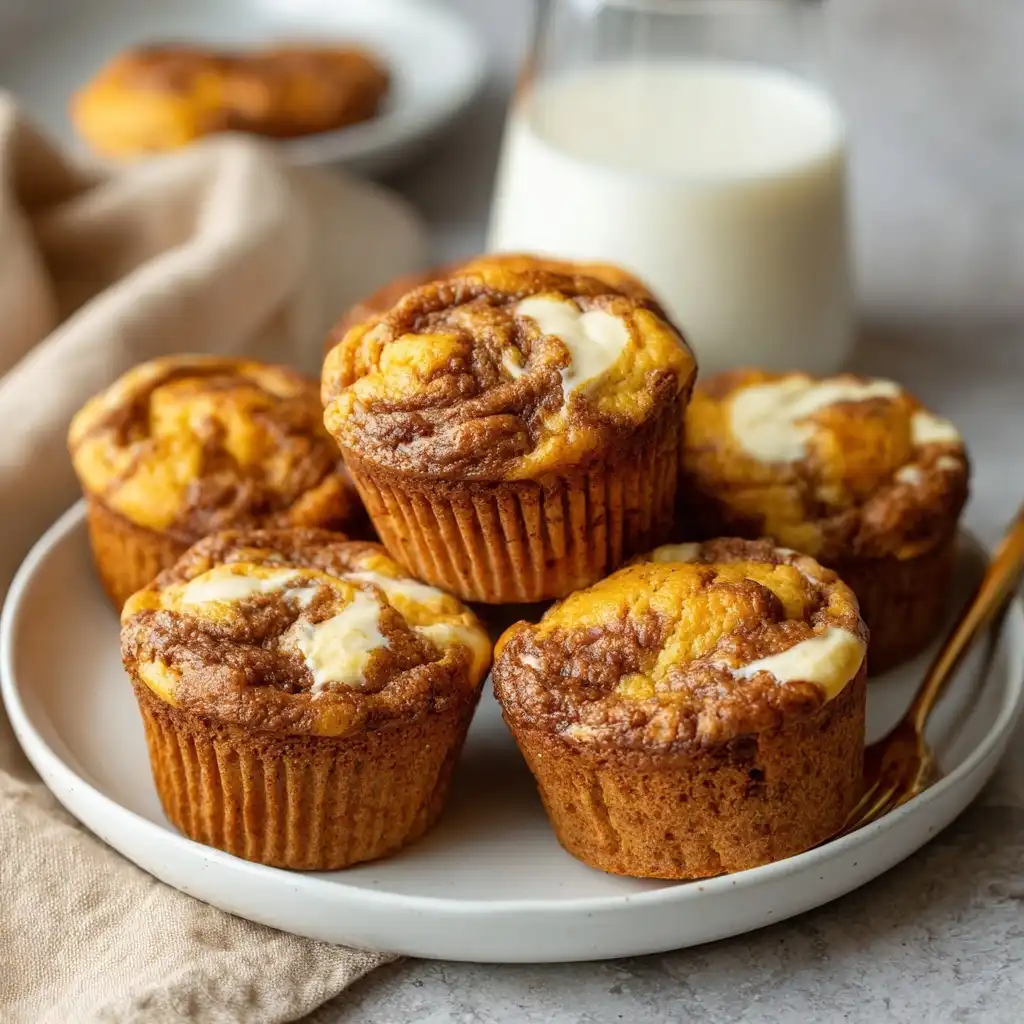
Welcome to the ultimate guide for Pumpkin Cheesecake Swirl Muffins — a decadent, seasonal fusion that marries the warm, spiced comfort of pumpkin bread with the luxuriously creamy tang of New York–style cheesecake. These muffins are more than just a treat; they’re a celebration of autumnal flavors, textural harmony, and baking artistry in miniature form. With golden-domed tops, tender crumb interiors, and dramatic marbled ribbons of velvety cream cheese filling, each bite delivers a perfectly balanced contrast: earthy-sweet pumpkin, aromatic spices, rich vanilla, and the cool, luscious sharpness of cheesecake. Whether you’re prepping for a holiday brunch, surprising coworkers with homemade goodness, or simply treating yourself on a crisp fall morning with coffee, these muffins deliver gourmet appeal without restaurant-level effort — just thoughtful technique, quality ingredients, and a little swirl magic.
The History
The origins of Pumpkin Cheesecake Swirl Muffins lie at the intersection of two beloved American baked goods: the humble muffin and the iconic cheesecake. Muffins, derived from the English “muffin” (a yeast-raised flatbread) and later adapted into quick-bread form in 19th-century America, evolved dramatically with the advent of chemical leaveners like baking powder in the 1850s. Meanwhile, cheesecake traces its lineage back over 4,000 years to ancient Greece, where honey-sweetened cheese cakes were served at Olympic games — a tradition carried forward by Romans and reimagined across Europe. In the U.S., the no-bake Philadelphia-style cheesecake gained traction in the early 1900s, while the dense, oven-baked New York version — enriched with cream cheese, sour cream, and eggs — rose to prominence mid-century thanks to innovators like Arnold Reuben and later, Lindy’s Restaurant.
Pumpkin as a staple in American baking surged post-Revolutionary War, especially after Amelia Simmons’ American Cookery (1796) published the first known American pumpkin pie recipe. By the late 20th century, food bloggers, home economists, and test kitchens began experimenting with flavor layering — swirling fillings into batters became a popular way to elevate simple recipes. The Pumpkin Cheesecake Swirl Muffin emerged organically in the 2010s as part of the “gourmet muffin” movement, championed by influencers on Pinterest and Instagram who sought visually stunning, bakery-quality results from home ovens. Its rise also coincided with the mainstream availability of high-fat, full-flavor cream cheeses (like Philadelphia Original and mascarpone blends), better pumpkin purée standards (100% pure, not pie filling), and renewed interest in nostalgic, comforting desserts with artisanal twists.
Ingredients Breakdown
Understanding each ingredient’s functional role is key to mastering these muffins — this isn’t just a list; it’s a precision ensemble where chemistry meets flavor.
- Pumpkin Puree (100% canned or homemade): Provides moisture, natural sweetness, dense structure, and carotenoid-rich color. Must be thick and fiber-free — avoid pumpkin pie filling, which contains added sugars, spices, and thickeners that throw off ratios and cause separation.
- Full-Fat Cream Cheese (brick-style, room temperature): The cornerstone of the swirl. Its high fat content (≥33%) ensures richness and stability when blended with sugar and egg. Low-fat or spreadable varieties contain gums and excess water, leading to curdling or greasy streaks.
- Granulated Sugar & Brown Sugar (light or dark): Granulated sugar aerates the batter during creaming and controls spread; brown sugar adds molasses depth, moisture retention, and subtle acidity that enhances spice perception.
- Large Eggs (room temperature): Act as emulsifiers and structural binders. Cold eggs can shock the warm butter-sugar mixture and cause batter splitting; room-temp eggs incorporate smoothly and improve volume.
- Unsalted Butter (softened, not melted): Provides flakiness, tenderness, and flavor. Softened (65–68°F) allows proper creaming — melted butter yields dense, greasy muffins; cold butter won’t cream evenly.
- All-Purpose Flour (spooned & leveled): Supplies gluten for structure but must be measured correctly. Overpacking leads to toughness. For optimal tenderness, many bakers use a blend (e.g., ¾ cup AP + ¼ cup cake flour) to reduce protein content slightly.
- Pumpkin Pie Spice (or custom blend): A synergistic mix — typically cinnamon (warmth), ginger (zesty heat), nutmeg (earthy sweetness), allspice (clovelike depth), and sometimes cardamom or mace. Freshly ground whole spices yield exponentially brighter, more nuanced flavor than pre-ground jars older than 6 months.
- Baking Powder & Baking Soda: Dual-acting leaveners. Baking powder provides most lift; baking soda neutralizes acidity (from brown sugar, pumpkin, yogurt) and encourages browning. Too much soda causes soapy aftertaste; too little yields pale, dense muffins.
- Sour Cream or Full-Fat Greek Yogurt: Adds acidity for tenderizing gluten, extra fat for moistness, and subtle tang that balances sweetness. Low-fat versions introduce excess water, risking tunneling or collapse.
- Pure Vanilla Extract (not imitation): Contains over 250 flavor compounds. Mexican or Madagascar bourbon vanilla offers creamy, floral notes that complement pumpkin’s earthiness far better than synthetic vanillin.
- Pinch of Fine Sea Salt: Not just for seasoning — it heightens all other flavors, controls yeast activity (if using any), and strengthens gluten networks subtly.
Optional but highly recommended enhancements include a tablespoon of molasses (for deeper caramel notes), a splash of rum or bourbon (evaporates during baking but leaves complex aroma), or toasted pecan pieces folded in at the end for crunch and nutty contrast.
Step-by-Step Recipe
This method prioritizes texture control, visual appeal, and foolproof execution — no guesswork, just repeatable excellence.
- Prep & Preheat: Position oven rack in the center. Preheat to 375°F (190°C). Line a standard 12-cup muffin tin with premium parchment liners (not paper-only — they prevent sticking better and allow clean removal of tall domes) or grease thoroughly with butter + flour. Let all refrigerated ingredients (eggs, cream cheese, sour cream) sit at room temperature for 45–60 minutes.
- Make the Cream Cheese Swirl: In a medium bowl, beat 8 oz full-fat cream cheese with ⅓ cup granulated sugar and 1 large egg yolk (reserve white for batter) until completely smooth and lump-free (~2 min with hand mixer on medium). Stir in 1 tsp pure vanilla and a pinch of salt. Cover and refrigerate for 20 minutes — this firms it slightly for cleaner swirling and prevents bleeding.
- Cream Butter & Sugars: In a large bowl, beat ½ cup unsalted butter (softened) with ¾ cup granulated sugar and ½ cup light brown sugar on medium-high for 3–4 minutes until pale, fluffy, and free of graininess. Scrape bowl thoroughly.
- Add Wet Ingredients: Beat in 2 large room-temp eggs, one at a time, mixing fully after each (~30 sec). Add 1 cup pumpkin puree and ½ cup sour cream; mix on low just until combined. Avoid overmixing — batter may look slightly curdled; that’s normal due to fat/water emulsion.
- Dry Ingredients Together: In a separate bowl, whisk 2 cups all-purpose flour (spooned & leveled), 2 tsp pumpkin pie spice, 1½ tsp baking powder, ½ tsp baking soda, and ½ tsp fine sea salt until homogenous. Sift once for guaranteed even distribution.
- Combine Dry & Wet: Add dry mixture to wet in three additions, alternating with ¼ cup whole milk (or heavy cream for extra luxury). Begin and end with dry ingredients. Mix each addition on low *just* until no streaks remain — approximately 10–15 seconds per addition. Batter will be thick, glossy, and scoopable — never runny or stiff.
- Fill Muffin Cups: Use a 2-tablespoon cookie scoop or ice cream scoop to portion ¼ cup batter into each liner — filling ~½ full. This creates space for rising and the swirl. Tap pan firmly twice on counter to release air bubbles.
- Add Swirl: Remove chilled cream cheese mixture from fridge. Spoon 1 heaping teaspoon onto center of each batter portion. Using a toothpick, wooden skewer, or thin knife, drag gently through center outward in a “C” shape — then reverse direction once. Do *not* over-swirl; 2–3 gentle passes create elegant marbling. Overmixing causes grayish, indistinct streaks.
- Bake Strategically: Place pan in preheated oven. Bake 5 minutes at 375°F to set edges and encourage dome formation. *Without opening door*, reduce heat to 350°F (175°C) and continue baking 15–18 minutes, rotating pan halfway. Muffins are done when tops spring back lightly when touched, a toothpick inserted *between* swirl and edge (not directly in swirl) comes out with moist crumbs (not wet batter), and internal temp reads 205–210°F (96–99°C).
- Cool & Serve: Let muffins cool in pan for 8 minutes — crucial for structural integrity. Then transfer to a wire rack. Cool at least 25 minutes before serving warm. For best texture contrast, serve at room temperature within 4 hours — or reheat 5 seconds in microwave if enjoying later.
Tips
- Temperature is Non-Negotiable: Every chilled ingredient (cream cheese, eggs, sour cream) must reach 65–70°F. Use an instant-read thermometer — guessing leads to broken emulsions and uneven baking.
- Flour Measurement Matters: Never scoop flour directly from the bag. Use the “spoon-and-level” method: fluff flour in bag, spoon into measuring cup, level with straight edge. 1 cup AP flour should weigh 120–125g on a kitchen scale — inconsistency here causes 90% of dense muffin failures.
- Swirl Like a Pro: Chill the cream cheese mixture — it prevents sinking and bleeding. Use a chilled toothpick (keep it in freezer 5 min prior) for sharper lines. Practice swirling on a plate first with chocolate sauce and pudding to build muscle memory.
- Oven Thermometer Required: Most built-in oven thermostats are inaccurate by ±25°F. An oven thermometer ensures precise initial blast and steady bake — critical for dome development and preventing sunken centers.
- No Overmixing — Ever: Once dry ingredients hit wet, stir only until incorporated. Overmixing develops excess gluten = tough, rubbery muffins. If you see streaks of flour, fold 2 more times — then stop.
- High-Altitude Adjustments: Above 3,000 ft: decrease baking powder by ⅛ tsp, increase flour by 1 tbsp, reduce sugar by 1 tbsp, add 1 extra tbsp sour cream, and bake at 385°F for first 6 min, then 360°F for remainder.
- Freezing Success: Cool completely, wrap individually in plastic + foil, freeze up to 3 months. Thaw overnight in fridge, then warm at 325°F for 8 minutes — they taste freshly baked.
- Perfect Dome Secret: Fill cups only halfway initially — the batter rises up, not out, creating that bakery-worthy crown. Don’t skip the initial high-heat burst — it sets the outer structure before interior steam expands.
Variations and Customizations
These muffins are a canvas — adaptable for dietary needs, seasonal twists, and global inspirations — without sacrificing integrity.
Dietary Adaptations
- Gluten-Free: Substitute 1:1 gluten-free all-purpose blend (like King Arthur or Bob’s Red Mill) + ½ tsp xanthan gum. Add 1 extra tbsp almond milk to compensate for GF flour’s absorbency.
- Dairy-Free: Use vegan butter (Miyoko’s or Earth Balance), full-fat coconut yogurt (unsweetened), and dairy-free cream cheese (Kite Hill or Miyoko’s). Ensure pumpkin is certified dairy-free (some brands add whey).
- Lower-Sugar: Replace half granulated sugar with monk fruit–erythritol blend (like Lakanto Golden); keep brown sugar for moisture. Reduce total sugar by ¼ cup — do not eliminate entirely, as sugar contributes to tenderness and browning.
- Protein-Boosted: Fold in 2 scoops unflavored collagen peptides or whey isolate (no clumping!) with dry ingredients. Add 2 tbsp ground flaxseed for fiber and omega-3s.
Flavor & Texture Twists
- Maple-Pecan Swirl: Replace cream cheese swirl with ½ cup maple syrup + 4 oz softened cream cheese + 1 egg yolk + ¼ cup toasted chopped pecans.
- Gingerbread Spice: Swap pumpkin pie spice for 1½ tsp ground ginger, 1 tsp cinnamon, ½ tsp cloves, ¼ tsp black pepper, and 1 tbsp molasses in batter.
- Chai-Spiced: Infuse ¼ cup hot whole milk with 2 chai tea bags for 5 minutes, cool, then use in place of plain milk. Add 1 tsp cardamom + ¼ tsp star anise to dry spices.
- Chocolate-Hazelnut: Swirl in 2 tbsp Nutella + 1 tbsp cocoa powder + 1 tsp hazelnut extract instead of cream cheese. Top with crushed roasted hazelnuts.
- Savory-Sweet Herb: Add 1 tbsp finely grated orange zest + 1 tsp fresh rosemary (minced fine) to batter. Swirl with goat cheese + honey mixture instead of cream cheese.
Global Inspirations
- Japanese Matcha Swirl: Whisk 1 tsp ceremonial-grade matcha + 2 tbsp hot milk + 2 tbsp sugar into cream cheese base. Dust cooled muffins with matcha powder.
- Mexican Abuela Style: Add 1 tsp ancho chili powder + ½ tsp cinnamon + 1 tbsp piloncillo syrup to batter. Swirl with cream cheese + 1 tsp orange blossom water.
- Lebanese Date Swirl: Blend ½ cup pitted Medjool dates + 2 tbsp warm water into paste; mix into cream cheese base with ¼ tsp cardamom.
Health Considerations and Nutritional Value
While undeniably indulgent, these muffins can be thoughtfully aligned with wellness goals — transparency first, optimization second.
Nutrition Snapshot (Per Muffin, Approximate)
- Calories: 320–360 kcal
- Total Fat: 16–19g (9–11g saturated)
- Carbohydrates: 42–46g (28–32g sugars, 2g fiber)
- Protein: 5–6g
- Vitamins/Minerals: Excellent source of Vitamin A (220% DV from beta-carotene in pumpkin), good source of calcium (8% DV), iron (6% DV), and potassium (10% DV).
Functional Benefits
Pumpkin: Rich in antioxidants (alpha/beta-carotene, lutein), supports eye health, immune function, and skin radiance. High fiber content aids satiety and gut motility.
Cinnamon & Ginger: Clinically studied for anti-inflammatory properties, blood sugar modulation (cinnamon mimics insulin), and digestive support (ginger calms nausea and bloating).
Cream Cheese (in moderation): Provides bioavailable calcium and vitamin K2 (especially in grass-fed varieties), essential for bone and cardiovascular health.
Responsible Enjoyment Strategies
- Portion Mindfulness: Serve one muffin with ½ cup plain full-fat Greek yogurt and mixed berries for balanced macros and reduced glycemic load.
- Smart Substitutions: Replace ¼ cup butter with avocado oil for heart-healthy monounsaturated fats. Use organic, non-GMO pumpkin and grass-fed dairy when possible.
- Timing Matters: Best enjoyed earlier in the day — the complex carbs and protein provide sustained energy without evening sugar crashes.
- Not a Daily Habit: Reserve for special occasions or mindful treats — their nutrient density doesn’t negate calorie density. Pair with movement and hydration.
Note: Those with lactose intolerance may tolerate small amounts of aged cheeses better than fresh cream cheese — consider lactase enzyme supplementation if needed. Always consult a registered dietitian for personalized nutrition guidance.
Ingredients
For the Pumpkin Muffin Batter:
- ½ cup (1 stick / 113g) unsalted butter, softened to 65–68°F
- ¾ cup (150g) granulated sugar
- ½ cup (100g) light brown sugar, packed
- 2 large eggs, room temperature
- 1 cup (240g) 100% pure pumpkin purée (not pie filling)
- ½ cup (120g) full-fat sour cream or Greek yogurt
- 2 cups (250g) all-purpose flour, spooned & leveled
- 2 tsp pumpkin pie spice (or 1½ tsp cinnamon, ½ tsp ginger, ¼ tsp nutmeg, ⅛ tsp cloves, ⅛ tsp allspice)
- 1½ tsp baking powder
- ½ tsp baking soda
- ½ tsp fine sea salt
- ¼ cup (60ml) whole milk or heavy cream
- 2 tsp pure vanilla extract
For the Cream Cheese Swirl:
- 8 oz (227g) full-fat brick cream cheese, room temperature
- ⅓ cup (67g) granulated sugar
- 1 large egg yolk (reserve white for another use)
- 1 tsp pure vanilla extract
- Pinch of fine sea salt
Optional Garnishes:
- Coarse turbinado sugar (sprinkled pre-bake for crunch)
- Chopped toasted pecans or walnuts
- Light dusting of cinnamon or pumpkin spice
Directions
- Preheat oven to 375°F (190°C). Line a 12-cup muffin tin with parchment liners or grease thoroughly.
- In a medium bowl, beat cream cheese, sugar, egg yolk, vanilla, and salt until ultra-smooth (2–3 min). Refrigerate 20 minutes.
- In a large bowl, beat softened butter, granulated sugar, and brown sugar on medium-high 3–4 minutes until pale and fluffy.
- Add eggs one at a time, beating well after each. Mix in pumpkin and sour cream on low until combined.
- In another bowl, whisk together flour, pumpkin pie spice, baking powder, baking soda, and salt.
- Add dry ingredients to wet in three parts, alternating with milk — begin and end with dry. Mix each addition on low just until no streaks remain.
- Scoop ¼ cup batter into each liner (~½ full). Tap pan firmly twice.
- Spoon 1 tsp chilled cream cheese mixture onto center of each. Swirl gently 2–3 times with toothpick.
- Bake at 375°F for 5 minutes. Reduce heat to 350°F (175°C); bake 15–18 more minutes, rotating pan halfway.
- Cool in pan 8 minutes, then transfer to wire rack. Cool 25+ minutes before serving.
FAQ
- Can I make these ahead and freeze?
- Absolutely. Cool completely, wrap tightly in plastic wrap + aluminum foil, and freeze up to 3 months. Thaw overnight in fridge, then refresh at 325°F for 8 minutes. They retain moisture and flavor remarkably well.
- Why did my swirl disappear or turn gray?
- Gray swirls mean overmixing or using cold cream cheese. Ensure the swirl mixture is chilled (but not frozen) and swirl *only* 2–3 gentle passes. Also verify your baking soda isn’t expired — old soda reacts poorly with acids, causing discoloration.
- Can I use canned pumpkin pie filling instead of purée?
- No — pie filling contains added sugar, corn syrup, spices, and thickeners (like modified food starch) that disrupt batter chemistry, cause weeping, and mute pure pumpkin flavor. Stick to 100% pumpkin purée (check label: ingredient list should say “pumpkin” only).
- My muffins sank in the middle — what went wrong?
- Sinking usually results from underbaking (check with thermometer — 205–210°F), opening oven too early, overmixing batter, or expired leaveners. Also ensure your oven is properly preheated — a cold start prevents proper dome formation.
- Can I double this recipe?
- Yes — but mix batter in two separate batches to avoid overmixing. Doubling leaveners requires precision: use 3 tsp baking powder + 1 tsp baking soda instead of scaling linearly. Better yet, make two single batches back-to-back.
- Are these suitable for kids or picky eaters?
- Yes — the mild sweetness, familiar pumpkin flavor, and creamy swirl make them highly approachable. Many parents report success hiding spinach purée (¼ cup) in the batter for added nutrients — undetectable to young palates!
- How do I store leftovers?
- Keep at room temperature in an airtight container for up to 2 days. For longer storage, refrigerate up to 5 days — bring to room temp or warm 5 seconds in microwave before serving. Do not refrigerate unfrosted — condensation softens the crust.
- What’s the best cream cheese brand to use?
- Philadelphia Original Brick is the gold standard for consistency and flavor. Avoid “whipped,” “light,” or “spreadable” versions — they contain stabilizers and air that destabilize the swirl. For gourmet flair, try Vermont Creamery’s cultured cream cheese.
Summary
Pumpkin Cheesecake Swirl Muffins are a masterclass in seasonal baking — combining velvety pumpkin spice batter with luxuriously tart cream cheese ribbons, crowned with bakery-perfect domes and tender, moist crumb.
With meticulous attention to ingredient temperature, precise mixing technique, and smart customization options, these muffins deliver restaurant-worthy elegance, nostalgic comfort, and nutritional nuance — all from your own kitchen.