Introduction
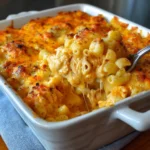
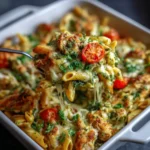
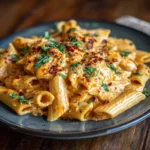
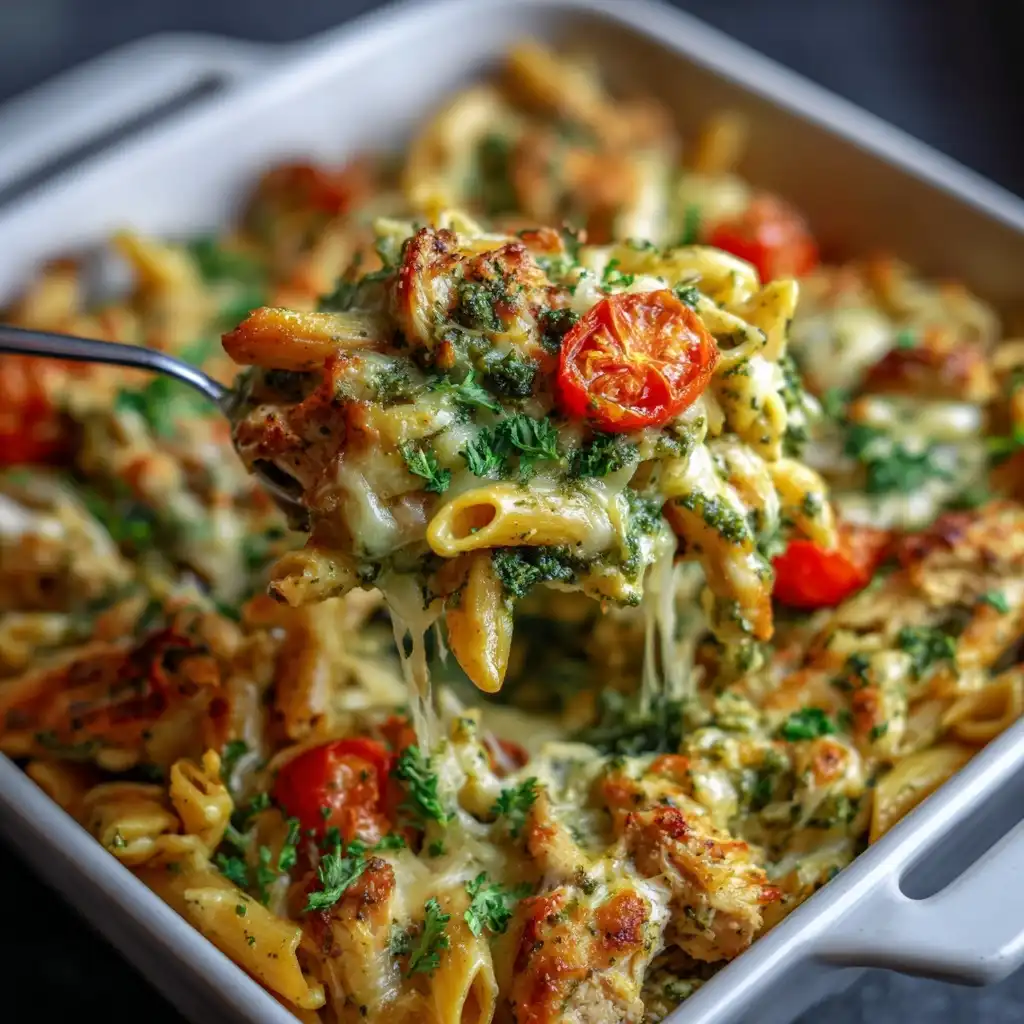
Pesto Chicken Pasta Bake is a beloved, family-friendly casserole that masterfully bridges the vibrant freshness of Italian-inspired pesto with the comforting richness of baked pasta and tender, protein-packed chicken. Unlike traditional stovetop pasta dishes, this oven-baked version delivers a beautifully golden, slightly crisp top layer while maintaining a luxuriously creamy, herbaceous interior—making it ideal for weeknight dinners, potlucks, holiday sideboards, or meal-prep-friendly portions. Its versatility lies in its balance: bold yet approachable, hearty yet not heavy, simple to assemble yet impressive enough to serve guests. Whether you’re a seasoned home cook or a beginner seeking a reliable, flavorful one-dish wonder, this dish checks every box—satisfying hunger, delighting the palate, and adapting effortlessly to dietary preferences and pantry availability.
The History
While pesto itself traces its roots to Genoa, Italy—where pesto alla genovese was traditionally pounded by hand using basil, pine nuts, garlic, coarse sea salt, and extra-virgin olive oil—the fusion of pesto with baked pasta and chicken is a distinctly modern American-Italian hybrid born from mid-20th-century culinary innovation. As refrigerated and shelf-stable pesto sauces became widely available in U.S. supermarkets during the 1970s and ’80s, home cooks began experimenting beyond tossing it with hot spaghetti. The rise of the “pasta bake” phenomenon—inspired by French gratin techniques and American casseroles—created the perfect canvas for pesto’s aromatic intensity. Chicken, already a staple protein in American households for its affordability and mild flavor, naturally complemented pesto’s brightness. Early versions appeared in regional church cookbooks and women’s magazines like Bon Appétit and Good Housekeeping throughout the 1990s, often featuring mozzarella or provolone for meltability. Over time, chefs and food bloggers elevated the dish with artisanal ingredients—aged Parmigiano-Reggiano, toasted walnuts or pistachios, lemon zest, and even white wine reductions—transforming it from humble casserole to gourmet centerpiece. Today, Pesto Chicken Pasta Bake stands as a testament to cross-cultural culinary evolution: deeply rooted in tradition, yet continuously reinvented for contemporary tastes and lifestyles.
Ingredients Breakdown
Every exceptional Pesto Chicken Pasta Bake begins with thoughtfully selected, high-quality components—each playing a distinct functional and flavor role:
- Pasta: Short, sturdy shapes like penne, fusilli, rigatoni, or campanelle hold up best to baking and trap sauce beautifully. Whole wheat, chickpea, or gluten-free pasta options add nutritional depth without compromising texture.
- Chicken: Boneless, skinless chicken breasts or thighs (preferably organic or air-chilled) provide lean, tender protein. Thighs offer more moisture and richer flavor; breasts yield a lighter profile. Diced or shredded after cooking ensures even distribution and prevents dryness.
- Pesto: Authentic basil pesto (homemade or premium store-bought) is non-negotiable for true character. Key markers of quality include vibrant green color, visible flecks of basil, balanced garlic presence, and a clean, grassy finish—not overly salty or oily. Avoid “pesto-style” sauces with artificial coloring or excessive preservatives.
- Cheeses: A triple-layered cheese strategy creates complexity: (1) Fresh mozzarella (low-moisture shreds or torn pearls) for stretch and mild creaminess; (2) Parmigiano-Reggiano (finely grated, not pre-grated) for umami depth, nuttiness, and browning capability; and (3) optional ricotta or creamed goat cheese for luxurious silkiness and tang.
- Creamy Base: Full-fat ricotta, Greek yogurt, or a blend of heavy cream and mascarpone adds richness and moisture retention—critical for preventing a dry bake. Evaporated milk is a lower-fat but still effective alternative.
- Aromatics & Seasonings: Freshly minced garlic and red onion build foundational savoriness; lemon zest brightens the entire dish; freshly cracked black pepper enhances herbal notes; and a pinch of red pepper flakes introduces subtle warmth.
- Vegetables (Optional but Recommended): Sautéed spinach, roasted cherry tomatoes, sun-dried tomatoes, sautéed zucchini, or caramelized leeks add color, nutrients, and textural contrast—without diluting flavor.
- Finishing Touches: Extra drizzle of high-quality extra-virgin olive oil, reserved fresh basil leaves, flaky sea salt, and a final grating of Parmigiano-Reggiano just before serving elevate aroma, appearance, and taste.
Step-by-Step Recipe
- Preheat & Prep: Preheat oven to 375°F (190°C). Lightly grease a 9×13-inch ceramic or glass baking dish with olive oil or butter. Bring a large pot of heavily salted water to a rolling boil.
- Cook Pasta Al Dente: Add pasta to boiling water and cook for 1–2 minutes *less* than package instructions indicate for al dente. Drain thoroughly, rinse briefly under cool water to stop cooking (optional, but helps prevent mush), and return to pot. Toss with 1 tbsp olive oil to prevent sticking.
- Prepare Chicken: While pasta cooks, season chicken cubes (1–1.5 lbs) generously with salt, pepper, and ½ tsp dried oregano. Heat 1 tbsp olive oil in a large skillet over medium-high heat. Sear chicken until golden and cooked through (165°F internal temp), about 5–7 minutes. Remove from pan, let rest 3 minutes, then dice or shred into bite-sized pieces.
- Sauté Aromatics: In the same skillet (add more oil if needed), gently sauté ½ cup finely diced red onion until translucent (~3 min). Add 2 minced garlic cloves and cook 30 seconds until fragrant—do not brown.
- Build Creamy Base: In a large mixing bowl, combine 1 cup whole-milk ricotta, ½ cup grated Parmigiano-Reggiano, ¼ cup full-fat Greek yogurt, 2 tbsp heavy cream, zest of 1 lemon, ¼ tsp freshly ground black pepper, and a pinch of red pepper flakes. Whisk until smooth and unified.
- Combine Everything: Fold warm pasta, cooked chicken, sautéed aromatics, and ¾ cup of high-quality basil pesto into the creamy base. Gently stir in 1½ cups shredded low-moisture mozzarella and any optional vegetables (e.g., 2 cups fresh baby spinach, massaged with a pinch of salt). Taste and adjust seasoning—add more pesto for intensity, lemon juice for brightness, or salt for balance.
- Transfer & Top: Pour mixture evenly into prepared baking dish. Smooth top with a spatula. Sprinkle remaining ½ cup mozzarella and ¼ cup freshly grated Parmigiano-Reggiano evenly across surface. Optional: dot with 4 small pats of butter for extra browning.
- Bake: Place dish on center oven rack. Bake uncovered for 25–30 minutes, until edges bubble vigorously and top forms a deep golden crust. For extra browning, broil on low for 1–2 minutes at the end—watch closely to avoid burning.
- Rest & Serve: Remove from oven and let stand for 12–15 minutes. This crucial step allows starches to set, flavors to meld, and residual heat to finish cooking the center without over-baking. Garnish with fresh basil, lemon wedges, flaky salt, and an extra drizzle of pesto or olive oil.
Tips
- Don’t Overcook the Pasta: Undercooking by 1–2 minutes is essential—it will absorb liquid and soften further during baking. Overcooked pasta turns gummy and disintegrates.
- Use Room-Temperature Ingredients: Cold ricotta or chilled chicken can cause uneven heating and separation. Let dairy and proteins sit out for 15–20 minutes before assembling.
- Reserve Pesto for Finishing: Stir in only ¾ of your pesto pre-bake; reserve the rest to swirl on top post-baking or drizzle over individual servings—this preserves volatile herbal oils and maximizes aroma.
- Layer Smartly: For maximum cheese pull, place half the mozzarella in the mixture and half on top. The bottom layer melts into the sauce; the top layer browns and crisps.
- Control Moisture: If using watery veggies (like zucchini or tomatoes), salt and drain them first—or roast to concentrate flavor and remove excess liquid.
- Boost Umami: Add 1 tsp white miso paste or 1 tbsp nutritional yeast to the creamy base for deeper savory complexity without altering flavor profile.
- Test Doneness Correctly: Insert an instant-read thermometer into the center—it should read 160°F (the residual heat will bring it to safe 165°F during resting).
- Make-Ahead Friendly: Assemble up to 24 hours ahead, cover tightly with plastic wrap, and refrigerate. Add 5–8 minutes to bake time if going straight from fridge to oven.
- Freeze With Confidence: Cool completely, portion into airtight containers, and freeze for up to 3 months. Thaw overnight in fridge, then bake covered with foil for 20 min, uncover and bake 10–15 min more.
- Revive Leftovers: Reheat gently in oven (325°F, covered) or skillet with a splash of broth or milk to restore creaminess—avoid microwaving uncovered, which dries it out.
Variations and Customizations
This recipe is inherently adaptable—here are 12 creative, tested variations spanning dietary needs, global inspirations, and seasonal ingenuity:
- Plant-Powered Pesto Pasta Bake: Replace chicken with 1.5 cups marinated and baked tofu cubes or 1 cup cooked lentils; use vegan pesto (nut-based, no cheese) and dairy-free mozzarella shreds + cashew ricotta.
- Mediterranean Twist: Add ½ cup crumbled feta, ¼ cup chopped Kalamata olives, 2 tbsp capers, and 1 tsp dried oregano. Swap pine nuts in pesto for toasted almonds.
- Roasted Red Pepper & Walnut Pesto Version: Blend roasted red peppers, toasted walnuts, garlic, basil, olive oil, and lemon juice for a smoky-sweet pesto base. Pair with fontina cheese for melting elegance.
- Spicy Arrabbiata-Inspired: Stir 3 tbsp tomato paste + 1 tsp crushed red pepper into the creamy base; fold in ½ cup diced pepperoncini and top with pecorino instead of Parmigiano.
- Spring Garden Edition: Incorporate 1 cup blanched asparagus tips, ½ cup English peas, 2 tbsp fresh mint, and chive blossoms. Use pistachio pesto for delicate nuttiness.
- Autumn Harvest Bake: Fold in 1 cup roasted butternut squash, ¼ cup toasted pepitas, and 1 tbsp maple syrup. Use sage-walnut pesto and Gruyère cheese for earthy warmth.
- Low-Carb Zoodle Bake: Substitute 2 lbs spiralized zucchini (salted, drained, and patted dry) for pasta. Reduce bake time to 20 minutes and add 1 egg to binding mixture for structure.
- Keto-Friendly Version: Use konjac shirataki noodles (thoroughly rinsed and pan-dried), full-fat cream cheese instead of ricotta, and increase mozzarella and Parmigiano. Omit sugar-containing pesto brands.
- Seafood Upgrade: Replace chicken with 1 lb cooked, flaked wild-caught salmon or lump crab meat. Add dill and lemon thyme to pesto; finish with fresh dill and micro-cress.
- Breakfast-for-Dinner Bake: Add 4 whisked eggs and ½ cup cottage cheese to base; mix in crumbled cooked bacon and chives. Top with sharp cheddar and bake until set (35–40 min).
- “Everything Bagel” Crust Variation: Mix ¼ cup everything bagel seasoning into the top cheese layer—or create a crunchy breadcrumb topping with panko, sesame, poppy, garlic, and onion powders toasted in olive oil.
- Global Fusion: Thai Peanut-Pesto Hybrid: Blend cilantro, lime zest, roasted peanuts, ginger, garlic, fish sauce (or tamari), and coconut oil into pesto. Fold in shredded rotisserie chicken and jasmine rice pasta; top with crushed peanuts and lime wedges.
Health Considerations and Nutritional Value
A standard serving (1⅓ cups) of classic Pesto Chicken Pasta Bake delivers approximately 480–540 calories, with thoughtful ingredient choices transforming it from indulgent comfort food into a nutritionally balanced, wellness-supportive meal:
- Protein Powerhouse: ~32–38g high-quality, complete protein from chicken and cheeses supports muscle maintenance, satiety, and metabolic health. Adding legumes or tofu boosts plant-based protein and fiber.
- Heart-Healthy Fats: Olive oil, nuts (in pesto), and avocado oil (if used) supply monounsaturated fats linked to reduced LDL cholesterol and improved vascular function. Omega-3s from basil and walnuts further support cardiovascular and cognitive health.
- Fiber & Digestive Wellness: Whole grain or legume-based pasta contributes 5–8g fiber per serving—promoting gut microbiome diversity, steady blood sugar, and digestive regularity. Spinach or kale additions amplify fiber and phytonutrient density.
- Vitamin & Mineral Richness: Basil provides vitamin K (100% DV per ¼ cup), vital for bone metabolism and clotting; lemon zest supplies bioavailable vitamin C; Parmigiano offers calcium, phosphorus, and zinc; garlic delivers allicin for immune and anti-inflammatory benefits.
- Lower-Sodium Options: Homemade pesto cuts sodium by 60% vs. commercial jars (which average 200–300mg per tbsp). Using low-sodium cheeses, unsalted butter, and limiting added salt keeps total sodium under 500mg/serving—ideal for hypertension management.
- Gut-Friendly Ferments: Opting for aged cheeses (Parmigiano, Pecorino) introduces beneficial lactic acid bacteria. Adding a spoonful of plain kefir or fermented veggie relish post-bake enhances probiotic content.
- Gluten Sensitivity Solutions: Certified gluten-free pasta (brown rice, quinoa, or lentil-based) performs exceptionally well—just verify pesto and cheese labels for hidden gluten sources (e.g., malt vinegar, modified food starch).
- Weight-Conscious Tweaks: Reduce cheese by 25%, boost volume with non-starchy veggies (+1 cup spinach, zucchini, mushrooms), use part-skim ricotta, and choose grilled (not fried) chicken to lower calories by ~120/serving without sacrificing satisfaction.
- Diabetes-Friendly Adaptation: Prioritize low-glycemic pasta (chickpea, lentil), pair with vinegar-based salad, and emphasize healthy fats/protein to slow glucose absorption. Monitor portion size (1 cup max) and avoid sugary pesto brands.
- Anti-Inflammatory Focus: Maximize antioxidants by adding turmeric to the creamy base, using purple basil, incorporating black garlic, and finishing with pomegranate molasses drizzle—synergistically lowering systemic inflammation markers.
Ingredients
- 1 pound short-cut pasta (penne, fusilli, or rigatoni)
- 1.25 pounds boneless, skinless chicken breasts or thighs
- 2 tablespoons extra-virgin olive oil, divided
- ½ cup finely diced red onion
- 3 garlic cloves, minced
- 1 cup whole-milk ricotta cheese
- ½ cup freshly grated Parmigiano-Reggiano cheese (plus extra for topping)
- ¼ cup full-fat plain Greek yogurt
- 2 tablespoons heavy cream or whole milk
- Zest of 1 large lemon
- ¼ teaspoon freshly ground black pepper
- Pinch of crushed red pepper flakes
- ¾ cup high-quality basil pesto (homemade preferred)
- 1½ cups low-moisture mozzarella cheese, shredded (plus ½ cup for topping)
- 1 (5-oz) package fresh baby spinach (optional, for added greens)
- Fresh basil leaves, lemon wedges, flaky sea salt, and additional olive oil for garnish
Directions
- Preheat oven to 375°F (190°C). Lightly grease a 9×13-inch baking dish with olive oil.
- Bring 4–5 quarts of water to a rapid boil. Add 2 tablespoons kosher salt. Cook pasta 1–2 minutes shy of al dente. Drain well, rinse lightly with cool water, and toss with 1 tsp olive oil. Set aside.
- Season chicken with 1 tsp salt and ½ tsp black pepper. Heat 1 tbsp olive oil in a large nonstick skillet over medium-high heat. Cook chicken in a single layer until golden and cooked through (165°F), 5–7 minutes per side. Transfer to a cutting board, rest 3 minutes, then dice into ½-inch cubes.
- In same skillet, heat remaining 1 tbsp olive oil. Sauté red onion over medium heat until soft and translucent (~3 min). Add garlic; cook 30 seconds until fragrant.
- In a large bowl, whisk together ricotta, ½ cup Parmigiano, Greek yogurt, heavy cream, lemon zest, black pepper, and red pepper flakes until smooth.
- Add warm pasta, cooked chicken, sautéed aromatics, ¾ cup pesto, 1½ cups mozzarella, and spinach (if using) to ricotta mixture. Gently fold until fully combined and evenly coated. Taste and adjust seasoning.
- Transfer mixture to prepared baking dish. Smooth top. Sprinkle with remaining ½ cup mozzarella and ¼ cup Parmigiano.
- Bake uncovered for 25–30 minutes, until bubbling at edges and top is deeply golden and crisp. Optional: Broil 1–2 minutes for intensified browning.
- Let rest 12–15 minutes before slicing. Garnish generously with fresh basil, lemon wedges, flaky salt, and a final drizzle of pesto or olive oil.
FAQ
- Can I make this ahead of time?
- Yes! Assemble completely (without baking), cover tightly with plastic wrap, and refrigerate for up to 24 hours. When ready, bake covered with foil for 20 minutes, then uncover and bake 10–15 minutes more until golden and bubbly. For longer storage, freeze unbaked casserole for up to 3 months—thaw overnight before baking.
- Why does my pesto turn brown? How do I prevent it?
- Oxidation causes browning. To preserve vibrant green color: blanch basil leaves for 10 seconds before making pesto; add 1 tsp lemon juice or vitamin C powder; store with a thin layer of olive oil on top; and always use airtight glass containers. Avoid aluminum bowls or utensils during prep.
- Can I use jarred pesto?
- Absolutely—but read labels carefully. Choose brands with minimal ingredients: basil, olive oil, nuts, garlic, cheese, salt. Avoid those with soybean oil, artificial preservatives (BHA/BHT), added sugars, or “natural flavors.” Refrigerated fresh pesto from the deli section is often superior to shelf-stable jars.
- What pasta works best—and what should I avoid?
- Short, ridged, or tubular pastas (penne, fusilli, campanelle, casarecce) grip sauce and hold up to baking. Avoid long strands (spaghetti, linguine), delicate shapes (orzo, acini di pepe), or fresh pasta—these become mushy or clump. Gluten-free corn/rice blends perform well; skip 100% rice pasta, which turns gummy.
- My bake turned out dry. What went wrong?
- Most commonly: overcooked pasta, insufficient creamy base, too much cheese (which absorbs moisture), or skipping the resting period. Always undercook pasta, use full-fat dairy, measure pesto precisely (too much draws out moisture), and allow full 12+ minute rest before serving.
- Can I substitute the cheese?
- Yes—with caveats. For meltability: provolone, fontina, or Monterey Jack work well. For flavor: aged Gouda, Asiago, or Pecorino Romano add complexity. Avoid feta (too crumbly), paneer (won’t melt), or pre-shredded cheese (contains anti-caking agents that hinder melting).
- Is this dish freezer-friendly?
- Yes—both baked and unbaked versions freeze well for up to 3 months. Cool baked casserole completely, portion, and freeze in airtight containers. Reheat covered at 325°F until warmed through (45–60 min). Unbaked versions require thawing before baking.
- How do I reheat leftovers without drying them out?
- Best method: Cover with foil and bake at 325°F for 20–25 minutes. Stovetop: Gently warm in a skillet with 2–3 tbsp broth or milk, stirring frequently. Microwave only as last resort—use 50% power, cover with damp paper towel, and heat in 30-second intervals.
- Can I make this vegetarian or vegan?
- Easily. Omit chicken and add 1.5 cups roasted chickpeas, marinated tofu, or lentils. Use vegan pesto (nut-based, no cheese), dairy-free ricotta (cashew or almond-based), and plant-based mozzarella shreds. Boost umami with nutritional yeast or white miso.
- What wine pairs well with this dish?
- An herbaceous, medium-bodied white complements pesto beautifully: try Vermentino, Soave Classico, or Sauvignon Blanc from New Zealand. For red lovers, a light, low-tannin option like chilled Barbera or Pinot Noir works surprisingly well—avoid heavy Cabernets or oaky Chardonnays.
Summary
Pesto Chicken Pasta Bake is a harmonious, oven-baked celebration of Italian herbaceousness, American casserole comfort, and modern culinary flexibility—delivering rich flavor, satisfying texture, and nourishing balance in every golden, cheesy bite. Whether customized for keto, vegan, gluten-free, or simply weeknight ease, its enduring appeal lies in simplicity done extraordinarily well: fresh ingredients, smart technique, and the joyful ritual of sharing something deeply comforting, yet unmistakably vibrant.