Introduction
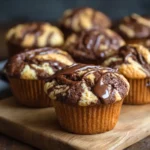
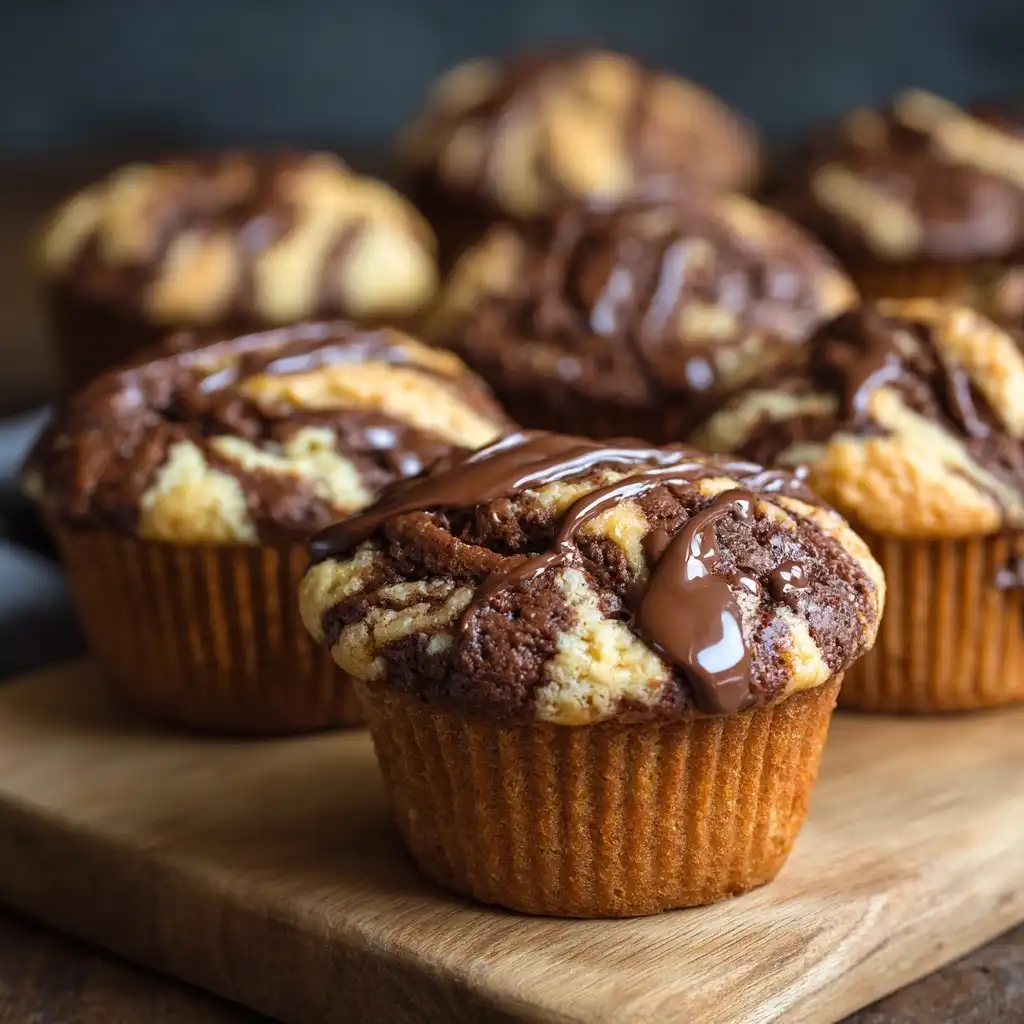
Welcome to the ultimate guide for Peanut Butter Chocolate Swirl Muffins — a decadent, comforting, and irresistibly nostalgic baked treat that marries the rich, salty-sweet depth of creamy peanut butter with the luxurious melt-in-your-mouth allure of premium chocolate. These muffins are more than just breakfast or snack fare; they’re an experience — moist, tender-crumbed, generously swirled, and crowned with a delicate crumb topping or optional chocolate drizzle. Whether you’re a seasoned baker or a curious beginner, this comprehensive resource walks you through every nuance of crafting bakery-quality muffins right in your own kitchen — complete with science-backed techniques, dietary adaptations, flavor enhancements, and real-world troubleshooting tips.
The History
The origins of the peanut butter chocolate swirl muffin are delightfully modern and deeply rooted in American baking evolution. While muffins themselves trace back to 18th-century England as “muffin cakes” (distinct from English muffins), the iconic peanut butter–chocolate pairing exploded in popularity following the commercialization of both ingredients in the late 19th and early 20th centuries. George Washington Carver’s pioneering work with peanuts in the 1910s helped elevate peanut butter from a regional curiosity to a national staple, while Milton S. Hershey’s mass production of milk chocolate after 1900 made cocoa-based indulgences widely accessible. By the 1950s, home bakers began experimenting with marble-style batters — swirling contrasting flavors like vanilla and chocolate — and it was only natural that the beloved PB&J sensibility migrated into muffin tins. The first documented “peanut butter swirl” muffin recipes appeared in regional church cookbooks and women’s magazines in the 1970s, often using boxed mixes for convenience. Today’s artisanal take — emphasizing high-fat natural peanut butter, stone-ground cocoa, and whole-grain flours — reflects a broader cultural shift toward mindful indulgence: treats that satisfy emotionally *and* nutritionally, without compromise.
Ingredients Breakdown
Understanding each ingredient’s functional role elevates your baking from follow-the-recipe to master-the-craft. Here’s a meticulous breakdown:
- All-Purpose Flour (2 cups / 240g): Provides gluten structure and volume. For optimal tenderness, avoid overmixing — gluten development must remain minimal. Optional substitution: replace up to ½ cup with whole wheat pastry flour for added fiber and nuttiness without toughness.
- Baking Powder (2 tsp) + Baking Soda (¼ tsp): A dual-leavening system. Baking powder delivers consistent lift via acid–base reaction, while baking soda (activated by the acidity in brown sugar and cocoa) ensures rapid oven spring and neutralizes bitterness. Never skip or substitute one for the other — they’re scientifically calibrated.
- Granulated Sugar (¾ cup / 150g) + Brown Sugar (½ cup / 100g, packed): Granulated sugar aids in crust formation and crispness; brown sugar contributes moisture, caramel notes, and acidity. The molasses in brown sugar also enhances Maillard browning — essential for that golden, fragrant muffin top.
- Large Eggs (2, room temperature): Act as emulsifiers, binders, and leaveners. Room temperature eggs incorporate air more readily during mixing and prevent fat separation when added to warm butter or peanut butter.
- Unsalted Butter (½ cup / 113g, melted & cooled): Adds richness, tenderness, and flavor. Melted (not hot) butter coats flour proteins, inhibiting gluten formation — crucial for soft, cake-like texture. Salted butter may be used, but reduce added salt accordingly.
- Creamy Natural Peanut Butter (¾ cup / 190g): Choose a stir-style, oil-separated variety with no added sugars or hydrogenated oils (e.g., Teddie, Smucker’s Natural). Its high oil content contributes moisture and intense roasted-nut flavor. Avoid “no-stir” varieties with palm oil — they yield greasy, dense muffins.
- Whole Milk (½ cup / 120ml, room temperature): Balances batter hydration and activates leaveners. Buttermilk may be substituted (add ½ tsp baking soda if using buttermilk exclusively) for extra tang and tenderness.
- Pure Vanilla Extract (2 tsp): Enhances aromatic complexity and rounds out peanut and chocolate notes. Mexican or Madagascar bourbon vanilla is highly recommended.
- Unsweetened Cocoa Powder (⅓ cup / 30g, Dutch-processed preferred): Dutch-processed offers deeper, smoother chocolate flavor with neutral pH — ideal when paired with baking soda. Natural cocoa is more acidic and will intensify the rise but may lend a sharper edge.
- Sea Salt (1 tsp, plus flaky salt for topping): Not merely for seasoning — salt heightens sweetness perception, balances fat, and strengthens gluten bonds just enough for structure without chewiness.
- Mini Semi-Sweet Chocolate Chips (½ cup / 85g): Folded into the base batter for melty pockets. High-cocoa-content chips (60–70%) provide superior flavor and resistance to blooming.
Optional Swirl Components:
- Chocolate Swirl: ⅓ cup melted dark chocolate (70%) + 1 tbsp coconut oil (for fluidity and sheen) + pinch of espresso powder (enhances chocolate depth).
- Peanut Butter Swirl: ¼ cup warmed natural peanut butter + 1 tbsp powdered sugar + 1 tsp milk (to loosen without thinning excessively).
Step-by-Step Recipe
- Preheat & Prep: Position oven rack in center position. Preheat oven to 375°F (190°C). Line a standard 12-cup muffin tin with parchment liners (or grease thoroughly with butter and dust with cocoa powder to prevent sticking and enhance flavor).
- Dry Whisk: In a large bowl, whisk together flour, baking powder, baking soda, granulated sugar, brown sugar, cocoa powder, and salt until fully homogenized and aerated — about 45 seconds. Sift if lumps persist.
- Wet Mix: In a separate medium bowl, vigorously whisk melted butter, peanut butter, eggs, milk, and vanilla until smooth, glossy, and emulsified — approximately 90 seconds. Scrape bowl thoroughly. The mixture should thicken slightly; if it appears curdled, it’s likely due to cold eggs or overheated butter — gently warm mixture over a water bath for 10 seconds and rewhisk.
- Combine Batter: Pour wet mixture into dry ingredients. Using a silicone spatula, fold *just until no dry streaks remain*. Do not overmix — 12–15 gentle strokes maximum. A few small lumps are desirable; overmixing causes tunneling and toughness. Gently fold in mini chocolate chips.
- Portion Base Batter: Evenly divide batter among 12 muffin cups — fill each ~¾ full (about ¼ cup per cup). Smooth tops with spatula.
- Prepare Swirls: Melt chocolate with coconut oil in microwave (15-sec bursts, stirring between) until fluid and glossy. Warm peanut butter mixture until easily drizzlable (do not boil). Transfer each to separate small zip-top bags; snip tiny corners.
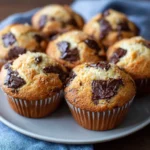
- Swirl Technique: Pipe alternating dots of chocolate and peanut butter over each muffin. Use a toothpick or skewer to drag concentric figure-eights — 3–4 passes per muffin — creating a marbled effect *without over-blending*. Avoid dragging too deeply or repeatedly, which pulls up base batter and dulls contrast.
- Finish & Bake: Sprinkle tops with flaky sea salt and/or additional mini chips. Bake 18–22 minutes, rotating pan halfway through, until a wooden skewer inserted into the center of a muffin (avoiding swirls) emerges with *moist crumbs* — not wet batter, not completely clean. Overbaking dries out these high-fat muffins rapidly.
- Cool Strategically: Let muffins cool in pan for 5 minutes — this sets structure. Then transfer to a wire rack. For optimal texture and flavor integration, wait at least 25 minutes before serving. They taste even better on day two — wrapped tightly at room temperature.
Tips
- Room Temperature Is Non-Negotiable: Cold eggs or milk cause fat in peanut butter and butter to seize, resulting in grainy, separated batter. Take ingredients out 1 hour ahead.
- Weigh Your Ingredients: Volume measurements for flour and cocoa vary wildly. A digital scale ensures consistency — especially critical when balancing dense peanut butter and airy flour.
- Don’t Skip the Rest: Letting batter rest 15–20 minutes before portioning hydrates the flour fully and relaxes gluten — yielding exceptionally tender crumb.
- High Heat, Short Time: 375°F ensures rapid oven spring before moisture escapes — key for domed, bakery-style tops. Lower temps produce flat, dense muffins.
- Swirl Smart: Too much swirl = muddy batter. Too little = invisible marbling. Practice on parchment first. Always swirl *after* filling cups — never before.
- Freeze for Freshness: Cool completely, then freeze in a single layer on a tray before transferring to airtight freezer bags. Reheat frozen muffins at 325°F for 10–12 minutes — they’ll taste freshly baked.
- Resist Peeking: Opening the oven before 16 minutes risks collapse. Use the oven light instead.
- Acid Balance Matters: If substituting Greek yogurt for milk, add ¼ tsp extra baking soda to compensate for increased acidity.
Variations and Customizations
Dietary Adaptations
- Gluten-Free: Replace all-purpose flour with a 1:1 GF blend containing xanthan gum (e.g., Bob’s Red Mill). Add 1 extra egg white for structure. Increase bake time by 2–3 minutes.
- Vegan: Use flax eggs (2 tbsp ground flax + 5 tbsp water, rested 10 min), vegan butter, unsweetened almond milk, and dairy-free chocolate. Ensure peanut butter contains no honey.
- Lower-Sugar: Reduce total sugar by ¼ cup; replace with 2 tbsp pure monk fruit extract + erythritol blend. Add 1 tbsp applesauce to retain moisture.
- Protein-Packed: Stir in 2 scoops unflavored collagen peptides or whey protein isolate (adjust milk by 1–2 tbsp if batter thickens).
Flavor & Texture Twists
- Crunch Factor: Press roasted, salted peanuts onto tops before baking. Or fold in ⅓ cup crushed pretzel pieces for sweet-salty-crunchy contrast.
- Spiced Depth: Add ½ tsp cinnamon + ¼ tsp cayenne to dry ingredients for “Mexican hot chocolate” warmth.
- Decadent Upgrade: Swap mini chips for chopped 72% dark chocolate bars + a handful of toasted cacao nibs.
- Breakfast-Forward: Add ½ cup old-fashioned oats and 1 mashed ripe banana to wet mix; reduce milk to ¼ cup.
- Mini Muffin Version: Fill 24-cup mini muffin tin ⅔ full. Bake at 375°F for 11–14 minutes. Perfect for parties or portion control.
- Loaf Pan Alternative: Pour into a greased 9×5″ loaf pan. Bake 55–65 minutes. Cool 20 min in pan before slicing. Ideal for gift-giving.
Seasonal Editions
- Fall Harvest: Fold in ½ cup diced apple + 1 tsp apple pie spice. Swirl with spiced peanut butter (add ¼ tsp nutmeg + ⅛ tsp clove).
- Winter Cocoa Mint: Infuse melted chocolate swirl with ¼ tsp peppermint extract. Top with crushed candy cane (added last 2 minutes of baking).
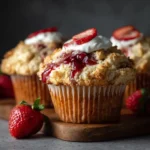
- Summer Berry Swirl: Replace chocolate swirl with seedless raspberry jam + lemon zest. Garnish with fresh raspberries before baking.
Health Considerations and Nutritional Value
A single standard Peanut Butter Chocolate Swirl Muffin (1/12th recipe) contains approximately:
- Calories: 310–340 kcal
- Total Fat: 17–19g (mostly unsaturated from peanut butter and cocoa)
- Protein: 7–9g (high-quality plant-based protein from peanuts and dairy)
- Carbohydrates: 34–37g (including 22–25g naturally occurring sugars; ~12g added sugars)
- Fiber: 2.5–3g (increases to 4–5g with whole grain or oat additions)
- Key Micronutrients: Magnesium (from cocoa), Vitamin E (from peanut butter), Calcium (from milk), Iron (non-heme from cocoa and flour)
Nutritional Highlights:
- Heart-Healthy Fats: Peanut butter provides monounsaturated fats linked to reduced LDL cholesterol when consumed in moderation.
- Antioxidant-Rich: Cocoa flavonoids (epicatechin, procyanidins) support vascular function and exhibit anti-inflammatory properties — maximized with minimally processed, high-cocoa solids.
- Satiety Powerhouse: The combination of protein, healthy fat, and complex carbs promotes sustained energy and reduces mid-morning cravings — far superior to refined-sugar muffins.
- Considerations: Naturally high in calories and fat — best enjoyed mindfully as part of a balanced diet. Those with peanut allergies must avoid entirely; sunflower seed butter is a safe, flavorful alternative (adjust liquid slightly as it’s thinner). Individuals managing blood sugar should pair with Greek yogurt or berries to slow glucose response.
Note: Values vary based on specific brands, substitutions, and portion size. For precise tracking, use a tool like Cronometer with your exact ingredients.
Ingredients
- 2 cups (240g) all-purpose flour (spooned & leveled)
- 2 tsp aluminum-free baking powder
- ¼ tsp baking soda
- ¾ cup (150g) granulated sugar
- ½ cup (100g) packed light brown sugar
- ⅓ cup (30g) Dutch-processed cocoa powder
- 1 tsp fine sea salt
- 2 large eggs, room temperature
- ½ cup (113g) unsalted butter, melted & cooled to lukewarm
- ¾ cup (190g) creamy natural peanut butter (no added sugar/oil)
- ½ cup (120ml) whole milk, room temperature
- 2 tsp pure vanilla extract
- ½ cup (85g) mini semi-sweet chocolate chips
- For Chocolate Swirl: ⅓ cup (60g) high-quality dark chocolate (70%), finely chopped + 1 tbsp refined coconut oil
- For Peanut Butter Swirl: ¼ cup (65g) natural peanut butter + 1 tbsp powdered sugar + 1 tsp milk
- Flaky sea salt, for finishing
Directions
- Preheat oven to 375°F (190°C). Line a 12-cup muffin tin with parchment liners or grease and cocoa-dust.
- In a large bowl, whisk together flour, baking powder, baking soda, granulated sugar, brown sugar, cocoa powder, and salt until uniform and lump-free.
- Pour wet mixture over dry. Using a silicone spatula, fold gently until *just combined* — about 12–15 strokes. A few small lumps are fine. Gently fold in mini chocolate chips.
- Divide batter evenly among lined muffin cups, filling each ~¾ full (~¼ cup per cup).
- Prepare swirls: Melt chocolate + coconut oil in 15-sec bursts, stirring until fluid. Warm peanut butter mixture until pourable. Transfer each to separate small zip-top bags; snip tiny corners.
- Pipe alternating dots of both swirls over each muffin. Drag a toothpick in gentle figure-eights — 3–4 passes — to create marbling. Do not over-swirl.
- Sprinkle tops with flaky sea salt. Bake 18–22 minutes, rotating pan at 10 minutes, until skewer inserted in center (avoiding swirls) yields moist crumbs.
- Cool in pan 5 minutes. Transfer to wire rack. Cool minimum 25 minutes before serving. Store covered at room temperature up to 3 days, refrigerated up to 1 week, or frozen up to 3 months.
FAQ
- Can I use crunchy peanut butter?
- Yes — but expect subtle textural variation and slightly less defined swirls due to peanut bits interfering with marbling. For best visual results, stick with creamy. If using crunchy, fold peanuts in *after* swirling to preserve contrast.
- Why did my muffins sink in the middle?
- Most common causes: underbaking (check with skewer!), opening oven too early, expired leaveners, or overmixing batter. Also verify oven temperature with an oven thermometer — many run hot or cold.
- Can I make these ahead for meal prep?
- Absolutely. Bake, cool completely, then freeze individually in reusable silicone bags. Thaw at room temperature 30 minutes or reheat in toaster oven at 325°F for 10 minutes. Flavor deepens on days 2–3.
- My peanut butter seized when mixed with warm butter — what went wrong?
- Temperature shock. Ensure both are *lukewarm*, not hot or cold. If seized, gently warm mixture over low heat while whisking constantly until smooth returns.
- What’s the best way to get tall, domed muffin tops?
- Fill cups ¾ full, start in a hot oven (375°F), and avoid opening door before 16 minutes. The initial burst of heat creates rapid steam expansion — lifting the batter before structure sets.
- Can I substitute oil for butter?
- You can — use ½ cup neutral oil (avocado or light olive) — but butter contributes irreplaceable flavor, browning compounds, and mouthfeel. Oil-based versions will be more tender but less aromatic.
- How do I prevent chocolate from sinking to the bottom?
- Toss mini chips in 1 tsp of the measured flour before folding in — this lightly coats them and improves suspension in the batter.
- Are these suitable for kids’ lunchboxes?
- Yes! They travel well and stay moist for 24 hours. For school safety, omit peanuts and use sunflower seed butter + soy or oat milk. Add chia seeds for omega-3s.
- Can I double the recipe?
- Yes — but mix in two batches. Doubling leaveners and liquids in one bowl risks uneven distribution and inconsistent rise. Scale all ingredients precisely and bake in batches for best results.
- What makes these muffins “gourmet” versus store-bought?
- Control over ingredients (no preservatives, gums, or artificial flavors), optimal fat-to-flour ratio, proper emulsification, strategic resting, professional swirl technique, and intentional cooling — all contributing to superior moisture retention, nuanced flavor layering, and artisanal appearance.
Summary
Peanut Butter Chocolate Swirl Muffins are a masterclass in balance — where velvety peanut butter and profound dark chocolate unite in a tender, bakery-style crumb, elevated by smart technique, quality ingredients, and thoughtful customization.
Whether you’re craving comfort, seeking a nutrient-dense treat, or aiming to impress at brunch, this recipe delivers unforgettable flavor, satisfying texture, and endless creative potential — all from your own kitchen.