Introduction
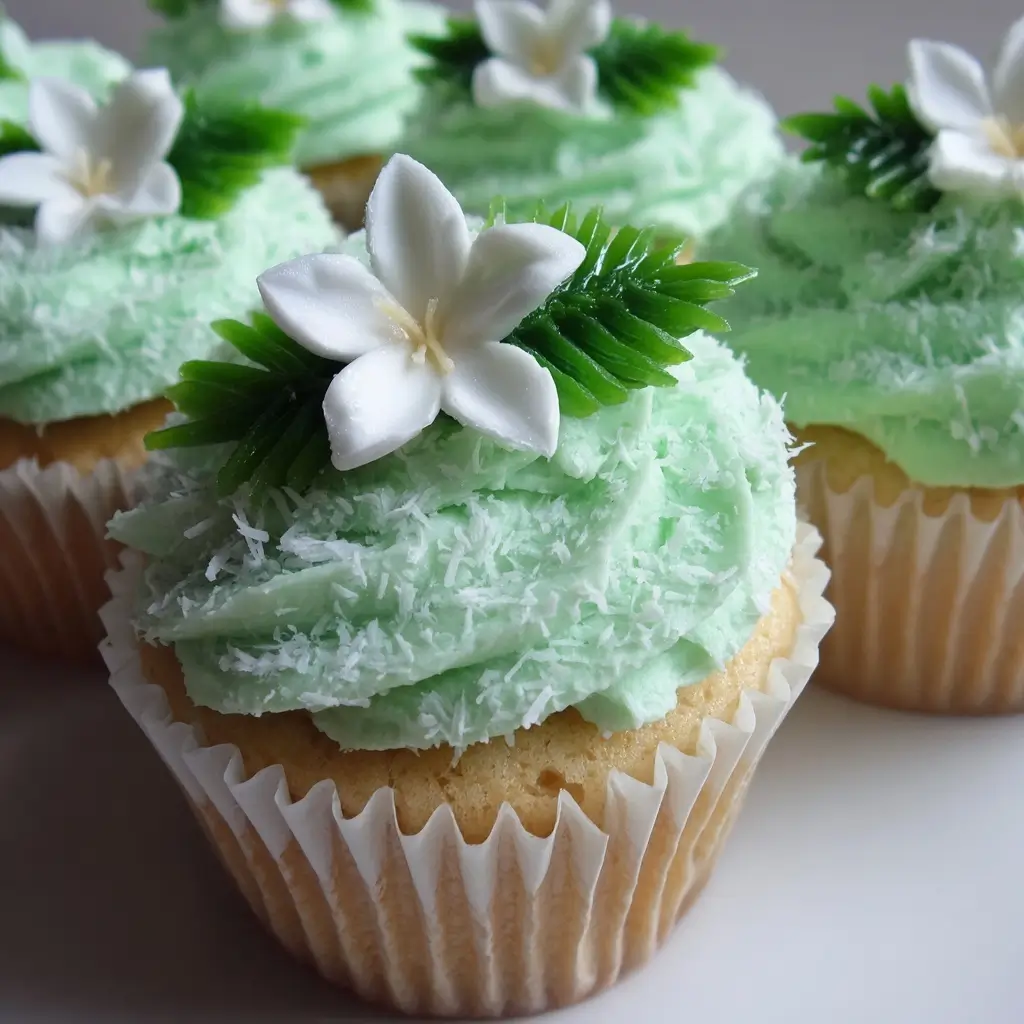
Pandan Coconut Cupcakes are a sublime fusion of Southeast Asian tradition and modern Western baking—delicate, fragrant, moist, and irresistibly tropical. These cupcakes celebrate the vibrant green hue and intoxicatingly sweet, grassy-vanilla aroma of pandan leaf extract, harmoniously paired with the rich, creamy depth of coconut milk and shredded coconut. More than just a dessert, they evoke sun-drenched island kitchens, bustling street markets in Jakarta or Bangkok, and the comforting warmth of home-baked treats passed down through generations. Whether served at a birthday party, afternoon tea, or as an elegant wedding favor, Pandan Coconut Cupcakes offer a sensory journey: visual allure (emerald swirls against ivory frosting), aromatic intrigue (pandan’s floral earthiness mingling with toasted coconut), and textural delight (tender crumb, chewy coconut bits, and silky buttercream). Their growing popularity across North America, Australia, and Europe reflects a broader culinary awakening to the sophistication and nuance of Southeast Asian flavors—proving that “exotic” need not mean unfamiliar, but rather deeply inviting, nourishing, and joyfully celebratory.
The History
The origins of Pandan Coconut Cupcakes lie not in a single moment of invention, but in the slow, delicious evolution of two distinct culinary lineages converging over centuries. Pandan (Pandanus amaryllifolius), often called the “vanilla of the East,” has been cultivated across Southeast Asia, South India, and the Pacific Islands for over 2,000 years. Ancient Javanese texts reference its use in rice cakes and ceremonial offerings; Thai royal cookbooks from the Ayutthaya period (14th–18th century) detail its infusion into sticky rice desserts and custards. Its leaves were traditionally pounded, steeped, or blended to extract a vivid green juice prized for both flavor and natural coloring—long before synthetic dyes existed. Meanwhile, coconut—the “tree of life”—has sustained coastal communities across the tropics for millennia. Coconut milk, cream, oil, and desiccated flesh appear in everything from Filipino biko to Sri Lankan kiri bath, serving as fat, liquid, and flavor enhancer in equal measure.
The cupcake format itself is a 20th-century American innovation—evolving from muffin tins and wartime rationing ingenuity—but it became the perfect vessel for global flavor adaptation in the 21st century. As immigrant bakers brought pandan and coconut traditions to diaspora communities in California, Toronto, and Sydney, they began reimagining them in accessible, shareable forms. Food bloggers in the early 2010s (notably Malaysian-Australian chefs like Nyonya May and Singaporean pastry instructor Li Wei Tan) popularized “pandan cupcakes” on Instagram and YouTube, often pairing them with coconut buttercream. By 2016, specialty Asian grocery chains like Mitsuwa and H Mart began stocking pandan extract alongside coconut cream, fueling home experimentation. The 2020–2023 baking boom—fueled by pandemic-era comfort cooking—catapulted these cupcakes into mainstream food media, with features in Bon Appétit, Food & Wine, and The New York Times Cooking. Today, they symbolize culinary hybridity: a testament to how ancestral knowledge, migratory resilience, and creative adaptation yield something entirely new—and utterly delicious.
Ingredients Breakdown
Every ingredient in this recipe plays a precise, intentional role—no element is arbitrary. Understanding their functions unlocks consistency, flavor depth, and texture mastery:
- Pandan Extract (¼–½ tsp, food-grade, alcohol-based): The soul of the cupcake. Pure extract delivers concentrated aroma and stable green color without diluting batter. Avoid artificial “pandan flavor” (often synthetic vanillin + green dye); instead, seek brands like “Aroy-D” or “Bee Cheng Hiang” that use real leaf distillate. Note: Too much (>¾ tsp) can impart bitterness—start low and adjust.
- Full-Fat Coconut Milk (1 cup, canned, well-stirred): Not “coconut beverage” or “light” versions. The thick, creamy top layer (coconut cream) provides fat for tenderness and richness; the thinner liquid ensures proper hydration. Chilling the can overnight helps separate cream for optional layering techniques.
- Unsweetened Desiccated Coconut (½ cup, finely shredded): Adds subtle chew, nutty sweetness, and visual speckling. Toast it lightly in a dry pan until golden for enhanced aroma—or leave raw for milder flavor. Avoid sweetened flakes, which add unwanted sugar and can burn.
- All-Purpose Flour (1¾ cups / 210g): Provides gluten structure. For extra tenderness, substitute up to ¼ cup with cake flour—or add 1 tbsp cornstarch to mimic its lower protein content.
- Granulated Sugar (1 cup / 200g): Sweetens, tenderizes (by inhibiting gluten formation), and aids browning. Reduce by 2 tbsp for less sweetness without compromising texture.
- Baking Powder (2¼ tsp) & Baking Soda (¼ tsp): A dual-leavening system ensures reliable rise and neutralizes acidity from coconut milk (which can be slightly tart). Freshness is critical—test baking powder by dropping ½ tsp in hot water; it should fizz vigorously within 5 seconds.
- Large Eggs (3, room temperature): Emulsify fat and liquid, trap air for lift, and contribute protein for structure. Cold eggs can cause batter to curdle—always bring to room temp (15–20 mins out of fridge).
- Unsalted Butter (½ cup / 113g, softened to 65°F/18°C): Creams with sugar to create air pockets. Use European-style butter (82–84% fat) for richer flavor and finer crumb. Avoid margarine—it contains water and stabilizers that disrupt texture.
- Coconut Vinegar or White Vinegar (1 tsp): An unexpected but vital acidifier. It reacts with baking soda for optimal lift and brightens pandan’s flavor—undetectable in the final product.
- Vanilla Extract (1 tsp, pure): Reinforces pandan’s vanilla-like notes and rounds out complexity. Madagascar bourbon vanilla is ideal.
- Salt (½ tsp, fine sea salt): Balances sweetness and amplifies all other flavors. Never omit—even in sweet baked goods.
For the Coconut Pandan Buttercream:
- Unsalted Butter (1 cup / 227g, room temperature): Base of the frosting. Whip until pale and fluffy before adding other ingredients.
- Powdered Sugar (3–3½ cups / 360–420g, sifted): Provides sweetness and body. Sifting prevents lumps and ensures silkiness.
- Heavy Cream or Full-Fat Coconut Cream (2–3 tbsp): Adjusts consistency. Coconut cream adds flavor; heavy cream yields whiter frosting.
- Pandan Extract (¼–½ tsp): Use sparingly—buttercream intensifies flavor perception. Add drop by drop and taste.
- Unsweetened Toasted Coconut (¼ cup, for garnish): Adds crunch and visual appeal. Toast in oven at 325°F (165°C) for 5–7 minutes until golden brown.
Step-by-Step Recipe
- Prep & Preheat: Line a standard 12-cup muffin tin with high-quality paper liners (greaseproof preferred). Preheat oven to 350°F (177°C). Position rack in center third. Weigh all ingredients for precision—volume measurements vary widely.
- Toast Coconut (Optional but Recommended): Spread desiccated coconut on a parchment-lined baking sheet. Bake at 325°F (165°C) for 5–7 minutes, stirring once, until fragrant and lightly golden. Cool completely—warm coconut melts butter in batter.
- Cream Butter & Sugar: In a large bowl, beat softened butter and granulated sugar with an electric mixer on medium-high for 3–4 minutes until pale, fluffy, and doubled in volume. Scrape bowl thoroughly with a silicone spatula.
- Add Eggs One at a Time: Beat in each egg fully (about 30 seconds per egg) before adding the next. Add vanilla and mix until incorporated. Batter may look slightly curdled—this is normal and will resolve.
- Dry Ingredients: In a separate bowl, whisk together flour, baking powder, baking soda, and salt until fully homogenous. Sift once for guaranteed lump-free blending.
- Alternate Wet & Dry: Add one-third of dry mixture to butter mixture; mix on low just until no flour streaks remain. Add half of coconut milk; mix until combined. Repeat (dry, then milk), ending with final third of dry mixture. Mix only until *just* incorporated—overmixing develops gluten, causing toughness. Fold in toasted coconut gently with spatula.
- Infuse Pandan: Stir in pandan extract and vinegar. Batter will turn a soft, luminous jade green. Let rest 2 minutes—this allows starches to hydrate and flavors to meld.
- Fill & Bake: Use a cookie scoop (3 tbsp per cupcake) for uniform size. Fill liners ⅔ full. Tap pan firmly on counter twice to release air bubbles. Bake 18–22 minutes, rotating pan halfway through. Cupcakes are done when a toothpick inserted in center comes out clean *or* with moist crumbs (not wet batter), and tops spring back when lightly pressed.
- Cool Completely: Let cupcakes cool in pan for 10 minutes. Then transfer to a wire rack. Do *not* frost until completely cool (at least 1 hour)—warm cupcakes melt buttercream and cause sliding.
- Make Buttercream: Beat butter on medium-high 3 minutes until creamy. Gradually add powdered sugar (½ cup at a time), beating on low to avoid clouds. Add 2 tbsp cream/coconut cream and pandan extract. Beat 2 more minutes on high until light and fluffy. Add extra cream (1 tsp at a time) if too stiff, or extra sugar if too thin.
- Frost & Garnish: Pipe buttercream using a large star tip (Wilton 1M) in a swirling motion. Immediately press toasted coconut onto bottom third of frosting for elegant contrast. Store unfrosted cupcakes airtight at room temp up to 2 days; frosted cupcakes refrigerated up to 5 days (bring to room temp 30 mins before serving).
Tips
- Pandan Potency Varies Wildly: Brands differ in concentration. Always start with ¼ tsp in batter and ⅛ tsp in frosting—then taste and adjust. Keep a small dish of plain buttercream nearby to test pandan additions.
- Coconut Milk Separation is Your Friend: Don’t shake the can! Scoop the thick, white cream off the top for richer cupcakes—or stir gently to blend for consistent moisture. Reserve leftover coconut water for smoothies.
- Room Temperature is Non-Negotiable: Cold eggs or butter cause curdling and poor emulsion. Place eggs in warm water for 5 minutes; cut butter into cubes and let sit 20 minutes.
- Don’t Overfill Liners: Overfilled cupcakes dome excessively and crack. ⅔ full ensures even rise and perfect domes that hold frosting.
- Rotate, But Don’t Open: Oven hot spots are real. Rotate pan 180° at the 12-minute mark—but avoid opening the door before 15 minutes to prevent collapse.
- Test for Doneness Correctly: A toothpick should have *moist crumbs*, not wet batter. If batter clings, bake 1–2 minutes more. Overbaking dries out coconut’s delicate moisture.
- Buttercream Consistency is Key: Too cold? Beat 30 seconds longer. Too warm? Chill bowl 5 minutes. For piping definition, refrigerate frosted cupcakes 15 minutes before serving.
- Freeze for Future Joy: Unfrosted cupcakes freeze beautifully for 3 months. Wrap individually in plastic, then place in freezer bag. Thaw overnight in fridge, then bring to room temp before frosting.
- Acid is Essential: That 1 tsp vinegar isn’t for tang—it activates baking soda and prevents pandan’s chlorophyll from turning olive-gray during baking. Skip it, and color dulls.
- Embrace Natural Variations: Pandan color deepens as cupcakes cool. First batch may be mint-green; second batch, emerald. This is normal and beautiful!
Variations and Customizations
These cupcakes are a canvas for creativity—respecting tradition while welcoming innovation:
- Gourmet Gluten-Free: Replace flour 1:1 with a certified GF all-purpose blend containing xanthan gum (e.g., Bob’s Red Mill 1-to-1). Add 1 extra tbsp coconut milk to compensate for absorption differences. Ensure pandan extract is GF-certified.
- Vegan Delight: Substitute butter with vegan butter (Miyoko’s or Earth Balance), eggs with flax eggs (1 tbsp ground flax + 2.5 tbsp water per egg), and dairy cream with coconut cream. Use maple syrup (reducing sugar by 2 tbsp) for nuanced sweetness.
- Pandan-Coconut Layer Cake: Double the recipe and bake in three 6-inch round pans (20–24 mins). Fill and frost with pandan buttercream, then press toasted coconut onto sides for a stunning “naked cake” effect.
- Mini Cupcake Party: Use mini muffin tin (bake 9–12 mins). Perfect for bridal showers or holiday platters. Frost with a dot of buttercream and a single candied kumquat slice.
- Exotic Infusions: Steep 1 pandan leaf (tied in knot) in warm coconut milk for 30 minutes before using. Strain and use infused milk. Or add ¼ tsp lemongrass paste to buttercream for citrusy brightness.
- Decadent Swirl: Before baking, drop ½ tsp salted caramel or mango purée onto batter and swirl gently with a toothpick for marbled elegance.
- Matcha-Pandan Fusion: Replace 1 tbsp flour with ceremonial-grade matcha. Balance with 1 extra tsp sugar. Creates a sophisticated, earthy-sweet profile beloved by tea connoisseurs.
- Boozy Elegance: Brush cooled cupcakes with 1 tsp coconut rum or pandan-infused vodka before frosting for adult-friendly depth.
- Breakfast Twist: Add ½ cup diced fresh pineapple and 1 tsp grated ginger to batter. Top with coconut-yogurt drizzle instead of buttercream.
- Halal/Kosher Certified: Verify all extracts, vinegars, and butter substitutes meet certification standards. Many pandan brands (e.g., “Kara”) are certified Halal.
Health Considerations and Nutritional Value
A single Pandan Coconut Cupcake (standard size, frosted) contains approximately 285–320 calories, with nuanced nutritional trade-offs worth understanding:
- Coconut Benefits: Rich in medium-chain triglycerides (MCTs), which are metabolized quickly for energy—not stored as fat. Contains lauric acid (antimicrobial), potassium (supports electrolyte balance), and manganese (bone health). Unsweetened coconut adds dietary fiber (1.5g per ¼ cup).
- Pandan’s Phytonutrients: Pandan leaves contain antioxidants like flavonoids and polyphenols, shown in preliminary studies to support cellular health and reduce oxidative stress. While extract quantity is small, it contributes bioactive compounds absent in artificial flavors.
- Refined Sugar Reality: Granulated sugar and powdered sugar dominate carbohydrate content (~38g per cupcake). For blood sugar management, consider substituting ¼ cup sugar with monk fruit or erythritol blend (adjust liquid slightly). Note: Sugar-free versions may lack tenderness and browning.
- Butter vs. Alternatives: Grass-fed butter offers vitamin K2 and butyrate (gut-supportive). Vegan versions using refined coconut oil lack these benefits but are cholesterol-free. Moderation remains key—butter contributes ~12g saturated fat per cupcake.
- Gluten Sensitivity: Standard recipe contains gluten. GF versions require careful binder selection—xanthan gum or psyllium husk prevents crumbliness but may affect mouthfeel.
- Allergen Alert: Contains coconut (a tree nut per FDA labeling), dairy, eggs, and wheat. Always disclose allergens when serving others.
- Portion Wisdom: These are celebration foods—not daily staples. Pair with green tea (antioxidants) or fresh papaya (digestive enzymes) to enhance nutrient synergy.
- No Artificial Additives: When made from scratch with pure ingredients, these cupcakes avoid preservatives, artificial colors, and hydrogenated oils common in commercial versions—making them a far cleaner choice.
Consult a registered dietitian for personalized adaptations—especially for diabetes management, pregnancy nutrition, or therapeutic diets.
Ingredients
Makes 12 standard cupcakes
For the Cupcakes:
- ½ cup (113g) unsalted butter, softened to 65°F (18°C)
- 1 cup (200g) granulated sugar
- 3 large eggs, room temperature
- 1 tsp pure vanilla extract
- 1 cup (240ml) full-fat canned coconut milk, well-stirred
- ¼–½ tsp pure pandan extract (food-grade, alcohol-based)
- 1 tsp coconut vinegar or white vinegar
- 1¾ cups (210g) all-purpose flour
- 2¼ tsp baking powder
- ¼ tsp baking soda
- ½ tsp fine sea salt
- ½ cup (40g) unsweetened desiccated coconut, toasted and cooled
For the Pandan Coconut Buttercream:
- 1 cup (227g) unsalted butter, room temperature
- 3–3½ cups (360–420g) powdered sugar, sifted
- 2–3 tbsp heavy cream or full-fat coconut cream
- ¼–½ tsp pure pandan extract
- ¼ cup (20g) unsweetened toasted coconut, for garnish
Directions
- Preheat oven to 350°F (177°C). Line a 12-cup muffin tin with parchment cupcake liners.
- In a small skillet over medium-low heat, toast desiccated coconut, stirring constantly, until fragrant and golden (3–5 minutes). Transfer to a plate and cool completely.
- In a large bowl, beat butter and sugar with an electric mixer on medium-high for 3–4 minutes until pale and fluffy. Scrape bowl.
- Add eggs one at a time, beating well after each. Add vanilla and mix until combined.
- In another bowl, whisk flour, baking powder, baking soda, and salt.
- Alternately add dry ingredients and coconut milk to butter mixture, beginning and ending with dry ingredients. Mix on low speed until *just* combined. Fold in toasted coconut.
- Stir in pandan extract and vinegar until evenly distributed and vibrant green.
- Divide batter evenly among liners (⅔ full). Tap pan firmly on counter twice.
- Bake 18–22 minutes, rotating pan halfway, until a toothpick inserted comes out clean with moist crumbs.
- Cool cupcakes in pan 10 minutes, then transfer to wire rack to cool completely (≥1 hour).
- Make buttercream: Beat butter until creamy (2 min). Gradually add powdered sugar on low. Add 2 tbsp cream and pandan extract. Beat on high 2 minutes until fluffy. Adjust consistency with extra cream or sugar.
- Frost cooled cupcakes using a piping bag fitted with a large star tip. Press toasted coconut onto base of frosting.
- Store unfrosted cupcakes airtight at room temperature up to 2 days. Frosted cupcakes refrigerated up to 5 days (bring to room temperature before serving).
FAQ
- Can I use pandan paste instead of extract?
- Yes—but paste is thicker and less concentrated. Use ½–1 tsp paste and reduce coconut milk by 1 tsp to maintain batter consistency. Paste may yield a deeper green but milder aroma.
- Why did my cupcakes turn gray or brown?
- Two likely causes: (1) Using baking soda without sufficient acid (vinegar) to neutralize it—chlorophyll in pandan oxidizes. (2) Overbaking. Always use vinegar and check early.
- Can I make these ahead for an event?
- Absolutely. Bake cupcakes 2 days ahead; store airtight at room temp. Frost day-of. Buttercream can be made 5 days ahead; refrigerate, then rewhip before piping.
- My batter looks curdled—did I ruin it?
- No! Curdling occurs when cold eggs hit warm butter-sugar. It resolves during mixing and won’t affect texture. Next time, ensure eggs are truly room temp.
- Is pandan safe during pregnancy?
- Pure pandan extract is considered safe in culinary amounts. Avoid concentrated supplements. Consult your OB-GYN if concerned.
- Can I use frozen coconut milk?
- Yes—if frozen without additives. Thaw overnight in fridge, stir well, and measure. Discard any separation that won’t re-emulsify.
- What’s the best way to store frosted cupcakes?
- Refrigerate in an airtight container for up to 5 days. To prevent drying, place a damp paper towel in the container’s lid (not touching cupcakes). Bring to room temp before serving.
- Why do some recipes use pandan leaves instead of extract?
- Fresh or frozen leaves yield superior flavor but require labor-intensive preparation (blending, straining, reducing). Extract offers reliability and convenience—ideal for home bakers.
- Can I add food coloring for brighter green?
- Not recommended. Pure pandan extract provides natural, stable color. Artificial dyes mask pandan’s delicate aroma and contradict the recipe’s clean-ingredient ethos.
- My buttercream is grainy—how do I fix it?
- Graininess means sugar isn’t fully dissolved. Add 1 tsp warm cream and beat on medium-high 3–4 minutes until smooth. Ensure butter isn’t too cold.
Summary
Pandan Coconut Cupcakes are a masterful harmony of Southeast Asian heritage and contemporary baking artistry—featuring vibrant pandan extract, creamy coconut milk, and toasted coconut for a tender, fragrant, and visually stunning treat.
With meticulous attention to ingredient quality, temperature control, and technique—plus endless customization potential—they deliver joyful flavor, cultural resonance, and unforgettable sensory delight in every bite.