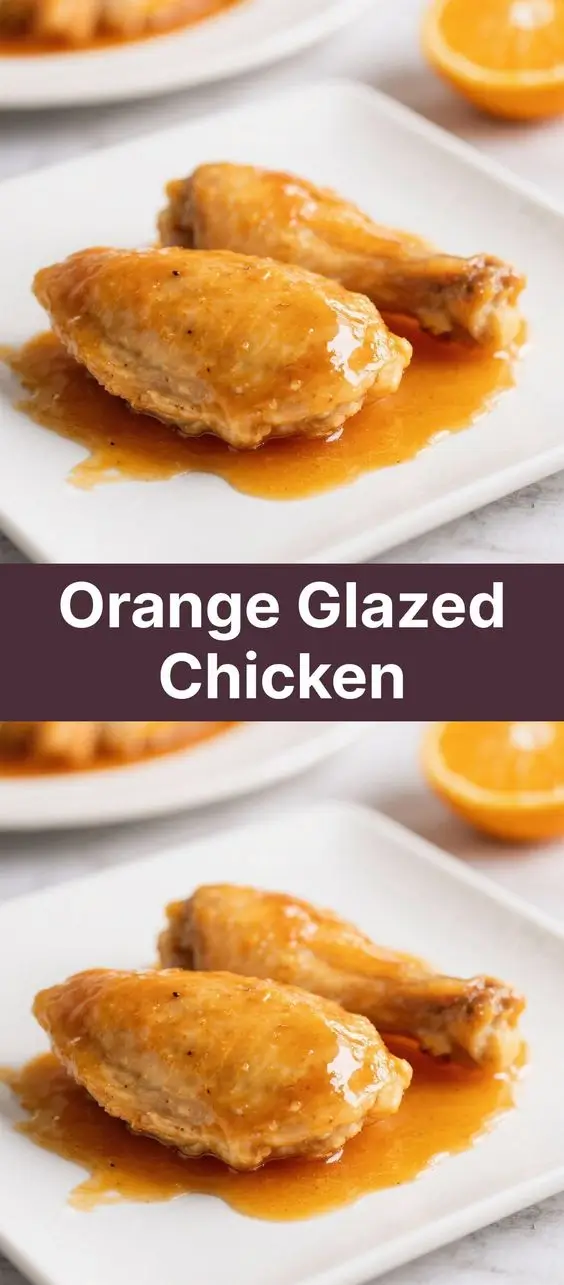
Orange Glazed Chicken: A Zesty, Sweet, and Savory Delight
The History of Orange Glazed Chicken
Orange Glazed Chicken is a culinary masterpiece that beautifully bridges Eastern and Western cooking traditions. While its exact origin is difficult to pinpoint, the dish is believed to have emerged from the fusion of Chinese-American cuisine with global flavor influences during the 20th century. In traditional Chinese cooking, citrus elements like tangerine and orange have long been used to balance rich meats, particularly in dishes such as “Tangerine Beef” or “Orange Peel Chicken.” These recipes often feature dried citrus peels stir-fried with meat, creating a bold, slightly bitter, and aromatic profile.
As Chinese immigrants brought their culinary heritage to North America, they adapted their recipes using locally available ingredients and catered to American palates—leading to the creation of sweeter, more approachable versions of traditional dishes. The modern Orange Glazed Chicken evolved from this cultural adaptation. By incorporating fresh orange juice, brown sugar, soy sauce, and ginger, cooks developed a sticky, glossy glaze that clings perfectly to tender chicken pieces. This version became a staple in Chinese-American restaurants and home kitchens alike.
Over time, the dish gained popularity beyond Asian cuisine circles, embraced by mainstream food lovers for its vibrant flavor and ease of preparation. Today, variations appear in cookbooks, food blogs, and gourmet restaurant menus worldwide, often enhanced with ingredients like honey, garlic, rice vinegar, and even bourbon for added depth. Orange Glazed Chicken exemplifies how culinary innovation thrives at the intersection of tradition and creativity, offering a timeless blend of sweet, tangy, and umami-rich flavors that continue to captivate taste buds across generations.
Ingredients Breakdown: What Makes This Dish Shine?
The magic of Orange Glazed Chicken lies in its harmonious blend of ingredients, each contributing to the complex flavor profile that defines the dish. Below is a detailed breakdown of every component and its role:
- Chicken (boneless, skin-on or skinless thighs or breasts): Thighs are preferred for their juiciness and ability to retain moisture during cooking, though breasts offer a leaner option. The protein base absorbs the glaze beautifully, becoming tender and flavorful.
- Fresh orange juice (not from concentrate): Provides natural sweetness and bright acidity. Freshly squeezed juice ensures maximum flavor without preservatives or artificial tastes found in store-bought versions.
- Orange zest: Adds intense citrus aroma and essential oils that amplify the orange flavor without adding liquid. Be sure to use only the outer colored layer to avoid bitterness from the white pith.
- Soy sauce (low sodium preferred): Delivers umami depth and saltiness, balancing the sweetness of the glaze. It also contributes to the rich color of the finished dish.
- Balsamic vinegar or rice vinegar: Enhances tanginess and helps cut through richness. Balsamic adds a subtle fruity note, while rice vinegar offers a milder acidity.
- Brown sugar: Gives the glaze its signature stickiness and caramelized finish. Its molasses content adds warmth and complexity compared to white sugar.
- Honey or maple syrup: Works synergistically with brown sugar to deepen sweetness and promote browning. Honey also adds floral notes, enhancing the overall aroma.
- Fresh garlic (minced): Imparts pungency and savory depth, rounding out the sweetness of the glaze.
- Fresh ginger (grated): Contributes a spicy, zesty warmth that complements the citrus perfectly. Fresh ginger is far superior to powdered in terms of flavor intensity.
- Cornstarch: Used sparingly to thicken the glaze into a luscious, clingy consistency. Mixed with cold water first to prevent clumping.
- Olive oil or avocado oil: For searing the chicken. Choose a high-smoke-point oil to prevent burning during high-heat cooking.
- Salted butter (optional): Added at the end to enrich the glaze, giving it a silky mouthfeel and luxurious finish.
- Green onions and sesame seeds (for garnish): Provide visual appeal and a fresh, crunchy contrast to the tender chicken and glossy sauce.
Step-by-Step Recipe: How to Make Perfect Orange Glazed Chicken at Home
Follow this detailed guide to create restaurant-quality Orange Glazed Chicken right in your kitchen. With careful attention to timing and technique, you’ll achieve tender, juicy chicken coated in a glossy, flavorful glaze.
- Prepare the Ingredients: Begin by slicing 1.5 lbs (700g) of boneless chicken thighs or breasts into 1-inch chunks. Pat them dry with paper towels to ensure proper browning. Mince 3 cloves of garlic, grate 1 tablespoon of fresh ginger, and zest one orange before juicing it to yield about ¾ cup of fresh juice.
- Make the Glaze Base: In a medium bowl, whisk together ¾ cup fresh orange juice, 3 tablespoons low-sodium soy sauce, ¼ cup brown sugar, 2 tablespoons honey, 1 tablespoon rice vinegar, the grated ginger, minced garlic, and orange zest. Set aside.
- Thicken the Glaze (Optional Pre-Cook Step): In a small bowl, mix 1 tablespoon cornstarch with 2 tablespoons cold water to make a slurry. This will be used later to thicken the sauce—do not add it yet.
- Sear the Chicken: Heat 2 tablespoons of olive oil in a large skillet or wok over medium-high heat. Once shimmering, add the chicken in a single layer, working in batches if necessary to avoid overcrowding. Cook for 5–6 minutes per side until golden brown and cooked through (internal temperature should reach 165°F). Remove chicken and set aside on a plate.
- Build the Sauce: Reduce heat to medium. Pour any reserved glaze mixture into the same pan, scraping up the browned bits from the bottom—a process known as deglazing, which adds immense flavor. Let the sauce simmer for 3–4 minutes to reduce slightly and concentrate flavors.
- Thicken the Glaze: Stir the cornstarch slurry again (as it settles), then slowly pour it into the simmering sauce while whisking continuously. Continue cooking for another 1–2 minutes until the sauce thickens to a syrupy consistency.
- Glaze the Chicken: Return the seared chicken to the pan, tossing gently to coat every piece in the glossy sauce. Allow the chicken to simmer in the glaze for an additional 2–3 minutes so it absorbs maximum flavor.
- Finish and Garnish: Turn off the heat. Stir in 1 tablespoon of cold butter (optional) for extra shine and richness. Taste and adjust seasoning—add a pinch more salt, a splash of vinegar for brightness, or a bit more honey for sweetness if needed. Sprinkle with sliced green onions and toasted sesame seeds before serving.
- Serve Immediately: Plate the Orange Glazed Chicken over steamed jasmine rice, quinoa, or cauliflower rice. Spoon extra sauce generously over the top for maximum impact.
Tips for Success: Mastering Your Orange Glazed Chicken Every Time
- Use Fresh Citrus: Bottled orange juice lacks the vibrancy and freshness of real oranges. Always squeeze your own for the best flavor.
- Don’t Skip the Zest: The zest contains concentrated citrus oils that elevate the entire dish. Use a microplane for fine, even grating.
- Control the Heat: High heat is great for searing, but once the glaze goes in, reduce to medium to prevent burning the sugars. Stir frequently.
- Avoid Overcooking the Chicken: If using chicken breast, monitor closely—it can dry out quickly. Thighs are more forgiving due to higher fat content.
- Let the Sauce Reduce: Simmering the glaze before adding cornstarch intensifies flavor and removes excess water, resulting in a richer taste.
- Rest Before Serving: Let the dish sit for 2–3 minutes after cooking. This allows the sauce to settle and cling better to the chicken.
- Double the Glaze for Leftovers: The sauce reheats well and can be drizzled over future meals like salads, wraps, or grilled vegetables.
- Toast the Sesame Seeds: Lightly toast sesame seeds in a dry pan for 1–2 minutes until golden for a nuttier, more aromatic garnish.
Variations and Customizations: Make It Your Own
One of the greatest strengths of Orange Glazed Chicken is its adaptability. Whether you’re catering to dietary preferences, experimenting with global flavors, or simply using what’s in your pantry, here are inspired ways to customize the dish:
- Spicy Orange Glazed Chicken: Add ½–1 teaspoon red pepper flakes, a diced jalapeño, or 1 tablespoon sriracha to the glaze for a fiery kick.
- Teriyaki-Style Fusion: Replace half the orange juice with pineapple juice and increase soy sauce slightly for a tropical teriyaki twist.
- Hoisin-Enhanced Version: Stir in 1–2 tablespoons hoisin sauce for deeper sweetness and complexity, common in authentic Chinese preparations.
- Alcohol-Infused Glaze: Deglaze the pan with ¼ cup of dry sherry, mirin, or even bourbon before adding the orange mixture for a sophisticated depth.
- Low-Sugar or Keto-Friendly: Substitute brown sugar and honey with monk fruit sweetener or erythritol-based alternatives, and use a sugar-free orange extract for flavor.
- Gluten-Free Option: Use tamari or coconut aminos instead of soy sauce to make the recipe gluten-free without sacrificing umami.
- Vegan/Vegetarian Adaptation: Replace chicken with firm tofu, tempeh, or seitan. Press tofu well to remove moisture, then pan-sear before glazing.
- Slow Cooker Method: Combine all ingredients (except cornstarch slurry) in a slow cooker and cook on low for 4–5 hours. Thicken the sauce on the stovetop afterward.
- Oven-Baked Version: Marinate chicken in half the glaze, bake at 375°F for 25 minutes, then brush with remaining glaze and broil for 2–3 minutes for a caramelized crust.
- Mediterranean Twist: Add olives, capers, and oregano for a sun-kissed variation that pairs well with couscous.
Health Considerations and Nutritional Value
While Orange Glazed Chicken is undeniably delicious, understanding its nutritional profile can help you enjoy it mindfully as part of a balanced diet.
Nutritional Breakdown (per serving, approx. 4 oz chicken + ⅓ cup sauce + ½ cup rice):
- Calories: ~420 kcal
- Protein: 30g – supports muscle repair and satiety
- Carbohydrates: 45g – primarily from sugars and starches in glaze and rice
- Sugars: 28g – mostly from natural orange juice and added sweeteners
- Fat: 10g – includes healthy fats from oil and optional butter
- Sodium: ~700mg – varies based on soy sauce choice; can be reduced with low-sodium versions
- Vitamin C: High – thanks to fresh orange juice, boosting immune function
- Zinc & Iron: Moderate – naturally present in chicken, especially dark meat
Health Tips:
- Reduce Sugar: Cut back on honey and brown sugar by 25–50%, or use natural substitutes. The orange juice still provides natural sweetness.
- Lower Sodium: Opt for reduced-sodium soy sauce or tamari. Rinse canned versions thoroughly if needed.
- Increase Fiber: Serve over brown rice, wild rice, or quinoa instead of white rice to boost fiber and improve blood sugar response.
- Add Vegetables: Stir-fry broccoli, bell peppers, snap peas, or carrots alongside the chicken for added nutrients and volume.
- Portion Control: Stick to a 4–6 oz portion of chicken and moderate sauce application to keep calories in check.
- Balanced Meal: Pair with a side salad or steamed greens to round out the plate nutritionally.
Full Ingredients List
- 1.5 lbs (700g) boneless, skinless chicken thighs or breasts, cut into 1-inch pieces
- 2 tbsp olive oil or avocado oil
- ¾ cup freshly squeezed orange juice (from about 2–3 oranges)
- 1 tbsp orange zest (from 1 large orange)
- 3 tbsp low-sodium soy sauce (or tamari for gluten-free)
- ¼ cup packed brown sugar
- 2 tbsp honey (or maple syrup)
- 1 tbsp rice vinegar or apple cider vinegar
- 3 cloves garlic, minced
- 1 tbsp fresh ginger, grated
- 1 tbsp cornstarch
- 2 tbsp cold water
- 1 tbsp unsalted butter (optional, for finishing)
- 2 green onions, thinly sliced
- 1 tsp toasted sesame seeds
Directions
- Premix the sauce: In a bowl, combine orange juice, orange zest, soy sauce, brown sugar, honey, vinegar, garlic, and ginger. Whisk until sugar dissolves. Set aside.
- Prepare cornstarch slurry: Mix cornstarch and cold water in a small bowl. Stir just before using.
- Heat oil in a large nonstick skillet or wok over medium-high heat. Add chicken in a single layer and sear for 5–6 minutes per side until golden and cooked through. Transfer to a plate.
- Pour the prepared sauce into the same skillet. Bring to a gentle simmer, scraping up any browned bits. Cook for 3–4 minutes to reduce slightly.
- Stir the cornstarch slurry again, then slowly whisk it into the sauce. Cook for 1–2 minutes until the glaze thickens and becomes glossy.
- Return the chicken to the skillet. Toss to coat evenly and simmer for 2–3 minutes to reheat and absorb flavors.
- Remove from heat. Stir in butter (if using) until melted and incorporated. Adjust seasoning to taste.
- Garnish with green onions and sesame seeds. Serve immediately over rice or noodles.
FAQ: Frequently Asked Questions About Orange Glazed Chicken
Can I make Orange Glazed Chicken ahead of time?
Yes! You can prepare the sauce up to 3 days in advance and store it in an airtight container in the refrigerator. Cook the chicken fresh when ready to serve, then combine with warmed sauce. Fully cooked dishes can be refrigerated for up to 4 days and reheated gently on the stove or microwave.
Can I freeze Orange Glazed Chicken?
Absolutely. Store cooled chicken and sauce in a freezer-safe container for up to 3 months. Thaw overnight in the fridge and reheat slowly on the stove, adding a splash of water or broth if the sauce has thickened too much.
Why is my glaze too thin or too thick?
If too thin, simmer longer or add a touch more cornstarch slurry. If too thick, thin with a little water, orange juice, or broth until desired consistency is reached.
Can I use bottled orange juice?
You can, but fresh-squeezed yields significantly better flavor. Bottled juice may contain additives and lack the bright, natural taste essential to the dish.
Is Orange Glazed Chicken healthy?
It can be part of a healthy diet when enjoyed in moderation. To make it healthier, reduce sugar, use less oil, serve with whole grains, and add plenty of vegetables.
What sides go well with Orange Glazed Chicken?
Excellent pairings include steamed jasmine rice, brown rice, quinoa, lo mein noodles, roasted vegetables, stir-fried bok choy, or a crisp cucumber salad.
Can I grill Orange Glazed Chicken?
Yes! Marinate chicken for 30 minutes, then grill over medium heat. Brush with extra glaze during the last few minutes of cooking for a smoky, charred finish.
How do I prevent the glaze from burning?
Keep the heat at medium when reducing the sauce and stir frequently. Sugary sauces burn easily, so never leave unattended.
Summary
Orange Glazed Chicken is a vibrant, flavor-packed dish that combines sweet citrus, savory soy, and aromatic spices into a glossy, irresistible coating for tender chicken. Easy to customize and perfect for weeknight dinners or special occasions, it’s a global favorite that brings bold taste to any table.