Introduction
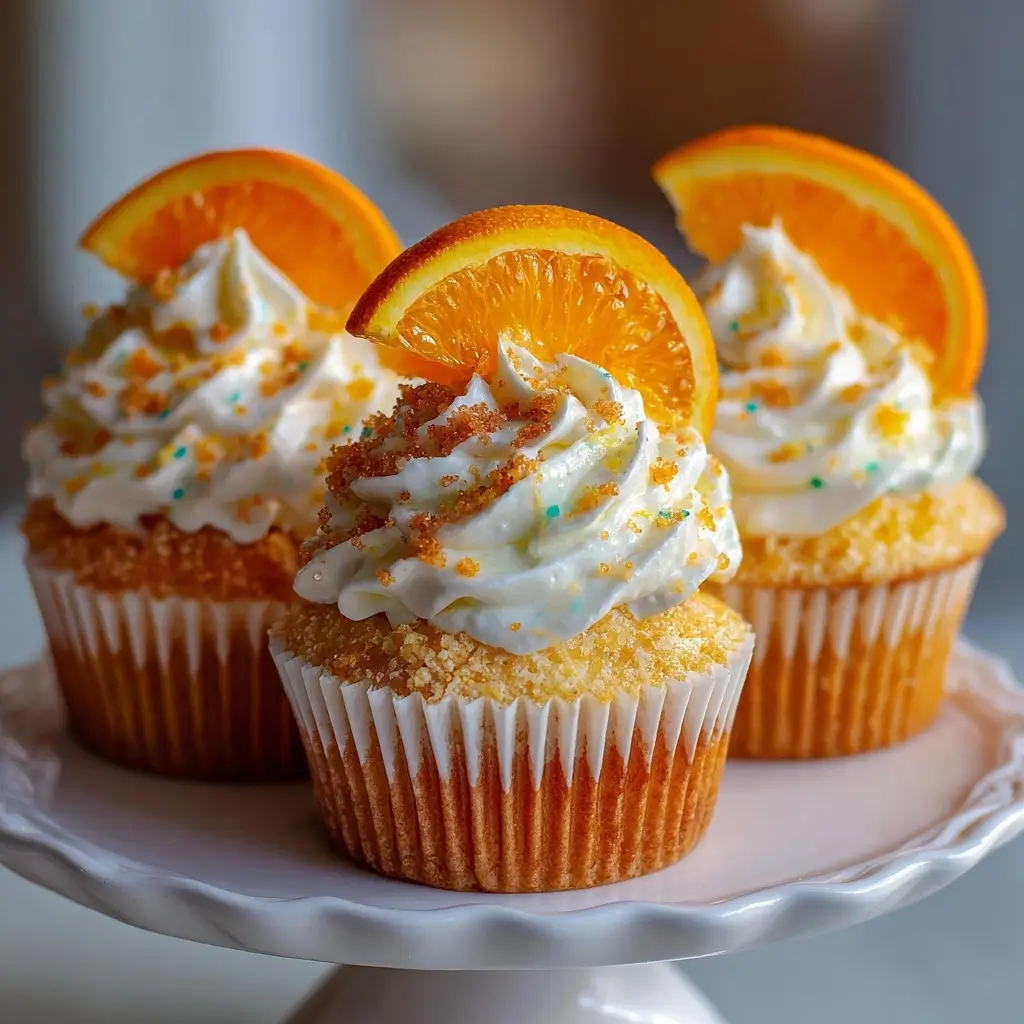
Imagine the nostalgic sweetness of a summer afternoon—sun-warmed pavement, the distant chime of an ice cream truck, and the unmistakable, refreshing burst of citrus and creamy vanilla that is the Orange Creamsicle. Now imagine that beloved frozen treat transformed into a tender, moist, and vibrantly flavored cupcake—each bite a harmonious duet of zesty orange and rich, velvety vanilla. Orange Creamsicle Cupcakes are more than just a dessert; they’re a sensory time machine, evoking childhood joy with sophisticated baking craftsmanship. These cupcakes feature a light, fluffy orange-infused cake base, a luscious orange-vanilla buttercream frosting, and often a surprise center of orange curd or a delicate orange oil infusion for depth. Perfect for birthday parties, spring showers, graduation celebrations, or simply as a cheerful pick-me-up on an ordinary Tuesday, these cupcakes balance brightness and comfort in every crumb.
The History
The story of the Orange Creamsicle begins not in the bakery—but in the freezer aisle. Invented in 1923 by Frank Epperson—the same man who accidentally created the Popsicle—the Creamsicle was born from a simple yet brilliant fusion: a creamy vanilla ice cream core swirled with tangy orange sherbet, all encased in a single, easy-to-hold stick. Originally dubbed the “Epsicle,” it was later renamed “Creamsicle” to reflect its creamy composition, and quickly became an American icon. By the 1950s, the brand had been acquired by Good Humor, cementing its status as a cultural staple. As home baking surged in popularity during the mid-century, bakers began experimenting with flavor pairings inspired by beloved frozen treats—leading to early versions of creamsicle-inspired cakes and cookies. However, it wasn’t until the artisanal cupcake renaissance of the early 2000s—fueled by shows like *Ace of Cakes* and bakeries like Magnolia Bakery—that layered, nuanced interpretations like Orange Creamsicle Cupcakes gained traction. Modern iterations now emphasize high-quality, real ingredients: cold-pressed orange oil, house-made curd, organic vanilla bean paste, and carefully balanced acidity—transforming a retro concept into a refined, contemporary confection worthy of gourmet patisseries and weekend bake-offs alike.
Ingredients Breakdown
Understanding each ingredient’s role is key to mastering these cupcakes—not just for flavor, but for texture, stability, and balance:
- All-Purpose Flour (unbleached preferred): Provides structure without toughness; protein content (~10–11%) ensures tenderness while supporting rise. Substituting cake flour yields a more delicate crumb but requires careful measurement to avoid collapse.
- Granulated Sugar: Sweetens, tenderizes (by inhibiting gluten formation), and aids browning and moisture retention. A portion may be replaced with light brown sugar for subtle caramel notes and added moisture.
- Baking Powder & Baking Soda: Dual-leavening agents—baking powder provides most lift, while a small amount of baking soda neutralizes excess acidity from orange juice/zest and enhances browning.
- Real Orange Zest (finely grated): The aromatic oils in the zest are where 90% of orange flavor resides—far more potent and complex than juice alone. Always use organic oranges, scrubbed thoroughly, and avoid the bitter white pith.
- Freshly Squeezed Orange Juice: Adds brightness and liquid, but must be used at room temperature to prevent seizing butter or curdling eggs. Strain well to remove pulp if a smoother batter is desired.
- Whole Milk (or buttermilk alternative): Adds fat, protein, and acidity—contributing to richness and tenderness. Buttermilk (1 cup milk + 1 tbsp vinegar, rested 5 mins) yields even greater tang and tenderness.
- Unsalted Butter (room temperature): Emulsifies the batter, traps air during creaming, and delivers mouth-coating richness. European-style butter (82–84% fat) enhances flavor and crumb integrity.
- Large Eggs (room temperature): Bind, leaven, and enrich—yolks add fat and emulsifiers; whites provide structure. Cold eggs can cause batter to split; always bring to room temp (20–30 min out of fridge).
- Pure Vanilla Extract (or Vanilla Bean Paste): Deepens warmth and rounds out citrus sharpness. Madagascar bourbon vanilla offers creamy, floral notes; Tahitian vanilla adds fruity complexity.
- Orange Oil (food-grade, cold-pressed): A highly concentrated essence—just 1/8 tsp can elevate the entire batch. Use sparingly; it’s not a substitute for zest or juice, but a flavor amplifier.
- Pinch of Salt: Not merely for seasoning—it heightens all other flavors and balances sweetness.
For the frosting, ingredients serve equally precise roles: unsalted butter must be perfectly softened (65–68°F) for smooth incorporation; powdered sugar provides sweetness and body (sifted to avoid grittiness); heavy cream or whole milk adjusts consistency without diluting flavor; vanilla and orange elements are layered for dimension—zest in the buttercream, juice in the syrup soak, and optional curd swirls for visual and textural contrast.
Step-by-Step Recipe
- Prep & Preheat: Line two standard 12-cup muffin tins with high-quality paper liners (preferably greaseproof or foil-lined for structural support). Preheat oven to 350°F (175°C). Position racks in upper and lower thirds for even baking.
- Zest & Juice Oranges: Using a microplane, finely grate zest from 3 large navel or Valencia oranges (about 2 tbsp total). Squeeze juice from the same oranges (yields ~1/3 cup); strain and set both zest and juice aside.
- Dry Ingredients: In a medium bowl, whisk together 2 ½ cups (312g) all-purpose flour, 2 ½ tsp aluminum-free baking powder, ½ tsp baking soda, and ¾ tsp fine sea salt. Whisk for 30 seconds to fully aerate and combine.
- Cream Butter & Sugar: In a large stand mixer fitted with paddle attachment, beat 1 cup (227g) unsalted butter on medium speed until creamy and pale (2–3 min). Gradually add 1 ¾ cups (350g) granulated sugar, beating 4–5 minutes until light, fluffy, and noticeably increased in volume. Scrape bowl thoroughly.
- Incorporate Eggs: Add 4 large room-temperature eggs one at a time, beating 30 seconds after each addition until fully incorporated. Add 2 tsp pure vanilla extract and beat 30 more seconds. Batter should be smooth and slightly glossy.
- Alternate Wet & Dry: With mixer on low, add ⅓ of dry ingredients → mix until just combined. Add ½ of orange juice mixture (juice + zest) → mix 15 seconds. Repeat, ending with final third of dry ingredients. Mix only until no streaks remain—overmixing causes toughness. Fold once or twice with spatula to ensure homogeneity.
- Fill & Bake: Divide batter evenly among 24 lined cups (≈¼ cup per liner, or use ice cream scoop for uniformity). Tap pans firmly twice on counter to release air bubbles. Bake 18–22 minutes, rotating pans top-to-bottom and front-to-back at 12 minutes. Cupcakes are done when tops spring back lightly and a toothpick inserted in center comes out clean or with moist crumbs (not wet batter).
- Cool Completely: Let cupcakes cool in pans for 10 minutes, then transfer to wire racks. Cool fully (minimum 1 hour) before frosting—warm cupcakes will melt buttercream and cause sliding.
- Optional Soak (Highly Recommended): While cooling, prepare orange simple syrup: simmer ¼ cup orange juice + ¼ cup sugar until dissolved (2 min). Cool completely. Using a toothpick or skewer, poke 3–4 holes in top of each cupcake. Brush ½ tsp syrup gently over surface. This adds moisture and intensifies orange flavor without sogginess.
- Frosting Prep: For best results, make buttercream the day before and chill overnight—flavors meld, and chilled buttercream pipes with cleaner definition.
Tips
- Zest First, Juice Second: Zesting a cold orange is easier and yields finer, drier zest—juice afterward once at room temp.
- Butter Temperature is Non-Negotiable: Too cold = grainy buttercream; too warm = greasy, droopy frosting. Test with fingertip: slight indentation should hold, not melt instantly.
- Sift Everything: Flour, powdered sugar, cocoa (if using variations), and even orange zest (to remove any fibrous bits) ensure silky texture.
- Room-Temp Everything: Eggs, dairy, and even citrus juice should be at room temperature—cold ingredients cause batter to seize or separate.
- Don’t Overmix After Adding Flour: Stir just until no dry patches remain. Use a spatula for final folds to preserve air bubbles.
- Use a Scale: Volume measurements vary wildly (especially flour). Weighing ensures consistent results batch after batch.
- Rotate Pans Mid-Bake: Ovens have hot spots—rotating prevents uneven browning and dome collapse.
- Chill Frosted Cupcakes Before Serving: 15–20 minutes in fridge sets the buttercream, making them easier to transport and enhancing flavor cohesion.
- Freeze Unfrosted Cupcakes: Wrap tightly in plastic, then foil; freeze up to 3 months. Thaw overnight in fridge, then bring to room temp before frosting.
- Test Your Orange Juice Acidity: If using bottled juice, taste first—some contain citric acid or preservatives that dull flavor. Fresh is always superior.
- Pipe with Confidence: Use a large open-star tip (Wilton 1M) and swirl from outside-in, lifting at center. For extra flair, dip piped tips in edible gold dust or orange sanding sugar.
- Store Smart: Keep frosted cupcakes in airtight container at cool room temp (up to 2 days) or refrigerated (up to 5 days). Bring to room temp 30 minutes before serving for optimal texture.
Variations and Customizations
These cupcakes are a canvas for creativity—elevate, adapt, or reimagine them for dietary needs, seasons, or special occasions:
- Gluten-Free Version: Substitute 1:1 gluten-free all-purpose flour blend (with xanthan gum included) + ¼ tsp additional xanthan gum. Add 2 tbsp almond flour for richness. Increase milk by 1 tbsp for hydration.
- Vegan Adaptation: Replace butter with vegan butter (Miyoko’s or Earth Balance), eggs with flax eggs (1 tbsp ground flax + 2.5 tbsp water × 4), and dairy milk with oat or cashew milk. Use aquafaba-based buttercream or coconut whip for frosting.
- Orange Curd-Filled: Hollow centers with a paring knife or cupcake corer; fill with 1 tsp homemade orange curd before frosting. Swirl curd into buttercream for marbled effect.
- Boozy Upgrade: Add 1 tbsp Grand Marnier or Cointreau to the orange syrup soak—or fold 2 tsp into buttercream. Reduce juice in batter slightly to maintain balance.
- Spiced Creamsicle: Add ¼ tsp freshly grated nutmeg + ⅛ tsp ground cardamom to dry ingredients for warm, aromatic depth.
- Chocolate-Orange Fusion: Add ¼ cup unsweetened cocoa powder to dry ingredients and reduce flour by same amount. Frost with dark chocolate-orange buttercream.
- Mini Cupcakes: Fill mini muffin tins ⅔ full; bake 10–12 minutes. Yield: ~48. Ideal for weddings or parties—top with candied orange slices.
- Layered Cake Version: Double recipe and bake in three 6-inch or two 8-inch round pans. Bake 28–35 minutes. Fill and frost with same buttercream; garnish with orange zest rosettes.
- Protein-Packed: Add 2 scoops vanilla whey protein isolate to dry ingredients + 2 tbsp extra milk. Texture remains moist; flavor gains subtle creaminess.
- Kid-Friendly Fun: Top with orange candy melts, rainbow sprinkles, or mini chocolate oranges. Serve with orange-scented whipped cream instead of buttercream.
- Winter Twist: Replace orange with blood orange for deeper berry-like notes and vibrant magenta hue. Pair with rosewater in buttercream for elegance.
- Zero-Waste Option: Use leftover orange peels to infuse simple syrup for cocktails or make candied peel garnishes—no part goes unused.
Health Considerations and Nutritional Value
While Orange Creamsicle Cupcakes are undeniably indulgent, mindful ingredient choices can enhance their nutritional profile without sacrificing joy:
- Vitamin C Boost: Fresh orange zest and juice contribute meaningful vitamin C—supporting immunity, collagen synthesis, and iron absorption. One cupcake delivers ~15–20% DV depending on zest quantity.
- Natural Antioxidants: Oranges contain flavonoids like hesperidin and anthocyanins (especially in blood orange variants), linked to reduced inflammation and cardiovascular support.
- Reduced Refined Sugar Options: Substitute up to ¼ of granulated sugar with coconut sugar or monk fruit blend. Note: texture may shift slightly—always test one cupcake first.
- Healthy Fat Integration: Replace 2 tbsp butter with cold-pressed avocado oil or orange-infused olive oil for monounsaturated fats—maintains moisture while adding nuance.
- Fiber Enhancement: Add 2 tbsp finely ground flaxseed or oat fiber to dry ingredients—adds soluble fiber (supports digestion and satiety) with zero flavor impact.
- Dairy Alternatives: Use grass-fed butter or ghee for higher CLA (conjugated linoleic acid) content, or cultured buttermilk for gut-friendly probiotics.
- Portion Awareness: Standard size (2.5 oz) keeps calories ~280–320 per cupcake. Mini versions (~120 cal) allow for guilt-free tasting and variety.
- Allergen Notes: Naturally nut-free (unless added via variation); easily adapted for egg-free or dairy-free diets. Always label clearly for guests with sensitivities.
- Glycemic Considerations: Pair with a source of protein or healthy fat (e.g., Greek yogurt dip or almond slivers) to slow glucose response—ideal for balanced snacking.
- Mindful Indulgence Principle: Enjoying desserts consciously—savoring aroma, texture, and flavor—has been shown to increase satisfaction and reduce overconsumption. These cupcakes invite that practice.
Per standard cupcake (approx. 2.7 oz / 77g): Calories: 305 | Total Fat: 14g (8g saturated) | Carbohydrates: 42g (32g sugars) | Protein: 3g | Fiber: 0.5g | Vitamin C: 9mg (15% DV) | Calcium: 35mg | Iron: 1.1mg
Ingredients
For the Cupcakes:
- 2 ½ cups (312g) unbleached all-purpose flour
- 2 ½ tsp aluminum-free baking powder
- ½ tsp baking soda
- ¾ tsp fine sea salt
- 1 cup (227g) unsalted butter, room temperature
- 1 ¾ cups (350g) granulated sugar
- 4 large eggs, room temperature
- 2 tsp pure Madagascar vanilla extract
- Zest of 3 large navel oranges (about 2 tbsp)
- ⅓ cup (80ml) freshly squeezed orange juice, strained and room temperature
- 1 tsp food-grade cold-pressed orange oil (optional, but highly recommended)
- ½ cup (120ml) whole milk or buttermilk, room temperature
For the Orange-Vanilla Buttercream:
- 1 ½ cups (340g) unsalted butter, room temperature
- 5 cups (600g) powdered sugar, sifted
- 2 tsp pure vanilla extract
- 1 tbsp finely grated orange zest
- 2–3 tbsp fresh orange juice (adjust for consistency)
- Pinch of salt
- 1–2 drops orange food coloring (optional, for vibrant hue)
For the Orange Simple Syrup (Optional Soak):
- ¼ cup (60ml) fresh orange juice
- ¼ cup (50g) granulated sugar
For Garnish (Optional):
- Edible orange blossoms
- Candied orange slices
- Orange sanding sugar
- Vanilla bean specks
- White chocolate curls with orange oil drizzle
Directions
- Prepare Pans & Oven: Line two 12-cup muffin tins with high-quality cupcake liners. Preheat oven to 350°F (175°C). Position racks in upper and lower thirds.
- Zest and Juice: Finely grate zest from 3 large oranges using a microplane. Squeeze juice, strain, and measure ⅓ cup. Set both aside separately.
- Mix Dry Ingredients: In a medium bowl, whisk flour, baking powder, baking soda, and salt for 30 seconds until fully blended and aerated. Set aside.
- Cream Butter & Sugar: In a large stand mixer with paddle attachment, beat butter on medium speed for 2 minutes until smooth. Gradually add sugar and beat on medium-high for 4–5 minutes until pale, thick, and fluffy. Scrape bowl thoroughly.
- Add Eggs & Vanilla: Add eggs one at a time, beating 30 seconds after each. Add vanilla and beat 30 seconds more. Batter should be cohesive and slightly glossy.
- Combine Wet Flavor Elements: In a small bowl, whisk together orange zest, orange juice, and orange oil (if using).
- Alternate Incorporation: With mixer on low, add ⅓ of dry ingredients and mix until mostly combined (≈10 seconds). Add ½ of orange mixture and mix 10 seconds. Repeat, ending with final ⅓ of dry ingredients. Mix only until no dry streaks remain—do not overmix.
- Add Milk: Pour in milk and mix on low for 10–15 seconds until just incorporated and smooth. Scrape bowl and fold once with spatula.
- Fill Cups: Use a ¼-cup measuring cup or large cookie scoop to portion batter evenly into 24 liners (fill ⅔ full). Gently tap pans on counter twice to settle batter and release air pockets.
- Bake: Place pans in oven. Bake 18–22 minutes, rotating top-to-bottom and front-to-back at 12 minutes. Cupcakes are ready when golden, domed, and spring back when lightly touched. A toothpick inserted in center should emerge clean or with moist crumbs.
- Cool: Let cupcakes rest in pans for 10 minutes. Transfer carefully to wire racks. Cool completely (at least 1 hour) before frosting.
- Make Syrup (Optional): In a small saucepan, combine orange juice and sugar. Heat over medium-low, stirring until sugar dissolves (2 minutes). Remove from heat and cool completely.
- Soak Cupcakes: Using toothpick or skewer, poke 3–4 shallow holes in top of each cupcake. Brush or spoon ½ tsp cooled syrup over each. Let absorb for 5 minutes.
- Make Buttercream: Beat butter on medium until creamy (2 min). Gradually add powdered sugar on low, then increase speed. Add vanilla, zest, salt, and 2 tbsp orange juice. Beat 3–4 minutes until fluffy. Add remaining juice ½ tsp at a time until desired pipeable consistency is reached (should hold stiff peaks but be smooth).
- Frost: Fit piping bag with large open-star tip (Wilton 1M). Fill with buttercream. Starting at outer edge, pipe in spiral motion upward, finishing with a flourish at center. Refrigerate frosted cupcakes 15–20 minutes before serving for firmness and enhanced flavor meld.
- Garnish & Serve: Top with candied orange slice, edible flower, or sprinkle of orange sugar just before serving. Best enjoyed at cool room temperature.
FAQ
- Can I make these cupcakes ahead of time?
- Absolutely. Unfrosted cupcakes freeze beautifully for up to 3 months—wrap individually in plastic wrap, then place in freezer bag. Thaw overnight in fridge, then bring to room temperature before frosting. Frosted cupcakes keep refrigerated for up to 5 days in airtight container; bring to room temp 30 minutes before serving.
- Why did my cupcakes sink in the middle?
- Sinking is usually caused by underbaking, opening the oven door too early (before 15 minutes), excessive leavener (check expiration date on baking powder), or overmixing the batter after adding flour. Ensure oven is properly preheated with oven thermometer—and resist peeking!
- Can I use orange extract instead of zest and juice?
- Not recommended as a full substitute. Extract lacks volatile citrus oils and freshness. Use extract only as a *supplement*—max ½ tsp—to boost intensity, never replace zest (which provides essential aromatic compounds) or juice (which contributes moisture and acidity).
- My buttercream is too soft or too stiff—how do I fix it?
- Too soft? Chill bowl and beaters for 10 minutes, then re-beat. Too stiff? Add heavy cream or orange juice ½ tsp at a time. Always adjust at room temperature—never add cold liquid to cold buttercream.
- Can I bake these as a sheet cake?
- Yes! Pour batter into a greased and floured 9×13-inch pan. Bake at 350°F for 30–35 minutes. Cool completely before frosting. Adjust syrup soak to 1 tbsp per serving area.
- Are these cupcakes safe for kids with citrus allergies?
- No—these rely heavily on orange zest, juice, and oil. For citrus-allergic individuals, consider a “vanilla cloud” version with lemon verbena or roasted pear purée for aromatic complexity without citrus proteins.
- What’s the best way to store leftover buttercream?
- Transfer to airtight container and refrigerate up to 2 weeks or freeze up to 3 months. To reuse, bring to room temperature, then beat on medium speed for 2–3 minutes until smooth and fluffy.
- Can I use bottled orange juice?
- Only in emergencies—and only 100% pure, unsweetened, no-preservative varieties. Fresh juice provides enzymatic brightness and natural pectin that affects texture and shelf life. Bottled juice often contains added citric acid, which can curdle dairy and mute flavor.
- Why does my frosting have tiny yellow specks?
- That’s the orange zest—completely normal and desirable! It adds bursts of intense flavor and visual appeal. For smoother frosting, pulse zest briefly in food processor before adding—but don’t skip it.
- How do I prevent cupcake liners from peeling away?
- Use high-quality, grease-resistant liners (foil-backed or silicone-coated). Avoid over-greasing pans before lining. Also, don’t overbake—dry cupcakes shrink away from liners. Cool fully before removing from pan.
- Can I add food coloring without affecting taste?
- Yes—gel-based food coloring (like Americolor or Wilton) is highly concentrated and flavorless. Start with 1 drop and add more gradually. Liquid food coloring adds excess moisture and may dilute flavor.
- Is there a lower-sugar version that still tastes great?
- Try reducing sugar in the cake by ¼ cup and replacing with 3 tbsp unsweetened applesauce + 1 tbsp orange juice. In buttercream, use powdered erythritol blend (like Swerve Confectioners) 1:1—but note texture may be slightly less creamy. Always pair with zest/oil for maximum flavor impact.
Summary
Orange Creamsicle Cupcakes are a masterful homage to a timeless frozen treat—transforming bright, zesty citrus and creamy vanilla into tender, moist, professionally textured