Introduction
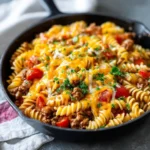
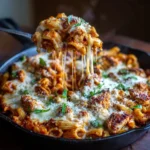
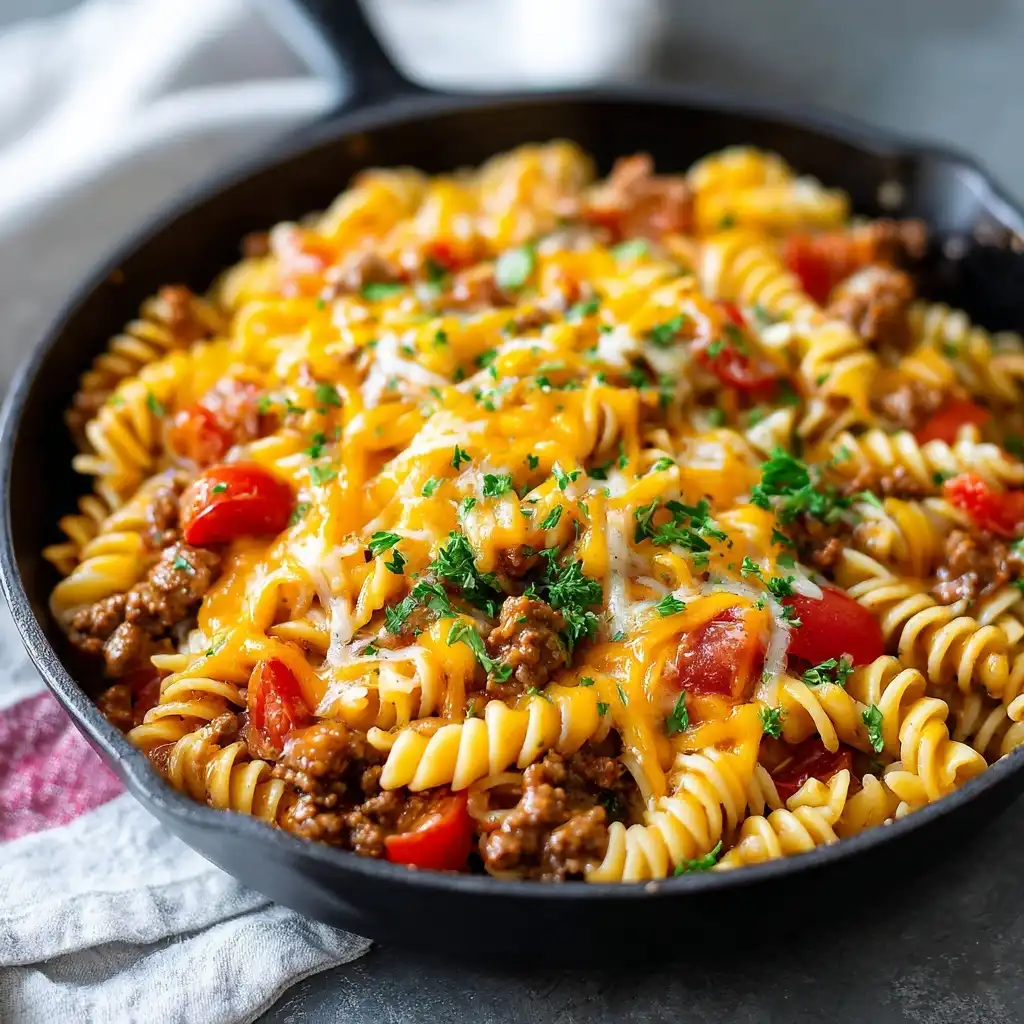
One Pot Cheeseburger Pasta is the ultimate weeknight comfort food — a hearty, flavorful, and deeply satisfying dish that brings together all the beloved elements of a classic cheeseburger (juicy ground beef, sharp cheddar, tangy pickles, and savory seasonings) seamlessly folded into tender pasta and a rich, creamy, slightly tangy sauce — all cooked in a single pot. Designed for maximum convenience and minimal cleanup, this recipe eliminates the need for multiple pots, pans, and colanders, making it ideal for busy families, college students, meal preppers, and anyone craving nostalgic diner-style flavors without the fuss. Its genius lies not only in its simplicity but also in its remarkable balance: the umami depth of browned beef, the melt-in-your-mouth creaminess of cheese, the bright acidity of mustard and pickle brine, and the comforting chew of perfectly al dente pasta — all harmonizing in one cohesive, soul-warming bowl.
The History
While the exact origin of One Pot Cheeseburger Pasta remains undocumented in culinary archives, its emergence can be traced to the broader “one-pot pasta” movement that surged in popularity across American home kitchens and food blogs in the early 2010s. This trend was fueled by the growing demand for faster, more efficient cooking methods amid increasingly time-constrained lifestyles — particularly among dual-income households and young professionals. Inspired by Italian-inspired one-pot pastas (like pasta aglio e olio or tomato-basil variations), American home cooks began experimenting with regional flavor profiles, leading to playful, fusion-forward adaptations. The cheeseburger iteration — likely first shared on Pinterest or Instagram around 2014–2015 — cleverly translated the iconic American sandwich into pasta form by incorporating key burger components: ground beef as the protein base, American or cheddar cheese for melty richness, yellow mustard for tang, diced dill pickles for crunch and acidity, and even a whisper of onion powder and smoked paprika to evoke the smoky-savory notes of grilled patties. Over time, the dish evolved beyond novelty status into a bona fide pantry staple, appearing in cookbooks like *The One-Pot Pasta Cookbook* (2018), featured on Food Network’s *5 Ingredient Fix*, and adopted by school lunch programs and meal-kit services for its scalability, affordability, and universal kid appeal. Today, it stands as a testament to modern American home cooking: resourceful, inventive, deeply comforting, and proudly unpretentious.
Ingredients Breakdown
Understanding each ingredient’s role ensures optimal texture, flavor layering, and structural integrity in this complex yet streamlined dish:
- Ground Beef (85/15 or 90/10): Provides rich umami, fat content for mouthfeel, and foundational savory depth. Leaner blends (93/7) reduce grease but may yield drier results; fattier cuts (80/20) enhance juiciness but require careful draining if excess oil accumulates.
- Pasta (Elbow Macaroni, Rotini, or Cavatappi): Short, ridged, or tubular shapes best trap the creamy sauce and hold up during simmering. Elbow macaroni delivers classic cheeseburger nostalgia; rotini offers superior sauce adhesion; cavatappi adds delightful chew and visual appeal. Avoid long noodles (spaghetti, linguine) — they overcook easily and don’t integrate well with chunky add-ins.
- Beef Broth (Low-Sodium Recommended): Acts as both cooking liquid and flavor enhancer. Low-sodium broth allows precise control over salt levels, especially important when combining salty cheese, pickles, and mustard. Homemade bone broth adds collagen-rich body and subtle sweetness.
- Dry Mustard Powder & Yellow Mustard: Dry mustard provides deep, warm pungency and binds with fats to stabilize the sauce; yellow mustard contributes bright acidity, emulsifying power, and unmistakable “burger stand” tang. Dijon can substitute for complexity, but classic yellow delivers authenticity.
- White Vinegar or Pickle Brine: Adds essential brightness and cut-through richness. Pickle brine doubles as a flavor booster — infusing garlic, dill, and spice notes — while reducing sodium elsewhere. Apple cider vinegar offers fruity nuance; distilled white delivers clean sharpness.
- Cream Cheese (Full-Fat, Block Style): The secret to luxurious, velvety texture and gentle tang. Block cream cheese melts smoothly and emulsifies better than whipped or low-fat versions, which can separate or become grainy. Cold cream cheese should be cubed and stirred in off-heat to prevent clumping.
- Sharp Cheddar Cheese (Freshly Grated): Delivers bold, nutty, slightly salty flavor and superior meltability. Pre-shredded cheese contains anti-caking agents (e.g., cellulose) that inhibit smooth melting and can cause graininess or stringiness. A blend of mild cheddar + a touch of Gouda or smoked provolone adds dimension.
- Dill Pickles (Refrigerator or Fresh-Pack, Finely Diced): Crucial for authentic “burger” texture and acid balance. Refrigerator pickles (unpasteurized, crisp, garlicky) outperform shelf-stable varieties in freshness and crunch. Avoid bread-and-butter pickles unless seeking sweet-tangy contrast.
- Yellow Onion (Finely Diced) & Garlic (Minced): Build aromatic foundation. Sautéing until translucent (not browned) prevents bitterness and ensures sweetness integrates fully. Frozen minced garlic works in a pinch but lacks vibrancy.
- Worcestershire Sauce: Adds fermented depth, umami, and subtle sweetness from molasses and tamarind — echoing the complexity of steak sauce or A1 often used on burgers.
- Smoked Paprika (Sweet or Mild): Imparts gentle smokiness reminiscent of grilled patties without heat. Avoid hot smoked paprika unless intentionally adding spice — it can overwhelm delicate cheese notes.
- Black Pepper (Freshly Cracked): Essential for warmth and bite; pre-ground pepper loses volatile oils quickly and lacks punch.
- Optional Garnishes: Extra shredded cheddar, crispy fried onions, crumbled cooked bacon, fresh chives, microgreens, or a drizzle of spicy mustard aioli for finishing flair.
Step-by-Step Recipe
- Prep All Ingredients: Dice onion and pickles (¼-inch pieces); mince garlic; grate cheddar; cube cream cheese (½-inch); measure broth, spices, and condiments. Having everything ready (“mise en place”) prevents burning or overcooking during the fast-paced sauté and simmer stages.
- Sauté Aromatics: Heat 1 tbsp olive oil or butter in a heavy-bottomed Dutch oven or large, deep skillet (6–7 qt capacity) over medium heat. Add diced onion and cook 3–4 minutes until soft and translucent. Stir in garlic, smoked paprika, dry mustard, and black pepper; cook 30 seconds until fragrant — do not let garlic brown.
- Brown the Beef: Increase heat to medium-high. Add ground beef, breaking it apart with a wooden spoon. Cook 5–7 minutes, stirring occasionally, until no pink remains and edges begin to crisp. Drain excess fat *only if pooling significantly* (1–2 tsp is ideal for flavor; too much impedes sauce cohesion).
- Build Flavor Base: Stir in Worcestershire sauce and yellow mustard. Cook 1 minute to deepen flavors and evaporate raw alcohol/mustard sharpness. Then add white vinegar or 2 tbsp pickle brine — stir vigorously to deglaze the pot, scraping up any browned bits (fond) for maximum savoriness.
- Add Pasta & Liquid: Pour in uncooked pasta and low-sodium beef broth. Stir thoroughly to submerge all pasta. Bring mixture to a gentle boil over medium-high heat — this initiates starch release critical for thickening.
- Simmer Until Pasta is Al Dente: Reduce heat to low-medium to maintain a steady, gentle simmer (bubbles breaking softly at edges). Cover partially with a lid (leave 1-inch gap) and cook 12–15 minutes, stirring every 3–4 minutes to prevent sticking and ensure even cooking. Pasta should be just shy of tender — it will soften further when cheese is added.
- Incorporate Cream Cheese: Remove pot from heat. Immediately stir in cubed cream cheese, 1–2 tbsp at a time, whisking vigorously until fully melted and smooth before adding more. This step requires patience — rushing causes lumps. If sauce appears too thick, splash in 1–2 tbsp reserved broth or milk.
- Melt in Cheddar: Once cream cheese is fully integrated, reduce heat to lowest setting (or use residual heat). Gradually fold in grated cheddar in 3 additions, stirring gently after each until just melted. Avoid vigorous stirring or high heat here — it can cause cheese to seize or become oily.
- Add Pickles & Final Seasoning: Gently fold in diced dill pickles. Taste critically: adjust salt (start with ¼ tsp), add more black pepper, a splash of vinegar for brightness, or a pinch of sugar to balance acidity. Let rest 2–3 minutes off-heat — this allows sauce to thicken further and flavors to meld.
- Serve Immediately: Spoon into warmed bowls. Garnish generously with extra cheddar, pickles, chives, or crispy onions. Serve with crusty bread or a simple green salad dressed in lemon vinaigrette to cut richness.
Tips
- Pasta-to-Liquid Ratio is Non-Negotiable: Use exactly 4 cups broth for 12 oz pasta. Too little liquid = gummy, stuck pasta; too much = soupy, under-seasoned sauce. Adjust only if altitude exceeds 3,000 ft (add 2–3 tbsp extra liquid).
- Stirring Frequency Matters: Stir every 3–4 minutes during simmer — not less (risk of scorching bottom layer) and not more (breaks down pasta starch needed for creaminess).
- Cheese Temperature is Key: Grate cheddar straight from the fridge — cold cheese melts slower and more evenly. Cube cream cheese while still cold; room-temp cream cheese can turn greasy.
- Don’t Skip the Deglazing: That 1-minute vinegar/mustard sizzle after browning beef lifts caramelized fond — the single biggest contributor to deep, complex flavor. Skipping it yields flat, one-dimensional taste.
- Resist Overcooking the Pasta: Check doneness at 12 minutes. Ideal texture is “al dente with purpose” — slightly firm in center, as it softens further when cheese and residual heat finish cooking it.
- Acid is Your Friend — But Timing is Everything: Adding vinegar early builds background tang; adding a final splash *after* cheese melts brightens the entire dish. Never add vinegar during cheese-melting phase — acidity can cause separation.
- Rest Before Serving: Allowing the finished dish to sit off-heat for 3 minutes lets starches relax, sauce thicken naturally, and flavors harmonize — transforming good into exceptional.
- Use a Heavy Pot: Enameled cast iron or stainless-clad copper distributes heat evenly, preventing hot spots that burn the bottom layer. Thin aluminum pans lead to inconsistent cooking and scorching.
- Double Batch? Scale Up — But Not the Time: For 2x portions, use same cook time but stir more frequently and watch liquid absorption closely. A larger pot is mandatory — crowding causes steaming instead of simmering.
- No Dairy? No Problem — But Adapt Wisely: Swap cream cheese for full-fat coconut milk + 1 tbsp nutritional yeast + ½ tsp lemon juice; use vegan cheddar shreds formulated for melting (e.g., Daiya Cutting Board or Violife). Avoid almond milk — too thin and watery.
Variations and Customizations
This recipe is gloriously adaptable — a canvas for dietary needs, pantry limitations, and creative cravings:
- Vegetarian/Vegan Version: Replace beef with 1½ cups cooked brown lentils (for meaty texture) or 1 package (12 oz) plant-based crumbles (Gardein or Beyond). Use vegetable broth, vegan cream cheese, and certified vegan cheddar. Boost umami with 1 tsp soy sauce or tamari and ½ tsp mushroom powder.
- Spicy Southwest Burger Pasta: Add 1 finely diced jalapeño (seeds removed) with onions; swap smoked paprika for chipotle powder; stir in ½ cup fire-roasted tomatoes and ¼ cup chopped cilantro at the end; top with avocado slices and lime crema.
- BBQ Bacon Cheeseburger Pasta: Cook 6 slices thick-cut bacon until crisp; remove, crumble, and set aside. Sauté onions in bacon fat. Add ⅓ cup Kansas City–style BBQ sauce with mustard; fold in crumbled bacon and ¼ cup crispy fried onions before serving.
- Gourmet Mushroom Swiss Burger Pasta: Sauté 2 cups sliced cremini mushrooms with onions until deeply browned. Replace cheddar with Gruyère or Emmental; omit pickles; add 1 tbsp brandy with Worcestershire; garnish with thyme and caramelized onions.
- Breakfast-for-Dinner Burger Pasta: Stir in 4 beaten eggs off-heat after cheese melts (like shirred eggs); cover and let steam 2 minutes until just set. Top with crumbled breakfast sausage and chive blossoms.
- Gluten-Free Adaptation: Use certified GF pasta (Barilla GF elbow or Banza chickpea rotini); ensure broth, mustard, and Worcestershire are GF-labeled (Lea & Perrins Original is GF in the US). Xanthan gum (¼ tsp) added with dry spices helps bind sauce.
- Kid-Friendly “No-Pickle” Version: Omit pickles entirely; add ¼ cup finely grated carrot and 2 tbsp ketchup for sweetness and color. Stir in ½ cup frozen peas during last 2 minutes of simmer. Top with extra cheese and smile-shaped croutons.
- Meal-Prep Powerhouse: Double batch and portion into 5 airtight containers. Reheat gently in microwave with 1 tsp water per container, covered, stirring halfway. Freezes well for up to 3 months — thaw overnight, then reheat slowly on stovetop with splash of milk to restore creaminess.
- Greek-Inspired Lamb Burger Pasta: Substitute ground lamb for beef; use mint-infused Greek yogurt instead of cream cheese; top with crumbled feta, diced cucumber, kalamata olives, and lemon zest.
- Buffalo Chicken Cheeseburger Pasta: Replace beef with 2 cups shredded rotisserie chicken; add ⅓ cup buffalo sauce with broth; use blue cheese crumbles + mozzarella instead of cheddar; garnish with celery ribbons and extra blue cheese dressing.
Health Considerations and Nutritional Value
One Pot Cheeseburger Pasta sits comfortably in the “indulgent-but-nourishing” category — rich in protein and satisfying, yet highly modifiable for diverse health goals. A standard serving (1¾ cups, ~420g) made with 90/10 beef, whole wheat pasta, reduced-sodium broth, and moderate cheese provides approximately:
- Calories: 520–580 kcal
- Protein: 32–38g (excellent source — supports muscle maintenance and satiety)
- Fat: 24–28g (of which 12–14g saturated — primarily from cheese and beef; balanced by monounsaturated fats from olive oil and small amounts of omega-3s in grass-fed beef)
- Carbohydrates: 42–46g (including 4–6g fiber if using whole grain or legume-based pasta)
- Sodium: 680–820mg (well within FDA’s <2,300mg daily limit when using low-sodium broth and controlling added salt)
- Vitamins & Minerals: Rich in iron (heme iron from beef, highly bioavailable), zinc, B12, selenium, calcium (from dairy), and vitamin A (from cheddar and paprika).
Health-Conscious Tweaks:
- Boost Fiber & Micronutrients: Stir in 1 cup baby spinach or chopped kale during the last 2 minutes of simmer — it wilts perfectly and adds folate, vitamin K, and antioxidants without altering flavor.
- Reduce Saturated Fat: Use 95/5 lean ground turkey or chicken breast crumbles; substitute half the cheddar with part-skim ricotta or blended silken tofu for creaminess with less fat.
- Lower Sodium Strategically: Rely on herbs (dill, parsley), citrus zest, smoked salt (less volume needed), and umami boosters (mushroom powder, nutritional yeast) instead of excess table salt.
- Support Gut Health: Add 2 tbsp unpasteurized sauerkraut (rinsed lightly) at the end — introduces live probiotics and tangy crunch without cooking them out.
- Diabetes-Friendly Adjustments: Opt for legume-based pasta (chickpea, lentil) for higher protein/fiber and lower glycemic impact; pair with non-starchy veggie side (roasted broccoli, zucchini noodles) to balance carb load.
- Allergy Awareness: Naturally nut-free and egg-free. For dairy sensitivity, see vegan tips above. Always verify broth and condiment labels for hidden gluten, soy, or corn derivatives.
Note: While indulgent, this dish is nutritionally dense — far surpassing many takeout options in protein, micronutrient variety, and absence of ultra-processed additives or excessive refined sugars. Portion control and mindful pairing (e.g., side salad vs. garlic bread) make it sustainable for regular inclusion in balanced diets.
Ingredients
- 1 tablespoon olive oil or unsalted butter
- 1 medium yellow onion, finely diced (about 1 cup)
- 3 cloves garlic, minced
- 1 pound (450g) ground beef (85/15 or 90/10 recommended)
- 1½ teaspoons smoked paprika (sweet or mild)
- 1½ teaspoons dry mustard powder
- 1 teaspoon freshly cracked black pepper
- 2 tablespoons yellow mustard
- 1 tablespoon Worcestershire sauce
- 2 tablespoons white vinegar or dill pickle brine
- 12 ounces (340g) short pasta (elbow macaroni, rotini, or cavatappi)
- 4 cups (960ml) low-sodium beef broth
- 4 ounces (115g) full-fat block cream cheese, cold and cubed
- 2 cups (225g) sharp cheddar cheese, freshly grated
- ½ cup (75g) dill pickle chips, finely diced (refrigerator-style preferred)
- ¾ teaspoon fine sea salt, or to taste
- Optional garnishes: extra shredded cheddar, fresh chives, crispy fried onions, crumbled bacon, or extra dill pickles
Directions
- Heat olive oil or butter in a 6–7 quart heavy-bottomed Dutch oven or deep skillet over medium heat. Add diced onion and cook, stirring occasionally, for 3–4 minutes until softened and translucent.
- Add minced garlic, smoked paprika, dry mustard powder, and black pepper. Stir constantly for 30 seconds until fragrant — do not let garlic brown.
- Increase heat to medium-high. Add ground beef, breaking it apart with a wooden spoon. Cook 5–7 minutes, stirring occasionally, until beef is fully browned with no pink remaining and edges are lightly crisped. Drain excess fat only if more than 1–2 tablespoons remain in the pan.
- Stir in yellow mustard and Worcestershire sauce. Cook for 1 minute, stirring to coat the beef and develop flavor. Add white vinegar or pickle brine and scrape the bottom of the pot vigorously to lift all browned bits (fond).
- Stir in uncooked pasta and pour in beef broth. Bring to a gentle boil over medium-high heat, stirring frequently to ensure pasta is submerged and evenly distributed.
- Once boiling, reduce heat to low-medium to maintain a steady, gentle simmer (small bubbles breaking softly at the edges). Partially cover with a lid, leaving a 1-inch gap for steam to escape. Simmer for 12–15 minutes, stirring every 3–4 minutes to prevent sticking and promote even cooking. Pasta should be just shy of al dente — slightly firm in the center.
- Remove pot from heat. Immediately begin stirring in cold, cubed cream cheese, 1–2 tablespoons at a time, whisking vigorously until completely melted and smooth before adding more. If sauce becomes too thick, stir in 1 tablespoon of reserved broth or whole milk.
- Reduce heat to the lowest possible setting (or use residual heat). Gradually fold in grated cheddar cheese in three additions, stirring gently after each until just melted. Avoid overheating or vigorous stirring at this stage to prevent cheese separation.
- Gently fold in diced dill pickles. Taste and adjust seasoning: add salt in ¼-teaspoon increments, more black pepper, an extra splash of vinegar for brightness, or a pinch of sugar if acidity is too sharp.
- Let the pasta rest off-heat for 2–3 minutes to allow the sauce to thicken naturally and flavors to fully meld. Stir once more gently before serving.
- Spoon into warmed bowls and garnish generously with your choice of toppings. Serve immediately while hot and luxuriously creamy.
FAQ
- Can I use ground turkey or chicken instead of beef?
- Absolutely — ground turkey (93% lean) or chicken breast crumbles work beautifully. Since poultry is milder, increase smoked paprika to 2 tsp and add ½ tsp onion powder for depth. Sauté 1–2 minutes longer to ensure thorough cooking and moisture evaporation.
- Why does my sauce look greasy or separated?
- This usually occurs from overheating cheese, using pre-shredded cheese (with anti-caking agents), or adding acidic ingredients (vinegar) directly to melted cheese. To fix: Remove from heat, whisk in 1 tbsp cold milk or broth, and stir vigorously off-heat until re-emulsified. Next time, add vinegar early (during deglazing) and cheese last — gently and gradually.
- Can I make this ahead of time or freeze it?
- Yes! It reheats exceptionally well. Cool completely, store in airtight containers for up to 4 days refrigerated. For freezing, portion into freezer-safe bags or containers (leave 1-inch headspace), freeze up to 3 months. Thaw overnight in fridge; reheat gently on stove with 1–2 tbsp milk or broth per portion, stirring frequently.
- What if I don’t have pickle brine?
- No problem — plain white vinegar, apple cider vinegar, or even lemon juice work. Start with 1 tbsp, taste after adding cheese, and add more as needed for brightness. Pickle brine is preferred for layered flavor, but vinegar delivers essential acidity.
- Can I cook this in an Instant Pot or slow cooker?
- Instant Pot adaptation: Use Sauté function for steps 1–4, then add pasta and broth. Pressure cook on High for 6 minutes, natural release 5 minutes, then quick release. Stir in cream cheese and cheddar off-heat as directed. Slow cooker is not recommended — pasta becomes mushy and sauce breaks due to prolonged low-heat exposure.
- My pasta turned out mushy — what went wrong?
- Most commonly caused by overcooking (simmering >15 minutes), insufficient stirring (causing starch buildup and clumping), or using a pot that’s too small (crowding prevents even liquid distribution). Always check at 12 minutes and stir regularly. Also, avoid covering tightly — trapped steam softens pasta excessively.
- Is there a way to make it gluten-free?
- Yes — use certified gluten-free pasta (corn, rice, or quinoa blends work well) and verify all broth, mustard, Worcestershire, and spice labels are GF. Add ¼ tsp xanthan gum with dry spices to help thicken and stabilize the sauce, mimicking gluten’s binding effect.
- How can I make it spicier?
- Add ¼–½ teaspoon cayenne pepper with dry spices, include 1–2 minced serrano peppers with onions, or stir in 1–2 tsp hot sauce (Frank’s RedHot or Cholula) with the broth. For serious heat, top with pickled jalapeños or a chili crisp oil drizzle.
- Can I add vegetables?
- Definitely! Stir in 1 cup frozen peas or corn during the last 3 minutes of simmer. For fresh veggies: sauté 1 cup diced bell peppers or zucchini with onions, or wilt 2 cups baby spinach at the very end. Roasted cauliflower or broccoli florets make excellent hearty additions.
- What’s the best cheese to use if I can’t find sharp cheddar?
- Try a blend: 1½ cups mild cheddar + ½ cup Gouda, Fontina, or Monterey Jack for meltability and depth. Avoid pre-shredded “American cheese slices” — they contain emulsifiers that