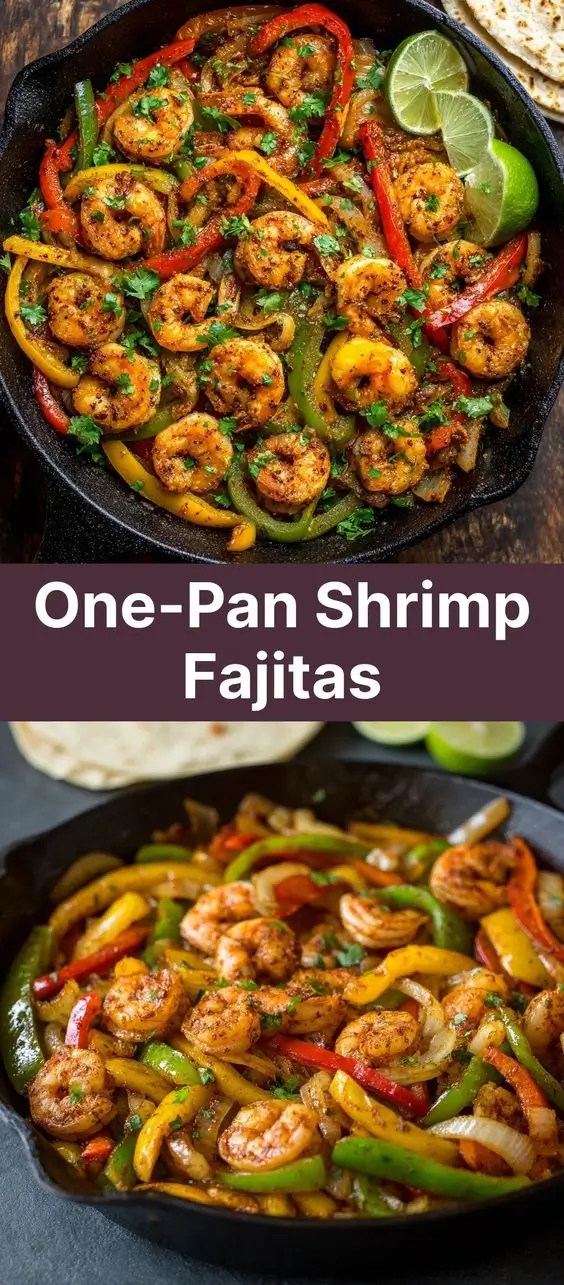
One-Pan Shrimp Fajitas: A Flavorful, Easy Weeknight Dinner
The History of Fajitas and Their Evolution into a Modern Classic
Fajitas have their roots deeply embedded in Tex-Mex cuisine, originating from the ranchlands of South Texas in the early 20th century. Traditionally, fajitas were made from skirt steak — a tough but flavorful cut of beef — which was marinated and grilled over an open flame. The name “fajita” comes from the Spanish word faja, meaning “belt” or “girdle,” referencing the strip-like shape of the meat. Ranch workers, known as vaqueros, were often paid with less desirable cuts of meat, including the skirt steak, which they transformed into delicious meals using simple seasonings and grilling techniques.
As Mexican-American culture evolved, so did the fajita. By the 1960s and 70s, fajitas began appearing in restaurants across Texas and quickly spread throughout the United States. Street vendors and local eateries popularized sizzling cast-iron platters served with warm tortillas, sautéed peppers, and onions. Over time, creative cooks began experimenting with other proteins, leading to chicken, pork, and eventually seafood variations. Shrimp fajitas emerged as a favorite among coastal communities and health-conscious diners due to shrimp’s quick cooking time, delicate texture, and lower fat content.
Today, one-pan shrimp fajitas represent a modern twist on this beloved dish — combining convenience, bold flavors, and nutritional balance. Designed for busy home cooks, the one-pan method reduces cleanup while maximizing taste. This version honors traditional fajita spices like cumin, chili powder, and smoked paprika, while incorporating fresh vegetables and succulent shrimp for a meal that’s both vibrant and satisfying. Whether served taco-style, over rice, or as a standalone skillet dish, one-pan shrimp fajitas are a celebration of cultural fusion, culinary innovation, and everyday comfort food at its finest.
Ingredients Breakdown: What Makes This Dish Shine
The magic of one-pan shrimp fajitas lies in the harmony between high-quality ingredients and bold seasonings. Each component plays a crucial role in building layers of flavor, color, and texture. Let’s break down what goes into this vibrant dish and why it matters:
- Shrimp (Peeled and Deveined): Large or extra-large shrimp work best — they’re meaty enough to hold up during cooking without becoming rubbery. Fresh is ideal, but frozen shrimp (properly thawed) can be used when fresh isn’t available. Opt for wild-caught if possible for better sustainability and flavor.
- Bell Peppers (Red, Yellow, Green): Using a mix of colored bell peppers not only adds visual appeal but also brings subtle differences in sweetness. Red peppers are the sweetest and most nutrient-dense, while green ones offer a slightly bitter contrast that balances the dish.
- Onion (Yellow or Red): Onions provide a savory base note and caramelize beautifully when seared, enhancing the overall depth of flavor. Red onions add a mild sharpness and beautiful purple hue.
- Olive Oil: Used for sautéing, olive oil helps conduct heat evenly, prevents sticking, and carries fat-soluble flavors from spices. Extra virgin olive oil adds a fruity finish, though a lighter version works well for high-heat cooking.
- Lime Juice: Freshly squeezed lime juice brightens the entire dish, cutting through richness and enhancing the natural sweetness of the vegetables and shrimp. It also acts as a tenderizer and flavor enhancer.
- Garlic (Freshly Minced): Garlic adds pungency and aroma, forming the aromatic backbone of the seasoning blend. Cooking it briefly ensures it doesn’t burn and turn bitter.
- Ground Cumin: Earthy and warm, cumin is essential to authentic fajita seasoning. It complements the smokiness of paprika and deepens the overall flavor profile.
- Chili Powder: A blend of ground chiles, oregano, garlic, and sometimes cayenne, chili powder delivers moderate heat and rich red color. Choose a high-quality brand without fillers for the best results.
- Smoked Paprika: Adds a distinctive smoky depth that mimics grilled flavors — especially important when cooking indoors. Regular paprika can be substituted, but you’ll lose that signature charred essence.
- Cayenne Pepper (Optional): For those who enjoy a bit of kick, cayenne ramps up the heat level without overpowering other flavors. Adjust according to spice tolerance.
- Salt and Black Pepper: Essential for seasoning and balancing all components. Always season in layers — part in the marinade, part during cooking — for optimal taste.
- Fresh Cilantro: Added at the end, cilantro brings a citrusy, herbal freshness that lifts the dish. Some people are genetically predisposed to dislike cilantro (finding it soapy), so consider offering it on the side.
- Tortillas (Flour or Corn): Warm tortillas serve as the vessel for your fajitas. Flour tortillas are softer and more pliable; corn tortillas offer a nuttier, gluten-free alternative. Toast them lightly on the stove for added flavor.
Step-by-Step Recipe: How to Make Perfect One-Pan Shrimp Fajitas
Follow these detailed steps to create restaurant-quality shrimp fajitas right in your own kitchen — all in one pan for minimal mess and maximum flavor.
- Prepare the Ingredients: Begin by peeling and deveining the shrimp if not already done. Pat them dry thoroughly with paper towels — moisture is the enemy of good searing. Slice the bell peppers into thin strips about ¼ inch wide. Cut the onion similarly, ensuring uniform pieces so they cook evenly. Mince the garlic finely.
- Make the Marinade: In a small bowl, whisk together 3 tablespoons olive oil, juice of 1 large lime (about 2–3 tablespoons), 2 minced garlic cloves, 1 teaspoon ground cumin, 1 tablespoon chili powder, 1 teaspoon smoked paprika, ½ teaspoon salt, ¼ teaspoon black pepper, and a pinch of cayenne (optional). Stir until a smooth, fragrant paste forms.
- Marinate the Shrimp: Place the shrimp in a medium bowl and pour half of the marinade over them. Toss gently to coat every piece. Let sit for 10–15 minutes at room temperature (do not exceed 20 minutes due to the acidity of lime juice, which can start to “cook” the shrimp).
- Prep the Vegetables: While the shrimp marinate, toss the sliced peppers and onions in the remaining marinade. Mix well to ensure even coating. Set aside.
- Heat the Pan: Place a large skillet — preferably cast iron or heavy-bottomed stainless steel — over medium-high heat. Add 1 tablespoon of olive oil and let it shimmer, indicating proper temperature.
- Sear the Shrimp: Remove the shrimp from the marinade (shake off excess) and arrange them in a single layer in the hot pan. Cook for 1–2 minutes per side, just until opaque and lightly golden. Avoid overcrowding — cook in batches if necessary. Transfer cooked shrimp to a plate and set aside.
- Sauté the Vegetables: In the same pan, add the marinated peppers and onions. Spread them out and let them sear undisturbed for 2–3 minutes to develop caramelization. Then stir and continue cooking for another 5–7 minutes, stirring occasionally, until the vegetables are tender-crisp and slightly charred at the edges.
- Combine Everything: Return the cooked shrimp to the pan along with any accumulated juices. Toss everything together and cook for 1–2 more minutes to reheat the shrimp and meld the flavors. Squeeze additional lime juice over the top if desired.
- Finish with Fresh Herbs: Remove from heat and sprinkle generously with chopped fresh cilantro. Taste and adjust seasoning with more salt, pepper, or lime as needed.
- Serve Immediately: Serve straight from the pan for that sizzling presentation. Offer warm tortillas on the side, along with optional toppings like guacamole, sour cream, shredded cheese, salsa, or pickled jalapeños.
Expert Tips for Success
- Don’t Overcook the Shrimp: Shrimp cook extremely fast — usually 2–3 minutes total. Overcooking leads to toughness and chewiness. Look for a firm texture and opaque pink-white color with slight translucency in the center when perfectly done.
- Use High Heat: To achieve that signature fajita sear and avoid steaming, make sure your pan is properly preheated before adding ingredients. A smoking-hot surface creates beautiful browning.
- Keep Components Separate Initially: Cooking the shrimp first and removing them prevents overcooking when the vegetables need more time. Reintroducing them at the end preserves their ideal texture.
- Uniform Cutting: Cut peppers and onions into similar-sized strips so they cook at the same rate. Uneven pieces result in some being mushy while others remain crunchy.
- Reserve Extra Lime Wedges: Serving lime wedges on the side allows each diner to customize tartness levels, enhancing brightness with each bite.
- Toast Tortillas Properly: Warm tortillas directly on a gas burner for 15–20 seconds per side until puffed and slightly blistered. Alternatively, wrap in foil and heat in the oven at 350°F for 10 minutes.
- Rest Before Serving: Let the fajita mixture rest for 2–3 minutes after cooking. This allows flavors to settle and makes assembly easier.
- Use the Right Pan Size: A 12-inch skillet provides ample space for even cooking. Too small a pan causes overcrowding; too large may lead to uneven browning.
Variations and Customizations
One of the greatest strengths of one-pan shrimp fajitas is their adaptability. Here are numerous ways to tailor the recipe to suit dietary needs, flavor preferences, or ingredient availability:
- Protein Swaps: Replace shrimp with chicken breast strips, flank steak, tofu, tempeh, or portobello mushrooms for vegetarian/vegan options. Adjust cooking times accordingly.
- Vegetable Variations: Add zucchini, poblano peppers, cherry tomatoes, or corn kernels for extra color and nutrition. Just be mindful not to overload the pan.
- Spice Level Control: For mild fajitas, omit cayenne and use mild chili powder. For extra heat, include diced jalapeños with the veggies or serve with hot sauce on the side.
- Gluten-Free Option: Use certified gluten-free corn tortillas or serve over salad greens, quinoa, or cauliflower rice for a grain-free alternative.
- Dairy-Free Serving: Skip sour cream and cheese. Use dairy-free alternatives like cashew crema or avocado slices for creaminess.
- Mediterranean Twist: Swap cumin and chili powder for za’atar or herbes de Provence, and add lemon zest instead of lime. Serve with tzatziki and pita bread.
- Pineapple Addition: For a tropical flair, add grilled pineapple chunks at the end. The natural sugars complement the smoky-spicy notes beautifully.
- Sheet Pan Version: Prefer hands-off cooking? Toss everything on a rimmed baking sheet and roast at 425°F for 15–20 minutes, flipping halfway through.
- Meal Prep Friendly: Store components separately in airtight containers for up to 3 days. Reheat gently in a skillet or microwave before serving.
- Kid-Friendly Modification: Reduce spices significantly, increase sweet peppers, and serve with mild cheese and soft tortillas rolled around the filling.
Health Considerations and Nutritional Value
One-pan shrimp fajitas aren’t just delicious — they’re also a nutritious choice for balanced eating. Here’s how this dish supports various health goals:
Nutrient Profile (Per Serving, Approximate – Serves 4):
- Calories: ~320 kcal
- Protein: ~28g (Excellent source)
- Fat: ~12g (Mostly unsaturated from olive oil)
- Saturated Fat: ~2g
- Carbohydrates: ~25g
- Fiber: ~4g
- Sugar: ~8g (Naturally occurring from vegetables)
- Sodium: ~450mg (Can be reduced by limiting added salt)
Key Health Benefits:
- High-Quality Protein: Shrimp is rich in complete protein, supporting muscle maintenance, satiety, and metabolic function.
- Low in Calories and Fat: Compared to beef or chicken fajitas, shrimp fajitas are leaner and lower in saturated fat, making them heart-health friendly.
- Rich in Antioxidants: Bell peppers are loaded with vitamin C (one red pepper exceeds daily needs), plus vitamin A and antioxidants like lutein and capsanthin.
- Heart-Healthy Fats: Olive oil contributes monounsaturated fats linked to reduced inflammation and improved cholesterol levels.
- Anti-Inflammatory Spices: Cumin, paprika, and garlic contain compounds shown to reduce oxidative stress and support immune health.
- Low Glycemic Index: When served without refined tortillas, this dish has minimal impact on blood sugar — ideal for diabetics or low-carb diets.
- Source of Selenium and Iodine: Shrimp naturally contains selenium (a powerful antioxidant) and iodine (essential for thyroid function).
Considerations:
- Shellfish Allergies: Shrimp is a common allergen. Always inform guests if serving at gatherings.
- Purine Content: Shellfish contain purines, which may contribute to gout flare-ups in sensitive individuals. Moderation is advised.
- Sodium Watch: Store-bought tortillas and condiments can be high in sodium. Opt for low-sodium versions when possible.
- Mercury Levels: Shrimp are among the lowest-mercury seafood options, making them safe for regular consumption, including during pregnancy (in moderation).
- Sustainable Sourcing: Choose shrimp certified by organizations like MSC (Marine Stewardship Council) or Aquaculture Stewardship Council (ASC) to support eco-friendly practices.
Full Ingredient List
- 1.5 lbs (680g) large shrimp, peeled and deveined
- 2 bell peppers (1 red, 1 green or yellow), thinly sliced
- 1 large onion (yellow or red), thinly sliced
- 3 tbsp extra virgin olive oil (divided)
- Juice of 1–2 fresh limes (about 3–4 tbsp)
- 2 cloves garlic, minced
- 1 tsp ground cumin
- 1 tbsp chili powder
- 1 tsp smoked paprika
- ½ tsp salt (or to taste)
- ¼ tsp freshly ground black pepper
- Pinch of cayenne pepper (optional)
- ½ cup fresh cilantro, chopped
- 8 small flour or corn tortillas, warmed
- Optional toppings: guacamole, sour cream, shredded cheese, salsa, pickled jalapeños, diced avocado
Detailed Directions
- In a small mixing bowl, combine 3 tablespoons olive oil, juice of 1 lime, minced garlic, cumin, chili powder, smoked paprika, salt, black pepper, and cayenne (if using). Whisk until fully blended into a cohesive marinade.
- Divide the marinade in half. Place shrimp in a bowl and pour one half over them. Gently toss to coat. Let sit for 10–15 minutes at room temperature.
- In another bowl, place sliced bell peppers and onions. Pour the second half of the marinade over the vegetables and toss to coat evenly. Set aside.
- Heat a large skillet (12-inch preferred) over medium-high heat. Add 1 tablespoon of olive oil and allow it to heat until shimmering.
- Add the marinated shrimp in a single layer, shaking off excess marinade. Sear for 1–2 minutes per side, until opaque and lightly browned. Do not overcook. Transfer shrimp to a clean plate and cover loosely with foil.
- In the same skillet, add the marinated peppers and onions. Spread them out and let them sear undisturbed for 2–3 minutes to encourage browning.
- Stir and continue cooking for 5–7 minutes, stirring occasionally, until vegetables are tender-crisp and caramelized at the edges.
- Return the cooked shrimp to the skillet. Toss everything together and cook for 1–2 minutes to reheat and blend flavors.
- Remove from heat. Squeeze additional lime juice over the top if desired. Sprinkle with fresh cilantro and toss again.
- Taste and adjust seasoning with more salt, pepper, or lime as needed.
- Serve immediately with warm tortillas and your choice of toppings. For a dramatic presentation, bring the sizzling skillet directly to the table (use a trivet!).
Frequently Asked Questions (FAQ)
Can I use frozen shrimp?
Yes, but ensure they are fully thawed and patted very dry before marinating. Thaw in the refrigerator overnight or under cold running water. Avoid microwaving, as it can partially cook the shrimp.
Can I make this ahead of time?
You can prep the vegetables and make the marinade up to 24 hours in advance. Marinate the shrimp no more than 20 minutes before cooking to prevent texture degradation from the acid.
What kind of pan should I use?
A cast-iron skillet is ideal for achieving a great sear and retaining heat. However, stainless steel or non-stick pans work well too — just avoid overheating non-stick surfaces.
How do I store leftovers?
Store cooled fajitas in an airtight container in the refrigerator for up to 3 days. Reheat gently in a skillet over medium heat to preserve texture. Do not freeze — shrimp becomes rubbery upon thawing.
Are shrimp fajitas healthy?
Yes! They’re high in protein, low in saturated fat, and packed with vitamins from colorful vegetables. Using whole grain or corn tortillas boosts fiber content.
Can I grill this instead?
Absolutely! Skewer the marinated shrimp and place vegetables in a grilling basket. Grill over medium-high heat for 2–3 minutes per side for shrimp, 6–8 minutes for veggies.
Why did my shrimp turn out rubbery?
Overcooking is the most common cause. Shrimp should be removed from heat as soon as they turn opaque and form a loose “C” shape. A tight “O” means they’re overdone.
Can I make this spicy?
Yes — increase cayenne, add diced jalapeños or serranos to the vegetable mix, or serve with hot sauces like Cholula, Valentina, or homemade chipotle crema.
Is this recipe gluten-free?
The core recipe is gluten-free. Just confirm your tortillas and spices are certified gluten-free, as some blends may contain additives.
What sides go well with shrimp fajitas?
Try cilantro-lime rice, black beans, Mexican street corn salad, grilled zucchini, or a simple green salad with avocado dressing.
Summary
One-pan shrimp fajitas deliver bold Tex-Mex flavors with minimal effort — featuring juicy shrimp, caramelized peppers and onions, and a smoky-spicy seasoning blend, all cooked in a single skillet for easy cleanup.
This healthy, customizable dish is perfect for weeknights, meal prep, or entertaining, and can be tailored to fit gluten-free, dairy-free, or low-carb diets while remaining irresistibly delicious.