Introduction
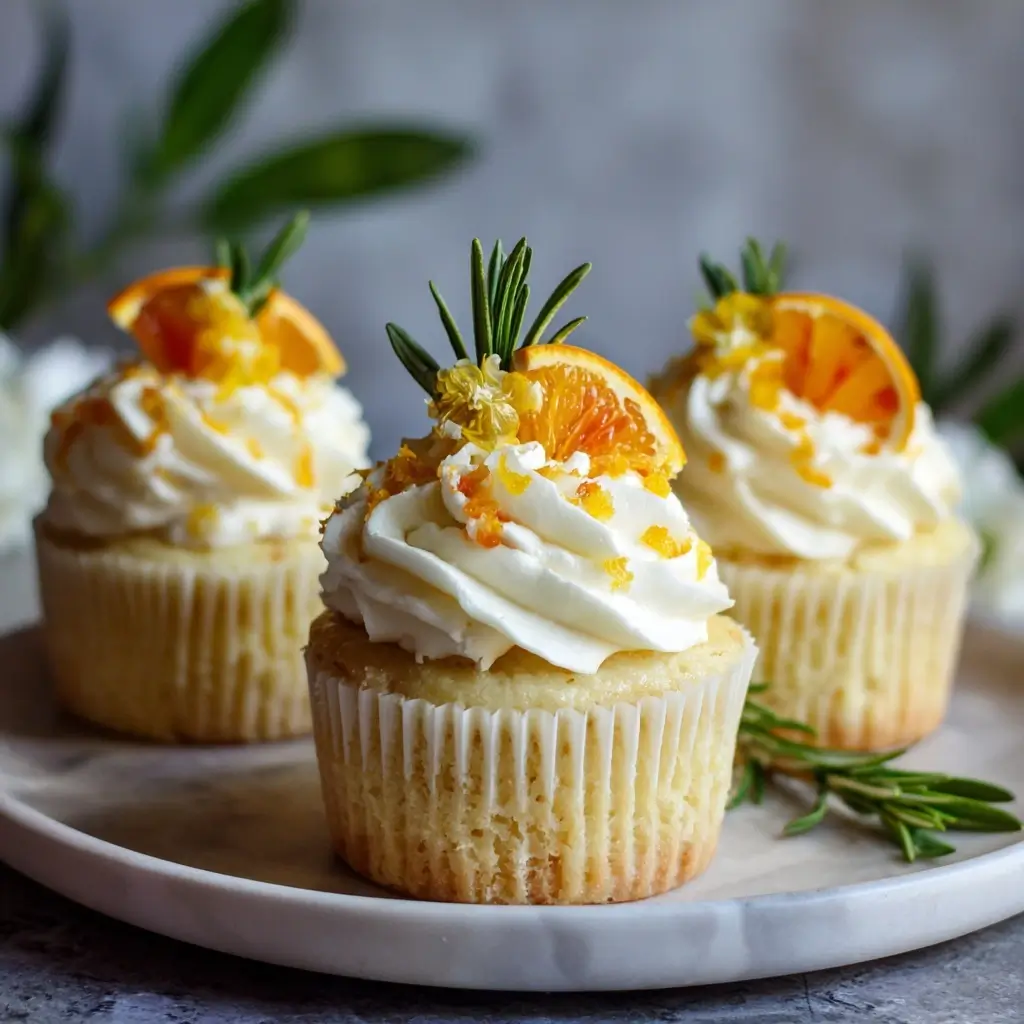
Olive Oil Citrus Cupcakes are a luminous fusion of Mediterranean tradition and modern baking elegance—moist, fragrant, and luxuriously tender with a subtle, sophisticated depth that only extra virgin olive oil can impart. Unlike conventional butter-based cupcakes, these treats celebrate the fruitiness and peppery finish of high-quality olive oil while letting vibrant citrus notes—zest and juice from oranges, lemons, and/or blood oranges—shine through in every bite. Light yet rich, airy yet substantial, they defy expectations: no dairy-heavy batter, no artificial emulsifiers, just pure, clean ingredients working in harmony. Whether served at a sun-drenched brunch, a refined afternoon tea, or as an unexpected dessert at a dinner party, these cupcakes evoke the warmth of coastal Italy, the zest of Andalusian orchards, and the quiet sophistication of artisanal baking—all in a single, golden-domed bite.
The History
The origins of olive oil–based baking stretch back over two millennia, rooted in ancient Greek and Roman culinary practices where olive oil was not only a staple fat but a revered ingredient in both savory and sweet preparations—from honey-sweetened olive oil cakes mentioned by Athenaeus in the 2nd century CE to medieval Spanish *tortas de aceite* and Sicilian *torta di ricotta e olio*. In modern times, the revival of olive oil desserts gained momentum in the late 20th century, championed by chefs like Lidia Bastianich and food writers such as Nancy Harmon Jenkins, who highlighted the versatility and health benefits of using premium extra virgin olive oil in place of butter or neutral oils. The citrus cupcake iteration emerged organically from this renaissance—first appearing in artisanal bakeries across Provence and Liguria, then gaining traction in American farm-to-table kitchens in the early 2010s. Influenced by Italian *ciambelline all’olio*, Spanish *muffins de naranja*, and Middle Eastern orange–olive oil cakes, today’s Olive Oil Citrus Cupcakes represent a global cross-pollination: a celebration of terroir, seasonality, and mindful indulgence.
Ingredients Breakdown
Every component in this recipe is intentionally selected—not just for flavor, but for function and synergy:
- Extra Virgin Olive Oil (EVOO): The cornerstone—use a mild-to-medium intensity, fruit-forward, low-bitterness, low-peppery EVOO (e.g., Arbequina, Koroneiki, or a balanced Tuscan blend). Its polyphenols stabilize the batter, its monounsaturated fats yield unparalleled moisture retention, and its aromatic compounds amplify citrus volatiles. Never use “light” or refined olive oil—it lacks both flavor and functional integrity.
- Citrus Zest (Orange + Lemon): Microplaned zest from organic, unwaxed fruit delivers essential oils—limonene, citral, and γ-terpinene—that provide top-note brightness and aromatic lift. Using two varieties creates layered complexity: orange for sweetness and roundness, lemon for sharpness and lift.
- Fresh Citrus Juice: Cold-pressed, not bottled. Adds acidity to activate baking soda (if used), balances sweetness, and contributes natural pectins that enhance crumb structure. Strain meticulously to avoid pulp interference.
- Almond Flour (Blanched, Fine): Not a mere gluten-free substitute—it adds nutty depth, tenderness, and fat content that complements olive oil. Its fine particle size improves batter homogeneity and yields a velvety crumb without gumminess.
- All-Purpose Flour (or Optional Whole Wheat Pastry Flour Blend): Provides gluten structure—but kept at a precise ratio to avoid toughness. Sifting is non-negotiable for even aeration.
- Raw Cane Sugar or Organic Turbinado Sugar: Less processed than granulated white sugar, it retains trace molasses minerals that deepen caramelization during baking and support Maillard reactions for golden crust development.
- Eggs (Large, Room Temperature): Act as emulsifiers—binding oil and aqueous components—and contribute lecithin for stability and protein for gentle rise. Yolks add richness; whites lend lightness when properly incorporated.
- Full-Fat Sour Cream or Greek Yogurt: Adds tang, fat, and acidity—enhancing moisture, tenderness, and shelf life. Its lactic acid also subtly modifies starch gelatinization for improved texture.
- Pure Vanilla Extract (Alcohol-Based, Madagascar Bourbon): Anchors the citrus with warm, floral, creamy undertones and rounds out sharp top notes.
- Baking Powder + Baking Soda (Dual-Leavening System): Baking powder provides consistent lift; baking soda reacts with citrus acid for rapid initial expansion and subtle browning enhancement.
- Fleur de Sel or Flaky Sea Salt: A tiny amount heightens sweetness, suppresses bitterness, and intensifies overall flavor perception via sodium ion modulation of taste receptors.
Step-by-Step Recipe
- Prep & Preheat: Line a standard 12-cup muffin tin with unbleached parchment liners (not paper cups—they inhibit browning). Preheat oven to 350°F (175°C) with convection off. Position rack in center third. Allow all refrigerated ingredients (eggs, sour cream, citrus juice) to reach room temperature (68–72°F) for 45 minutes—critical for uniform emulsion.
- Zest & Juice: Using a microplane, zest 1 large organic orange and 1 large organic lemon directly into a small bowl. Rotate fruit frequently to avoid bitter pith. Then juice both fruits separately—strain juice through a fine-mesh sieve into a liquid measuring cup. You’ll need exactly ⅓ cup total (adjust ratio to preference: 3 tbsp orange + 1 tbsp lemon for milder profile; 2 tbsp each for balance; 1 tbsp orange + 3 tbsp lemon for brightness).
- Dry Ingredients: In a medium bowl, whisk together 1¾ cups (210g) all-purpose flour, ½ cup (50g) blanched almond flour, 1½ tsp aluminum-free baking powder, ¼ tsp baking soda, and ¾ tsp flaky sea salt. Sift twice through a fine-mesh strainer into the same bowl—this aerates and removes clumps, ensuring even distribution of leaveners.
- Wet Emulsion: In a large heatproof bowl (preferably stainless steel), combine ¾ cup (180ml) high-quality extra virgin olive oil, 1 cup (200g) raw cane sugar, and the citrus zest. Whisk vigorously for 90 seconds until thick, pale, and slightly ribbon-like—this incorporates air and begins emulsification. Add 3 large room-temperature eggs, one at a time, whisking fully after each addition (20 seconds per egg). Then whisk in ½ cup (120g) full-fat sour cream and 1 tsp pure vanilla extract until smooth and homogenous—no streaks.
- Acid Integration: Gently fold in the strained citrus juice using a silicone spatula—do not overmix; just 8–10 folds until barely combined. Over-agitation here can cause premature activation of leaveners and result in tunneling.
- Dry-Wet Incorporation: Add one-third of the dry mixture to the wet mixture. Fold gently with a spatula using 12–15 broad, sweeping motions—cut down center, sweep across bottom, lift up and over—until mostly incorporated (a few dry streaks remain). Repeat with second third, then final third—always folding minimally. Batter should be glossy, thick but pourable, with no visible flour pockets. Total mixing time: under 60 seconds.
- Filling & Resting: Divide batter evenly among lined cups using a 2-oz ice cream scoop (≈¼ cup per liner). Tap pan firmly on countertop 3 times to release air bubbles. Let batter rest undisturbed for 15 minutes—this allows gluten relaxation, starch hydration, and leavener pre-activation for optimal oven spring.
- Baking: Bake for 19–22 minutes—start checking at 18 min. Cupcakes are done when tops are domed, golden, springy to light touch, and a toothpick inserted into center emerges with *moist crumbs* (not wet batter, not dry). Rotate pan front-to-back at 12 minutes for even baking. Avoid opening oven door before 16 minutes—temperature fluctuations cause collapse.
- Cooling: Cool cupcakes *in the pan* on a wire rack for exactly 8 minutes—this sets the crumb’s structure. Then carefully transfer to rack and cool completely (≥45 minutes) before frosting. Warm cupcakes will melt glaze or cause frosting to slide.
Tips
- Oil Quality Is Non-Negotiable: Taste your olive oil before baking—if it tastes rancid, muddy, or overly bitter, discard it. Ideal EVOO should smell like fresh grass, green apple, or ripe tomato leaf, with a clean, peppery finish on the throat.
- Zest Before Juicing: Zesting first prevents juice-slicked skin from clogging your microplane and ensures maximum oil yield.
- No Overmixing—Ever: Once dry ingredients meet wet, stop as soon as no flour is visible. Overmixed batter develops gluten strands that yield dense, gummy cupcakes.
- Room-Temperature Rule: Cold eggs or sour cream break emulsions, causing oil separation and uneven crumb. If rushed, submerge cold eggs in warm water for 5 minutes; let sour cream sit out for 20 minutes.
- Scale, Don’t Scoop: Use a digital kitchen scale for flour—1 cup AP flour = 120g. Scooping leads to 25–40% excess flour and dry results.
- Convection Caution: If using convection, reduce temperature to 325°F and decrease bake time by 1–2 minutes. Monitor closely—convection dries surfaces faster.
- Altitude Adjustment: Above 3,000 ft? Increase oven temp by 15–25°F, reduce sugar by 1 tbsp, and add 1 tbsp extra sour cream for moisture retention.
- Freezing Success: Unfrosted, fully cooled cupcakes freeze beautifully for up to 3 months. Wrap individually in parchment + foil, store in airtight container. Thaw overnight at room temp—texture remains nearly identical.
- Make-Ahead Batter: Prepared batter keeps refrigerated (covered) for up to 12 hours. Stir gently before portioning—cold batter may require +1–2 min bake time.
- Golden Crust Secret: For deeper color and aroma, brush cooled cupcakes lightly with 1 tsp warmed EVOO mixed with ⅛ tsp orange blossom water—let absorb 5 minutes before glazing.
Variations and Customizations
- Blood Orange & Rosemary: Substitute blood orange for all citrus; add 1 tsp finely minced fresh rosemary (not dried) to dry ingredients. Finish with edible rose petals and rosewater–infused glaze.
- Lemon-Thyme & Lavender: Use all lemon zest/juice; add ½ tsp finely ground culinary lavender + 1 tsp minced fresh thyme to dry mix. Glaze with lemon-lavender icing.
- Orange-Ginger & Cardamom: Add 1 tbsp freshly grated ginger (well-drained) + 1¼ tsp ground cardamom to wet mixture. Garnish with candied ginger ribbons.
- Vegan Adaptation: Replace eggs with 3 tbsp aquafaba + 1 tsp apple cider vinegar (whipped to soft peaks); swap sour cream for coconut yogurt (unsweetened, full-fat); ensure sugar is vegan-certified. Increase oil to ⅞ cup for richness.
- Gluten-Free Version: Use 1:1 GF baking blend (with xanthan gum) + 2 tbsp psyllium husk powder (to mimic gluten elasticity). Reduce bake time by 1–2 minutes and check early.
- Mini Cupcakes: Fill 24 mini cups ⅔ full. Bake at 350°F for 11–13 minutes. Yield: ~28 mini cupcakes.
- Loaf Cake Format: Pour batter into greased & parchment-lined 9×5-inch loaf pan. Bake 55–65 minutes. Cool 20 min in pan, then invert onto rack.
- Streusel-Topped: Mix ¼ cup brown sugar, 2 tbsp flour, 1 tbsp cold butter, ½ tsp cinnamon, and 1 tsp orange zest. Sprinkle generously pre-bake.
- Savory-Sweet Herb Variation: Omit citrus zest/juice; add 1 tbsp finely chopped preserved lemon rind + 1 tsp chopped fresh oregano. Pair with feta–honey glaze.
- Chocolate-Olive Oil Swirl: Reserve ⅓ cup batter; stir in 2 tbsp unsweetened cocoa + 1 tsp espresso powder. Alternate spoonfuls in liners, swirl gently with a skewer.
Health Considerations and Nutritional Value
Olive Oil Citrus Cupcakes offer notable nutritional advantages over traditional butter- or shortening-based versions—without sacrificing pleasure or performance. Per standard cupcake (⅟₁₂ of batch, unfrosted):
- Calories: ~245 kcal — moderate for a dessert, with energy-dense but nutrient-rich sources.
- Healthy Fats: ~14g total fat, of which 11g are heart-healthy monounsaturated fatty acids (oleic acid), shown in clinical studies to improve LDL:HDL ratios and reduce vascular inflammation.
- Antioxidants: Rich in polyphenols (oleuropein, hydroxytyrosol) from EVOO and flavonoids (hesperidin, naringenin) from citrus—both linked to reduced oxidative stress and improved endothelial function.
- Lower Saturated Fat: Just 1.8g sat fat vs. 5–7g in butter-based counterparts—supporting cardiovascular guidelines recommending <10% daily calories from saturated fat.
- No Trans Fats or Artificial Ingredients: Zero partially hydrogenated oils, preservatives, or synthetic emulsifiers.
- Glycemic Impact: Moderate glycemic load (~12) due to fiber from almond flour and acidity from citrus, slowing glucose absorption versus high-sugar, low-acid baked goods.
- Micronutrient Profile: Provides vitamin E (1.8mg, 12% DV), calcium (from sour cream), potassium (from citrus), and magnesium (from EVOO and whole grain options).
- Dietary Flexibility: Easily adapted for dairy-free (coconut yogurt), egg-free (flax/aquafaba), and gluten-free diets—making them inclusive for many common restrictions.
- Portion-Conscious Design: Naturally satisfying due to healthy fats and protein—promoting satiety and reducing likelihood of overconsumption.
- Not “Health Food”—But Mindful Indulgence: These cupcakes exemplify the Mediterranean diet principle: sweets made with intention, quality, and balance—not deprivation, but elevation.
Ingredients
- ¾ cup (180 ml) high-quality extra virgin olive oil (fruit-forward, mild-to-medium intensity)
- 1 cup (200 g) raw cane sugar or organic turbinado sugar
- Zest of 1 large organic orange + 1 large organic lemon (≈2 tbsp total)
- ⅓ cup (80 ml) freshly squeezed, strained orange and/or lemon juice (see Step-by-Step for ratios)
- 3 large eggs, room temperature
- ½ cup (120 g) full-fat sour cream or plain Greek yogurt
- 1 teaspoon pure vanilla extract (Madagascar bourbon preferred)
- 1¾ cups (210 g) all-purpose flour, preferably organic and unbromated
- ½ cup (50 g) blanched almond flour, ultra-fine
- 1½ teaspoons aluminum-free baking powder
- ¼ teaspoon baking soda
- ¾ teaspoon flaky sea salt (e.g., Maldon or fleur de sel)
Directions
- Preheat oven to 350°F (175°C). Line a 12-cup standard muffin tin with parchment cupcake liners.
- Zest orange and lemon into a small bowl. Juice fruits and strain juice into a separate liquid measuring cup—ensure you have exactly ⅓ cup.
- In a medium bowl, whisk together all-purpose flour, almond flour, baking powder, baking soda, and salt. Sift twice and set aside.
- In a large bowl, whisk olive oil, sugar, and citrus zest for 90 seconds until pale and slightly thickened. Add eggs one at a time, whisking thoroughly after each. Whisk in sour cream and vanilla until smooth.
- Gently fold in citrus juice with a silicone spatula—just until combined.
- Add dry ingredients in three parts, folding gently with each addition until *just* incorporated—no more than 60 seconds total mixing. Do not overmix.
- Divide batter evenly among liners (≈¼ cup each). Tap pan firmly on counter 3 times. Rest batter 15 minutes at room temperature.
- Bake 19–22 minutes, rotating pan at 12 minutes, until golden, domed, and springy to touch. A toothpick should reveal moist crumbs—not wet batter.
- Cool in pan 8 minutes, then transfer to wire rack. Cool completely (≥45 minutes) before glazing or serving.
FAQ
- Can I use bottled citrus juice?
- No—bottled juice lacks volatile aromatic compounds and contains preservatives (e.g., sodium benzoate) that can dull flavor and interfere with leavening. Freshly squeezed is essential.
- Why does the recipe use both baking powder AND baking soda?
- Baking powder provides baseline lift; baking soda reacts instantly with the acidity in citrus juice to create rapid CO₂ release—yielding greater volume, finer crumb, and enhanced golden-brown color via Maillard reaction acceleration.
- My cupcakes sank in the center—what went wrong?
- Most common causes: opening oven too early (before 16 min), underbaking (toothpick came out too clean), overmixing batter, or using expired leaveners. Always test with *moist crumbs*, not dry.
- Can I substitute another oil—like avocado or grapeseed?
- You can, but you’ll lose the signature complexity. Avocado oil adds grassy notes but minimal fruitiness; grapeseed is neutral and lacks antioxidants. EVOO is irreplaceable for authentic flavor and functional benefits.
- How long do they keep—and how should I store them?
- Unfrosted: Store airtight at room temperature up to 2 days, or refrigerated up to 5 days. Frosted (with citrus glaze): Refrigerate up to 3 days—bring to room temp 30 min before serving. Freeze unfrosted for up to 3 months.
- Can I make them ahead for an event?
- Absolutely. Bake 1–2 days ahead, cool completely, wrap tightly in parchment + foil, and store at room temp. Frost day-of for best texture and appearance.
- Is there a way to make them lower in sugar?
- You can reduce sugar to ¾ cup—but below that, texture suffers (less tenderness, poor browning, weaker structure). Alternatively, replace ¼ cup sugar with 2 tbsp date paste (blended dates + water) for added fiber and minerals.
- What’s the best glaze pairing?
- A simple citrus glaze shines: 1 cup powdered sugar + 2–3 tbsp fresh citrus juice (same variety used in batter) + ¼ tsp salt. Optional: 1 tsp EVOO swirled in at the end for sheen and depth.
- Why is almond flour included—and can I omit it?
- Almond flour enhances moisture, tenderness, and nutty nuance while improving shelf life. Omitting it yields drier, less complex cupcakes. Substituting with more AP flour creates excessive gluten and toughness—do not substitute 1:1.
- Can I add blueberries or raspberries?
- Yes—but toss 1 cup fresh or frozen (unthawed) berries in 1 tbsp flour before folding in *gently* at the very end (3–4 folds only) to prevent sinking and bleeding. Reduce juice by 1 tbsp if adding frozen berries.
Summary
Olive Oil Citrus Cupcakes are a masterclass in minimalist, ingredient-driven baking—where premium extra virgin olive oil and vibrant, seasonal citrus unite to create cupcakes of extraordinary moisture, nuanced aroma, and elegant simplicity.
They honor centuries-old Mediterranean traditions while embracing modern sensibilities: nutritionally thoughtful, technically precise, endlessly adaptable, and irresistibly delicious—proof that restraint, respect for quality, and attention to detail transform humble pantry staples into moments of pure, sunlit joy.