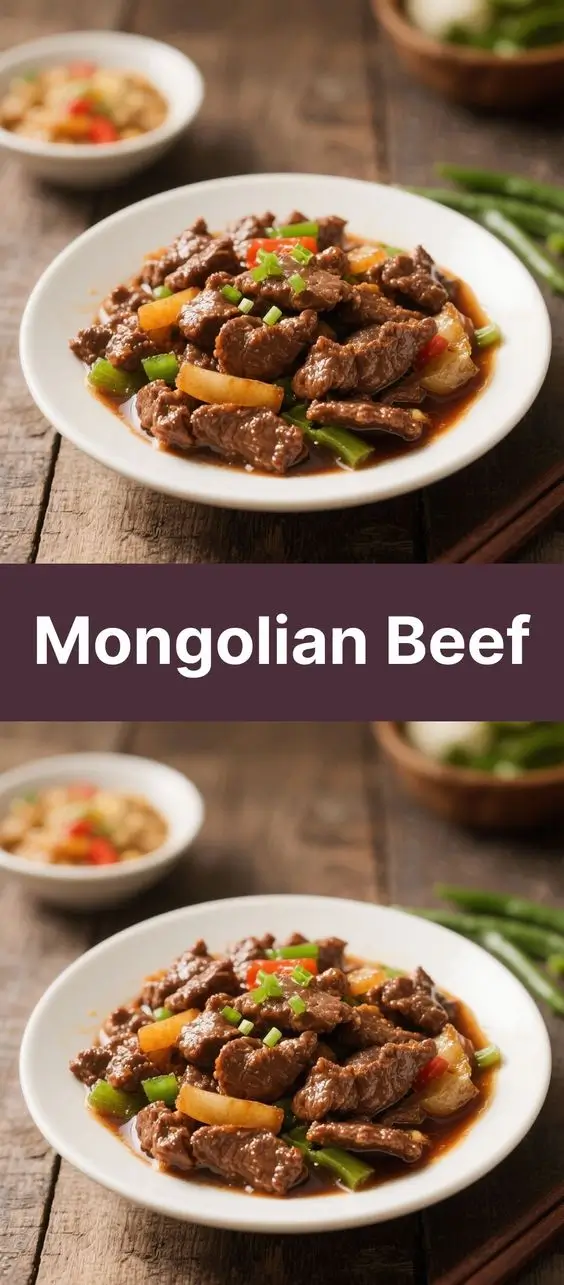
Mongolian Beef: A Flavorful Journey Through Taste and Tradition
The History of Mongolian Beef
Despite its name, Mongolian beef is not a traditional dish from Mongolia. In fact, it is an American-Chinese culinary creation that emerged in the United States during the late 20th century. The dish likely originated in Chinese-American restaurants seeking to cater to Western palates with bold flavors and tender textures. While Mongolia itself has a cuisine based primarily on dairy, meat (especially mutton and beef), and hearty stews suited for cold climates, this particular recipe bears little resemblance to authentic Mongolian fare.
The term “Mongolian” in this context may have been used more as a marketing label to evoke images of exotic, nomadic flavors rather than reflect actual regional cooking techniques. Some food historians suggest the dish could be loosely inspired by Mongolian barbecue—a style popularized in Taiwan where meats and vegetables are stir-fried on large iron griddles—but even then, Mongolian beef is much simpler and sauce-driven compared to that interactive dining experience.
Over time, Mongolian beef gained widespread popularity across North America due to its rich, savory-sweet profile and ease of preparation. It became a staple on takeout menus and home kitchens alike, often paired with steamed rice or noodles. Today, it stands as a prime example of fusion cuisine—where Eastern techniques meet Western tastes, resulting in a beloved classic that continues to evolve with modern dietary preferences and global flavor influences.
Ingredients Breakdown
The magic of Mongolian beef lies in the harmony of its ingredients—each contributing to the dish’s signature balance of sweet, salty, umami, and aromatic notes. Below is a detailed look at every component:
- Flank Steak or Sirloin (1 lb / 450g): These cuts are ideal for quick cooking methods like stir-frying. Flank steak offers robust flavor and a slightly chewy texture when sliced thinly against the grain, while sirloin provides tenderness and marbling.
- Soy Sauce (½ cup low-sodium): Provides saltiness and deep umami richness. Low-sodium soy sauce allows better control over salt content without sacrificing flavor.
- Brown Sugar (¼ cup packed): Adds sweetness that balances the saltiness of soy sauce. Its molasses content also contributes to the glossy sheen of the sauce.
- Garlic (3 cloves, minced): Imparts a pungent, aromatic base note essential for depth of flavor.
- Fresh Ginger (1 tbsp grated): Offers a bright, spicy warmth that complements the beef and enhances overall complexity.
- Sesame Oil (1 tsp toasted): Delivers a nutty aroma and rich finish. Toasted sesame oil should be added toward the end of cooking to preserve its delicate fragrance.
- Green Onions (4–5 stalks, sliced): Provide freshness and mild onion flavor. Typically used both during cooking and as garnish for visual appeal.
- Cornstarch (2 tbsp): Used both to marinate the beef (for tenderizing) and to thicken the sauce into a velvety glaze.
- Water or Beef Broth (¼ cup): Forms the liquid base of the sauce, helping dissolve sugar and carry flavors evenly.
- Vegetable Oil (2 tbsp): High smoke point oil suitable for high-heat searing and stir-frying without burning.
- Red Pepper Flakes (optional, ½ tsp): Introduces a subtle heat for those who enjoy a touch of spice.
Optional additions include hoisin sauce (for extra sweetness and body), rice vinegar (to add brightness), or chili garlic sauce (for spicier profiles). Some recipes also use oyster sauce to deepen the umami character.
Step-by-Step Recipe
- Prepare the Beef: Slice 1 pound of flank steak or sirloin into thin strips, about ¼ inch thick, cutting against the grain to ensure tenderness. Place in a bowl and toss with 1 tablespoon cornstarch until evenly coated. This step helps tenderize the meat and creates a light crust when seared.
- Make the Sauce: In a separate mixing bowl, combine ½ cup low-sodium soy sauce, ¼ cup packed brown sugar, ¼ cup water or beef broth, 1 tablespoon cornstarch, 3 minced garlic cloves, 1 tablespoon grated fresh ginger, and optional red pepper flakes. Whisk thoroughly until the sugar and cornstarch are fully dissolved. Set aside.
- Heat the Pan: Heat a large skillet, wok, or sauté pan over medium-high heat. Add 1 tablespoon of vegetable oil and allow it to shimmer but not smoke.
- Sear the Beef: Working in batches if necessary to avoid overcrowding, add the cornstarch-coated beef in a single layer. Sear for 1–2 minutes per side until browned but not fully cooked through. Remove and set aside on a plate. Overcrowding leads to steaming instead of browning, so patience here ensures proper caramelization.
- Build the Aromatics: Reduce heat to medium, add another teaspoon of oil if needed, then stir in half of the sliced green onions (white parts first), along with any remaining garlic and ginger from the sauce mixture. Sauté for 30–60 seconds until fragrant—do not let them burn.
- Add the Sauce: Pour the prepared sauce into the pan, stirring constantly. Bring to a gentle boil, allowing the mixture to thicken into a glossy, translucent glaze—this usually takes 1 to 2 minutes. If too thick, add a splash more water; if too thin, simmer longer or add a slurry of cornstarch and water.
- Combine Beef and Sauce: Return the seared beef (along with any accumulated juices) to the pan. Stir well to coat every piece with the sauce. Let simmer for another 1–2 minutes until the beef is fully cooked and the flavors meld together.
- Finish with Sesame Oil: Remove from heat and drizzle in 1 teaspoon of toasted sesame oil. Toss gently to incorporate. This final touch adds a luxurious, nutty finish that defines the dish.
- Garnish and Serve: Transfer to a serving platter and top generously with the remaining green onions (green parts). Optionally sprinkle with toasted sesame seeds for added crunch and presentation.
Tips for Perfect Mongolian Beef
- Always cut against the grain: This shortens muscle fibers, making the beef significantly more tender and easier to chew.
- Don’t skip the cornstarch on meat: It acts as a protective barrier during searing, locks in moisture, and promotes browning via the Maillard reaction.
- Use freshly grated ginger and garlic: Pre-minced versions lack vibrancy and often contain preservatives that dull the taste.
- Prep everything ahead of time (mise en place): Stir-fries move quickly, so having all ingredients measured and ready prevents scrambling mid-cook.
- Avoid overcooking the beef: Since it’s sliced thinly, overcooking will make it tough. Aim for just done—slightly pink inside is acceptable and preferred for juiciness.
- Adjust sweetness carefully: Taste your sauce before adding it to the pan. Some brands of soy sauce vary in saltiness, so balancing sugar accordingly is key.
- Double the sauce for saucier results: If you love extra sauce to pour over rice, simply increase all sauce ingredients proportionally.
- Let the beef rest after slicing: After refrigerating briefly (even 15–20 minutes), the slices firm up and become easier to handle during cooking.
Variations and Customizations
Mongolian beef is highly adaptable, lending itself beautifully to creative twists based on dietary needs, cultural fusion, or pantry availability. Here are some popular variations:
- Vegetarian/Vegan Version: Replace beef with thickly sliced portobello mushrooms, seitan, tofu, or cauliflower steaks. Use tamari or coconut aminos instead of soy sauce to keep it gluten-free or soy-free. For vegan adaptation, ensure no animal-derived broths are used.
- Spicy Mongolian Beef: Add sriracha, sambal oelek, or a spoonful of doubanjiang (fermented broad bean paste) to the sauce. You can also increase red pepper flakes or include sliced fresh Thai chilies for intense heat.
- Pineapple Mongolian Beef: Inspired by Hawaiian-Chinese fusion, add canned or fresh pineapple chunks during the last minute of cooking for a sweet-tart contrast.
- Gluten-Free Adaptation: Substitute regular soy sauce with certified gluten-free tamari or coconut aminos. Ensure cornstarch is labeled GF (though typically safe, cross-contamination can occur).
- Keto/Low-Carb Version: Omit brown sugar entirely and use a keto-friendly sweetener like erythritol or monk fruit blend. Reduce or eliminate cornstarch, using xanthan gum (¼ tsp) for thickening if needed.
- With Vegetables: Turn it into a one-pan meal by stir-frying bell peppers, broccoli, snap peas, carrots, or baby corn alongside the aromatics before adding the sauce.
- Hoisin-Enhanced: Mix in 1–2 tablespoons of hoisin sauce to deepen the sweetness and add complexity reminiscent of Peking-style sauces.
- Slow Cooker Method: While unconventional, you can adapt the recipe by browning the beef first, then transferring to a slow cooker with sauce ingredients and cooking on low for 4–6 hours. Finish by reducing the sauce on the stove with cornstarch slurry.
- Meal Prep Friendly: Cook a large batch and store portions in airtight containers. Reheats well in microwave or skillet with a splash of water to revive the sauce.
Health Considerations and Nutritional Value
While undeniably delicious, Mongolian beef can be high in sodium and sugar depending on preparation. However, with mindful adjustments, it can fit into a balanced diet:
Nutrition Facts (Per Serving, Approximate – serves 4)
- Calories: ~380 kcal
- Protein: 30g (excellent source)
- Total Fat: 14g (mostly from healthy oils and natural fats in beef)
- Saturated Fat: 5g
- Carbohydrates: 32g
- Sugars: 22g (primarily from brown sugar)
- Sodium: 900–1200mg (can exceed daily recommendations if not monitored)
- Dietary Fiber: 1g
Health Tips:
- Lower Sodium Option: Use reduced-sodium soy sauce and increase herbs like garlic, ginger, and green onions to maintain flavor without excess salt.
- Reduce Sugar: Cut brown sugar by half or substitute with date syrup or maple syrup in moderation. Alternatively, use non-nutritive sweeteners for diabetic diets.
- Leaner Cuts: Opt for trimmed sirloin or eye of round to reduce saturated fat content.
- Add Veggies: Bulk up the dish with fiber-rich vegetables to improve nutrient density and satiety.
- Serve Smart: Pair with cauliflower rice, quinoa, or brown rice instead of white rice for improved glycemic response and added fiber.
- Portion Control: Enjoy moderate servings (about 1 cup over rice) to prevent excessive intake of sugar and sodium.
Ingredients
- 1 lb (450g) flank steak or top sirloin, thinly sliced against the grain
- 2 tbsp cornstarch, divided
- ½ cup low-sodium soy sauce (or tamari for gluten-free)
- ¼ cup packed brown sugar (or substitute with monk fruit blend for low-carb)
- ¼ cup water or low-sodium beef broth
- 3 cloves garlic, minced
- 1 tbsp fresh ginger, grated
- 4–5 green onions, sliced (separate white and green parts)
- 2 tbsp vegetable oil, divided
- 1 tsp toasted sesame oil
- ½ tsp red pepper flakes (optional)
- Toasted sesame seeds (for garnish, optional)
Directions
- In a bowl, toss sliced beef with 1 tablespoon cornstarch until evenly coated. Set aside.
- In another bowl, whisk together soy sauce, brown sugar, water (or broth), remaining 1 tablespoon cornstarch, garlic, ginger, and red pepper flakes (if using). Mix until smooth and set aside.
- Heat 1 tablespoon vegetable oil in a large skillet or wok over medium-high heat. Add beef in a single layer and sear for 1–2 minutes per side until browned. Remove and set aside.
- Reduce heat to medium, add remaining oil if needed, then sauté the white parts of green onions, plus any leftover garlic/ginger, for 30 seconds until fragrant.
- Pour in the sauce mixture and bring to a boil, stirring frequently. Simmer for 1–2 minutes until the sauce thickens and becomes glossy.
- Return the beef to the pan, stirring to coat with sauce. Cook for an additional 1–2 minutes until heated through and fully combined.
- Remove from heat. Stir in toasted sesame oil and the green parts of the onions.
- Transfer to a serving dish, garnish with extra green onions and sesame seeds if desired.
- Serve immediately over steamed white rice, brown rice, noodles, or cauliflower rice.
FAQ
Is Mongolian beef actually from Mongolia?
No, despite the name, Mongolian beef is an American-Chinese dish created in the United States. It does not resemble traditional Mongolian cuisine, which focuses on lamb, dairy, and simple boiled dishes due to the region’s harsh climate and nomadic lifestyle.
Can I make Mongolian beef ahead of time?
Yes! You can prep the sauce and slice the beef up to 24 hours in advance. Store separately in airtight containers in the refrigerator. For full meals, leftovers keep well for 3–4 days and reheat nicely on the stove or microwave.
Why is my sauce too thin or too thick?
If too thin, simmer longer or add a cornstarch slurry (1 tsp cornstarch + 1 tbsp water). If too thick, dilute with small amounts of water or broth until desired consistency is reached.
Can I freeze Mongolian beef?
Yes, though the texture of the beef may soften slightly upon thawing. Freeze in portioned containers for up to 2–3 months. Thaw overnight in the fridge and reheat gently on the stove with a splash of water.
What can I substitute for soy sauce?
You can use tamari (gluten-free), coconut aminos (lower sodium, sweeter), or liquid aminos. Avoid fish sauce unless adapting for umami depth in non-vegetarian versions.
How do I get restaurant-quality tender beef?
The secret is cornstarch coating + high-heat searing + slicing against the grain. Marinating the beef briefly (15–30 min) in cornstarch and a bit of water also helps retain moisture.
Can I cook this in the oven?
Not recommended. Mongolian beef relies on rapid cooking methods like stir-frying to achieve tenderness and gloss. Oven cooking would dry out the meat and fail to create the desired texture.
Is Mongolian beef spicy?
Traditionally, no—it’s mildly sweet and savory. However, many restaurants offer a spicy version by adding chili oil or red pepper flakes. Adjust to taste.
Summary
Mongolian beef is a vibrant American-Chinese stir-fry featuring tender slices of beef bathed in a sweet, savory, and aromatic sauce made from soy sauce, brown sugar, garlic, and ginger. Though not authentically Mongolian, it remains a crowd-pleasing favorite known for its bold flavors and quick preparation.
Easily customizable for various diets—from keto to vegan—and perfect for weeknight dinners or meal prep, this dish exemplifies how global cuisines blend to create something uniquely satisfying and deeply comforting.