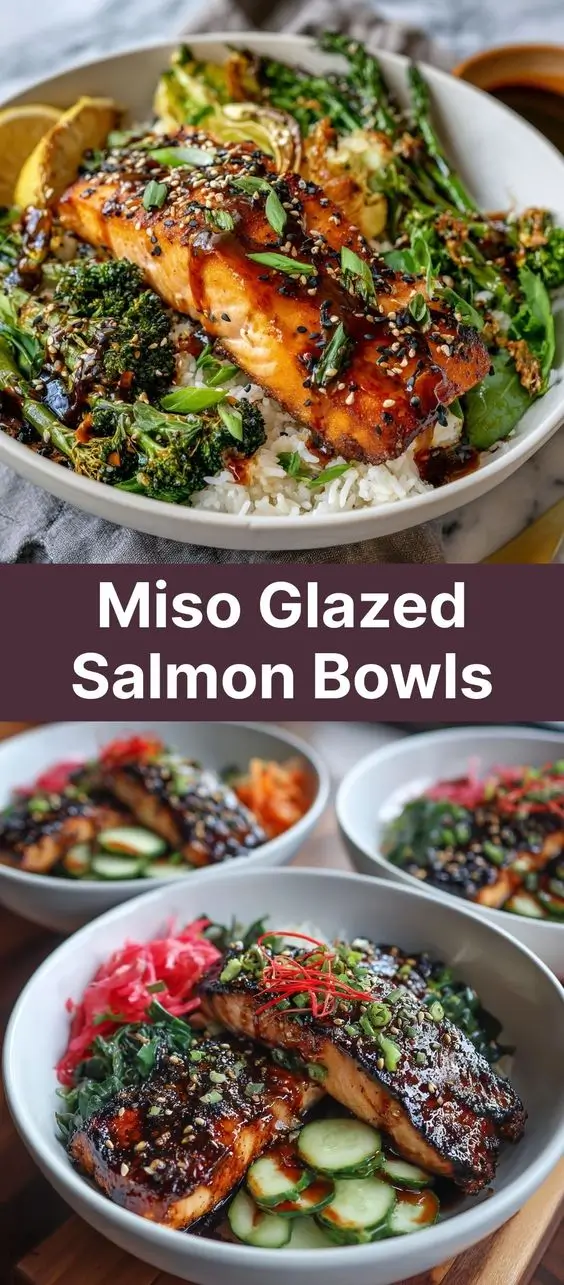
Miso Glazed Salmon Bowls: A Flavorful Fusion of Umami and Freshness
The History
Miso glazed salmon is a modern culinary masterpiece that blends traditional Japanese flavors with contemporary Western presentation, particularly popularized through the rise of fusion cuisine in the late 20th century. While miso paste has been a staple in Japanese cooking for over 1,300 years—used in soups, marinades, and pickling—the application of miso as a glaze for fish gained international fame in the 1980s, thanks largely to celebrity chef Nobu Matsuhisa. His iconic black cod with miso (often mistaken for salmon) introduced the world to the luxurious depth of flavor that miso could bring to seafood. Over time, chefs and home cooks alike adapted the technique for salmon, which offers a rich, fatty texture ideal for absorbing the sweet-savory umami of the miso marinade. Today, miso glazed salmon bowls represent a harmonious marriage of Japanese tradition and global bowl culture, combining elements like rice, vegetables, and sauces into a single, satisfying meal perfect for lunch or dinner.
Ingredients Breakdown
The magic of a miso glazed salmon bowl lies in its balance of textures and tastes, achieved through carefully selected ingredients. Each component plays a vital role:
- Fresh Salmon Fillets: The star of the dish. Opt for center-cut, skin-on fillets with even marbling for optimal moisture and flavor during cooking.
- White Miso Paste: This mild, slightly sweet fermented soybean paste forms the base of the glaze. It’s less salty than red miso, making it ideal for delicate proteins like salmon.
- Maple Syrup or Honey: Adds natural sweetness to counterbalance the saltiness of miso and promote caramelization when broiled or grilled.
- Rice Vinegar: Enhances brightness and helps tenderize the salmon while blending into the glaze.
- Soy Sauce or Tamari: Deepens the savory umami profile; tamari is gluten-free and richer in flavor.
- Sesame Oil: Imparts a nutty aroma and richness to both the glaze and finishing touches.
- Garlic and Ginger: Freshly minced for aromatic complexity and a gentle heat that complements the miso without overpowering it.
- Jasmine or Sushi Rice: Serves as the warm, fluffy foundation. Sticky rice holds the bowl together and absorbs the sauce beautifully.
- Vegetables: Common additions include steamed broccoli, sautéed bok choy, shredded carrots, sliced cucumbers, edamame, avocado, and pickled radishes for tang and crunch.
- Toppings: Sesame seeds (white and black), sliced green onions, nori strips, microgreens, or spicy mayo for extra flair.
Step-by-Step Recipe
- Prepare the Marinade: In a small bowl, whisk together 1/4 cup white miso paste, 2 tablespoons maple syrup, 1 tablespoon rice vinegar, 1 tablespoon soy sauce, 1 teaspoon sesame oil, 1 minced garlic clove, and 1 tablespoon grated fresh ginger until smooth.
- Marinate the Salmon: Pat 4 salmon fillets dry and place them in a shallow dish or resealable bag. Pour the marinade over the fillets, ensuring each piece is evenly coated. Cover and refrigerate for at least 30 minutes, but ideally 2–4 hours for deeper flavor (do not exceed 8 hours to avoid breaking down the fish).
- Cook the Rice: Rinse 1 cup jasmine rice under cold water until the water runs clear. Cook according to package instructions or using a rice cooker. Once done, let it rest covered for 10 minutes, then fluff with a fork. For extra flavor, cook the rice with a strip of kombu seaweed.
- Prepare the Vegetables: While the salmon marinates, prep your veggies. Steam broccoli for 5–6 minutes until bright green and tender-crisp. Sauté bok choy in sesame oil and a splash of soy sauce for 3–4 minutes. Slice avocado, cucumber, and green onions. Set aside.
- Cook the Salmon: Preheat your oven to broil (or set grill to medium-high). Remove salmon from marinade (shake off excess) and place on a parchment-lined baking sheet or foil. Broil for 8–12 minutes depending on thickness, until the top is caramelized and the internal temperature reaches 125°F–130°F for medium doneness. For extra gloss, brush with reserved marinade halfway through (only if not contaminated with raw fish juices).
- Assemble the Bowls: Divide the cooked rice among four bowls. Arrange portions of salmon and an assortment of vegetables on top. Drizzle with additional glaze, spicy mayo, or sriracha. Garnish generously with sesame seeds, green onions, and nori.
Tips
- Don’t Over-Marinate: More than 8 hours can make the salmon mushy due to the enzymes in miso and acidity.
- Reserve Some Glaze: Always set aside a portion of the marinade before adding it to raw fish to use as a finishing sauce.
- Baste for Shine: During the last 2 minutes of broiling, baste the salmon with clean glaze for a glossy, restaurant-quality finish.
- Use Fresh Ginger and Garlic: Avoid powdered versions—they lack the vibrant punch needed to balance the rich miso.
- Rest the Salmon: Let it sit for 2–3 minutes after cooking to redistribute juices and prevent flaking.
- Customize Cooking Methods: Pan-sear for crispy skin, grill for smoky notes, or bake at 400°F for a gentler cook.
Variations and Customizations
This recipe is highly adaptable to suit dietary preferences and seasonal ingredients:
- Protein Swap: Use miso-glazed tofu, chicken thighs, shrimp, or black cod instead of salmon for variety.
- Grain Alternatives: Replace white rice with brown rice, quinoa, cauliflower rice (for low-carb), or forbidden black rice for visual drama.
- Gluten-Free: Use tamari instead of soy sauce and verify that your miso is certified gluten-free (some brands contain barley).
- Vegan Option: Skip the salmon and use marinated baked tofu or tempeh with the same glaze.
- Spicy Kick: Add gochujang, sriracha, or chili crisp to the glaze or as a drizzle.
- Seasonal Veggies: Try roasted sweet potatoes in fall, snap peas in spring, or grilled zucchini in summer.
- International Twists: Add mango salsa for a tropical flair, kimchi for Korean influence, or a tahini-lemon drizzle for a Mediterranean touch.
Health Considerations and Nutritional Value
Miso glazed salmon bowls are not only delicious but also packed with nutrients when prepared thoughtfully:
- Omega-3 Fatty Acids: Salmon is one of the best sources of heart-healthy EPA and DHA, which support brain function and reduce inflammation.
- Probiotics: Fermented miso contains beneficial bacteria that may improve gut health, though high heat during cooking reduces live cultures.
- High-Quality Protein: Provides all essential amino acids, helping maintain muscle mass and keep you full longer.
- Low in Saturated Fat: Especially when skin is removed or excess oil is avoided during cooking.
- Rich in Vitamins and Minerals: Includes B vitamins (especially B12), selenium, phosphorus, and vitamin D from salmon; fiber, folate, and antioxidants from vegetables.
- Sodium Watch: Miso and soy sauce are naturally high in sodium. To reduce salt content, use low-sodium soy sauce and dilute miso with a bit of water or citrus juice.
- Sugar Content: Maple syrup adds natural sugar. For lower glycemic impact, reduce the amount or substitute with monk fruit syrup or omit entirely for a more savory profile.
- Caloric Balance: A typical bowl ranges from 500–700 calories depending on rice portion and added fats. Adjust grain quantity and oil usage for calorie control.
Overall, this dish supports heart health, cognitive function, and balanced energy levels, making it suitable for Mediterranean, pescatarian, and flexitarian diets.
Ingredients
- 4 salmon fillets (5–6 oz each), skin-on
- 1/4 cup white miso paste (preferably organic)
- 2 tbsp pure maple syrup (or honey)
- 1 tbsp rice vinegar
- 1 tbsp soy sauce (or tamari for gluten-free)
- 1 tsp toasted sesame oil
- 1 clove garlic, finely minced
- 1 tbsp fresh ginger, grated
- 1 cup jasmine rice (or preferred grain)
- 2 cups water (for rice)
- 1 cup broccoli florets
- 1 cup bok choy, chopped
- 1/2 avocado, sliced
- 1/2 cucumber, thinly sliced
- 1/2 cup shelled edamame
- 2 green onions, sliced
- 1 tbsp sesame seeds (black and white mix)
- Nori strips (optional)
- Spicy mayo (optional: mix mayo with sriracha)
Directions
- In a mixing bowl, combine miso paste, maple syrup, rice vinegar, soy sauce, sesame oil, garlic, and ginger. Whisk until completely smooth. Reserve 2 tablespoons of this mixture in a separate container for later use as a sauce.
- Place salmon fillets in a glass dish or zip-top bag. Pour remaining marinade over the fish, turning to coat evenly. Refrigerate for 2 to 4 hours.
- While salmon marinates, rinse rice thoroughly. Combine rice and water in a saucepan or rice cooker. Bring to a boil, then reduce heat to low, cover, and simmer for 15–18 minutes until water is absorbed. Remove from heat and let stand, covered, for 10 minutes. Fluff with a fork before serving.
- Steam broccoli for 5–6 minutes until tender-crisp. In a skillet over medium heat, warm 1 tsp sesame oil and sauté bok choy for 3–4 minutes until wilted. Season lightly with soy sauce.
- Preheat oven to broil (high setting). Line a baking sheet with parchment paper or foil. Remove salmon from marinade and place on the sheet, skin-side down. Discard used marinade.
- Broil salmon 6 inches from heat source for 8–12 minutes, depending on thickness, until glaze is bubbly and caramelized and internal temperature reaches 125°F–130°F.
- To assemble bowls: divide rice among four deep bowls. Top with one salmon fillet per bowl. Arrange broccoli, bok choy, avocado, cucumber, edamame, and green onions around the salmon.
- Drizzle with reserved miso glaze and/or spicy mayo. Sprinkle with sesame seeds and nori. Serve immediately.
FAQ
Can I make the miso glaze ahead of time?
Yes! The glaze can be made up to 5 days in advance and stored in an airtight container in the refrigerator. Let it come to room temperature before using.
Can I freeze miso glazed salmon?
Cooked salmon freezes well for up to 3 months. Freeze in an airtight container with parchment between layers. Thaw overnight in the fridge and reheat gently in the oven or air fryer to preserve texture.
Is miso paste vegan?
Most miso paste is vegan (fermented soybeans, salt, koji), but some varieties may contain dashi (fish stock). Always check the label if strict veganism is required.
Why did my salmon turn out too salty?
This can happen if using red miso instead of white (which is saltier), over-marinating, or using regular soy sauce without adjusting quantities. Stick to white miso and low-sodium soy sauce for better control.
Can I use frozen salmon?
Yes, but thaw it completely in the refrigerator overnight before marinating. Never marinate or cook frozen salmon directly—it won’t absorb flavors properly and may cook unevenly.
What can I do with leftover miso glaze?
Use it as a stir-fry sauce, dressing for noodle salads, glaze for roasted vegetables, or marinade for chicken or tofu.
Summary
Miso glazed salmon bowls blend rich umami flavor with fresh, wholesome ingredients for a nutritious and visually stunning meal that’s as healthy as it is delicious. Perfect for weeknight dinners or meal prep, this dish brings the elegance of Japanese cuisine straight to your kitchen table.