Introduction
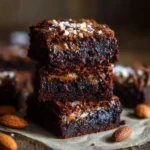
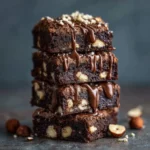
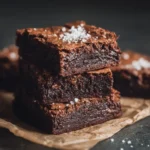
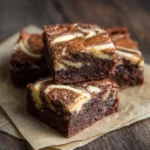
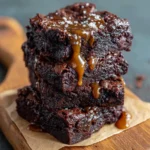
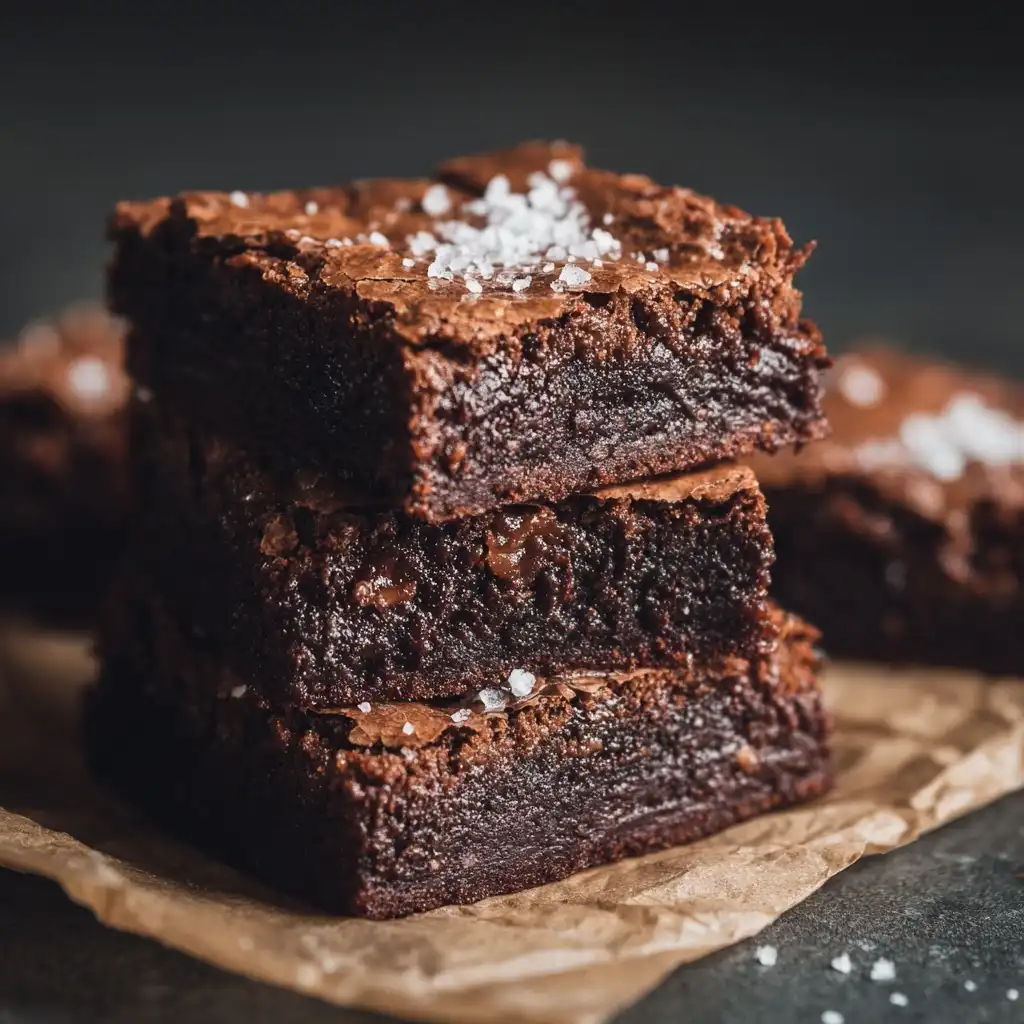
Mexican Chocolate Brownies are a rich, soul-warming fusion dessert that marries the deep, complex flavors of traditional Mexican chocolate with the dense, fudgy indulgence of classic American brownies. Unlike standard brownies, these incorporate warming spices—most notably cinnamon, chili powder, and sometimes a whisper of clove or allspice—alongside high-quality dark or semi-sweet chocolate infused with authentic Mexican cocoa traditions. The result is a decadent yet nuanced treat: bittersweet, warmly aromatic, subtly spicy, and deeply comforting. Whether served warm with a scoop of vanilla bean ice cream, dusted with flaky sea salt and crushed pepitas, or enjoyed solo with a cup of café de olla, Mexican Chocolate Brownies transcend the ordinary—they’re an edible celebration of cultural heritage, culinary craftsmanship, and bold flavor storytelling.
The History
The origins of Mexican Chocolate Brownies lie at the vibrant intersection of two rich confectionary lineages: ancient Mesoamerican chocolate culture and early 20th-century American baking innovation. Cacao was first cultivated over 3,000 years ago by the Olmecs, later revered by the Maya and Aztecs—not as a sweet dessert, but as a sacred, ceremonial beverage known as xocolātl. This frothy, unsweetened drink was flavored with native ingredients like ground chilies (especially habanero and chipotle), vanilla, annatto, and wild cinnamon—ingredients that lent heat, earthiness, and complexity far beyond mere sweetness. When Spanish colonizers encountered cacao in the 16th century, they adapted it by adding cane sugar and dairy, eventually popularizing spiced drinking chocolate across Europe.
In Mexico, this tradition evolved into chocolate para mesa—stone-ground tablets made from roasted cacao beans, granulated sugar, cinnamon, and sometimes almonds or nuts—traditionally whisked into hot milk or water with a molinillo to create velvety foam. Meanwhile, in the United States, brownies emerged around 1896 (with the earliest printed recipe appearing in the Boston Cooking-School Cook Book), gaining nationwide popularity by the 1920s. It wasn’t until the late 20th and early 21st centuries—amid rising interest in global flavors, artisanal chocolate, and Latinx culinary representation—that chefs and home bakers began intentionally reimagining brownies through a Mexican lens. Pioneering food writers like Diana Kennedy, chef Roberto Santibañez, and modern influencers such as Pati Jinich helped codify and popularize the concept, transforming what began as experimental fusion into a beloved, widely replicated signature dessert that honors both ancestral knowledge and contemporary creativity.
Ingredients Breakdown
Every ingredient in Mexican Chocolate Brownies plays a deliberate, culturally resonant role—not merely for taste, but for texture, aroma, balance, and authenticity:
- Unsweetened Mexican Chocolate Tablets (e.g., Ibarra, Abuelita, or Taza Chocolate’s Oaxacan-style): These are the heart and soul. Unlike standard baking chocolate, Mexican chocolate contains granulated sugar, cinnamon, and often lecithin and nuts—providing natural sweetness, warmth, and subtle graininess that enhances mouthfeel. Authentic versions use stone-ground cacao for rustic texture and nuanced terroir-driven notes.
- High-Quality Dark Chocolate (70–85% cacao): Adds depth, bitterness, and richness to offset the sweetness of the Mexican chocolate. Using both types creates a layered chocolate profile—bright and spiced from the Mexican tablet, deep and brooding from the dark bar.
- Unsalted Butter: Provides moisture, tenderness, and luxurious mouth-coating richness. Clarified butter (ghee) can be used for enhanced nuttiness and higher smoke point—ideal if browning the butter for extra complexity.
- Granulated Sugar & Brown Sugar: Granulated sugar ensures crisp edges and structural lift; brown sugar (preferably dark) contributes molasses depth, chewiness, and caramelized notes that harmonize beautifully with cinnamon and chili.
- Eggs (Large, Room Temperature): Act as emulsifiers and leaveners. Extra yolks (or even a +1 yolk addition) yield ultra-fudgy, custard-like density—key for true brownie integrity.
- All-Purpose Flour (or Gluten-Free 1:1 Blend): Used sparingly to avoid cakeyness. Some recipes include a small portion of almond flour or toasted masa harina (nixtamalized corn flour) for subtle earthy sweetness and authentic textural homage to traditional Mexican baked goods.
- Natural Cocoa Powder (Dutch-processed or unsweetened): Deepens chocolate intensity without adding liquid. Dutch-processed offers smoother, less acidic notes—ideal when balancing spicy heat.
- Ground Cinnamon (Ceylon preferred): Warm, floral, and delicate—Ceylon cinnamon is more nuanced than cassia and avoids overwhelming bitterness. Toasting whole sticks and grinding fresh maximizes aroma.
- Ancho or Chipotle Chili Powder (not smoked paprika or cayenne alone): Ancho lends fruity, raisin-like sweetness and mild heat (1,000–2,000 SHU); chipotle adds smoky depth. A blend of both achieves dimensional warmth without burn. Never substitute generic “chili powder”—it’s usually a cumin-heavy blend that clashes.
- Fine Sea Salt: Critical for flavor amplification and balancing sweetness and spice. Flaky Maldon or Himalayan pink salt makes an exquisite finishing touch.
- Pure Vanilla Extract (or Mexican Vanilla Bean Paste): Adds floral, creamy backbone. Real Mexican vanilla—made from hand-pollinated Vanilla planifolia grown in Papantla—offers unparalleled depth with hints of spice and tobacco.
- Optional Enhancements: Toasted pepitas (pumpkin seeds), chopped toasted almonds or pecans, crumbled amaretto cookies, orange zest, a splash of Kahlúa or reposado tequila, or a swirl of dulce de leche before baking.
Step-by-Step Recipe
- Prep & Preheat: Position oven rack to center position. Preheat oven to 325°F (163°C) for slow, even baking—critical for fudgy centers and crackly tops. Grease a 9×13-inch metal or light-colored ceramic baking pan thoroughly, then line with parchment paper, leaving 2-inch overhangs on two opposite sides for easy lifting.
- Toast & Grind Spices (Optional but Recommended): In a dry skillet over medium-low heat, toast 1 tsp whole cinnamon sticks and ½ dried ancho chile (stemmed, seeded) for 1–2 minutes until fragrant. Cool completely, then grind with ¼ tsp whole cloves and ⅛ tsp black peppercorns into a fine powder using a spice grinder or mortar and pestle. This unlocks volatile oils and intensifies warmth.
- Melt Chocolate & Butter Together: In a heatproof bowl set over a saucepan of barely simmering water (double boiler), combine 4 oz unsweetened Mexican chocolate (broken into pieces), 4 oz high-quality dark chocolate (chopped), and 1 cup (2 sticks) unsalted butter. Stir gently and constantly until fully melted and smooth—about 5–7 minutes. Remove from heat and let cool slightly (110–115°F) to prevent cooking eggs later.
- Whisk Wet Ingredients: In a large mixing bowl, whisk together 1¾ cups granulated sugar, ½ cup packed dark brown sugar, and the freshly ground spice blend (or pre-ground spices). Add 4 large room-temperature eggs one at a time, whisking vigorously for 30 seconds after each addition until thick, glossy, and pale—this incorporates air for structure and sheen. Whisk in 2 tsp pure Mexican vanilla extract.
- Combine Dry Ingredients: In a separate bowl, sift together ¾ cup all-purpose flour, ¼ cup unsweetened cocoa powder, 1 tsp baking powder (for slight lift without cakeyness), and 1 tsp fine sea salt. If using masa harina or almond flour, fold it in here.
- Temper & Fold: Gently pour the warm chocolate-butter mixture into the egg-sugar mixture while whisking constantly. Once combined, gradually add the dry ingredients in three additions, folding with a silicone spatula just until no streaks remain—overmixing develops gluten and causes toughness. Fold in 1 cup toasted pepitas or chopped nuts, if using.
- Pan & Bake: Pour batter into prepared pan and spread evenly with an offset spatula. Tap pan firmly twice on counter to release air bubbles. Bake for 35–42 minutes—start checking at 32 minutes. A toothpick inserted 1 inch from edge should come out with moist crumbs; center should still look soft but not wet. Avoid overbaking—the brownies continue to set as they cool.
- Cool Completely: Let brownies cool in pan on a wire rack for at least 2 hours—or preferably overnight—for clean cuts and optimal fudgy texture. Refrigerating for 1 hour before slicing yields sharp edges and melt-in-the-mouth density.
- Finish & Serve: Use parchment overhangs to lift entire slab onto cutting board. Cut into 24 squares (3×8) or 36 petite bites (4×9) with a hot, dipped knife wiped between cuts. Dust generously with flaky sea salt and freshly grated Mexican chocolate. Serve at room temperature or slightly warmed.
Tips
- Chocolate Quality Is Non-Negotiable: Skip bargain brands. Look for Mexican chocolate with minimal ingredients: cocoa, sugar, cinnamon, and possibly almonds. Avoid those with hydrogenated oils or artificial flavors. For dark chocolate, choose single-origin bars with tasting notes like red fruit, tobacco, or cedar.
- Room-Temperature Eggs Are Essential: Cold eggs won’t emulsify properly with warm chocolate, risking separation or grainy texture. Place eggs in warm water for 5 minutes if forgotten.
- Don’t Rush the Cooling: Cutting too soon causes crumbling and loss of fudgy cohesion. Overnight chilling transforms texture—making them denser, more cohesive, and infinitely more sliceable.
- Chili Heat Is Adjustable—but Never Omitted: Even ⅛ tsp ancho powder adds unmistakable dimension. For heat-sensitive palates, reduce to 1/16 tsp and pair with extra cinnamon. For adventurous eaters, add a pinch of ground chipotle *and* a tiny grating of fresh orange zest to brighten the heat.
- Use a Metal Pan for Crisp Edges: Glass or dark non-stick pans retain too much heat, leading to over-baked perimeters. A light aluminum pan ensures even conduction and ideal contrast between chewy center and slightly crisp frame.
- Measure Flour Correctly: Spoon flour into measuring cup and level—never scoop directly from bag (causes compaction and excess flour = dryness). Better yet, weigh: 95g (¾ cup) AP flour is ideal.
- Add Texture Contrast: Press ¼ cup roasted, salted pepitas onto the surface before baking—they toast further and add delightful crunch and visual appeal.
- Enhance the Aroma: Infuse the melted butter with a cinnamon stick and 2 whole cloves for 5 minutes off heat before adding chocolate—then strain. This builds aromatic foundation before sweetness even begins.
- Store Thoughtfully: Keep cooled brownies in an airtight container at room temperature up to 4 days, refrigerated up to 10 days, or frozen (wrapped in parchment + foil) up to 3 months. Thaw at room temp for 30 minutes—never microwave, which makes them greasy.
- Pair Intentionally: Serve with Mexican vanilla ice cream, horchata, cold-brew coffee spiked with a cinnamon stick, or a glass of ruby port. For brunch, pair with chilaquiles rojas and a fried egg.
Variations and Customizations
Mexican Chocolate Brownies are wonderfully adaptable—celebrating regional diversity, dietary needs, and personal preferences—while staying rooted in their cultural essence:
- Vegan Version: Substitute butter with refined coconut oil or vegan butter (Miyoko’s or Melt), eggs with flax eggs (2 tbsp ground flax + 5 tbsp warm water, rested 10 min), and ensure Mexican chocolate is dairy-free (Taza offers certified vegan options). Add 1 tbsp apple cider vinegar + ¼ tsp baking soda for lift. Top with toasted coconut and cacao nibs.
- Gluten-Free: Replace AP flour with ¾ cup King Arthur GF Measure-for-Measure or Bob’s Red Mill 1:1 Baking Flour. Add ½ tsp xanthan gum if not included. Boost binding with 1 tbsp psyllium husk powder.
- Spiced Mole-Inspired: Add 1 tbsp unsweetened cocoa powder, 1 tsp ground toasted sesame seeds, ½ tsp ground dried mulato chile, and a pinch of ground clove. Swirl in ¼ cup warmed mole negro paste before baking.
- Orange-Chili Fusion: Add 1 tbsp finely grated navel orange zest to dry ingredients and 1 tsp orange blossom water to wet mix. Garnish with candied orange peel and a sprinkle of Tajín.
- Tequila-Infused: Replace 2 tbsp of the melted butter with 2 tbsp reposado tequila (added after chocolate cools below 120°F). Enhances agave sweetness and woody notes—perfect for adult gatherings.
- Breakfast Brownie Bars: Reduce sugar by ¼ cup, add ¼ cup milled flaxseed and 2 tbsp chia seeds, swap 2 tbsp flour for oat flour, and top with a streusel of rolled oats, pepitas, maple syrup, and cinnamon.
- White Chocolate–Mexican Swirl: Melt 4 oz white chocolate with 1 tbsp coconut oil; dollop over batter and swirl gently with a knife before baking for marbled elegance and creamy contrast.
- Street Food Style: Cut into 1-inch squares, skewer on bamboo sticks, dip halfway in melted Mexican chocolate, roll in crushed graham crackers + chili-lime seasoning, and chill until set—mini “choco-tacos” for parties.
- Keto/Low-Carb: Use erythritol-based Mexican chocolate (like ChocZero), almond flour + coconut flour blend (⅔ + ⅓ cup), sugar-free dark chocolate, and MCT oil instead of butter. Sweeten with monk fruit blend. Expect denser, more fudge-like results.
- Mini Muffin Tin Version: Fill lined muffin cups ¾ full; bake at 350°F for 18–22 minutes. Perfect for portion control, lunchbox treats, or elegant dessert tables. Garnish each with a single crystallized violet and micro-cilantro.
Health Considerations and Nutritional Value
While Mexican Chocolate Brownies are undeniably indulgent, thoughtful ingredient choices can enhance their functional benefits without sacrificing authenticity or pleasure:
- Cacao’s Antioxidant Powerhouse: Rich in flavanols, magnesium, iron, and theobromine, cacao supports cardiovascular health, cognitive function, and mood regulation. Mexican chocolate retains more polyphenols than highly processed cocoa due to minimal alkalization.
- Spice Synergy: Cinnamon helps modulate blood sugar response and has anti-inflammatory properties; ancho chile contains capsaicinoids linked to metabolic support and pain modulation—even in mild doses.
- Nutrient-Dense Add-Ins: Pepitas provide zinc, magnesium, and plant-based protein; almonds contribute vitamin E and healthy monounsaturated fats; orange zest delivers limonene and bioflavonoids.
- Reduced Refined Sugar Options: Substituting up to ⅓ of granulated sugar with date paste or coconut sugar lowers glycemic impact while preserving moisture and caramel notes—just reduce added liquid by 1 tbsp.
- Portion Awareness: A standard serving (1.5″ square) contains ~180–220 calories, 10–12g fat (mostly unsaturated), 22–26g carbs, 2–3g fiber, and 2g protein. Enjoying 1–2 servings weekly fits easily into balanced eating patterns.
- Dietary Accommodations: Naturally nut-free (if omitting nuts), easily dairy-free or vegan, and customizable for gluten sensitivity—making them inclusive for many common dietary lifestyles.
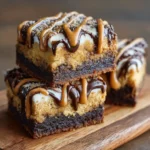
- What to Limit: Avoid excessive added salt, hydrogenated oils, artificial preservatives, or imitation vanilla—all of which dilute nutritional value and mask authentic flavor. Also, resist overloading with sugary toppings like dulce de leche drizzle unless reserved for special occasions.
- Functional Pairings: Serve with probiotic-rich yogurt or a green smoothie containing spinach and avocado to boost micronutrient absorption—fat-soluble antioxidants in cacao are better utilized with dietary fat.
- Emotional & Cultural Wellness: Beyond nutrients, these brownies foster connection—to heritage, family recipes, seasonal ingredients, and mindful eating rituals. That intangible nourishment is foundational to holistic well-being.
- Professional Guidance Note: Individuals managing diabetes, hypertension, or migraines triggered by tyramine (found in aged chocolate) should consult a registered dietitian to personalize portions and ingredient substitutions.
Ingredients
- 4 oz (115g) authentic Mexican chocolate tablets (e.g., Ibarra or Abuelita), broken into pieces
- 4 oz (115g) high-quality dark chocolate (70–85% cacao), finely chopped
- 1 cup (227g) unsalted butter, cubed
- 1¾ cups (350g) granulated sugar
- ½ cup (100g) packed dark brown sugar
- 4 large eggs, room temperature
- 2 tsp pure Mexican vanilla extract (or 1 vanilla bean, scraped)
- ¾ cup (95g) all-purpose flour
- ¼ cup (25g) unsweetened natural or Dutch-process cocoa powder
- 1 tsp baking powder
- 1 tsp fine sea salt
- 1½ tsp ground Ceylon cinnamon (toasted & freshly ground preferred)
- ½ tsp ancho chili powder (plus pinch chipotle for smokiness, optional)
- 1 cup (130g) toasted pepitas (pumpkin seeds), plus extra for garnish
- Flaky sea salt (e.g., Maldon), for finishing
- Grated Mexican chocolate or cacao nibs, for garnish
Directions
- Preheat oven to 325°F (163°C). Grease a 9×13-inch metal baking pan and line with parchment paper, allowing 2-inch overhangs on the two long sides.
- In a small dry skillet over medium-low heat, toast 1 tsp whole cinnamon sticks and ½ stemmed, seeded ancho chile until fragrant (~90 seconds). Cool completely, then grind with mortar and pestle or spice grinder into fine powder. Set aside.
- In a heatproof bowl set over a saucepan of barely simmering water, melt Mexican chocolate, dark chocolate, and butter, stirring constantly until smooth and glossy (~6 minutes). Remove from heat and cool to 110–115°F (do not let solidify).
- In a large bowl, whisk granulated sugar, brown sugar, and ground spice mixture until combined. Add eggs one at a time, whisking vigorously for 30 seconds after each until thick and pale. Whisk in vanilla.
- Sift together flour, cocoa powder, baking powder, and salt into a separate bowl.
- Pour warm chocolate mixture into egg mixture while whisking constantly. Gradually fold in dry ingredients in three additions, mixing just until incorporated. Fold in toasted pepitas.
- Pour batter into prepared pan. Smooth top with offset spatula and tap pan firmly twice. Sprinkle surface with additional pepitas and a light pinch of flaky salt.
- Bake 35–42 minutes—center should jiggle slightly but not appear wet. A toothpick 1 inch from edge should have moist crumbs.
- Cool completely in pan on wire rack—at least 2 hours, ideally overnight. Refrigerate 1 hour before slicing for cleanest cuts.
- Using parchment overhangs, lift brownies onto cutting board. Cut into 24 squares with hot, clean knife wiped between slices. Dust generously with flaky salt and grated Mexican chocolate before serving.
FAQ
- Can I use regular unsweetened cocoa instead of Mexican chocolate?
- Yes—but you’ll lose the signature cinnamon-sugar complexity and subtle graininess. To approximate it, add 2 tbsp granulated sugar + 1 tsp ground cinnamon + ¼ tsp ancho powder to your dry ingredients, and increase vanilla to 2½ tsp for depth.
- Why do my brownies crack on top?
- A crackly top is actually desirable—it signals proper aeration during mixing! But deep fissures may mean over-whisking the eggs or baking too hot. Ensure eggs are room temp, whisk only until glossy (not stiff), and verify oven temperature with an oven thermometer.
- My brownies turned out cakey—what went wrong?
- Most commonly: too much flour (scooped, not spooned), overmixing after adding dry ingredients, using too much baking powder, or substituting oil for butter. Also, cooling too quickly (e.g., refrigerating before fully set) can cause sponginess.
- Can I make these ahead for a party?
- Absolutely—and they improve! Bake 1–3 days ahead, cool completely, wrap tightly in parchment + foil, and store at room temp. Slice just before serving for maximum freshness. For longer storage, freeze unbaked batter in pan (covered) for up to 1 month—bake straight from freezer, adding 8–10 minutes.
- Are Abuelita and Ibarra interchangeable?
- Yes for most purposes—but note differences: Abuelita is sweeter and more cinnamon-forward; Ibarra has stronger chocolate presence and less sugar. Adjust granulated sugar down by 1–2 tbsp if using Abuelita exclusively.
- Can I add espresso powder?
- Yes—1 tsp instant espresso enhances chocolate flavor without adding coffee taste. Dissolve in 1 tsp hot water before adding to wet ingredients.
- What’s the best way to store cut brownies?
- Place in single layer in airtight container with parchment between layers. Add a slice of plain bread to maintain moisture (replace daily). They’ll stay fudgy for 4 days.
- Can kids enjoy these? Is the spice too strong?
- Completely kid-friendly! The chili is aromatic, not fiery—most children perceive it as “warm” or “tasty,” like gingerbread. Start with ¼ tsp ancho and increase gradually. Many families serve them at Día de Muertos or Cinco de Mayo celebrations.
- My batter looks curdled after adding chocolate—did I ruin it?
- No—this is normal if chocolate was too warm or eggs too cold. Keep folding gently; it will emulsify into glossy batter within 30–60 seconds. Next time, ensure chocolate is under 115°F and eggs are truly room temp.
- Can I use honey or maple syrup instead of sugar?
- Not recommended in full substitution—they add excess moisture and inhibit proper setting. However, you *can* replace up to ¼ cup granulated sugar with 3 tbsp maple syrup, reducing butter by 1 tbsp and adding 1 extra tbsp flour to compensate.
Summary
Mexican Chocolate Brownies are a culturally rich, spice-kissed evolution of the classic brownie—layering ancient Mesoamerican cacao traditions with modern baking science to deliver unrivaled depth, warmth, and fudgy sophistication. With customizable heat levels, inclusive adaptations, and meaningful nutrition beneath the decadence, they’re far more than dessert: they’re edible storytelling, shared joy, and a delicious bridge between past and present.
Whether crafted for a festive gathering, a quiet moment of self-care, or as a heartfelt gift wrapped in papel picado, these brownies invite you to savor complexity, honor heritage, and celebrate the profound truth that the most memorable sweets don’t just satisfy hunger—they stir the soul.