Introduction
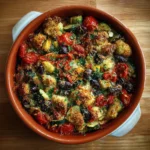
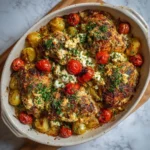
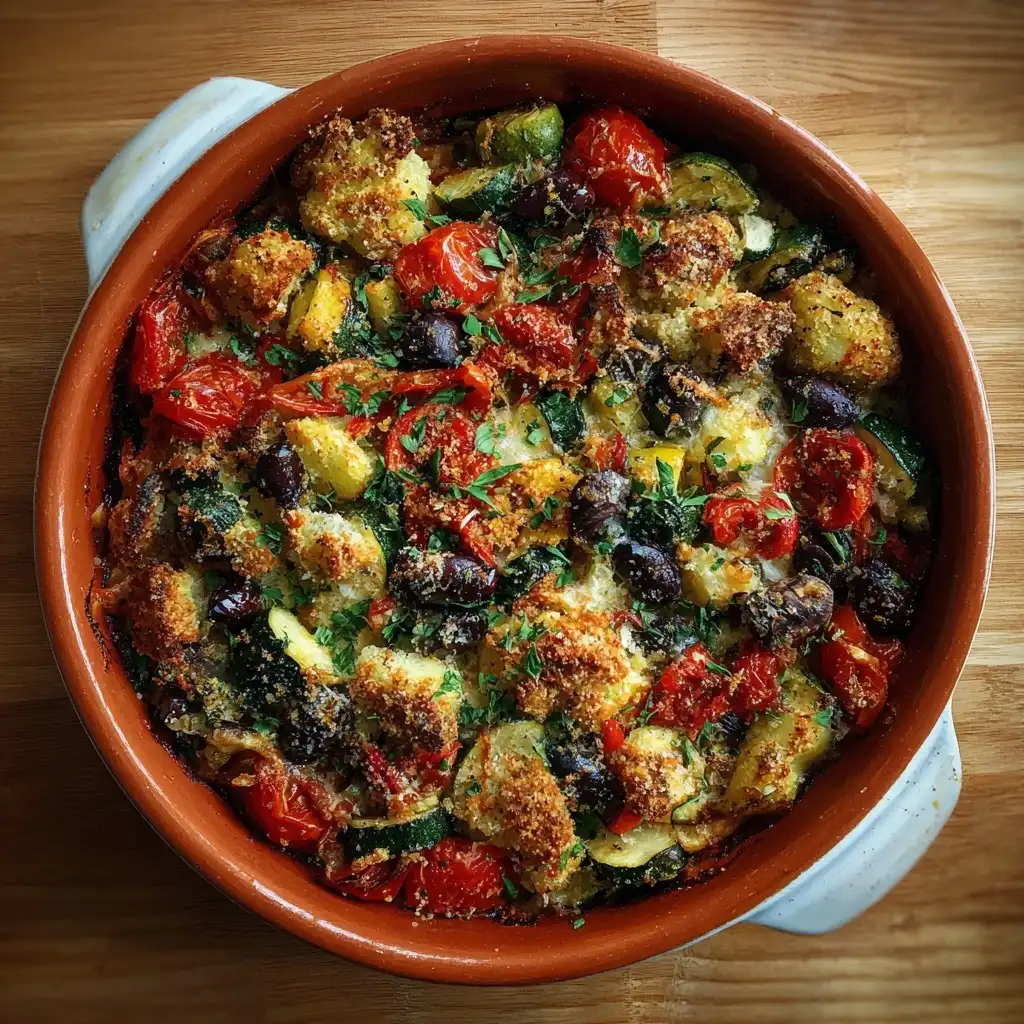
The Mediterranean Vegetable Casserole is a vibrant, nutrient-dense, and deeply flavorful baked dish that captures the essence of sun-drenched coastal cuisine—from the olive groves of Greece and the herb-laden hills of Provence to the citrus-kissed gardens of Southern Italy. More than just a side dish, it stands proudly as a wholesome, plant-forward main course—rich in color, texture, aroma, and tradition. This casserole celebrates seasonal vegetables, aromatic herbs, heart-healthy fats, and time-honored layering techniques that allow flavors to meld, deepen, and harmonize during slow, gentle baking. Whether served warm from the oven at a family Sunday lunch or chilled and reimagined as a next-day grain bowl topping, its versatility, simplicity, and soul-satisfying warmth make it a cornerstone recipe for mindful, joyful, and sustainable eating.
The History
The roots of the Mediterranean Vegetable Casserole stretch across centuries and civilizations—woven into the culinary DNA of the broader Mediterranean Basin. Long before the term “Mediterranean diet” was coined by American physiologist Ancel Keys in the 1950s (and later validated by decades of epidemiological research), communities bordering the sea had intuitively embraced a way of cooking grounded in abundance, seasonality, frugality, and reverence for whole foods. Dishes like Greek ladera (vegetables braised in olive oil and tomato), Turkish zeytinyağlı yemekler, Lebanese makdous-inspired layered roasts, and French ratatouille (originally a rustic stew, later adapted into baked formats) all serve as ancestral blueprints. What unites them is not a rigid recipe—but a philosophy: vegetables are the stars; olive oil is the conductor; herbs and aromatics are the storytellers; acidity (from lemon or tomatoes) is the bright counterpoint; and slow, even heat is the quiet alchemist. The modern casserole format—layered, baked, and often finished with cheese or breadcrumbs—emerged in mid-20th-century home kitchens as a practical adaptation: a one-dish solution for feeding families, repurposing garden surplus, and preserving summer’s bounty through gentle roasting. Today, this dish honors that legacy while embracing contemporary values—plant-based nutrition, low-waste cooking, and global flavor fusion.
Ingredients Breakdown
Every ingredient in this casserole serves a distinct sensory and functional purpose—no element is arbitrary. Below is a detailed, chef-level breakdown of why each component matters:
- Extra-Virgin Olive Oil (¼–⅓ cup): Not merely fat—it’s the aromatic foundation and moisture carrier. Look for a robust, peppery, fruit-forward oil (preferably Greek Koroneiki or Spanish Picual) to withstand roasting without losing character. Its polyphenols remain stable under moderate heat and contribute antioxidant richness.
- Yellow or White Onion (1 large, finely diced): Provides savory depth and natural sweetness when caramelized. Yellow onions offer balanced pungency and sugar content ideal for browning; red onions would add unwanted sharpness and bleed color.
- Celeery (2 stalks, small dice): Adds subtle anise-like brightness and textural contrast. Its high water content helps create steam in the early bake phase, gently softening denser vegetables.
- Garlic (4–5 cloves, minced): A flavor catalyst—its sulfur compounds transform under heat into rich, nutty, umami notes. Added late in sautéing prevents burning and preserves complexity.
- Eggplant (1 medium, ~1 lb, peeled and ½-inch cubes): Acts as a “meaty” sponge—absorbing oil and sauce while contributing fiber and nasunin (a potent brain-protective anthocyanin). Salting and draining optional but recommended for older, seed-heavy eggplants to reduce bitterness and excess water.
- Zucchini (2 medium, ~12 oz, ½-inch half-moons): Delivers delicate sweetness and tender-crisp structure. Its high moisture content balances drier ingredients; avoid overcooking to prevent mushiness.
- Red Bell Pepper (1 large, ¾-inch dice): Brings vivid color, vitamin C (which boosts iron absorption from other veggies), and a subtle fruity sweetness. Roasting deepens its natural sugars and adds smoky nuance.
- Cherry or Grape Tomatoes (1 pint, halved): Introduces bright acidity and concentrated lycopene (enhanced by cooking + olive oil). Their burst-in-the-mouth juiciness creates pockets of tangy sauce throughout the casserole.
- Plum Tomatoes or Passata (1 cup, crushed or pureed): Forms the base “sauce” layer—providing body, umami depth, and natural pectin to help bind the dish. San Marzano-style tomatoes are preferred for their low acidity and rich flavor.
- Dry White Wine (¼ cup, optional but recommended): Adds brightness, lifts heaviness, and deglazes the pan to capture fond—those caramelized bits that hold immense flavor. Choose unoaked Sauvignon Blanc or Pinot Grigio; avoid sweet or oaky wines.
- Fresh Herbs (3 tbsp total: 1 tbsp each chopped oregano, thyme, and basil): Oregano offers earthy warmth and antimicrobial properties; thyme contributes floral-resinous notes and pairs beautifully with roasted vegetables; basil adds sweet, anise-tinged perfume—added in layers (some cooked, some fresh at the end) for dimensional aroma.
- Lemon Zest (from 1 lemon) & Juice (2 tbsp): Zest delivers volatile citrus oils for intense fragrance; juice adds balancing acidity that cuts through richness and brightens every bite. Never substitute bottled lemon juice—it lacks nuance and freshness.
- Crumbled Feta Cheese (⅔ cup, plus extra for garnish): A signature Mediterranean touch—salty, tangy, creamy, and crumbly. Authentic Greek feta made from sheep’s or sheep-goat milk provides superior flavor and melt. It’s stirred in partially and sprinkled on top for visual appeal and textural contrast.
- Pine Nuts (¼ cup, toasted): Adds luxurious crunch, buttery richness, and magnesium. Toasting unlocks their nutty aroma—do it separately in a dry pan until golden (2–3 min) to prevent burning.
- Salt & Freshly Ground Black Pepper (to taste): Sea salt enhances natural sweetness and balances acidity; freshly cracked black pepper activates piperine, which increases bioavailability of nutrients like curcumin (if turmeric is added) and antioxidants.
Note on authenticity and flexibility: While this recipe reflects core Mediterranean principles, it intentionally avoids dogma. No single “authentic” version exists—regional variations abound. What matters is intention: honoring produce, respecting technique, and cooking with generosity.
Step-by-Step Recipe
- Preheat & Prep: Position rack in center of oven. Preheat to 375°F (190°C). Lightly grease a 9×13-inch ceramic or glass baking dish (or two 8×8-inch dishes for portion control) with olive oil. Gather all ingredients and mise en place—chopping, measuring, toasting nuts—before beginning.
- Sauté the Aromatics: In a large, heavy-bottomed skillet (preferably stainless steel or enameled cast iron), heat 2 tbsp olive oil over medium-low heat. Add diced onion and celery. Sauté gently for 8–10 minutes, stirring occasionally, until softened and translucent—but not browned. This low-and-slow start builds foundational sweetness without bitterness.
- Add Garlic & Herbs: Stir in minced garlic, 1 tsp dried oregano (if using), and ½ tsp dried thyme. Cook 1 minute more—just until fragrant. Remove from heat and let cool slightly (prevents garlic from overcooking later).
- Prepare the Eggplant (Optional but Recommended): Place cubed eggplant in a colander, sprinkle generously with coarse sea salt, and let drain 20–30 minutes. Rinse thoroughly under cold water, then squeeze firmly in a clean kitchen towel to remove excess moisture. Pat completely dry. This step ensures tender, non-soggy results and maximizes oil absorption efficiency.
- Roast the Hearty Vegetables: In a large bowl, toss drained eggplant, zucchini, and red bell pepper with 2 tbsp olive oil, ½ tsp salt, and ¼ tsp black pepper. Spread evenly on a parchment-lined baking sheet. Roast at 425°F (220°C) for 20–25 minutes, flipping halfway, until edges are lightly caramelized and centers are just tender. Let cool 5 minutes—this concentrates flavor and prevents steaming in the casserole.
- Build the Tomato Base: In the same skillet used for aromatics, heat remaining 1 tbsp olive oil over medium heat. Add crushed tomatoes or passata and cook, stirring, for 4–5 minutes until thickened and darkened slightly. Stir in white wine (if using) and simmer 2 minutes to evaporate alcohol. Fold in the cooled onion-celery-garlic mixture, lemon zest, 1 tbsp fresh oregano, 1 tbsp fresh thyme, and 1 tbsp chopped basil. Season with ¾ tsp salt and ½ tsp pepper. Simmer gently 3 minutes. Remove from heat and stir in ½ cup crumbled feta.
- Layer with Intention: In your prepared baking dish, spread the tomato-herb mixture evenly across the bottom (about ⅓ depth). Arrange roasted vegetables over it in an even layer. Scatter halved cherry tomatoes on top. Drizzle with remaining 1 tbsp olive oil and 1 tbsp lemon juice. Gently press down to settle layers.
- Bake with Care: Cover dish tightly with aluminum foil (tent slightly to prevent cheese sticking). Bake at 375°F for 35 minutes. Remove foil, sprinkle remaining ⅓ cup feta and toasted pine nuts over top. Return to oven, uncovered, for 12–15 minutes—until feta is lightly golden at edges and casserole is bubbling gently at sides.
- Rest & Finish: Remove from oven and let rest, uncovered, for 15–20 minutes. This crucial step allows flavors to marry, textures to stabilize (preventing runniness), and residual heat to finish cooking. Just before serving, garnish with remaining 1 tbsp fresh basil, a final drizzle of high-quality olive oil, flaky sea salt, and freshly cracked black pepper.
Tips
- Season in Layers: Don’t wait until the end. Salt vegetables before roasting (enhances flavor and texture), season the tomato base, and finish with flaky salt—each application serves a different purpose.
- Control Moisture Like a Pro: Overcrowding the pan = steaming, not roasting. Roast vegetables in a single layer with space between pieces. If cherry tomatoes release too much liquid during baking, blot gently with paper towel before layering.
- Choose Your Vessel Wisely: Ceramic or stoneware retains heat evenly and promotes gentle, uniform cooking. Avoid thin metal pans—they can scorch edges. For crispier top, use a shallower dish (like a 9×9) or broil 1–2 minutes at end (watch closely!).
- Herb Timing Matters: Dried herbs go in early (they need heat to bloom); delicate fresh herbs like basil and parsley are best added at the end to preserve volatile oils and bright flavor.
- Wine Substitution Tip: If avoiding alcohol, replace white wine with 3 tbsp unsalted vegetable broth + 1 tsp apple cider vinegar for similar acidity and depth.
- Don’t Skip the Rest: Cutting into the casserole too soon releases steam and causes separation. That 15–20 minute rest transforms texture—from loose to cohesive—and deepens flavor exponentially.
- Make-Ahead Magic: Assemble up to 1 day ahead (without cheese/nuts on top), cover tightly, and refrigerate. Add 5–10 minutes to covered bake time if starting cold. Toast nuts fresh before serving.
- Freezing Friendly: Fully baked and cooled casserole freezes well for up to 3 months. Thaw overnight in fridge, then reheat covered at 325°F until warmed through (45–60 min), uncovering last 10 min to refresh top.
Variations and Customizations
This casserole is a canvas—not a cage. Embrace seasonal shifts, pantry improvisations, and dietary preferences with confidence:
- Protein-Powered: Add 1½ cups cooked chickpeas (rinsed and patted dry) with roasted vegetables—or layer in 1 cup crumbled cooked lamb or ground turkey (browned and seasoned with cumin, cinnamon, and allspice) beneath the tomato base.
- Grain-Infused: Stir 1½ cups cooked farro, freekeh, or quinoa into the tomato base before layering. Or serve casserole over a bed of fluffy couscous or orzo tossed with lemon and dill.
- Low-Carb/Keto-Friendly: Replace higher-carb veggies (zucchini, eggplant) with sliced portobello mushrooms, cauliflower florets, and asparagus tips. Boost healthy fats with extra olive oil and avocado slices post-bake.
- Vegan Adaptation: Omit feta entirely—or use a high-quality, brined vegan feta (almond- or tofu-based). Ensure wine is vegan-certified. Boost umami with 1 tsp white miso paste whisked into tomato base or 2 tbsp nutritional yeast.
- Spice It Up: Add ¼ tsp crushed red pepper flakes with garlic, or stir in 1 tsp harissa paste or smoked paprika into the tomato base for North African or Spanish flair.
- Herb Swaps: Try marjoram instead of oregano; rosemary (use sparingly—½ tsp dried) for earthy intensity; or dill for a Bulgarian-inspired twist (pair with yogurt sauce).
- Summer Garden Edition: Swap in yellow squash, green beans, corn kernels, and heirloom tomatoes. Add fresh mint and basil generously.
- Winter Root Variation: Substitute roasted carrots, parsnips, and red cabbage (thinly sliced and sautéed first) for zucchini/eggplant. Use roasted garlic and a splash of balsamic glaze in the tomato base.
- Breakfast or Brunch Twist: Top with poached eggs before final uncovered bake—or serve chilled casserole alongside shakshuka-style poached eggs and warm pita.
Health Considerations and Nutritional Value
A single 1-cup serving (approx. 225g) of this Mediterranean Vegetable Casserole delivers exceptional nutritional synergy—far exceeding the sum of its parts. Here’s what makes it a science-backed wellness powerhouse:
- Antioxidant Density: Tomatoes (lycopene), eggplant (nasunin), bell peppers (vitamin C & beta-carotene), and olive oil (oleocanthal & hydroxytyrosol) form a dynamic network that combats oxidative stress, reduces inflammation, and supports cellular repair. Cooking tomatoes significantly increases lycopene bioavailability—especially when paired with fat.
- Fiber-Rich & Gut-Healthy: With ~8–10g dietary fiber per serving (from vegetables, skins, and optional grains), it feeds beneficial gut microbiota, promotes satiety, stabilizes blood sugar, and supports digestive regularity. The variety of fibers (soluble and insoluble) ensures broad-spectrum gut benefits.
- Heart-Centric Fats: Extra-virgin olive oil provides monounsaturated fats (MUFAs) shown in studies (like PREDIMED) to lower LDL cholesterol, improve endothelial function, and reduce cardiovascular risk by up to 30%. Its polyphenols also inhibit LDL oxidation—a key step in atherosclerosis.
- Nutrient Synergy in Action: Vitamin C from peppers and lemon enhances non-heme iron absorption from vegetables; healthy fats boost absorption of fat-soluble vitamins (A, E, K) and carotenoids; garlic’s allicin supports immune modulation and vascular health.
- Low Glycemic Impact: Naturally low in added sugars and refined carbs, this dish has a minimal effect on blood glucose—ideal for metabolic health, prediabetes management, and sustained energy.
- Sodium Awareness: While feta contributes sodium, overall levels remain moderate (~380–450mg/serving) when using unsalted tomatoes and controlling added salt. Opt for low-sodium feta or reduce quantity by 25% if managing hypertension.
- Allergen-Conscious: Naturally gluten-free, nut-free (unless pine nuts added), dairy-free (vegan option), soy-free, and egg-free—making it widely inclusive. Always verify labels on wine and cheese for hidden allergens.
- Phytonutrient Powerhouse: Contains over 200 identified phytochemicals—including quercetin (onions), luteolin (celery), chlorogenic acid (eggplant), and apigenin (parsley/basil)—all linked to anti-cancer, neuroprotective, and anti-aging effects in preclinical and epidemiological research.
Important Note: While highly nutritious, individual needs vary. Consult a registered dietitian or healthcare provider for personalized guidance—especially with conditions like kidney disease (potassium monitoring) or histamine intolerance (aged cheeses, tomatoes, eggplant may require modification).
Ingredients
- ¼ cup + 1 tablespoon extra-virgin olive oil, divided
- 1 large yellow onion, finely diced (about 1 ½ cups)
- 2 celery stalks, finely diced (about 1 cup)
- 4–5 garlic cloves, minced
- 1 medium eggplant (about 1 lb), peeled and cut into ½-inch cubes
- 2 medium zucchini (about 12 oz), cut into ½-inch half-moons
- 1 large red bell pepper, seeded and diced into ¾-inch pieces
- 1 pint cherry or grape tomatoes, halved
- 1 cup crushed plum tomatoes or high-quality passata (unsalted)
- ¼ cup dry white wine (e.g., Sauvignon Blanc or Pinot Grigio) — optional but recommended
- 1 tablespoon fresh oregano, chopped (or 1 tsp dried)
- 1 tablespoon fresh thyme leaves (or ½ tsp dried)
- 1 tablespoon fresh basil, chopped (plus more for garnish)
- Zest and juice of 1 large lemon (about 1 tsp zest, 2 tbsp juice)
- ¾ teaspoon fine sea salt, plus flaky salt for finishing
- ½ teaspoon freshly ground black pepper, plus more for finishing
- ⅔ cup crumbled authentic Greek feta cheese (sheep’s or sheep-goat milk), divided
- ¼ cup pine nuts, toasted
Directions
- Preheat oven to 375°F (190°C). Lightly grease a 9×13-inch baking dish with olive oil.
- In a large skillet, heat 2 tablespoons olive oil over medium-low heat. Add onion and celery; sauté 8–10 minutes until soft and translucent. Stir in garlic and cook 1 minute until fragrant. Remove from heat; cool slightly.
- Place eggplant in a colander, sprinkle with 1 tsp coarse salt, and let drain 20–30 minutes. Rinse well, squeeze firmly in a clean towel to remove excess water, and pat dry.
- In a bowl, toss eggplant, zucchini, and red pepper with 2 tablespoons olive oil, ½ tsp salt, and ¼ tsp pepper. Spread on a parchment-lined baking sheet. Roast at 425°F for 20–25 minutes, flipping once, until tender and lightly caramelized. Cool 5 minutes.
- In same skillet, heat remaining 1 tablespoon olive oil over medium heat. Add crushed tomatoes; cook 4–5 minutes until thickened. Stir in wine (if using); simmer 2 minutes. Fold in onion-celery mixture, lemon zest, 1 tbsp oregano, 1 tbsp thyme, 1 tbsp basil, ¾ tsp salt, and ½ tsp pepper. Simmer 3 minutes. Remove from heat; stir in ½ cup feta.
- Spread tomato mixture evenly in prepared dish. Top with roasted vegetables, then cherry tomatoes. Drizzle with remaining 1 tablespoon olive oil and 1 tablespoon lemon juice.
- Cover tightly with foil. Bake 35 minutes. Remove foil; sprinkle with remaining ⅓ cup feta and toasted pine nuts. Bake uncovered 12–15 minutes until bubbly and feta is lightly golden.
- Let rest 15–20 minutes. Garnish with remaining fresh basil, a final drizzle of olive oil, flaky salt, and black pepper. Serve warm or at room temperature.
FAQ
- Can I make this casserole ahead of time?
- Yes! Assemble completely (without pine nuts or extra feta on top), cover tightly, and refrigerate up to 24 hours. Add 5–10 minutes to the covered bake time. Toast nuts fresh before serving.
- Why do you recommend salting the eggplant?
- Salting draws out excess moisture and any trace bitterness—especially in larger, mature eggplants. It also helps the cubes hold their shape and absorb oil more efficiently during roasting. For young, glossy eggplants, it’s optional but still beneficial for texture.
- Can I freeze this dish?
- Absolutely. Cool completely, portion into airtight containers or wrap tightly in foil + freezer-safe wrap. Freeze up to 3 months. Thaw overnight in the refrigerator, then reheat covered at 325°F until heated through (45–60 min), uncovering last 10 minutes.
- What if I don’t have pine nuts?
- Excellent substitutes include slivered almonds, walnuts (toasted), or sunflower seeds (for nut-free). Each brings distinct crunch and flavor—walnuts add earthiness, almonds lend sweetness, sunflower seeds offer mild nuttiness.
- Is feta necessary? Can I use another cheese?
- Feta provides signature salty-tangy balance, but it’s adaptable. Try goat cheese for creaminess, ricotta salata for firmer texture, or omit entirely for vegan versions. Avoid mozzarella—it melts too smoothly and lacks assertive flavor.
- My casserole turned out watery. What went wrong?
- Common causes: skipping eggplant salting/drying, using unripe or overly juicy tomatoes, overcrowding the roasting pan (steaming instead of roasting), or not letting the dish rest before serving. Next time, blot cherry tomatoes dry and extend uncovered bake time by 5 minutes.
- Can I use frozen vegetables?
- Fresh is strongly recommended—frozen vegetables release excessive water and turn mushy when baked. However, frozen artichoke hearts (thawed and well-drained) or spinach (squeezed dry) can be added as supplemental ingredients.
- How do I store leftovers?
- Cool completely, then store in an airtight container in the refrigerator for up to 5 days. Reheat gently in oven (325°F, covered) or microwave (in 30-second intervals, stirring gently). Flavors deepen beautifully on day two!
- Is this suitable for Passover or other religious diets?
- Yes—with minor adaptations: ensure wine is kosher for Passover, use certified kosher feta (many brands are), and verify all labels for chametz or kitniyot restrictions if applicable. Serve with matzo or roasted root vegetables.
- Can I cook this on the stovetop only?
- You can adapt it as a layered skillet bake: assemble in a large, oven-safe skillet (like cast iron), cover tightly, and simmer on low heat for 45–55 minutes, checking liquid level and stirring gently halfway. Finish uncovered on medium-low for 5–8 minutes to thicken.
Summary
The Mediterranean Vegetable Casserole is a celebration of terroir, tradition, and nutritional intelligence—a vibrant, layered, oven-baked symphony of seasonal vegetables, aromatic herbs, heart-healthy olive oil, and briny feta, rooted in centuries of sun-soaked culinary wisdom and validated by modern science.
Effortlessly adaptable, deeply nourishing, and endlessly inspiring, it invites you into the heart of mindful cooking: where every ingredient tells a story, every technique honors balance, and every bite nourishes body, mind, and spirit.