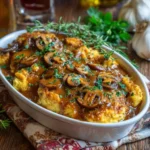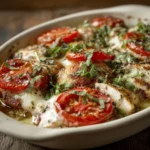
Introduction
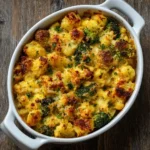
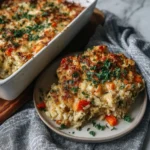
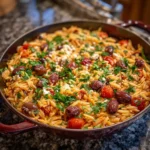
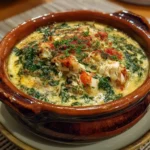
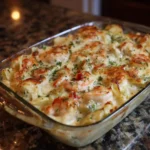
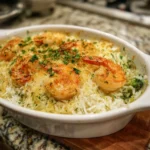
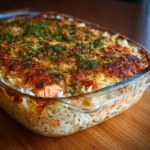
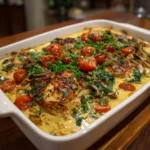
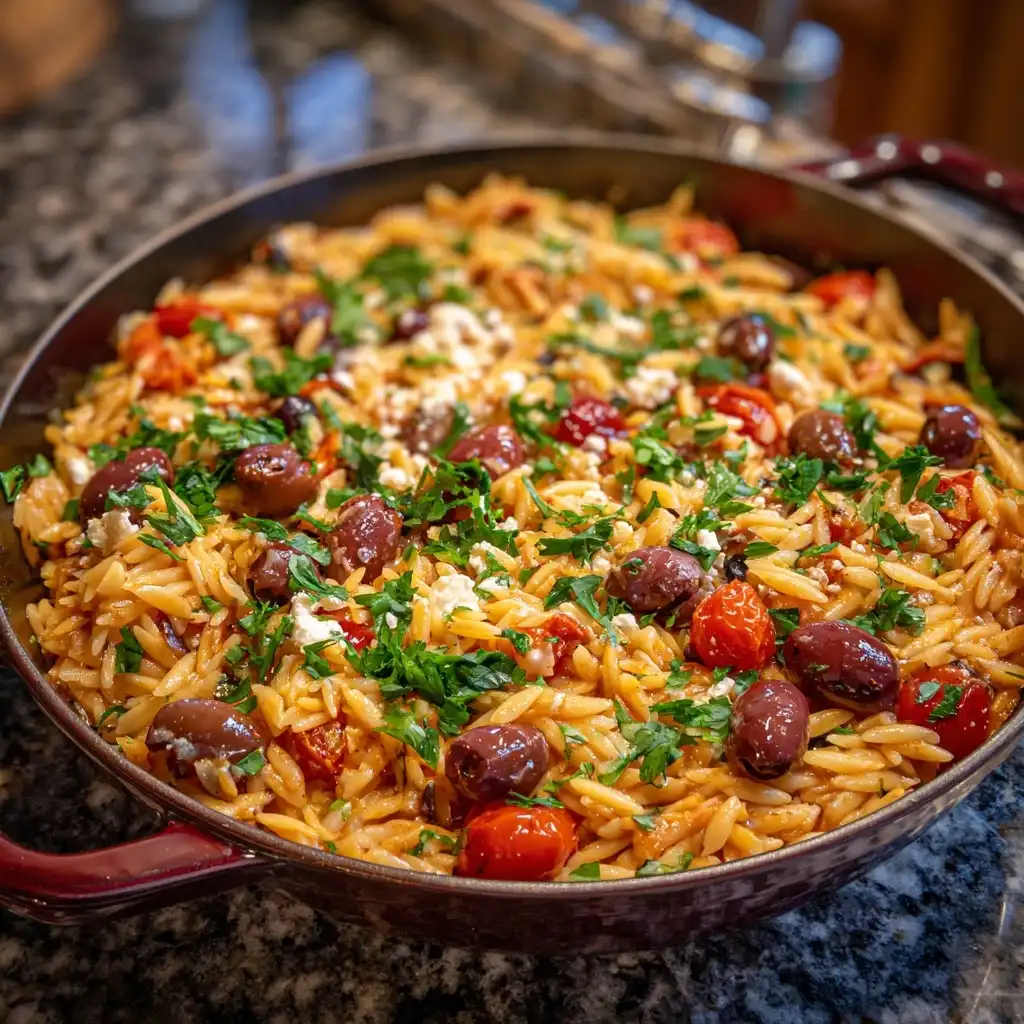
The Mediterranean Orzo Casserole is a vibrant, nourishing, and deeply satisfying one-dish wonder that captures the sun-drenched essence of coastal Southern Europe—think Greece, Italy, and the Levant—melded into a comforting, oven-baked masterpiece. Unlike traditional casseroles that rely heavily on cream-based sauces or processed cheeses, this version celebrates freshness, herbaceous brightness, and whole-food integrity. It’s naturally vegetarian (easily made vegan with simple swaps), gluten-free adaptable, and brimming with antioxidant-rich vegetables, protein-packed legumes, and wholesome grains. Whether served as a hearty weeknight dinner, a centerpiece for Sunday family meals, or a crowd-pleasing dish at potlucks and holiday gatherings, its aromatic blend of lemon zest, oregano, garlic, and toasted pine nuts evokes lazy afternoons in Santorini and bustling markets in Tel Aviv. More than just a recipe—it’s a culinary love letter to the Mediterranean Diet, widely celebrated by nutritionists and cardiologists alike for its proven benefits in supporting heart health, longevity, and metabolic wellness.
The History
While “Orzo Casserole” as a specific dish doesn’t appear in ancient Greek cookbooks or Ottoman culinary manuscripts, its roots run deep through centuries of regional grain-based baking traditions. Orzo—tiny, rice-shaped pasta derived from durum wheat—has been a pantry staple across the Eastern Mediterranean since at least the Byzantine era, often used in soups (like Greek kritharaki soupa) and pilafs. The concept of layered, baked grain-and-vegetable dishes, however, traces back even further: Ancient Romans prepared patinae, savory custard-like casseroles combining eggs, cheese, herbs, and grains; medieval Arab cooks perfected mahshi-style stuffed vegetable bakes; and Greek giouvetsi evolved into oven-baked orzo-and-lamb casseroles enriched with tomato and cinnamon. What makes today’s Mediterranean Orzo Casserole uniquely modern is its intentional fusion: it honors time-honored techniques—slow-sautéing onions until golden, roasting tomatoes for depth, toasting orzo for nuttiness—while embracing contemporary values like plant-forward eating, minimal dairy, and seasonal flexibility. Its rise in popularity over the past two decades reflects a broader cultural shift toward globally inspired, health-conscious comfort food—a delicious convergence of heritage and innovation.
Ingredients Breakdown
Every ingredient in this casserole plays a deliberate role—not just for flavor, but for texture, nutrition, and structural integrity:
- Orzo Pasta: The foundation. Use bronze-die extruded orzo for superior sauce adhesion and al dente resilience. Whole-grain or legume-based orzo (lentil or chickpea) adds fiber and protein while maintaining delicate texture.
- Extra-Virgin Olive Oil: Not just fat—it’s the aromatic backbone. Cold-pressed, early-harvest Greek or Spanish EVOO contributes polyphenols, subtle fruitiness, and a peppery finish essential for authenticity.
- Red Onion & Garlic: Sautéed low and slow to build sweet, umami depth. Red onion adds anthocyanins (powerful antioxidants); garlic delivers allicin, known for immune and cardiovascular support.
- Cherry Tomatoes: Roasted until blistered and jammy, they concentrate sweetness and acidity—no canned tomatoes needed. Their lycopene becomes more bioavailable when cooked with oil.
- Sun-Dried Tomatoes (oil-packed): A flavor bomb—intense umami, tang, and chewy contrast. Rich in lycopene, iron, and B vitamins. Reserve the oil for sautéing or drizzling.
- Kalamata Olives: Briny, fruity, and complex. Provide healthy monounsaturated fats, sodium for balance (use sparingly if monitoring intake), and that unmistakable Mediterranean salinity.
- Spinach & Arugula: Added at the end for color, peppery bite, and micronutrient density (vitamin K, folate, magnesium). Arugula’s sharpness cuts through richness; spinach lends tenderness and iron.
- Feta Cheese: Traditional crumbled sheep’s-milk feta offers bold tang and creamy crumble. Opt for PDO-certified Greek feta for authenticity and higher CLA (conjugated linoleic acid) content. Vegan? Try almond-cashew “feta” marinated in lemon, capers, and nutritional yeast.
- Pine Nuts: Toasted for buttery crunch and magnesium-rich goodness. Substitutes include slivered almonds, walnuts (omega-3s), or pumpkin seeds (zinc + magnesium).
- Fresh Herbs: Oregano (dried for earthiness, fresh for brightness), basil (sweet floral lift), mint (cooling contrast), and dill (anise-tinged freshness)—each contributes unique phytonutrients and volatile oils.
- Lemon: Juice and zest are non-negotiable. Citric acid brightens flavors, aids iron absorption from greens, and balances fat. Zest contains limonene—a compound studied for anti-inflammatory properties.
- Vegetable Broth: Low-sodium, homemade preferred (simmered with leek tops, carrot peels, celery leaves, parsley stems). Adds savory depth without excess salt or MSG.
- Spices: A whisper of cinnamon (common in Levantine cooking) and smoked paprika (for gentle warmth and antioxidants) round out the profile without overpowering.
Step-by-Step Recipe
- Preheat & Prep: Position oven rack in center. Preheat oven to 375°F (190°C). Lightly grease a 9×13-inch ceramic or enameled cast-iron baking dish with olive oil. Gather all ingredients—mise en place is essential for seamless layering.
- Toast the Orzo: In a large, heavy-bottomed skillet or Dutch oven, heat 2 tbsp olive oil over medium heat. Add orzo and toast, stirring constantly, for 4–5 minutes until golden and fragrant (like popcorn aroma). Remove 1 tbsp for garnish; set aside.
- Sauté Aromatics: Reduce heat to medium-low. Add diced red onion and sauté 6–8 minutes until translucent and soft. Stir in minced garlic, dried oregano, smoked paprika, and a pinch of cinnamon; cook 1 minute until fragrant—do not brown.
- Build Flavor Base: Stir in chopped sun-dried tomatoes (drained, patted dry) and cook 2 minutes. Add roasted cherry tomatoes (reserve juices!) and deglaze pan with ¼ cup vegetable broth, scraping up browned bits.
- Simmer the Orzo: Pour in remaining broth (2 cups), lemon juice, and zest. Bring to a gentle simmer. Cover, reduce heat to low, and cook 8 minutes—stirring once halfway—until orzo is ~75% cooked and liquid is mostly absorbed but still creamy.
- Infuse Greens: Remove from heat. Gently fold in fresh spinach and arugula until wilted (residual heat is enough). Let cool slightly (2–3 min) to prevent cheese from seizing.
- Layer & Season: Transfer mixture to prepared baking dish. Smooth top. Scatter crumbled feta evenly. Dot with olives. Sprinkle toasted pine nuts and reserved toasted orzo. Drizzle generously with remaining olive oil and a final squeeze of lemon.
- Bake to Perfection: Bake uncovered 22–25 minutes until edges bubble gently, top is lightly golden, and internal temperature reaches 165°F (74°C). Avoid overbaking—this is not a dry casserole; it should glisten with olive oil and retain moisture.
- Rest & Finish: Remove from oven. Let rest 12 minutes—crucial for sauce setting and flavor melding. Garnish with fresh oregano, basil ribbons, mint leaves, and flaky sea salt. Serve warm, not piping hot.
Tips
- Toast Your Orzo: This single step transforms texture and flavor—adds nuttiness, prevents mushiness, and helps the pasta absorb liquid more evenly.
- Roast Tomatoes Ahead: Roast cherry tomatoes on parchment-lined sheet at 425°F (220°C) for 20–25 minutes until blistered and caramelized. Cool completely and store in fridge up to 4 days or freeze up to 3 months.
- Control Moisture: If using frozen spinach, thaw *completely*, then squeeze in a clean kitchen towel until bone-dry. Excess water = soggy casserole.
- Acid Is Your Ally: Always add lemon juice *after* removing from heat (to preserve brightness) and again at the end (for zing). Vinegar alternatives: sumac or sherry vinegar.
- Don’t Skip the Rest: Cutting into it too soon releases steam and separates layers. Resting allows starches to relax and bind the dish.
- Use Room-Temp Feta: Cold feta hardens and doesn’t distribute well. Take it out 15 minutes before assembling.
- Low-Sodium Smart Swaps: Rely on olives, sun-dried tomatoes, and lemon for savoriness instead of added salt. Rinse olives if overly briny.
- Oven Variance Matters: Convection ovens reduce bake time by 3–5 minutes. Check at 20 minutes.
- Make-Ahead Friendly: Assemble up to 1 day ahead (without baking), cover tightly, refrigerate. Add 5–7 minutes to bake time if going straight from fridge to oven.
- Leftovers Shine: Reheat gently in oven or skillet with a splash of broth or lemon water—microwaving dries it out. Tastes even better on Day 2 as flavors deepen.
Variations and Customizations
This casserole is endlessly adaptable—here’s how to tailor it to dietary needs, seasons, and pantry whims:
- Protein-Packed: Add 1½ cups cooked chickpeas (roasted for extra crunch), white beans, or lentils. For omnivores: 1 cup shredded rotisserie chicken, flaked wild-caught salmon, or crumbled grass-fed lamb (brown first with cumin and coriander).
- Gluten-Free: Swap orzo for certified GF short-grain brown rice, quinoa, or millet. Adjust liquid ratio (rice needs more broth; quinoa less) and extend simmer time by 2–3 minutes.
- Vegan: Omit feta; use lemon-herb cashew “feta” (blend soaked cashews, lemon juice, nutritional yeast, garlic, miso paste, and capers). Replace honey in any glaze with maple syrup.
- Low-Carb/Keto: Substitute orzo with finely chopped cauliflower “rice” (sauté 8 min to evaporate moisture) or shirataki rice. Boost fats with extra olive oil, avocado slices, and hemp hearts.
- Summer Garden Edition: Fold in grilled zucchini ribbons, heirloom tomato confit, fresh corn kernels, and basil pesto swirl before baking.
- Winter Comfort Version: Swap spinach/arugula for chopped Swiss chard or kale (massaged with olive oil first). Add roasted delicata squash, caramelized fennel, and toasted walnuts.
- Mezze-Inspired: Top with pickled red onions, preserved lemon strips, harissa drizzle, and a dollop of tzatziki on the side.
- Herb-Forward: Triple the fresh herbs—add dill, chervil, and tarragon—and finish with edible flowers (nasturtiums, pansies).
- Spice It Up: Add a pinch of crushed Aleppo pepper, za’atar, or harissa paste to the sauté stage for smoky heat.
- Breakfast-for-Dinner: Stir in 4 whisked eggs and ¼ cup dairy-free milk before baking for a frittata-style twist—reduce bake time to 18–20 minutes.
Health Considerations and Nutritional Value
A single 1¼-cup serving (approx. 320g) delivers an impressive nutrient matrix—without compromising on pleasure:
- Macronutrient Profile (approx.): 380 kcal | 14g protein | 52g complex carbs (12g fiber) | 15g heart-healthy fats (mostly MUFA from olive oil & olives)
- Phytonutrient Powerhouse: Lycopene (tomatoes + olive oil synergy), oleocanthal (EVOO’s anti-inflammatory compound), apigenin (parsley/basil), luteolin (artichokes/peppers), and nitrates (spinach/arugula for blood pressure support).
- Gut-Friendly: High fiber from orzo, greens, and legumes feeds beneficial microbiota. Fermented options (kalamata olives, optional probiotic-rich feta) add microbial diversity.
- Heart Health Certified: Meets American Heart Association criteria: low in saturated fat (<3g), zero trans fat, rich in potassium (greens, tomatoes), magnesium (spinach, pine nuts), and omega-3 ALA (walnuts, flax if added).
- Blood Sugar Balanced: Low glycemic load due to fiber, fat, acid (lemon), and protein—prevents spikes. Ideal for prediabetes or insulin resistance.
- Anti-Inflammatory Focus: No refined sugar, no ultra-processed ingredients, abundant polyphenols, and turmeric-ready (add ¼ tsp ground turmeric with garlic for enhanced curcumin absorption).
- Dietary Accommodations: Naturally low-FODMAP (omit garlic/onion or use infused oil + green onion tops), nut-free (sub pumpkin/sunflower seeds), soy-free, and dairy-optional.
- Cautions: High in sodium from olives/feta—rinsing olives and choosing low-sodium feta helps. Those with kidney disease may monitor potassium (spinach, tomatoes); consult a renal dietitian for modifications.
Nutritionally, this dish exemplifies the “food as medicine” philosophy—every bite supports cellular repair, vascular elasticity, cognitive clarity, and digestive harmony.
Ingredients
- 1½ cups uncooked orzo pasta (whole grain or legume-based for added nutrition)
- ¼ cup extra-virgin olive oil (plus extra for drizzling), divided
- 1 large red onion, finely diced (about 1½ cups)
- 4 cloves garlic, minced
- 1 tbsp dried oregano
- ½ tsp smoked paprika
- ⅛ tsp ground cinnamon
- ⅔ cup oil-packed sun-dried tomatoes, drained and finely chopped (reserve 2 tbsp oil)
- 2 cups cherry tomatoes, halved and roasted (see Tips)
- 2¼ cups low-sodium vegetable broth (homemade preferred)
- Zest and juice of 2 large lemons (about 3 tbsp juice)
- 5 oz (1½ cups) fresh baby spinach
- 1 cup fresh arugula
- ¾ cup crumbled feta cheese (PDO Greek, sheep’s-milk preferred)
- ⅓ cup pitted Kalamata olives, halved
- ⅓ cup pine nuts, toasted
- ¼ cup fresh oregano leaves, plus more for garnish
- ¼ cup fresh basil leaves, thinly sliced
- 2 tbsp fresh mint leaves, chopped
- Flaky sea salt and freshly ground black pepper, to taste
Directions
- Preheat oven to 375°F (190°C). Lightly grease a 9×13-inch baking dish with olive oil.
- In a large, heavy-bottomed skillet or Dutch oven, heat 2 tbsp olive oil over medium heat. Add orzo and toast, stirring constantly, for 4–5 minutes until golden brown and fragrant. Remove 1 tbsp toasted orzo and reserve for garnish.
- Reduce heat to medium-low. Add diced red onion and sauté 6–8 minutes until soft and translucent. Stir in garlic, dried oregano, smoked paprika, and cinnamon; cook 1 minute until aromatic.
- Add chopped sun-dried tomatoes and cook 2 minutes. Stir in roasted cherry tomatoes (including their juices) and deglaze with ¼ cup vegetable broth, scraping up browned bits.
- Pour in remaining 2 cups broth, lemon zest, and lemon juice. Bring to a gentle simmer. Cover, reduce heat to low, and cook 8 minutes, stirring once halfway, until orzo is tender but still slightly al dente and most liquid is absorbed.
- Remove from heat. Gently fold in spinach and arugula until just wilted. Let cool 2–3 minutes.
- Transfer mixture to prepared baking dish. Smooth surface. Evenly scatter feta, olives, toasted pine nuts, and reserved toasted orzo. Drizzle with remaining olive oil and reserved sun-dried tomato oil (if using). Finish with final squeeze of lemon juice.
- Bake uncovered 22–25 minutes until edges bubble and top is lightly golden.
- Let rest 12 minutes. Garnish with fresh oregano, basil, mint, and flaky sea salt. Serve warm.
FAQ
- Can I make this ahead and freeze it?
- Yes! Fully baked and cooled casserole freezes beautifully for up to 3 months. Thaw overnight in fridge, then reheat covered at 325°F (160°C) for 30 minutes, uncovering last 10 minutes to crisp top. For best texture, freeze *before* baking—then bake from frozen, adding 12–15 minutes to total time.
- What if I don’t have pine nuts? Are there good substitutes?
- Absolutely. Try toasted slivered almonds (classic Greek touch), chopped walnuts (earthy + omega-3s), pepitas (mild + zinc-rich), or even crushed pistachios (vibrant color + Middle Eastern flair). Toast them separately in dry pan 3–4 minutes until golden.
- Is orzo pasta gluten-free?
- Traditional orzo is made from wheat semolina and contains gluten. However, certified gluten-free orzo is widely available—made from brown rice, corn, quinoa, or lentils. Always verify labeling, especially for celiac safety.
- Why does my orzo turn mushy?
- Mushiness usually results from overcooking, insufficient toasting, or using too much liquid. Ensure you toast first, use precise broth ratios, and check doneness at 7 minutes. Also—avoid stirring constantly during simmer; let it gently absorb.
- Can I use frozen spinach?
- Yes—but squeeze *all* moisture out using a clean kitchen towel or cheesecloth. Frozen spinach holds ~4x more water than fresh; excess will dilute flavors and create a watery casserole.
- What wine pairs well with this dish?
- A crisp, high-acid white complements the lemon and herbs beautifully: Assyrtiko (Greek), Vermentino (Sardinian), or Sauvignon Blanc (Loire Valley). For red lovers, try a light, low-tannin option like Frappato (Sicily) or Pinot Noir (Oregon).
- How do I keep the feta from getting rubbery?
- Use cold-pressed, high-moisture feta—not the pre-crumbled kind (which contains anti-caking agents). Add it *after* the orzo cools slightly, and avoid prolonged high-heat baking. Broiling at the end is unnecessary and damaging.
- Is this suitable for Passover or other religious diets?
- For Passover, substitute orzo with kosher-for-Passover matzo farfel (soaked briefly in broth) or quinoa (check rabbinic certification). Use kosher feta and ensure all broths and oils are certified. Always consult your community’s standards.
- Can kids enjoy this casserole?
- Yes! Tone down the arugula (swap for mild butter lettuce), omit olives or chop finely, and add mild mozzarella alongside feta. Let them sprinkle their own herbs and pine nuts—it boosts engagement and willingness to try new foods.
- How do I scale this for a crowd of 12?
- Double all ingredients and use two 9×13-inch dishes. Bake same temp/time—but rotate pans halfway through for even cooking. Or use a half-sheet pan (18×13”) and increase bake time by 3–5 minutes.
Summary
The Mediterranean Orzo Casserole is a celebration of vibrant produce, ancient grains, artisanal cheeses, and soul-warming herbs—all harmonized through slow-simmered technique and mindful layering. It’s not just a meal; it’s a holistic experience rooted in tradition, optimized for modern wellness, and endlessly expressive of your kitchen’s creativity.
Nourishing, unfussy, and unforgettable—this casserole proves that eating well doesn’t mean sacrificing depth, comfort, or joy.