Introduction
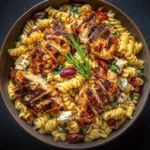
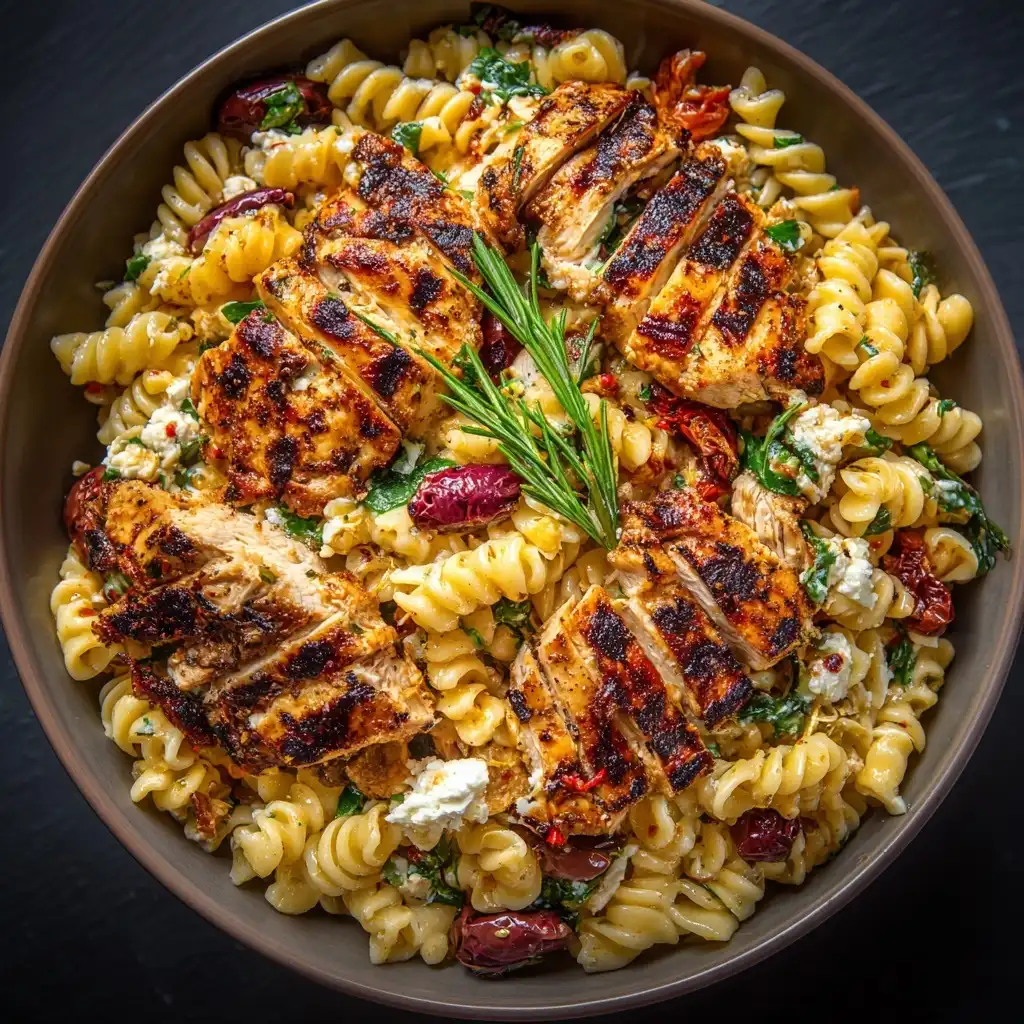
Mediterranean Grilled Chicken Pasta is a vibrant, nutrient-dense, and flavor-forward dish that captures the essence of sun-drenched coastal cuisine—from the olive groves of Greece to the herb-laden hills of southern Italy and the citrus-kissed shores of Lebanon. More than just a meal, it’s a celebration of fresh, seasonal, and minimally processed ingredients harmonized through simple yet intentional techniques: charring chicken over open flame, tossing al dente pasta with garden-fresh vegetables, and finishing with bright, aromatic herbs and high-quality extra virgin olive oil. This dish effortlessly bridges the gap between weeknight practicality and weekend-worthy elegance—offering bold Mediterranean flavors without requiring hours in the kitchen or hard-to-find pantry staples. Whether served at a family dinner table, a summer patio gathering, or packed as a protein-rich lunch, it delivers satisfaction, balance, and authenticity in every forkful.
The History
The origins of Mediterranean Grilled Chicken Pasta are not tied to a single country or ancient manuscript—but rather emerge from the dynamic, cross-cultural culinary evolution of the Mediterranean Basin, a region historically connected by trade routes, migration, and shared agricultural traditions. While pasta itself traces back to Arab influence in Sicily (via dried durum wheat noodles introduced as early as the 9th century) and later flourished in Italian port cities like Naples and Genoa, grilled poultry has long been central to Levantine, Greek, and North African cooking—where chickens were traditionally roasted over charcoal or wood-fired grills alongside wild oregano, lemon, and garlic. The modern fusion of these elements—grilled chicken + pasta + Mediterranean produce—gained momentum in the late 20th century, accelerated by the global popularization of the Mediterranean Diet (formalized by Ancel Keys’ Seven Countries Study in the 1950s and later endorsed by the WHO and Harvard School of Public Health). Chefs and home cooks alike began marrying time-honored grilling methods with accessible, versatile pasta shapes—penne, fusilli, and farfalle became ideal vessels for capturing herbaceous dressings and charred morsels. Today, this dish reflects a living tradition: one that honors terroir, seasonality, and conviviality—where every ingredient tells a story of sea breezes, sun-ripened tomatoes, hand-picked olives, and generations of slow, mindful cooking.
Ingredients Breakdown
Every element in this recipe serves both functional and sensory purpose—no filler, no afterthought. Here’s why each component matters:
- Chicken Breast or Thighs: Boneless, skinless chicken breast offers lean protein and clean flavor, while thighs provide richer juiciness and forgiving texture—especially important when grilling. Both benefit immensely from proper brining or marinating to retain moisture and absorb aromatics.
- Pasta (Durum Wheat Semolina-Based): Opt for bronze-die extruded pasta (e.g., De Cecco, Rustichella d’Abruzzo) for superior sauce adhesion due to its rougher surface. Whole grain or legume-based pastas (lentil, chickpea) add fiber and plant-based protein—ideal for gluten-conscious or nutrition-forward adaptations.
- Extra Virgin Olive Oil (EVOO): Not just fat—it’s the aromatic backbone. Authentic EVOO contributes polyphenols (oleocanthal, oleuropein), antioxidants linked to reduced inflammation and cardiovascular support. Its peppery finish cuts through richness and lifts herbal notes.
- Fresh Lemon Juice & Zest: Bright acidity balances fat and salt; zest contains volatile citrus oils (limonene) that amplify fragrance far beyond juice alone. Always use organic lemons when zesting to avoid pesticide residue.
- Garlic & Red Onion: Raw red onion adds crisp sweetness and anthocyanin-rich color; minced garlic—especially when added raw at the end—provides allicin, a compound with antimicrobial and cardioprotective properties.
- Cherry Tomatoes: Sun-ripened varieties (Sun Gold, Sweet 100) burst with lycopene—a heat-stable carotenoid with enhanced bioavailability when paired with olive oil. Their natural sugars caramelize beautifully on the grill or in the pan.
- Cucumber & Kalamata Olives: English or Persian cucumbers contribute hydrating electrolytes (potassium, magnesium); pitted Kalamatas bring sodium in balanced proportion—not isolated, but partnered with potassium-rich veggies and unsalted grains, supporting healthy blood pressure regulation.
- Feta Cheese: Traditionally made from sheep’s or goat’s milk (PDO-protected in Greece), feta offers tangy complexity, calcium, and conjugated linoleic acid (CLA)—a fatty acid associated with metabolic health. For dairy-free versions, marinated tofu crumbles or almond-based “feta” maintain texture and umami.
- Fresh Herbs (Oregano, Parsley, Mint, Basil): A quartet of antioxidant powerhouses—each brings unique phytochemicals: rosmarinic acid (oregano), apigenin (parsley), rosmarinic + menthol (mint), and eugenol (basil). Chopped just before serving preserves volatile oils and enzymatic activity.
- Optional Additions: Artichoke hearts (fiber + prebiotic inulin), roasted red peppers (vitamin C + capsaicin), capers (quercetin + rutin), toasted pine nuts (vitamin E + magnesium), and preserved lemon (intense umami + probiotic potential).
Step-by-Step Recipe
- Prep the Chicken Marinade (30 min–24 hrs ahead): In a non-reactive bowl, whisk together ⅓ cup extra virgin olive oil, ¼ cup fresh lemon juice, 3 minced garlic cloves, 1 tbsp lemon zest, 1½ tsp dried oregano (or 1 tbsp fresh), 1 tsp smoked paprika (for depth), 1 tsp kosher salt, ½ tsp freshly ground black pepper, and optional ½ tsp crushed red pepper flakes. Add 1.5 lbs boneless, skinless chicken breasts or thighs (cut into 1.5-inch strips for even grilling). Toss thoroughly, cover, and refrigerate—minimum 30 minutes, ideally 4–8 hours. Do not exceed 24 hours, as citrus can begin to “cook” the surface proteins.
- Prepare Grill or Stovetop Griddle: Preheat gas or charcoal grill to medium-high (400–450°F). If using indoor grill pan or cast iron, heat over medium-high until lightly smoking. Lightly oil grates or pan surface with high-smoke-point oil (avocado or refined olive oil) to prevent sticking.
- Grill the Chicken: Remove chicken from marinade, shaking off excess. Discard used marinade. Grill 5–7 minutes per side (depending on thickness), turning only once, until internal temperature reaches 165°F (use instant-read thermometer inserted into thickest part). Rest uncovered for 5 minutes—this allows juices to redistribute, preventing dryness when sliced.
- Cook the Pasta: While chicken rests, bring 5 quarts well-salted water (2 tbsp Diamond Crystal kosher salt) to rolling boil. Add 1 lb pasta (penne, fusilli, or campanelle recommended). Cook 1–2 minutes less than package directions for al dente texture—pasta will continue absorbing dressing and soften slightly at room temperature. Reserve 1 cup starchy cooking water before draining.
- Chill & Refresh Pasta (Optional but Recommended for Serving Cold or Room Temp): Drain pasta and immediately rinse under cold running water to halt cooking and remove excess starch—essential for non-greasy, separate strands in chilled applications. Shake well in colander or spread on clean kitchen towels to air-dry for 5 minutes.
- Assemble the Base Vegetables: In a large stainless steel or ceramic mixing bowl, combine 1 pint halved cherry tomatoes, 1 medium finely diced English cucumber (seeds removed), ½ cup thinly sliced red onion, ⅔ cup pitted Kalamata olives, ⅓ cup crumbled feta, and ¼ cup chopped fresh parsley. Gently toss.
- Combine & Finish: Add cooled (or warm) pasta and sliced grilled chicken to vegetable mixture. Drizzle with remaining 3 tbsp extra virgin olive oil, 1 tbsp fresh lemon juice, and a pinch of flaky sea salt. Fold gently with silicone spatula or tongs—avoid vigorous stirring to preserve tomato integrity and feta crumbles. Taste and adjust: more lemon for brightness, more olive oil for silkiness, more black pepper for warmth.
- Final Herb Garnish: Just before serving, scatter 2 tbsp chopped fresh mint, 1 tbsp chopped basil, and additional oregano leaves. Optional: top with lemon wedges, microgreens, or a light dusting of sumac for tart, fruity acidity.
Tips
- Brine for Juiciness: For ultra-tender chicken, submerge in 4 cups cold water + ¼ cup kosher salt + 2 tbsp brown sugar for 30 minutes before marinating—rinses away surface salt but enhances moisture retention.
- Grill Timing Precision: Use a two-zone fire if possible—sear over direct heat, then finish over indirect heat to avoid charring before center cooks. Alternatively, skewer chicken strips for faster, more uniform cooking.
- Pasta Water Is Liquid Gold: Even when serving chilled, reserve starchy water—it emulsifies dressings, binds ingredients, and prevents clumping. Add 2–3 tbsp at a time until desired cling and sheen are achieved.
- Layer Flavors Strategically: Add half the herbs during assembly and half at the end—early addition infuses the base; final garnish delivers volatile top notes and visual freshness.
- Temperature Matters: Serve slightly cool—not icy cold—to allow olive oil to remain fluid and aromatic compounds to volatilize. If prepping ahead, chill components separately and combine no sooner than 30 minutes before serving.
- Acid Balance Trick: If dish tastes flat, don’t just add more salt—add a splash of red wine vinegar or sherry vinegar. Its nuanced acidity lifts all other flavors without overpowering lemon.
- No-Stick Grill Secret: Before placing chicken, wipe grates with folded paper towel dipped in neutral oil—using tongs—for flawless release and optimal sear marks.
- Leftover Magic: Transform leftovers into next-day grain bowls (swap pasta for farro or freekeh), frittata fillings, or stuffed pita pockets with tzatziki and shredded lettuce.
Variations and Customizations
This recipe thrives on adaptability—here’s how to tailor it across dietary frameworks, seasons, and preferences:
- Gluten-Free: Substitute certified GF pasta (brown rice, quinoa, or lentil-based). Ensure marinade and olives are GF-certified (some brands use wheat-derived vinegar or anti-caking agents).
- Vegan/Vegetarian: Replace chicken with grilled halloumi, marinated tempeh, smoky grilled portobello caps, or spiced chickpea patties. Boost umami with sun-dried tomato paste or white miso in the dressing.
- Keto/Low-Carb: Swap pasta for spiralized zucchini (zoodles), blanched broccoli florets, or shirataki noodles. Increase healthy fats: add avocado slices, extra olives, pine nuts, and a drizzle of walnut oil.
- Pescatarian: Substitute grilled shrimp, salmon fillets, or flaked grilled swordfish. Pair with dill, capers, and lemon-dill aioli instead of oregano/feta.
- Winter Variation: Roast seasonal squash (delicata, kabocha), caramelized fennel, and sautéed kale. Swap lemon for orange zest/juice and add toasted walnuts and crumbled goat cheese.
- Spice-Lover’s Version: Infuse marinade with harissa paste, Aleppo pepper, or zhug (Yemeni cilantro-chili sauce). Finish with pickled jalapeños or preserved lemon peel.
- Kid-Friendly Adaptation: Omit raw onion and olives; add mild mozzarella pearls, steamed peas, and a touch of honey in dressing. Serve with whole-grain garlic toast sticks for dipping.
- Meal Prep Pro-Tip: Store components separately in airtight containers: grilled chicken (up to 4 days), cooked pasta (3 days), veggie mix (2 days), herbs (wrapped in damp paper towel inside container, up to 5 days). Assemble day-of to preserve texture and vibrancy.
Health Considerations and Nutritional Value
A single 1.5-cup serving (approx. 425g) of this Mediterranean Grilled Chicken Pasta provides a synergistic blend of macro- and micronutrients aligned with evidence-based wellness principles:
- Protein Powerhouse: ~38g high-biological-value protein from chicken and feta supports muscle synthesis, satiety, and thermogenesis—critical for metabolic health and weight management.
- Heart-Healthy Fats: Monounsaturated fats (olive oil, olives, avocado), omega-3s (if using fish variation), and phytosterols help lower LDL cholesterol, reduce arterial inflammation, and improve endothelial function.
- Fiber-Rich & Gut-Supportive: ~8g total fiber from whole grain pasta (if used), vegetables, and olives feeds beneficial gut microbiota—linked to improved immunity, mood regulation, and reduced systemic inflammation.
- Antioxidant Density: ORAC (Oxygen Radical Absorbance Capacity) score is exceptionally high thanks to lycopene (tomatoes), quercetin (onions), oleuropein (olive oil), vitamin C (lemon, cucumber), and polyphenols in herbs—combating oxidative stress implicated in chronic disease.
- Low Glycemic Impact: When prepared with whole grain or legume pasta and balanced with fats/protein/fiber, this dish maintains steady blood glucose—ideal for prediabetes, insulin resistance, and sustained energy.
- Sodium Awareness: Naturally moderate (~420mg/serving) when using unsalted pasta water and limiting added salt—Kalamatas and feta contribute sodium, but their potassium-rich counterparts (cucumber, tomato, lemon) promote healthy sodium-potassium balance.
- Vitamin & Mineral Synergy: Excellent source of B6 (chicken), calcium & vitamin K2 (feta), magnesium (spinach/kale additions), folate (leafy greens), and iron (with vitamin C from lemon to enhance non-heme absorption).
- Considerations: Those with histamine intolerance may wish to limit aged cheeses (feta), fermented olives, and tomatoes—or opt for fresher alternatives (ricotta salata, green olives, zucchini). For low-FODMAP needs, substitute garlic-infused oil (garlic removed), omit onion, and choose firm tofu over feta.
Ingredients
- 1.5 lbs boneless, skinless chicken breasts or thighs, cut into 1.5-inch strips
- ⅓ cup extra virgin olive oil (plus 3 tbsp for finishing)
- ¼ cup fresh lemon juice (about 2 medium lemons)
- 3 garlic cloves, minced
- 1 tbsp lemon zest (from same lemons)
- 1½ tsp dried oregano (or 1 tbsp fresh, chopped)
- 1 tsp smoked paprika
- 1 tsp kosher salt (plus more for pasta water)
- ½ tsp freshly ground black pepper
- ½ tsp crushed red pepper flakes (optional)
- 1 lb short-cut pasta (penne, fusilli, campanelle, or whole grain/GF alternative)
- 2 tbsp Diamond Crystal kosher salt (for pasta water)
- 1 pint cherry tomatoes, halved
- 1 medium English cucumber, seeded and finely diced
- ½ cup thinly sliced red onion
- ⅔ cup pitted Kalamata olives
- ⅓ cup crumbled feta cheese (sheep’s or goat’s milk preferred)
- ¼ cup chopped fresh flat-leaf parsley
- 2 tbsp chopped fresh mint
- 1 tbsp chopped fresh basil
- Flaky sea salt, for finishing
- Lemon wedges, for serving
- Microgreens or additional oregano sprigs, for garnish (optional)
Directions
- In a large non-reactive bowl, whisk together ⅓ cup extra virgin olive oil, ¼ cup lemon juice, 3 minced garlic cloves, 1 tbsp lemon zest, 1½ tsp dried oregano, 1 tsp smoked paprika, 1 tsp kosher salt, ½ tsp black pepper, and optional ½ tsp red pepper flakes.
- Add chicken strips and toss to coat evenly. Cover and refrigerate for at least 30 minutes—or up to 8 hours for deeper flavor.
- Preheat grill or grill pan to medium-high (400–450°F). Lightly oil grates or surface.
- Remove chicken from marinade, shaking off excess. Discard marinade. Grill chicken 5–7 minutes per side until internal temperature reaches 165°F. Transfer to cutting board, rest 5 minutes, then slice against the grain.
- Meanwhile, bring 5 quarts water to boil. Add 2 tbsp kosher salt. Cook pasta 1–2 minutes shy of package directions. Reserve 1 cup starchy water, then drain. Rinse under cold water if serving chilled; otherwise, let steam-dry 2 minutes.
- In large mixing bowl, combine cherry tomatoes, cucumber, red onion, Kalamata olives, feta, and parsley.
- Add drained pasta and sliced chicken. Drizzle with 3 tbsp olive oil, 1 tbsp lemon juice, and a pinch of flaky sea salt. Gently fold to combine. Add reserved pasta water 1 tbsp at a time until dressing coats evenly.
- Garnish generously with mint, basil, and extra oregano. Serve immediately—or chill 30 minutes for enhanced flavor meld. Accompany with lemon wedges and crusty whole-grain pita.
FAQ
- Can I make this ahead of time?
- Yes—with smart staging. Marinate chicken up to 24 hours; grill and cool up to 3 days ahead. Cook pasta day-of or up to 1 day ahead (rinse, drain well, toss with 1 tsp olive oil to prevent sticking). Chop vegetables no more than 6 hours before serving to retain crunch and color. Assemble within 30 minutes of serving for optimal texture.
- What’s the best pasta shape for this dish?
- Short, ridged, or twisted shapes hold up best: penne rigate, fusilli, campanelle, or casarecce. Their nooks trap olive oil, herbs, and tomato juices—unlike smooth spaghetti, which tends to slide apart. Avoid delicate pastas like angel hair or fresh tagliatelle unless serving immediately warm.
- Why does my feta taste bitter or overly salty?
- Authentic Greek feta (PDO-certified) is brined—not dry-salted—and should taste tangy, creamy, and complex—not harsh. If your feta tastes sharp or medicinal, it may be mass-produced cow’s milk feta or improperly stored. Look for “Protected Designation of Origin” labeling and store submerged in brine in fridge.
- My grilled chicken turned out dry—what went wrong?
- Dryness usually stems from overcooking or skipping the rest period. Always use a thermometer (165°F max), slice against the grain, and rest 5 minutes. Brining beforehand or using thighs instead of breasts also dramatically improves moisture retention.
- Can I use bottled lemon juice?
- Fresh is strongly recommended—bottled juice lacks volatile citrus oils and often contains preservatives (sulfites) that mute herbal notes and introduce off-flavors. If absolutely necessary, choose refrigerated, 100% pure juice with no additives—but expect diminished brightness and aroma.
- Is this dish suitable for diabetics?
- Yes—with mindful modifications: choose whole grain or legume pasta, control portion size (1 cup cooked pasta), emphasize non-starchy vegetables, and pair with a side salad dressed in lemon-olive oil. The high fiber, protein, and monounsaturated fat profile supports stable postprandial glucose.
- How do I reheat leftovers without ruining texture?
- Avoid microwaving—this makes pasta gummy and evaporates aromatic oils. Instead, gently warm chicken separately in skillet with splash of olive oil. Toss room-temp pasta and veggies with warmed chicken, adding a squeeze of fresh lemon and drizzle of EVOO to refresh.
- Can I freeze this dish?
- Not recommended—the high water content in tomatoes, cucumber, and herbs leads to sogginess and separation upon thawing. However, grilled chicken and cooked pasta (without sauce) freeze well individually for up to 3 months—thaw overnight and assemble fresh.
Summary
Mediterranean Grilled Chicken Pasta is a masterclass in balanced, flavorful, and scientifically supported eating—uniting lean protein, heart-healthy fats, antioxidant-rich produce, and artisanal grains in a dish that satisfies both palate and physiology. It embodies the spirit of Mediterranean living: vibrant, unhurried, communal, and deeply rooted in nature’s seasonal rhythm.
Whether you’re seeking a nourishing weeknight staple, a showstopping potluck centerpiece, or a customizable foundation for lifelong wellness, this recipe delivers—with zero compromises on taste, integrity, or joy.