Introduction
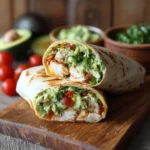
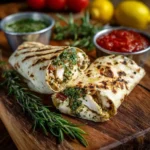
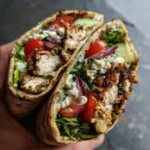
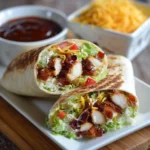
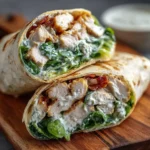
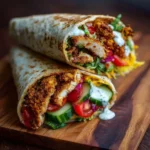
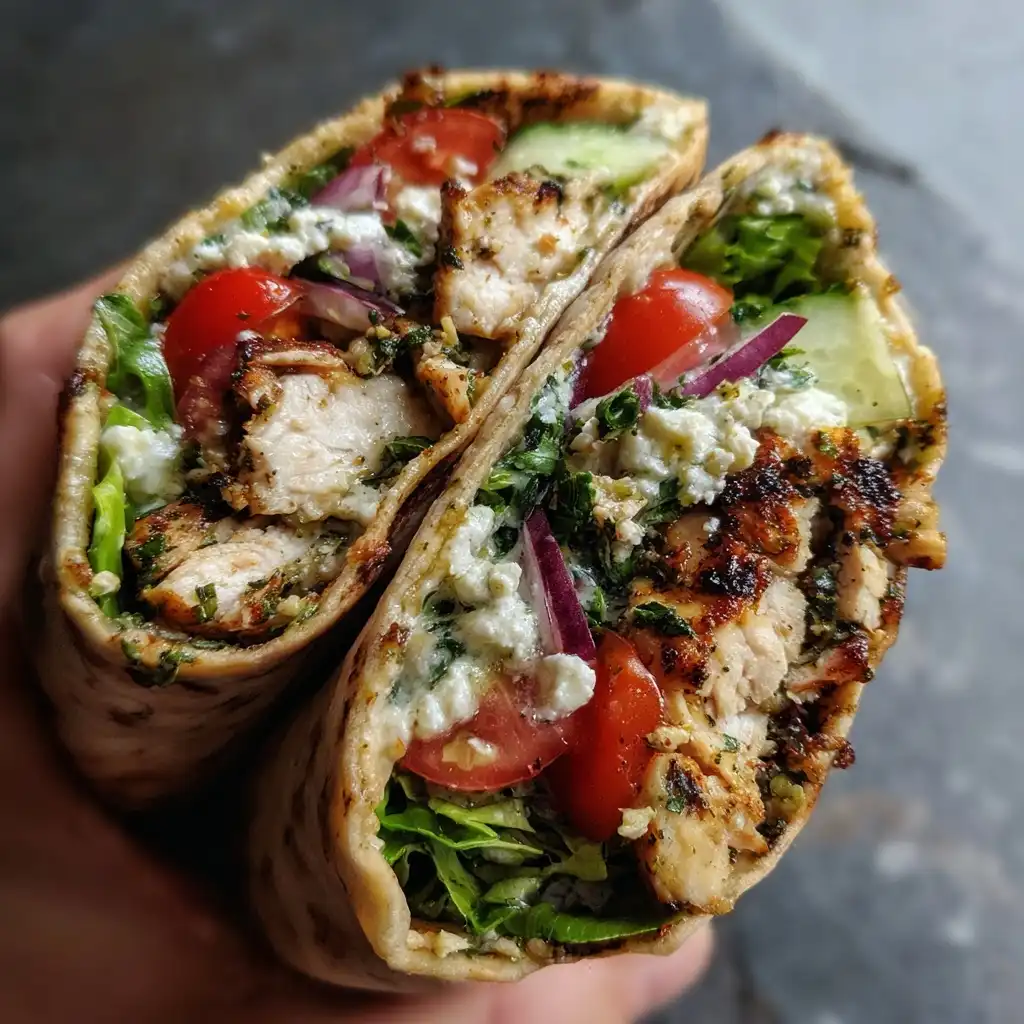
The Mediterranean Chicken Pita Wrap is a vibrant, nutrient-dense, and flavor-packed handheld meal that embodies the essence of sun-drenched coastal cuisine—think zesty lemon, aromatic oregano, creamy tzatziki, crisp vegetables, and tender grilled chicken nestled inside soft, warm pita bread. More than just a quick lunch option, it’s a culinary celebration of balance: bright acidity meets savory depth, cool creaminess contrasts with smoky char, and wholesome whole grains harmonize with lean protein and antioxidant-rich produce. Whether you’re meal prepping for the week, packing a satisfying workday lunch, or hosting a casual Mediterranean-themed gathering, this wrap delivers restaurant-quality taste with home-kitchen simplicity—and it’s endlessly adaptable to dietary preferences, seasonal produce, and pantry staples.
The History
While the modern “pita wrap” as we know it—a portable, rolled sandwich format—is largely an American culinary innovation born in the late 20th century, its roots stretch across millennia and continents. The pita itself traces back over 4,000 years to ancient Mesopotamia and Egypt, where flatbreads were baked on hot clay surfaces and used as edible utensils to scoop stews and dips. In Greece and the Levant, grilled meats like souvlaki and shawarma were traditionally served on or alongside pita—often folded or stuffed rather than fully wrapped—but the full enclosure technique gained popularity through Greek-American and Middle Eastern-American delis and food trucks in the 1980s and ’90s, responding to demand for convenient, mess-free, on-the-go meals. The Mediterranean Chicken Pita Wrap specifically emerged as a health-conscious evolution: swapping fatty lamb or ground beef for lean, herb-marinated chicken breast; incorporating yogurt-based tzatziki instead of heavy mayonnaise-based sauces; and spotlighting fresh vegetables like cucumber, tomato, red onion, and romaine—reflecting the growing global appreciation for the evidence-backed benefits of the traditional Mediterranean diet, recognized by UNESCO as an Intangible Cultural Heritage of Humanity in 2013.
Ingredients Breakdown
Every component of this wrap plays a purposeful role—not just in flavor, but in texture, temperature contrast, nutritional synergy, and cultural authenticity:
- Chicken Breast (boneless, skinless): A lean, high-biological-value protein source rich in niacin, B6, and selenium—marinated to absorb aromatics without added fat.
- Extra-Virgin Olive Oil: The liquid gold of the Mediterranean—provides heart-healthy monounsaturated fats, polyphenols, and a lush, fruity base for marinades and dressings.
- Fresh Lemon Juice & Zest: Adds brightness, natural acidity to tenderize chicken, and vitamin C to boost iron absorption from plant-based ingredients.
- Dried Oregano & Garlic Powder: Earthy, floral, and pungent—authentic Greek and Turkish pantry staples that lend unmistakable regional character (fresh oregano may be substituted, though dried offers more concentrated flavor when heated).
- Plain Greek Yogurt (full-fat or 2%): Serves dual roles—as the creamy, tangy base for tzatziki and as a natural marinade tenderizer thanks to its lactic acid and enzymes.
- Cucumber (English or Persian, peeled and seeded): Provides essential crunch and hydration; its mild flavor balances stronger elements while contributing silica, potassium, and antioxidants.
- Garlic (fresh, minced): Raw garlic in tzatziki delivers allicin—a potent antimicrobial and cardiovascular-supportive compound activated upon crushing.
- Fresh Dill & Mint: Fragrant herbs that elevate freshness—dill adds anise-like complexity, mint cools and refreshes, both rich in rosmarinic acid and volatile oils with anti-inflammatory properties.
- Whole-Wheat or Sprouted Grain Pita Bread: Offers complex carbohydrates, fiber (promoting satiety and gut health), B vitamins, and magnesium—opt for pocketless “wrap-style” pitas or gently warmed traditional pitas to prevent tearing.
- Romaine Lettuce or Butter Lettuce: Crisp yet tender greens add volume, chlorophyll, folate, and vitamin K—romaine’s sturdy ribs hold up well to moist fillings.
- Cherry Tomatoes (halved): Burst with lycopene (a bioavailable carotenoid enhanced by olive oil), sweetness, and acidity—choose heirloom varieties for deeper flavor.
- Red Onion (thinly sliced, soaked in lemon water): Adds sharpness and anthocyanins; soaking mellows pungency while preserving quercetin, a flavonoid linked to reduced inflammation.
- Kalamata Olives (pitted): Briny, meaty, and rich in oleuropein and hydroxytyrosol—powerful phenolic compounds unique to olives and olive oil.
- Feta Cheese (crumbled, preferably imported Greek): Salty, tangy, and creamy—provides calcium, phosphorus, and conjugated linoleic acid (CLA); authentic feta is made from sheep’s or sheep-goat milk.
- Optional Garnishes: Toasted pine nuts (for crunch and vitamin E), crumbled roasted red peppers (for sweetness and capsanthin), microgreens (for concentrated phytonutrients), or a drizzle of high-quality za’atar-infused olive oil.
Step-by-Step Recipe
- Prepare the Chicken Marinade: In a medium bowl, whisk together ¼ cup extra-virgin olive oil, juice and zest of 1 large lemon (about 3 tbsp juice), 2 tsp dried oregano, 1½ tsp garlic powder, 1 tsp onion powder, ½ tsp smoked paprika (for subtle depth), 1 tsp kosher salt, and ½ tsp freshly ground black pepper. Add 1½ lbs boneless, skinless chicken breasts (cut into 1-inch strips for even cooking) and toss to coat thoroughly. Cover and refrigerate for at least 30 minutes—or ideally 2–4 hours—for maximum flavor infusion. (Do not marinate longer than 6 hours, as citrus can begin to “cook” the surface proteins.)
- Make the Tzatziki Sauce: While chicken chills, combine 1 cup plain full-fat Greek yogurt, ½ cup finely grated (and well-drained) English cucumber, 2 minced garlic cloves, 1 tbsp fresh lemon juice, 1 tbsp chopped fresh dill, 1 tsp chopped fresh mint, ½ tsp kosher salt, and a pinch of white pepper in a non-reactive bowl. Stir gently—do not overmix, which can thin the sauce. Cover and refrigerate for at least 30 minutes to allow flavors to meld and garlic sharpness to mellow. For best texture, prepare tzatziki up to 2 days ahead.
- Grill or Pan-Sear the Chicken: Heat a cast-iron skillet, grill pan, or outdoor grill to medium-high heat (about 400°F). Lightly oil the surface. Remove chicken from marinade, shaking off excess (reserve marinade). Cook chicken in a single layer without overcrowding—about 5–6 minutes per side—until deeply golden brown with grill marks and internal temperature reaches 165°F. Optional: For extra char and aroma, brush reserved marinade onto chicken during the last 60 seconds of cooking (discard any remaining uncooked marinade). Transfer to a cutting board, tent loosely with foil, and rest for 5 minutes before slicing thinly against the grain.
- Prep the Vegetables & Assembly Components: While chicken rests: slice 1 small English cucumber into thin half-moons; halve 1 cup cherry tomatoes; thinly slice ½ small red onion and soak in cold water + 1 tsp lemon juice for 10 minutes, then drain and pat dry; wash and spin-dry 3 cups romaine hearts; crumble ⅓ cup feta; pit and halve ¼ cup Kalamata olives.
- Warm the Pita Bread: Heat a dry skillet over medium-low flame. Warm each pita (preferably pocketless “wrap-style” or traditional pita gently opened to form a pouch) for 20–30 seconds per side until pliable and fragrant—do not let it crisp or dry out. Keep wrapped in a clean kitchen towel to retain steam and flexibility.
- Assemble the Wraps: Lay a warm pita flat on a clean surface. Spread 3–4 tbsp chilled tzatziki in a horizontal band across the center, leaving a 1-inch border at the bottom and top. Layer evenly: ¼ of the sliced chicken, ¼ of the romaine, ¼ of the tomatoes, ¼ of the cucumbers, ¼ of the red onion, ¼ of the feta, ¼ of the olives. Drizzle lightly with additional olive oil and a final squeeze of lemon if desired. Fold the bottom edge up over the filling, then fold in both sides, and roll tightly from the bottom to enclose—tucking as you go to prevent spillage. Wrap snugly in parchment paper or wax paper, twisting the ends for secure, portable presentation.
Tips
- Marinade Smart: Always marinate chicken in glass, ceramic, or stainless-steel containers—not aluminum or copper, which can react with acidic ingredients and impart off-flavors or discoloration.
- Grill Like a Pro: For flawless sear marks and no sticking, ensure your grill or pan is fully preheated and properly oiled *before* adding chicken. Let chicken sit undisturbed for at least 4 minutes before flipping—this allows a proper crust to form.
- Cucumber Drainage Is Non-Negotiable: Excess moisture is the #1 tzatziki killer. After grating, place cucumber in a fine-mesh strainer, sprinkle with ¼ tsp salt, and let drain over a bowl for 10 minutes. Then squeeze firmly in a clean kitchen towel—this prevents watery, separated sauce.
- Pita Flexibility Matters: Cold, stiff pita will crack. If reheating multiple pitas, keep them stacked under a damp cloth in a covered basket or wrap in foil and hold in a low oven (200°F) for up to 30 minutes.
- Assembly Order = Structural Integrity: Spread tzatziki first—it acts as a moisture barrier between pita and wet ingredients. Place lettuce *under* tomatoes and cucumbers to shield the bread from direct juice exposure. Feta and olives go on top of greens to anchor layers.
- Meal Prep Friendly: Marinate chicken and make tzatziki up to 2 days ahead. Store separately in airtight containers. Assemble wraps *just before eating* (within 30 minutes max) to preserve texture—though components store beautifully for DIY assembly.
- No Grill? No Problem: Use a high-BTU gas stove with a heavy-bottomed grill pan—or roast chicken at 425°F on a wire rack over a baking sheet for 18–22 minutes for equally flavorful, juicy results.
- Sauce Substitution Hack: If short on time, enhance store-bought tzatziki with 1 tsp lemon zest, ½ tsp dried dill, and a swirl of olive oil—still delicious and far superior to mayo-based alternatives.
- Leftover Magic: Dice leftover chicken and toss with tzatziki, chopped parsley, lemon juice, and a splash of olive oil for a protein-packed grain bowl base or Mediterranean chicken salad.
Variations and Customizations
This recipe is intentionally designed as a canvas—not a rigid formula. Here are thoughtfully crafted adaptations for diverse needs, tastes, and occasions:
- Vegetarian/Vegan Option: Replace chicken with grilled halloumi cheese (pan-seared until golden and squeaky) or marinated, baked chickpeas (tossed in olive oil, cumin, smoked paprika, and lemon juice, roasted at 400°F for 25 minutes). Use dairy-free coconut or almond-based yogurt for tzatziki, and omit feta or use a cultured cashew feta alternative.
- Keto/Low-Carb Adaptation: Skip the pita entirely and serve fillings over a bed of butter lettuce or in a large romaine leaf “boat.” Boost healthy fats with extra olives, avocado slices, and a generous drizzle of olive oil. Increase chicken portion to 6 oz per serving.
- Gluten-Free Version: Use certified gluten-free pita (made with almond flour, cassava, or chickpea flour) or large, pliable gluten-free tortillas. Verify all spice blends and condiments are GF-certified (some paprikas contain fillers).
- Spice-Lover’s Upgrade: Add ¼ tsp crushed red pepper flakes to the marinade; stir 1 tsp harissa paste into tzatziki; garnish with pickled jalapeños or banana peppers for layered heat.
- Herb Garden Twist: Swap dill/mint for equal parts chopped basil and oregano—or use lemon thyme and marjoram for a Provence-inspired variation. Add edible flowers (nasturtiums, borage) for visual flair and peppery nuance.
- Breakfast Wrap Reinvention: Substitute grilled chicken with crumbled feta-scrambled eggs or smoked salmon; replace tzatziki with herbed labneh; add sliced avocado and micro arugula.
- Kid-Friendly Simplified: Omit raw garlic and red onion; use mild feta or ricotta salata; add shredded carrots and diced apple for sweetness and crunch; serve with a side of lemon-dill hummus for dipping.
- Meal-Prep Batch Style: Double the recipe and prep components in labeled Mason jars: Layer tzatziki on bottom, then chicken, then veggies (keep tomatoes separate), with feta/olives in a small compartment lid. Assemble in morning.
- Greek Street Food Fusion: Add crumbled gyro meat (lamb/beef blend) alongside chicken; swap tzatziki for skordalia (garlic-potato dip); include roasted eggplant and sautéed spinach.
- Levantine-Inspired: Replace oregano with za’atar in marinade; use tahini-lemon sauce instead of tzatziki; add pickled turnips, sumac-dusted onions, and fresh parsley.
Health Considerations and Nutritional Value
A single standard-serving Mediterranean Chicken Pita Wrap (approx. 1 wrap using 1 large whole-wheat pita, 5 oz chicken, ⅓ cup tzatziki, and full veggie/feta/olive complement) delivers approximately 520–580 calories, with an exceptionally balanced macronutrient profile and dense micronutrient matrix:
- Protein (42–48g): Supports muscle maintenance, satiety, and metabolic function. Chicken provides complete amino acids; feta contributes casein; olives and greens add trace plant proteins.
- Healthy Fats (24–28g): Predominantly monounsaturated (from olive oil, olives, avocado if added) and omega-3s (from flax or walnuts if included). Supports brain health, hormone synthesis, and absorption of fat-soluble vitamins A, D, E, and K.
- Complex Carbs & Fiber (48–54g / 12–16g fiber): Whole-wheat pita and vegetables supply slow-digesting carbs and prebiotic fiber—feeding beneficial gut microbiota and stabilizing blood sugar. One wrap meets ~50–65% of daily fiber needs.
- Vitamins & Minerals: Exceptionally rich in vitamin K (romaine, herbs), vitamin C (lemon, tomatoes, cucumber), calcium (feta, greens), potassium (cucumber, tomatoes, olives), magnesium (whole grains, spinach if added), and selenium (chicken). The synergy of lemon juice + iron-rich greens enhances non-heme iron absorption.
- Phytonutrient Powerhouse: Contains >25 distinct polyphenols—including oleuropein (olives), lycopene (tomatoes), apigenin (parsley/dill), luteolin (celery/cucumber), and quercetin (onions)—all studied for antioxidant, anti-inflammatory, and cardioprotective effects.
- Dietary Notes: Naturally low in added sugars (<2g per wrap), contains zero trans fats, and is easily adapted for low-sodium diets (reduce salt by 50%, rely on herbs/citrus for seasoning). Ideal for managing hypertension, insulin resistance, and chronic inflammation—core pillars of the clinically validated Mediterranean Diet pattern shown in landmark studies like PREDIMED to reduce cardiovascular events by 30%.
- Considerations: Those with histamine intolerance may wish to limit aged feta and olives; individuals on blood thinners should monitor consistent vitamin K intake; those with IBS may prefer peeled cucumber and low-FODMAP onion alternatives (green onion tops only). Always consult a registered dietitian for personalized guidance.
Ingredients
For the Marinated Chicken:
- 1½ lbs boneless, skinless chicken breasts, cut into 1-inch strips
- ¼ cup extra-virgin olive oil
- Juice and zest of 1 large lemon (about 3 tbsp juice)
- 2 tsp dried oregano
- 1½ tsp garlic powder
- 1 tsp onion powder
- ½ tsp smoked paprika
- 1 tsp kosher salt
- ½ tsp freshly ground black pepper
For the Homemade Tzatziki:
- 1 cup full-fat plain Greek yogurt
- ½ cup English cucumber, peeled, seeded, and finely grated
- 2 garlic cloves, finely minced
- 1 tbsp fresh lemon juice
- 1 tbsp fresh dill, finely chopped
- 1 tsp fresh mint, finely chopped
- ½ tsp kosher salt
- Pinch of white pepper
For Assembly:
- 4 whole-wheat or sprouted grain pita pockets (6–7 inch, pocketless preferred)
- 3 cups romaine lettuce, chopped or left in crisp ribbons
- 1 cup cherry tomatoes, halved
- ½ English cucumber, thinly sliced into half-moons
- ½ small red onion, very thinly sliced and soaked in lemon water (1 tsp lemon juice + ¼ cup water) for 10 minutes, then drained
- ⅓ cup crumbled feta cheese (imported Greek preferred)
- ¼ cup pitted Kalamata olives, halved
- Extra-virgin olive oil, for drizzling
- Fresh lemon wedges, for serving
- Optional: Toasted pine nuts, crumbled roasted red peppers, microgreens
Directions
- Marinate the Chicken: In a non-reactive bowl, whisk together olive oil, lemon juice and zest, oregano, garlic powder, onion powder, smoked paprika, salt, and pepper. Add chicken strips and toss until evenly coated. Cover and refrigerate for 30 minutes to 4 hours.
- Prepare the Tzatziki: Place grated cucumber in a fine-mesh strainer; sprinkle with ¼ tsp salt and let drain over a bowl for 10 minutes. Squeeze firmly in a clean kitchen towel to remove all excess liquid. In a separate bowl, combine strained cucumber, Greek yogurt, minced garlic, lemon juice, dill, mint, salt, and white pepper. Stir gently until combined. Cover and refrigerate for at least 30 minutes.
- Cook the Chicken: Heat a heavy skillet or grill pan over medium-high heat. Lightly oil surface. Remove chicken from marinade (discard marinade) and cook in batches without crowding, 5–6 minutes per side, until golden brown and internal temperature reaches 165°F. Transfer to a cutting board, tent with foil, and rest for 5 minutes. Slice thinly against the grain.
- Prep Vegetables: While chicken rests, prepare romaine, tomatoes, cucumber slices, and soaked red onion. Drain and pat dry.
- Warm Pitas: Heat a dry skillet over medium-low heat. Warm each pita for 20–30 seconds per side until soft and pliable. Keep wrapped in a clean towel.
- Assemble: Lay pita flat. Spread 3–4 tbsp tzatziki horizontally across center. Top with ¼ of chicken, ¼ romaine, ¼ tomatoes, ¼ cucumber, ¼ red onion, ¼ feta, and ¼ olives. Drizzle lightly with olive oil and lemon juice. Fold bottom edge up, fold sides in, and roll tightly from bottom. Wrap in parchment paper, twisting ends.
- Serve Immediately: Cut in half diagonally for presentation or enjoy whole. Serve with extra tzatziki and lemon wedges on the side.
FAQ
- Can I make this recipe ahead of time?
- Absolutely—but for optimal texture, prep components separately. Marinate chicken and make tzatziki up to 2 days ahead. Chop vegetables (except tomatoes and onions) up to 1 day ahead and store in airtight containers lined with paper towels. Assemble wraps within 30 minutes of serving to prevent sogginess.
- What’s the best pita to use—and how do I prevent tearing?
- Look for “wrap-style” pitas (soft, pliable, no pocket) or traditional pocket pitas gently steamed or warmed until flexible. Avoid dry, brittle, or overly thick pitas. To prevent tearing: warm thoroughly, handle gently, and don’t overfill. If using pocket pitas, open carefully with fingers—not a knife—to avoid splitting.
- My tzatziki turned out watery—what went wrong?
- Insufficient draining of the cucumber is the most common culprit. Grated cucumber must be salted, strained for 10+ minutes, then squeezed *very firmly* in a towel until no moisture remains. Also, avoid stirring tzatziki vigorously after mixing—gentle folding preserves thickness.
- Can I freeze the marinated chicken?
- Yes—freeze raw marinated chicken in a resealable freezer bag for up to 3 months. Thaw overnight in the refrigerator before cooking. Do not freeze tzatziki (yogurt separates upon thawing).
- Is there a substitute for Greek yogurt in tzatziki?
- Full-fat regular plain yogurt (not low-fat or flavored) can work in a pinch—but it’s thinner and less tangy. Strain it in cheesecloth for 2+ hours to thicken. Avoid sour cream (too rich) or mayo (not authentic and lacks probiotics).
- How do I keep wraps from getting soggy during lunch prep?
- Use a moisture barrier: spread tzatziki first, then layer lettuce directly on top of it. Keep juicy ingredients (tomatoes, cucumbers) above greens—not below. Store assembled wraps upright in a container with parchment between layers, or wrap individually in parchment + foil—not plastic wrap, which traps steam.
- Are Kalamata olives necessary—or can I use green olives?
- Kalamatas offer authentic briny depth and higher polyphenol content, but high-quality green olives (like Castelvetrano) provide milder, buttery notes. Avoid canned black “ripe” olives—they’re often treated with oxidizing agents and lack nuanced flavor.
- Can I air-fry the chicken instead of grilling?
- Yes! Preheat air fryer to 375°F. Place marinated chicken in a single layer in basket (no oil needed). Cook 12–15 minutes, flipping halfway, until golden and 165°F internally. Rest before slicing.
- What wine pairs well with this dish?
- A crisp, high-acid white complements the lemon and herbs beautifully—try Assyrtiko (Greek), Vermentino (Sardinian), or Sauvignon Blanc (Loire Valley). For red lovers, a light-bodied, low-tannin red like Pinot Noir or young Xinomavro works surprisingly well.
- How can I make this kid-friendly without sacrificing nutrition?
- Omit raw garlic and red onion. Use mild feta or ricotta salata. Add shredded carrots, diced apple, or roasted sweet potato cubes. Serve with lemon-dill hummus for dipping. Let kids assemble their own wraps for engagement and ownership.
Summary
The Mediterranean Chicken Pita Wrap is a masterclass in balanced, vibrant, and culturally rooted eating—uniting lean grilled chicken marinated in lemon-oregano olive oil, cooling house-made tzatziki, crisp seasonal vegetables, briny Kalamata olives, and creamy feta, all enfolded in warm, whole-grain pita for portable nourishment.
Backed by centuries of tradition and modern nutritional science, it delivers exceptional flavor, satisfying texture contrast, and profound health benefits—from heart-protective fats and gut-nourishing fiber to inflammation-fighting phytonutrients—all in one beautifully simple, endlessly customizable, and deeply satisfying handheld meal.