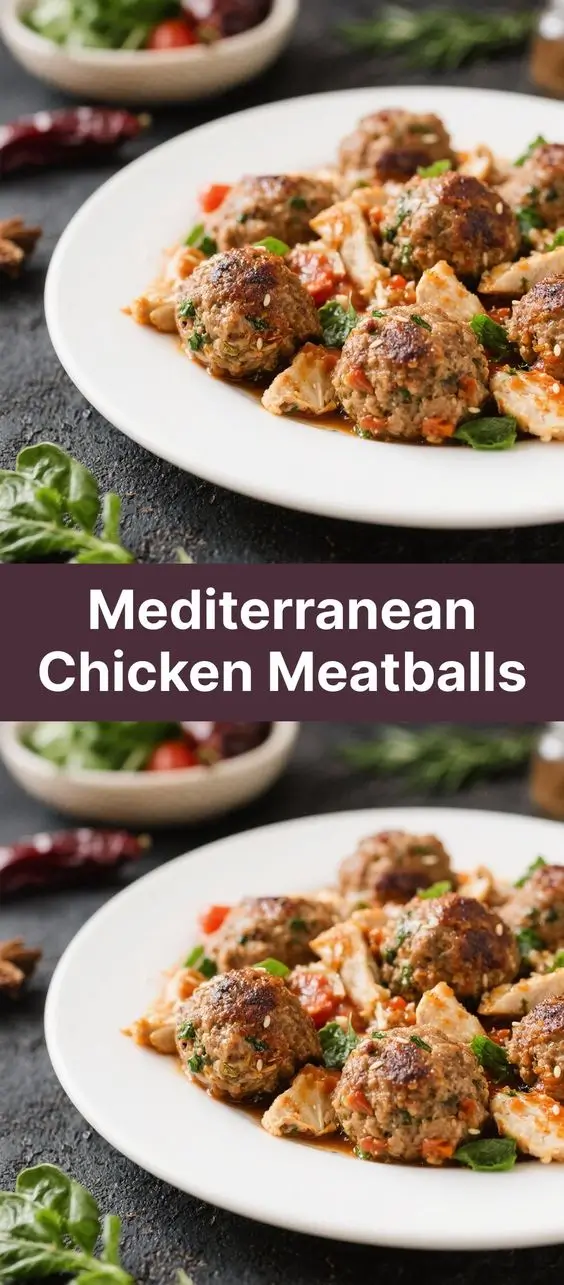
Mediterranean Chicken Meatballs: A Flavorful Journey Through Tradition and Taste
The History of Mediterranean Chicken Meatballs
The story of Mediterranean chicken meatballs is deeply rooted in the culinary traditions of countries bordering the Mediterranean Sea—Greece, Turkey, Italy, Lebanon, and Morocco, among others. While meatballs as a concept have existed for centuries, their evolution within Mediterranean cuisine reflects a blend of cultural exchange, regional ingredients, and time-honored cooking techniques.
Historically, meatballs (known as keftedes in Greece, köfte in Turkey, and kofta in the Middle East) were originally made from lamb or beef due to availability. However, with modern dietary preferences shifting toward leaner proteins, chicken emerged as a popular alternative, particularly in health-conscious households. The use of ground chicken in meatball recipes gained momentum in the 20th century, especially as refrigeration improved and poultry farming became more widespread.
In Mediterranean coastal regions, where fresh herbs, citrus, olives, and olive oil are staples, these flavors naturally infused into meatball recipes. Families passed down variations through generations, often tailoring them to seasonal produce and local spices. Today, Mediterranean chicken meatballs represent a harmonious fusion of ancient tradition and contemporary wellness, combining aromatic herbs, tangy lemon, garlic, and wholesome ingredients into bite-sized morsels bursting with flavor.
Ingredients Breakdown: Why Each Component Matters
The magic of Mediterranean chicken meatballs lies in the careful balance of ingredients that enhance moisture, texture, flavor, and nutrition. Here’s an in-depth look at each component:
- Ground Chicken (1 lb / 450g): Opt for a mix of white and dark meat for juiciness. Lean breast-only can dry out during cooking, so adding a bit of thigh meat or a small amount of olive oil helps retain moisture.
- Fresh Breadcrumbs (½ cup): Acts as a binder and adds lightness. You can make your own by pulsing day-old rustic bread in a food processor. Avoid pre-packaged seasoned breadcrumbs to maintain control over sodium and additives.
- Feta Cheese (⅓ cup, crumbled): A quintessential Mediterranean ingredient, feta contributes creaminess, saltiness, and a slight tang. Authentic Greek feta made from sheep’s milk is preferred, but any good-quality feta works.
- Fresh Parsley (¼ cup, finely chopped): Brightens the flavor profile and adds freshness. Flat-leaf parsley is ideal for its robust taste.
- Garlic (3 cloves, minced): Provides pungency and depth. Freshly minced garlic is far superior to jarred versions.
- Lemon Zest (from 1 lemon) and Juice (1 tbsp): Zest contains essential oils that infuse citrus aroma, while juice adds acidity to balance richness.
- Dried Oregano (1 tsp): A hallmark herb in Greek and Southern Italian cooking, oregano offers earthy, slightly peppery notes.
- Extra Virgin Olive Oil (2 tbsp): Enhances moisture and carries fat-soluble flavors. Use high-quality cold-pressed olive oil for best results.
- Egg (1 large): Binds the mixture together. For a lighter version, you can substitute with a flax egg (1 tbsp ground flaxseed + 3 tbsp water).
- Salt (¾ tsp) and Black Pepper (½ tsp): Essential seasonings that elevate all other flavors.
- Optional Add-ins: Diced sun-dried tomatoes, chopped Kalamata olives, or grated zucchini can add complexity and texture.
Step-by-Step Recipe: Crafting Perfect Mediterranean Chicken Meatballs
Follow this detailed guide to create tender, flavorful meatballs that capture the essence of the Mediterranean coast.
- Prepare Ingredients: Gather all ingredients and measure them precisely. Finely chop parsley, mince garlic, zest and juice the lemon, and crumble feta. Having everything ready ensures smooth assembly.
- Soak Breadcrumbs (if needed): If your breadcrumbs are very dry, moisten them slightly with 1–2 tablespoons of milk or water. This prevents the meatballs from becoming too dense.
- Mix Wet Ingredients: In a large mixing bowl, combine the egg, olive oil, lemon zest, lemon juice, garlic, and half of the chopped parsley. Whisk until well blended.
- Add Dry Ingredients: Gently fold in the ground chicken, breadcrumbs, crumbled feta, dried oregano, salt, pepper, and remaining parsley. If using optional add-ins like olives or sun-dried tomatoes, include them now.
- Combine Gently: Using clean hands or a spatula, mix just until ingredients are incorporated. Overmixing can lead to tough meatballs, so stop as soon as the mixture is uniform.
- Chill the Mixture (Recommended): Cover the bowl with plastic wrap and refrigerate for at least 30 minutes (up to 2 hours). Chilling firms up the mixture, making it easier to shape and helping the meatballs hold their form during cooking.
- Preheat Oven and Prepare Baking Sheet: Preheat oven to 400°F (200°C). Line a baking sheet with parchment paper or lightly grease it with olive oil to prevent sticking.
- Shape the Meatballs: Scoop about 1½ tablespoons of mixture per meatball. Roll gently between your palms into smooth, compact balls—about 1.5 inches in diameter. Aim for consistency in size to ensure even cooking.
- Bake Until Golden and Cooked Through: Arrange meatballs on the baking sheet, leaving space between them. Bake for 18–22 minutes, rotating the pan halfway through, until golden brown and internal temperature reaches 165°F (74°C).
- Optional Broil Finish: For extra browning, broil on high for 1–2 minutes at the end—watch closely to avoid burning.
- Rest Before Serving: Let meatballs rest for 5 minutes after baking. This allows juices to redistribute, enhancing tenderness.
Tips for Success: Expert Advice for Flawless Meatballs
- Use a Kitchen Scale: For uniform size, weigh each meatball (around 40–45g). Consistency ensures even cooking.
- Don’t Overwork the Mixture: Mix only until combined. Overhandling compacts the meat, leading to rubbery texture.
- Keep Hands Moist: Lightly wet your hands with water or oil when shaping to prevent sticking.
- Test One First: Pan-fry a small test meatball to check seasoning and texture before committing to the full batch.
- Avoid Crowding the Pan: Whether baking or pan-searing, give meatballs space for proper air circulation and browning.
- Use a Meat Thermometer: Ensures perfect doneness without guesswork. Insert into the center—165°F is safe for poultry.
- Double the Batch: These freeze beautifully. Cool completely, then store in a single layer in a freezer-safe container for up to 3 months.
Variations and Customizations: Make It Your Own
Mediterranean chicken meatballs are wonderfully adaptable. Try these creative twists:
- Gluten-Free Version: Replace breadcrumbs with gluten-free panko or almond flour (use ⅓ cup).
- Dairy-Free Option: Omit feta or use a plant-based alternative. Add capers or nutritional yeast for a salty, umami kick.
- Low-Carb/Keto: Substitute breadcrumbs with crushed pork rinds or grated parmesan mixed with almond flour.
- Spicy Kick: Add ½ tsp smoked paprika or a pinch of red pepper flakes for heat.
- Herb Variations: Swap parsley for fresh dill, mint, or cilantro depending on regional inspiration.
- Citrus Twist: Use orange or lime zest instead of lemon for a different aromatic profile.
- Vegetable-Boosted: Fold in ¼ cup grated zucchini or carrot (squeezed dry) for added moisture and nutrients.
- Stuffed Meatballs: Place a small cube of feta or a pitted Kalamata olive in the center before rolling.
- Grilled Version: Skewer meatballs and grill over medium heat for smoky flavor (use metal or soaked wooden skewers).
Health Considerations and Nutritional Value
Mediterranean chicken meatballs align beautifully with heart-healthy and balanced eating patterns such as the Mediterranean Diet, which is consistently ranked among the healthiest in the world by nutrition experts.
Nutritional Highlights (per serving, approx. 4 meatballs):
- Calories: ~220 kcal
- Protein: 20g – Supports muscle maintenance and satiety
- Fat: 12g – Primarily from healthy monounsaturated fats in olive oil and feta
- Saturated Fat: 4g – Moderate; mostly from cheese and egg
- Carbohydrates: 8g – Mainly from breadcrumbs; easily adjustable
- Fiber: 1g – Can be increased with whole-grain breadcrumbs or vegetable additions
- Sodium: ~450mg – Varies based on feta saltiness; reduce by using low-sodium cheese or less salt
Health Benefits:
- Lean Protein Source: Chicken provides high-quality protein with less saturated fat than red meat.
- Heart-Healthy Fats: Olive oil is rich in antioxidants and anti-inflammatory compounds like oleocanthal.
- Antioxidant-Rich Herbs: Parsley and oregano contain flavonoids and vitamin C.
- Probiotic Potential: Feta, being a fermented cheese, may support gut health in moderation.
- Low in Added Sugars: Naturally sweetened by vegetables and citrus, not refined sugar.
Considerations: Those monitoring sodium intake should opt for reduced-salt feta and limit added salt. Individuals with dairy sensitivities can omit cheese or choose alternatives. Always ensure chicken is fully cooked to avoid foodborne illness.
Complete Ingredients List
- 1 lb (450g) ground chicken (preferably mix of breast and thigh)
- ½ cup fresh breadcrumbs (or gluten-free alternative)
- ⅓ cup crumbled feta cheese
- ¼ cup fresh parsley, finely chopped
- 3 cloves garlic, minced
- Zest of 1 lemon
- 1 tablespoon fresh lemon juice
- 1 teaspoon dried oregano
- 2 tablespoons extra virgin olive oil
- 1 large egg
- ¾ teaspoon salt (adjust to taste)
- ½ teaspoon freshly ground black pepper
- (Optional) 2 tablespoons diced sun-dried tomatoes or Kalamata olives
Directions: Step-by-Step Cooking Guide
- In a large bowl, whisk together egg, olive oil, lemon zest, lemon juice, garlic, and half the parsley.
- Add ground chicken, breadcrumbs, feta, oregano, salt, pepper, and remaining parsley. Include any optional ingredients.
- Using your hands, mix gently until just combined. Do not overmix.
- Cover and chill in the refrigerator for 30 minutes to firm up.
- Preheat oven to 400°F (200°C). Line a baking sheet with parchment paper.
- Roll mixture into 1.5-inch balls (about 16–20 meatballs). Keep hands slightly damp to prevent sticking.
- Arrange meatballs on the baking sheet, spaced apart.
- Bake for 18–22 minutes, flipping halfway, until golden and internal temperature reaches 165°F.
- Optional: Broil for 1–2 minutes for extra browning.
- Let rest 5 minutes before serving.
Frequently Asked Questions (FAQ)
Can I cook these meatballs in a skillet?
Yes! Heat 1–2 tablespoons of olive oil in a non-stick skillet over medium heat. Cook meatballs in batches, turning frequently, for 12–15 minutes until browned and cooked through. Avoid overcrowding to ensure even browning.
Can I make these ahead of time?
Absolutely. Prepare and shape the meatballs up to 24 hours in advance and store covered in the refrigerator. You can also freeze uncooked meatballs on a tray, then transfer to a bag once frozen. Cook from frozen—add 5–7 minutes to baking time.
Are these suitable for meal prep?
Perfect for meal prep! Store cooked meatballs in an airtight container in the fridge for up to 4 days. Reheat gently in the oven or microwave. Pair with grain bowls, salads, or flatbreads throughout the week.
What dipping sauces go well with these?
Try tzatziki (yogurt, cucumber, garlic, dill), hummus, harissa mayo, or a simple lemon-garlic yogurt sauce. A drizzle of tahini or pesto also complements beautifully.
Can I use turkey instead of chicken?
Yes, ground turkey works well and has a similar mild flavor. Use dark-meat turkey for juicier results.
How do I prevent meatballs from falling apart?
Ensure you have enough binder (egg and breadcrumbs). Chilling the mixture before baking helps significantly. Also, avoid overmixing and handle gently when shaping.
Are these kid-friendly?
Many children enjoy these meatballs due to their mild, savory flavor. Serve with marinara for dipping or roll into pitas with tzatziki for fun handheld meals.
Summary
Mediterranean chicken meatballs offer a delicious, nutritious way to enjoy global flavors with ease—bursting with herbs, lemon, feta, and olive oil, they bring the vibrant taste of the Mediterranean to your table. Easy to customize, bake, and meal prep, these tender, aromatic meatballs are perfect for weeknight dinners, appetizers, or healthy lunches.