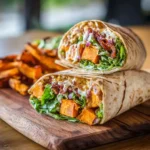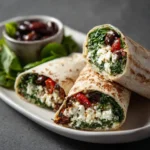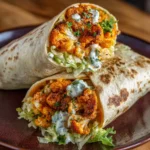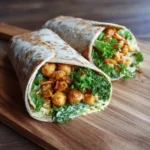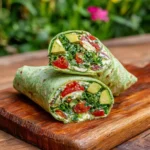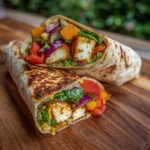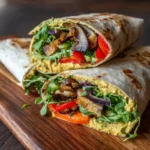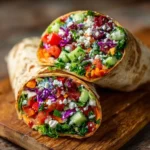
Introduction
The Mediterranean Beef Kofta Wrap is a vibrant, flavorful, and nutritionally balanced handheld meal that bridges the rich culinary traditions of the Levant, Greece, and North Africa. More than just a quick lunch option, it embodies the essence of Mediterranean cuisine—fresh herbs, aromatic spices, lean protein, wholesome grains, and garden-fresh vegetables—all artfully layered in a soft, warm flatbread. Whether served at a sun-drenched seaside taverna, a bustling Beirut street stall, or your own kitchen table, this wrap delivers bold taste without compromise, balancing savory depth with bright acidity and herbal freshness. Its versatility makes it ideal for weeknight dinners, meal prep, picnics, or even elegant appetizers when served as mini wraps or kofta skewers with dipping sauces.
The History
Kofta—a term derived from the Persian word kūfta, meaning “to pound” or “to grind”—has ancient roots stretching across the Middle East, Central Asia, and the Eastern Mediterranean. Historians trace early forms of spiced ground meat preparations to Mesopotamian clay tablets dating back over 4,000 years. By the time of the Ottoman Empire, kofta had evolved into countless regional expressions—from Turkish çiğ köfte (raw, bulgur-based) to Iraqi kebab kofta grilled over charcoal, and Egyptian kofta bil farn baked in ovens. In the Levant, particularly Lebanon, Syria, and Palestine, beef or lamb kofta became synonymous with communal cooking: families gathered to hand-mix minced meat with parsley, mint, allspice, and onion, then shape them around skewers for grilling over open flames. The modern wrap format emerged more recently—likely in the late 20th century—as Middle Eastern food migrated globally and adapted to fast-casual dining trends. Greek-inspired additions like tzatziki, crumbled feta, and cucumber ribbons reflect cross-cultural exchange across the Aegean, while whole-wheat or spinach-infused lavash and laffa flatbreads nod to evolving health consciousness and artisanal baking revivals. Today, the Mediterranean Beef Kofta Wrap stands as a delicious testament to centuries of culinary dialogue, migration, innovation, and shared joy around the table.
Ingredients Breakdown
Every component of this wrap plays a deliberate role—not just in flavor, but in texture, temperature contrast, and nutritional synergy:
- Beef: Lean ground beef (90/10 or 85/15 fat ratio) provides tender juiciness without greasiness. Grass-fed beef adds omega-3s and a nuanced mineral flavor.
- Aromatics: Finely grated yellow onion and garlic deliver foundational pungency and moisture; soaking the onion in cold water for 5 minutes before use tames sharpness and prevents raw bite.
- Fresh Herbs: Flat-leaf parsley (½ cup, tightly packed) contributes chlorophyll-rich brightness and antioxidants; fresh mint (¼ cup, chopped) adds cooling complexity—never substitute dried unless absolutely necessary, and even then, use only 1 tsp dried mint per ¼ cup fresh.
- Spice Blend: Ground cumin (earthy warmth), coriander (citrusy sweetness), allspice (jammy depth), smoked paprika (subtle char), and a whisper of cayenne (for gentle heat) form the soul of the kofta. Toasting whole spices and grinding them fresh multiplies aroma intensity tenfold.
- Binder & Moisture: A lightly beaten egg yolk (not whole egg) binds without making the mixture dense; plain full-fat Greek yogurt (3 tbsp) adds tenderness, tang, and probiotics—critical for preventing dryness during grilling or baking.
- Flatbread: Authentic options include Lebanese saj bread (thin, pliable, slightly smoky), Armenian lavash (crisp yet foldable when warmed), or whole-grain pita pockets. For gluten-free integrity, certified GF almond-flour or cassava-based flatbreads work beautifully when gently warmed to enhance pliability.
- Tzatziki Sauce: Made from strained Greek yogurt, grated English cucumber (seeds removed and squeezed dry), lemon juice, garlic, dill, and a drizzle of extra virgin olive oil—this cool, creamy element cuts through richness and adds enzymatic digestion support from raw garlic and lemon.
- Vegetable Accoutrements: Sliced heirloom tomatoes (for lycopene and juiciness), crisp romaine or butter lettuce (for crunch and folate), pickled red onions (for probiotic tang and anthocyanin antioxidants), and optional roasted red peppers (for sweet smokiness and vitamin C).
- Finishing Touches: Crumbled sheep’s milk feta (rich in calcium and conjugated linoleic acid), a sprinkle of sumac (tart, lemony Middle Eastern berry powder), toasted pine nuts or slivered almonds (for healthy fats and crunch), and a final ribbon of high-phenolic extra virgin olive oil (harvested early, from Koroneiki or Arbequina olives).
Step-by-Step Recipe
- Prep the Meat Mixture (15 min + 30 min chill): In a large chilled bowl, combine ground beef, grated onion (well-drained), minced garlic, parsley, mint, cumin, coriander, allspice, smoked paprika, cayenne, salt, black pepper, egg yolk, and Greek yogurt. Using clean hands (or a silicone spatula), mix *just until combined*—overmixing compacts the meat and yields tough kofta. Cover and refrigerate for at least 30 minutes (up to 24 hours) to allow flavors to meld and proteins to relax.
- Shape the Kofta (5–7 min): Lightly dampen hands to prevent sticking. Divide mixture into 8 equal portions (about 85g each). Roll each into a log ~5 inches long and ¾ inch thick. Gently press onto lightly oiled metal skewers (if grilling) or shape free-form for pan-searing or baking. Pro tip: Run skewers under cold water first—this prevents meat from drying out on contact.
- Cook to Perfection (10–14 min): Choose your method:
- Grill (recommended): Preheat gas or charcoal grill to medium-high (375–400°F). Oil grates well. Grill kofta 4–5 minutes per side until deeply marked, springy to touch, and internal temp reaches 160°F. Rest 3 minutes before removing from skewers.
- Cast-Iron Skillet: Heat 1 tbsp olive oil over medium heat. Sear kofta 4–5 min per side until caramelized and cooked through. Use a splatter screen to manage oil.
- Oven-Bake (hands-off): Preheat oven to 425°F. Line sheet pan with parchment. Arrange kofta logs, brush lightly with olive oil. Bake 12–15 minutes, flipping halfway, until golden and 160°F internally.
- Warm the Flatbread (2 min): Heat each flatbread individually in a dry skillet over medium for 30 seconds per side until pliable and fragrant—or wrap a stack in damp paper towels and microwave for 20 seconds. Avoid overheating, which causes cracking.
- Assemble with Intention (3 min): Lay flatbread flat. Spread 2 tbsp tzatziki in center, leaving 1-inch border. Layer lettuce, tomato slices, pickled onions, roasted peppers. Place 2 kofta logs diagonally across center. Top with feta, sumac, pine nuts, and final drizzle of olive oil. Fold bottom flap up, then fold in left and right sides, rolling tightly away from you to enclose filling completely. Optional: Secure with a wooden pick or wrap snugly in parchment paper for carry.
Tips
- Chill Everything: Cold meat, cold bowl, cold hands—this slows fat smearing and keeps kofta tender. Warm hands melt fat prematurely, causing mushy texture.
- Test for Doneness Without Cutting: Gently press kofta with tongs—if it springs back firmly, it’s ready. If it leaves an indentation, cook 1–2 minutes longer.
- No Dry Kofta Zone: Never skip the yogurt and egg yolk—they’re not just binders; they’re moisture reservoirs. For extra succulence, add 1 tbsp soaked bulgur (fine grind) or grated zucchini (squeezed dry).
- Skewer Smarts: Use flat metal skewers—they grip better than round ones. Soak wooden skewers in water for 30+ minutes to prevent burning.
- Tzatziki Texture Matters: Strain yogurt overnight in cheesecloth for ultra-thick, spoonable consistency. Grate cucumber on the large holes of a box grater, then squeeze *vigorously* in a clean towel—excess water = watery sauce.
- Flatbread Flexibility: If your bread cracks while folding, it’s too dry. Revive by steaming briefly over a kettle or brushing with warm olive oil and covering with a towel for 2 minutes.
- Make-Ahead Mastery: Shape raw kofta and freeze on parchment-lined tray; once solid, transfer to freezer bag (up to 3 months). Cook from frozen—add 2–3 minutes to cook time. Tzatziki and pickled onions keep refrigerated for 1 week.
- Rest Before Serving: Let cooked kofta rest 3 minutes—this allows juices to redistribute. Cutting too soon releases steam and flavor.
Variations and Customizations
This recipe is gloriously adaptable—here are chef-tested riffs for dietary needs, seasonal shifts, and global inspiration:
- Protein Swaps: Ground lamb (traditional, richer flavor), ground turkey or chicken (lighter, pair with lemon zest + oregano), plant-based “beef” crumbles (lentil-walnut or soy-based—add 1 tbsp tomato paste and ½ tsp liquid smoke for umami depth).
- Gluten-Free Version: Use certified GF flatbread (like Siete Almond Flour Tortillas or Simple Mills Seed Crackers folded like a wrap). Ensure all spices are certified GF (some blends contain wheat fillers).
- Vegan Kofta Wrap: Replace beef with mashed chickpeas (1 can, drained), cooked brown lentils (¾ cup), walnuts (¼ cup, finely ground), flax “egg” (1 tbsp flax + 3 tbsp water), and tahini (1 tbsp). Season generously with za’atar, cumin, and lemon juice. Pan-fry until crusty.
- Low-Carb/Keto Option: Skip flatbread entirely—serve kofta over a bed of shredded romaine, spiralized zucchini “noodles,” or butter lettuce cups. Double the tzatziki and add avocado slices.
- Seasonal Twists:
- Spring: Add blanched asparagus tips, fresh peas, and lemon-thyme tzatziki.
- Summer: Include grilled halloumi, heirloom cherry tomatoes, and basil-infused olive oil.
- Fall: Roasted kabocha squash ribbons, caramelized shallots, and cinnamon-kissed yogurt sauce.
- Winter: Braised kale, pomegranate arils, and preserved lemon–dill tzatziki.
- Global Flavor Infusions:
- Greek-Inspired: Add crumbled feta directly into kofta mixture; swap tzatziki for skordalia (garlic-potato dip); garnish with dried oregano and Kalamata olives.
- Lebanese-Inspired: Mix in 1 tbsp pomegranate molasses and 1 tsp ground rose petals; serve with toum (garlic sauce) instead of tzatziki.
- Turkish-Inspired: Add 1 tsp ground Urfa biber (smoky, mild chili) and ½ tsp pul biber; serve with cacik (cucumber-yogurt with mint) and grilled eggplant strips.
- North African-Inspired: Incorporate harissa paste (1 tbsp) and ground coriander; top with preserved lemons and cilantro-chermoula drizzle.
- Kid-Friendly Adjustments: Omit cayenne and garlic; add 1 tbsp grated carrot and 1 tsp honey for subtle sweetness; use mild feta or ricotta salata; serve kofta as mini sliders on whole-wheat slider buns.
- Meal Prep Powerhouse: Cook double batches of kofta; store cooked in airtight container for 4 days or freeze for 3 months. Pre-portion tzatziki, chopped veggies, and pre-warm flatbreads—assembly takes under 90 seconds.
Health Considerations and Nutritional Value
A single Mediterranean Beef Kofta Wrap (made with 90% lean beef, whole-grain flatbread, full-fat Greek yogurt, and abundant vegetables) delivers approximately 520–580 calories, with a thoughtfully balanced macronutrient profile:
- Protein: ~34–38g — supports muscle synthesis, satiety, and metabolic health. Beef provides complete amino acids, heme iron (highly bioavailable), zinc, and B12.
- Healthy Fats: ~24–28g — primarily monounsaturated (from olive oil, feta, pine nuts) and polyunsaturated (from parsley, mint, yogurt). Supports heart health, hormone production, and nutrient absorption (especially fat-soluble vitamins A, D, E, K).
- Complex Carbohydrates: ~38–42g — mostly low-glycemic, fiber-rich sources (whole-grain flatbread: 6–8g fiber; vegetables and herbs add 5–7g more). Promotes stable blood sugar and gut microbiome diversity.
- Vitamins & Minerals: Exceptionally high in Vitamin K (from parsley, lettuce, olive oil), Vitamin A (tomatoes, peppers), Vitamin C (lemon, tomatoes, parsley), Calcium (feta, yogurt), Potassium (cucumber, tomato, spinach), and Polyphenols (olive oil, sumac, herbs).
- Functional Benefits:
- Anti-inflammatory: Olive oil’s oleocanthal, garlic’s allicin, parsley’s apigenin, and sumac’s tannins collectively modulate inflammatory pathways.
- Gut-Supportive: Fermented yogurt (live cultures), pickled onions (lacto-fermented), and high-fiber vegetables feed beneficial bifidobacteria and lactobacilli.
- Antioxidant-Rich: The wrap contains >20 distinct phytonutrients—including lycopene (tomatoes), beta-cryptoxanthin (peppers), luteolin (parsley), and hydroxytyrosol (olive oil)—shown in studies to reduce oxidative DNA damage.
- Dietary Accommodations:
- Heart-Healthy: Naturally low in sodium (when made without added salt to tzatziki or pickles); high in potassium and nitrates (from greens) to support healthy blood pressure.
- Diabetes-Friendly: Low glycemic load (<10 GL); high protein/fat content blunts glucose spikes. Substitute white flatbread with sprouted grain or sourdough for improved insulin sensitivity.
- Pregnancy-Safe: Contains ample folate (spinach, parsley), iron (beef), calcium (feta, yogurt), and choline (egg yolk)—key for fetal neurodevelopment. Always ensure beef is cooked to 160°F.
- Weight Management: High volume, high fiber, and high protein promote prolonged satiety—studies show Mediterranean-style meals reduce cravings and support sustainable weight loss more effectively than low-fat diets.
- What to Mind: Sodium can rise if using store-bought tzatziki (often >300mg/serving) or salty feta—opt for low-sodium feta and make tzatziki from scratch. Watch portion size on olive oil (1 tbsp = 120 calories); measure rather than pour. Those with IBS may wish to limit high-FODMAP ingredients like onion/garlic (use infused oil instead) and large servings of chickpeas (not in this base version, but relevant for vegan swaps).
Ingredients
For the Kofta
- 1 lb (450g) lean ground beef (85/15 or 90/10)
- 1 small yellow onion (about ½ cup), finely grated and soaked in cold water for 5 minutes, then thoroughly drained and squeezed dry
- 3 garlic cloves, finely minced or pressed
- ½ cup (15g) fresh flat-leaf parsley, finely chopped (stems removed)
- ¼ cup (10g) fresh mint leaves, finely chopped
- 1½ tsp ground cumin
- 1½ tsp ground coriander
- 1 tsp ground allspice
- 1 tsp smoked paprika
- ¼ tsp cayenne pepper (optional, for heat)
- 1½ tsp fine sea salt (adjust to taste)
- ½ tsp freshly ground black pepper
- 1 large egg yolk (not whole egg)
- 3 tbsp plain full-fat Greek yogurt
For the Tzatziki Sauce
- 1 cup (240g) full-fat Greek yogurt (strained overnight for best texture)
- ½ English cucumber (about ¾ cup), peeled, seeded, and finely grated—then squeezed *very* dry in a clean kitchen towel
- 2 garlic cloves, finely minced or grated
- 1½ tbsp fresh lemon juice (about ½ lemon)
- 1 tbsp extra virgin olive oil
- 1 tbsp fresh dill, finely chopped (or 1 tsp dried)
- ½ tsp fine sea salt
- ¼ tsp freshly ground white pepper
For Assembly
- 4 large whole-grain flatbreads (lavash, saj, or whole-wheat pita—6–8 inches diameter)
- 2 cups romaine or butter lettuce, thinly sliced
- 2 medium heirloom tomatoes, sliced ¼-inch thick
- ½ cup pickled red onions (homemade or low-sugar brand)
- ½ cup roasted red peppers, drained and sliced (jarred or homemade)
- ⅓ cup crumbled feta cheese (sheep’s milk preferred)
- 1 tsp sumac
- 2 tbsp toasted pine nuts or slivered almonds
- Extra virgin olive oil, for finishing drizzle
- Fresh lemon wedges, for serving
Directions
- Make the Tzatziki (30 min ahead, ideally overnight): In a medium bowl, combine Greek yogurt, grated and squeezed-dry cucumber, minced garlic, lemon juice, olive oil, dill, salt, and white pepper. Stir until smooth. Cover and refrigerate for at least 30 minutes—or preferably overnight—to allow flavors to harmonize and texture to thicken. Stir well before using.
- Prepare the Kofta Mixture: In a large stainless steel or ceramic bowl, combine ground beef, grated and drained onion, minced garlic, parsley, mint, cumin, coriander, allspice, smoked paprika, cayenne (if using), salt, black pepper, egg yolk, and Greek yogurt. Using your hands (washed and chilled) or a silicone spatula, gently fold ingredients together just until evenly distributed—do not overmix. The mixture should hold together when pinched but remain light and airy. Cover tightly with plastic wrap and refrigerate for at least 30 minutes (up to 24 hours).
- Shape the Kofta: Lightly dampen hands with cold water. Divide chilled mixture into 8 equal portions (about 85g each). Roll each into a log approximately 5 inches long and ¾ inch in diameter. If grilling, thread two logs onto each flat metal skewer, pressing gently to adhere. If pan-searing or baking, place shaped logs on a parchment-lined plate.
- Cook the Kofta:
- Grill Method: Preheat grill to medium-high (375–400°F). Clean and oil grates. Place skewered kofta on grill and cook 4–5 minutes per side, rotating 90° halfway through first side for crosshatch marks, until deeply browned, firm to touch, and internal temperature reaches 160°F on an instant-read thermometer. Transfer to a clean plate, loosely tent with foil, and rest 3 minutes.
- Sauté Method: Heat 1 tbsp olive oil in a heavy-bottomed cast-iron skillet over medium heat. Add kofta logs (in batches, if needed) and sear 4–5 minutes per side, turning carefully with tongs, until deeply caramelized and cooked through (160°F). Transfer to resting plate.
- Oven Method: Preheat oven to 425°F. Line a rimmed baking sheet with parchment. Arrange kofta logs, brush lightly with olive oil. Bake 12–15 minutes, flipping halfway, until golden-brown and 160°F internally.
- Warm the Flatbreads: Heat a dry cast-iron or nonstick skillet over medium heat. One at a time, warm each flatbread for 25–30 seconds per side until soft, pliable, and faintly speckled—but not crispy or brittle. Stack wrapped in a clean kitchen towel to retain steam and flexibility.
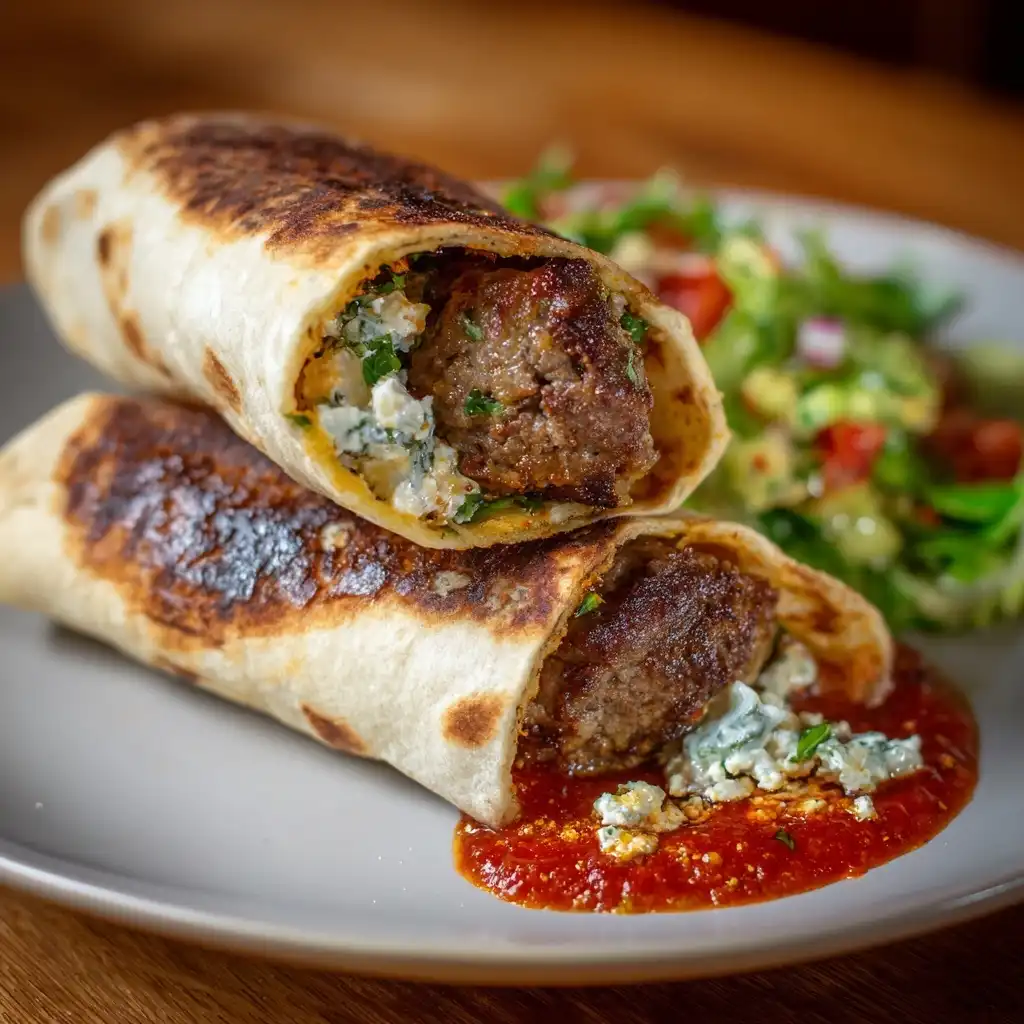
- Assemble the Wraps: Lay one warm flatbread flat on a clean surface. Spread 2 generous tablespoons of chilled tzatziki in a horizontal band across the center, leaving 1-inch margins. Layer evenly: ½ cup lettuce, 3–4 tomato slices, 2 tbsp pickled onions, 2 tbsp roasted peppers. Place 2 kofta logs diagonally across center. Sprinkle with 1 tbsp feta, a pinch of sumac, ½ tbsp pine nuts, and a light drizzle of olive oil. Fold bottom edge up over filling, then fold left and right edges inward, and roll tightly away from you to seal. Repeat with remaining ingredients.
- Serve Immediately: Cut each wrap in half on a sharp diagonal for presentation. Serve with lemon wedges on the side and any remaining tzatziki for dipping. Best enjoyed within 30 minutes of assembly for optimal texture contrast.
FAQ
- Can I make kofta ahead of time?
- Absolutely. Raw, shaped kofta can be refrigerated (covered) for up to 24 hours before cooking—or frozen (on parchment-lined tray, then transferred to freezer bag) for up to 3 months. Cook from frozen, adding 2–3 minutes to total cook time.
- Why does my kofta fall apart on the grill?
- Three likely culprits: 1) Overmixing the meat—handle gently; 2) Skewers too hot or un-oiled—preheat grate, then oil generously; 3) Logs too thin or too long—aim for ¾-inch thickness and 5-inch length for structural integrity.
- Is there a substitute for mint if I dislike it?
- Yes—try substituting with 1 tbsp fresh dill + 1 tsp lemon zest for a bright, herbaceous note. Or use additional parsley (up to ¾ cup total) with a pinch of dried oregano for earthy depth.
- Can I bake kofta instead of grilling?
- Yes—and it’s excellent for consistent results. Bake at 425°F on parchment-lined sheet for 12–15 minutes, flipping halfway. For extra browning, broil 1–2 minutes at end (watch closely).
- My tzatziki is watery. How do I fix it?
- Ensure cucumber is *thoroughly* squeezed—press in a towel until no moisture remains. Also, use strained Greek yogurt (hang plain yogurt in cheesecloth overnight). If already made, stir in ½ tsp tapioca starch and refrigerate 15 minutes to re-thicken.
- What’s the best flatbread to use?
- Traditional Lebanese saj or Armenian lavash offer authentic pliability and flavor. For accessibility, look for “soft whole-wheat lavash” or “pliable whole-grain pita.” Avoid crispy or overly thick varieties—they crack or overwhelm the filling.
- Can I make this vegetarian or vegan?
- Yes! See the Variations section for a detailed vegan kofta formula using lentils, chickpeas, walnuts, and flax. It holds beautifully and delivers comparable umami and texture when pan-fried until crusty.