Introduction
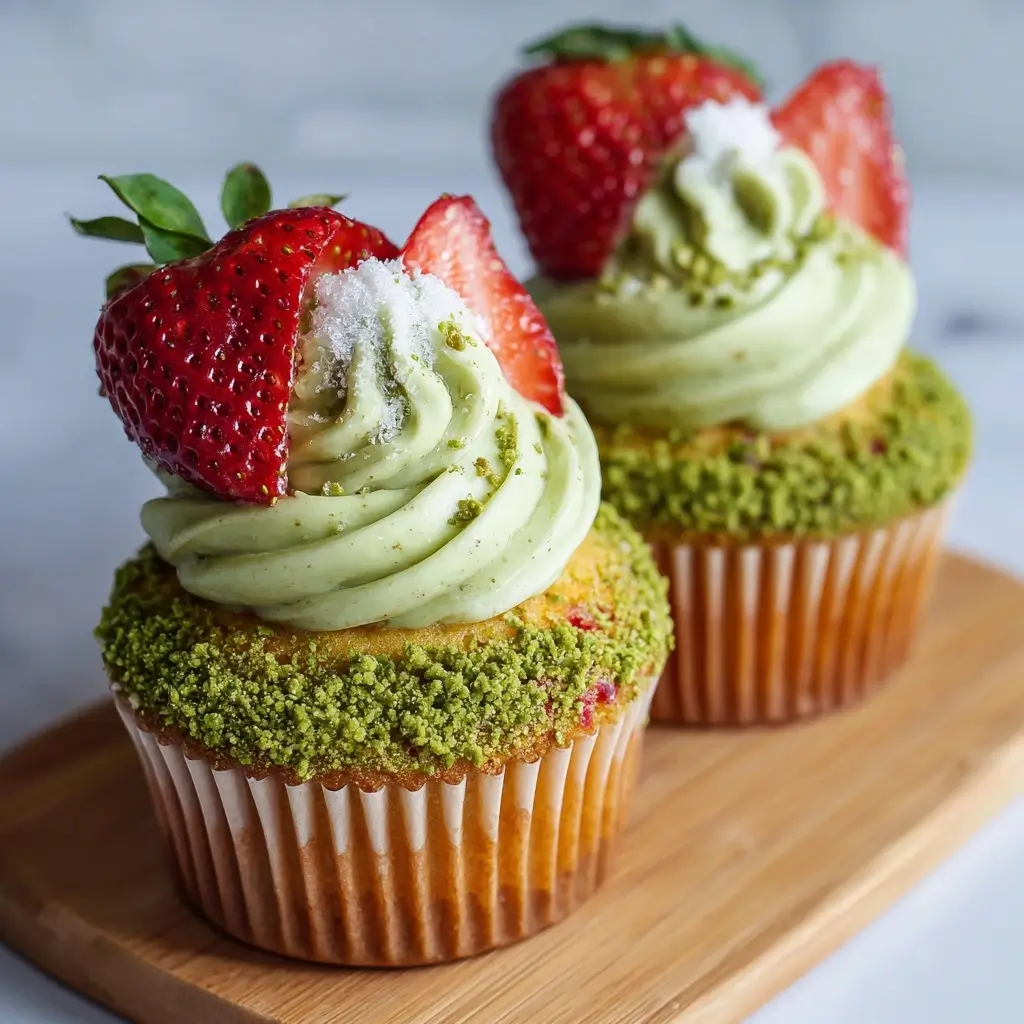
Matcha Strawberry Cupcakes are a harmonious fusion of earthy sophistication and bright, summery sweetness — a modern twist on classic cupcakes that delights both the palate and the eye. These delicate treats bring together the vibrant, grassy depth of premium ceremonial-grade matcha green tea with the luscious, tart-sweet essence of fresh strawberries, creating a balanced flavor profile that is simultaneously refreshing, nuanced, and indulgent. Whether served at a Japanese-inspired afternoon tea, a spring bridal shower, or simply as an elevated weekday treat, these cupcakes embody mindful baking — where quality ingredients, thoughtful technique, and aesthetic elegance converge. Their soft, moist crumb, tender strawberry-speckled interior, subtle matcha aroma, and silky strawberry-matched buttercream frosting make them not just a dessert, but a multisensory experience rooted in tradition and reimagined for contemporary taste.
The History
The evolution of Matcha Strawberry Cupcakes reflects a broader culinary narrative — one shaped by centuries of Japanese tea culture, global ingredient exchange, and the rise of artisanal baking in the 21st century. Matcha, a finely ground powder of shade-grown tencha leaves, has been central to Japanese Zen Buddhist tea ceremonies since the 12th century, introduced by monk Eisai after his studies in China. Its journey into Western desserts began in earnest in the late 20th century, gaining momentum in the 2000s alongside the global “superfood” movement and the proliferation of matcha lattes and mochi. Meanwhile, strawberry-based baked goods trace back to early American colonial cakes and Victorian-era fruit-topped teacakes — with the cupcake format itself emerging in the mid-19th century as “number cakes” (using pantry staples measured by spoonfuls rather than scales). The intentional pairing of matcha and strawberry, however, is a relatively recent innovation — first appearing in high-end patisseries in Tokyo’s Omotesando and Kyoto’s Ponto-chō districts around 2012–2014, where chefs sought to balance matcha’s natural bitterness with the acidity and fragrance of local Amaou and Tochiotome strawberries. This combination quickly migrated to boutique bakeries in Los Angeles, London, and Melbourne before becoming a viral staple on food blogs and Instagram by 2017. Today, Matcha Strawberry Cupcakes symbolize cross-cultural confluence: honoring Japanese terroir and craftsmanship while embracing seasonal, locally sourced produce and inclusive, approachable baking techniques.
Ingredients Breakdown
Every element of this recipe has been carefully selected for flavor integrity, texture harmony, and functional performance:
- Matcha Powder (Ceremonial Grade): Not just any matcha will do — ceremonial grade is essential for its vibrant jade color, umami-rich depth, and minimal astringency. Culinary-grade matcha often contains stems and lower-grade leaves, resulting in bitterness and dull hue. Look for stone-ground, nitrogen-shaded, single-harvest matcha from Uji or Nishio regions, tested for heavy metals and pesticides. It contributes not only flavor but also natural antioxidants (EGCG), chlorophyll, and gentle caffeine.
- Fresh, Ripe Strawberries: Preferably organic, in-season (late spring to early summer), and locally grown for peak sugar-to-acid ratio. Underripe berries lack sweetness and floral notes; overripe ones release excess moisture, compromising cake structure. We use whole hulled berries for compote and finely diced pieces for the batter — never frozen or canned (which introduce unwanted water and preservatives).
- Whole-Milk Buttermilk: Provides acidity to activate baking soda, tenderizes gluten, and adds richness without heaviness. Its cultured tang beautifully offsets matcha’s vegetal notes and enhances strawberry brightness. For best results, make your own by adding 1 tbsp lemon juice or white vinegar to 1 cup whole milk and letting it sit 5–10 minutes until slightly curdled.
- Unsalted European-Style Butter (82–84% fat): Higher fat content yields a more tender crumb and richer mouthfeel. European-style butter (e.g., Plugrá, Kerrygold) offers superior flavor and creaming capacity versus standard American butter (80% fat). Always use at cool room temperature (65–68°F) — too warm causes greasiness; too cold prevents proper aeration.
- Organic Large Eggs (Room Temperature): Egg yolks emulsify the batter for smoothness and moisture retention; whites provide lift and structure. Room-temperature eggs incorporate more evenly and increase volume during creaming. Pasture-raised eggs contribute deeper yellow yolks and enhanced flavor complexity.
- Organic Cane Sugar (Fine Granulated): Less processed than refined white sugar, retaining trace minerals and a subtle molasses nuance that complements matcha’s umami. Fine granulation ensures rapid dissolution and optimal creaming with butter.
- Almond Flour (Blanched, Superfine): Used in small proportion (10% of total flour) to add tenderness, nutty undertones, and moisture retention — without triggering gluten development. Must be certified gluten-free if serving sensitive individuals.
- Pastry Flour (or Cake Flour + Cornstarch Blend): Lower protein (7–8%) than all-purpose flour yields a delicate, velvety crumb. If using all-purpose, substitute 2 tbsp cornstarch per 1 cup flour, sifted 3x to mimic pastry flour’s fineness.
- Real Vanilla Bean Paste (Not Extract): Contains actual vanilla seeds suspended in thickened extract — offering visual speckling, superior aromatic complexity, and heat-stable flavor that withstands baking better than alcohol-based extracts.
- High-Quality Freeze-Dried Strawberry Powder: Made from 100% strawberries with no additives or fillers, this intensifies strawberry flavor in the buttercream without adding liquid. It also stabilizes the frosting and deepens the rosy-pink hue naturally — avoiding artificial dyes.
Step-by-Step Recipe
- Prepare the Strawberry Compote (Start 1 Day Ahead): In a non-reactive saucepan, combine 200g finely chopped fresh strawberries (reserve 100g for batter), 40g organic cane sugar, 1 tsp lemon juice, and 1 tsp chia seeds (natural thickener). Simmer over low heat for 12–15 minutes, stirring gently, until reduced by half and glossy. Cool completely, then refrigerate overnight. This slow reduction concentrates flavor and removes excess water — critical for preventing soggy cupcakes.
- Make the Cupcake Batter (Day of Baking): Sift together 150g pastry flour, 15g ceremonial matcha, 1 tsp baking powder, ½ tsp baking soda, and ¼ tsp fine sea salt into a medium bowl. In a stand mixer fitted with paddle attachment, cream 115g softened European butter and 150g cane sugar on medium-high for 4–5 minutes until pale, fluffy, and ribbon-stage. Scrape bowl thoroughly. Add 2 large room-temp eggs + 1 yolk (reserve whites for frosting), 1 tsp vanilla bean paste, and mix on low until just combined (~30 sec). Alternate adding dry ingredients and 120g buttermilk in three additions, beginning and ending with dry. Fold in reserved 100g diced strawberries and 2 tbsp cooled compote (not the syrupy liquid) using a silicone spatula — just until dispersed. Overmixing develops gluten and causes tunneling.
- Bake with Precision: Line a standard 12-cup muffin tin with premium unbleached paper liners (avoid foil or wax-coated, which inhibit browning). Fill each liner ⅔ full (~45g batter). Tap pan firmly on counter twice to release air bubbles. Bake in a fully preheated oven at 350°F (175°C) on the center rack for 18–21 minutes — rotate halfway. Cupcakes are done when a toothpick inserted in center comes out clean *with moist crumbs* (not dry), tops spring back lightly, and edges pull slightly from liners. Avoid opening oven before 16 minutes — temperature fluctuations cause sinking.
- Cool Strategically: Let cupcakes cool in pan for exactly 8 minutes — long enough to set structure, short enough to prevent steam-induced sogginess. Then transfer to a wire rack, top-side up, and cool completely (minimum 90 minutes) before frosting. Warm cupcakes melt buttercream and absorb frosting moisture.
- Prepare the Strawberry-Matcha Swiss Meringue Buttercream: Combine 150g egg whites and 300g cane sugar in a heatproof bowl set over simmering water (double boiler). Whisk constantly until mixture reaches 160°F (71°C) and sugar dissolves completely (~6–8 min). Transfer to stand mixer with whisk attachment; beat on high until stiff, glossy, room-temp meringue forms (~10–12 min). Switch to paddle attachment. Gradually add 340g softened European butter, 2 tbsp at a time, waiting for full incorporation before next addition. Once smooth, add 2 tbsp cooled compote (strained to remove seeds), 1 tbsp matcha, and 2 tbsp freeze-dried strawberry powder. Beat on medium until airy and spreadable (2–3 min). If too soft, chill bowl 10 min; if too stiff, warm base gently with hairdryer.
- Frost and Garnish: Use a large closed-star piping tip (Wilton #18) and swirl frosting generously onto each cupcake. Top with a fresh, hulled strawberry (halved lengthwise), a dusting of matcha, and a delicate edible flower (e.g., pansy or borage) for visual poetry. Serve within 4 hours for optimal texture — or refrigerate up to 2 days (bring to room temp 45 min before serving).
Tips
- Matcha Bloom Test: Before mixing matcha into dry ingredients, whisk 1 tsp matcha with 1 tbsp hot (not boiling) water until smooth and frothy. If it clumps or tastes harshly bitter, the matcha is stale or low-grade — discard and use fresh.
- Strawberry Moisture Control: After dicing strawberries for the batter, pat them *very gently* with paper towel to remove surface moisture — but don’t squeeze, or you’ll lose juice and flavor.
- Oven Thermometer Is Non-Negotiable: Most home ovens run 25–40°F off calibration. An inaccurate temperature is the #1 cause of sunken, dense, or unevenly baked cupcakes.
- Buttercream Rescue Protocol: If buttercream breaks (looks curdled or soupy), place bowl over warm (not hot) water for 15 seconds, then re-whip on medium-high for 2–3 minutes. If still grainy, add 1 tsp hot water and continue beating.
- Freeze for Future Joy: Unfrosted, fully cooled cupcakes freeze beautifully for up to 3 months. Wrap individually in parchment + double-layer plastic wrap. Thaw overnight in fridge, then bring to room temp before frosting.
- No Mixer? No Problem: Cream butter/sugar with a sturdy wooden spoon (10–12 min effort). Whip egg whites by hand with balloon whisk (15+ min) until stiff peaks form — patience yields reward.
- Altitude Adjustments: Above 3,000 ft: reduce sugar by 1 tbsp, increase flour by 1 tbsp, raise oven temp by 15°F, and decrease baking powder by ⅛ tsp.
Variations and Customizations
This foundational recipe serves as a canvas for creativity — adaptable for dietary needs, seasonal shifts, and personal flair:
- Vegan Version: Replace eggs with flax eggs (2 tbsp ground flax + 5 tbsp water, rested 10 min); use plant-based butter (Miyoko’s or Naturli’), oat milk + 1 tsp vinegar for buttermilk, and aquafaba (from ½ can chickpeas) whipped to stiff peaks instead of egg whites in buttercream. Add 1 tsp agar powder dissolved in 1 tbsp water to stabilize frosting.
- Gluten-Free Adaptation: Substitute 1:1 gluten-free flour blend (Bob’s Red Mill or King Arthur) + ½ tsp xanthan gum. Increase almond flour to 25g and add 1 tsp psyllium husk powder for elasticity. Ensure matcha and strawberry powder are certified GF.
- Low-Sugar / Refined-Sugar-Free: Replace cane sugar with coconut sugar (same volume) or allulose (¾ volume, as it’s 70% as sweet). Use monk fruit-erythritol blend in buttercream. Note: texture will be slightly denser; add 1 extra tbsp buttermilk to compensate.
- Seasonal Swaps: In autumn, replace strawberries with roasted Fuji apple compote + cinnamon; in winter, use blood orange zest + cranberry gelée; in summer, swap in ripe raspberries or blackberries. Matcha remains the grounding constant.
- Flavor Infusions: Steep 1 star anise or 1 strip orange zest in warm buttermilk for 15 min before cooling and using. Or infuse butter with lavender buds (strain before creaming) for a Provence-meets-Kyoto variation.
- Textural Twists: Fold in 2 tbsp toasted white sesame seeds or crushed pistachios into batter. Or layer a thin stripe of strawberry jam (seedless, reduced) in center of each cupcake before baking for a molten surprise.
- Mini & Jumbo Options: For mini cupcakes (24 count): bake 10–12 min at 350°F. For jumbo (6 count): bake 24–27 min. Adjust frosting quantity accordingly — mini need ~15g, jumbo ~45g each.
Health Considerations and Nutritional Value
While cupcakes are inherently celebratory, this version prioritizes nutrient density, mindful sourcing, and functional ingredients — transforming indulgence into conscious nourishment:
- Matcha Benefits: A single serving (1 tsp in batter + 1 tsp in frosting) delivers ~35mg caffeine (vs. 95mg in coffee), L-theanine (promoting calm alertness), and 130+ mg EGCG — a potent catechin shown in clinical studies to support metabolic health, antioxidant defense, and neuroprotection. Ceremonial matcha contains 10x the antioxidants of regular green tea due to whole-leaf consumption.
- Strawberry Power: Rich in vitamin C (one cup provides 149% DV), folate, manganese, and ellagic acid — a polyphenol with demonstrated anti-inflammatory and DNA-protective properties. The freeze-dried powder retains nearly all phytonutrients lost in cooking, amplifying benefits without added sugar.
- Butter & Fat Quality: Grass-fed European butter supplies CLA (conjugated linoleic acid), vitamin K2 (critical for calcium metabolism), and omega-3s. Its higher smoke point and stable saturated fats make it a superior choice over highly refined vegetable oils or margarine.
- Reduced Glycemic Load: By using whole fruit (not puree or syrup), natural sweeteners, and almond flour, this recipe lowers net carbs and slows glucose absorption versus traditional cupcakes. Estimated glycemic load per cupcake: ~12 (moderate), compared to ~22 in standard versions.
- Allergen Awareness: Naturally nut-free (unless almond flour is used — omit for strict avoidance). Easily made dairy-free, egg-free, or gluten-free with substitutions above. Always disclose ingredients for guests with allergies.
- Mindful Portioning: At ~280 calories per cupcake (based on 12 servings), they fit thoughtfully into balanced eating patterns — especially when enjoyed alongside green tea, which enhances matcha’s bioavailability. Pair with a side of mixed greens for a complete, satiating snack.
Ingredients
For the Cupcakes:
- 150g pastry flour (or cake flour)
- 15g ceremonial-grade matcha powder
- 1 tsp aluminum-free baking powder
- ½ tsp baking soda
- ¼ tsp fine sea salt
- 115g unsalted European-style butter, cool room temperature
- 150g organic cane sugar
- 2 large organic eggs + 1 additional yolk (room temperature)
- 1 tsp pure vanilla bean paste
- 120g whole-milk buttermilk (room temperature)
- 100g fresh strawberries, finely diced (hulled, patted dry)
- 2 tbsp strawberry compote (cooled, strained)
For the Strawberry Compote (makes ~¾ cup):
- 200g fresh strawberries, finely chopped
- 40g organic cane sugar
- 1 tsp fresh lemon juice
- 1 tsp chia seeds
For the Strawberry-Matcha Swiss Meringue Buttercream:
- 150g pasteurized egg whites (about 5 large)
- 300g organic cane sugar
- 340g unsalted European-style butter, cool room temperature, cubed
- 2 tbsp strawberry compote (cooled, strained through fine mesh)
- 1 tbsp ceremonial-grade matcha powder
- 2 tbsp freeze-dried strawberry powder
For Garnish:
- 12 fresh strawberries, hulled and halved
- Extra ceremonial matcha for dusting
- Edible flowers (optional)
Directions
- Make the Strawberry Compote: In a small non-reactive saucepan, combine chopped strawberries, sugar, lemon juice, and chia seeds. Bring to a gentle simmer over medium-low heat. Reduce heat to low and cook, stirring occasionally, for 12–15 minutes until thickened, glossy, and reduced by half. Remove from heat, cool completely, then refrigerate uncovered for at least 8 hours or overnight. Strain through a fine-mesh sieve before using — reserve thick compote and discard excess liquid.
- Preheat & Prep: Position oven rack in center. Preheat oven to 350°F (175°C). Line a 12-cup standard muffin tin with high-quality paper liners. Sift together flour, matcha, baking powder, baking soda, and salt into a medium bowl. Set aside.
- Cream Butter & Sugar: In the bowl of a stand mixer fitted with paddle attachment, beat butter and sugar on medium-high speed for 4–5 minutes until light, pale, and fluffy. Scrape bowl thoroughly with silicone spatula.
- Add Eggs & Flavorings: Add eggs, yolk, and vanilla paste. Mix on low speed just until incorporated (~30 seconds), scraping bowl as needed. Do not overmix.
- Alternate Dry & Wet Ingredients: On low speed, add one-third of dry ingredients; mix until just combined. Add half of buttermilk; mix until just incorporated. Repeat, ending with final third of dry ingredients. Mix only until no streaks remain — batter will be thick and smooth.
- Fold in Fruit: Gently fold in diced strawberries and 2 tbsp cooled, strained compote using a silicone spatula — just until evenly distributed. Do not overfold.
- Portion & Bake: Divide batter evenly among lined cups (≈45g each). Tap pan firmly on counter twice. Bake for 18–21 minutes, rotating pan halfway, until tops are domed, edges pull from liners, and a toothpick inserted in center comes out with moist crumbs (not wet batter). Avoid opening oven before 16 minutes.
- Cool Completely: Let cupcakes cool in pan for exactly 8 minutes. Carefully lift out and place on wire rack, top-side up. Cool completely (at least 90 minutes) before frosting.
- Make Swiss Meringue Buttercream: Combine egg whites and sugar in heatproof bowl set over simmering water (do not let bottom touch water). Whisk constantly until mixture reaches 160°F (71°C) and sugar is fully dissolved (~6–8 min). Immediately transfer to stand mixer with whisk attachment. Whip on high until stiff, glossy, and room-temperature meringue forms (~10–12 min).
- Finish Buttercream: Switch to paddle attachment. With mixer on low, add butter 2 tbsp at a time, waiting for full incorporation before adding more. Once all butter is added and mixture is smooth, add strained compote, matcha, and strawberry powder. Beat on medium for 2–3 minutes until light, fluffy, and spreadable. If too warm, chill bowl 10 min; if too cold, warm base gently.
- Frost & Decorate: Fit large piping bag with closed-star tip (#18). Fill with buttercream. Pipe generous swirl onto each cooled cupcake. Top each with a strawberry half (cut-side down), light dusting of matcha, and optional edible flower.
- Serve: Enjoy within 4 hours at room temperature for ideal texture and flavor. Store unfrosted cupcakes airtight at room temp up to 2 days, or frosted cupcakes refrigerated up to 48 hours (bring to room temp 45 min before serving).
FAQ
- Can I use culinary-grade matcha?
- No — culinary-grade matcha is significantly more bitter, less vibrant in color, and lacks the nuanced umami and sweetness of ceremonial grade. It will dominate the delicate strawberry notes and yield a murky green hue. Reserve culinary matcha for smoothies or lattes where flavor balance is easier to control.
- Why does the recipe call for both baking powder AND baking soda?
- Baking soda (sodium bicarbonate) reacts immediately with acidic ingredients (buttermilk, lemon juice in compote) to provide initial lift and tenderize gluten. Baking powder (double-acting) provides secondary lift during baking as heat activates its second acid component. Together, they ensure maximum rise, even crumb, and neutralized acidity — critical when using matcha, which can taste metallic if under-neutralized.
- My buttercream broke — how do I fix it?
- Broken buttercream is almost always recoverable. First, check temperature: if too cold, gently warm the bowl with a hairdryer for 10–15 seconds while mixing on low. If too warm, chill bowl in freezer for 8–10 minutes, then rewhip. If still curdled, add 1 tsp hot water and continue beating — the water helps re-emulsify the fat and sugar.
- Can I make these ahead for an event?
- Absolutely. Bake cupcakes up to 3 days ahead — cool completely, then store airtight at room temperature. Frost day-of or morning-of. Buttercream can be made 5 days ahead and refrigerated; rewhip before use. For longer storage, freeze unfrosted cupcakes for up to 3 months (wrap well). Thaw overnight in fridge, then bring to room temp before frosting.
- Why strain the strawberry compote?
- Straining removes seeds and excess liquid that would otherwise create pockets of moisture, weaken cake structure, and dilute flavor. You want only the thick, jammy, intensely flavored portion — which adds moisture *and* concentrated taste without compromising texture.
- What if I don’t have a stand mixer?
- You can absolutely make these by hand! Use a sturdy wooden spoon for creaming (allow 10–12 minutes), and a balloon whisk for the meringue (15–20 minutes of vigorous whisking). While labor-intensive, the results are equally delicious — and the physical engagement makes the process deeply meditative.
- Are these safe for pregnant individuals?
- Yes — the Swiss meringue buttercream uses pasteurized egg whites heated to 160°F, eliminating salmonella risk. All other ingredients are pregnancy-safe in moderation. As always, consult your healthcare provider for personalized guidance.
- How do I prevent green cupcakes from turning brown?
- Matcha oxidizes when exposed to heat, light, and alkaline environments. To preserve vibrant color: use fresh ceremonial matcha, avoid overbaking, store cupcakes away from direct sunlight, and never substitute baking soda with baking powder alone (alkalinity accelerates browning). The acidity from buttermilk and lemon juice in compote helps stabilize the green hue.
Summary
Matcha Strawberry Cupcakes are a masterclass in balance — where the serene, umami-rich depth of premium ceremonial matcha meets the sun-kissed brightness of seasonal strawberries, all enrobed in velvety Swiss meringue buttercream intensified with freeze-dried berry powder and whisper-thin matcha dusting. They honor centuries of Japanese tea tradition while celebrating modern, ingredient-led baking — yielding cupcakes that are as nourishing and thoughtful as they are breathtakingly beautiful and delicious.
With meticulous attention to moisture control, precise leavening, temperature discipline, and ethically sourced components, this recipe transforms simple pantry staples into an unforgettable sensory experience — one that invites pause, presence, and pure, unadulterated joy in every bite.